New Zealand: US and Chinese car makers are headed in completely different directions. Chinese carmakers sells real cars, US carmakers sell promises (BS) 美國和中國的汽車製造商正走向完全不同的方向。 中國汽車製造商賣真車,美國汽車製造商賣承諾 (吹水) by David J Lynch
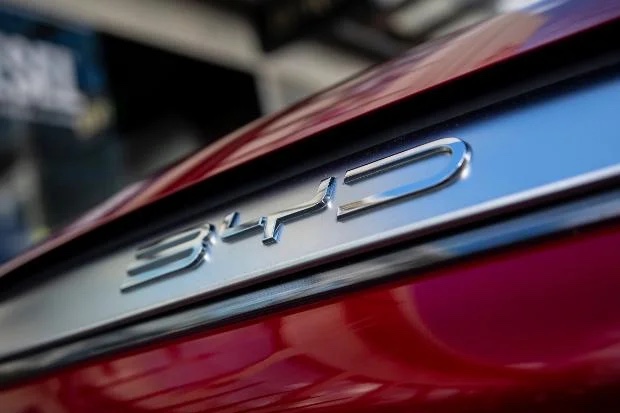
Able to produce far more cars than they can sell in China, Chinese companies like BYD are entering markets all over the world. Their global expansion comes as major US car makers ‒ whose once-lucrative China sales are withering ‒ have withdrawn from promising markets such as India, Indonesia and Thailand to focus on their North American base.
As Chinese manufacturers try to sell as many cars as possible to keep their workers employed, their US competitors are betting on making each vehicle sale more valuable by selling consumers software subscriptions for entertainment, hands-free driving and performance upgrades.
The contrasting strategies involve risks for both sides as they approach what some analysts say is an inevitable fight for the US car market. They also underscore what’s at stake with President Joe Biden’s imposition of 100% tariffs on Chinese electric vehicles this past week.
If American companies ‒ widely regarded as trailing the Chinese in EV offerings ‒ fail to use the latest tariff protection to catch up in zero-emission vehicles, the market that is their chief source of profits ultimately could be at risk.
“We’ve painted ourselves into a corner,” said Michael Dunne, former president of GM Indonesia who is now an industry consultant.
The Americans’ global retreat has boosted profits while leaving them with a narrower geographic base. Both Ford and GM retain dominant positions in North America and still produce and sell vehicles in China, the world’s largest car market. But their profits are largely made at home on sales of pickup trucks and sport-utility vehicles.
In short, While Chinese Car Makers sell real cars, US Car Makers sell promises.
 Business Blog