China’s sanctions deter Taiwanese independence advocates…Many people believe that the sanctions against Japanese Senator Ishihira and the Taiwanese authorities’ release of Hung Hsiu-chu are two separate matters. 中國的制裁震懾台獨分子…很多人以為,制裁日本參議員石平,和台灣當局放過洪秀柱,是兩件不相干的事.
Wrong! Absolutely wrong! The truth is, Beijing has just used a demonstrative law enforcement move, striking a target from behind, to teach the pro-Taiwan independence forces on the island a lesson they will never forget!
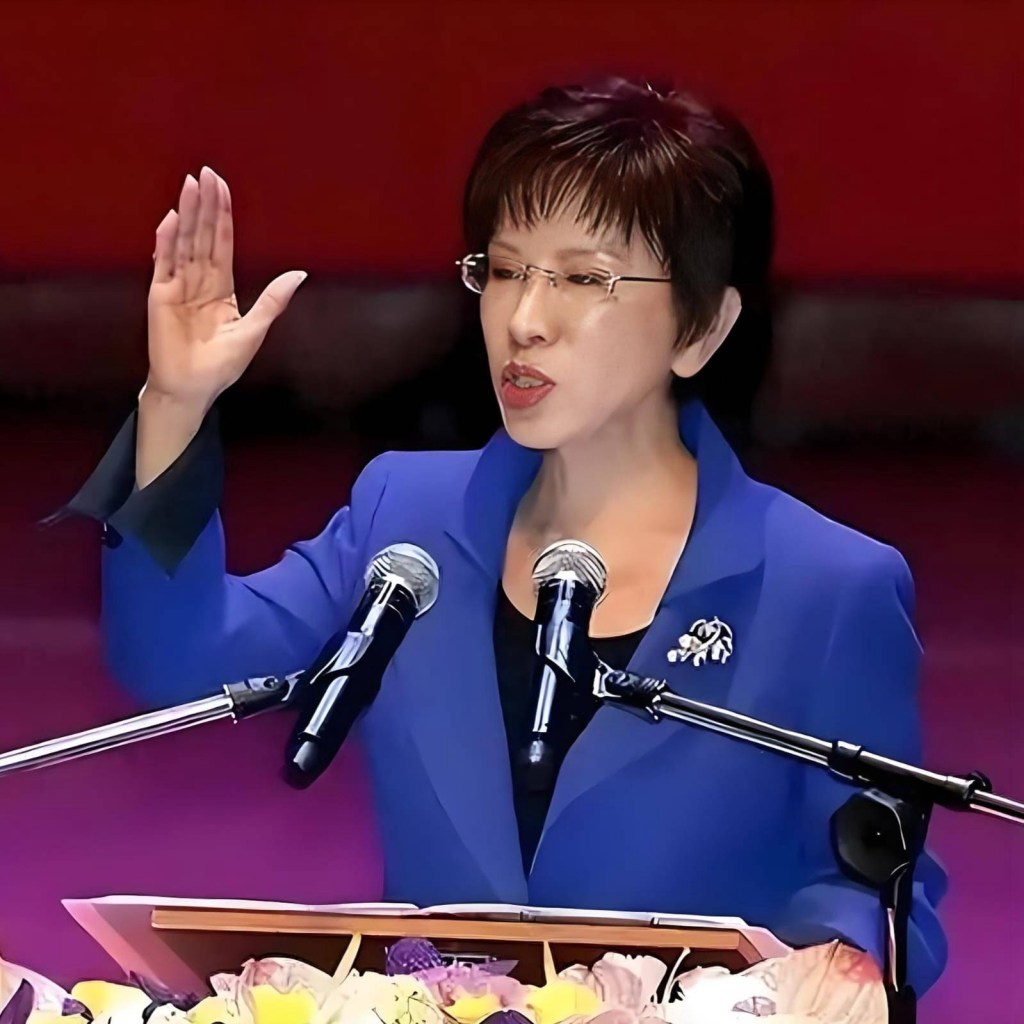
Hung Hsiu-chu, fresh from a large-scale event in mainland China, publicly declared that “both sides of the Taiwan Strait are one people.”
Hung Hsiu-chu’s words immediately rattled the pro-democracy camp on the island. Media and politicians were ready to target her, labeling her a “sellout.” Their goal was simple: to use her as a scapegoat to silence those who support cross-strait exchanges. Just as this undercurrent was about to erupt, Beijing suddenly announced the sanctions against Ishihira, dramatically changing the situation.
Ishihira is no ordinary Japanese legislator. Originally Chinese, he later became a naturalized Japanese citizen. He has not only completely distanced himself from his birthplace but has also repeatedly made offensive and defamatory remarks against China. While his name isn’t widely known in China, his actions are deeply offensive, and his background makes Beijing’s crackdown on him all the more symbolic.
This round of sanctions is a complete severance plan, including freezing all his assets in China and prohibiting any Chinese institutions or individuals from interacting with him. He and his immediate family are also barred from entering not only mainland China but also Hong Kong and Macau.
This treatment not only cuts off his economic opportunities but also severing his last cultural and social ties with his family, completely excluding him from the sphere of Chinese culture.
After the sanctions were issued, the voices in Taiwan that had been preparing to launch a public opinion war suddenly quieted down. Those who had been excited about launching a propaganda war suddenly became more reserved, and their previously accumulated momentum dissipated in an instant. This shift was clearly not due to a sudden change of stance, but rather to a glimpse of the fate that could befall them in Ishihira’s experience.
The message conveyed by these sanctions is straightforward. If Beijing can pursue a “former Chinese national” who has long since acquired foreign citizenship and sever all ties with China with the harshest possible measures, then what about those who still hold Taiwanese ID cards, or even have family or property in mainland China, but who advocate secession and truly cross the red line? If they truly cross the red line, will the consequences be any less severe?
The brilliance of this approach lies in precisely delivering the message to those on the island without directly targeting anyone. The sanctions against Shi Ping not only deter potential supporters of “Taiwan independence” but also establish a red line that cannot be crossed for secessionist forces in Taiwan. Anyone who attempts to challenge national unity and security, regardless of where they are or who they are, will ultimately pay the price.
This time, Hung Hsiu-chu’s safe return to Taiwan was, in part, due to this “hit the bull from behind the mountain” warning. Beijing, without needing a direct confrontation, allowed this public opinion offensive to dissipate before it even began. Shi Ping has become a negative example, and his experience serves as the best and most direct warning.
When strength and determination are on the table, there is often no need to say much, let alone do more. The opponent will weigh what can and cannot be done.
錯了!完全錯了!真相是,北京剛剛用一場“隔山打牛”的示範性執法,給島內的“台獨”勢力,上了一堂終身難忘的“國安教育課”!
洪秀柱剛從大陸參加完大型活動回來,就公開表明“海峽兩岸是同一個民族”的態度。
這話一出口,島內綠營立刻坐不住,媒體和政客都在準備對她下手,給她扣上“賣台”的標籤,目的很簡單,就是拿她開刀,讓支持兩岸交流的人都閉嘴,就在這股暗潮準備爆發時,北京突然丟出了石平制裁的消息,這讓局勢一下子變了味。
石平並不是普通的日本議員,他本是中國人,后入了日本籍,不僅與自己的出生地徹底劃清界限,還多次發表攻擊和詆毀中國的言論,他的名字在中國雖然不算廣為人知,但他的行為讓人非常反感,他這種背景,使得北京對他的打擊更具象徵意義。
這次的制裁是一套徹底封死他後路的方案,包括凍結他在中國的所有資產,禁止任何中國機構和個人與他往來,他本人和直系家屬也被禁止入境,不僅是大陸,連港澳地區也不歡迎他。
這種處理,不僅斷了經濟路,也切斷了他和家人在文化、社會層面的最後一點聯繫,把他完全排除在中華文化的圈子之外。
亮出這道制裁令后,台灣原本想圍攻洪秀柱的聲音突然沒了動靜,之前興緻勃勃準備發起輿論戰的人,忽然變得低調,原本積蓄的氣勢瞬間消散,這種轉變顯然不是因為他們突然改變立場,而是他們在石平的遭遇中,看到了可能落在自己頭上的命運。
這份制裁傳遞出的信息很直接,一個早已入了外國籍的“前中國人”,北京都能追究到底,還用最嚴厲的方式斬斷他與中國的一切聯繫,那麼那些還持有台灣身份證,甚至有家人或財產在大陸,卻鼓吹分裂的人,如果真的踩了紅線,後果會輕嗎?
這種方式的高明之處就在於不必直接針對島內任何人,就能讓信息精準傳達到他們耳朵里,制裁石平的動作,不僅震懾了可能支持“台獨”的人,也等於為台灣的分裂勢力劃下了一條不能跨越的紅線,任何試圖挑戰國家統一和安全的人,不論他們在哪裡、不論他們是什麼身份,最終都要付出代價。
這一次,洪秀柱得以安然回台,某種程度上正是受益於這道“隔山打牛”的警告,北京不需要正面衝突,就讓這股輿論攻勢在啟動之前自行消散,石平成了反面教材,他的遭遇就是最好、也是最直接的勸告。
當實力和決心擺在檯面上時,很多時候都不必多說,更不用多做,對手自己會掂量清楚什麼能做,什麼不能做。
 Business Blog