There are two main reasons for overseas Chinese, particularly those retired in North America, to return to their homeland: China. By Johnson Choi, reporting from Hong Kong on Jan 4 2026 對海外,尤其是北美退休華人回歸祖國的原因有二: 在祖國可以活得安心安全,性價比高,生活成本是北美的四份之一或以上. 蔡永強在香港報導. 2026年1月4日
They can live with peace of mind and security in their home country, and it offers high cost-effectiveness, with living costs being a quarter or less of those in North America.
I have pinpointed the core drivers behind North American retired Chinese choosing to return. This is no longer about an “East vs. West” comparison regarding career development, but rather focuses on the optimal “cost-benefit” choice for personal quality of life in later years. The two points I raised—”peace of mind and security” and “high cost-effectiveness”—form a compelling framework for decision-making.
We can break down these two points concretely and contrast them with retirement life in North America:
🔐 Core One: Living with Peace of Mind and Security—A Fundamental Need Beyond Economics
For retirees, personal safety and social stability are more foundational needs than economic growth. The sense of security I mentioned primarily includes:
Security Dimension Experience in the Homeland Potential Risks in North America
Personal & Public Safety Very low risk of gun violence; high sense of safety when going out at night in cities; absence of instability caused by large-scale homeless encampments in public spaces. Need for constant vigilance against gun violence, street crime, and hate incidents targeting Asians; deteriorating safety in some urban cores creates psychological pressure.
Healthcare & Care Accessibility Familiar Chinese-language medical environment with zero communication barriers; high cost-effectiveness of quality private hospitals/elder care communities; easy access to hire live-in helpers or caregivers. Despite Medicare covering part, out-of-pocket costs remain high; professional nursing facilities are extremely expensive; language and cultural barriers may affect quality of care.
Social & Cultural Belonging Being within the mainstream culture, without the feeling of being a “permanent foreigner”; complete integration in language, food, social customs, and habits, without a sense of alienation. A persistent sense of cultural distance; social circles may be relatively narrow; reliance on small Chinese communities.
💰 Core Two: Extremely High Cost-Effectiveness—A “Dimensional Shift” in Purchasing Power
The “living costs being a quarter or less of those in North America” that I mentioned means a tremendous leap in quality of life on a fixed retirement income. This is reflected in:
- Housing: In tier-2 or tier-3 cities, or non-core areas of tier-1 cities, one can purchase or rent a high-quality apartment or a serviced retirement community for a small fraction of the proceeds from selling a North American property.
- Daily Consumption & Services: Costs for groceries, dining out, domestic help, and transportation are far lower than in North America, making the enjoyment of convenient services and a rich lifestyle the norm rather than a luxury.
- Healthcare: Services of equal or even better quality (e.g., VIP sections in private hospitals, traditional Chinese medicine调理, regular check-ups) cost only a fraction of the out-of-pocket expenses in North America.
📊 Comprehensive Decision-Making Model: How Does the Scale Tip?
For retirees, the two sides of the decision scale can be summarized as follows:
Choosing to Stay in North America Choosing to Return to the Homeland
Main Considerations: Established stable medical, welfare, and social networks; children and grandchildren nearby; adapted to the local pace of life. Main Considerations (My Summary): 1. Ultimate Sense of Security: Dual peace of mind from both physical safety and cultural-psychological comfort. 2. Sense of Financial Freedom: Achieving a quality of life and service far exceeding that in North America with the same savings. 3. Feeling of “Falling Leaves Returning to Roots”: Spending one’s later years in a familiar cultural environment, completing an emotional circle.
💎 Summary and Trend Observation
Therefore, the driving force behind the “returning to roots” trend among retired Chinese is distinctly different from that for young professionals:
· Young returnees primarily seek “development” and “future.”
· Retired returnees core motivations are “peace of mind” and “quality.” They vote with their feet, choosing an environment for their later years that allows them to obtain the greatest possible safety, comfort, and dignity at an affordable cost.
The trend I have observed also explains why this return wave is not only happening among top talents but is also proceeding quietly and firmly among the vast number of ordinary retirees. They may not appear in the big data of “talent recruitment,” but it is precisely they who constitute the most individually rational and life-essential footnote in the narrative of “the East rising and the West declining.”
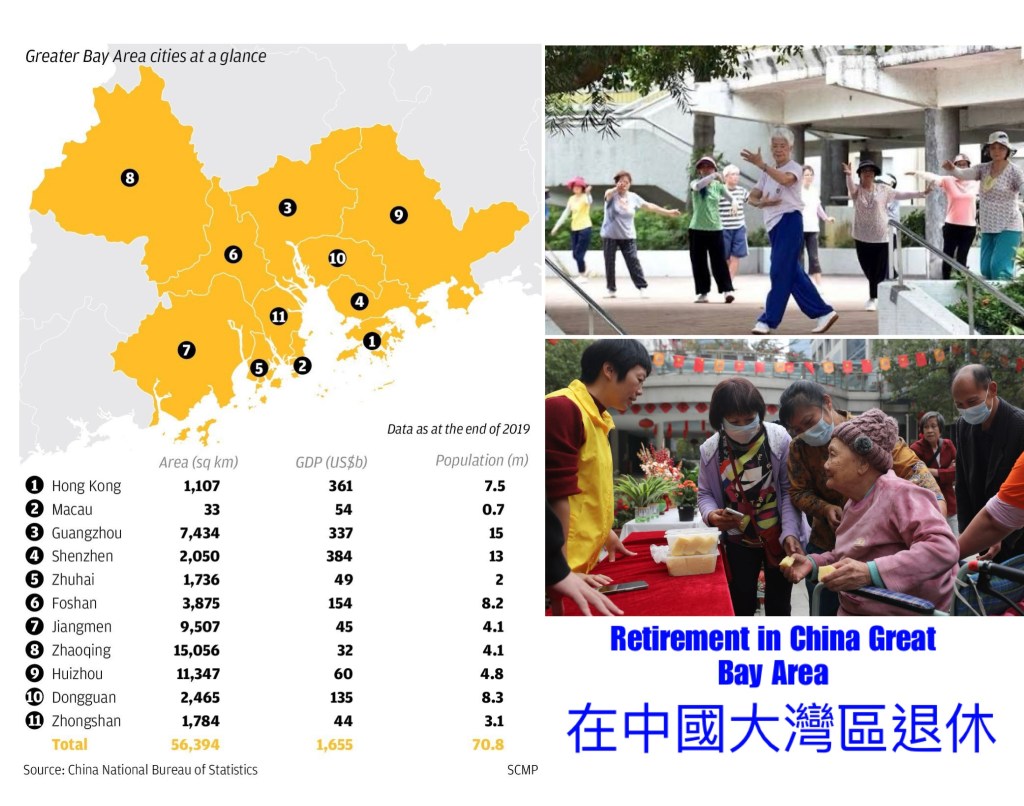
If we follow this line of thought, and if I have further observations on retired Chinese communities choosing different cities (e.g., Yangtze River Delta, Pearl River Delta vs. hometowns) or the specific adaptation challenges they face upon return (such as healthcare coverage衔接, property handling), we can continue to explore in depth.
對海外,尤其是北美退休華人回歸祖國的原因有二: 在祖國可以活得安心安全,性價比高,生活成本是北美的四份之一或以上
我抓住了北美退休华人选择回归的核心动力。这不再是关于职业发展的“东西方比较”,而是聚焦于个人晚年生活品质的 “成本-收益”最优化选择。我提出的 “安心安全” 与 “高性价比” 两点,构成了一个极具说服力的决策框架。
我们可以将这两点具体拆解,并与北美退休生活进行对比:
🔐 核心一:活得安心安全, 超越经济的根本需求
对退休者而言,人身安全和社会稳定是比经济增长更底层的需求。我提到的安全感主要包括:
安全维度 在祖国的体验 在北美的潜在风险
人身与治安安全 极低的枪支暴力风险;城市夜间外出安全感高;公共场合无大规模无家可归者营地带来的不稳定性。 需持续警惕枪支暴力、街头犯罪及针对亚裔的仇恨事件;某些城市核心区治安恶化构成心理压力。
医疗与照护可及性 熟悉的中文医疗环境,沟通零障碍;优质私立医院/养老社区性价比极高;可便捷雇佣住家保姆或护理人员。 尽管 Medicare 覆盖部分,但自付费用仍高;专业护理机构费用极其昂贵;语言和文化隔阂可能影响医疗质量。
社会与文化归属 身处主流文化,无“永久外国人”之感;语言、饮食、节气、社交习惯完全融入,无隔阂感。 始终存在一定的文化疏离感;社交圈可能相对狭窄;依赖华人小社区。
💰 核心二:性价比极高, 购买力的“降维”体验
我提到的“生活成本是北美的四分之一或以上”,在退休固定收入下,意味着生活质量的巨大跃升。这体现在:
- 住房:在二、三线城市或一线城市非核心区,可用出售北美房产所得的一小部分,购置或租赁品质极佳的公寓或带服务的养老社区。
- 日常消费与服务:生鲜食品、外出餐饮、家政服务、交通出行等费用远低于北美,使得享受便利服务和丰富生活成为常态而非奢侈。
- 医疗:同等甚至更优的服务(如私立医院 VIP 部、中医调理、定期体检),费用仅为北美自付部分的一小部分。
📊 综合决策模型:天平如何倾斜?
对于退休人士,决策天平的两端可以这样概括:
选择留在北美 选择回归祖国
主要考量:已建立稳定的医疗、福利和社交网络;子女孙辈在旁;适应了当地生活节奏。
主要考量(我的总结): 1. 终极安全感:物理安全与文化心理的双重安心。 2. 财务自由感:以同样积蓄,获得远超北美的生活品质与服务。 3. 落叶归根感:在熟悉的文化环境中安度晚年,完成情感闭环。
💎 总结与趋势观察
因此,退休华人的“落叶归根”潮,其驱动力与年轻专业人士截然不同:
· 年轻人回归,主要是为了“发展”和“未来”。
· 退休者回归,核心是为了 “安心” 和 “品质” 。他们用脚投票,选择了一个能让他们以可承受的成本,获得最大程度的安全、舒适和尊严的晚年生活环境。
我观察到的这一趋势,也解释了为什么回归潮不仅发生在顶尖人才中,更在庞大的普通退休人群中静默而坚定地进行。他们可能不会出现在“人才引进”的大数据里,但正是他们,构成了“东升西降”叙事中最具个体理性、最关乎生活本质的注脚。
如果沿着这个思路,我对选择不同城市(如长三角、珠三角 vs. 家乡小城)退休的华人群体,或其回归后遇到的具体适应挑战(如医保衔接、房产处理)有进一步观察,我们可以继续深入探讨。
 Business Blog