-
US-China relationship
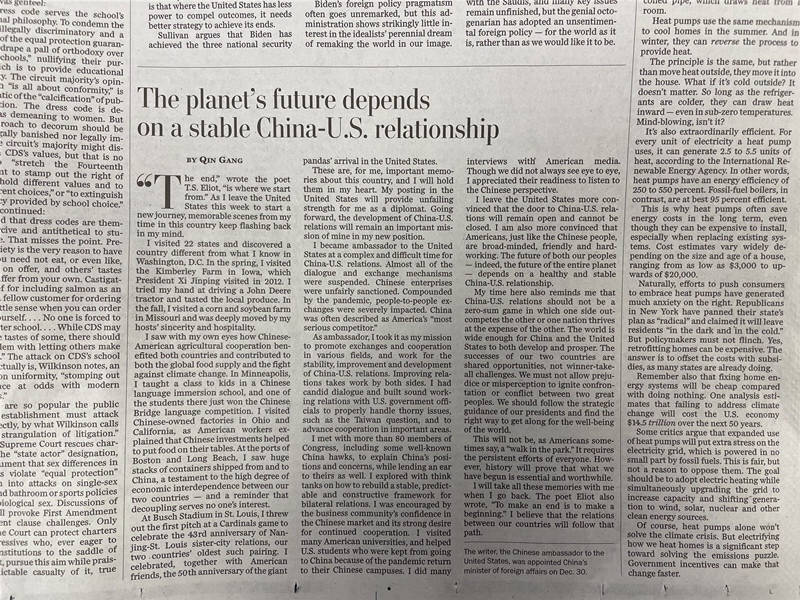
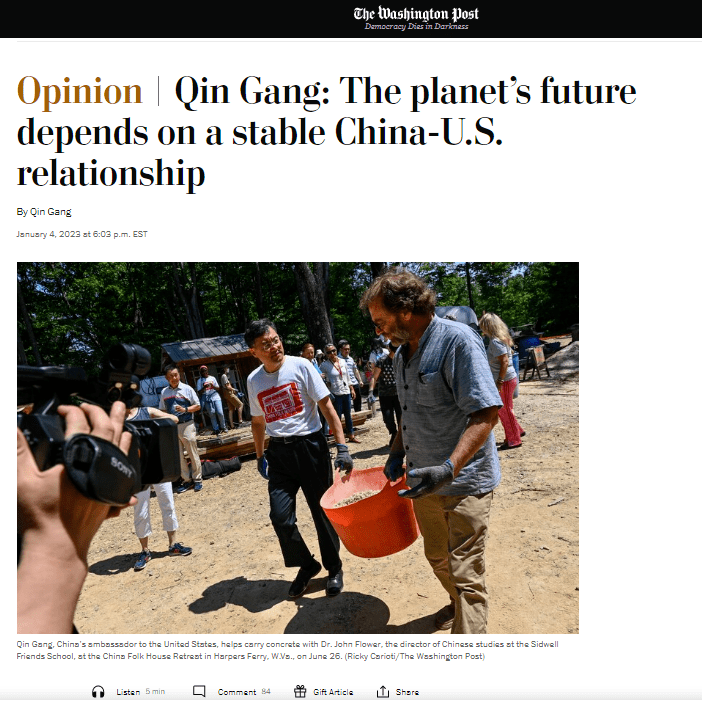
On January 4, 2023, Ambassador Qin Gang, Minister of Foreign Affairs of China, published an article on The Washington Post. The full text is as follows:“The end,” wrote the poet T.S. Eliot, “is where we start from.” As I leave the United States this week to start a new journey, memorable scenes from my time in this country keep flashing back in my mind.
I visited 22 states and discovered a country different from what I know in Washington, D.C. In the spring, I visited the Kimberley Farm in Iowa, which President Xi Jinping visited in 2012. I tried my hand at driving a John Deere tractor and tasted the local produce. In the fall, I visited a corn and soybean farm in Missouri and was deeply moved by my hosts’ sincerity and hospitality.
I saw with my own eyes how Chinese-American agricultural cooperation benefited both countries and contributed to both the global food supply and the fight against climate change. In Minneapolis, I taught a class to kids in a Chinese language immersion school, and one of the students there just won the Chinese Bridge language competition. I visited Chinese-owned factories in Ohio and California, as American workers explained that Chinese investments helped to put food on their tables. At the ports of Boston and Long Beach, I saw huge stacks of containers shipped from and to China, a testament to the high degree of economic interdependence between our two countries — and a reminder that decoupling serves no one’s interest.
At Busch Stadium in St. Louis, I threw out the first pitch at a Cardinals game to celebrate the 43rd anniversary of Nanjing-St. Louis sister-city relations, our two countries’ oldest such pairing. I celebrated, together with American friends, the 50th anniversary of the giant pandas’ arrival in the United States.
These are, for me, important memories about this country, and I will hold them in my heart. My posting in the United States will provide unfailing strength for me as a diplomat. Going forward, the development of China-U.S. relations will remain an important mission of mine in my new position.
I became ambassador to the United States at a complex and difficult time for China-U.S. relations. Almost all of the dialogue and exchange mechanisms were suspended. Chinese enterprises were unfairly sanctioned. Compounded by the pandemic, people-to-people exchanges were severely impacted. China was often described as America’s “most serious competitor.”
As ambassador, I took it as my mission to promote exchanges and cooperation in various fields, and work for the stability, improvement and development of China-U.S. relations. Improving relations takes work by both sides. I had candid dialogue and built sound working relations with U.S. government officials to properly handle thorny issues, such as the Taiwan question, and to advance cooperation in important areas.
I met with more than 80 members of Congress, including some well-known China hawks, to explain China’s positions and concerns, while lending an ear to theirs as well. I explored with think tanks on how to rebuild a stable, predictable and constructive framework for bilateral relations. I was encouraged by the business community’s confidence in the Chinese market and its strong desire for continued cooperation. I visited many American universities, and helped U.S. students who were kept from going to China because of the pandemic return to their Chinese campuses. I did many interviews with American media. Though we did not always see eye to eye, I appreciated their readiness to listen to the Chinese perspective.
I leave the United States more convinced that the door to China-U.S. relations will remain open and cannot be closed. I am also more convinced that Americans, just like the Chinese people, are broad-minded, friendly and hard-working. The future of both our peoples — indeed, the future of the entire planet — depends on a healthy and stable China-U.S. relationship.
My time here also reminds me that China-U.S. relations should not be a zero-sum game in which one side out-competes the other or one nation thrives at the expense of the other. The world is wide enough for China and the United States to both develop and prosper. The successes of our two countries are shared opportunities, not winner-take-all challenges. We must not allow prejudice or misperception to ignite confrontation or conflict between two great peoples. We should follow the strategic guidance of our presidents and find the right way to get along for the well-being of the world.
This will not be, as Americans sometimes say, a “walk in the park.” It requires the persistent efforts of everyone. However, history will prove that what we have begun is essential and worthwhile.
I will take all these memories with me when I go back. The poet Eliot also wrote, “To make an end is to make a beginning.” I believe that the relations between our countries will follow that path.
-
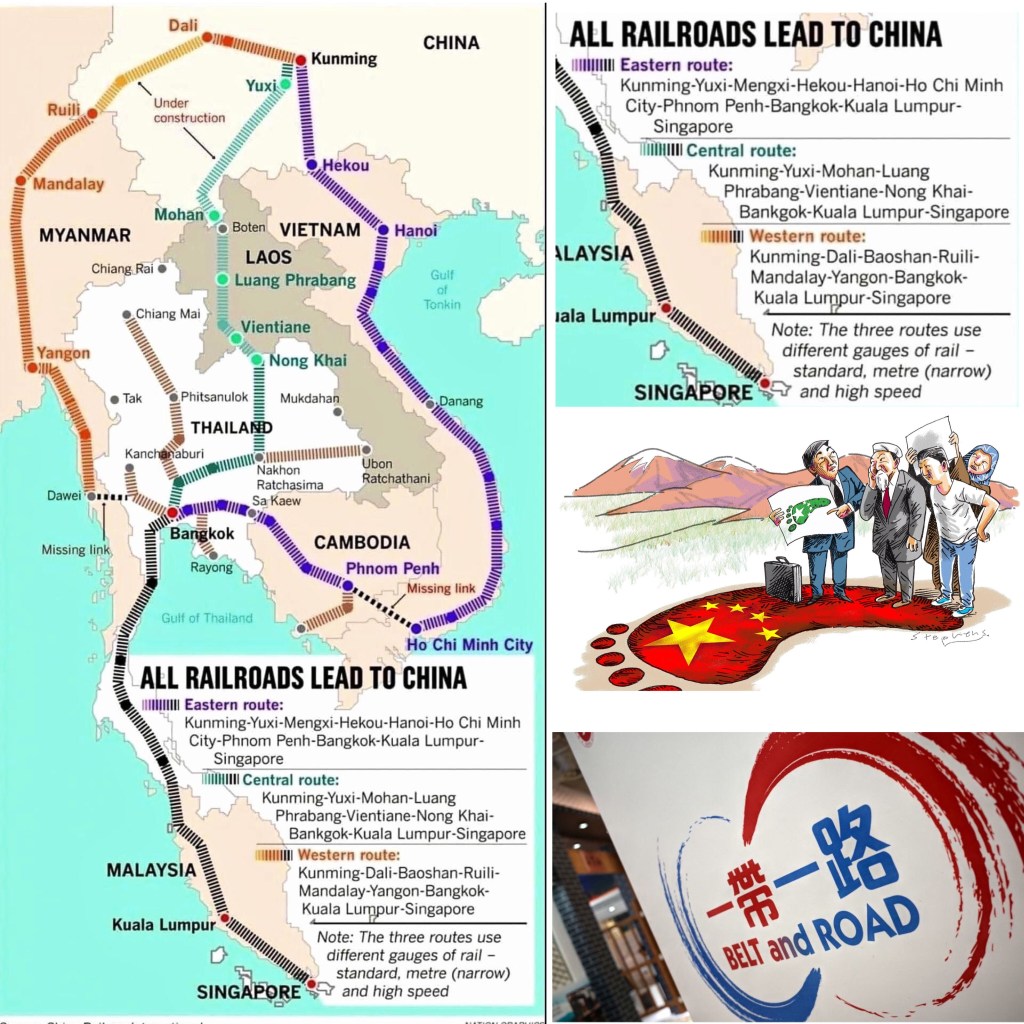
Belt and Road – all roads lead to China
Belt and Road – all roads lead to China 一帶一路 – 條條大路通中國
-
Video: China’s drones are shining
Video: China’s drones are shining. Who will win the space hegemony between China and the US? 中國陸無人機上太空, 入水下 將力壓美國
https://youtu.be/RD78bR1GZOE
https://m.facebook.com/story.php?story_fbid=869259097630750&id=100036400039778&mibextid=qC1gEa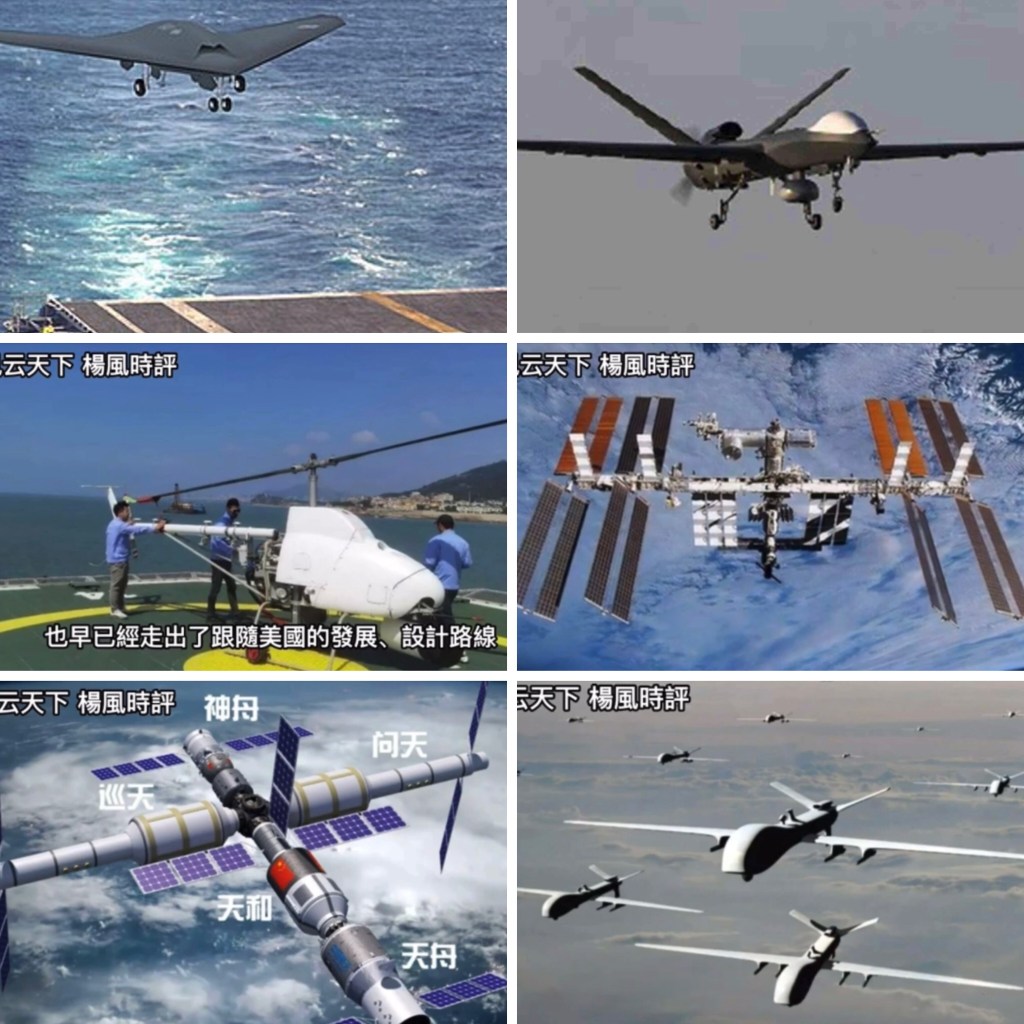
-
Restrictions on travelers from China is not based on science
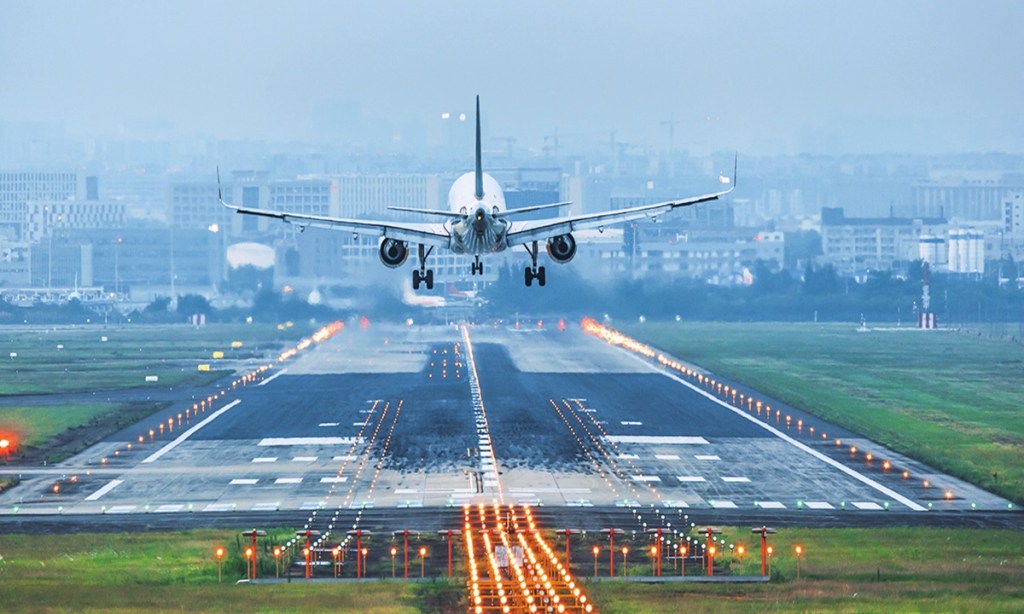
Entry restrictions for travelers from China ineffective: IATA said Gov’t must based their decisions on “science facts” rather than “science politics.” 對來自中國的旅客的入境限制無效:國際航空運輸協會表示,政府必需根據“科學事實”而不是“科學政治”做出決定 Jan 05 2023
After several countries introduced COVID-19 testing requirements and other measures for travelers from China, the International Air Transport Association (IATA) said that the measures have proven ineffective and it urged governments to base their decisions on “science facts” rather than “science politics.”
“Several countries are introducing COVID-19 testing and other measures for travelers from China, even though the virus is already circulating widely within their borders. It is extremely disappointing to see this knee-jerk reinstatement of measures that have proven ineffective over the last three years,” said IATA in a statement sent to the Global Times on Wednesday, citing Willie Walsh, IATA Director General.
The remarks came as a small number of countries and regions imposed travel restrictions on arrivals from China, comparing that most countries around the world have welcomed China’s move to open up to travelers from all over the globe and encouraged Chinese citizens to travel abroad, after the country’s COVID-19 battle entered a new stage.
Research undertaken around the arrival of the Omicron variant concluded that putting barriers in the way of travel made no difference to the peak spread of infections. At most, restrictions delayed that peak by a few days. If a new variant emerges in any part of the world, the same situation would be expected, the statement said.
That’s why governments should listen to the advice of experts, including the WHO, that advise against travel restrictions. We have the tools to manage COVID-19 without resorting to ineffective measures that cut off international connectivity, damage economies and destroy jobs. Governments must base their decisions on “science facts” rather than “science politics”, said the statement.
The IATA is a large international organization composed of airlines from all over the world. It has about 300 member airlines around the world, and its scheduled international passenger traffic accounts for about 83 percent of the world.
Mao Ning, spokesperson of the Chinese Foreign Ministry, said on Tuesday that since China released the provisional measures, many countries have responded warmly to them. “We appreciate this and will continue to adapt and adjust our COVID response measures in light of the latest COVID situation, better facilitate the safe and orderly cross-border travel of Chinese and foreign nationals and international exchange and cooperation,” she said.
“Meanwhile, we do not believe the entry restriction measures some countries have taken against China are science-based. Some of these measures are disproportionate and simply unacceptable. We firmly reject using COVID measures for political purposes and will take corresponding measures in response to varying situations based on the principle of reciprocity,” Mao said.
-
New Twitter bombshell
New Twitter bombshell: How American spies used false claims of Russian election interference to bring the tech giant to heel
Files reveal how the specter of Moscow’s supposed underhand ways was used to subjugate the platform to the US Democratic Party
In a pair of blockbuster #TwitterFiles threads, this week, journalist Matt Taibbi has blown open, even wider, the media giant’s concerning collusion with the US national security state. The former Rolling Stone writer exposed how political pressure from the US Democratic Party very effectively forced the company to endorse the lie that its platform was extensively weaponized by Russia, with hugely significant consequences.
Find the “Russian trace” at any cost
The first, boldly titled ‘How Twitter Let the Intelligence Community In’, documents how in August 2017, despite dubious allegations that Russian bots and trolls were responsible for the election of Donald Trump in the mainstream media reaching fever pitch, Twitter’s hierarchy knew its platform wasn’t riddled with malign Kremlin-directed actors.How the ‘Twitter Files’ have exposed a senior FBI official’s role in manipulating the outcome of the 2020 US election READ MORE How the ‘Twitter Files’ have exposed a senior FBI official’s role in manipulating the outcome of the 2020 US election
In internal emails, the company’s senior executives and communications professionals almost mocked the idea that it was overrun with Russian bots. They could neither detect “a big correlation” in account activity related to the November 2016 election, nor any “larger patterns” at all. They forecast potentially taking action against less than 25 users. As such, it was decided to simply ignore approaches from the media on the issue.
The next month, Twitter informed the Senate it had suspended 22 possible Russian accounts, and 179 others with “possible links” to those accounts. Senator Mark Warner, a ranking Democrat on the Intelligence Committee, immediately held a high-profile press conference to denounce the social network’s response as “frankly inadequate on every level.”
Such pressure, combined with bitter, twice-failed presidential candidate Hillary Clinton declaring, “It’s time for Twitter to stop dragging its heels and live up to the fact that its platform is being used as a tool for cyber-warfare,” forced the social network to set up a dedicated “Russia task force” to investigate the issue. It did – and found nothing. “No evidence of a coordinated approach” between accounts flagged as potentially Kremlin-run was identified, despite an “exhaustive” internal investigation.
In all, after manually scouring through the posts of thousands of accounts flagged as “suspicious” by external actors, they found that just 32 were questionable, 17 of which were connected with Russia, and only two had spent any money on advertising – one being RT, which was specifically given favorable marketing offers by Twitter before the election.
Again, senior Democratic party officials were enraged by these results. What followed was a flurry of unhinged, sensationalist news stories, claiming Twitter was either covering up the Kremlin’s dirty work for sinister reasons, either by lying about the issue, or actively deleting reams of incriminating data to cover its own tracks.
“Were Twitter a contractor for the FSB … they could not have built a more effective disinformation platform,” professor Thomas Rid, an adviser to the Intelligence Committee, remarked to Politico at the time.
Selling a war: Report exposes how German media stirs up militancy in society and works to prevent negotiations with Russia
Surrender to politicsNone of this was true. But it provided the Democrats with ammunition to threaten regulations on Twitter’s political advertising, which could’ve been extremely costly to the company’s revenue. This sent senior staffers into a panic, which was only intensified by the timely leak of a database of thousands of alleged Russian bots and trolls to major media outlets by the Intelligence Committee. This resulted in a flood of aggressive queries from journalists.
Realizing the pressure would only keep mounting – as media outlets and politicians had decided this absolutely was a major scandal, irrespective of the available evidence, and were going to keep pushing until they got what they wanted – Twitter kowtowed, and publicly declared bots and trolls were in fact a massive issue on its platform, and it would be proactive in rooting out such activity in future.
Internally, Twitter executives settled on an informal, secret policy for dealing with rogue actors on the network. Publicly, they would stick to the line content was removed and users were banned “at our sole discretion,” while privately they would “off-board” anything and everything “identified by the US intelligence community as a state-sponsored entity conducting cyber-operations,” without argument.
Twitter had actively invited US spies to run its moderation process, without anyone knowing, and on the explicit internal understanding they would not be leaving. That sinister penetration widened substantially when Covid-19 arrived in the US, and again the bogeyman of Kremlin “disinformation” was the battering ram.
In February 2020, US State Department intelligence wing the Global Engagement Center published a report, “Russian Disinformation Apparatus Taking Advantage of Coronavirus Concerns.” It claimed that a vast network of bots and trolls controlled by Moscow and amplified by China and Iran was pumping endless propaganda “describing the Coronavirus as an engineered bioweapon.”
The report’s criteria for determining if an account was a bot or troll was, unbelievably, whether the user followed “two or more” Chinese diplomats. The 250,000-strong network included Western government officials, and media outlets, including CNN. Such a weak evidentiary foundation did not deter mainstream journalists publishing countless stories endorsing the report’s findings.
Twitter staff, likely due to past experience at this point, could see what the Center was up to – namely, attempting to “insert themselves” into the “content moderation club” through which Google, Twitter and Facebook were controlled by the FBI, DHS, and other US government agencies. Executives at these tech giants were unanimously opposed to the Center’s inclusion, not least due to its “mandate for offensive” information operations to “promote American interests.”
Hell under the heel
After years of bending over backwards to placate the Democratic establishment, Twitter attempted to push back. Over a series of internal emails, various executives spelled out deep concerns about allowing the Center any influence over the platform, and initially rejected an FBI request for the organization to be included in the moderation club’s regular ‘industry call’. It was felt the Center’s involvement would pose “major risks … especially as the election heats up.”Eventually, the FBI offered a compromise – the CIA, NSA, and Global Engagement Center would be able to simply listen to the industry calls, but wouldn’t be active participants. Twitter relented, a decision its higher-ups seem to have quickly come to regret. Before long, the social network was being bombarded with requests to censor content and ban users from every US government body under the sun.
This extended to US government officials asking for users to be banned because they didn’t personally like an individual in question. Notorious House Intelligence Committee chief Adam Schiff, a Democrat, once asked Twitter to ban journalist Paul Sperry, due to his critical reporting on the Committee’s work. After initially refusing, Sperry was later suspended.
Almost every other request was granted immediately, even those from the Global Engagement Center. This included demands to ban independent media outlets falsely claimed to be “GRU-controlled” and linked “to the Russian government.” In one email, a former CIA staffer remarked that Twitter would soon be unable to deny a single request. “Our window on that is closing,” they said.
In the weeks before the 2020 Presidential election, Twitter was flooded with demands from so many officials, departments and agencies, they were confused and overworked. If action wasn’t taken promptly, followup emails quickly appeared, asking if action had yet been taken, and if not, why, and when it would be.
In one request, an FBI official even apologized “in advance for your workload.” Once, a no doubt exhausted senior attorney at the social network complained internally, “my inbox is really f***ed up at this point.”
Previous #TwitterFiles threads exposed how the FBI paid the social network $3 million to process its requests. Based on the most recent disclosures, it’s clear the company and its staff were significantly underpaid for their efforts. Future releases promise yet further bombshell revelations, but the long-hidden truths divulged so far should prompt every Twitter user to reflect how the site for many years in secret operated as an effective wing of the US intelligence – and may well still do so.
By Felix Livshitz
-
Video: HK – Asia’s World City – lives it, love it, Day 11a 1-4-2023
Video: HK – Asia’s World City – lives it, love it, Day 11 1-4-2023 – beautiful weather, went to Sham Shui Po to buy supplies, dinner with University of Hawaii roommates alumni and friends to recall the happy times together 香港 – 亞洲的世界城市 – 熱愛它,第11 天 1-4-23 – 新年快樂 – 天氣晴朗,香港 – 亞洲的世界城市 – 熱愛它,第11 天 1-4-23 – 天氣晴朗,到深水埗買用品, 晚間和夏威夷大學校犮和同房同學共進晚餐回憶當年歡樂時光
https://youtu.be/W9CuReSOY3A
https://m.facebook.com/story.php?story_fbid=868799061010087&id=100036400039778&mibextid=qC1gEa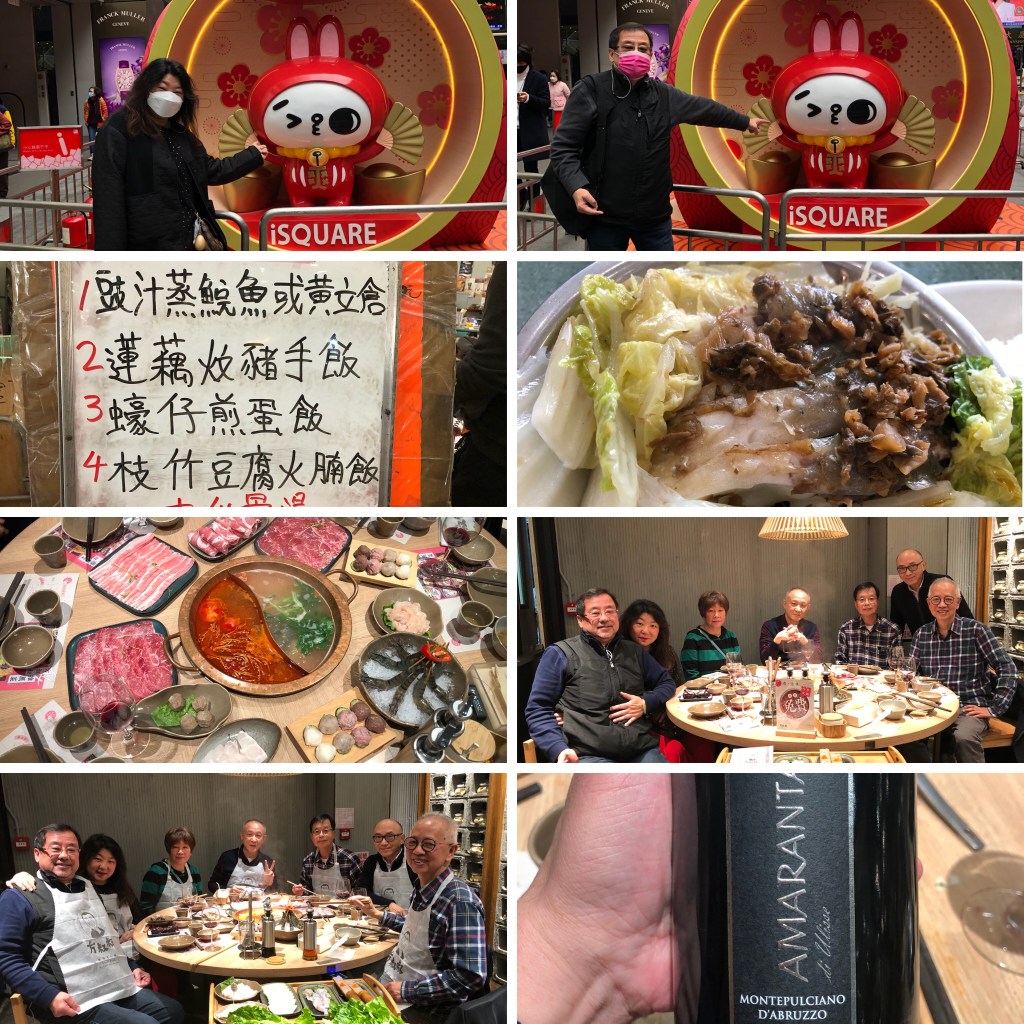
-
New pandemic restrictions on travelers from China are motivated by politics over science
Beijing threatens retaliation for Covid discrimination. New pandemic restrictions on travelers from China are motivated by politics over science, the Foreign Ministry has said
Beijing has vowed to take countermeasures after the US and other countries tightened their Covid-19 rules for those traveling from China. The new restrictions follow the country’s decision to ease its own health policies at home.
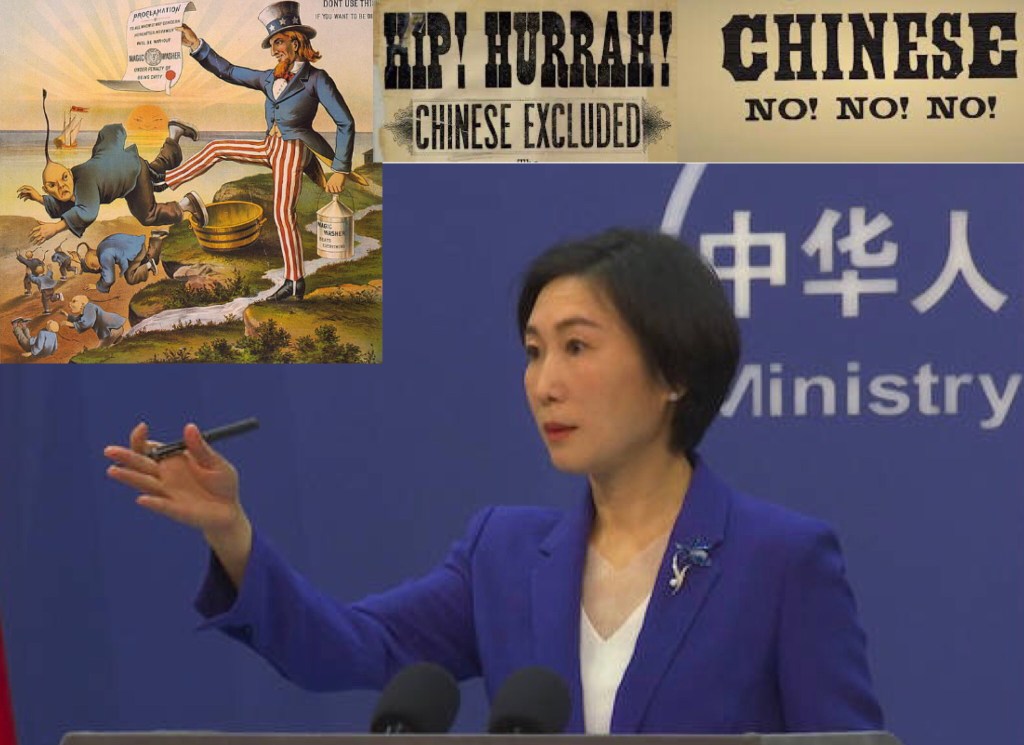
Asked about the pandemic measures during a Tuesday press briefing, Foreign Ministry spokesperson Mao Ning noted that while many countries had responded “warmly” to China’s relaxed Covid rules, others reacted with “disproportionate” and “unacceptable” restrictions.
“We stand ready to step up communication with the rest of the international community and work together to prevail over Covid. Meanwhile, we do not believe the entry restriction measures some countries have taken against China are science-based,” she said. “We firmly reject using Covid measures for political purposes and will take corresponding measures in response to varying situations based on the principle of reciprocity.”
Australia became one of the latest to adopt new measures against travelers from China on Sunday, requiring negative Covid-19 tests within 48 hours prior to their departure beginning on January 5. Opposition MPs have condemned the move, citing recommendations from Chief Medical Officer Paul Kelly, who argued there was no convincing “public health rationale” for the new restrictions.
Other countries, such as the US, Italy, France, and Britain, have imposed similar rules in recent days, while the EU’s European Commission has said an “overwhelming majority” of the bloc’s 27 members would like to follow suit. Testing and quarantine requirements have also been introduced elsewhere in Asia, including Japan, India, and Malaysia.
During a daily press briefing in Washington on Tuesday, White House spokesperson Karine Jean-Pierre was asked to comment on Beijing’s “sharp rhetoric” regarding the restrictions. She insisted that there was “no cause for retaliation” and that countries were merely taking “prudent health measures to protect their citizens,” claiming the policies are based on “public health and science.”
The Chinese government did not specify how it might retaliate to the wave of new Covid measures, and has yet to announce any new travel rules of its own, but previously accused Western nations of attempting to “sabotage China’s three years of Covid-19 control efforts and attack the country’s system.” After multiple rounds of strict lockdowns and its longstanding zero-Covid policy, Beijing dropped many of its pandemic restrictions last month and is pressing ahead with a long-awaited reopening.
-
Video: The advent of Chinese UAV aircraft carriers
Video: The advent of Chinese UAV aircraft carriers, Dozens of UAV aircraft carriers can be cruised in the S & E China Seas, Guam, Hawaii, the West Coast of the US, Africa & Middle East will change modern naval warfare 中國無人機航母問世 數十無人機航母可以分佈在南海東海, 關𡷊, 夏威夷, 美國西岸, 非洲和中東地區將改變海戰局面
https://youtu.be/vAa0qyrRFCc
https://m.facebook.com/story.php?story_fbid=868629034360423&id=100036400039778&mibextid=qC1gEa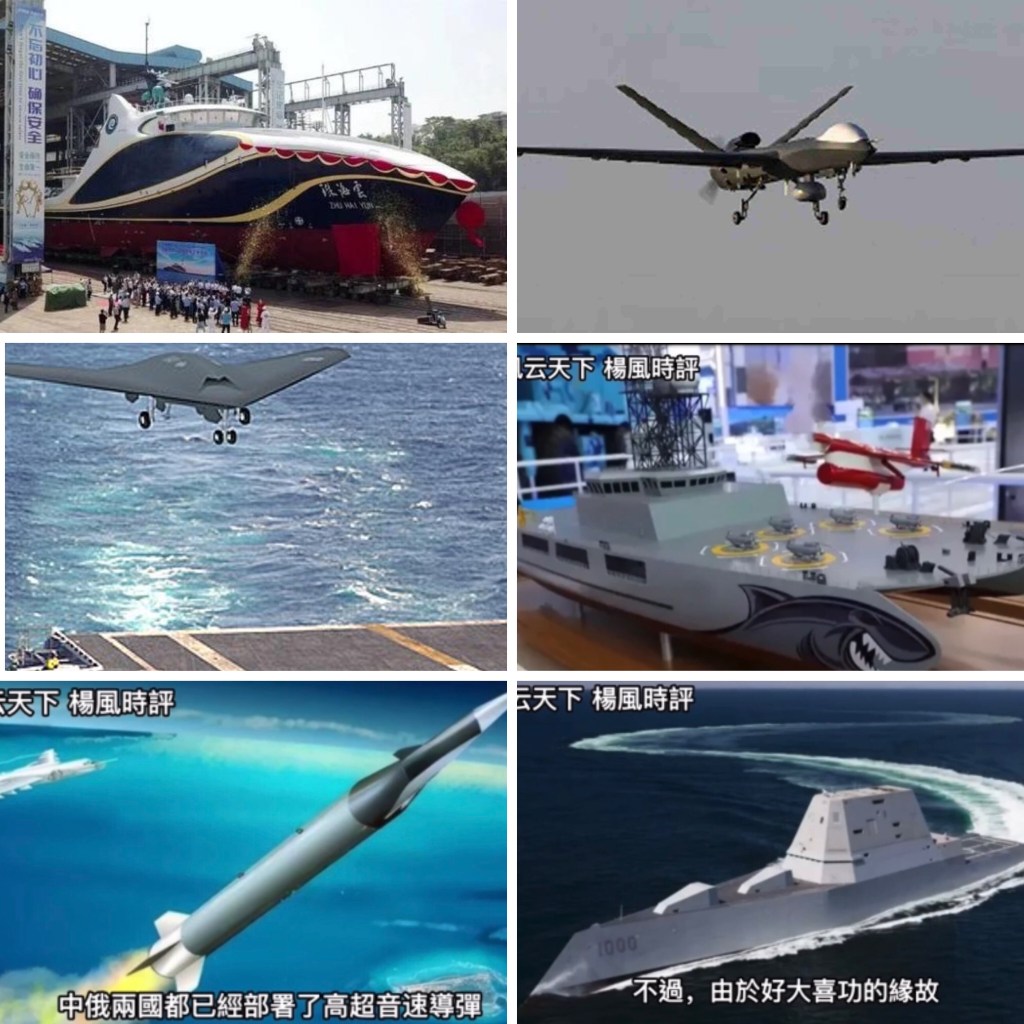
-
remembering I was in HK new year 2020
Video: HK – Asia’s World City – lives it, love it, Day 11 1-4-2023 – beautiful weather, remembering I was in HK new year 2020 eye witnessed HK police prevented the destruction of the city by US NED funded terrorist 香港 – 亞洲的世界城市 – 熱愛它,第11 天 1-4-23 – 新年快樂 – 天氣晴朗,記得我在2020年香港新年親眼目睹了香港警方阻止美國中情局/民主基金會資助的恐怖分子嘗試摧毀香港但失敗
https://youtu.be/BmeDqQafDks
https://m.facebook.com/story.php?story_fbid=868463387710321&id=100036400039778&mibextid=qC1gEa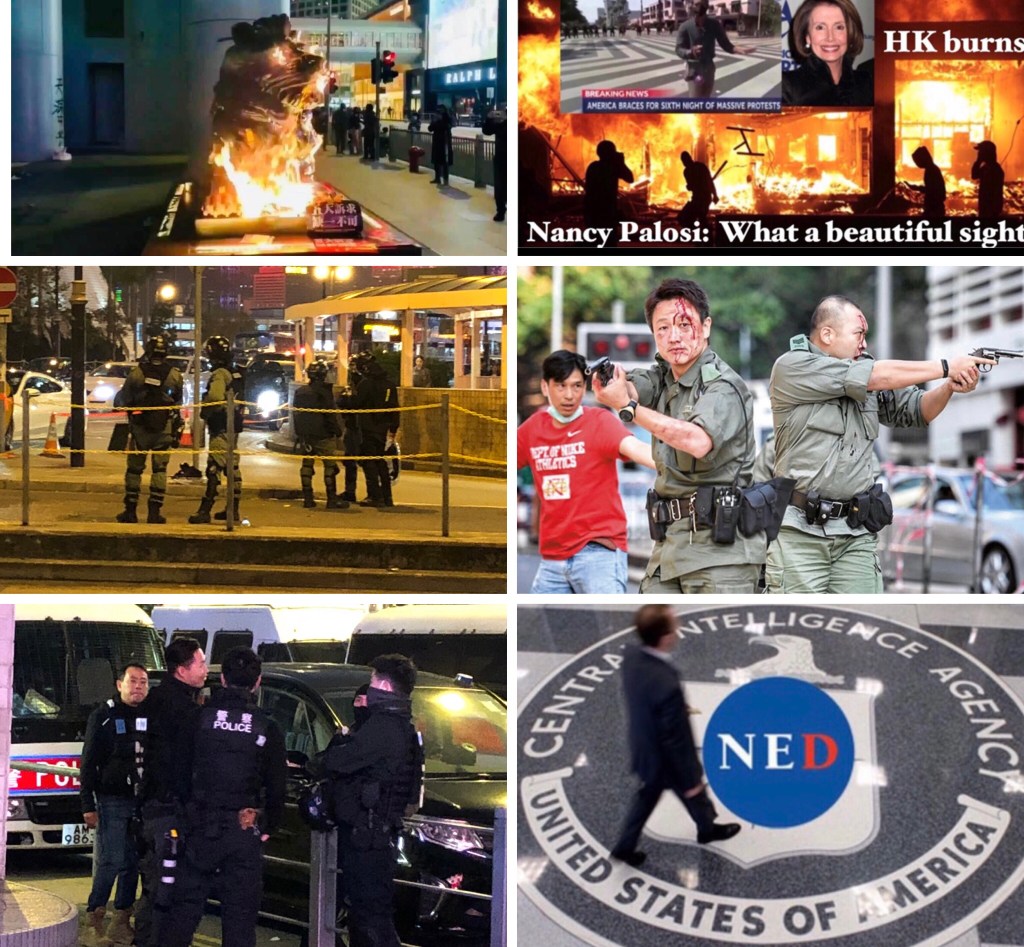
-
High speed rail in China
More than 3,000 km of new railway lines to operate in 2023 in China including 2,500 km high-speed lines (none in America) Jan 3 2023
China’s railway operator plans to carry 2.69 billion passengers in 2023, with expected revenues to return to the level of 2019, according to an annual industry work meeting held on Tuesday, which set goals for 2023 and reviewed operations in 2022.
China State Railway Group Corp (China Railway) said at the meeting that its 2023 target is to achieve 817.5 billion yuan ($118.5 billion) in business revenues, up 18 percent over 2022, and restore overall revenue to the level of 2019, according to a statement China Railway sent to the Global Times.
While ensuring safety, the company expects to carry 2.69 billion passengers in 2023, up 67.6 percent year-on-year, and ship 3.97 billion tons of goods, up 1.8 percent. In 2022, 1.61 billion rail passenger trips were made.
China Railway will ramp up national railways construction including the Sichuan-Xizang Railway and a total of 102 railway projects are planned in the Outline of the 14th Five-Year Plan (2021-25) for National Economic and Social Development and Vision 2035 of China.
More than 3,000 kilometers of new railway lines will be put into operation in 2023, including 2,500 kilometers of high-speed railways.
In 2022, China completed 710.9 billion yuan of capital investment in railways and put 4,100 km of new railway lines into operation, including 2,082 km of high-speed railways.
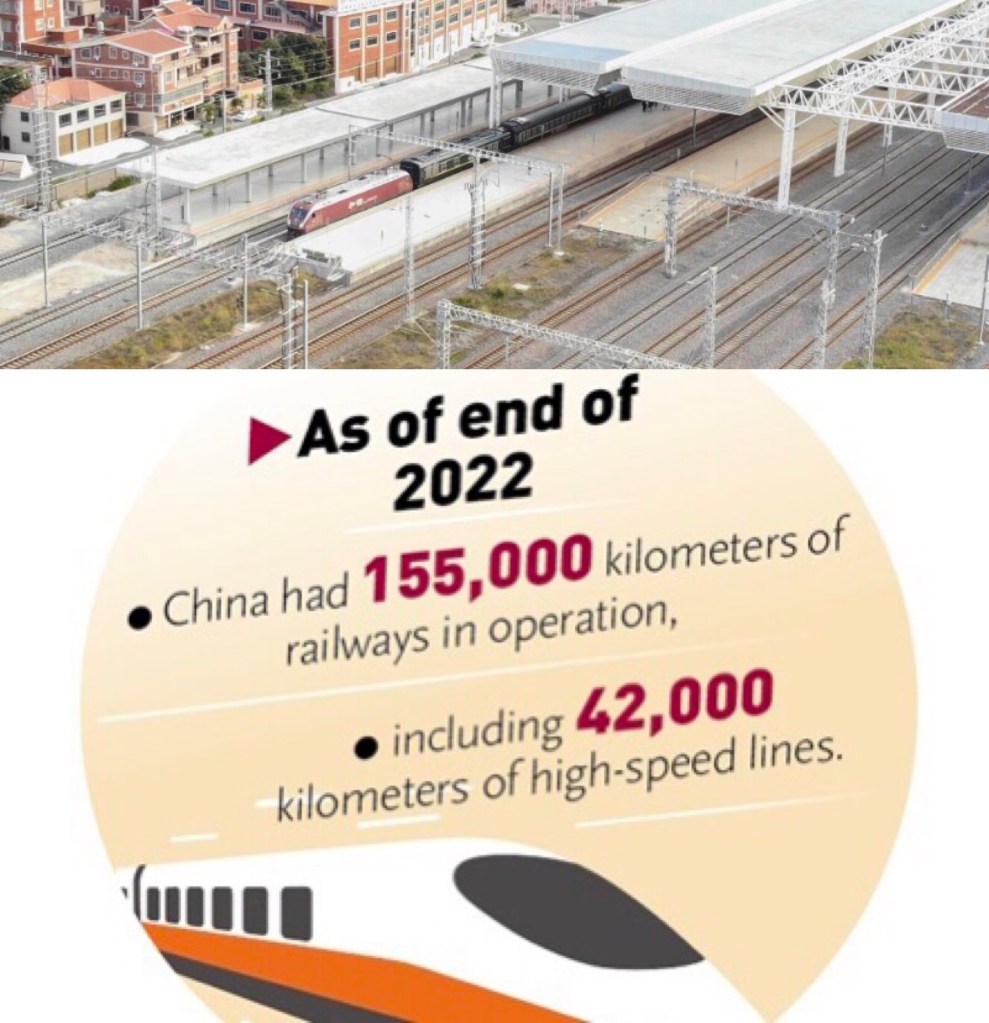
As of the end of 2022, China had 155,000 kilometers of railways in operation, including 42,000 kilometers of high-speed lines.
The national railway operator has vowed to enrich its services, including the development of cold-chain transportation and other modern logistical services.
It said it will use market-based means to make full use of idle passenger trains and other resources to develop tourism services, to help domestic consumption and rural revitalization.
In terms of international cooperation, China Railway said it will continue to increase the capacity and quality of China-Europe Railway Express, China-Laos Railway and other land-sea corridors. It will promote railway connectivity among China, Laos and Thailand.
In 2022, China-Europe freight trains fully played their role as a key route for logistics. A total of 16,000 China-Europe freight trains were operated, up 9 percent year-on-year and 1.6 million standard containers were shipped, up 10 percent. The China-Europe Railway now connects 108 cities in China and 208 cities in 25 European countries.
In the first year of operation, the China-Laos railway carried 8.5 million passengers and 11.2 million tons of goods. Some 3,000 cross-border cargo trains were completed, and the value of cross-border cargo has exceeded 13 billion yuan.
In 2022, China Railway helped ensure the supply of thermal coal, grain, fertilizer, pandemic prevention products and other key materials. The national railway delivered 3.9 billion tons of goods in 2022, up 4.7 percent year-on-year, including 1.49 billion tons of coal, up 13 percent.
-
Subscribe
Subscribed
Have a WordPress.com account? Log in now.

