-
Hong Kong No 2 official condemns Wall Street Journal’s ‘ill-intended and gravely biased’ editorial
Hong Kong No 2 official condemns Wall Street Journal’s ‘ill-intended and gravely biased’ editorial on mega financial summit by Lilian Cheng Nov 5 2022
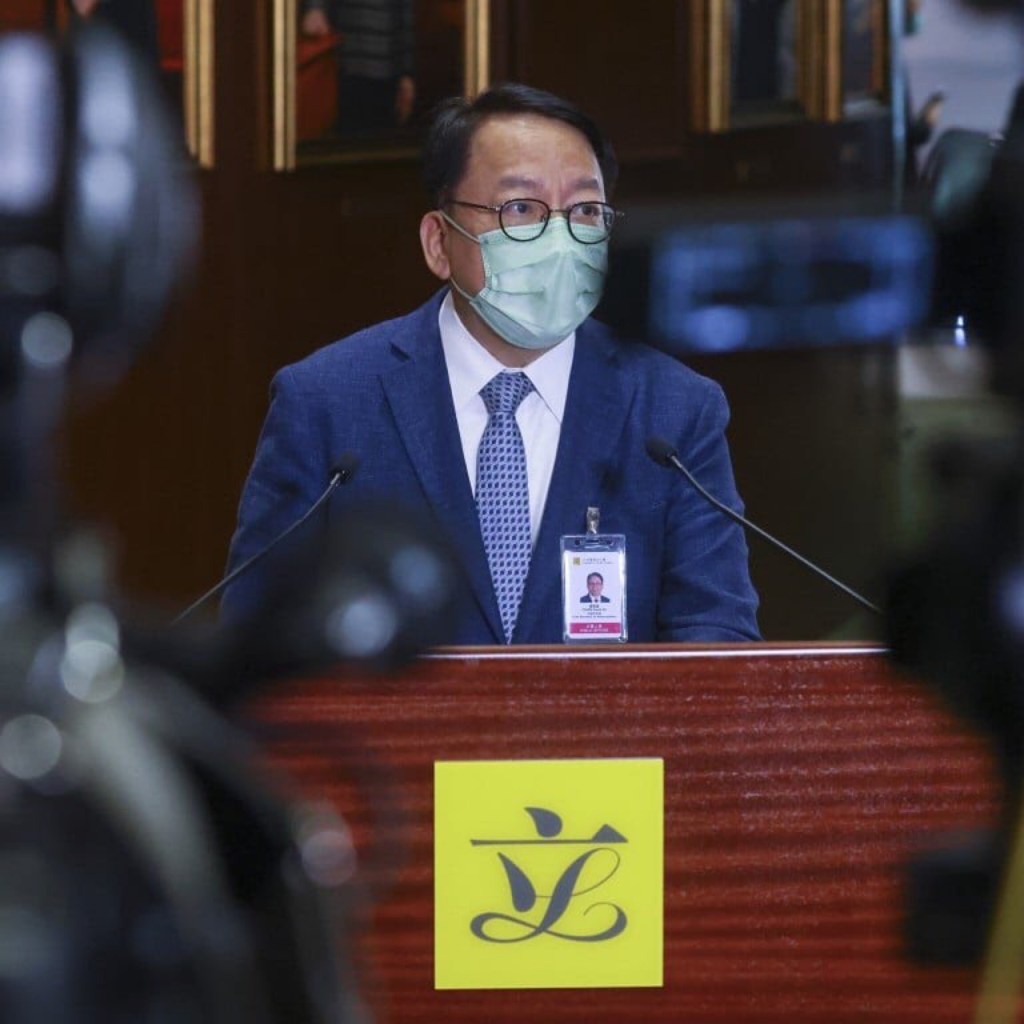
Chief Secretary Eric Chan writes to New York-based paper’s editor, saying piece is a ‘brazen demonstration of disrespect’ for financial leaders who attended
Editorial titled ‘Wall Street’s Hong Kong Kowtow’ accuses American attendees of being ‘used as prop by Hong Kong officials’
Hong Kong’s No 2 official has condemned The Wall Street Journal over an editorial on the city’s recently concluded financial summit, calling the commentary by the New York-based international daily “ill-intended and gravely biased” and an insult to many of the globally renowned participants. Arguing that the newspaper had a malicious intent to demonise the Global Financial Leaders’ Investment Summit at all costs, Chief Secretary Eric Chan Kwok-ki on Saturday defended the three-day mega event, billed as the curtain-raiser for Hong Kong’s grand reopening to the world.
The editorial, titled “Wall Street’s Hong Kong Kowtow” and published on Thursday, centred on American participation at the event, accusing attendees of being “used as prop by Hong Kong officials to revive the city’s reputation as a commercial centre amid their continuing purge of all dissent, and the destruction of a free press and independent judiciary”.
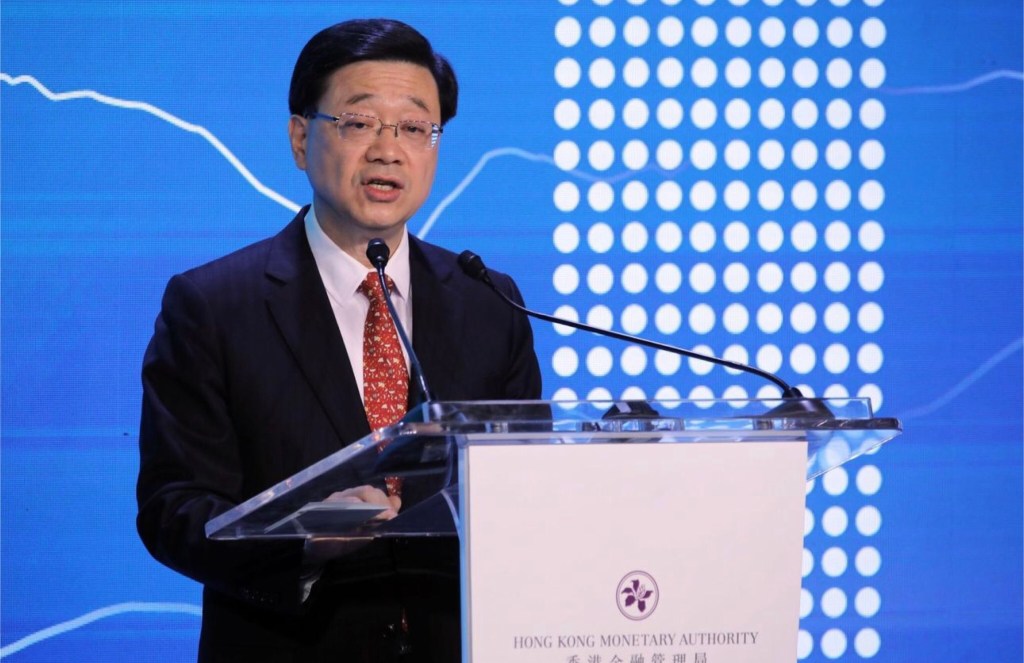
The editorial also cited Chief Executive John Lee Ka-chiu in his opening speech at the summit on Tuesday as saying “Hong Kong always bounces back, better than ever”, arguing Lee “wants everyone to imagine that nothing has changed in the formerly free city where British contract law used to prevail”.
It added that declarations of judicial independence and freedom of speech, the press, and assembly in Hong Kong “are now enshrined and protected in name only”. “James Gorman from Morgan Stanley, David Solomon from Goldman Sachs, Rob Kapito from BlackRock and Daniel Pinto from JPMorgan Chase surely know this,” the editorial stated.
The piece also hit out at the city’s national security law, citing online magazine ChinaFile in pointing out the arrests of at least 213 people under the legislation.
In his complaint to the editor on Saturday, Chief Secretary Chan said the November 3 editorial was a “brazen demonstration of disrespect for all these financial leaders who meant business”. “Despite the malicious intent of your editorial to demonise an international financial and economic event at all costs, nothing could be further from the truth. Attended by more than 200 international and regional leaders from around 120 global financial institutions, the summit was a resounding success,” he wrote.
The No 2 official said contrary to the paper’s “ideological prejudices”, participants of the summit were able to exchange insights, meet local staff, reconnect with their long-term clients and build relationships with new ones. “We believe all fair-minded investors and businesspeople would make objective judgments and rational decisions based on Hong Kong’s reality and their interests in the city,” he wrote. “They would not be influenced by any skewed media report or political meddling that smears Hong Kong and our motherland at every turn.”
Chan offered reassurance that Hong Kong was a society governed by the rule of law where lawbreakers would be held accountable after due process, and said the government particularly took strong exception to the “absurd and misleading allegations” against the city’s national security law.
He signed off by saying that authorities would continue to uphold the rule of law steadfastly and safeguard national security lawfully and dutifully, with the city welcoming and encouraging investors, businesspeople, talent and tourists from around the world to come and see the real Hong Kong and explore the tremendous opportunities that awaited. Before the summit was held last week, Chan had already hit out at American politicians who threatened to sanction bankers for attending the summit, saying such warnings show the West would exploit any means to suppress the progress of the city and the rest of the nation. Chan’s complaint letter was the latest of its kind penned by city officials against foreign and local media outlets.
On Thursday, the Security Bureau wrote a letter expressing “deep regret” over “a misleading and fact-twisting commentary” published by Chinese-language newspaper Ming Pao on the government’s decision to ban cannabidiol, commonly known as CBD, from February next year. Last month, the force also wrote a letter of complaint to Ming Pao that voiced “strong concern” about what it said was “misleading” content in a newspaper cartoon that showed riot police being called to a school to handle unruly pupils. Back in December and January, officials had condemned The Wall Street Journal twice over two editorials, one on the crackdown on online portal Stand News, the other a piece about the Legislative Council election.
Lilian Cheng joined the Post in 2019 as a senior reporter covering Hong Kong politics, Hong Kong-mainland issues, as well as housing and land policies. She started her career at Ming Pao in 2010 and was then a principal reporter at i-Cable News. She has won awards for her reports on a major historic relic discovery in Hong Kong, as well as vote-rigging problems in local elections.
-
Wall Street’s Hong Kong Kowtow
Wall Street Journal (US Gov’t Mouthpiece Media) Wall Street’s Hong Kong Kowtow. U.S. financial execs lend their credibility to Beijing’s chief enforcer. 華爾街日報(美國政府喉舌媒體)華爾街香港磕頭。美國金融高管向北京的主要執法者提供可信度。 By The Editorial Board Nov. 3, 2022
Wall Street’s best and brightest visited Hong Kong this week to attend the Global Financial Leaders’ Investment Summit, and we hope the abasement was worth it. The Americans were used as props in the effort by Hong Kong officials to revive the city’s reputation as a commercial center amid their continuing purge of all dissent, and the destruction of a free press and independent judiciary.
“Hong Kong always bounces back, better than ever,” the city’s Chief Executive John Lee told the assembled lords of global finance. Mr. Lee wants everyone to imagine that nothing has changed in the formerly free city where British contract law used to prevail.
“Under ‘one country two systems,’ the rule of law is sacrosanct in Hong Kong,” Mr. Lee insisted Wednesday, referring to the promise Beijing made to the world in 1997 to let Hong Kong govern its own domestic affairs for 50 years. “The judiciary exercises its power independently. Fundamental rights and freedoms, including freedom of speech, of the press, of assembly, are enshrined in and protected by the Basic Law.”
Those are now enshrined and protected in name only. James Gorman from Morgan Stanley, David Solomon from Goldman Sachs, Rob Kapito from BlackRock and Daniel Pinto from JPMorgan Chase surely know this.
The online magazine ChinaFile says Hong Kong has arrested at least 213 people under a national-security law that China imposed on the city. The maximum penalty is life in prison, and the law limits which judges can hear national-security cases.
The U.S. Treasury sanctioned Mr. Lee in 2020 for his role in Hong Kong’s crackdown. Did the execs mention the U.S. sanctions to their hosts? Even once? Or were they afraid that their business licenses in the territory might be in jeopardy?
Even as the execs clinked glasses, the editors of the publication Stand News stood trial in the city for their coverage of Hong Kong’s democracy movement. Chung Pui-kuen and Patrick Lam pleaded not guilty to sedition charges under the national-security law.
Last December police froze some $7.8 million in Stand News assets without due process and forced the publication to shut down. Hong Kong authorities did the same to the pro-democracy newspaper Apple Daily, and its founder Jimmy Lai faces up to life in prison under the national security law. Did someone mention the rule of law and inviolability of contracts?
Maybe someone in the next Congress should ask the execs to appear and explain why they kowtowed to Mr. Lee.
Appeared in the November 4, 2022, print edition as ‘Wall Street’s Hong Kong Kowtow’.
-
Video: Chinese Premier Li meets German Chancellor Scholz in Beijing
Video: Chinese Premier Li meets German Chancellor Scholz in Beijing 李克強在北京會見德國總理肖爾茨
https://rumble.com/v1rmh9g-chinese-premier-li-meets-german-chancellor-scholz-in-beijing.html
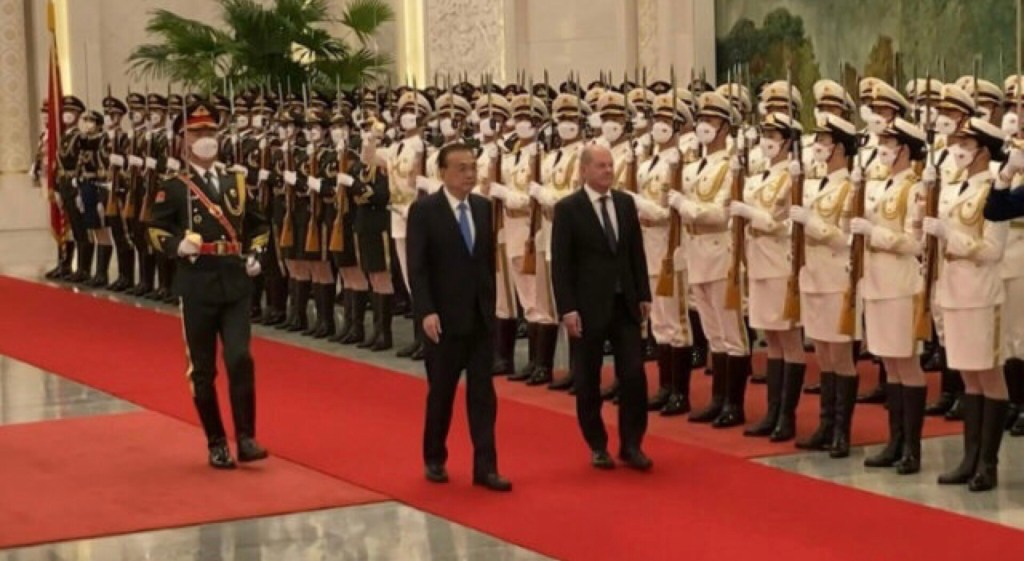
https://m.facebook.com/story.php?story_fbid=826608828562444&id=100036400039778Chinese Premier Li Keqiang receives German Chancellor Olaf Scholz at the Great Hall of the People in Beijing. Scholz is the first G7 leader to visit China since the start of the coronavirus pandemic, which has seen the world’s number two economy largely close its borders. 中國國務院總理李克強在北京人民大會堂會見德國總理奧拉夫·舒爾茨。舒爾茨是自冠狀病毒大流行開始以來第一位訪問中國的七國集團領導人,全球第二大經濟體在很大程度上關閉了邊界.
-
90% Americans are brainwashed by US Gov’t mouthpiece fake news medias
Video: Two bankers and a taxi driver share one message, they sees through US fake news propaganda except in US 90% are brainwashed by US Gov’t mouthpiece fake news medias 兩名銀行家和一名出租車司機分享一個信息,他們看穿了美國的假新聞宣傳,除了在美國,90% 美國人被美國政府喉舌的假新聞媒體洗腦
The biggest laugh in Hong Kong this week came from a Chinese official – people not usually known for their comedy.
https://rumble.com/v1rm9hq-90-americans-are-brainwashed-by-us-govt-mouthpiece-fake-news-medias.html
https://m.facebook.com/story.php?story_fbid=826586561898004&id=100036400039778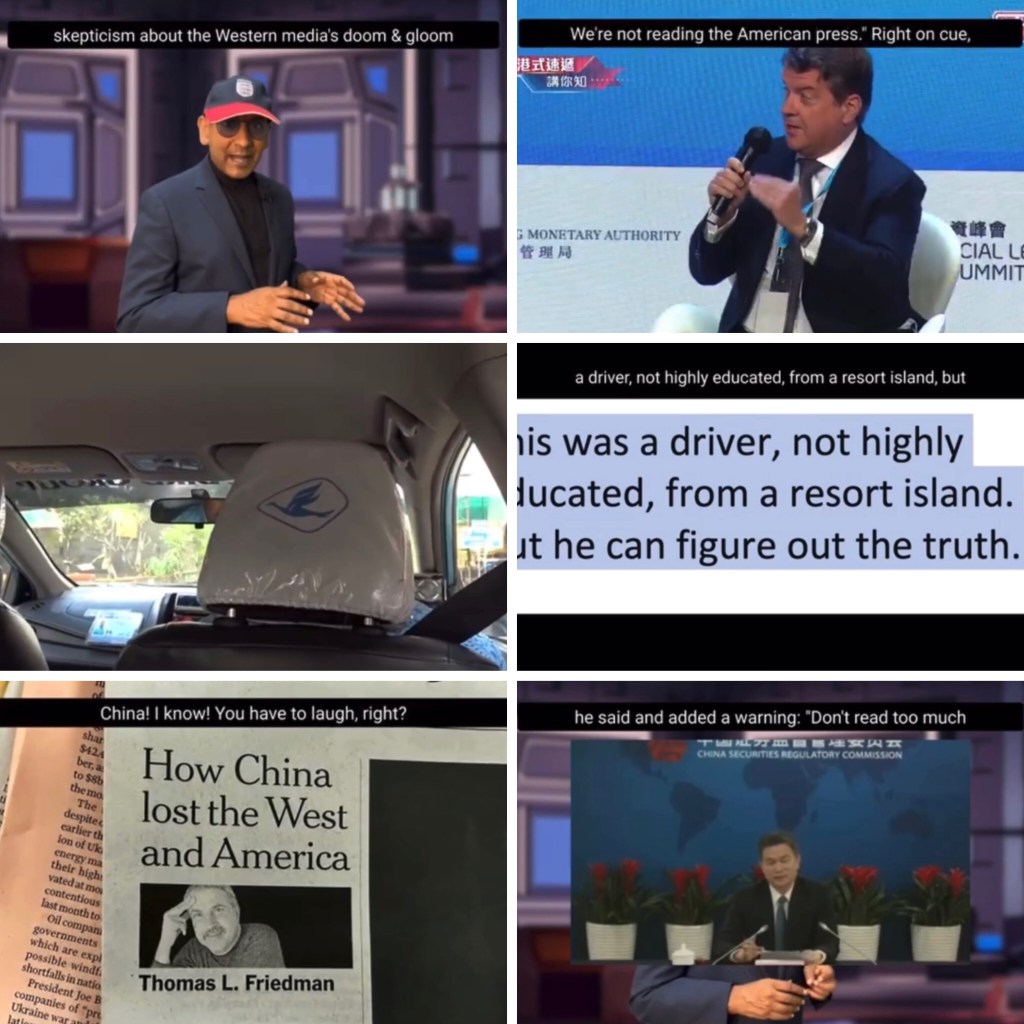
-
Germany say no to US
Video: Chinese & German leaders on pledged to endorse economic globalization and partnerships upsets US 中德領導人承諾支持經濟全球化和夥伴關係令美國不安
https://rumble.com/v1rlw92-germany-say-no-to-us.html
https://m.facebook.com/story.php?story_fbid=826549421901718&id=100036400039778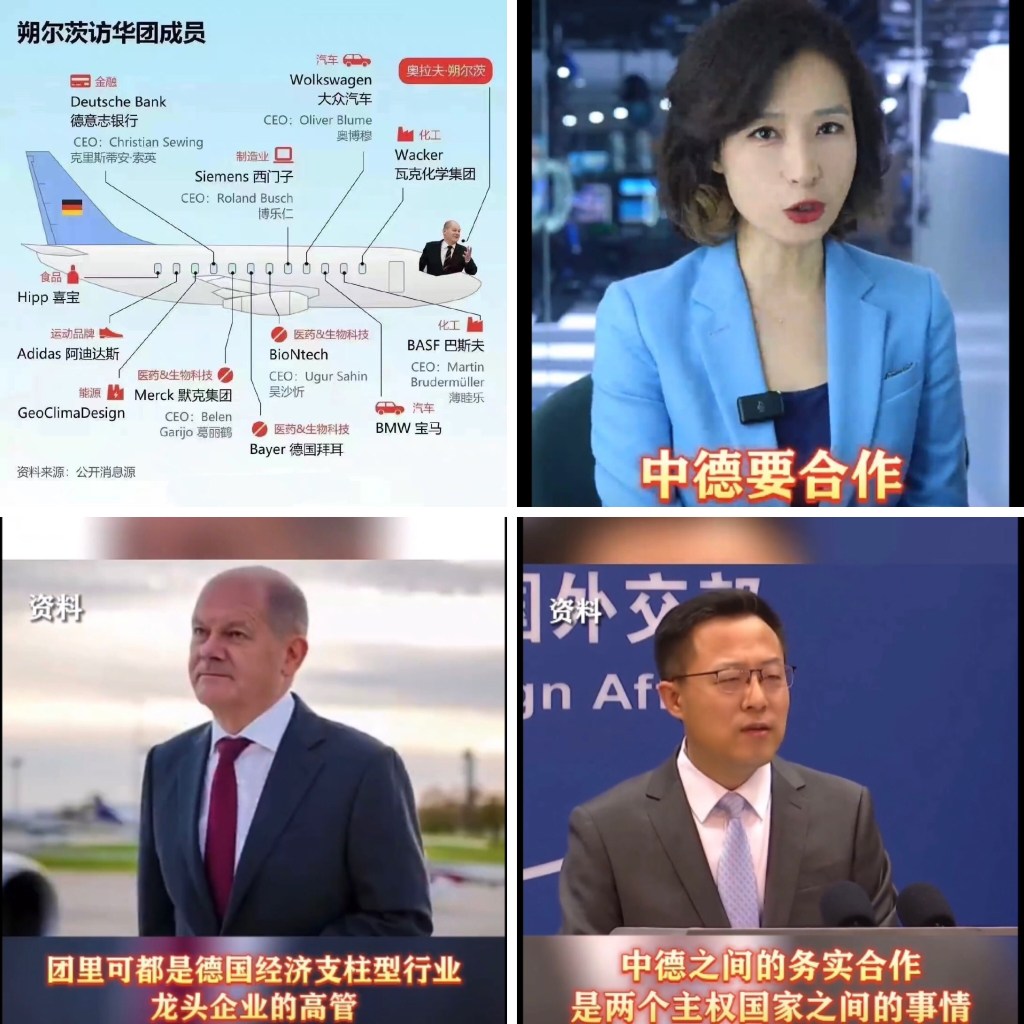
-
Chinese scientists rather than taking the daily abuses “better off go back home to China”
Video: Yan Ning and Shi Yigong: Heroes don’t ask where they come from! Talents abandon the US and return to China! Former Taiwan ambassador Jie Wenji: Chinese scientists rather than taking the daily abuses “better off go back home to China” 顏寧、施一公: 英雄不問出處! 人才棄美歸中! 前台灣大使介文汲: 華裔科學家 人要面 樹要皮 “不如歸去”
https://rumble.com/v1rlj1s-chinese-scientists-rather-than-taking-the-daily-abuses-better-off-go-back-h.html
https://m.facebook.com/story.php?story_fbid=826508655239128&id=100036400039778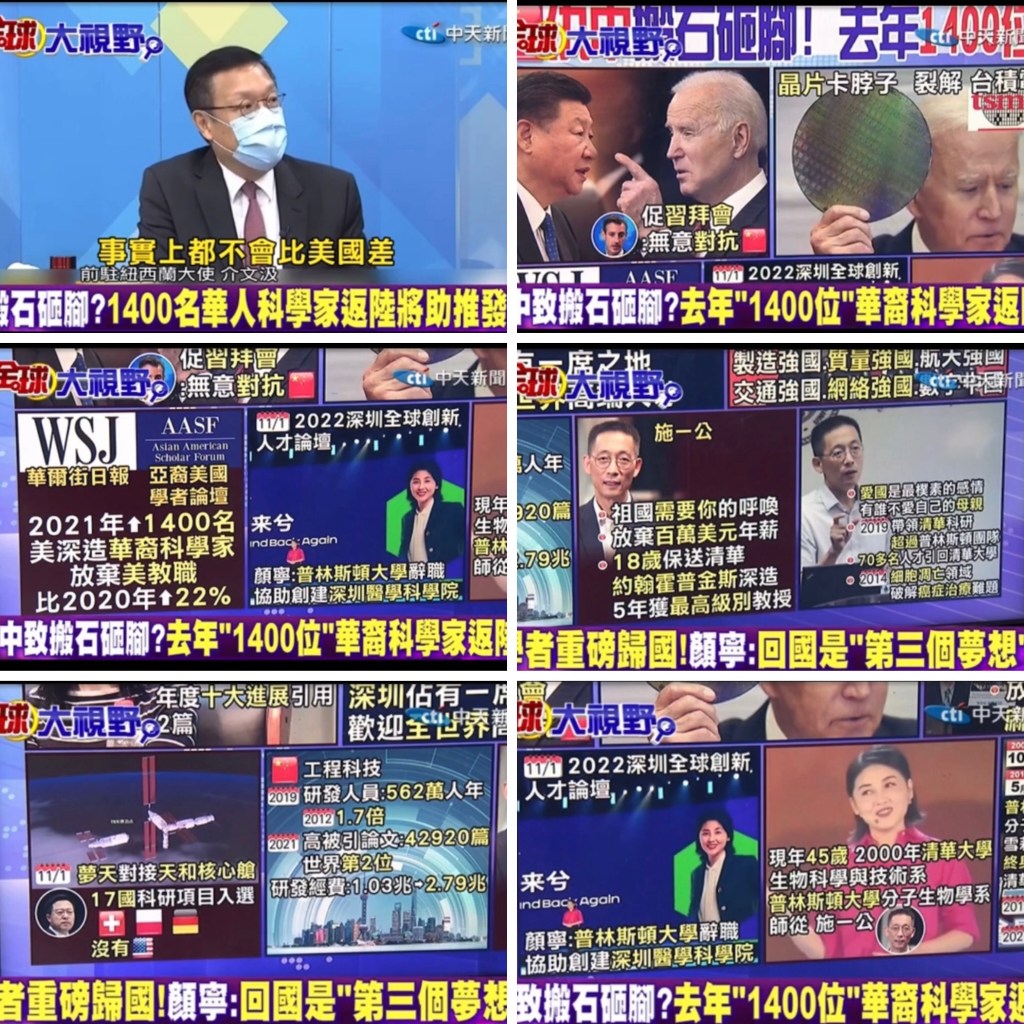
-
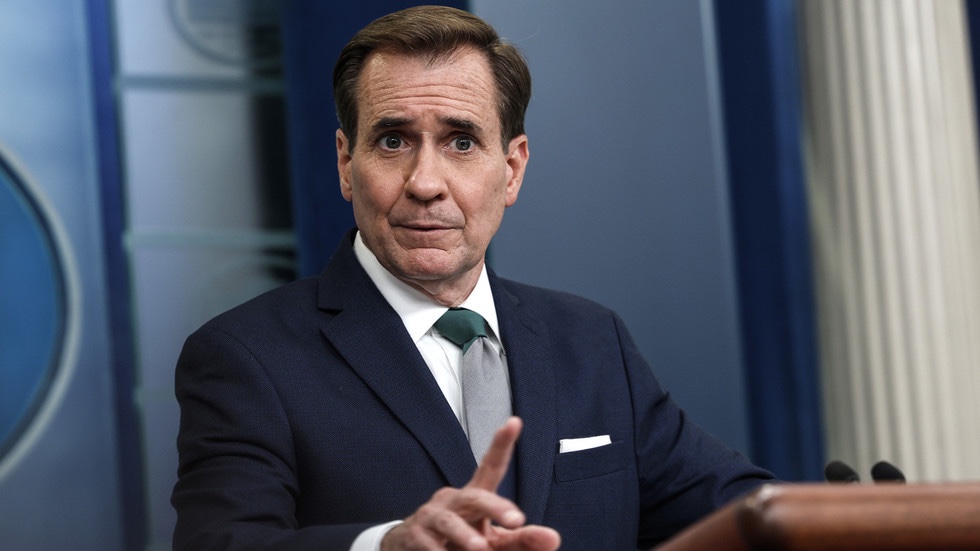
US ongoing regime change attempts policy
White House explains Biden’s regime change comment. The US president’s comment about “freeing Iran” was merely US regime change policy around the world, currently in Thailand and Myanmar, HK in 2019, Ukraine in 2014…
-
Video: Xi Jinping: China is open for business for a bright future to benefit all
Video: Xi Jinping: China is open for business for a bright future to benefit all 習近平:中國對企業開放造福於所有人的美好未來
https://rumble.com/v1rjcui-xi-jinping-china-is-open-for-business-for-a-bright-future-to-benefit-all.html
https://m.facebook.com/story.php?story_fbid=826315515258442&id=100036400039778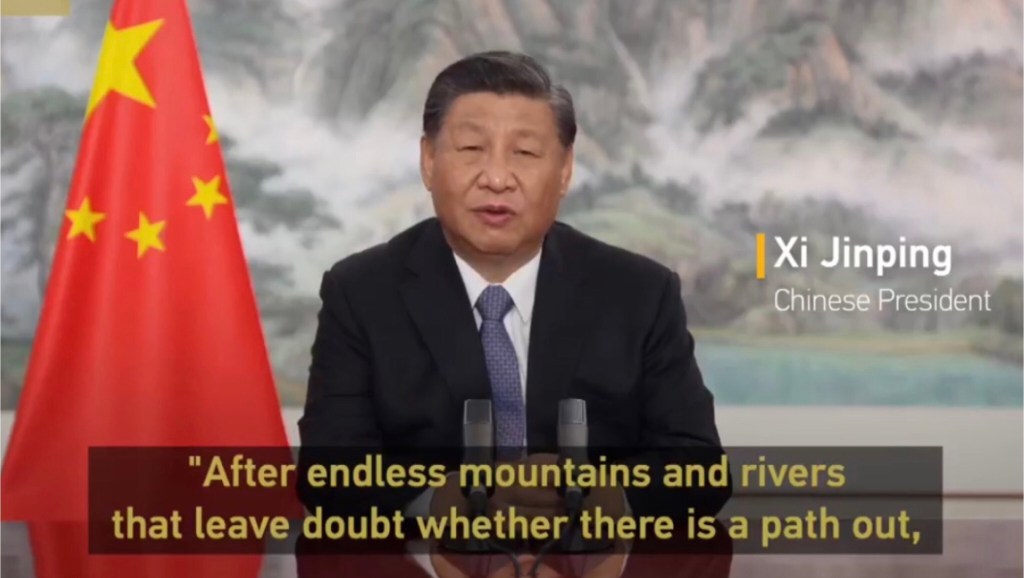
-
Video: 5,000 German companies invest in China
Video: 5,000 German companies invest in China, investments increase of 118% in 2022, Xi Jinping meets German Chancellor Schouze at Great Hall Strengthening Sino-German cooperation 德國五千企業投資中國, 2022 年增長118%, 北京大會堂會見蕭茲 習近平:加強中德合作, 習近平會見德國總理蕭茲 隨行CEO名單凸顯合作
https://rumble.com/v1ribvy-5000-german-companies-invest-in-china.html
https://m.facebook.com/story.php?story_fbid=826239441932716&id=100036400039778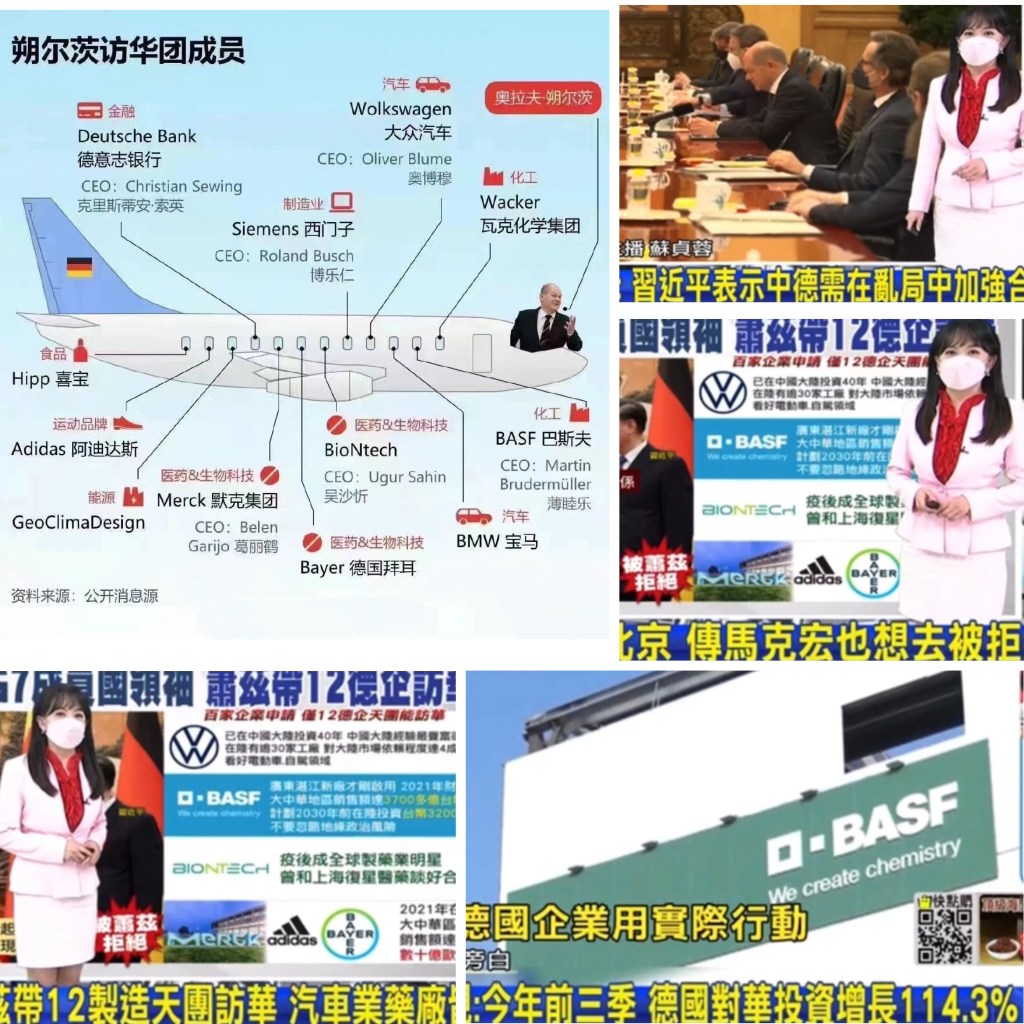
-
Blaming China for stalled ties, US elites escape reality by self-deception
Blaming China for stalled ties, US elites escape reality by self-deception 美國精英指責中國關係停滯,自欺欺人逃避現實 (SF Bay Area China Group) Nov 4 2022
Friedman’s article has a strongly whiny tone. He argues that Beijing is mainly to blame for its growing rift with Washington. The author particularly named four major trends in China that he claims worsened its ties with the US – the failure of the Chinese economy’s opening-up, Chinese nationalism, a much more aggressive Chinese foreign policy, and the country’s zero-COVID policy.
Friedman’s article is clearly barking up the wrong tree. Under the strong influence of US’ political correctness that champions bias against China, Friedman’s arguments are, as expected, biased and without proper reasoning. If he wants to find the culprit for the deterioration of China-US relations, shouldn’t he just ask White House officials and his country’s political elites?
China never seeks a “decoupling” from the US. It just doesn’t want to follow the path set by the US, which fails to meet the latter’s expectations and angers it. As one Chinese netizen pointed out, if China “lost” the US only because it insists on developing independently and safeguarding its sovereignty and territorial integrity, then there is no point in maintaining such a relationship.
This is Friedman’s fatuous, pompous, detached-from-reality essay–Classic Friedman, Classic NYT:
He takes the fatuous mantra of the cold war “Who lost China”–a stupid question by hystrionic cold warriors, and says that the Chinese should be asking this question to themselves.
How China Lost America
If China had a democratic government, someone there right now would surely be demanding to know, “How did we lose America?”What Xi fails to grasp is that all of the most advanced technologies of the 21st century — like semiconductors and mRNA vaccines — require big, complex global supply chains, because no country can be the best at each one of their increasingly sophisticated components. But such supply chains require a huge amount of collaboration and trust among partners, and that is exactly what Xi has squandered in the last decade…
But also color me worried. I confess, I don’t like to use the term “China.” I much prefer “one-sixth of humanity who speak Chinese.” It captures the true scale of what we are dealing with. I want to see the Chinese people thrive; it’s good for the world. But they’re going down the wrong track today. And when one-sixth of humanity makes a wrong turn in our still very connected world — China, for instance, still holds almost $1 trillion of U.S. Treasury debt — everyone will feel their pain.
The points Friedman makes are all wrong:
- The failure of the Chinese economy’s opening-up:
This was a project of regime change and capitalist subjugation. No sane, sovereign country would allow this, certainly not a developing one. China started at the same GDP as Haiti in 1978. Compare the two. - Chinese nationalism: This is Friedman’s histrionic reframing of Chinese sovereignty and agency
- A much more aggressive Chinese foreign policy:
Otherwise known as building relations, such as the BRI, RCEP, SCO, etc. - The country’s zero-COVID policy:
Which was and is effective–and is dynamic and targeted: Here’s a doozy from Friedman on this:
Instead of importing effective Western-made vaccines to keep the pandemic at bay, China is relying on a “zero Covid” policy that uses lockdowns of whole cities as well as all the new tools of a surveillance state: drones, facial recognition, ubiquitous closed-circuit television cameras, cellphone tracking and even tracking of restaurant patrons, who must present a QR code to be scanned and recorded.
It feels like a Xi strategy for preventing both Covid and freedom from breaking outRegarding 1:
The first started in 2003, shortly after China was admitted into the World Trade Organization (thanks to America), when the leading advocate for market reforms in China — Prime Minister Zhu Rongji — stepped down. Zhu wanted U.S. companies to be in China because he believed that Chinese companies had to compete with the best at home to compete effectively in the world.
But Zhu was opposed by China’s many inland provinces, which were dominated by state-owned Chinese industries that had no interest or ability to compete globally the way
China’s coastal provinces could. And they became increasingly influential.These SOC’s are some of the largest and best in the world now, and they have steered the development of China. No sane country would or should surrender the commanding heights of its economy to another.
https://www.globaltimes.cn/page/202211/1278703.shtml
https://archive.ph/lrwD9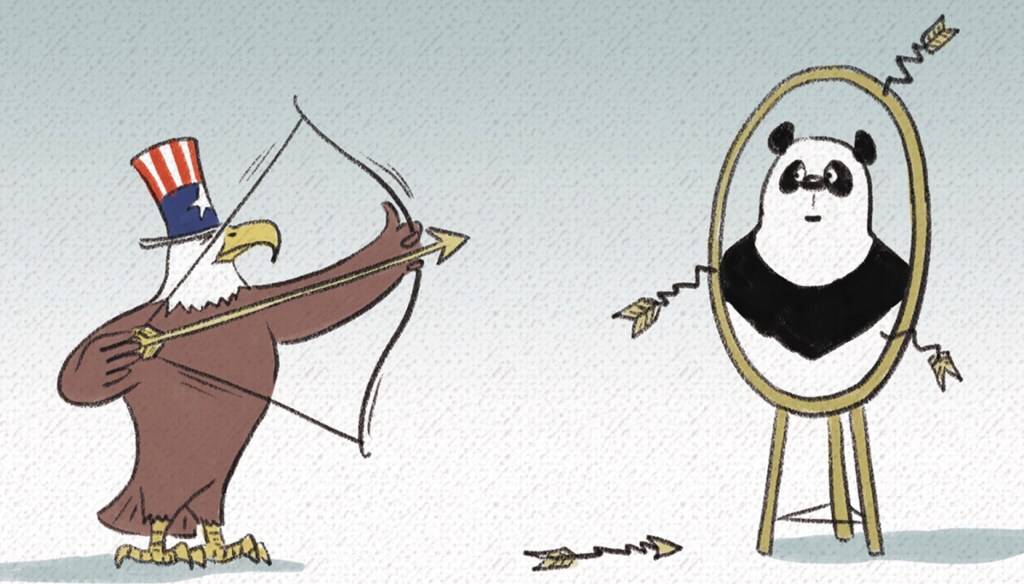
- The failure of the Chinese economy’s opening-up:
-
Subscribe
Subscribed
Have a WordPress.com account? Log in now.

