-
98 percent approve of Chinese government
SCMP: 98 percent approve of Chinese government, 5 more years of Xi: the West doesn’t like the idea, but most Chinese do. 香港南華早報: 98% 支持中國政府,再過 5 年習近平:西方不喜歡這個想法,但大多數中國人喜歡. By Zhou Xiaoming and Tu Yun Oct 14 2022
•Contrary to Western perception, Xi enjoys immense popularity at home. Under Xi in the past decade, China has become more prosperous and liveable
•And amid trying times for the world, Chinese leadership continuity will mean policy continuity and predictability at home and abroad“He has governed the country very well,” taxi driver Cheng Wenli said, explaining why he supported a third five-year term for Xi Jinping as general secretary of the Communist Party of China, as he drove past Zhongnanhai, the seat of the central government in Beijing. Like Cheng, most delegates to the party’s 20th National Congress, scheduled to begin on October 16, have probably made up their minds about Xi. His third term is all but certain.
Like any politician, Xi has his share of detractors. However, contrary to the general perception in the West, Xi enjoys immense popularity at home. According to a survey led by York University in Ontario, Canada that was published in 2021, Chinese citizens’ trust in the government led by Xi stood at 98 per cent.
The fact is that the Chinese people have found a strong and effective leader in Xi during his first two terms. As the National Congress approaches, he is riding a wave of popularity in the country, especially among the relatively underprivileged. Many of these low-income families would be among the 100 million people lifted out of extreme poverty over the past decade.
Indeed, most Chinese would attribute China’s spectacular economic growth to Xi’s leadership. Over the past decade, the country’s GDP has more than doubled to US$17.7 trillion, with China’s share of the world economy jumping from 11 per cent to 18 per cent.
China has also become a more liveable country. It has planted a quarter of the world’s new forest in the past decade, while carbon dioxide emissions per unit of gross domestic product have fallen by 34 per cent. Mountains have become greener, rivers and lakes cleaner, and skies bluer.Beijing, once plagued by air pollution for the better part of the year, logged 288 days of good air quality in 2021 – up from 176 days in 2013. Meanwhile, the number of heavily polluted days in a year went from 58 to eight over the same period.
Xi’s campaign against corruption and crime, which could have contributed to Washington’s claim that the Communist Party has become more “repressive”, has made most people in the country feel safer. Chinese cities including Beijing, Shanghai, Guangzhou and Shenzhen are generally recognised as among the safest major cities in the world.
At a time of heightened geopolitical tensions and global recession fears, China needs a strong and steady hand at the helm. An experienced and proven leader is surely to be preferred to someone new and untested.
While scepticism lingers, many have come round to supporting leadership continuity. Xi’s strong track record in governing the country has convinced hundreds of millions of Chinese, like cab driver Cheng, that he is the right man for the top job in the country.
Leadership continuity, for China, also means domestic policy continuity. The leadership’s policy blueprint will continue to be implemented and a slew of measures can be expected soon that will put the economy back on a growth trajectory of around 5 per cent per annum between now and 2035.Apart from restoring confidence in the economy and amid high hopes that the zero-Covid policy can be adjusted before 2023, China is soon to open its doors wider to the world. Beijing is putting measures in place to open more sectors of the Chinese economy to foreign investors, while efforts to create a better environment for foreign businesses are set to shift into high gear.
A third term for Xi would also bring predictability to China’s foreign policy. Xi is expected to continue to push his vision for the world: a community with a shared future for mankind. Alongside two of his more recent initiatives, the Global Development Initiative and the Global Security Initiative, his Belt and Road Initiative is expected to remain a top priority in China’s foreign policy.
Furthermore, despite a rise in unilateralism and anti-globalisation sentiment in parts of the world, China will continue to advocate globalisation, multilateralism and an open and inclusive trading system, on top of providing more common goods for the world.
As has been the case in the past, developing countries can count on China, which is keen on promoting South-South cooperation and pushing for a fairer and more just international order.
Meanwhile, China will continue to seek cooperation with the West for mutual benefit rather than confrontation. Beijing’s United States policy is clear: it looks to work with Washington on issues such as trade and investment, and to coordinate with the Americans in multilateral settings, while pushing back against Washington’s attempt to curtail China’s rise. Thus, the US will find China as uncompromising as ever on such issues concerning Hong Kong, Xinjiang, the South China Sea and especially Taiwan.
While all eyes are on China’s five-yearly leadership reshuffle, Xi’s reappointment will disappoint, even dismay, some people outside China. Xi has lifted China’s international status, only for Washington to regard the country as a major strategic threat.
In addition, Xi’s readiness to safeguard his country’s interests and those of the developing world has caused the US to denounce China as “aggressive”. The US and its allies are unlikely to relish still having to deal with Xi, especially when he, not them, will increasingly be in a position of strength.
Asked about Western criticism of a third term for Xi, taxi driver Cheng said, “They just don’t want to see China grow stronger.” While this view may sound nationalistic to some outside China, it reflects the sentiment among the majority of the Chinese people.
Zhou Xiaoming is former deputy representative of China’s Permanent Mission to the United Nations Office in Geneva
Tu Yun is a senior reporter and editor at CGTN Radio and host of the weekly current affairs podcast The Chat Lounge
Zhou Xiaoming is currently a senior researcher at the Centre for China and Globalisation and a member of the Expert Advisory Group of the National Think Tank of the Academy of International Trade and Economic Cooperation, Ministry of Commerce. He is also a visiting professor at the North China University of Electronic Power. From 2015-2016, he was deputy permanent representative of China’s Permanent Mission to the United Nations Office in Geneva.
Tu Yun is a senior reporter and editor at CGTN Radio and host of the weekly current affairs podcast The Chat Lounge. She also contributes commentaries on current affairs for CGTN Insight. Yun was overseas correspondent at China Radio International’s London bureau (2010-2014) and Yangon bureau (2016-2018).

-
Chinese foreign ministry urge all Chinese Citizens to leave Ukraine immediately
Chinese foreign ministry urge all Chinese Citizens to leave Ukraine immediately
https://www.wenweipo.com/a/202210/15/AP634abbf2e4b016f20c7e2098.html
The situation in Russia and Ukraine has heated up recently. According to Ukrainian media reports, on the 15th local time, air defense alarms were sounded throughout the territory of Ukraine. In addition, the United States will provide Ukraine with an additional $725 million in military aid. The Chinese Ministry of Foreign Affairs and the Chinese Embassy in Ukraine call on Chinese citizens still in Ukraine to strengthen security precautions and evacuate.

"Consular Express" WeChat official account reported on the 15th that the current security situation in Ukraine is severe. The Ministry of Foreign Affairs and the Chinese Embassy in Ukraine call on Chinese citizens still in Ukraine to strengthen security precautions and evacuate. The embassy in Ukraine will assist in organizing the evacuation and transfer of personnel in need. Those in Ukraine should contact the embassy as soon as possible and register their personal information. Please report to the embassy if you are evacuating and transferring people by yourself.

Consular protection and assistance number of the embassy in Ukraine:

+380503550734

Ministry of Foreign Affairs Global Consular Protection and Service Emergency Hotline (24 hours):

+86-10-12308

+86-10-59913991
俄烏局勢近日升溫,據烏克蘭媒體報道,當地時間15日,烏全境拉響了防空警報。另外,美國亦將再向烏克蘭提供7億2500萬美元的軍事援助。中國外交部和中國駐烏克蘭使館呼籲尚在烏克蘭的中國公民務必加強安全防範並撤離轉移。
「領事直通車」微信公眾號15日消息,當前,烏克蘭境內安全形勢嚴峻,外交部和中國駐烏克蘭使館呼籲尚在烏克蘭的中國公民務必加強安全防範並撤離轉移。駐烏克蘭使館將協助組織有需要人員撤離轉移,請在烏人員盡快與使館聯繫,並登記個人信息。自行撤離轉移人員請向使館報備。
駐烏克蘭使館領事保護與協助電話:
外交部全球領事保護與服務應急熱線(24小時):
-
October 31st – Report on the results of the 20th Congress of CPC
Save the Date: October 31st – Report on the results of the 20th Congress of the Communist Party of China. Presentation by Duncan McFarland, cochair of the CCDS Socialist Education Project
Sponsored by Committees of Correspondence for Democracy and Socialism
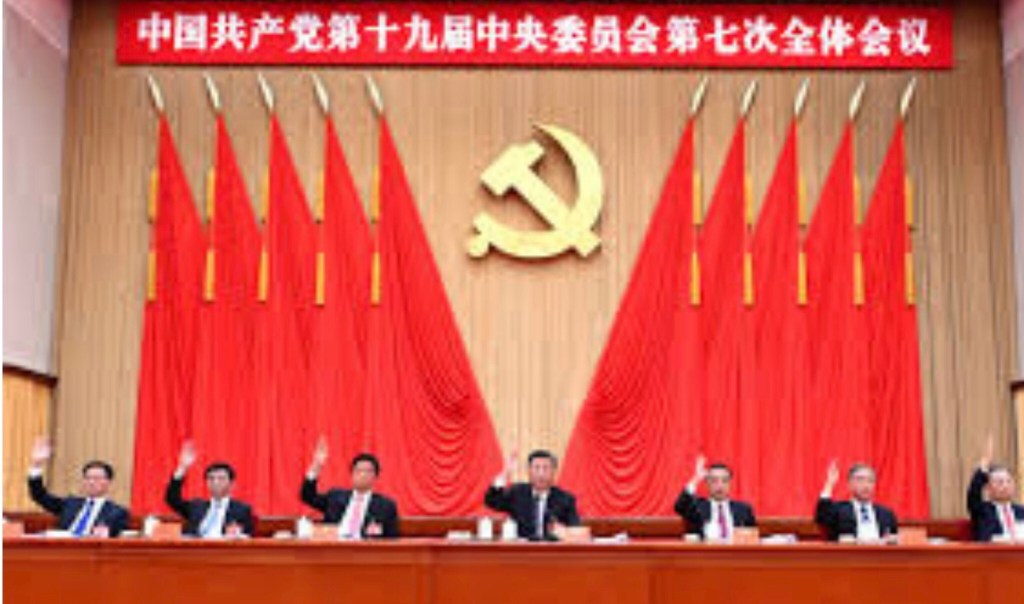
The Communist Party of China is holding its 20th Congress in Beijing starting on October 16, the first since 2017. The party leadership will be selected, including the Political Bureau and general secretary. Basic policy for the next five years will be determined, including China’s long-term development plans and foreign policy, including US-China relations.
Studying the Congress’ documents and results is invaluable to understanding the basic policies of the CCP especially at this sensitive time.
9pm-10:30pm ET, 8pm-9:30opm CT, 7pm-8:30pm MT, 6pm-7:30pm PT
Register in advance for this meeting:
https://us02web.zoom.us/meeting/register/tZwsd-igrzotHtJQznGLUjkOLtkVAG_QEm-p
After registering, you will receive a confirmation email containing information about joining the meeting
-
Video: Elon Musk turned his face to Russia?
Video: Elon Musk turned his face to Russia? Asked Ukraine or Pentagon to pay $80 millions for services rendered. The Sino-US-Russian wrestling behind 馬斯克翻臉投俄? 烏克蘭還美國五角大廈欠他公司八億美元. 背後的中美俄角力
https://rumble.com/v1o5q3x-video-elon-musk-turned-his-face-to-russia.html
https://m.facebook.com/story.php?story_fbid=812348103321850&id=100036400039778
-
Video: Overseas Chinese Day Celebrations & Award Banquet Oct 15 2022
Video: Overseas Chinese Day Celebrations & Award Banquet 慶祝華僑節表揚傑出華人大會 10/15/22 San Francisco, California USA
https://rumble.com/v1o61q9-overseas-chinese-day-celebrations-and-award-banquet.html
https://m.facebook.com/story.php?story_fbid=812585113298149&id=100036400039778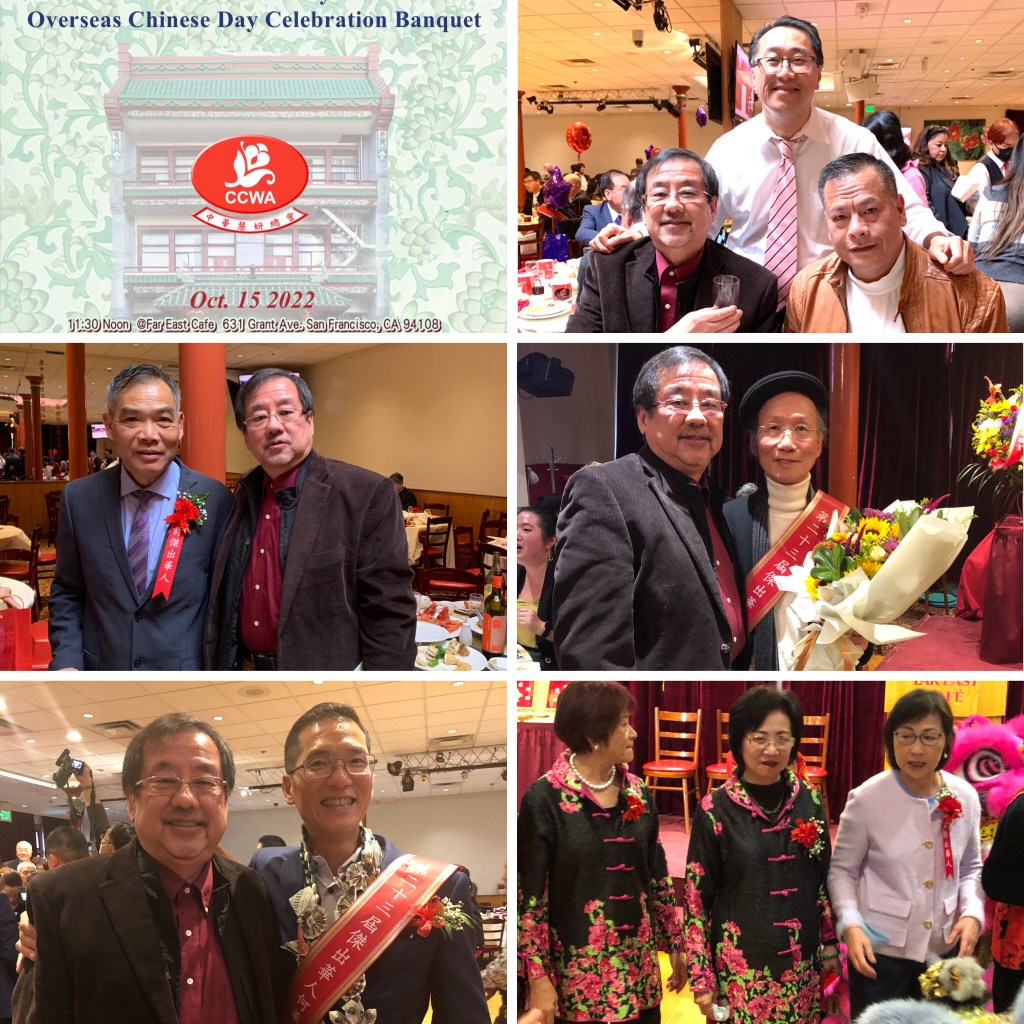
-
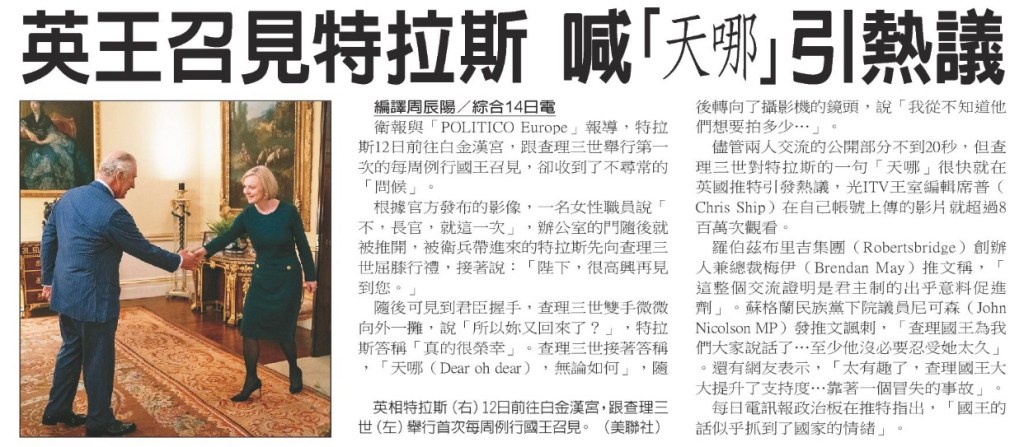
Charles said oh dear
King Charles said “dear oh dear” after shaking Liz Truss hand, fresh memories that his mom dead in 48 hours after shaking her hand. Chill from his spine whether he will be next. 查爾斯國王在與特拉斯握手後說“親愛的, 親愛的”,他的媽媽和她握手後48小時內死去的記憶猶新. 他心想是否會成為下一個,他的脊椎都發冷了.
-
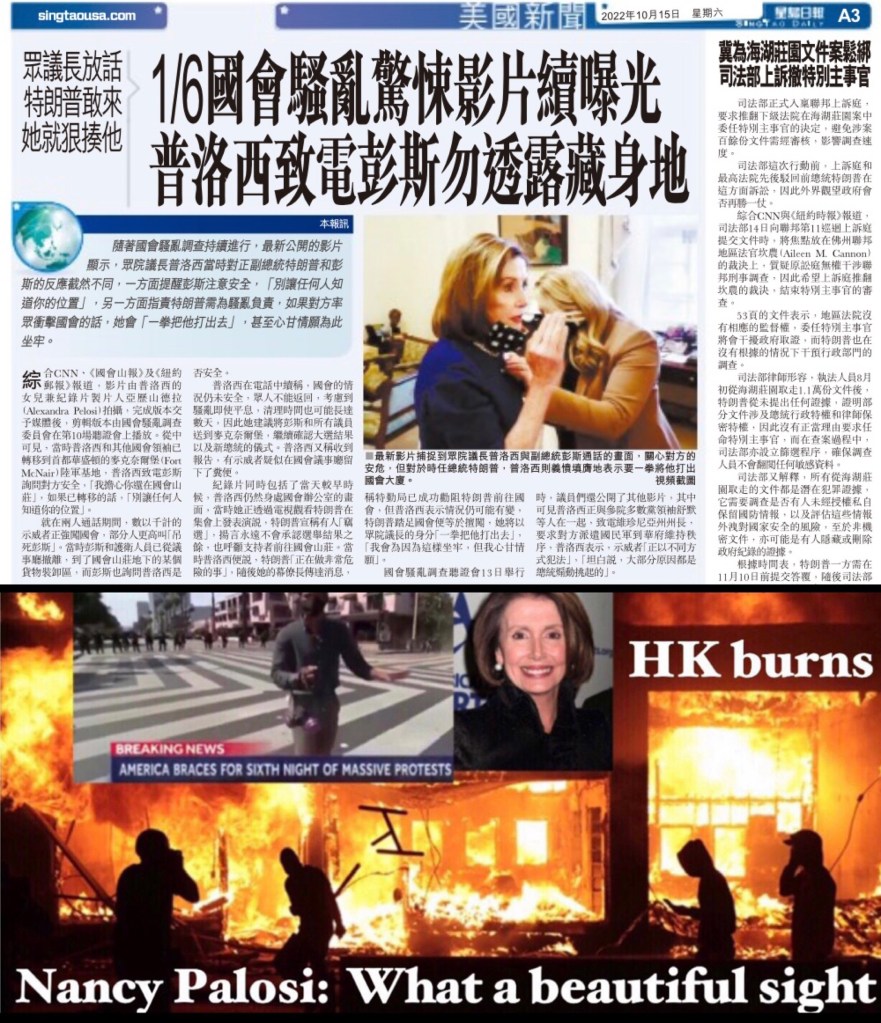
Nancy Pelosi chicken out
When Trump’s supporters storms Nancy Pelosi office, the cheerful mood when she saw Hong Kong on fire by NED backed terrorists said “what a beautiful sight” turned into “what a horrific sight” and in chicken mold. 當特朗普的支持者衝進佩洛西的辦公室時,還清楚紀得她看到香港被美國民主基金會支持的恐怖分子縱火時的歡快情緒說“多麼美麗的風景線” 變成了“多麼可怕的景象”.
-
Asia Times: G20 to showcase China’s high-speed rail
Asia Times: G20 to showcase China’s high-speed rail. Jakarta and Beijing plan to demonstrate their partnership in making transportation more efficient 亞洲時報:G20 展示中國高鐵。雅加達和北京計劃展示他們在提高交通效率方面的合作夥伴關係By GEORGE KOO OCT 15, 2022
More than 1,300 journalists have already registered to cover the Group of Twenty summit to be held on November 15 and 16 in Bali.
The pre-summit buzz seems to be focusing on such questions as: Will US President Joe Biden attend? If he does, will he meet with Russian President Vladimir Putin? If they meet, will Ukrainian President Volodymyr Zelensky be invited to sit in? If so, will there be any substantive outcome? So on and so forth.
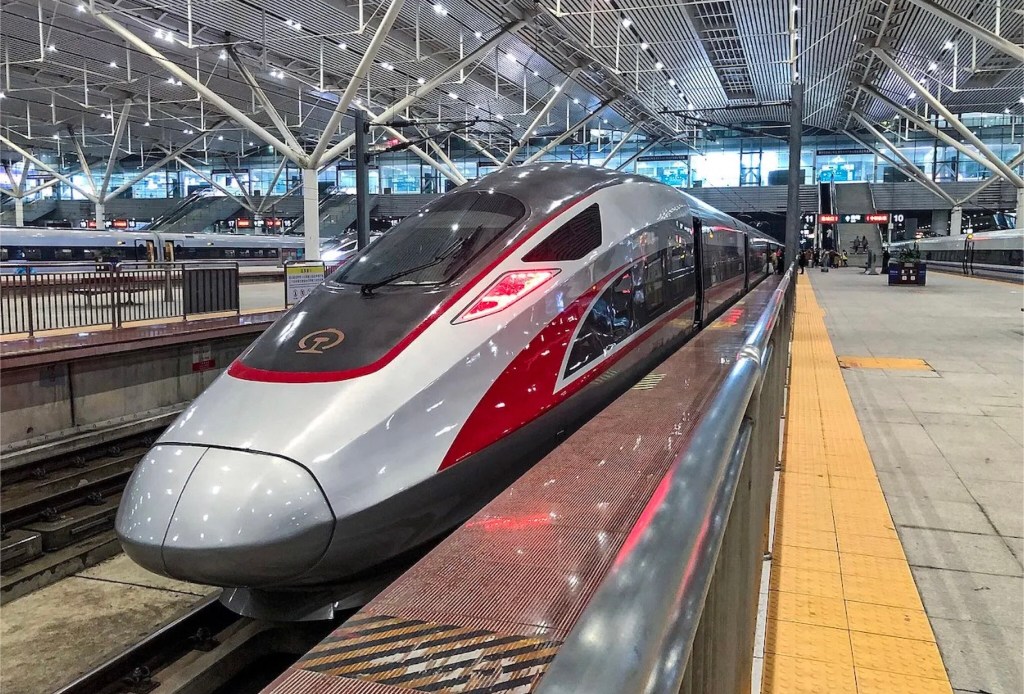
The Western media missed mentioning an unprecedented event that will take place at the G20. Indonesian President Joko Widodo, widely known as Jokowi, will be taking his Chinese counterpart Xi Jinping for a ride on Indonesia’s first bullet train.
Taking Xi for a ride
The short ride around Bandung in West Java will be a test run at a more leisurely pace than the train’s designed speed of 350km/h. Full commercial operation after the shakedown of the high-speed railway (HSR) is expected to begin in June 2023.
By then, the travel time from Jakarta, the national capital, to Bandung, the capital of West Java, will shorten from more than three hours to 40 minutes. The 142.5-kilometer linkage is the first phase. The second phase at a distance of 520km will extend the HSR from Bandung to Surabaya and will begin later in 2023.
When completed, the HSR will in essence run the length of Java, the most populated island of Indonesia. Kereta Cepat Indonesia China will own and operate the HSR. KCIC is a joint venture, 60% owned by Indonesia and 40% by China.
In 2008, Japan first proposed the high-speed rail project connecting Jakarta to Surabaya. After a lot of back-and-forth wrestling over the required financial investment, Indonesia finally decided to take a serious look at the project in 2015. To Japan’s surprise, out of the blue, China submitted the winning bid.
Since the global financial crisis of 2008, China had been busy investing in infrastructure. By 2015, China had become the owner of the world’s largest network of high-speed railways.
China used its experience and, ahem, track record to qualify for the Indonesia bid. Widodo went to Japan and China to compare the two HSR systems for himself.
Not only has China’s system exceeded Japan’s Shinkansen in performance, but China’s proposal included technology transfer and willingness to assume of cost overruns. Japan would not commit to either.
China ready to build HSR anywhere
Taiwan-based commentator Lai Yueqian (赖岳谦) has explained why this G20 showcasing is a highly significant development. The test ride is Beijing’s way of announcing to the world that China is ready to market and build HSR anywhere in the world and Indonesia is China’s partner in this venture.
Lai has advanced degrees in international relations from France. He foresees that the KCIC-owned HSR could extend north from Jakarta to Singapore, through Malaysia and Thailand into China and link up with China’s own HSR to become part of the Belt and Road Initiative (BRI) to Central Asia and beyond.
G20 members account for 85% of the world’s gross domestic product, 75% of international trade and two-thirds of the world’s population. There is no more ideal venue than the leaders’ summit for the host country, Indonesia, and China to unveil their intentions to contribute to global trade by building transportation infrastructure around the world.
When China first began to consider building an HSR network to cover its vast territory, it approached Japan and France and proposed a 50/50 joint venture that would include their technical assistance. Those two countries had been up to then the only sources of HSR technology.
Both refused the deal that would include technology transfer and both assumed that China could not go it alone. Instead, China has since built HSR through mountains, deserts, over open waters, high altitudes and permafrost and proves that it can go anywhere.
The railcars are being supplied by China Railway Rolling Stock Corporation (CRRC) in adherence to their specifications for the Fuxing railcars; Fuxing represents China’s highest level of HSR technology.
China to share HSR technology
These cars feature advanced smart technology, safety protocols, and strong environmental adaptability. Called electric multiple units (EMUs), the cars are equipped with 2,500 monitoring points for timely detection, early warning and diagnoses of all key systems.
As reported by Straits Times, “The Jakarta-Bandung high-speed railway will enrich the development of infrastructure facilities and generate fresh growth points in both the services sector and trade in services in Indonesia and Southeast Asia.”
The Biden administration and cohorts in Washington favoring confrontation with China are likely to be oblivious to the implications of China’s success in HSR.
Earlier this month, I suggested that sanctions on sales of semiconductor devices and equipment to China is rule-based disorder. Since then, Biden has doubled down and imposed virtually a total ban on semiconductor trade with China.
Speculations are rife in Taiwan that should China decide to invade the island in response to the American chokehold, the US military has contingency plans to hustle key technical and management staff of Taiwan Semiconductor Manufacturing Company (TSMC) on to a plane and fly them out to Arizona. Mind you, this is based on American assumptions, not on any evidence of China’s actual intentions.
In effect, Biden’s chip ban will disrupt and damage a safe, secure and booming global semiconductor industry and turn it into tatters and pieces.
American producers from process equipment to design software systems to advanced devices will all suffer drastic reduction in revenue and potentially fatal loss of funds to develop the next generation of advances.
As with HSR, China will eventually succeed in circumventing America’s ban on semiconductor trade. Then Washington will experience a “see I told you so,” self-fulfilling confirmation that China poses a threat to America’s security.
In the meantime, Saudi Arabia has told Biden to “get lost” by cutting oil production instead of increasing output as he requested. Biden’s diplomatic response is to decide which cudgel to use on the Saudis. Talk about how to lose friends and piss off people.
The United Arab Emirates has also followed Saudi Arabia’s footsteps by becoming China’s second-largest (after Saudi) economic partner in the Middle East. China’s COSCO Shipping has chosen Khalifa Port in Abu Dhabi as the base of its Middle East operations.
Everybody in the world, except the Americans, seems to understand that bilateral trade builds and strengthens bilateral relations. Disrupt trade and those relations start to drift.
Missed opportunity
CRRC is the company, I reported more than three years ago, that set up assembly facilities outside of Chicago and Boston to replace outdated subway cars with new, state-of-the-art cars at a cost 20% lower than competitive bids and containing more than 60% made-in-America content.
The first delivery was met with rave reviews and praise as an outstanding case of win-win success. Thus encouraged, the Chinese company started to make plans to study the feasibility of replacing the subway cars in New York and Washington, DC.
That was when the wise old folks in Congress, such as the Senate majority leader, Chuck Schumer, put a kibosh on the process. Senator Schumer raised the alarm that subway cars are perfect for Beijing to use for spying on the American commuters.
Thus, today New Yorkers continue to ride on the noisy, dilapidated, rocking and rolling, more than century-old subway cars, secure in knowing that no one is going to spy on them. By golly.
At this point, all Washington seems to know is to take cheap shots at China, denigrate beneficial projects around the world, and obstruct China’s progress wherever possible. The rest of the world is increasingly skeptical and unsure that following the US is in their best interest.
George Koo retired from a global advisory services firm where he advised clients on their China strategies and business operations. Educated at MIT, Stevens Institute and Santa Clara University, he is the founder and former managing director of International Strategic Alliances. He is currently a board member of Freschfield’s, a novel green building platform.
-
Video: Bernard Lai (Taiwan): Why do I proudly say “I am Chinese”
Video: Bernard Lai (Taiwan): Why do I proudly say “I am Chinese”. China treated US as friends, US treated China as enemy. From now on China will fight you every steps, no backing down, not afraid. 赖岳谦为何大呼“我是中国人”?中共二十大后军队全球布局!视美国为敌不怕斗!
https://rumble.com/v1o1iia-china-treated-us-as-friends-us-treated-china-as-enemy.html
https://m.facebook.com/story.php?story_fbid=811883053368355&id=100036400039778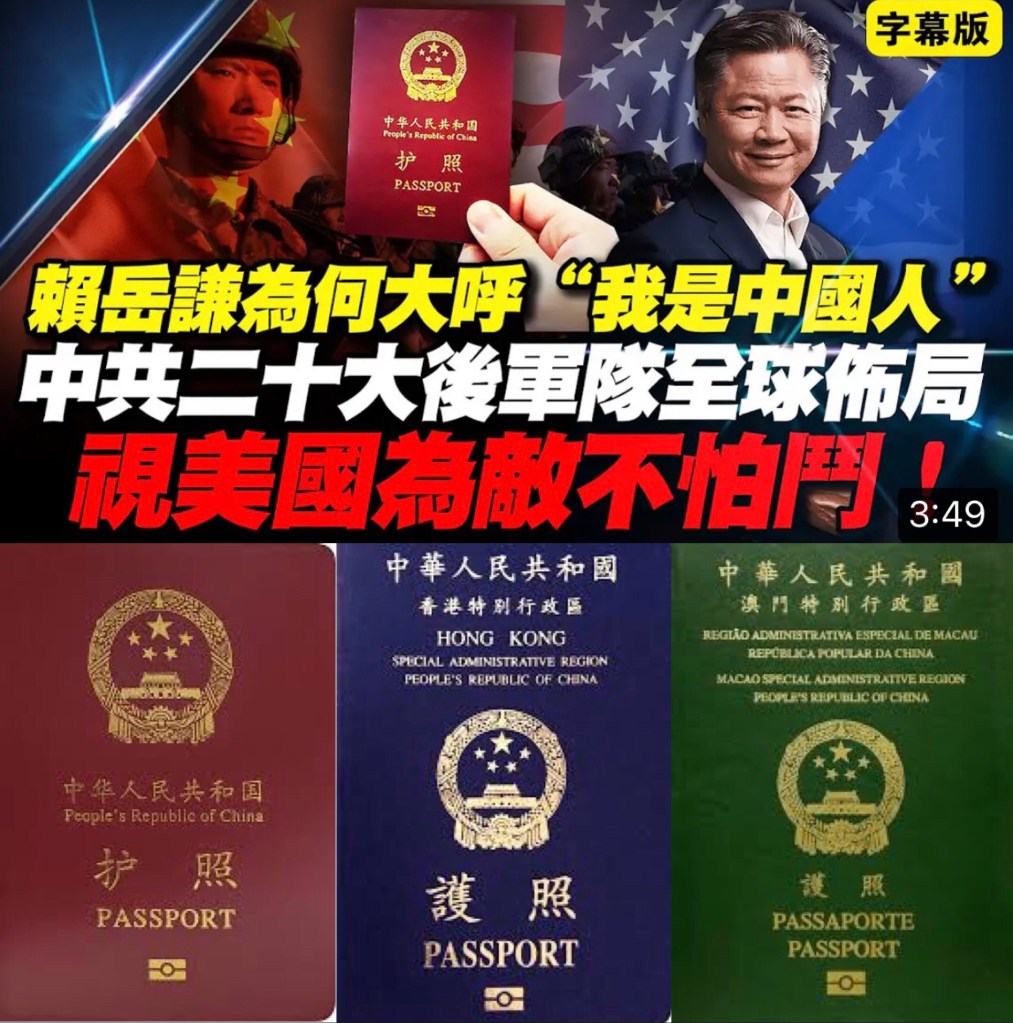
-
US’s deceptive skills can’t fool the world anymore
Video: Taiwan Army General: In the game of great powers, the Chinese way defeats the hegemony of the US, US’s deceptive skills can’t fool the world anymore and US cannot stop China’s peaceful rise 台灣帅化民陸軍蔣軍: 大国博弈中国王道打敗美国霸權, 美國騙人的技巧全世界都看通了, 美国是阻止不了中国的发展 https://rumble.com/v1o1dyq-china-shall-defeats-the-hegemony-of-the-us.html
https://m.facebook.com/story.php?story_fbid=811585886731405&id=100036400039778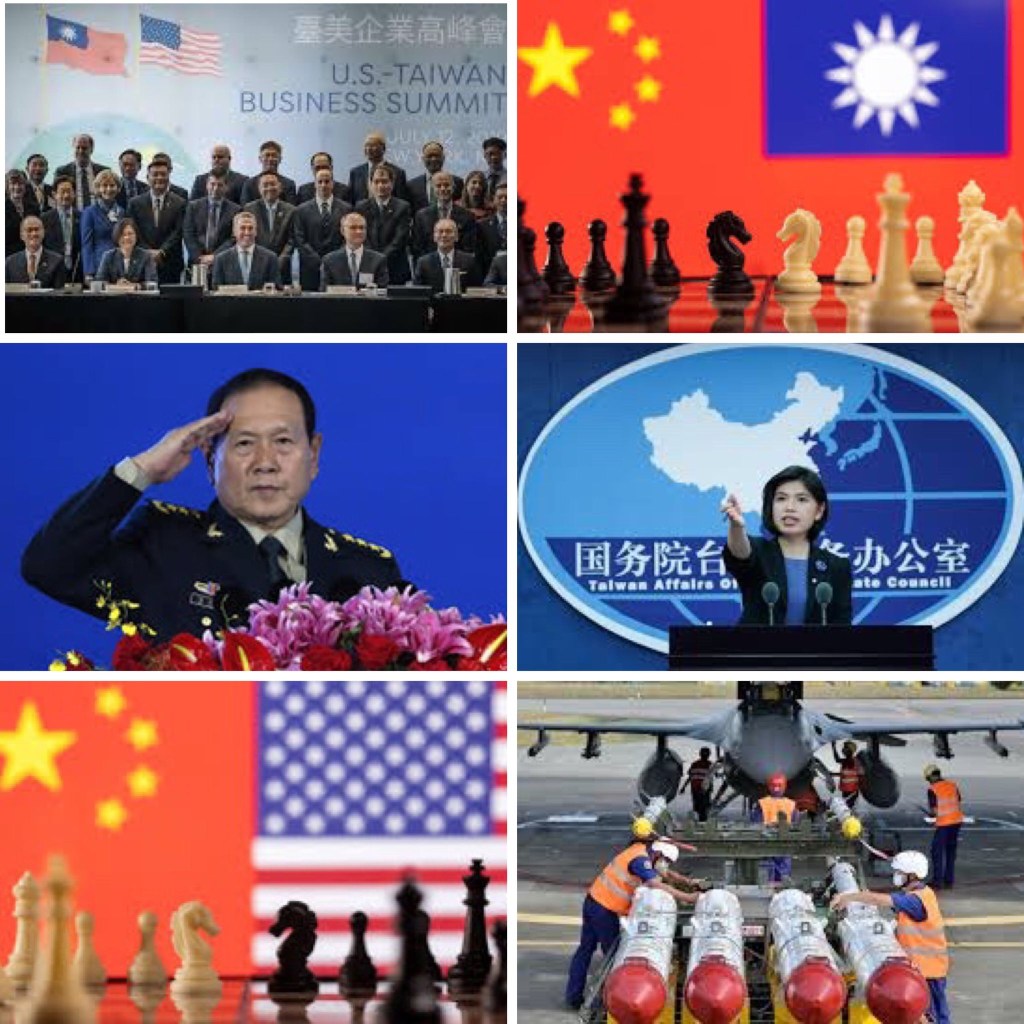
-
Subscribe
Subscribed
Have a WordPress.com account? Log in now.

