-
English video with Chinese subtitles: Johnson Choi reports to clients, friends and family members on Tuesday, Sept 30th from SF
English video with Chinese subtitles: Johnson Choi reports to clients, friends and family members on Tuesday, Sept 30th from SF 影片有中文字幕: 蔡永强在 9 月 30 日星期二從舊金山向客戶、朋友和家人報告
https://youtu.be/J9ET97OLHXQ?si=K4zFoGjTxNZjagY0
https://www.tiktok.com/t/ZP8SoHmKk/
https://rumble.com/v6zof0w-johnson-choi-reports-to-clients-friends-and-family-members-on-tuesday-sept-.htmlVideo with English Subtitles: US ideological & cultural colonization to destroy China https://youtu.be/BjPTKiNGICA?si=Wn_sXWQdx4Jt5pPR

-
American logistic specialist reports from China video: US fake news of “Rise and Fall of China’s Belt and Road” was another Establishment Washington myth
American logistic specialist reports from China video: US fake news of “Rise and Fall of China’s Belt and Road” was another Establishment Washington myth. China’s BRI is the most successful projects in human history. 影片有中文字幕: 美國物流專家從中國報道:美國「中國一帶一路」的興衰假新聞,是華盛頓建制派的另一個神話。中國的「一帶一路」倡議是人類史上最成功的計畫.
https://rumble.com/v6zn6ky-chinas-bri-is-the-most-successful-projects-in-human-history.html
https://youtu.be/M_XVWjk0Fws?si=qbQnfG4kvFNsZLv3
https://www.tiktok.com/t/ZP8SK3b7c/After a slight dip in outbound investment in China’s Belt and Road Initiative in 2020-2022, leading Washington think tanks declared that the program had been a failure.
But the program had merely shifted, to different regions, and to investments higher up the value chain.
In the first half of 2025, Chinese BRI investments are again at record levels, and are diversified across manufacturing, high technology, energy, mining, and transportation.
Cumulatively, China has invested over $1.3 trillion into developing economies in the past twelve years.
Those investments have profound impacts for global trade and diplomacy, and conferred on China deep and enduring advantages.
2020年至2022年,中國「一帶一路」倡議的對外投資略有下降,華盛頓主要智庫宣稱該計畫失敗了。
但該計劃只是轉向了不同的地區,並轉向了價值鏈的更高端。
2025年上半年,中國「一帶一路」投資再次達到創紀錄水平,並涵蓋製造業、高科技、能源、採礦業和交通運輸等領域。
過去12年,中國累計投資發展中經濟體超過1.3兆美元。
這些投資對全球貿易和外交產生了深遠影響,並賦予中國深遠而持久的優勢.

-
Video: China is striking back on US American ideological & cultural colonization to destroy China from within
Video with English subtitles: The war of public opinion has begun, and China is striking back on US American ideological & cultural colonization to destroy China from within! The iron fist of “political correctness” has struck everyone. 影片有英文字幕: 認知輿論戰打響,對美國文化思想殖民, 從內到外要摧毀中國,中國強勢反擊! 「政治正確」的鐵拳,已砸向所有人, 中國絕對不可以讓美國成功,毀滅中華民族!
https://www.tiktok.com/t/ZP8SKp39j/
https://youtu.be/BjPTKiNGICA?si=Wn_sXWQdx4Jt5pPR
https://rumble.com/v6zn1a6-china-is-striking-back-on-us-american-ideological-and-cultural-colonization.html
-
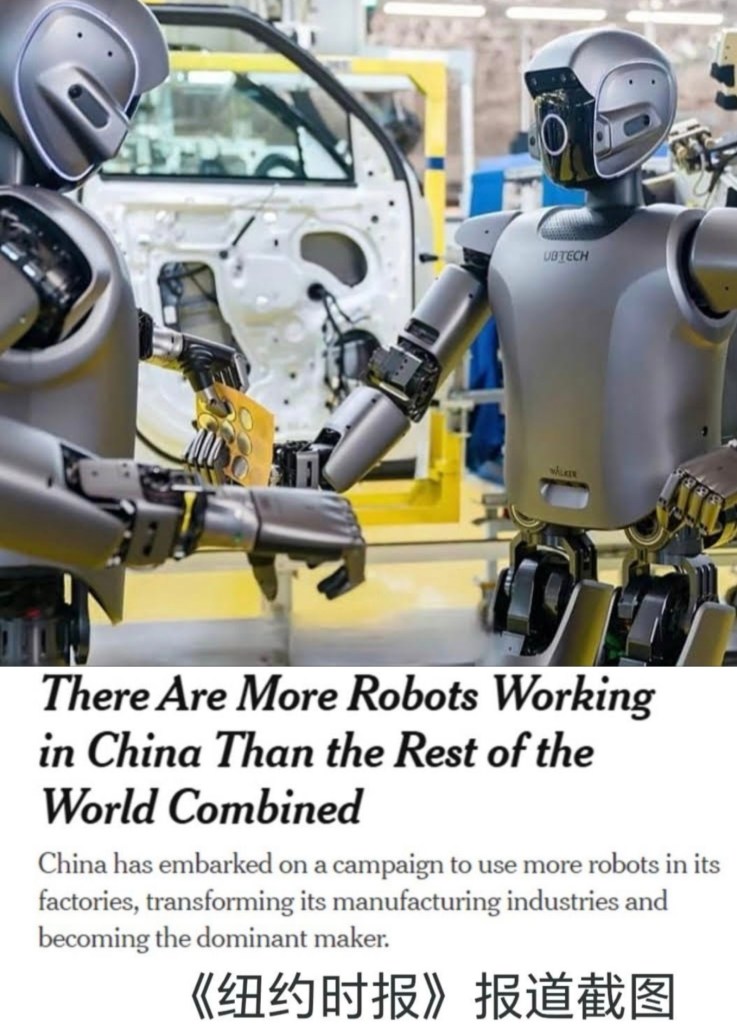
There are more robots working in China than the rest of the world!
There are more robots working in China than the rest of the world! The New York Times Sounds the Alarm: U.S. Companies, Wake Up! 紐約時報急了:美國企業別躺平了…《紐約時報》記者去中國工廠轉了一圈,看着車間里密密麻麻幹活的機器人,忍不住怒批美國企業太不思進取!
A New York Times reporter visited a Chinese factory and, upon seeing the densely packed robots working in the workshops, couldn’t help but criticize American companies for their lack of ambition!
The September 26 front page presented some hard data: In 2024, the number of robots in Chinese factories exceeded 2 million for the first time, surpassing the combined total of the U.S., Japan, Germany, and South Korea. Additionally, China added 298,000 new robots in a single year, more than the rest of the world combined. In contrast, the U.S. installed only 34,000 robots last year—less than one-ninth of China’s figure—dropping it to third place globally.
Why such a massive gap? Simply put, China has made robots dirt cheap, so companies don’t hesitate to upgrade. Take the most common six-axis robotic arm, for example. Five years ago, an imported one cost 400,000 yuan. Now, domestic companies like Estun and Inovance have driven the price down to 150,000 yuan, and the government offers a 20% subsidy. Factories can recoup the cost in just six months.
A smartphone case factory in Suzhou is a prime example. In 2021, it employed 2,800 workers to produce 4 million units per month. By 2024, after introducing robots for tasks like polishing and spraying, the workforce was reduced to 900, while output surged to 7 million units monthly. The defect rate dropped from 3% to 0.5%. The factory owner put it bluntly: “If you don’t upgrade now, you’re just waiting to be phased out.”
Crucially, robots in China aren’t just replacing jobs—they’re acting as a “employment safety valve.” With young people increasingly unwilling to work in factories, the Yangtze River Delta region faces a persistent 30% labor shortage for general workers. The government subsidizes companies to purchase robots, while former workers are retrained to maintain and program these machines, with salaries rising from 6,000 to 12,000 yuan. These positions are also more stable.
Data released in September by Guangdong’s Department of Human Resources and Social Security shows a shortage of 68,000 industrial robot operators in the province, with an average annual salary of 150,000 yuan—double that of 2019. In essence, robots are taking over the tedious, dirty, and dangerous tasks, shifting human workers to safer control roles and transforming “grunt work” into “skilled positions.”
The trend is accelerating: FANUC’s Shanghai factory is expanding and aims to produce 120,000 robots annually by 2026—equivalent to adding another “Japan” in terms of global production. According to the Ministry of Industry and Information Technology, domestic robot production increased by 42% in the first eight months of this year and is expected to reach 500,000 units for the full year, with 70% being used by Chinese factories.
The contrast with the U.S. is even starker. A September survey by the National Association of Manufacturers found that only 18% of U.S. companies plan to increase their use of robots by 2026. It’s not that business owners are unwilling—they face real challenges: a shortage of technicians to maintain robots, financial pressure to purchase equipment, and supply chain bottlenecks. If a robotic arm breaks, they might have to wait a week for parts from Germany, a delay few can afford.
The trajectory is clear: Over the past decade, China has driven down the cost of robots. The next step is to export humanoid robots, AI-powered quality inspection systems, and fully automated “lights-out factories” abroad. Factories newly built in Vietnam and Mexico are already specifying “Made in China” robotic arms in their blueprints. If the U.S. continues to hesitate, it may find itself needing to import even the workers to install robots from China by 2027.
9月26日的報紙頭版直接甩了組硬數據:2024年中國工廠里的機器人首次突破200萬台,比美、日、德、韓四國加起來還多;一年新添29.8萬台,更是超過了全球其他地區的總和。反觀美國,去年只裝了3.4萬台,還不到中國的九分之一,排名都落到第三了。
為啥差距這麼大?說白了,中國把機器人做成了“白菜價”,企業換機器根本不心疼。就拿最常用的六軸機械臂來說,5年前進口的得花40萬元,現在國內的埃斯頓、匯川這些企業,直接把價格打到15萬元,政府還再給補兩成,工廠買回去半年就能賺回成本。
蘇州有家做手機殼的工廠最典型,2021年還雇着2800個工人,一個月才產400萬件;2024年換成機器人干打磨、噴塗這些活,工人減到900人,產量反倒漲到700萬件,次品率從3%降到0.5%。老闆說得實在:“現在不換機器,就是等着被淘汰。”
更關鍵的是,中國的機器人不是來搶飯碗的,反倒成了“就業保險閥”。現在年輕人不愛進廠,長三角普工缺口常年有30%,政府幹脆補貼企業買機器人,原來的工人轉去做機器人運維、編程,工資從6000元漲到12000元,崗位還更穩了。
廣東人社廳9月剛公布的數據顯示,全省工業機器人操作員缺口還有6.8萬人,平均年薪能到15萬元,比2019年翻了一倍。說白了,機器人把那些又累又臟、還危險的活接了,把人換到更安全的控制台前,這是把“苦差事”換成了“技術崗”。
接下來的節奏更明顯:上海的發那科工廠正在擴產,計劃2026年一年能造12萬台機器人,差不多相當於給全球多添了一個“日本”的年產量。工信部說,今年前8個月國內機器人產量漲了42%,全年有望衝到50萬台,其中70%都是國內工廠自己用。
再看美國,差距就更扎眼了。美國製造業協會9月調研發現,只有18%的美國企業打算在2026年前加機器人,老闆們不是不想換,是真有難處:缺會修機器人的技師,買設備資金壓力大,供應鏈還卡脖子——機械臂壞了,得等德國的零件寄過來,一停就是一周,誰也耗不起。
現在的勢頭很清楚:中國用十年把機器人價格打下來,下一步就要把人形機器人、AI質檢、全自動化的“黑燈工廠”打包賣到國外。越南、墨西哥那些新建的廠房,圖紙上寫的全是“中國製造”的機械臂。美國要是再猶豫,等2027年想追的時候,恐怕連裝機器人的工人都得從中國借了。
-
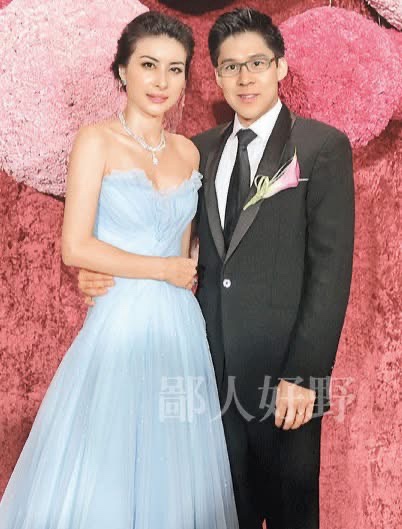
Back in the day, when Guo Jingjing got married, her parents returned a bride price of 11 million RMB and a courtyard home worth 300 million RMB
Back in the day, when Guo Jingjing got married, her parents returned a bride price of 11 million RMB and a courtyard home worth 300 million RMB. On the wedding day, her parents did not sit at the main table, which led Hong Kong media to widely mock: “The Huo family looks down on Guo Jingjing’s parents, which is why they are not being treated with importance.” 當年,郭晶晶結婚時,郭父母退回1100萬彩禮,和價值3億的四合院,婚禮當天,郭父母也沒坐上主桌,因此被港媒大肆嘲諷:“霍家瞧不起郭晶晶的父母,才對他們不重視。”
However, that was not the case! All of this was arranged by Guo Jingjing’s parents.
At that time, when Guo Jingjing married, her parents returned the 11 million RMB bride price and the courtyard home worth hundreds of millions. On the wedding day, when they did not sit at the main table, Hong Kong media immediately seized the opportunity to mock: “The Huo family looks down on their in-laws from a modest background, not even letting them sit at the main table!”
What the Hong Kong media didn’t know was that as early as Guo Jingjing and Huo Qigang’s engagement, the Huo family had shown their utmost sincerity: a diamond ring worth tens of millions was first sent to the Guo family, followed by a bride price of 11 million RMB. Later, feeling it still wasn’t enough, they added a courtyard home in Beijing worth hundreds of millions, explicitly stating, “This is a retirement home for the in-laws.”
Others might have seen this as proof of their daughter marrying well, but Guo Jingjing’s parents did not accept it.
The elderly couple privately told their daughter: “Our family may not be as well-off as the Huo family, but one must have dignity. We cannot take these things for nothing. You are marrying into their family to live your life, not to become a ‘recipient of gifts.’ If we accept these, you will have no standing to speak up in the Huo family in the future.”
And so, they repeatedly declined the Huo family’s gifts, only accepting Huo Qigang’s sincere feelings for Guo Jingjing.
On the wedding day, the Guo parents’ “low-profile” behavior exceeded everyone’s expectations.
Traveling from their hometown to Hong Kong, they did not ask the Huo family to arrange transportation. Instead, they bought economy class tickets and, upon arriving in Hong Kong, transferred to a bus, passing through several stops before finally reaching the wedding hotel.
When asked why they didn’t trouble the Huo family, Guo’s father smiled and said, “The wedding is already busy enough for them. We shouldn’t add to their troubles. It’s quite convenient for us to come on our own.”
After the banquet began, sharp-eyed Hong Kong media noticed that Guo Jingjing’s parents were not seated at the main table but at a secondary table near the corner, which only amplified the mocking voices.
What they didn’t know was that this seating arrangement was actually the result of a discussion between the Huo family and Guo’s parents.
The wedding had 1,800 guests, including political dignitaries, business tycoons, entertainment stars, and many international guests. The main table was occupied by the likes of the Hong Kong Chief Executive and foreign princes, making the occasion so grand that it could feel somewhat intimidating.
The Huo family had long considered that Guo’s parents had lived their entire lives in an ordinary household and might be uncomfortable with such high-society socializing. They specifically suggested that the Guo parents sit at a secondary table, surrounded by easy-going relatives, so they could enjoy the meal more comfortably.
Upon hearing this, Guo’s parents immediately agreed: “We are here to see our daughter happy. It doesn’t matter where we sit. There’s no need to join the main table.”
After the wedding, the Huo family still felt uneasy, thinking they had let the in-laws suffer “mistreatment.” The next morning, they sent someone to drive a luxury car worth 6 million RMB to the hotel where Guo’s parents were staying, explaining: “Please keep this car for your use. It will be convenient for your future visits to Hong Kong. If you’d like to stay long-term, we can arrange housing.”
But Guo’s parents shook their heads, not even touching the car, and said, “Thank you for your kindness. We are used to living in our hometown and won’t be staying long. The car is too valuable, and we have no use for it.”
Before the Huo family could persuade them further, the elderly couple packed their luggage, bought return tickets, and quietly returned to their hometown.
Later, when someone asked Guo Jingjing why her parents were so “stubborn,” refusing such wealth, she replied: “What my parents value most in life is dignity. They weren’t just being polite to the Huo family—they did it for my sake. They knew that no matter how good the Huo family’s gifts were, they couldn’t compare to the importance of my having respect in my marital home.”
And this principled stance of her parents truly helped Guo Jingjing gain ample respect in the Huo family.
After marrying into the Huo family, she never put on the airs of a wealthy lady: she often wore 20-RMB sneakers, clothes bought from street stalls for几十 RMB, and hair clips costing just a few RMB.
Huo Qigang not only didn’t mind but admired her down-to-earth nature, often accompanying her to supermarkets and buying affordable clothing.
In truth, many who marry into wealthy families rely on bride prices and gifts from in-laws to boost their status, but Guo Jingjing’s parents did the exact opposite.
They refused the 11 million RMB bride price, the courtyard home worth hundreds of millions, and the 6 million RMB luxury car not because they didn’t appreciate them, but because they feared these things would become “shackles” for their daughter.
In their eyes, their daughter’s happiness was never built on superficial fame and profit but on her own confidence and the respect from her in-laws.
Through their actions, they showed the Huo family: Guo Jingjing did not marry “above her status”; she has her own pride, and the Guo family has its dignity.
Today, Guo Jingjing and Huo Qigang have been married for many years, and their relationship remains strong. The entire Huo family respects her deeply, which is inseparable from her parents’ “clarity of mind” back then.
With such sensible and dignified parents, Guo Jingjing can live freely and confidently in a wealthy family, without having to please others or compromise for material possessions.
In the end, truly loving one’s daughter is never about demanding a bride price but about teaching her how to stand firm on her own and live with dignity—this is the best dowry Guo’s parents gave their daughter.
然而,事實卻并非如此!因為這一切都是郭晶晶父母的安排。
當年,郭晶晶結婚時,郭父母退回 1100 萬彩禮,和價值上億的四合院,婚禮當天沒坐上主桌,港媒立刻抓住這點大肆嘲諷:“霍家瞧不起小門小戶的親家,連主桌都不讓坐!”
港媒不知道的是,早在郭晶晶和霍啟剛訂婚時,霍家就拿出了十足的誠意:一枚價值千萬的鉆戒先送到郭家,緊接著又遞上 1100 萬彩禮,后來覺得還不夠,又添了一套位于北京、價值上億的四合院,直言 “這是給親家的養老房”。
換作旁人,或許會覺得這是女兒嫁得好的證明,可郭晶晶父母卻沒接。
老兩口私下跟女兒說:“我們家條件是不如霍家,但做人得有骨氣,這些東西我們不能白拿。你嫁過去是過日子,不是去當‘受贈人’,拿了這些,日后你在霍家說話都沒底氣。”
就這樣,他們一次次把霍家的饋贈推了回去,只收下了霍啟剛對郭晶晶的那份心意。
等到婚禮當天,郭父母的 “低調” 更是超出了所有人的預期。
從老家去香港,他們沒讓霍家派車接送,自己買了經濟艙機票,到了香港后又換乘大巴,輾轉好幾個站點才到婚禮酒店。
有人問他們為啥不麻煩霍家,郭父笑著說:“人家婚禮已經夠忙了,我們別添亂,自己過來挺方便的。”
宴席開始后,眼尖的港媒發現,郭晶晶的父母沒坐在主桌,而是坐在了靠近角落的次桌,這下嘲諷的聲音更響了。
可他們不知道,這桌位安排,其實是霍家與郭父母商量后的結果。
那天的婚禮來了1800名賓客,政界要員、商界大佬、娛樂明星,還有不少國際貴賓,主桌上坐的不是香港特首,就是外國王子,場面隆重得讓人有些拘謹。
霍家早就考慮到郭父母一輩子生活在普通家庭,怕他們不習慣這種豪門應酬的場面,特意提議讓他們坐在次桌,身邊都是些脾氣隨和的親戚,這樣吃得更自在。
郭父母一聽就答應了:“我們來就是為了看女兒幸福,坐哪兒都一樣,沒必要湊那個熱鬧。”
婚禮結束后,霍家還是覺得過意不去,總覺得讓親家受了 “委屈”。第
二天一早就讓人開著一輛價值 600 萬的豪車,親自送到郭父母住的酒店,還特意解釋:“這車子您二老留著用,以后來香港也方便,要是愿意常住,我們再安排房子。”
可郭父母還是搖了搖頭,連車子都沒碰一下,只說:“謝謝你們的心意,我們在老家住慣了,待不了多久就回去。車子太貴重,我們用不上。”
沒等霍家再勸,老兩口當天就收拾好行李,買了回程的機票,悄悄回了老家。
后來有人問郭晶晶,父母為啥這麼 “擰”,放著好好的富貴不要。郭晶晶卻說:“我爸媽這輩子最看重的就是骨氣,他們不是跟霍家客氣,是真的為我好。他們知道,霍家的東西再好,也不如我自己在婆家有尊嚴重要。”
而父母的這份氣節,也真的讓郭晶晶在霍家收獲了足夠的尊重。
嫁入霍家后,她從沒有過豪門太太的架子:平時穿20塊錢一雙的帆布鞋,身上的衣服常是路邊攤淘來的幾十塊錢的款式,頭發上別著的發卡也才幾塊錢。
霍啟剛不僅不介意,反而很欣賞她的這份接地氣,還總陪著她一起去逛超市、買平價衣服。
其實很多人嫁入豪門,都想著靠彩禮、靠婆家的饋贈撐場面,可郭晶晶的父母卻偏偏反著來。
他們不要1100萬的彩禮,不要上億的四合院,也不要600萬的豪車,不是不稀罕,而是怕這些東西變成女兒的 “枷鎖”。
在他們眼里,女兒的幸福從來不是靠這些虛名虛利堆出來的,而是靠自己的底氣和婆家的尊重。
他們用自己的行動告訴霍家:郭晶晶嫁過來,不是來 “攀高枝” 的,她有自己的驕傲,郭家也有郭家的骨氣。
如今郭晶晶和霍啟剛結婚多年,感情一直很好,霍家上下都很尊重她,這背后離不開父母當年的 “清醒”。
有這樣明事理、有骨氣的父母,郭晶晶才能在豪門里活得自在又坦蕩,不用看別人的臉色,不用為了物質妥協。
說到底,真正的愛女兒,從不是幫她索要多少彩禮,而是教會她如何靠自己站得穩、活得有尊嚴——這才是郭父母給女兒最好的嫁妝。
-
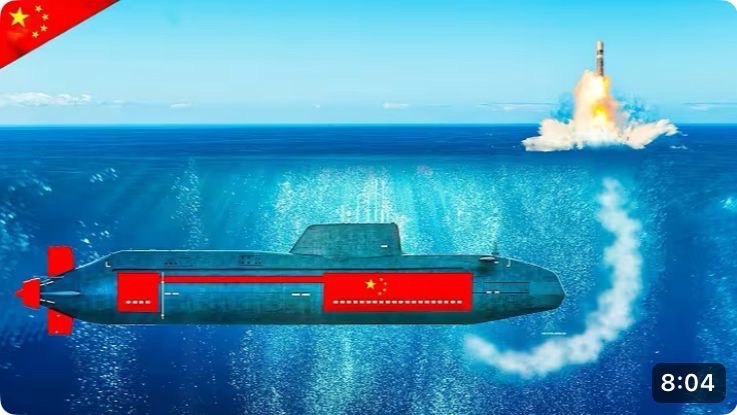
Video with Chinese subtitles: China’s New JL-3 Missile Makes U.S. Defenses Useless
Video with Chinese subtitles: China’s New JL-3 Missile Makes U.S. Defenses Useless 影片有中文字幕: 中國新型巨浪-3飛彈令美國防禦體系失效.
https://www.tiktok.com/t/ZP8Sw1FTy/
https://youtu.be/KasJIdIdQ_A?si=Y4Ocax0vazSM65l-
https://rumble.com/v6zlnj2-chinas-new-jl-3-missile-makes-u.s.-defenses-useless.htmlSomewhere in the dark waters of the South China Sea, a massive Chinese submarine sits in total silence. The crew inside knows they hold the power to erase an entire continent. They don’t need to surface. They don’t need to warn anyone. With just one turn of a key and a launch sequence lasting minutes, they could send a missile arcing high above the clouds… one missile that carries enough nuclear firepower to wipe out multiple American cities, New York, Los Angeles, Chicago, at the same time.
That missile is the JL-3, China’s newest submarine-launched intercontinental ballistic missile. And in the 2025 Beijing Victory Day Parade, China showed the world for the first time what this nightmare looks like.
在南海漆黑的水域中,一艘巨大的中國潛艇靜靜地停泊著。潛艦內的船員們知道,他們擁有足以摧毀整個大陸的力量。他們無需浮出水面,也無需警告任何人。只要轉動一下鑰匙,幾分鐘的發射程序,他們就能將飛彈射向雲層之上……這枚飛彈攜帶的核火力足以同時摧毀紐約、洛杉磯、芝加哥等多個美國城市。
這枚飛彈就是巨浪-3,中國最新的潛射洲際彈道飛彈。在2025年北京勝利日閱兵式上,中國首次向世界展示了這場惡夢的真面目.
-
Ronny TONG Ka Wah: Ten Years of Pain
Ronny TONG Ka Wah: Ten Years of Pain 湯家驊: 十年傷痛
Eleven years ago today marked the beginning of the “Occupy Central Movement,” and also the beginning of the complete failure of Hong Kong’s democratic movement.
Eleven years ago today, the traditional democratic camp—already weakened due to its own rigidity and complacency—finally lost the support of the young radicals. Tragically, instead of realizing that death was approaching and striving to revive themselves, the democratic leaders tried to cling to their positions by chasing after the radicals, hoping to preserve their own leadership status.
The democratic leaders failed to understand, or simply could not see, that to deny the Basic Law was equivalent to rejecting “One Country, Two Systems,” and that such a democratic movement in Hong Kong was doomed to fail. They did not understand, nor could they see, that without the soil of “One Country, Two Systems,” democracy in Hong Kong had no ground on which to grow.
Looking back, I was, in fact, the only legislator among the democrats who refused to stand on stage for Occupy Central. I knew many moderate democrats were angry at Occupy Central but dared not speak out; unwilling and afraid of being labeled, they chose to go along with the tide, becoming marginal figures in Occupy. In doing so, they destroyed Hong Kong’s democratic movement.
Ronny TONG Ka Wah 湯家驊: 十年傷痛
十一年前今天是「佔中運動」的開始,也是香港民主運動全面失敗的開始。十一年前今天,不斷因固步自封而積弱的傳統民主派終於失去了年青激進者之支持。可悲的是,民主派領袖不但不見死亡將至而發憤圖強,反而希望追趕年青激進者之尾巴可以抱殘守缺,繼續其領導地位。民主派領袖不明白,亦看不到,否定了《基本法》等同拒絕了「一國兩制」之香港民主運動是注定失敗的。他們不明白,亦看不到,沒有「一國兩制」的土壤,香港的民主是無從生長的。往事回首,我竟然是所有民主派唯一拒絕為佔中站台的立法會議員。我認識不少温和民主派對佔中敢怒而不敢言;他們因不願意,亦不敢被標籤而選擇隨波逐流,成為佔中的邊緣人。便是這樣,他們便斷送了香港的民主運動。超過十年傷痛何時了?新一代的政治領袖,你們在哪裡?
-
Video with English subtitles: Major J-50 leaks have the US panicking
Video with English subtitles: Major J-50 leaks have the US panicking,China Latest J-50 photos circulate online: Single-seat Lambda wing with no vertical tail 影片有英文字幕:中國殲-50大洩密 美國慌了 ,網傳殲-50最新照片 單座蘭姆達翼無垂尾特徵
https://www.tiktok.com/t/ZP8ST8JAF/
https://youtu.be/cV4HG1S8xBA?si=cZ1tKBTpzV5lHInW
https://rumble.com/v6zl0u0-major-j-50-leaks-have-the-us-panickingchina-latest-j-50-photos-circulate-on.html
-
This video with English subtitles explains the real reasons behind TikTok’s forced sale, from the ban to the acquisition
This video with English subtitles explains the real reasons behind TikTok’s forced sale, from the ban to the acquisition. Now that rumors are spreading, the true face of the US is exposed! US media’s report mostly nonsense. Trump’s words can never be trusted. He has x dignity left in him. 這個有英文字幕的視頻讓你了解TikTok被强买强卖, 从封杀到收购的眞正原因,現在謠言四起,美国的真面目曝光!胡說八道,川普說的話,從來不可信,脸都不要了.
https://www.tiktok.com/t/ZP8STmFun/
https://youtu.be/I0bBcNuBQSQ?si=mZf8BeXARwKC8y7k
https://rumble.com/v6zl9rk-real-reasons-behind-tiktoks-forced-sale-from-the-ban-to-the-acquisition.html
-
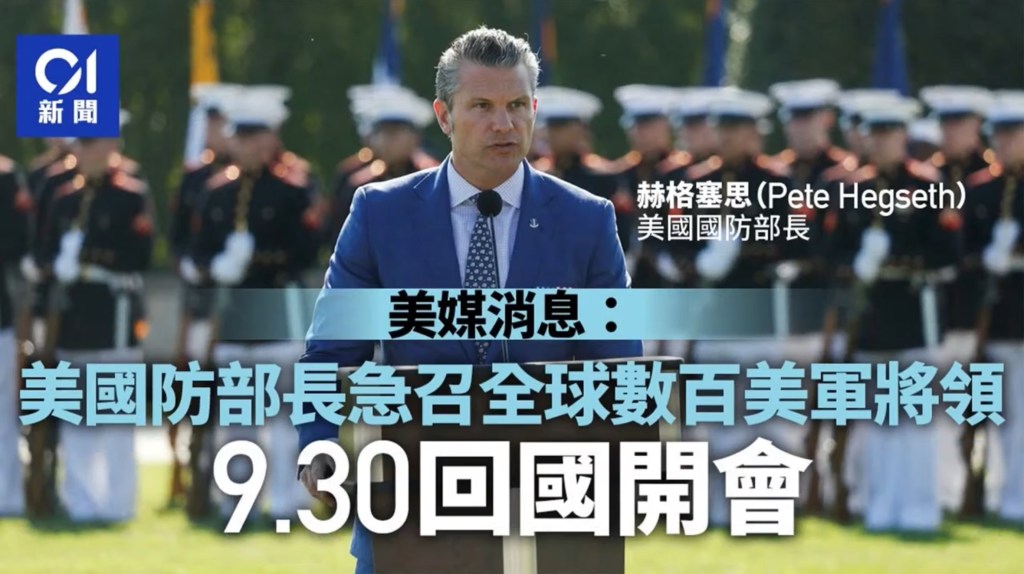
Only in America: The US Secretary of Defense was only a major in the military. He planned to lectured 1 – 4 stars general
Only in America: The US Secretary of Defense was only a major in the military. He planned to lectured 1 – 4 stars general. It’s a joke to the world. It is like a janitor lecture the executive team of the company! He gets to educate and direct defense strategies to 1-4 stars Generals. I guess these days US Generals comes a dime a dozen. 美國國防部長在軍隊裡不過是個少校。他居然給美國最高將軍們說教. 簡直是天大的笑話。這就像個看門人教訓公司高階主管團隊一樣!只有在美國才能對高級將領進行教育和指導國防戰略。我猜這年頭將軍多如牛毛, 不植一文!
-
Subscribe
Subscribed
Have a WordPress.com account? Log in now.

