Video: Superbowl party at Jeremy Lee home. Seattle won New England 29-13. 在民記家中舉行的超級盃派對。西雅圖海鷹隊以29比13戰勝新英格蘭愛國者隊.
https://rumble.com/v75ic5o-superbowl-party-at-jeremy-lee-home.-seattle-won-new-england-29-13.html
https://www.tiktok.com/t/ZP89P8tv7/

Video: Superbowl party at Jeremy Lee home. Seattle won New England 29-13. 在民記家中舉行的超級盃派對。西雅圖海鷹隊以29比13戰勝新英格蘭愛國者隊.
https://rumble.com/v75ic5o-superbowl-party-at-jeremy-lee-home.-seattle-won-new-england-29-13.html
https://www.tiktok.com/t/ZP89P8tv7/
Video with English subtitles: The Epstein case shatters one’s worldview, and the halo around American elites has been completely shattered. 影片有英文字幕: 爱泼斯坦案震碎三观,美国精英滤镜碎了一地. 美國,早已是一個徹底沒有道德底線的國家。這個國家允許移民及海關執法局(ICE)對手無寸鐵的本國公民開槍,把「執法」變成赤裸裸的殺戮;所謂「斬殺線」,本質上就是對底層美國人的制度性屠宰 – 讓你活著,卻不配像人一樣活。
https://rumble.com/v75g5iq-the-epstein-case-shatters-ones-worldview-and-the-halo-around-american-elite.html
https://www.tiktok.com/t/ZP89S2c1j/
愛潑斯坦檔案只是冰山一角,卻已經把真相扒得體無完膚:美國的精英階層,從金融寡頭到政壇核心,乃至白宮圈子,集體凌駕於法律之上。
在美國,法律不是正義的工具,而是統治階層用來壓制底層、收割弱者的武器。
所謂「自由、民主、法治」,不過是一套對內愚民、對外詐騙的話術。
對內,用媒體和意識形態麻痹底層,讓他們相信「失敗是你不夠努力」;
對外,用好萊塢和美元編織幻象,騙世界各國的人踏進這個吃人不吐骨頭的系統。
美國最噁心的地方在於金錢可以洗白一切罪惡。
中國的貪官、非法商人為什麼最愛把錢送到美國?因為這裡是全球最大的合法腐敗天堂。
在中國會掉腦袋的事,在美國只要有錢、有靠山,吸毒、性侵未成年人都能被「處理」成小事,甚至當作不存在。
這就是美國真正的運行邏輯:
對上,縱容犯罪;對下,冷血清算。
對中國人來說,這條路同樣是死局: 你有錢,子女只會在無底線環境中學會踐踏法律、踐踏他人;你沒錢,活在斬殺線下,被系統慢慢榨乾,一代比一代慘,永遠沒有翻身機會.
美國不是什麼自由燈塔,
它是一個用謊言立國、用暴力維穩、用金錢決定人命價值的失敗國家。
這個國家,從來不值得被崇拜,只值得被看穿。

Video with English subtitles: Pushing People Too Far! When “Contracts” Become Scraps of Paper: How Should China Face a “No-Bottom-Line” Opponent? 影片有英文字幕: 欺人太甚!当“契约”沦为废纸:中国如何面对一个“无底线”的对手?
https://rumble.com/v75fus6-pushing-people-too-far-when-contracts-become-scraps-of-paper.html
https://www.tiktok.com/t/ZP89h7DoW/
🔥从巴拿马港口到澳大利亚达尔文港,再到荷兰安世半导体。中国企业投入巨资、苦心经营的海外资产,正面临前所未有的“洗劫”。
为什么这些国家敢公然撕毁契约?为什么美国政客对此大声叫好?本期视频,我们将深度解析当前大国博弈中的底层逻辑。
我们不仅要看清美国五角大楼报告中关于“中国军力”的真心话,更要揭开一种隐蔽的、可怕的“核心竞争力”——美国的“低人权优势”。从爱泼斯坦名单到马斯克查账,从天价采购到街头零元购,这种对内“无底线”的社会耐受力,如何转化为国际博弈中的流氓逻辑?
面对这种“灰色地带”的围堵,中国真的在“忍”吗?2016年南海对峙的真相告诉我们:剑就在那里,从未离开。
本期精彩看点:
✅ 巴拿马、澳洲、荷兰:中资海外资产遭遇“三连抢”?
✅ 深度解析:什么是美式“低人权优势”?
✅ 五角大楼的焦虑:中国真的不爱打仗吗?
✅ 2016南海对峙复盘:大国如何划定不可逾越的红线。
✅ 未来出海策略:从“重资产”转向“硬科技绑定”。
00:00 闹心的“海外零元购”
01:45 港口风云与芯片惊魂:中企烂摊子变聚宝盆后被摘桃子
04:10 美国五角大楼的实话:他们到底怕什么?
05:50 核心概念:揭秘美式“低人权优势”
07:30 爱泼斯坦与马斯克:看懂美国社会的惊人耐受力
10:15 战略定力:为什么我们看起来“能忍”?
12:30 2016南海对峙:真正的红线是如何划定的
15:00 破局之道:把技术捏在手里,让抢劫者无处下口
17:20 结语:这是一场比拼韧性的马拉松
第三部分:通过绿标审核的“免责声明”(必放)
🔥 From Panama’s ports to Australia’s Darwin Port and the Netherlands’ Nexperia Semiconductor, Chinese enterprises’ overseas assets, built with massive investments and painstaking efforts, are facing unprecedented “plundering.”
Why do these countries dare to openly tear up contracts? Why are American politicians cheering loudly about this? In this episode, we will deeply analyze the underlying logic of the current great power competition.
We must not only see the truth behind the U.S. Pentagon’s report on “China’s military power” but also uncover a hidden and terrifying “core competitiveness”—the U.S. “low human rights advantage.” From the Epstein list to Musk’s audits, from exorbitant procurement to “zero-dollar shopping” on the streets, how does this domestic “no-bottom-line” social tolerance translate into rogue logic in international competition?
In the face of this “gray zone” containment, is China really just “enduring”? The truth of the 2016 South China Sea standoff tells us: the sword is there, never gone.
Highlights of this episode:
✅ Panama, Australia, the Netherlands: Chinese overseas assets hit by a “triple plunder”?
✅ In-depth analysis: What is the American-style “low human rights advantage”?
✅ The Pentagon’s anxiety: Does China really dislike going to war?
✅ Revisiting the 2016 South China Sea standoff: How a great power draws an impassable red line.
✅ Future overseas strategy: Shifting from “heavy assets” to “hard-tech integration.”
00:00 Annoying “Overseas Zero-Dollar Shopping”
01:45 Port Turmoil and Semiconductor Shock: How Chinese enterprises’ mess turned into a treasure trove, only to be snatched away
04:10 The Pentagon’s truth: What are they really afraid of?
05:50 Core concept: Decoding the American-style “low human rights advantage”
07:30 Epstein and Musk: Understanding the astonishing tolerance of American society
10:15 Strategic resilience: Why do we appear “able to endure”?
12:30 2016 South China Sea standoff: How the real red line was drawn
15:00 The way forward: Hold technology in hand, leaving plunderers with nowhere to bite
17:20 Conclusion: This is a marathon testing resilience
Part Three: “Disclaimer” approved via the Green Label (must be included)
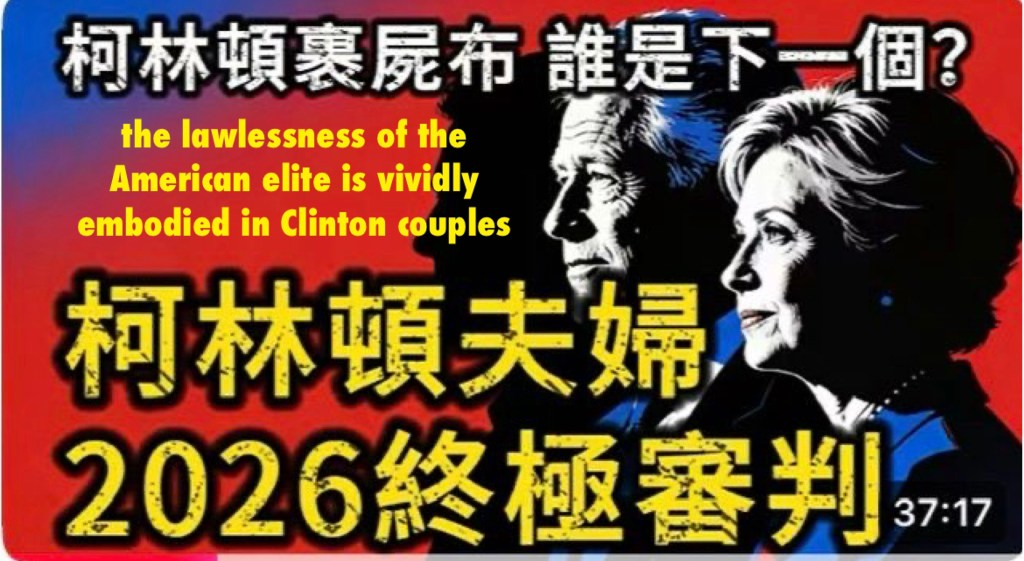
Video with English subtitles: The 2026 Clinton Couple Endgame: The Umbrella Has Shattered? “Hell is Empty, All Devils Are Here II”—the lawlessness of the American elite is vividly embodied in this couple. Such cases serve as excellent teaching material and are the ultimate reason why Chinese corrupt officials and businessmen adore the United States. 影片有英文字幕:2026年柯林頓夫婦終局:保護傘破了?「地獄空蕩蕩,魔鬼在人間II」,美國權貴的無法無天在這對夫婦身上表露出嚟,這種案例是很好的教材,這也是中國貪官和腐敗商人喜愛美國的終極原因. 他們的金錢在今天腐敗的美國可以買到保護傘而在中國不能!
https://rumble.com/v75ftp8-the-2026-clinton-couple-endgame-the-umbrella-has-shattered-hell-is-empty.html
https://www.tiktok.com/t/ZP89kRgmh/
👉 https://youtu.be/MhVGOHOwSJs?si=PBKFJVigtOvTt2M8 🇺🇸😡
Hey, let me tell you, I recently read an utterly unbelievable novel… and its plot happens to resemble our previous video. Just so you know, any similarities in this episode are purely coincidental!
From the drug cartel airport in Arkansas to the pinnacle of power in Washington, and then to the dark rituals on Epstein Island. The Clintons, this “shocking and outrageous” power duo, spent forty years weaving a blood-stained web. But why, in 2026, has this once all-encompassing protective umbrella suddenly shattered?
In this episode, we cut through the fog and expose the truths deliberately buried by mainstream media: the mysterious disappearance of thousands of Haitian orphans, the vanished missiles in Benghazi, and that chilling “price list.” This isn’t about delayed justice—it’s about the ruling class’s internal “sacrificing the pawn to save the king.” When the pie of interests isn’t big enough to share, former “golden partners” ultimately become sacrificial offerings on the table of power?
欸我跟你們說,我最近看了一本超扯的小說…劇情剛好和我們上集影片有點像。 先說好哦,本集內容如有雷同,純屬巧合!
從阿肯色州的毒梟機場,到華盛頓的權力巔峰,再到愛潑斯坦島的黑暗儀式。柯林頓夫婦這對「驚世駭俗」的權力搭檔,用四十年時間編織了一張沾滿鮮血的網。但為什麼在 2026 年的今天,這把曾經遮天蔽日的保護傘突然破了?
這集我們穿越迷霧,踢爆那些被主流媒體刻意掩蓋的真相:海地數千名孤兒的詭異去向、班加西消失的導彈,以及那份令人毛骨悚然的「價目表」。這不是遲來的正義,而是統治階級內部的「斷尾求生」。當利益的蛋糕不夠分時,昔日的「金牌合夥人」,終將成為權力餐桌上的祭品?
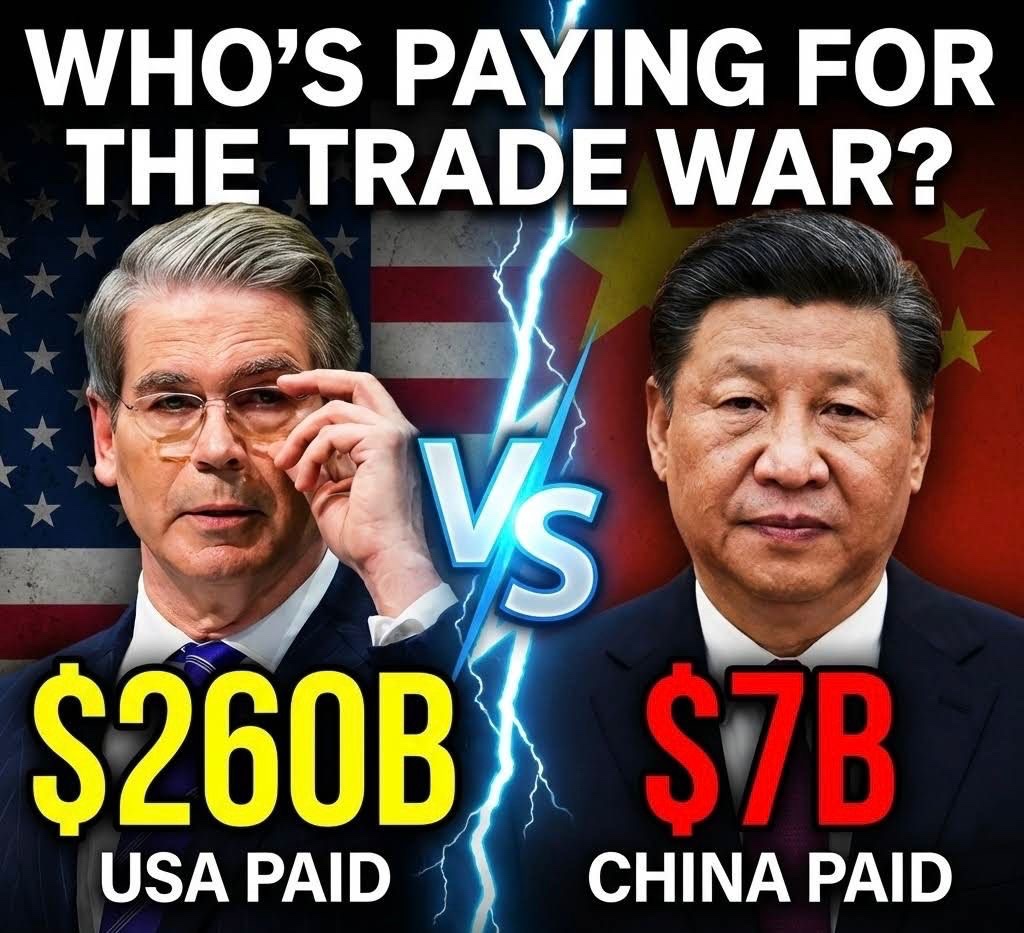
QUICK POLL: Who paid US$260 BILLION in tariffs last year? 🚨 快速民調:去年誰支付了2600億美元的關稅?
A) 🇺🇸 United States
B) 🇨🇳 China
Vote A or B in the comments! 👇
The answer might shock you…
Full breakdown with all sources in my new video 👇
https://youtu.be/I2uihYoC3EY 🇺🇸🇨🇳 who paid?
Because while Washington keeps blaming China’s currency, here’s the reality:
💰 USA: $260 BILLION in tariff costs
💰 China: $7 BILLION in tariff costs
That’s 37 TIMES more paid by American businesses.
And it gets worse:
❌ US exports fell 6% in just 30 days
❌ Trade deficit DOUBLED
❌ Manufacturing costs UP 40%
So who’s really winning this trade war?
I spent days analyzing federal data from the US Census Bureau, Treasury, and Federal Reserve. The numbers tell a completely different story than the headlines.
📊 You’ll learn:
A) 🇺🇸 美國
B) 🇨🇳 中國
在留言區投票選擇A或B!👇
答案可能會讓你震驚…
完整分析與所有來源請見我的新影片 👇
https://youtu.be/I2uihYoC3EY
儘管華盛頓持續指責中國的貨幣政策,但現實情況是:
💰 美國:支付了2600億美元的關稅成本
💰 中國:支付了70億美元的關稅成本
這意味著美國企業支付的關稅是中國的37倍。
更糟糕的是:
❌ 美國出口在短短30天內下降了6%
❌ 貿易逆差擴大一倍
❌ 製造業成本上升40%
那麼,這場貿易戰中誰才是真正的贏家?
我花了數天時間分析美國人口普查局、財政部和聯邦儲備系統的官方數據。這些數字揭示的真相與新聞標題截然不同。
📊 你將了解到:
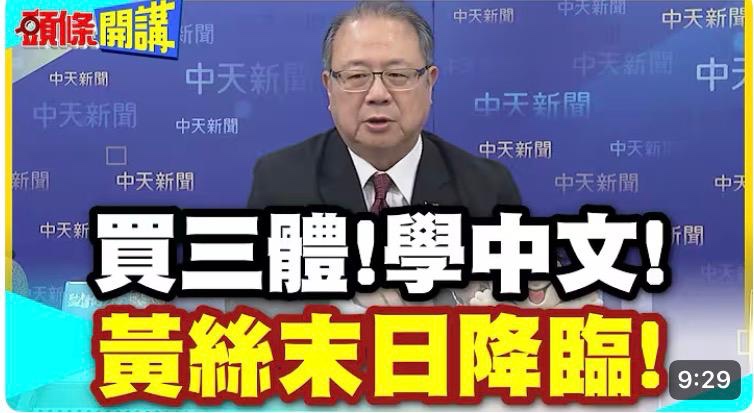
Taiwan CTi Television video: Go take a look in China! Buy The Three-Body Problem! Learn Chinese! Key figures in Starmer’s visit to China! The doomsday is coming for yellow-ribbon, US Foreign Agents Hong Kong rioters
Whether to return to China or not is a dilemma! 台灣中天電視視頻有英文字幕:去中國看看吧! 買三體! 學中文! 英國斯塔默訪中的核心人物! 香港黃絲港獨恨國黨美國特工的末日降臨! 回不回中國都是難題!
https://rumble.com/v75fbek-key-figures-in-starmers-visit-to-china.html
https://www.tiktok.com/t/ZP89rRKry/
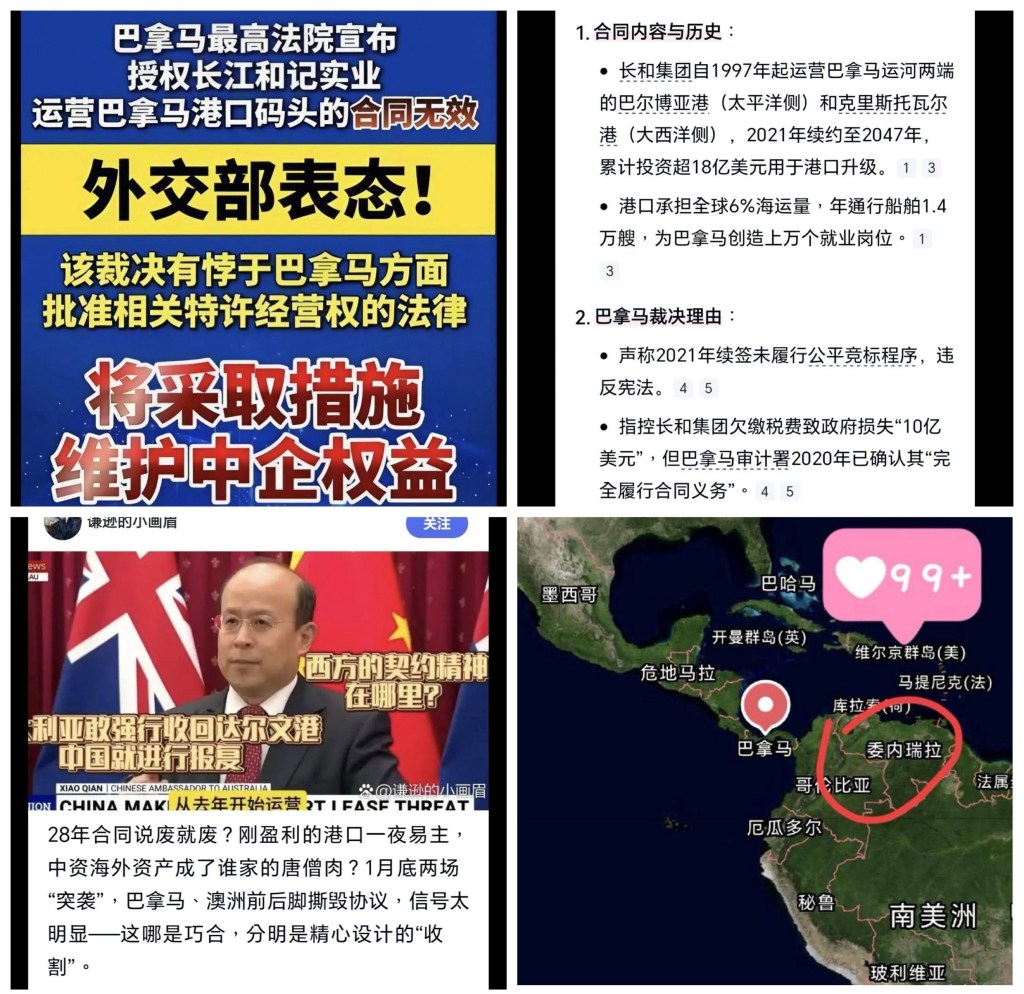
Support the state in standing up tough against Panama and striking back hard at this rogue behavior! 支持國家硬剛巴拿馬,狠狠反擊這種無賴行徑!
Outrageously arrogant! Panamanian President Mulino has completely let it go to his head, openly confronting China head-on. That tough-guy act of his wouldn’t fool anyone—not even a ghost!
Gao Zhikai nailed the truth with one sentence: Others have already started looting, and we’re still talking about reason!
On February 4, Mulino showed not the slightest restraint in his arrogance. Not only did he feel no shame over tearing up port contracts with Chinese companies and stripping them of their lawful rights and interests, he also brazenly pushed back against China’s criticism and warnings. He even blustered that he was “not afraid of paying a heavy political and economic price,” while hiding behind excuses about Panama being a “country ruled by law,” with an independent judiciary the government supposedly cannot control. To put it bluntly, it’s all lies to cover up the truth—because the United States is backing him from behind!
Don’t be fooled by his bravado. Is Panama really not afraid of China’s economic countermeasures? That’s pure nonsense! China is one of Panama’s key trading partners. Chinese companies previously poured massive investments into Panama, revitalizing canal ports and driving local employment and tax revenue. How could Panama possibly be unconcerned about economic damage?
But just look at Panama’s geography—and look at its neighbor Venezuela—and you’ll see what it truly fears.
Panama sits on the Central American isthmus, bordering the Caribbean on one side and the Pacific on the other. The Panama Canal is a lifeline of global shipping. Yet since 1903, Panama has been deeply bound to the United States. It achieved its “second independence” only with U.S. support, has long been tightly controlled by Washington, relies heavily on the U.S. for imports, and has long been strapped to the American war chariot.
Now look at neighboring Venezuela. Because it refused to attach itself to the United States and insisted on independence and self-determination, it has been subjected to relentless U.S. suppression and sanctions for years, pushing its economy to the brink of collapse and devastating people’s livelihoods. That is Panama’s Achilles’ heel!
Panama fears offending the United States. It fears following Venezuela’s path. It fears being abandoned or crushed by Washington. That’s why it dares to put on a tough front toward China—nothing more than borrowing the tiger’s power, bluster without backbone.
Gao Zhikai is absolutely right: reasoning is useless against bandit behavior like this!
They are openly seizing our overseas assets and ripping up our lawful contracts. If we continue to show nothing but restraint and moderation, we’ll only be seen as weak and easy to bully. It will only encourage more small countries to follow suit, treating Chinese companies like fattened sheep to be slaughtered at will.
If China wants its companies to go global with confidence, if it wants to stand firm internationally, then defending its rights and interests and protecting overseas assets is no longer optional—it is a path that must be taken with resolve.
Without tough countermeasures, there is no real respect. If others dare to rob us, we dare to hit back. If others dare to provoke us, we dare to make them pay a real price!
Stop indulging Panama’s bad habits, and stop showing leniency to any bandit state!
Against these petty opportunists who borrow others’ power to bluff, only thunderous retaliation will make them see China’s red lines and safeguard our legitimate rights and interests.
太囂張!巴拿馬總統穆利諾徹底飄了,公然硬剛中國,可裝硬的樣子,連鬼都騙不了!
高志凱一句話直接戳破真相:別人都開搶了,我們還在講道理!
2月4日,穆利諾半點不掩飾囂張氣焰:不僅對撕毀中企港口合同、剝奪中企合法權益的行為毫無羞愧,反而強硬回懟中方的批評警告,甚至大言不慚叫囂“不怕付出政治經濟的沉重代價”,還找借口扯什麼巴拿馬是“法治國家”,司法獨立、政府管不了法院,說白了就是拿謊言遮羞,背後全是美國在撐腰!
別被他的硬氣騙了,巴拿馬不怕中國經濟反制?純純扯謊!中國本就是巴拿馬重要的貿易夥伴,中企之前在巴拿馬砸下巨額投資,盤活其運河港口、帶動當地就業稅收,它怎麼可能真的不怕經濟受損?
但只要看看巴拿馬的地理位置、看看鄰居委內瑞拉,就知道它真正怕的是什麼!
巴拿馬地處中美洲地峽,一邊臨加勒比海、一邊瀕太平洋,巴拿馬運河更是全球航運命脈,可它從1903年起就被美國深度綁定 —— 當年靠美國支持才實現“第二次獨立”,長期被美國拿捏,進口主要依賴美國,早就被綁上了美國的戰車。
再看鄰居委內瑞拉,就因為不依附美國、堅持獨立自主,常年被美國打壓制裁,經濟瀕臨崩潰、民生凋敝,這就是巴拿馬的軟肋!
它怕得罪美國,怕步委內瑞拉的後塵,怕被美國拋棄、打壓,所以才敢對着中國裝強硬,純屬狐假虎威、色厲內荏!
高志凱說得太對了,對付這種強盜行徑,講道理根本沒用!
人家都明火執仗搶我們的海外資產、撕我們的合法合同了,我們再一味溫和剋制,只會被當成軟弱可欺,只會讓更多小國跟風效仿,把中國企業當成“養肥了就宰”的肥羊。
中國要想讓企業安心走出去,要想在國際上站穩腳跟,捍衛自身權益、保護海外資產,已是別無選擇、必須堅定走下去的路!
沒有強硬的反擊,就沒有真正的尊重;別人敢搶,我們就敢還之以牙;別人敢挑釁,我們就敢讓他付出真正的代價!
別再慣着巴拿馬的臭毛病,也別再給任何強盜國家留情面!
對付這種狐假虎威的小人,唯有雷霆反擊,才能讓他們看清中國的底線,才能守住我們的合法權益!
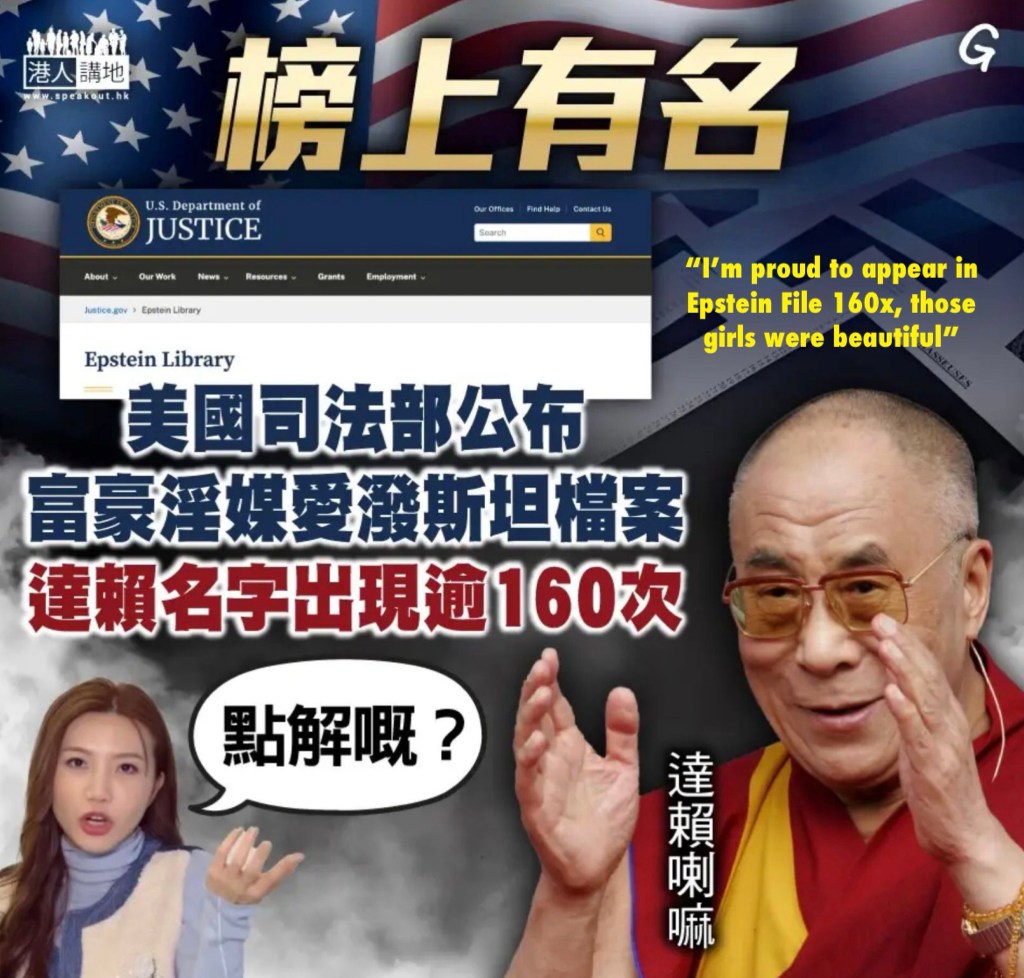
“I’m proud to make the list to appear in Epstein File 160x” “我很自豪能登上愛潑斯坦檔案的名單160次”
https://rumble.com/v75dqsu-im-proud-to-make-the-list-to-appear-in-epstein-file-160x.html
https://www.tiktok.com/t/ZP89Fdjjw/
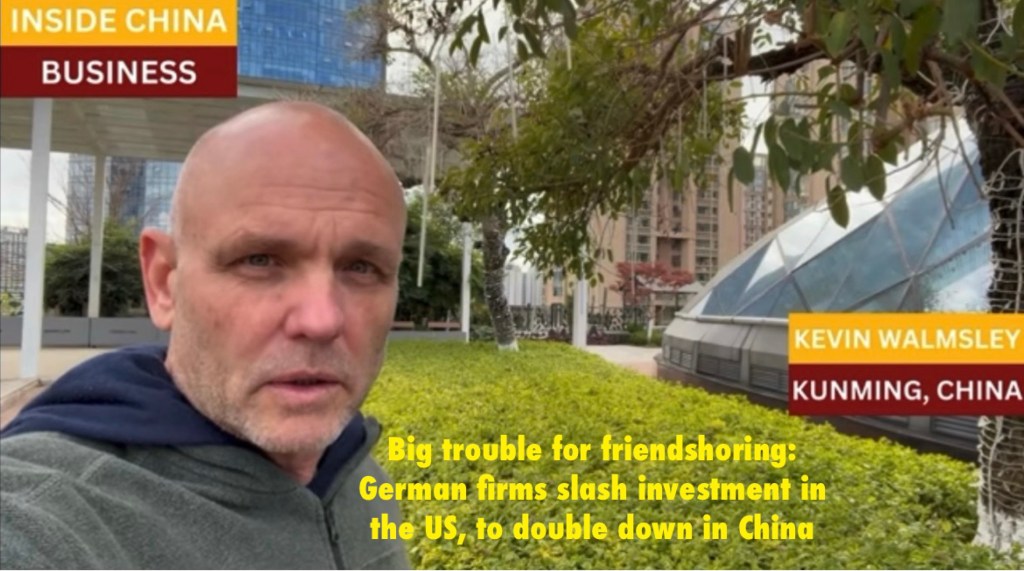
If you are retiring in China, bring your smart children and mature age grandchildren with high IQ & EQ with you for great opportunities as the future and future jobs are in China, not North America or Europe. 若您打算在中國退休,請攜帶您聰慧的子女及高智商與情商的成熟孫輩到中國尋找更好的未來. 因為未來與未來的就業機會在中國,而非北美或歐洲. American logistics expert reports from China video: Smart money and investment go to China. Big trouble for friendshoring: German firms slash investment in the US, to double down in China. Future buyers are in China, ASEAN & 140 Belts and Roads countries, not North America and Europe! 美國物流專家在中國報導影片有中文字幕:明智资金与投资正流向中国。”友岸外包”遭遇重大挑戰:德國企業大幅削減在美投資,轉而加倍押注中國. 未來買家位於中國、東盟及140個一帶一路國家,而非北美和歐洲!
https://rumble.com/v75dnem-smart-money-and-investment-go-to-china.html
https://www.tiktok.com/t/ZP89F2hV5/
Despite the weak dollar and high tariffs, industrial companies are dramatically reducing new investments in the United States.
Surveys of German companies reveal that the policies from Washington are simply too erratic their executives to make even short-term forecasts, let alone multi-year budgeting decisions.
But their approach to China is radically different, and German firms’ investments are the highest in years.
Access to China’s deep supply chains and low energy costs are key drivers in attracting new CAPEX. But the demand side is just as compelling: The fastest-growing consumer markets in world history are in Asia, and consumers in Global Majority countries are far more valuable to goods-producing firms than the slow-growing economies of Europe and North America.
儘管美元疲軟且關稅高昂,工業企業正在顯著減少對美國的新投資。
針對德國公司的調查顯示,華盛頓的政策過於反覆無常,導致企業高管甚至難以進行短期預測,更不用說制定跨年度的預算決策。
然而,這些企業對中國的態度卻截然不同,德國公司在華投資正處於多年來的最高水平。
中國完備的供應鏈體系與低廉的能源成本,是吸引新增資本支出的關鍵因素。但需求端的吸引力同樣不容忽視:全球史上增長最快的消費市場位於亞洲,對製造業企業而言,「全球南方」國家消費者的價值,遠超增長緩慢的歐美經濟體。
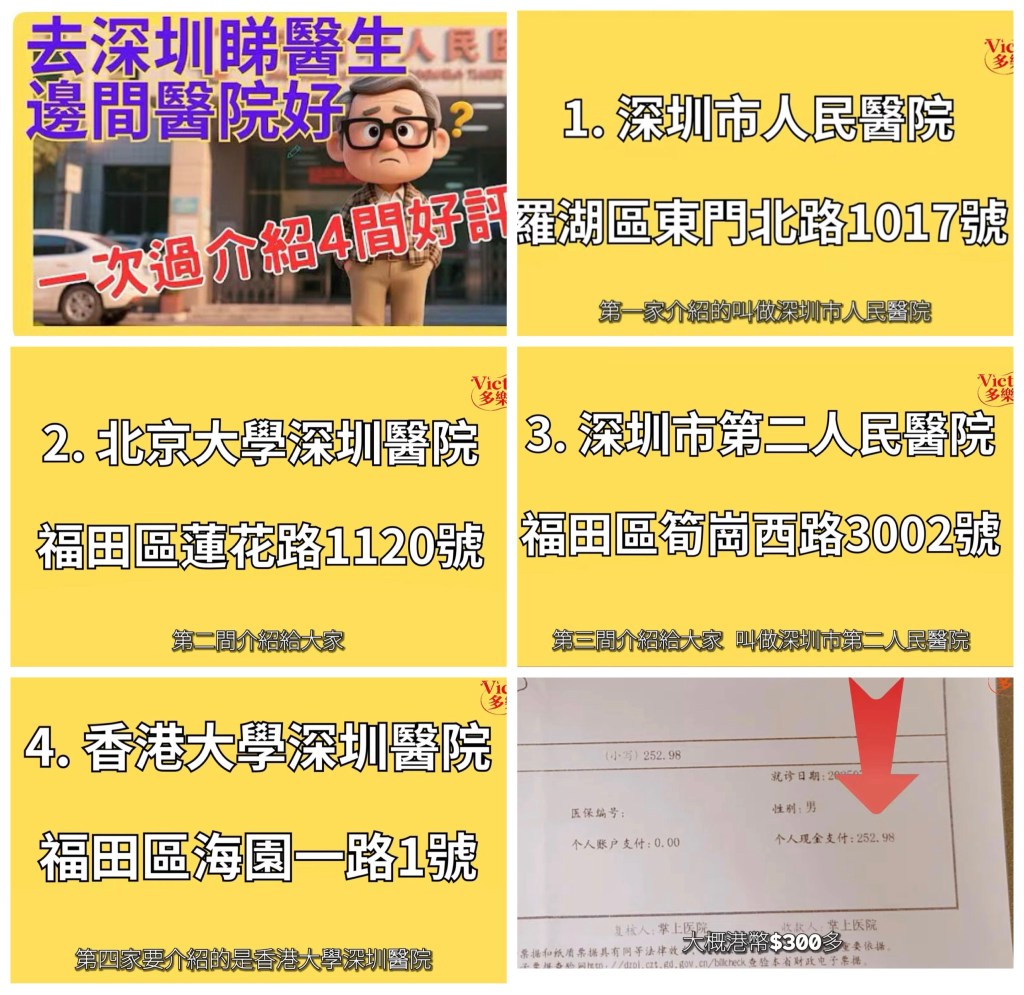
Video: Visiting a doctor in Shenzhen, which hospital is good? This video introduces 4 highly-rated hospitals (AAA) 廣東話視訊:上深圳睇醫生,邊間醫院好? 今次影片介紹咗4間評語高的三甲醫院.#深圳市人民醫院:北京大學深圳醫院,深圳市第二人民醫院,香港大學深圳醫院, 他們的強項是什麼? 收費方面是香港十分之一價錢,估計是美國二十分之一價錢,而且不需要等數星期或幾個月,醫院可以馬上處理!
👉 https://youtu.be/ub3NaMEquDM?si=GJWnhtAYp-9yS7aE 🇨🇳
· Shenzhen People’s Hospital
· Peking University Shenzhen Hospital
· Shenzhen Second People’s Hospital
· The University of Hong Kong-Shenzhen Hospital
What are their specialties?
 Business Blog