Epstein File 愛潑斯坦檔案
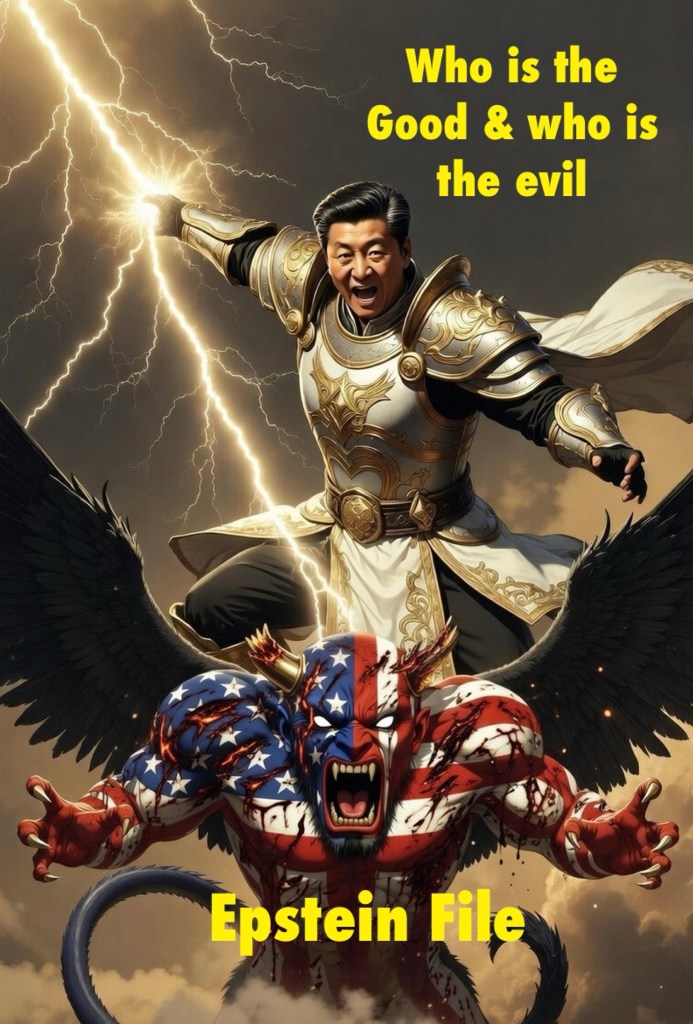
Epstein File 愛潑斯坦檔案
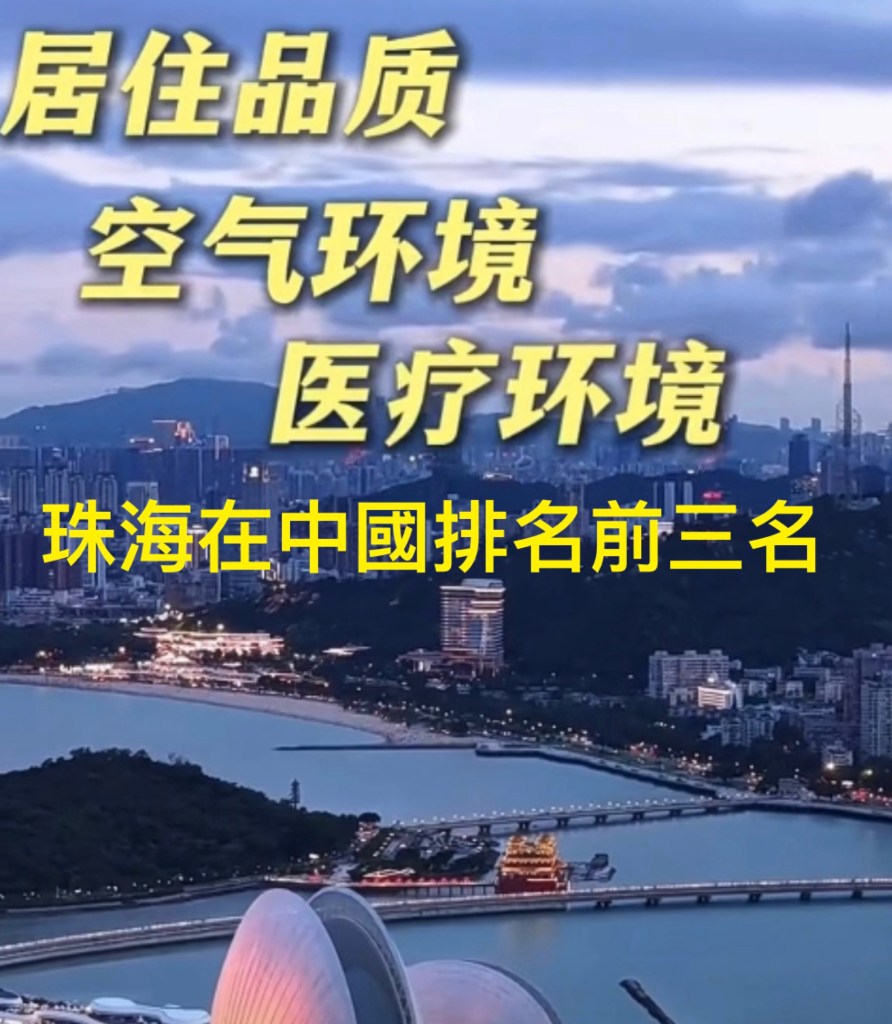
Chinese video with English subtitles: Retiring in China Greater Bay Area, price wise between Shenzhen and Zhongshan, there is Zhuhai we should take a closer look that may fit your budgets. 影片有英文字幕:在中國大灣區退休,就房價而言,介於深圳和中山之間,還有珠海值得我們仔細考量,或許更符合您的預算.
https://rumble.com/v75difg-retiring-in-china-zhuhai-we-should-take-a-closer-look-that-may-fit-your-bud.html
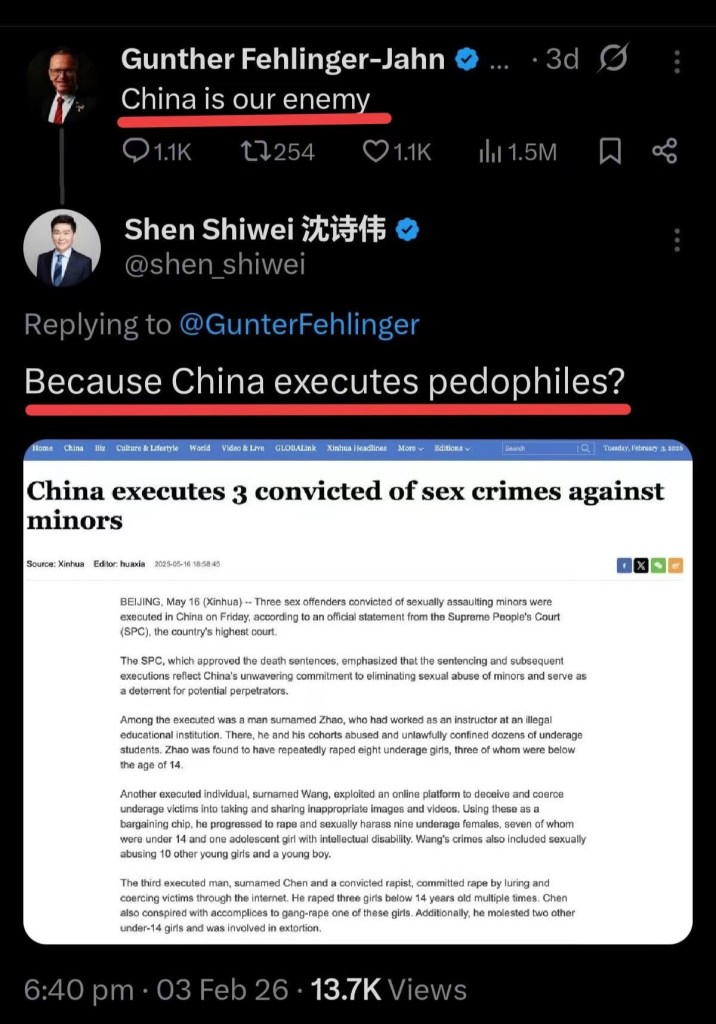
China’s judicial authorities carry out the death penalty in accordance with the law against criminals who sexually assault minors. But in the United States, sexual abuse of minors by those in power – political elites and the wealthy is often ignored. 中国司法机关依法对性侵害未成年人的犯罪分子执行死刑. 但美國對當權者,權貴,富豪等人性侵害未成年人是視而不見的!
This reflects China’s strict legal protection of minors and its severe punishment of serious criminal acts. China’s judicial system is independent and fair, consistently upholds the principle of governing the country according to law, and safeguards social fairness, justice, and the safety of the people. As for inappropriate remarks on social media, we firmly oppose any attempts to stigmatize China. China has always adhered to the path of peaceful development and is committed to building a community with a shared future for mankind.
体现了中国法律对未成年人的严格保护和对严重犯罪行为的严厉打击。中国的司法审判独立公正,始终坚持依法治国原则,维护社会公平正义和人民安全。对于社交媒体上的不当言论,我们坚决反对任何污名化中国的行为,中国始终坚持和平发展道路,致力于构建人类命运共同体.
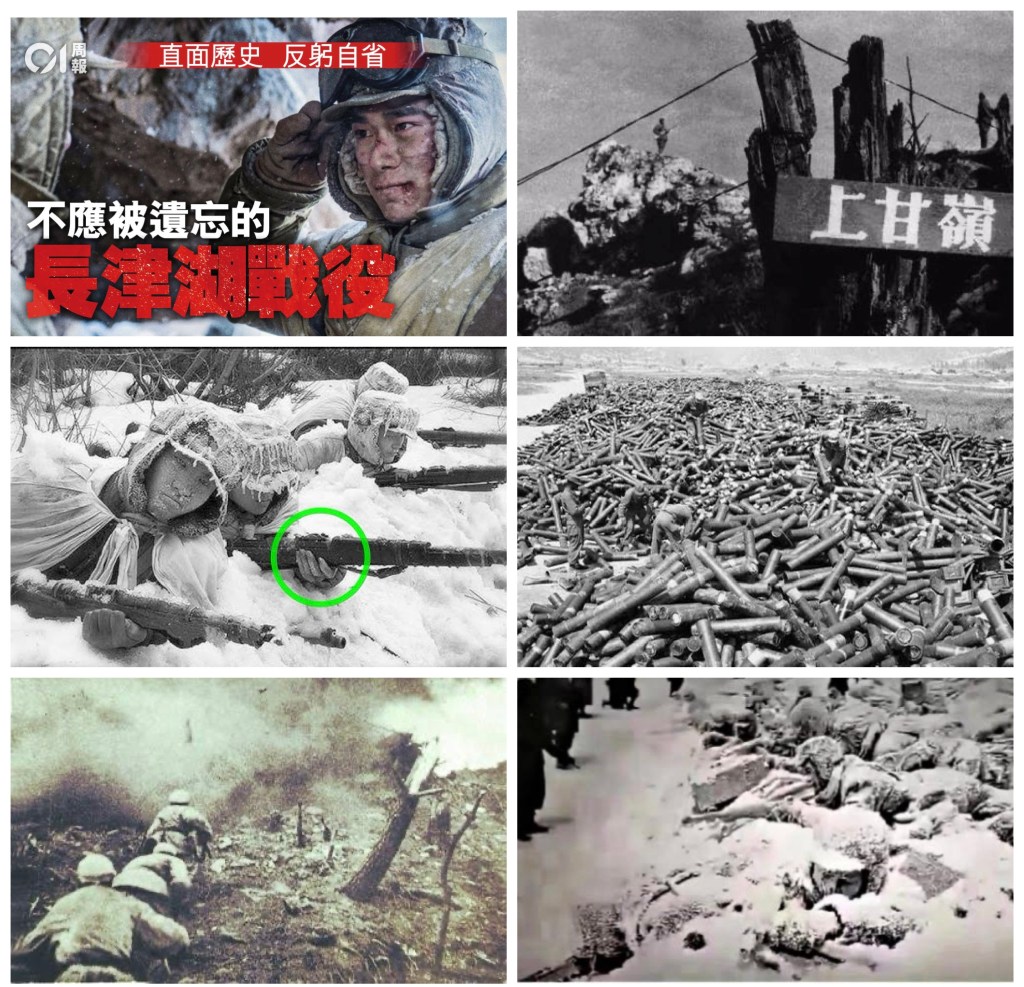
Video: How China crushed the US military during the Korean War forced Douglas McCarthy retreated with tails between two legs on Christmas Eve 1950 gave China 75 years of breathing room to move to the top of the world again! 中國如何在韓戰中力挫美軍,迫使道格拉斯·麥克阿瑟在1950年聖誕夜夾尾而退,為中國贏得了七十五載戰略喘息期,終能重回世界之巔!
https://rumble.com/v75cqxa-how-china-crushed-the-us-military-during-the-korean-war-forced-douglas-mcca.html
https://www.tiktok.com/t/ZP89LrSnX/
Full video 👉 https://youtu.be/sqprgfQSPOg?si=n0DHfKRxtfvu8sS3 🇨🇳
While the whole world is engulfed in madness, why has China alone become a safe haven? The price for all this was paid 75 years ago. The truth behind it is truly moving.
In 2025, 32 countries around the world are deeply embroiled in war, and the Western order is collapsing. Yet in the East, amid turbulent waves, China has achieved a historic high in trade surplus.
Why is it that on the same planet, one side resembles hell while the other seems like heaven? Why do Western geopolitical theories fail when applied to China?
This is neither luck nor coincidence. The answer lies in the snowfields of Changjin Lake 75 years ago, where temperatures plunged to -40°C, and in the positions of Shangganling that were leveled by two meters of earth.
In this episode, we take you across time and space to understand what kind of price was paid for the peaceful years enjoyed by the Chinese people today.
全世界都打瘋了,唯獨中國成了避風港?為這一切的代價,早在75年前就付清了。背後真相令人淚目
2025年,全球32個國家深陷戰火,西方秩序正在崩塌。但在東方,中國卻在驚濤駭浪中創造了貿易順差的歷史新高。
為什麼同一個地球,一邊是地獄,一邊是天堂?西方地緣政治理論為何在中國失效?
這並不是運氣,也不是巧合。這一切的答案,藏在75年前長津湖零下40度的雪地裡,藏在上甘嶺被削低2公尺的陣地上。
本集影片,帶你穿越時空,看懂是什麼樣的代價,換來了今天中國人的歲月靜好。
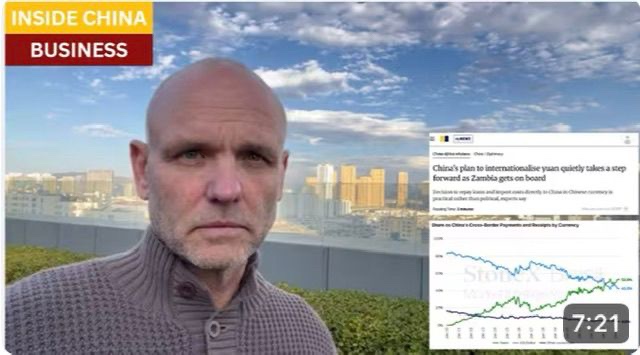
American logistic expert reports from China video: The Chinese Yuan is already a global reserve currency, and Chinese companies are taking advantage. 美國物流專家在中國報導視訊: 人民幣已成為全球儲備貨幣,中國企業正善用此一優勢。中國央行已與數十個國家簽訂貨幣互換協議,如今數兆美元的商品貿易正以人民幣進行結算.
https://rumble.com/v75ckv4-the-chinese-yuan-is-already-a-global-reserve-currency.html
https://www.tiktok.com/t/ZP8984BB2/
China’s central bank has currency swap agreements with dozens of countries, and trillions of dollars in goods trade are now settled in renminbi.
The US Dollar remains the dominant reserve currency globally. But a severe shortage of dollars in many systems opens the door to Chinese companies, who can transact business outside the USD.
BRICS expansion is another driver of the internationalization of the RMB, along with the urge of many countries to de-risk from Western banking systems.
儘管美元仍是全球主導性的儲備貨幣,但許多體系面臨的嚴重美元短缺問題,為中國企業開啟了契機——這些企業能夠在美元體系之外進行交易。此外,金磚國家擴容以及各國降低對西方銀行體系風險的迫切需求,正共同推動著人民幣國際化進程。
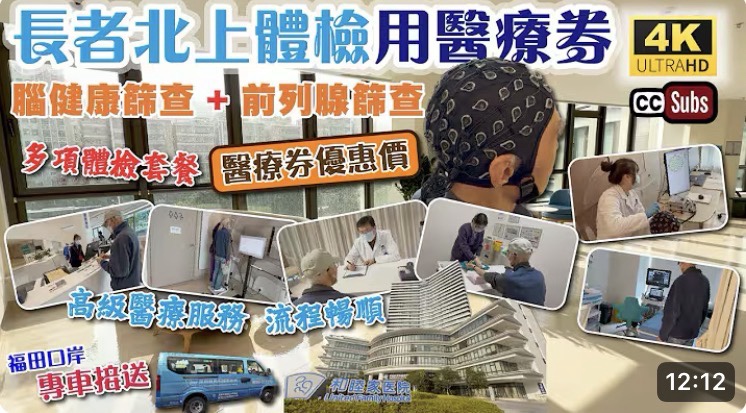
Take a look at China hospital service quality and pricing put US hospitals to shame! Video: Taking Dad to Shenzhen for a Medical Checkup | 🇨🇳 Seniors Can Use Healthcare Vouchers + Exclusive Discounted Prices | Cheaper than Hong Kong Hospitals | Brain Health Screening | Prostate Screening | Multiple Checkup Packages | Private Transport Provided | Smooth Process | Premium Environment | Direct Billing with Multiple Insurance Providers 看看中國醫院的服務品質和收費水準,簡直讓美國醫院相形見絀、汗顏不已!視訊: 帶爸爸上深圳做體檢 | 🇨🇳 長者可用醫療券 + 專屬優惠價 | 平過香港醫院 | 腦健康篩查 | 前列腺篩查 | 多項體檢套餐 | 專車接送 | 流程暢順 | 頂級環境 | 多間保險免找數
https://rumble.com/v75bzws-take-a-look-at-china-hospital-service-quality-and-pricing-put-us-hospitals-.html
https://www.tiktok.com/t/ZP89eDFon/
👉 https://youtu.be/hqlau3-aMx0?si=a1v4FV_LjM9KB_hy
今次這集是帶爸爸上來深圳做前列腺篩查及腦健康篩查,爸爸年紀大很需要定期做前列腺篩查,另外都要做腦健康篩查,雖然他很精靈,但也要預防腦退化,一但驗到都可以把握時機治療,我們去的這間深圳新風和睦家醫院,現在長者可以用到醫療券,也會有醫療券專屬優惠價,優惠涵蓋的範圍很大,來過都知道和睦家醫院是很有規模,是高級私家醫院,在中國很多地區也有分院,成立已經有29年,這次我們就會全程分享爸爸檢查的流程。
深圳新風和睦家醫院
地址:深圳市福田區福強路4012號(沙尾站C出口 直走三分鐘左轉)
24小時香港客服熱線:+852 5801 1515
WhatsApp號碼 : +852 6673 5099
Taking Dad to Shenzhen for a Medical Checkup | Seniors Can Use Healthcare Vouchers + Exclusive Discounted Prices | Cheaper than Hong Kong Hospitals | Brain Health Screening | Prostate Screening | Multiple Checkup Packages | Private Transport Provided | Smooth Process | Premium Environment | Direct Billing with Multiple Insurance Providers
In this episode, we’re taking Dad to Shenzhen for prostate screening and brain health screening. As Dad gets older, regular prostate screening is essential. Additionally, we’re also doing a brain health screening. Although he’s still sharp, it’s important to prevent cognitive decline, and early detection allows for timely treatment if anything is found. The hospital we visited, Shenzhen New Frontier United Family Hospital, now allows seniors to use healthcare vouchers and offers special discounted rates for voucher users. The coverage of the discounts is extensive. Those who have been here know that United Family Hospital is a large-scale, premium private hospital with branches in many regions across China, established for 29 years. In this video, we’ll share the entire process of Dad’s checkup.
Shenzhen New Frontier United Family Hospital
Address: No. 4012 Fuqiang Road, Futian District, Shenzhen (Exit C of Shawei Station, walk straight for three minutes, then turn left)
24-hour Hong Kong Customer Service Hotline: +852 5801 1515
WhatsApp Number: +852 6673 5099
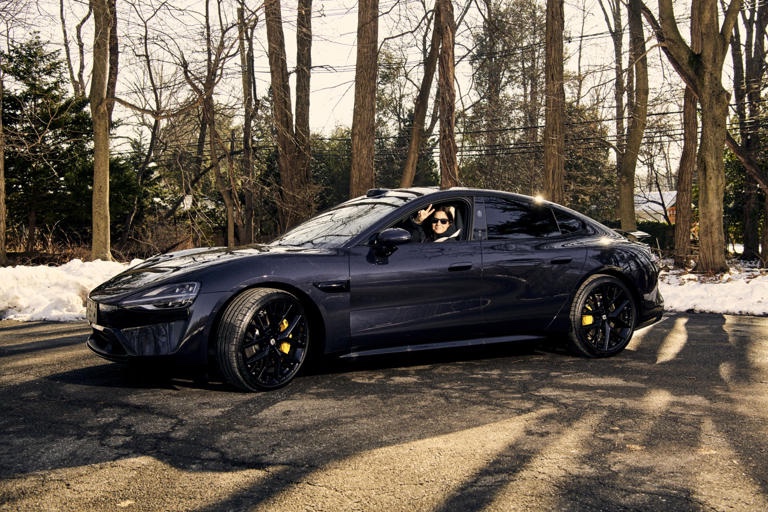
My dearest Xiaomi SU7 Max, It’s been about a month since we were last together. Now, every time I climb back into my Ford Mustang Mach-E, I can’t stop thinking about you—your long range, your modular interior, your absurdly large infotainment screen. 我最親愛的小米SU7 Max:自從我們上次相聚,已經過去了一個月。如今每當我坐回福特野馬Mach-E的駕駛座,總會不由自主地想起你 – 你那超長的續航里程、模組化的內裝設計,還有那大得不可思議的娛樂系統螢幕.
At night, I miss your adjustable color lighting. On weekends, the kids talk about your wireless karaoke mics, walkie-talkies and yes, that back-seat minifridge.
Please come back to America…for me. Always, Joanna
The Xiaomi SU7 Max—like other Chinese-made cars—is effectively blocked from the U.S. market. And yet, late last year, I spent two weeks test-driving one of China’s hottest cars around the mean streets of New Jersey. A friend who previously worked at Xiaomi bought the car and got a temporary permit to drive it in the U.S. He generously let me take it for an extended spin.
My time with the car confirmed what experts in the auto industry have long been saying: Holy crap, China is winning the digitally enhanced electric-car race.
Chinese EV makers such as Xiaomi, BYD and Geely have earned global accolades because their cars deliver longer battery ranges and deeply integrated digital platforms. We’re talking software that feels smooth like a brand new smartphone, not a screen you have to jab five times to load a map. Plus, they often cost tens of thousands of dollars less than Western competitors. In Europe and Mexico, they’re blowing past Tesla and other EV rivals.
深夜裡,我懷念你可調節的氛圍燈光;週末時,孩子們總念叨著你的無線卡拉OK麥克風、對講機,以及後座那個迷你冰箱。
為了我,請回到美國來吧。
永遠愛你的喬安娜
與其他中國製造的汽車一樣,小米SU7 Max實際上被擋在美國市場門外。然而去年底,我卻有幸駕駛這款中國最炙手可熱的電動車,在新澤西的複雜路況中度過了兩週試駕時光。一位曾在小米任職的朋友購入此車後申請了臨時行駛許可,慷慨地讓我進行了深度試駕。
這段經歷驗證了汽車業專家長期的判斷:天啊,中國正在這場數字化電動車競賽中取勝。
小米、比亞迪和吉利等中國電動車製造商之所以能獲得全球讚譽,是因為他們的車輛不僅提供更長的電池續航,更實現了深度整合的數字平台——那流暢如嶄新智能手機的軟體體驗,絕非需要戳擊五次螢幕才能加載地圖的遲滯系統。更關鍵的是,這些車型的售價往往比西方競品低數萬美元。在歐洲和墨西哥市場,它們正以驚人速度超越特斯拉及其他電動車對手。
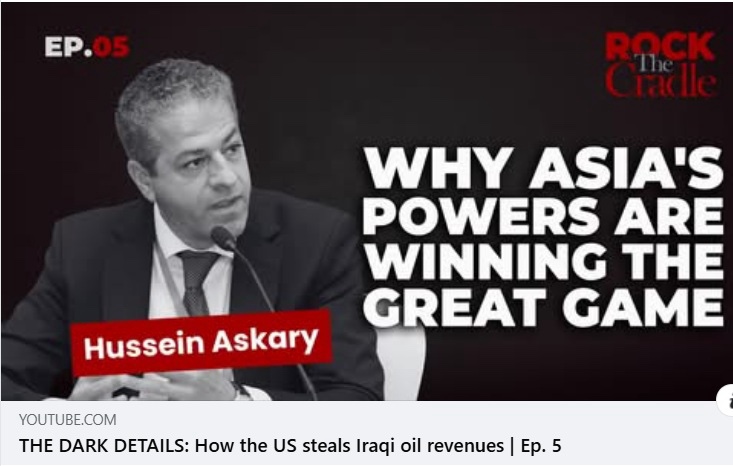
Kowtow to US or your people starve / For those interested in knowing how the Venezuela-USA oil money management would work if the U.S. is allowed to do what it wants. By Hussein Askary, Vice-Chairman of the Belt and Road Institute in Sweden 屈服於美國,否則你的人民就得挨餓 / 對於那些有興趣了解,若美國獲准按其意願行事,委內瑞拉與美國之間的石油資金管理將如何運作的人來說——由瑞典一帶一路研究所副所長胡賽因·阿斯卡里撰文
Video https://www.youtube.com/watch?v=5s96Cp_OVKA&t=1904s 👈
it is useful to look at what the U.S. has done in Iraq since 2003. U.S. companies did not take over oil fields in Iraq. They are not interested in production. Chinese, Russian, and Iraqi national companies are the largest producers of Iraqi oil.
What the U.S. does is that it takes every single dollar of Iraqi oil exported every day. The money is send by the buyers of Iraqi oil, including Chinese companies, to a bank account in the Federal Reserve Bank of New York.
The bank account is “protected” by the U.S. President since the signing of the Executive Order 13303 in May 2003 by President George W. Bush.
Every American president since then have renewed this signature under “national security emergency” pretext. This is how the U.S. controls Iraqi politics.
Last week, President Trump tweeted that he does not want Nouri Al-Maliki to become Prime Minister. Al-Maliki’s party and his coalition of Shia parties won the October 2025 elections which were recognized internationally with a landslide.
But the Iraqis must do what the U.S. President says, otherwise, the Iraqi people will starve next month as the U.S. Treasury will withhold the money from Iraq.
I explain this matter and other issues in West Asia related to U.S. policy, China, Belt and Road, and the Iran crisis in this interview:
對於那些有興趣了解,若美國獲准按其意願行事,委內瑞拉與美國之間的石油資金管理將如何運作的人來說——由瑞典一帶一路研究所副所長胡賽因·阿斯卡里撰文
觀察美國自2003年以來在伊拉克的行徑具有啟示意義。美國企業並未接管伊拉克的油田,他們對石油生產並不感興趣。中國、俄羅斯及伊拉克本國公司才是伊拉克石油的最大生產者。
美國的做法是:每日伊拉克出口石油所得的每一分錢,都會被匯入紐約聯邦儲備銀行的一個銀行帳戶——包括中國企業在內的伊拉克石油買家都必須將款項匯至此處。
該帳戶自2003年5月由喬治·W·布希總統簽署第13303號行政命令以來,就一直處於美國總統的「保護」之下。
此後歷任美國總統皆以「國家安全緊急狀態」為由延續這項簽署。這正是美國操控伊拉克政治的手段。
上週,川普總統發推文表明他不希望努里·馬利基出任總理。然而馬利基所屬政黨及其什葉派政黨聯盟在2025年10月獲得國際承認的大選中贏得壓倒性勝利。
但伊拉克人必須服從美國總統的指令,否則美國財政部下個月將扣押伊拉克的資金,導致伊拉克民眾面臨饑荒。
我在本次訪談中闡釋了此事,以及其他與美國政策、中國、一帶一路及伊朗危機相關的西亞局勢問題:
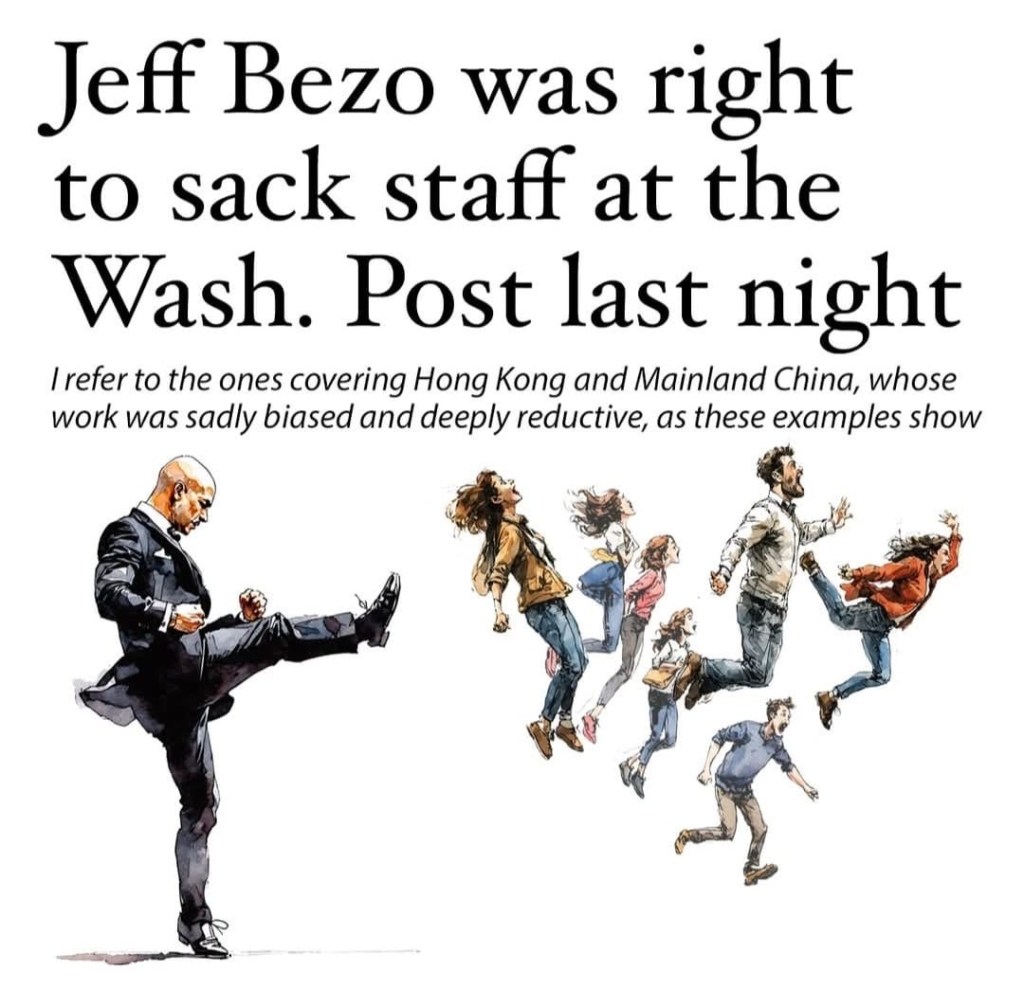
JEFF BEZOS WAS RIGHT to sack a large number of Washington Post staff last night, I’m sorry to say. By Nury Vittachi. JEFF BEZOS 昨晚解僱《華盛頓郵報》大量員工,其實是對的,我很遺憾地這麼說. 作者:Nury Vittachi
The paper yesterday booted out more than 300 staff in a mass culling of jobs.
Now before I am torn to shreds by my counterparts in the profession, let me add that I offer deep sympathy, on a personal level, for every individual who lost their jobs. I mean that. It’s a tough industry (I’ve been sacked from news outlets several times) and it always hurts to be shown the door.
REDUCTIVE AND SHALLOW
But something else MUST be said specifically about the people in the section of Washington Post coverage that I am familiar with—the ones who produce reductive, hostile, nuance-free coverage of mainland China and Hong Kong. Their work has been extremely harmful to all sides, and it is very, very good thing for everyone that it may be over.
The sackings of these people give the world a chance to rise above the shallow anti-China narrative that has been used to trigger an arms race, and instead move towards a world characterized by healthy geopolitical relationships based on trade and mutual respect: in other words, peace and understanding.
You want evidence? I have evidence. Look at the coverage for yourself.
‘TENTACLE WRITING’
For example, China correspondent Katrina Northrop was sacked by the Washington Post yesterday.
For the readers of the Washington Post, she took the huge, complex, richly cultured, beautifully complex Chinese nation, and reduced it to a malevolent force in Beijing that could do nothing except reach out, tighten its grip, and create crackdowns on everything.
Get the message? Everything is in the language of tentacles – Beijing reaching out, gripping, tightening, cracking down.
But let’s not be unfair to Ms Northrop, who may be a very nice person, and who writes very well. She was simply following the over-arching “west-good-China-bad” narrative of her industry, like her colleagues.
AN AGGRESSIVE HOTEL?
Also sacked was Mike E Miller. In August last year, Miller lead-wrote an article in the Washington Post that reported that both China and the US were spending money on the island of Palau.
But he notably failed to highlight the fact that they were not doing the same thing at all. Chinese people were building a hotel to boost Palau’s tourism industry and employ locals. The US was building special harbors for warships for America’s planned war on China.
Incredibly, Miller’s article painted the Chinese as the aggressive ones! “China, which has the world’s largest navy, has been aggressively increasing its influence across the South China Sea and into the Western Pacific, seeking to becoming the predominant maritime power in a region the U.S. has long considered its domain,” he wrote.
How is a hotel designed to employ locals worse than a warship base? The Chinese-built tourist hotel, Mr Miller wrote, may be used to look at the US war preparations, he explained.
The cringeworthy level of bias was so transparent that a child could see through it. But he may be a nice person, just following orders.
FALSE VISION OF HONG KONG
Also sacked was Shibani Mahtani, who wrote wildly negative articles about Hong Kong. Residents of the city know that their home is one of the richest, safest places in the world, and literally the healthiest city on earth, with a longevity level that beats Japan.
But in her hands, it came across as a nightmarish place where awful things happened to the innocent.
To take just one example, Jimmy Lai was kept in solitary confinement, she told the world, omitting the rather crucial fact that he requested it.
Her writing gave the impression that Lai’s trial was about free speech, as she chose to downplay the crucial fact that the heart of it was foreign collusion—and a huge amount of hard evidence of this was shown during the trial. I mean, Mike Pompeo’s office literally talked to Lai as the US passed laws and sanctions that did incredible harm to the innocent people of Hong Kong. Why not report that?
Lai printed a positive portrayal of the terrifying Dragon Slayers Brigade, who went on to gather terrorist-grade bombs and firearms to try to mass-murder innocent people in Wan Chai.
How do these things make Lai a hero, Ms Mahtani?
Again, she may be a nice person, just following orders. But I’m blessed with a large number of friends in Hong Kong, of all political leanings, and I don’t know a single one who is not horrified by the deeply unfair coverage of their city and their country by foreign correspondents working for the west against China.
SHORTAGE OF JOURNALISTS
As for the journalists out of a job in this region, I have a suggestion.
The world has a massive shortage of journalists who can rise above Tentacle Writing (“crackdown”, “grip”, “tightening hold” “Beijing’s reach”) and write intelligently and even-handedly about East Asia, with insight and nuance and balance and fairness and honesty, even to the Chinese. I refer to people who can create bridges instead of walls.
Why not try being one of those? The world needs you.
JEFF BEZOS 昨晚解僱《華盛頓郵報》大量員工,其實是對的,我很遺憾地這麼說. 作者:Nury Vittachi
該報昨日進行大規模裁員,超過300名員工被解僱。
在我被同行撕碎之前,必須補充一句:就個人層面而言,我對每一位失去工作的人都深表同情。我是認真的。這是一個艱難的行業(我自己也曾多次被新聞機構解僱),被掃地出門永遠都很痛。
膚淺又簡化的報導
但有些話必須說,尤其是針對我所熟悉的《華盛頓郵報》某一類報導人員——那些製作出對中國大陸與香港充滿敵意、去脈絡化、毫無細膩度的報導的人。他們的作品對各方都造成了極大的傷害,而這種情況可能就此結束,對所有人來說都是一件非常、非常好的事。
這些人的離開,給了世界一個機會,讓我們能夠超越那種膚淺的反華敘事——這種敘事曾被用來引爆軍備競賽——轉而走向一個以貿易與相互尊重為基礎、建立健康地緣政治關係的世界。換句話說,就是和平與理解。
你要證據嗎?我有。請你自己看看這些報導。
「觸手式寫作」
例如,《華盛頓郵報》的中國記者 Katrina Northrop 昨天被解僱。
對《華盛頓郵報》的讀者而言,她把一個龐大、複雜、文化深厚、層次豐富的中國,簡化成北京的一個邪惡力量 – 除了伸出觸手、收緊控制、對一切進行打壓之外,什麼都不會做。
• 她關於金融的報導:「北京對香港日益收緊的控制,對全球最有價值的股票交易所意味著什麼?」
• 她關於香港高樓火災悲劇的報導:「先是大火,接著是政治打壓。」
• 她關於中國美容產業的報導:「在整形失誤頻傳之際,北京正在打壓醫美手術。」
• 她關於台灣政治的報導:「《華盛頓郵報》今日頭版:我們調查了有組織犯罪與政治之間的黑暗勾結,如何讓北京把觸角伸向台灣。」
• 她關於中國 AI 崛起的報導:「中國如何利用 AI 擴大審查與監控。」
看出模式了嗎?一切都充滿「觸手」語言——北京伸手、攫取、收緊、打壓。
但我們也別對 Northrop 女士不公平。她或許是一個很好的人,文筆也相當不錯。她只是和同業一樣,遵循著整個行業的總體敘事——「西方是好的,中國是壞的」。
侵略性的飯店?
另一位被解僱的是 Mike E Miller。去年八月,Miller 主筆了一篇文章,報導中國與美國都在帛琉投資。
但他刻意沒有強調一個關鍵事實:雙方做的事情完全不一樣。
中國人在興建飯店,以促進帛琉的觀光產業並僱用當地人;而美國則是在建造軍艦專用港口,為其計畫中的對華戰爭做準備。
令人難以置信的是,Miller 的文章竟把中國描寫成侵略者!他寫道:「中國擁有世界上最大的海軍,正積極擴大其在南海及西太平洋的影響力,試圖成為該地區的主導海上強權,而該地區長期以來一直被美國視為其勢力範圍。」
一間用來僱用當地人的飯店,怎麼會比一個軍艦基地更具威脅性?Miller 還寫道,中國興建的觀光飯店可能被用來觀察美國的戰爭準備。
這種令人尷尬的偏見程度,連小孩都看得出來。不過,他或許也是個好人,只是在奉命行事。
對香港的錯誤想像
同樣被解僱的,還有 Shibani Mahtani,她撰寫了大量極度負面的香港報導。
香港居民都知道,這座城市是全球最富裕、最安全的地方之一,甚至是世界上最健康的城市,人均壽命超越日本。
但在她筆下,香港卻成了一個對無辜者充滿恐怖事件的噩夢之地。
只舉一例:她告訴全世界黎智英被單獨監禁,卻省略了一個關鍵事實——那是他自己要求的。
她的報導讓人以為黎智英的審判是關於言論自由,卻刻意淡化案件的核心——外國勢力勾結,而且審判中展示了大量確鑿證據。我是說,蓬佩奧的辦公室在美國通過對香港無辜民眾造成巨大傷害的法律與制裁時,確實與黎智英保持聯繫。為什麼不報導這一點?
黎智英還曾美化極其可怕的「屠龍小隊」,而該組織後來收集了恐怖分子等級的炸彈與槍械,企圖在灣仔大規模屠殺無辜民眾。
這些事情,怎麼會讓黎智英成為英雄,Mahtani 女士?
再說一次,她或許是個好人,只是在照指示做事。但我在香港有許多朋友,政治立場各異,而我不認識任何一個不對西方記者針對他們城市與國家所做的極度不公報導感到震驚的人。
記者的真正短缺
至於這個地區失業的記者們,我有一個建議。
這個世界極度缺乏能夠超越「觸手式寫作」(「打壓」、「控制」、「收緊」、「北京的觸角」)的記者——能夠以洞見、細膩、平衡、公正與誠實,智慧而中立地書寫東亞,甚至對中國也保持公平的人。我指的是那些能夠搭建橋樑,而不是築牆的人。
何不試著成為那樣的記者?
世界需要你們。
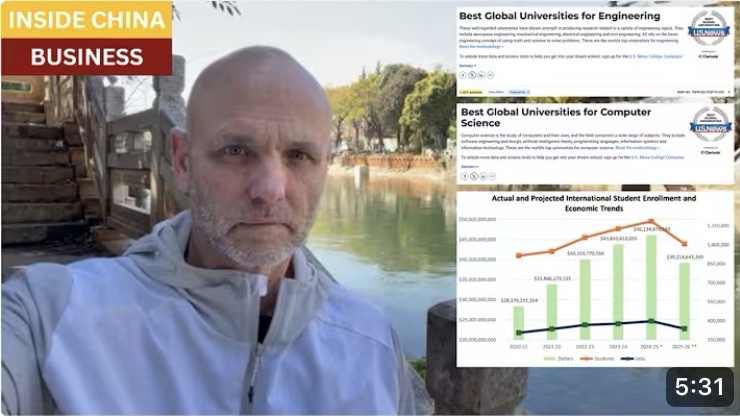
American logistic expert reports from China video: China’s top universities are opening to foreign students. That’s a big problem for US schools when average cost in China is US$4,000/year, US$60,000/year in US. 影片有中文字幕: 中國頂尖大學正對外國學生開放招生。在中國年均學費為4,000美元,而美國高達60,000美元的情況下,這對美國院校構成了重大挑戰,嚴重影響他們的發財大計!
https://rumble.com/v75bdac-chinas-top-universities-are-opening-to-foreign-students.html
https://www.tiktok.com/t/ZP8HoSqcp/
Chinese universities dominate the global rankings in hard sciences, Engineering, and Computer Science.
Many of them now accept international students, and are marketing their schools in foreign countries.
US schools already face serious financial challenges, from the steep decline in international student enrollment. Foreign families typically pay full tuition and room and board, and American colleges rely on those higher fees.
Chinese universities pose an existential problem, going forward. They are qualitatively superior, even in Western surveys. And the over cost of attendance is a mere tenth of going to a top American program.
中國高校在硬科學、工程學和計算機科學領域的全球排名中占據主導地位。許多中國大學如今不僅接納國際學生,更積極在海外進行招生推廣。
美國院校已因國際生源急劇減少面臨嚴峻財務壓力——外國家庭通常全額支付學費與食宿費用,這些高昂費用正是美國高校的重要收入來源。
從長遠來看,中國大學正形成一種存續性挑戰:即使在西方調查中,其教育質量也表現卓越,而就讀總成本僅相當於頂尖美國院校的十分之一.
 Business Blog