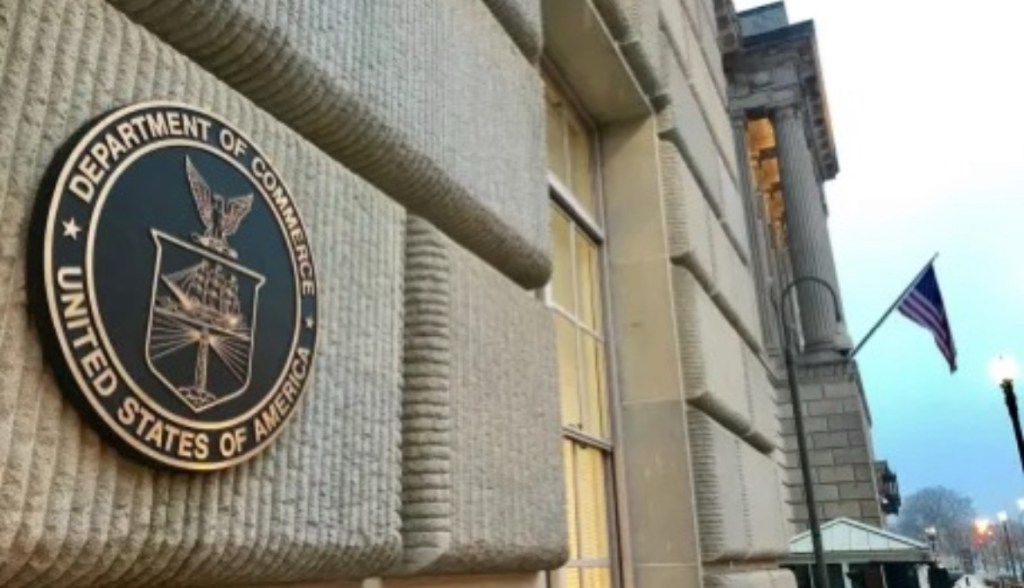
How time has changed at US Dept of Commerce. By Johnson Choi. 8-13-25 時代變了 作者: 蔡永強
When Secretary of Commerce Gary Locke appointed me as chairman to the US department of commerce Hawaii District Export Council, my job was to help US firms to export! I even won the National award beating all 50 states and Guam to become national champion because I did such a good job! The award was presented by George Bush at the White House East Room in 2008. Today 180 degrees turn if I am doing same good jobs, it will probably not winning me national championship, instead jail time.
ICE now has jurisdiction within 100 miles of all international airports in US, equivalent to 1/2 of US population. They can arrest anyone they wanted including US citizens. They are the modern day SS of Germany!
This is the Mayor of Newark, clearly a citizen, arrested by ICE. Note how gratuitous the arrest was.
Witnesses said the arrest came after Baraka attempted to join a scheduled tour of the facility with three members of New Jersey’s congressional delegation, Reps. Robert Menendez, LaMonica McIver, and Bonnie Watson Coleman.
In video of the altercation shared with The Associated Press, a federal official in a jacket with the logo of the Homeland Security Investigations can be heard telling Baraka he could not join a tour of the facility because “you are not a congress member.”
Baraka then left the secure area, rejoining protesters on the public side of the gate. Video showed him speaking through the gate to a man in a suit, who said: “They’re talking about coming back to arrest you.”
“I’m not on their property. They can’t come out on the street and arrest me,” Baraka replied.
Minutes later several ICE agents, some wearing face coverings, surrounded him and others on the public side. As protesters cried out, “Shame,” Baraka was dragged back through the security gate in handcuffs.
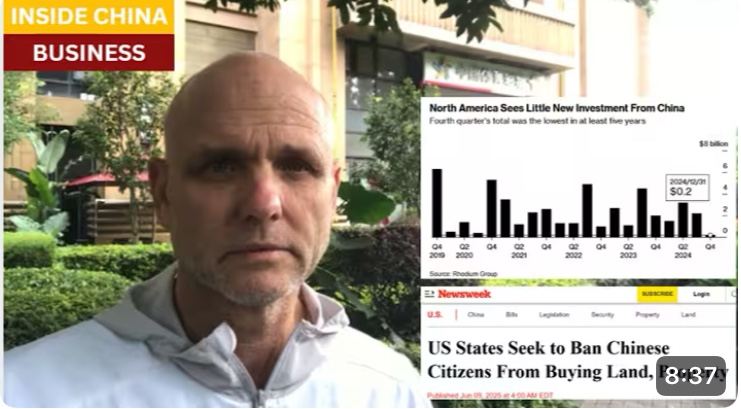
American logistic expert reports from China video: American officials want to ban Chinese investment in US businesses and land. They shouldn’t bother. 美國物流專家發中國影片:美國官員想禁止中國對美國企業和土地的投資。他們不應該這麼做
US officials at the federal and state levels are passing laws to restrict Chinese firms from buying American real estate, particularly farmland.
Other restrictions involve Chinese investments in US-based companies, and attempts to “claw back” outstanding Chinese investment in the United States and across the world.
But these policies are irrelevant, as Chinese investments in the US are a tiny fraction of the profits earned there. Typically, countries running trade surpluses will re-invest those cash flows into the country, either by lending (buying bonds) or in new capital formation.
Chinese regulators, however, are simply moving these hundreds of billions of dollars outside the US, to banks outside SWIFT. Then, they are invested here in Mainland China, or to BRI projects in friendly countries.
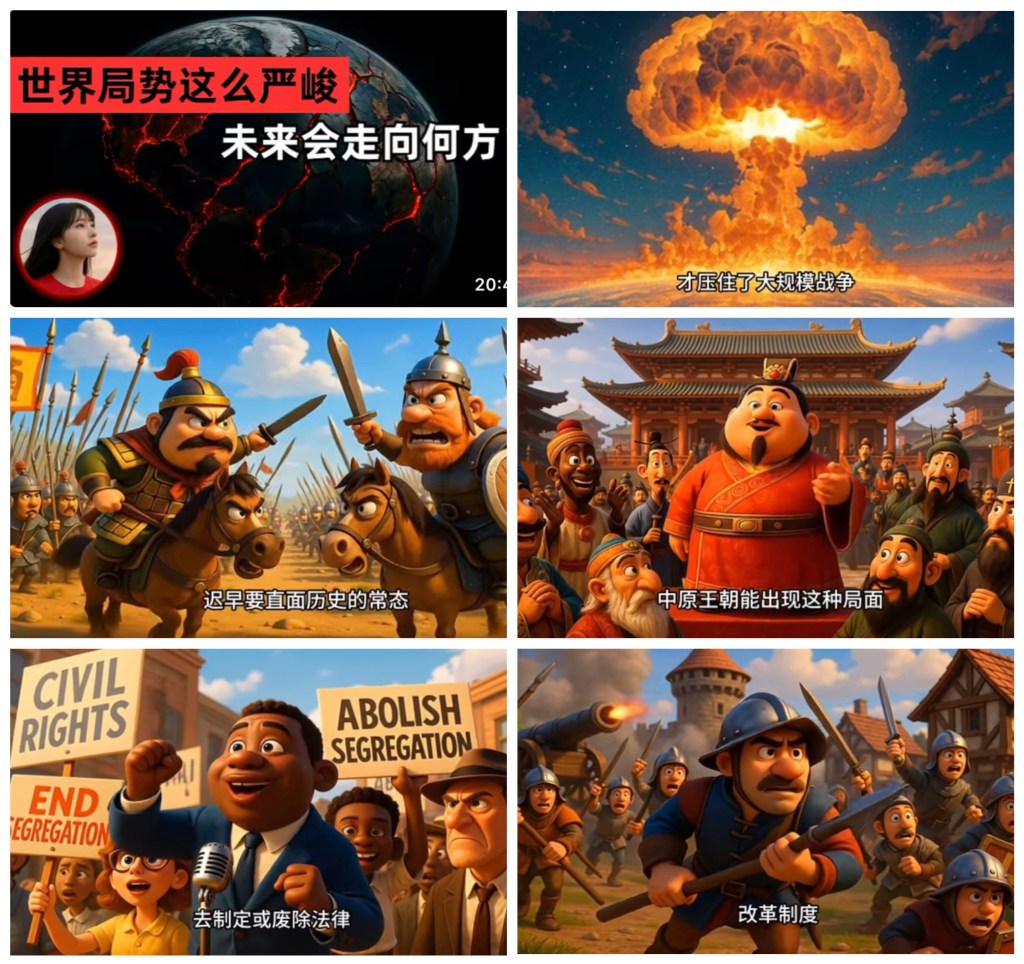
Video: Why is 40 years of world peace and prosperity rapidly unravelling? Uncover the underlying logic behind it all. 世界40年的和平與繁榮,為何正在迅速瓦解?揭開這一切背後的底層邏輯
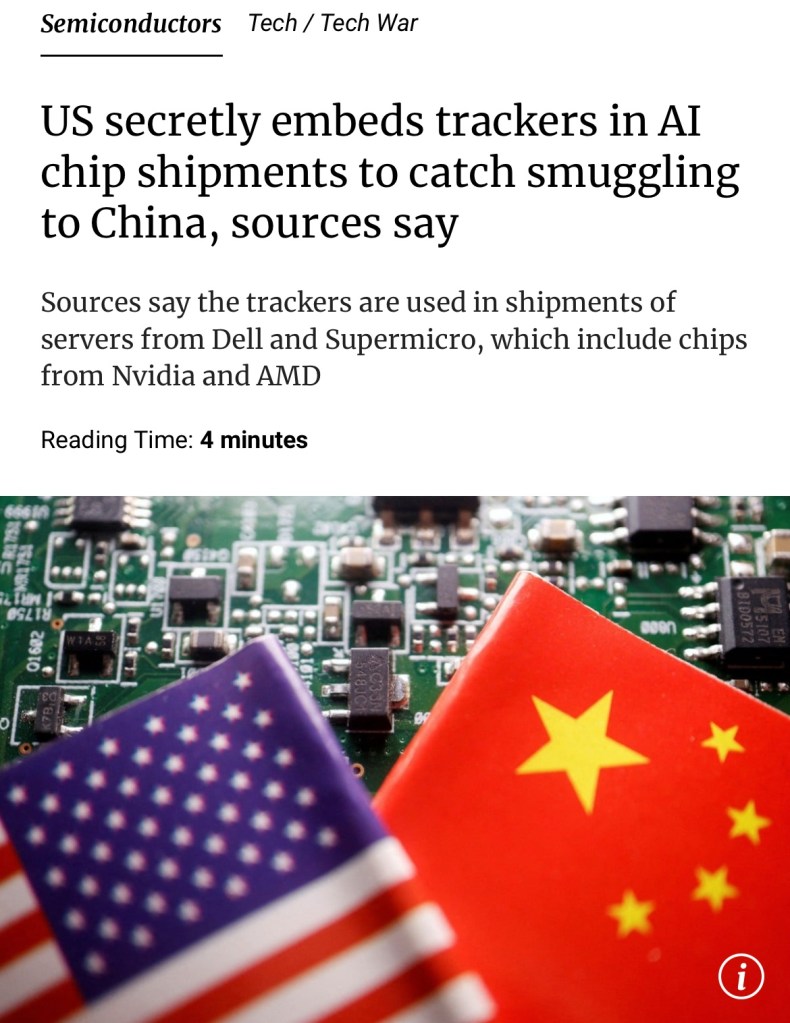
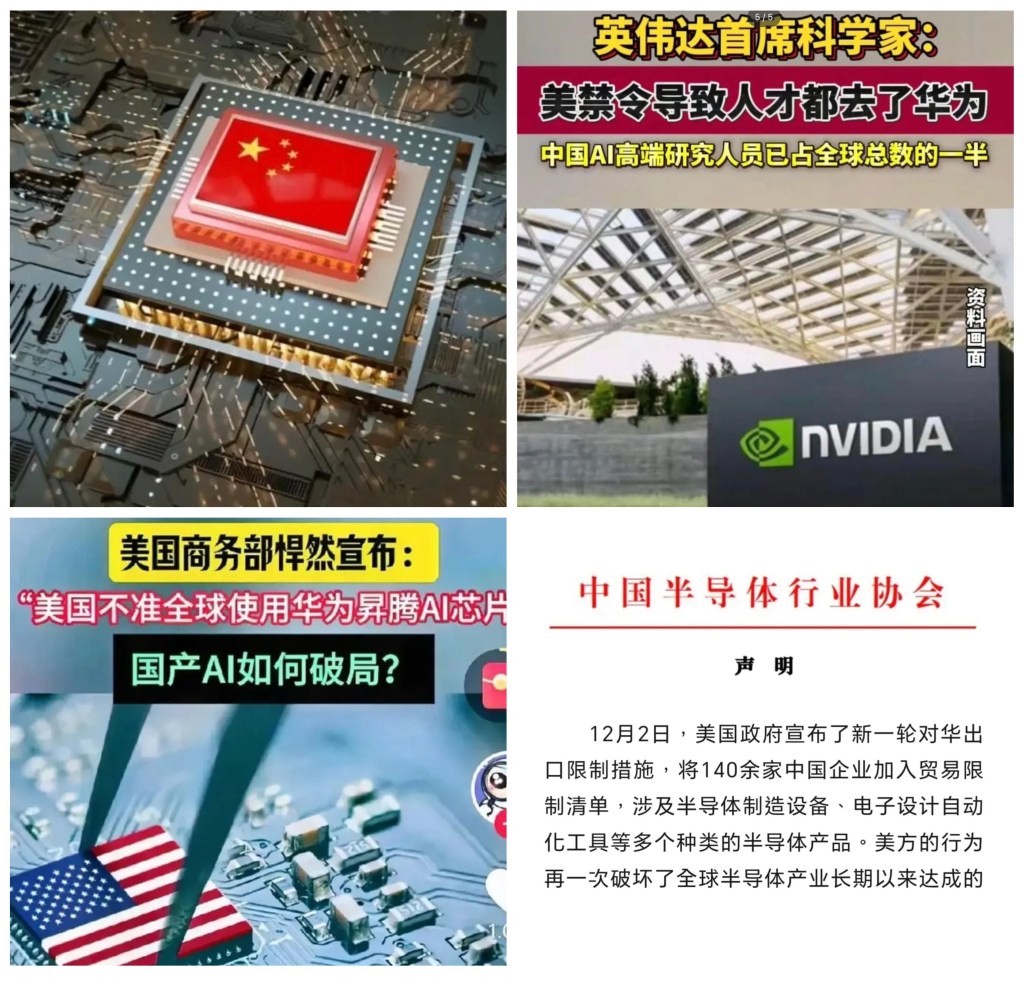
The United States never expected that the result of suppressing and sanctioning China would be that China would no longer buy American chips. 美國萬萬沒想到,打壓中國制裁中國的結果竟然是中國不再購買美國芯片
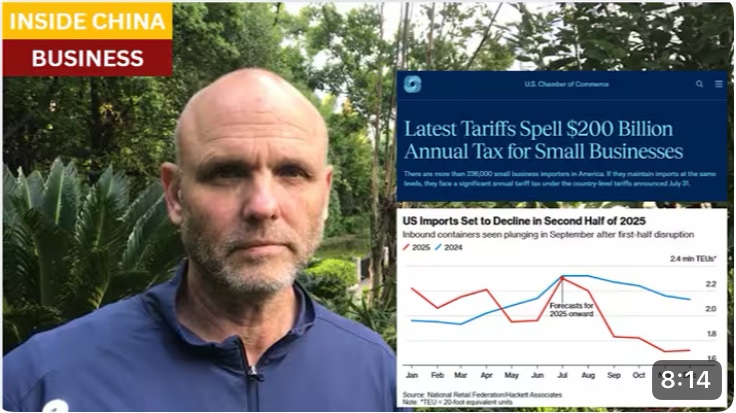
American logistic expert reports from China video: Who is paying the high Trump tariffs? Me, so far. But not for long. 美國物流專家發中國視訊報導:誰在為川普的高關稅買單?目前為止是我。但這種情況不會持續太久.
Over 200,000 American businesses import products from abroad. Surveys of executives at these companies show that the importers have so far assumed most of the hits from the high tariffs, with foreign manufacturers and end buyers also sharing the increased cost burdens.
But that will change, and soon. Importers are sharply cutting back new orders, except on products they know can absorb huge price increases. And companies report plans to dramatically increase pricing for the final buyers of products that are carried.
What’s more, business executives at companies of all sizes cannot make any plans, even in the short term. The tariff policies vary widely, even hour-by-hour, and the application and execution of the new regulations create unacceptably high levels of risk for companies operating in the American market.




 Business Blog