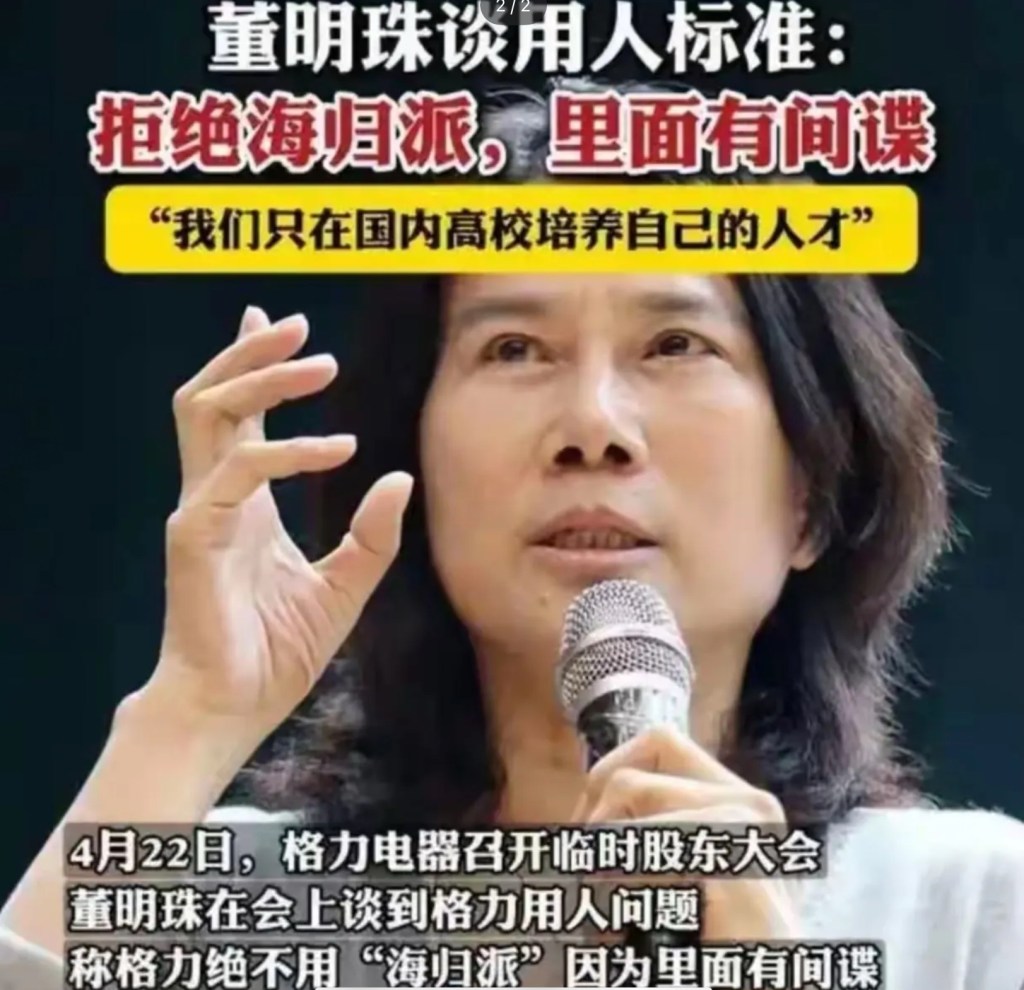
Gree’s Dong Mingzhu’s words are gaining more and more weight. From now on, China will no longer hire Chinese students who graduated from overseas universities to work in any Chinese high-tech companies. This is the right choice! 格力董明珠的話的含金量還在上升, 中國從今以後再不聘請在外國畢業的中國留學生在任何中國高科技公司工作是正確的選擇!
Are things getting better in the US and Europe these days? According to the latest data, Chinese people consume the most meat, vegetables, fruits, and aquatic products per capita in the world. 現在美國歐洲的日子好過嗎?最新數據,中國人吃的,肉,蔬菜,水果,水產品人均世界第一
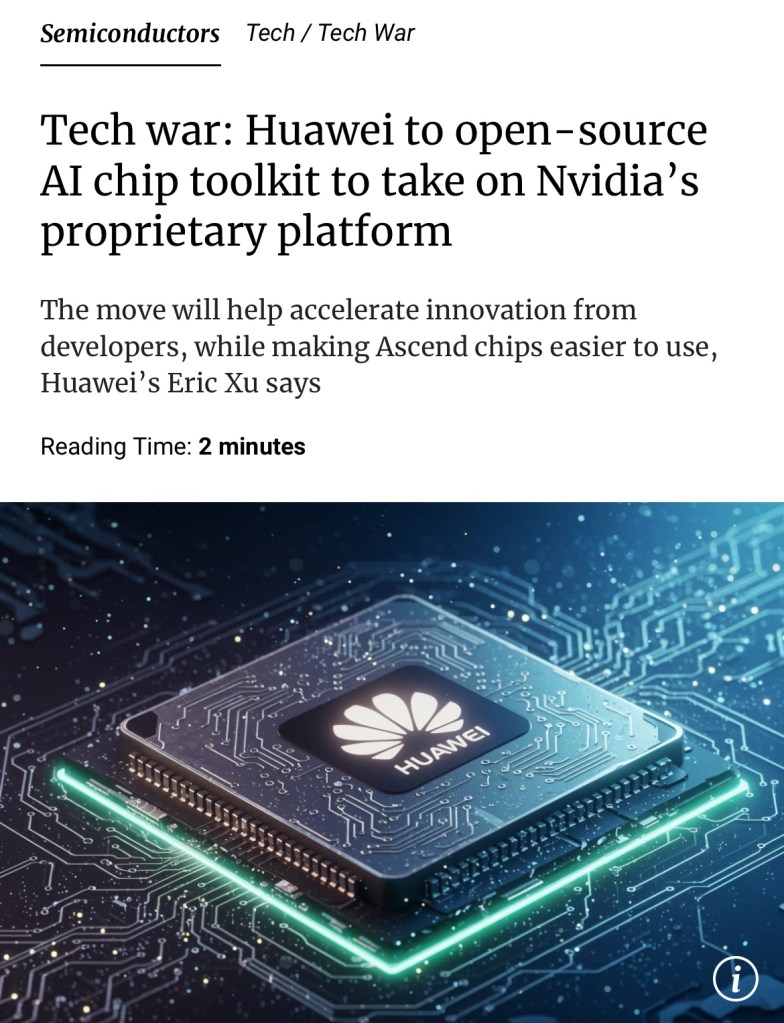
China tech is open source, from AI like DeepSeek to Huawei AI chips showing China confidence of which US is lacking, that includes trade when China encourages imports with little to no tariffs verses US doing the opposite! East rises and West sinks and sinking fast is inevitable! SCMP: Huawei to open-source AI chip toolkit to take on Nvidia’s proprietary platform 中國科技開源,從DeepSeek之類的人工智慧到華為的AI晶片,都展現出中國的自信,而美國缺乏信心,這包括貿易方面,中國鼓勵進口,幾乎不徵收關稅或很少關稅,而美國卻反其道而行之!東方崛起,西方沉淪,美國為首的西方國家快速沉淪是不可避免的! 《南華早報》:華為將開源AI晶片工具包,挑戰英偉達的專有平台 https://www.scmp.com/tech/tech-war/article/3320852/tech-war-huawei-open-source-ai-chip-toolkit-take-nvidias-proprietary-platform?
Hong Kong to become the world’s largest wealth management hub in coming years. HK grew by 13 percent year-on-year, reaching HK$35 trillion (US$4.46 trillion) by the end of 2024 香港將在未來幾年成為全球最大的財富管理中心。香港財富管理規模年增13%,預計2024年底將達到35兆港元(4.46兆美元) by Global Times, Aug 04 2025
Hong Kong is projected to become the world’s largest wealth management center in the coming years, with the city’s asset and wealth management market experiencing robust expansion last year, according to Hong Kong Monetary Authority (HKMA) Chief Executive Eddie Yue on Monday.
According to the latest Asset and Wealth Management Activities Survey released by the Securities and Futures Commission, total assets under management (AUM) in Hong Kong grew by 13 percent year-on-year, reaching HK$35 trillion ($4.46 trillion) by the end of 2024, Yue wrote in an online post.
The private banking and private wealth management sector has performed particularly well, with AUM increasing by 15 percent year-on-year and net fund inflows totaling HK$384 billion.
This trend reflects the strong demand for Hong Kong’s wealth management services from high-net-worth individuals, Yue wrote.
“We are optimistic about the prospects of Hong Kong’s asset and wealth management market,” Yue noted, adding that economic growth and wealth accumulation on the Chinese mainland, along with enhancements and expansions to various Connect Schemes, will further broaden the client base for Hong Kong’s wealth management industry. He noted that global uncertainties are also prompting international investors to adopt more proactive diversification strategies to better manage risks.
The comment by the head of HKMA follows those of Hong Kong Financial Secretary Paul Chan Mo-po, who wrote in a blog post in June that “it is expected that within the next two to three years, Hong Kong will become the world’s leading cross-border asset management center,” Chan said.
According to Yue, the surge in Hong Kong’s asset and wealth management market is partly driven by the growing wealth in the Asia-Pacific region.
Hong Kong’s status as a regional hub for asset and wealth management is also supported by its inherent strengths, Yue said. Amid global uncertainties, the city’s mature financial markets, resilient Linked Exchange Rate System, robust banking sector, and vibrant capital markets offer numerous investment and value-enhancement opportunities for global capital.
As a global financial center, Hong Kong has the advantages of connecting to the vast market of Chinese mainland and radiating to other major economies. Its financial market is highly diversified and convenient, with sound business and legal environment, Dong Shaopeng, a senior research fellow at the Chongyang Institute for Financial Studies at Renmin University of China, told Global Times on Monday, noting that Hong Kong is considered a “more friendly” platform for wealth management.
As the country further pursues high-quality economic development and high-level institutional opening-up, the scale of funds, market depth, and technological agglomeration effects in the Chinese mainland will expand rapidly, bringing Hong Kong unprecedented opportunities, Dong said. “During the process, Hong Kong will also need to improve its financial services, strengthen industrial and financial interactions, and help wealth management companies better share the dividends.”
According to the 2025 IMD World Competitiveness Yearbook, released recently by the International Institute for Management Development in Lausanne, Switzerland, Hong Kong’s global competitiveness rose by two positions to third place, marking its return to the global top three for the first time since 2019.
According to a business environment report themed “One Country, Two Systems: Unique Advantages” and released by the Hong Kong Special Administrative Region (HKSAR) government on July 30, amid the impact of trade tensions, countries and regions around the world are actively seeking external investment opportunities, and global capital is being reallocated. The report said Hong Kong is well positioned to help countries diversify risks and attract capital, businesses, and talent.
Yue wrote that the HKMA will continue working closely with the government, the industry, and the international community to drive policy innovation and promote market enhancements, further strengthening Hong Kong’s competitiveness and solidifying its position as an international hub for wealth management.
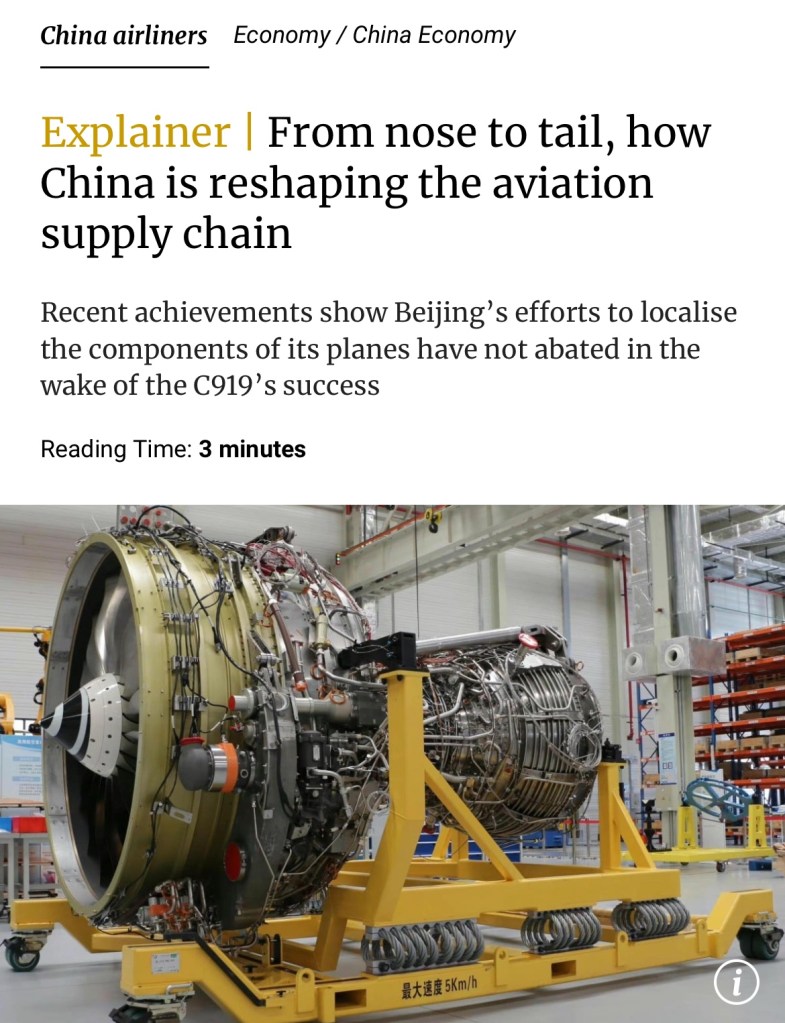
SCMP: From nose to tail, how China is reshaping the aviation supply chain show Beijing is continuing to reduce its reliance on foreign parts, close long-standing technological gaps and assert itself as a major player in civil aviation at all levels of the supply chain. 《南華早報》:從機頭到機尾,中國重塑航空供應鏈的方式表明北京正在繼續減少對外國零件的依賴,縮小長期存在的技術差距,並在民航供應鏈的各個層面上確立自己作為主要參與者的地位. https://www.scmp.com/economy/china-economy/article/3320682/nose-tail-how-china-reshaping-aviation-supply-chain?





 Business Blog