That is bad news! Buy your iPhone in HK or China, those are made in China to ensure good quality.

That is bad news! Buy your iPhone in HK or China, those are made in China to ensure good quality.
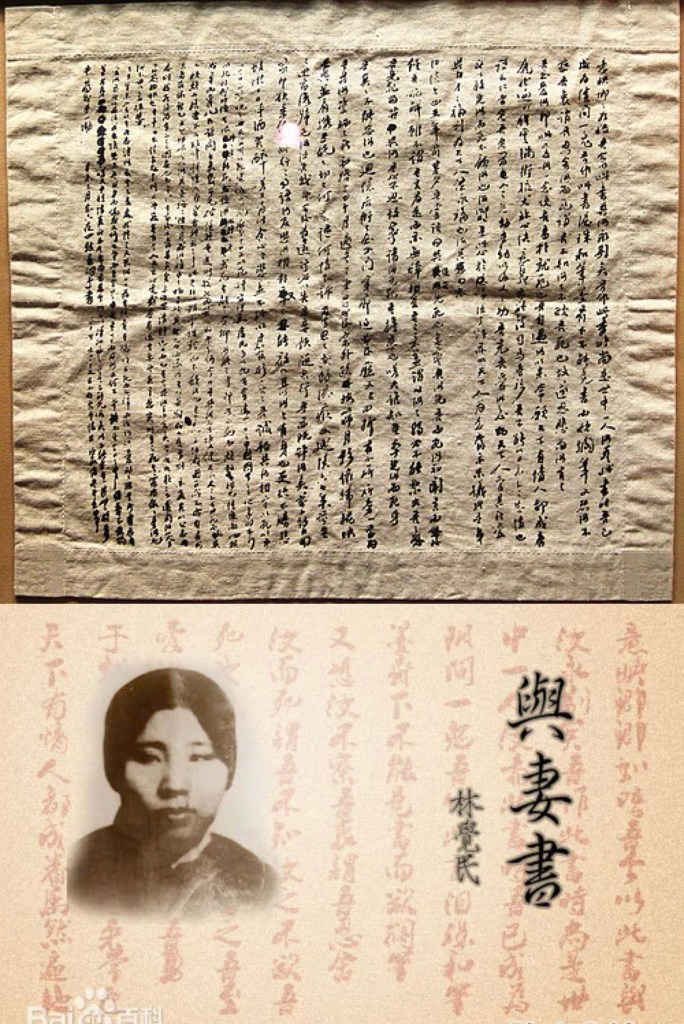
An unforgettable letter taught in Hong Kong secondary schools: Farewell letter between revolutionary martyr Lin Juemin and his wife in 1911 香港中學讀的永世難忘的文章: 1911年革命烈士林觉民與妻決別書
意映卿卿如晤1:吾今以此书与汝永别矣!吾作此书时,尚是世中一人;汝看此书时,吾已成为阴间一鬼。吾作此书,泪珠和笔墨齐下,不能竟书而欲搁笔2,又恐汝不察吾衷3,谓吾忍舍汝而死,谓吾不知汝之不欲吾死也,故遂忍悲为汝言之。
吾至爱汝4,即此爱汝一念,使吾勇于就死也。吾自遇汝以来,常愿天下有情人都成眷属;然遍地腥云,满街狼犬,称心快意,几家能彀5?司马青衫6,吾不能学太上之忘情也7。语云:仁者 “老吾老,以及人之老;幼吾幼,以及人之幼8”。吾充吾爱汝之心,助天下人爱其所爱,所以敢先汝而死,不顾汝也。汝体吾此心,于啼泣之余,亦以天下人为念,当亦乐牺牲吾身与 汝身之福利,为天下人谋永福也。汝其勿悲!
汝忆否?四五年前某夕,吾尝语曰:“与使吾先死也,无宁汝先我而死9。”汝初闻言而怒,后经吾婉解,虽不谓吾言为是,而亦无词相答。吾之意盖谓以汝之弱,必不能禁失吾之悲10,吾先死,留苦与汝,吾心不忍,故宁请汝先死,吾担悲也。嗟夫!谁知吾卒先汝而死乎?
吾真真不能忘汝也!回忆后街之屋,入门穿廊,过前后厅,又三四折,有小厅,厅旁一室,为吾与汝双栖之所。初婚三四个月,适冬之望日前后11,窗外疏梅筛月影12,依稀掩映13;吾与并肩携手,低低切切14,何事不语?何情不诉?及今思之,空余泪痕。又回忆六七年前,吾之逃家复归也,汝泣告我:“望今后有远行,必以告妾,妾愿随君行。”吾亦既许汝矣。前十余日回家,即欲乘便以此行之事语汝,及与汝相对,又不能启口,且以汝之有身也15,更恐不胜悲,故惟日日呼酒买醉。嗟夫!当时余心之悲,盖不能以寸管形容之16。
吾诚愿与汝相守以死,第以今日事势观之17,天灾可以死,盗贼可以死,瓜分之日可以死,奸官污吏虐民可以死,吾辈处今日之中国,国中无地无时不可以死。到那时使吾眼睁睁看汝死,或使汝眼睁睁看吾死,吾能之乎?抑汝能之乎18?即可不死,而离散不相见,徒使两地眼成穿而骨化石19,试问古来几曾见破镜能重圆20?则较死为苦也,将奈之何?今日吾与汝幸双健。天下人不当死而死与不愿离而离者,不可数计,钟情如我辈者,能忍之乎?此吾所以敢率性就死不顾汝也。吾今死无余憾,国事成不成自有同志者在。依新已五岁21,转眼成人,汝其善抚之,使之肖我。汝腹中之物,吾疑其女也,女必像汝,吾心甚慰。或又是男,则亦教其以父志为志,则吾死后尚有二意洞在也22。幸甚,幸甚!吾家后日当甚贫,贫无所苦,清静过日而已。
吾今与汝无言矣。吾居九泉之下遥闻汝哭声,当哭相和也。吾平日不信有鬼,今则又望其真有。今是人又言心电感应有道23,吾亦望其言是实,则吾之死,吾灵尚依依旁汝也24,汝不必以无侣悲。
吾平生未尝以吾所志语汝,是吾不是处;然语之,又恐汝日日为吾担忧。吾牺牲百死而不辞,而使汝担忧,的的非吾所忍25。吾爱汝至,所以为汝体者惟恐未尽26。汝幸而偶我27,又何不幸而生今日中国!吾幸而得汝,又何不幸而生今日之中国!卒不忍独善其身。嗟夫!巾短情长28,所未尽者,尚有万千,汝可以模拟得之29。吾今不能见汝矣!汝不能舍吾,其时时于梦中得我乎?一恸。
辛未三月廿六夜四鼓30,意洞手书。
It’s happening again — a Taiwan livestreamer is visiting mainland China and expressing amazement about how different it is from what politicians and journalists said. This time it is Taiwan’s YouTube star Chen (also known as Holger, Notorious, the Boss, etc).
From the moment he touched down in Shanghai on Tuesday, he has had hundreds of thousands of people watching his every step. China is the future, and the US is not to be trusted — it would not send a single American soldier in case of conflict, he said.
The US-allied DPP is widely disliked in Taiwan for its terrible management (constant power-cuts and wildly unbalanced economy based largely on a single US-favored product) — and its slavish worship of Washington.

NYT Breaking news: Judge blocks Trump from deploying National Guard in Los Angeles 紐約時報突發新聞:法官阻止川普在洛杉磯部署國民警衛隊

Reuters: Get ready to compete with Huawei when same quality chip is selling 50% less than those by Nvidia. Nvidia not only going to lose the China market, also the world’s markets! Intel is finished, dead, to be followed by Tesla!
Nvidia will no longer include the China market in its revenue and profit forecasts following stringent U.S. trade restrictions on chip sales to the region, CEO Jensen Huang told CNN on Thursday.
Always love to travel first class in style

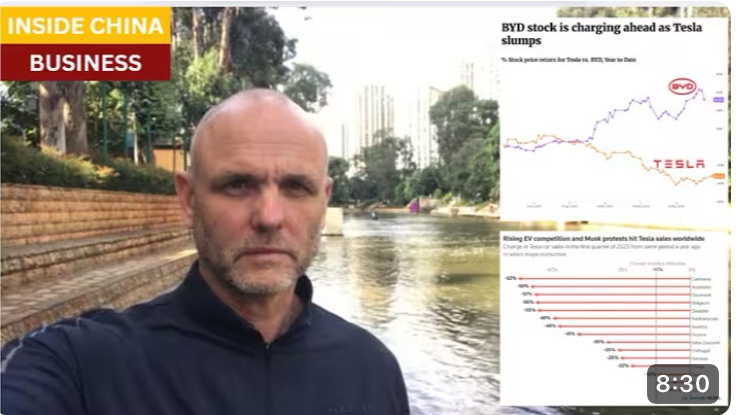
American logistics expert reports from China video: The Car Wars & battle between Tesla and China’s BYD is already over, Tesla loses! 美國物流專家從中國發來的視訊報導:特斯拉與中國比亞迪的汽車大戰已經結束, 特斯拉大敗!
https://youtu.be/n0W_H0HySQQ?si=Uma5yM0-bYTCu_sf
https://www.tiktok.com/t/ZP8r15fR2/
https://rumble.com/v6uownh-the-car-wars-and-battle-between-tesla-and-chinas-byd-is-already-over-tesla-.html
The United States has banned the imports of Chinese electric vehicles, and the American market is sheltered from low-cost EV’s from China.
In every other market, however, Tesla is getting killed by Chinese carmakers. BYD is China’s most successful EV brand, and BYD’s global sales are wiping out those of Tesla.
BYD has an expansive lineup of highly attractive models, from subcompact/economy to premium luxury, and is aggressively opening new production plants in Europe, South America, and elsewhere in Asia.
Tesla, meanwhile, is hoping its other investments in humanoid robots, AI, and robotaxis pay off.
方腾波 Frans Vandenbosch from Belgium: Johnson, Sales of all Chinese cars (not just BYD) in Europe is booming, despite the tariffs. Also Geely Polestar is selling well. I can see Chinese cars at the roads everywhere here. And, Tesla is getting a bad reputation for poor quality. We, here in this country are used to MB and BMW quality. Tesla is not meeting that standard. BYD and Geely Polestar are meeting these standards. Hongqi, the Chinese Rolls Royce, has several showrooms here.
Breakfast at Hawaiian Airlines First Class Lounge which is shy compared to those Asia based airlines 😅 夏威夷航空頭等艙休息室的早餐與亞洲的航空公司相比顯得遜色不少😅

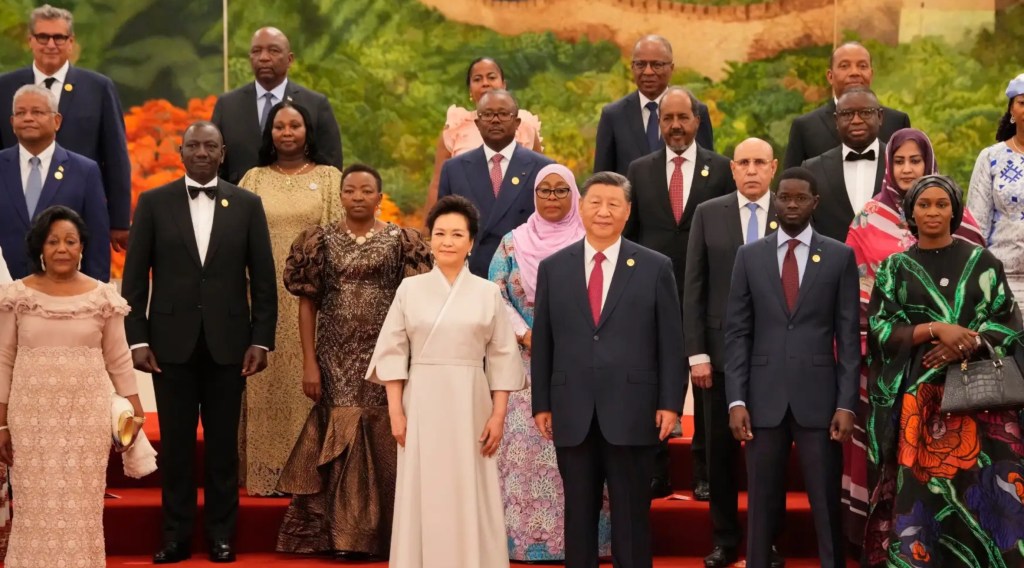
China and Africa issue powerful declaration on Global South solidarity and cooperation! 「中非發表全球南方團結合作有力宣言!
The China-Africa Changsha Declaration, signed today between the People’s Republic of China, 53 African countries and the African Union Commission, has agreed that:
🇨🇳🌍 All countries of the Global South should work together to safeguard multilateralism, promote multipolarity and oppose unilateralism and bullying.
🇨🇳🌍 The US’s tariffs, unilateralism, protectionism and economic bullying are severely damaging to Africa and must be opposed.
🇨🇳🌍 China will expand its zero-tariff treatment on 100 percent of tariff lines to all 53 African countries having diplomatic relations with China (that is, all African countries except for Eswatini).
🇨🇳🌍 China will continue actively contributing to Africa’s modernisation, including in green energy, AI, science and technology.
🇨🇳🌍 All countries should work together to build a community with a shared future for humanity, promote Belt and Road cooperation, and implement the Global Development Initiative, the Global Security Initiative and the Global Civilization Initiative.”
Agreed!
And at long last the US is talking to Xi and Putin, both of whom Genocide Joe called “thugs” with whom we should not negotiate. Sick.
The way to peace is certainly not by restoring the Dems to power.
There is now no peace movement on the legacy “left.
Sad.
John V. Walsh, MD in San Francisco
What a stark contrast to what the U.S. has been doing to the world! A giant step toward rebuilding a new world order!
Professor Ling-chi Wang, UC Berkeley
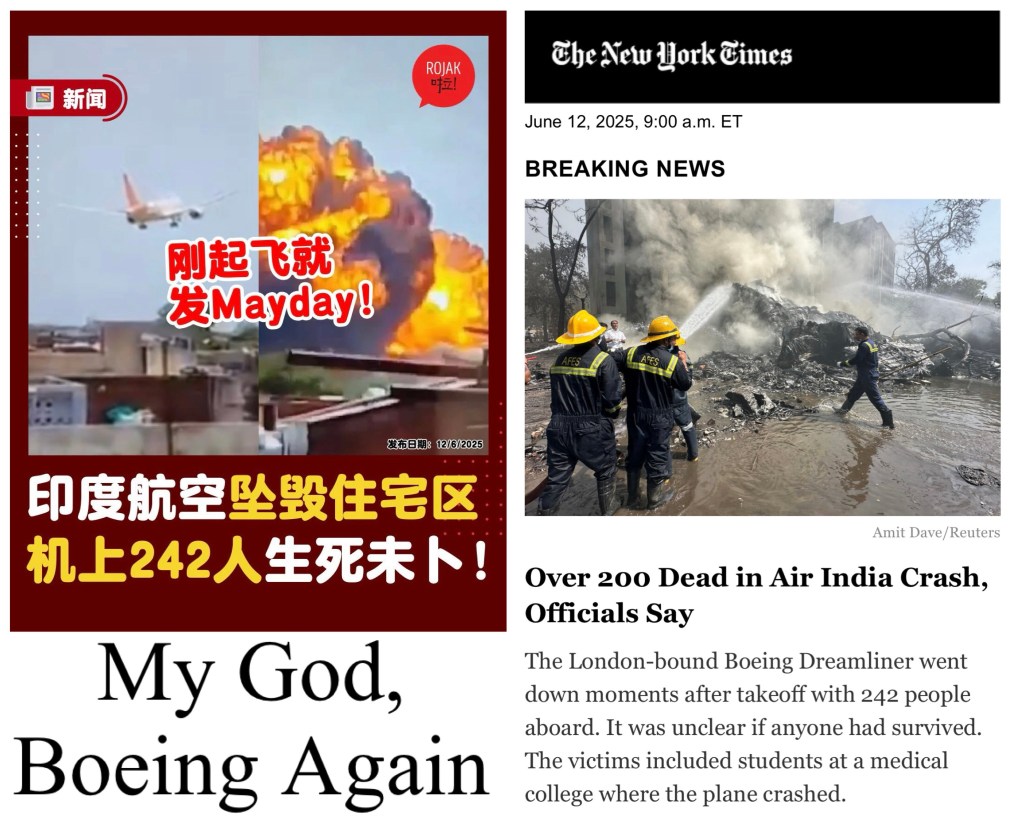
NYT: My God, Boeing Again! The London-bound Boeing Dreamliner went down moments after takeoff with 242 people aboard. 紐約時報:我的天,又是波音!飛往倫敦的波音夢幻客機起飛後不久墜毀,機上載有242人.
 Business Blog