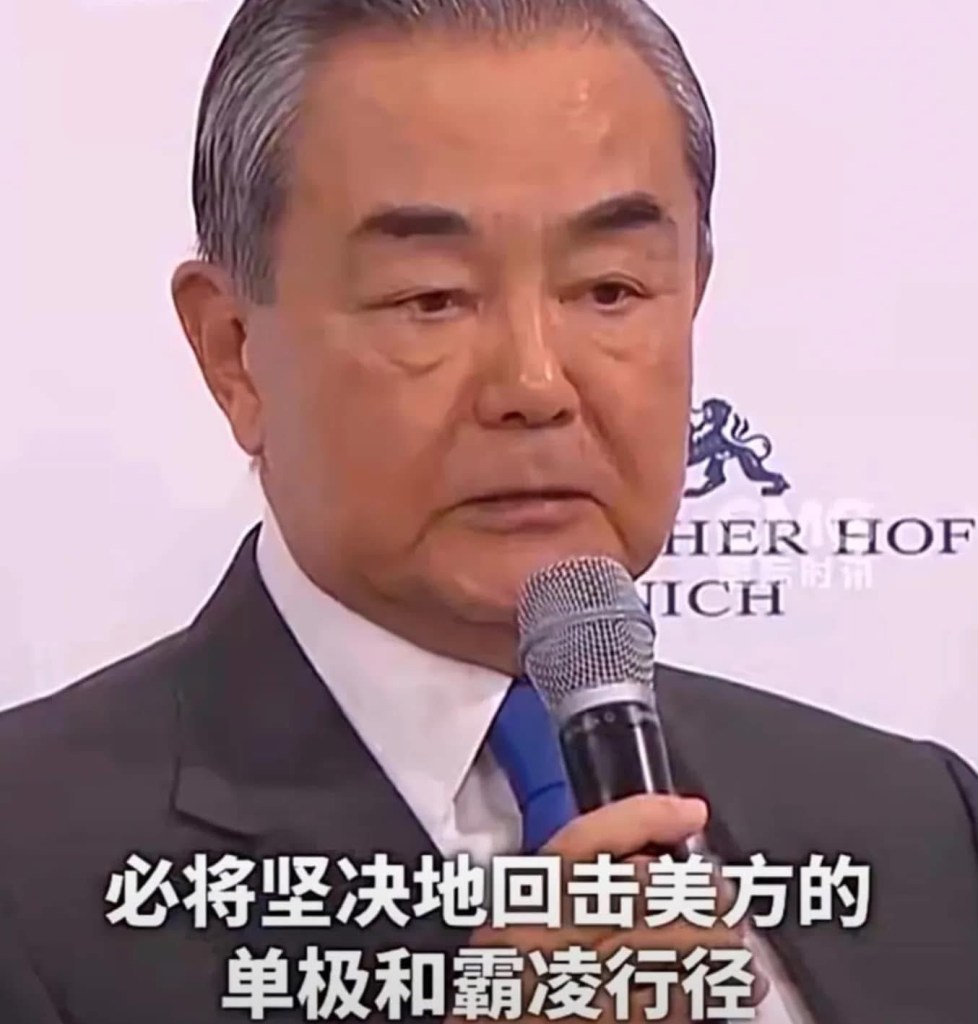
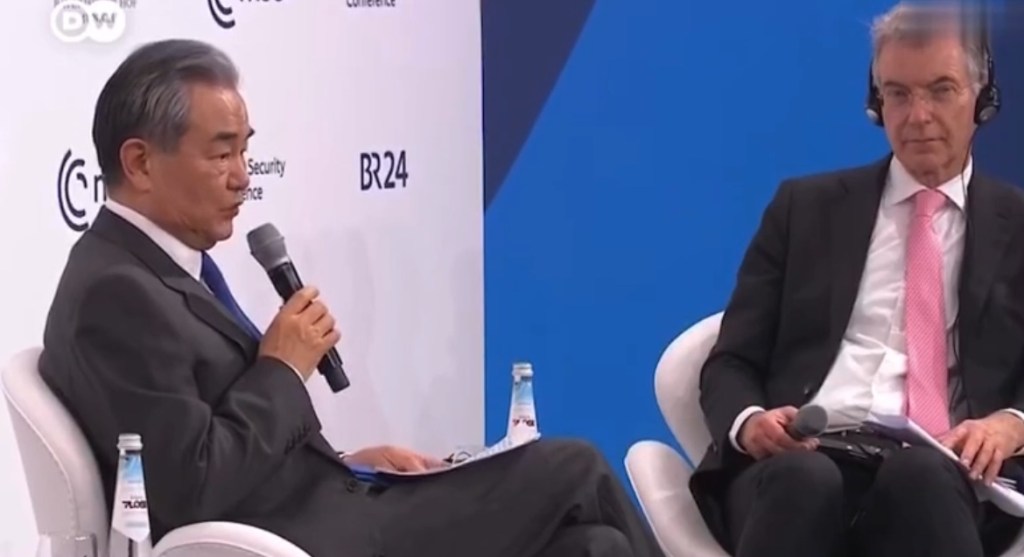
China Foreign Minister Wang Yi asked the attendees at the Munich Security Conference to use DeepSeek to translate his quotes to get the true meaning (I tried ChatGPT, very poor translation)
極目新聞記者確實找DeepSeek幫忙了。 DeepSeek用時27秒,是這麽回答的: “他強任他強,清風撫山崗;他橫任他橫,明月照大江” 的英文翻譯可參考以下兩種版本,結合其文化背景與寓意: 1. 直譯與意譯結合版 「Let them be strong, the gentle breeze brushes the mountain ridge; Let them be fierce, the bright moon shines over the mighty river」
文學化意譯版* 「No matter how strong they are, like the breeze caressing the hills; No matter how fierce they act, like the moon lighting the river」
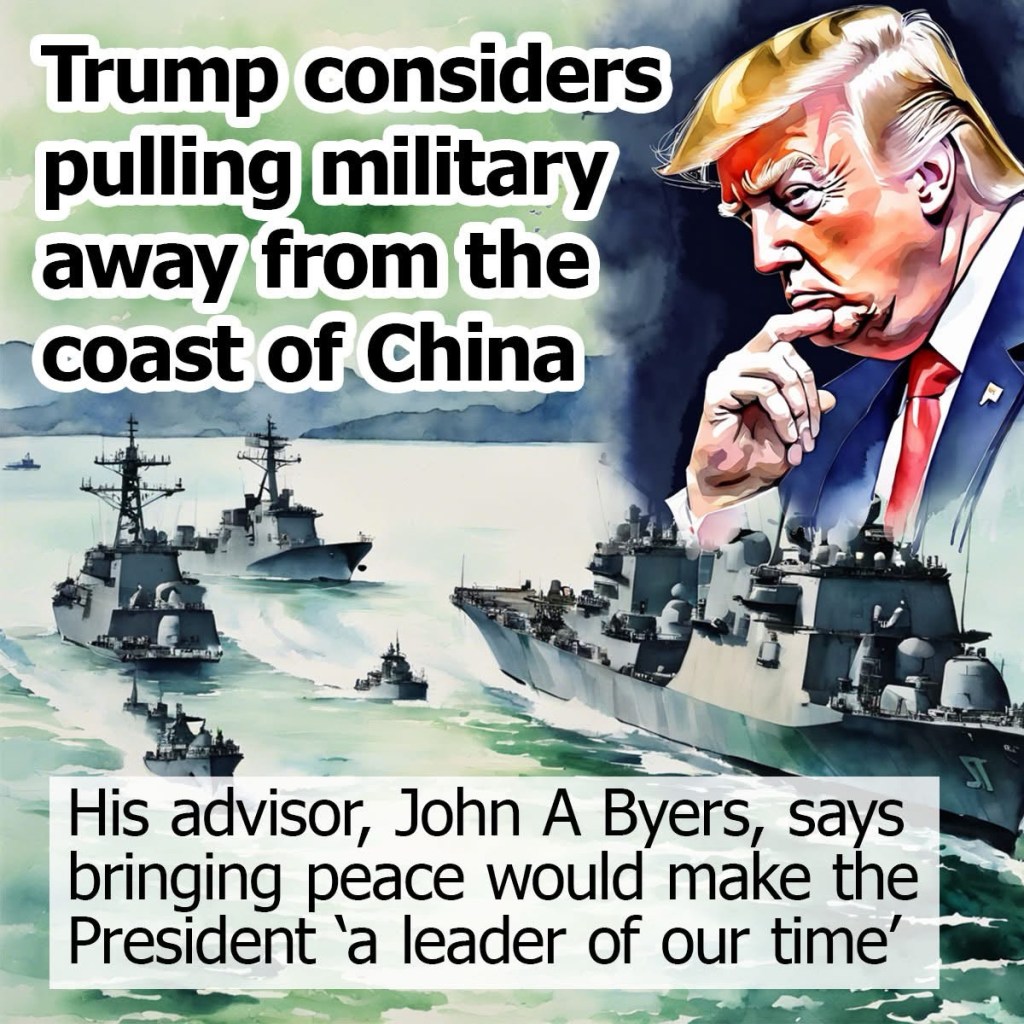
Behind closed doors, new US leader Donald Trump is thinking about pulling troops out of the South China Seas. 美國新任領導人唐納德·川普正在私下考慮從南海撤軍. . Washington is considering making an offer to remove the large number of American military forces lurking around China’s coast, and in turn asking Beijing to drop the number of Chinese coast guard vessels in the area, according to a report in Bloomberg. . “Removing American military forces nearby, in exchange for fewer Beijing-owned coast guards patrolling the area is currently under proposal…” the news agency said. . GOOD FOR PEACE, BAD FOR BONGBONG The step would be good news for those who want peace between the two superpowers. . But it would be a huge embarrassment for pliant Philippines leader Bongbong Marcos, who the US has been using to create conflict in the waters, which the Western mainstream media then reports as if it was China creating conflict. . The push to ratchet down the tension comes from John Andrew Byers, a history professor who has been appointed deputy assistant secretary of defense for South and Southeast Asia. . Byers has long been known as a lonely-but-not-alone advocate for moving away from the prepare-for-war-with-China attitude of the Biden Administration (and many on the Republican side). . ‘A LEADER OF HIS TIME’ In a co-written essay in The American Conservative last September, and a follow-up academic paper, Byers argued that it would be smarter to move away from such a war, even if it could be won. . “But this ‘fact’ of U.S. superiority does not mean that it can or should attempt to militarily conquer its weaker rival,” he wrote. “We live in a nuclear world. Secure second-strike capabilities make great-power conquest impossible without global annihilation. . “A second Trump administration should embrace a Cold Peace with China, exercising foreign policy restraint—one guided by a narrow definition of the national interest, economic nationalism, and penchant for viewing world politics in geo-economic rather than geo-strategic terms. If he remains true to his instincts, he will be a leader of his time.” , It is that last statement – that Trump could be ‘a leader of his time’, taking his place in history, for removing the US from its warring proclivities – that has apparently caused the unpredictable leader to give ear to a peace-mongering academic. . HOSTILE TO PEACE Yet Byers may have an uphill battle to halt a war that the US has spent years preparing for. Many Trump officials have been anxious to attack China, including national security adviser Mike Waltz, Secretary of State Marco Rubio, the President’s choice for Defense Secretary, Pete Hegseth, and advisor Elbridge Colby, who has advocated for a conflict centred on Taiwan to be used as a tool to weaken China. . Journalists are also hostile. The hawkish, right-wing Lowy Institute said in a report last week that the move towards peaceful engagement in the South China Seas was “troubling”. . Bloomberg writer Karishma Vaswani is also dismayed by the idea of less confrontation in Asia, and urges Trump to convene a summit “to build partnerships that deter China’s expansionist ambitions”. This point of view seems to harks back to the discredited argument that China wants to take over Asia-Pacific, and suggests a lack of understanding of how the Chinese think. Their schtick is win-win trade links, not expansionism. . A more insightful view comes from the writer Jacob Dreyer, who told this reporter that he thinks the US is “headed to a Monroe doctrine style ‘zones of influence’.” In that scenario, the USA maintains “hegemony over its backyard” but generally leaves China and Russia to do their own thing on their side of the Pacific, which the US sees as “near abroad”. . That rings true—and provides hope. For people in East Asia, tired of the endless demonization of China and general warmongering of the western media, Trump, for all his hostile bluster, is at least thinking about moving in the right direction.
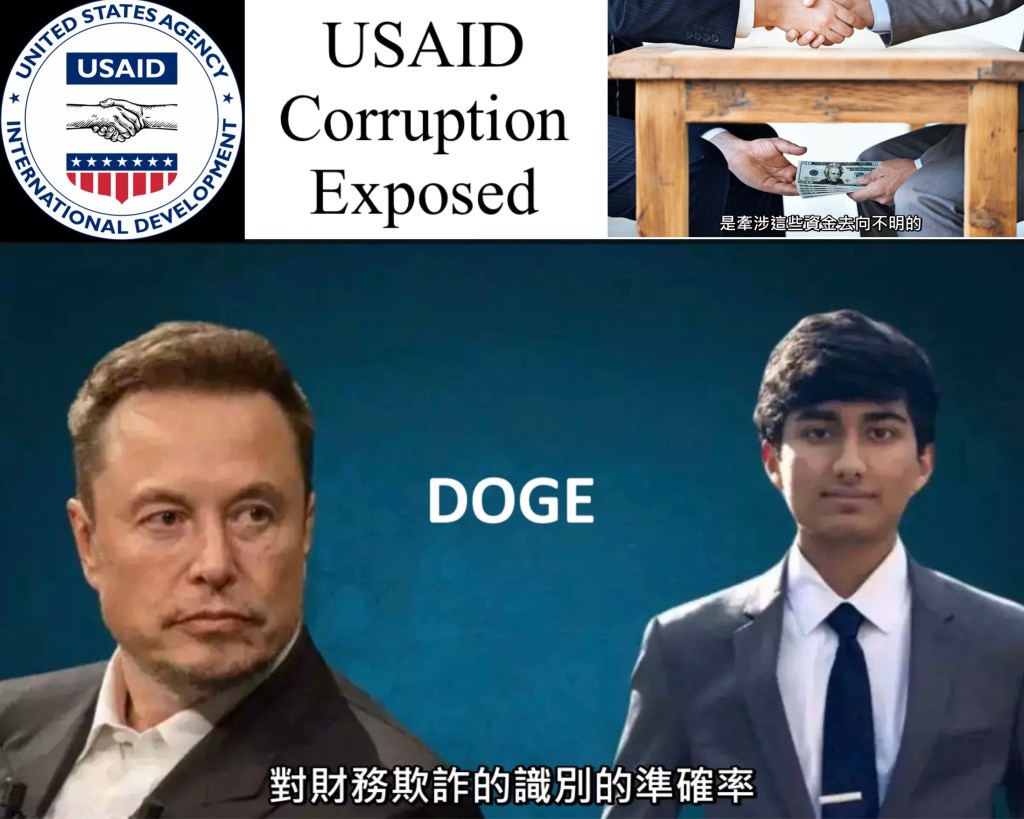
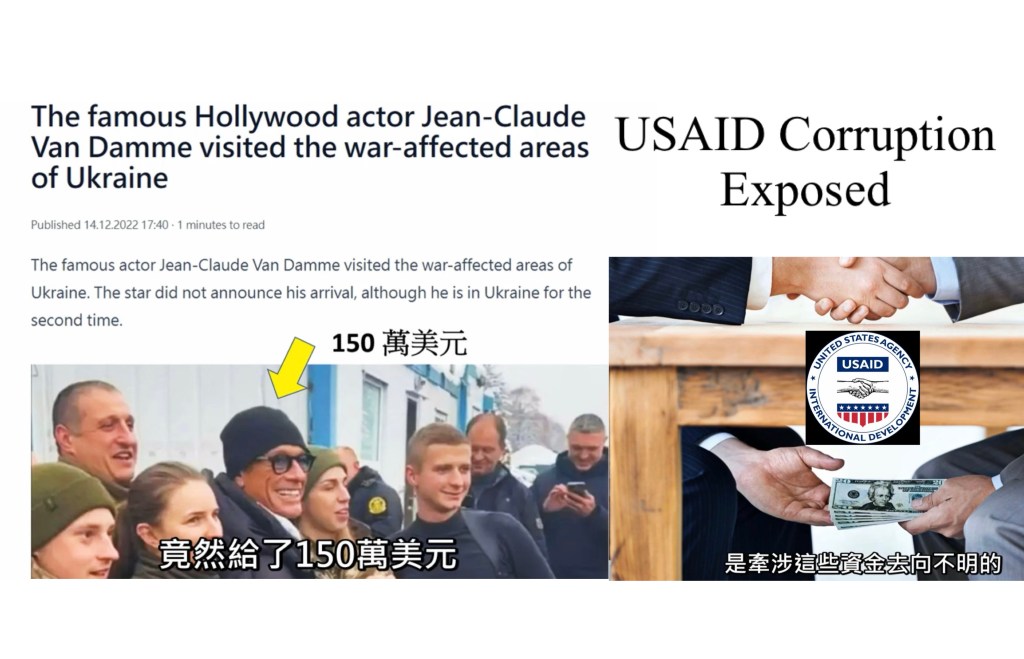
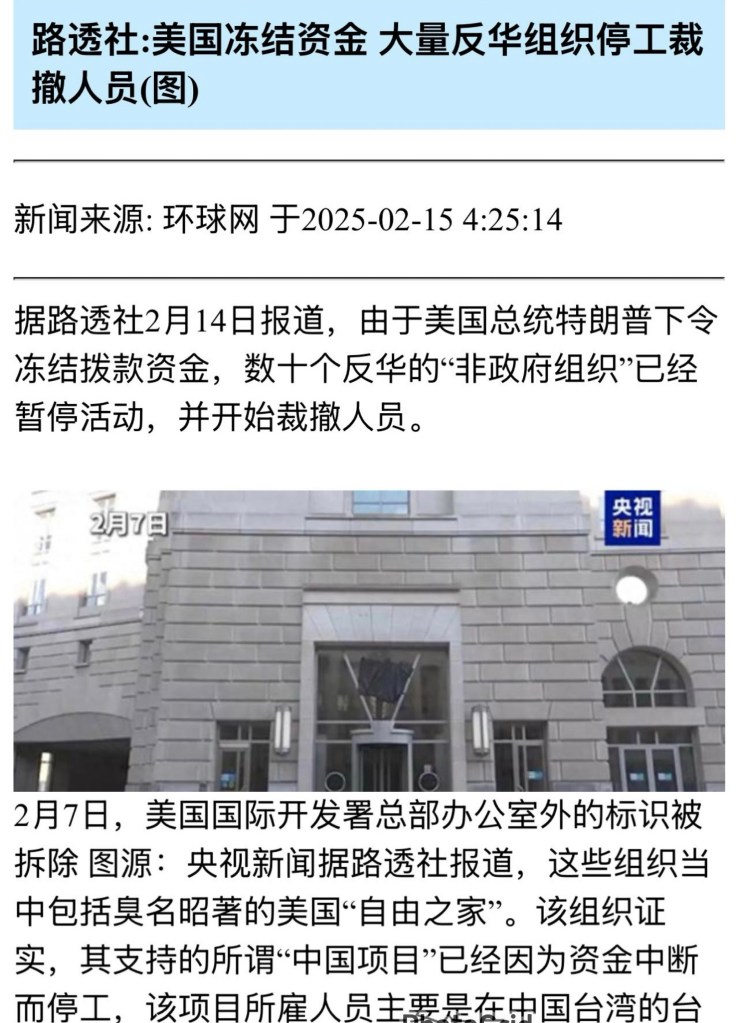
China hate groups funding cut off after Elon Musk shut down USAID 美国的大戏继续上演。一个有趣的现象是:由于川马对美国联邦资金的冻结,很多反华机构不得不停止了活动,他们的不少员工被裁掉了。另外,一些以前支持川普上台的美国人,包括美籍华人,现在以肉眼可见的速度转向反川方向了。所以后面的变化会越来越戏剧性。请继续期待哟!
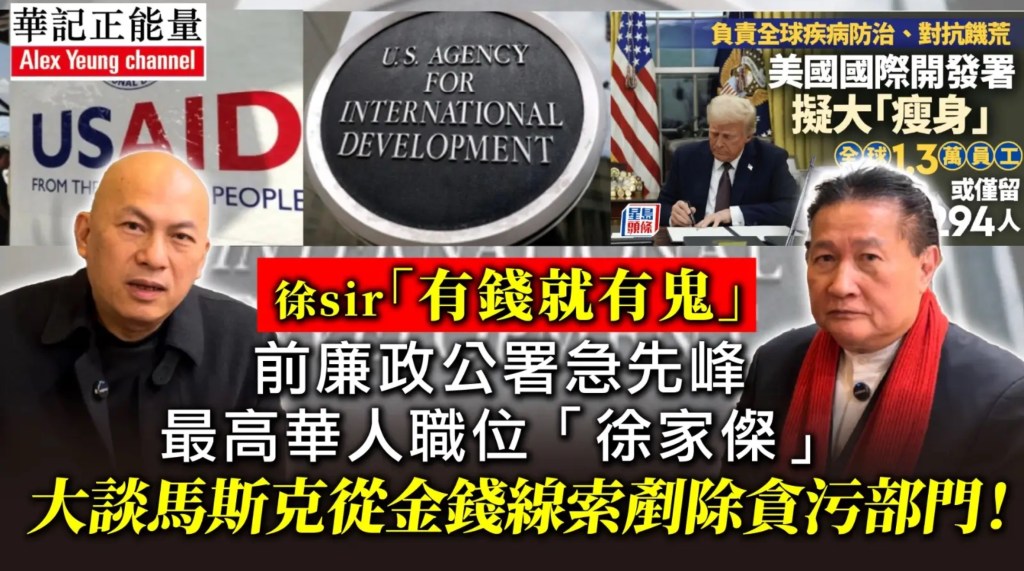
Video: Former HK Independent Commission Against Corruption (ICAC) retired deputy commissioner shares how they and Elon Musk catch corruption: follow the money 今日VIP徐Sir「有錢就有鬼」前廉政公署急先峰最高華人職位「徐家傑」大談馬斯克從金錢線索剷除貪污部門 https://youtu.be/5l4qFrEuwzU 👈
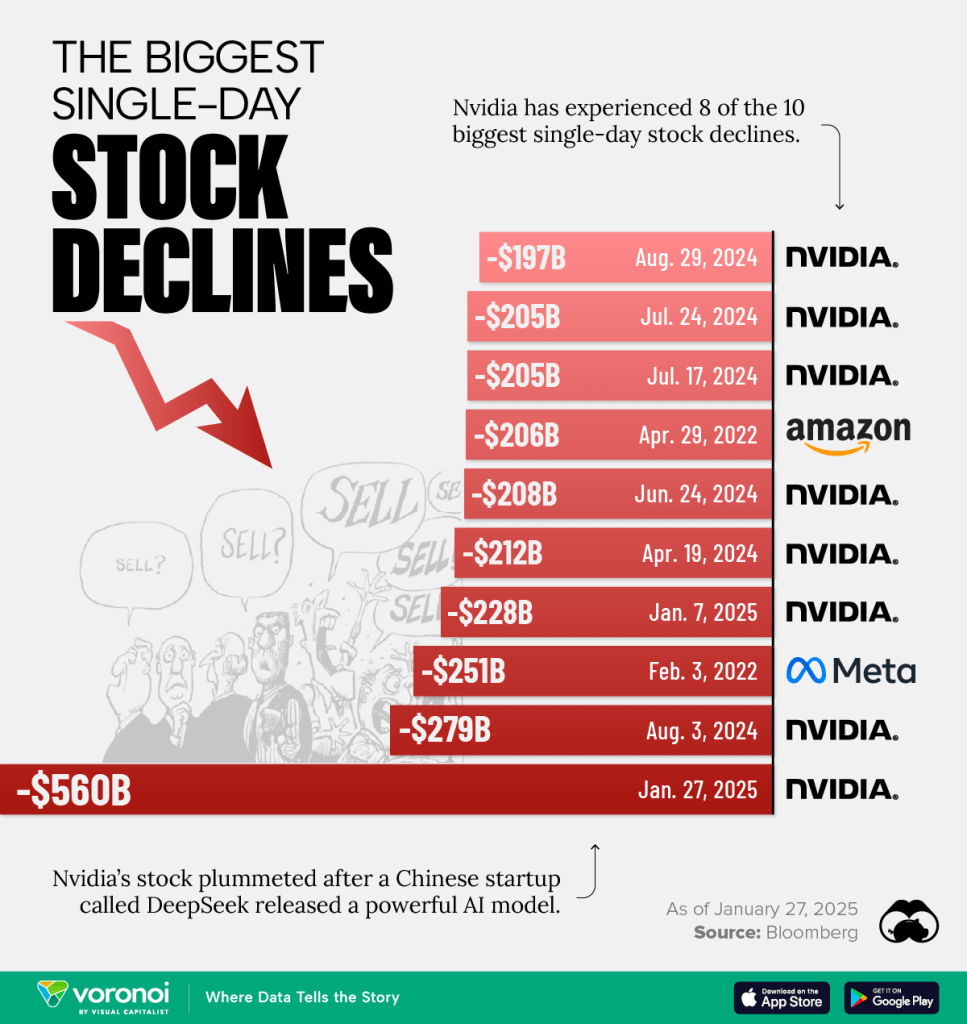
US GDP represents 20% of world’s GDP, US stock market value represents 60% of world’s total stock markets values! Something is not right. I just found out China not buying anymore US treasury, others to follow. China and India are buying more gold, gold price expect to hit $3,000 soon. If peace in Ukraine, at least 1 trillion will leave US. Major investment banks are repositioning their portfolios buying more China stocks taking profits on US 7 sisters high tech companies. All indicators don’t paint a rosy picture for US stock market in 2025. 美國GDP佔世界GDP的20%,美國股市市值佔全球股市總市值的60%!有些不對勁。我剛發現中國不再購買美國國債,其他國家也將跟進。中國和印度正在購買更多黃金,金價預計很快就會達到 3,000 美元。如果烏克蘭實現和平,至少1兆美元將流出美國。各大投資銀行正重新調整投資組合,買進更多中國股票,從美國七姊妹高科技公司獲利。所有指標都表明,2025 年美國股市的前景並不樂觀.
China Academy: To What Extent Do American Giants Influence Europe’s Decisions? The EU, often seen as a model of democracy and transparency, faces criticism for its opaque lobbying system, which undermines decision-making integrity. This article highlights the disproportionate influence of U.S. lobbying in Brussels compared to other nations like China, revealing significant imbalances that raise concerns about the fairness and transparency of EU legislative processes 中國研究院:美國巨頭在多大程度上影響歐洲決策?歐盟通常被視為民主和透明的典範,但因其不透明的遊說體係而受到批評,這損害了決策的完整性。本文強調了與中國等其他國家相比,美國在布魯塞爾的遊說影響力過大,揭示了嚴重的不平衡,引發了人們對歐盟立法程序公平性和透明度的擔憂 Feb 14 2025
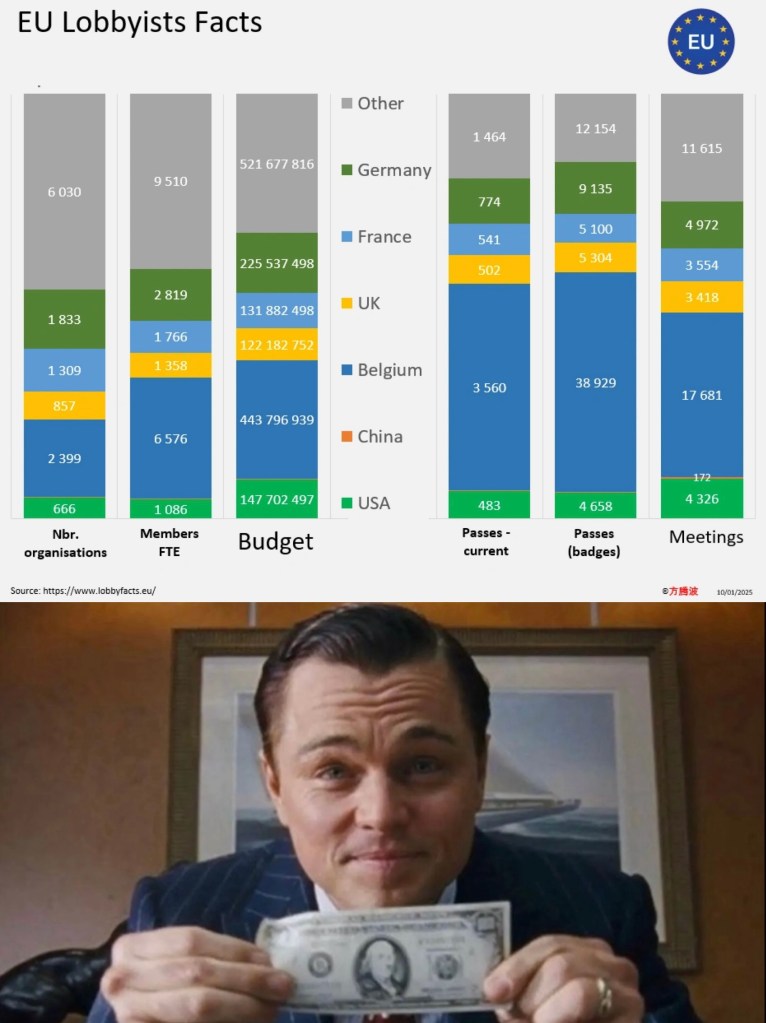
The European Union (EU) is often heralded as a bastion of democracy, transparency, and fair governance. However, beneath this veneer lies a complex and often opaque system of lobbying that has significant implications for the integrity of EU decision-making. This article critically examines the lobbying activities in Brussels, with a particular focus on the disproportionate influence wielded by the United States compared to other nations, such as China. The data, sourced from LobbyFacts.eu, reveals a staggering imbalance in lobbying efforts, raising serious concerns about the fairness and transparency of the EU’s legislative processes.
The Scale of Lobbying in Brussels Lobbying in Brussels is a multi-billion-euro industry, with over 13,102 organisations registered as lobbyists, employing 23,133 full-time equivalent (FTE) staff (where one FTE represents one person working full-time) and spending a combined total of €1.595 billion annually. These figures, drawn from LobbyFacts.eu, highlight the immense resources devoted to influencing EU policymaking. However, the distribution of lobbying power is far from equitable, with certain nations and corporations dominating the landscape.
The Belgian Connection: A Gateway for Foreign Influence One of the most striking aspects of lobbying in Brussels is the disproportionate number of European Parliament (EP) passes held by Belgian citizens. According to LobbyFacts.eu, 3,560 out of 75,375 EP passes (as of 6 January 2025) are held by Belgians, many of whom work for foreign organisations. This phenomenon underscores the extent to which foreign entities have embedded themselves within the EU’s decision-making apparatus. While this is not inherently problematic, it raises questions about the potential for conflicts of interest and the extent to which these individuals may prioritise the interests of their employers over those of the EU citizens they ostensibly serve.
China’s Limited Footprint In contrast to the overwhelming presence of US lobbyists, China’s lobbying efforts in Brussels are relatively modest. According to LobbyFacts.eu, there are only eight Chinese organisations with registered lobbyists in Brussels, employing 19 FTE staff and spending a total of €2.71 million annually. These organisations include prominent companies such as Huawei Technologies, Lenovo Group Ltd., and Ant Group, as well as trade associations like the European Union Chamber of Commerce in China and the China Council for the Promotion of International Trade.
The limited number of Chinese lobbyists suggests that China’s influence in Brussels is significantly less than that of the United States. It highlights the stark disparity in resources and influence between the two nations. The relatively small number of Chinese lobbyists also raises questions about the weak extent to which China’s interests are represented in EU policymaking, particularly in areas such as trade, technology, and climate change.
China’s Principled Approach to Diplomacy China’s approach to lobbying and diplomacy stands in stark contrast to the aggressive tactics employed by other nations. In December 2016, during a private meeting with Yang Yanyi (杨燕怡), then Ambassador of China to the European Union, the issue of China’s Market Economy Status (MES) under the 2001 WTO agreement was discussed. Despite the US (and following in its footsteps the EU) reneging on its commitment to grant China MES in 2016, Ambassador Yang firmly rejected my suggestion to employ commercial lobbyists, stating, “We will never do that, it is contrary to our culture and our political beliefs.” and further emphasised that China relied on only “two technicians, one in Brussels and one in Geneva, to explain our viewpoints to the world.”
This principled stance reflects China’s commitment to ethical diplomacy and its reluctance to engage in the kind of high-budget lobbying that dominates Brussels. While the US and other nations deploy vast resources to influence EU policymaking, China’s approach is rooted in transparency, cultural values, and a focus on dialogue rather than manipulation. This contrast underscores the broader imbalance in lobbying practices and raises important questions about the fairness of global governance.
The Overwhelming Presence of US Lobbyists The United States, by contrast, has a formidable presence in Brussels, with 666 organisationsregistered as lobbyists, employing 1,086 FTE staff and spending a total of €147.7 million annually. This figure is more than 80 times the number of Chinese lobbyists, underscoring the extent to which US interests dominate the lobbying landscape. The sheer scale of US lobbying efforts is further illustrated by the number of EP passes held by US lobbyists (483 out of 4,658) and the number of meetings they hold with EU officials (4,326 annually).
The top spenders include some of the most powerful corporations in the world, such as Microsoft Corporation, Apple Inc., Google, and Pfizer Inc. These companies are not only among the wealthiest in the world but also wield significant influence over global markets and technologies. Their substantial lobbying budgets enable them to engage in extensive outreach to EU officials, ensuring that their interests are well-represented in key policy discussions.
The Role of American Think Tanks in Brussels American think tanks play a significant role in shaping EU policy, often acting as extensions of US strategic interests. Funded by private corporations, foundations, or government grants, these think tanks employ lobbyists and policy experts to influence EU decision-making. Their activities include publishing policy papers, organising events, and directly lobbying EU officials.
However, their lack of transparency and alignment with US geopolitical goals raises concerns. Think tanks like the United States Institute of Peace (USIP) and the Committee on the Present Danger: China (CPDC) have been criticised for promoting narratives that serve US hegemony rather than fostering genuine dialogue. For a deeper analysis, see Think Tanks and Global Influence by Frans Vandenbosch.
The sheer number of American think tanks in Brussels highlights a systemic imbalance. While China focuses on quality and research, the US leverages its vast network to dominate the global narrative, raising questions about the independence of EU policymaking.
The Cost of Influence The financial resources devoted to lobbying in Brussels are staggering. The average annual budget for an American lobbyist is €136,000, more than double the average of €69,000 for lobbyists from other countries. This disparity in resources allows US lobbyists to engage in more extensive and sophisticated lobbying efforts, including the organisation of high-profile events, the production of detailed policy briefs, and the hiring of former EU officials as consultants.
The cost of securing a meeting with an EU official is equally eye-watering. On average, each meeting with a member of the European Parliament or the European Commission costs €34,900. This figure includes not only the direct costs of the meeting itself but also the associated expenses, such as travel, accommodation, and the preparation of briefing materials. The high cost of access to EU officials raises serious concerns about the potential for undue influence, particularly given the significant financial resources at the disposal of US lobbyists.
The Implications for EU Policymaking The disproportionate influence of US lobbyists in Brussels has significant implications for EU policymaking. The sheer scale of US lobbying efforts means that American interests are often prioritised over those of other nations, including EU member states. This is particularly evident in areas such as trade, where US corporations have successfully lobbied for favourable terms in agreements such as the Transatlantic Trade and Investment Partnership (TTIP).
The influence of US lobbyists is also evident in the realm of technology and data privacy. Companies such as Google and Microsoft have been at the forefront of efforts to shape EU regulations on issues such as data protection and antitrust. While these companies often frame their lobbying efforts as being in the interest of innovation and economic growth, critics argue that their primary goal is to protect their market dominance and avoid stringent regulation.
The impact of US lobbying is not limited to economic and technological issues. It also extends to areas such as climate change, where US corporations have been accused of undermining efforts to combat global warming. Fossil fuel companies such as ExxonMobil and Chevron have been accused of funding climate change denial campaigns and lobbying against policies aimed at reducing greenhouse gas emissions.
The Need for Reform The current state of lobbying in Brussels is deeply concerning. The disproportionate influence of US lobbyists, combined with the high cost of access to EU officials, raises serious questions about the integrity and transparency of the EU’s decision-making processes. There is a pressing need for reform to ensure that the interests of all stakeholders, including those of EU citizens, are fairly represented.
One potential solution is to impose stricter limits on lobbying activities, including caps on lobbying budgets and the number of meetings that can be held with EU officials. This would help to level the playing field and reduce the potential for undue influence. Another option is to increase transparency by requiring lobbyists to disclose more detailed information about their activities, including the specific issues they are lobbying on and the amounts they are spending.
In addition, there is a need for greater scrutiny of the revolving door phenomenon, whereby former EU officials take up positions as lobbyists for the very industries they were previously responsible for regulating. This practice creates clear conflicts of interest and undermines public trust in the EU’s institutions. Stricter rules on post-employment activities, including longer cooling-off periods and more rigorous disclosure requirements, could help to address this issue.
Conclusion The lobbying landscape in Brussels is characterised by a stark imbalance, with US interests dominating the scene to the detriment of other nations, including China. The sheer scale of US lobbying efforts, combined with the significant financial resources at their disposal, raises serious concerns about the fairness and transparency of the EU’s decision-making processes. There is an urgent need for reform to ensure that the interests of all stakeholders are fairly represented and that the EU remains a bastion of democracy and good governance. Without such reforms, the EU risks becoming little more than a playground for the world’s most powerful corporations, with the interests of ordinary citizens taking a back seat to those of the highest bidders.

 Business Blog