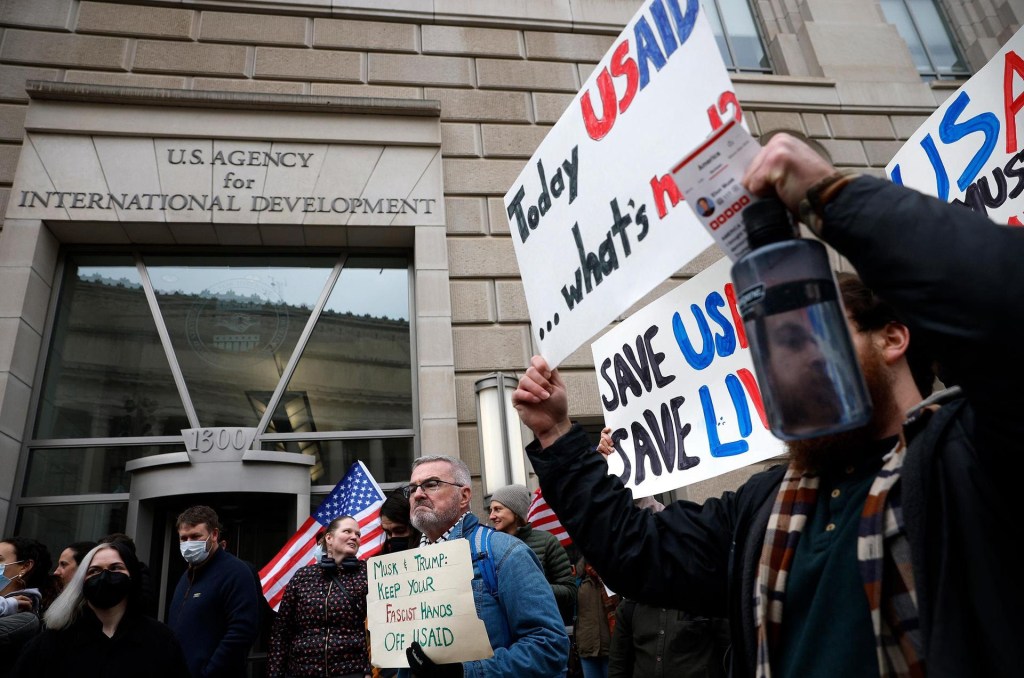
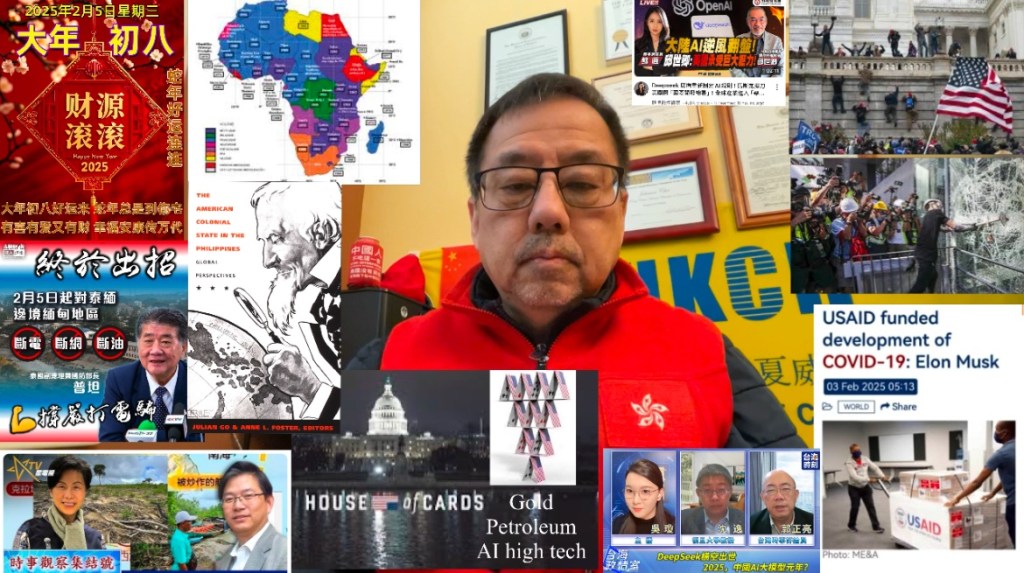
CNN: Around 10,000 of USAID employees, 3/4 are foreign nationals in foreign countries to engaged in subversive activities in the names of aids are the targets of President Donald Trump’s job cuts today. Nearly all but around 300 USAID personnel deemed essential are expected to be fired, furloughed or put on leave in the coming hours. USAID is charged with delivering humanitarian assistance overseas as a mean to influence local politics and engaged in color revolution like Ukraine in 2014 and HK in 2019. 美國國際開發署約1萬名員工中,有四分之三非美國公民, 都是在國外以援助名義從事顛覆活動的外國人,他們是川普總統今日裁員的對象。預計未來幾個小時內,除約 300 名美國國際開發署視為必需的人員外,幾乎所有人員都將被解僱、休假或停職。美國國際開發署負責向海外提供人道援助為名,以此影響當地政治,並參與了2014年烏克蘭和2019年香港的顏色革命.
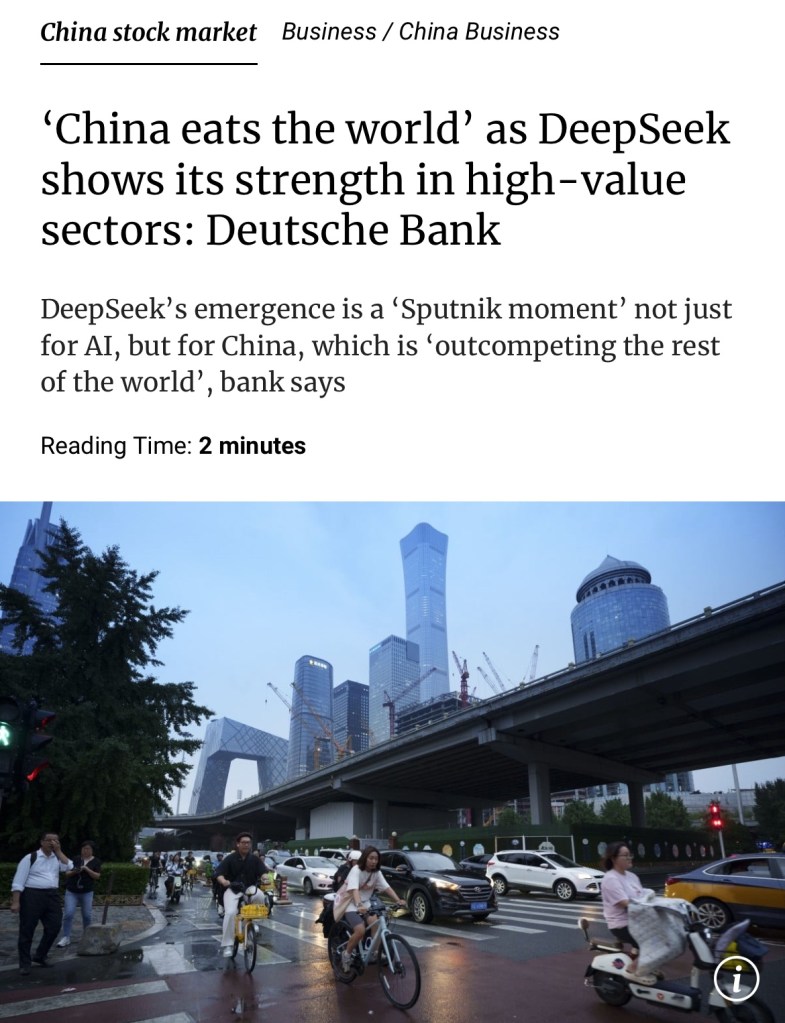
SCMP: Deutsche Bank: “no one could contain China”, “We think 2025 is the year the investing world realises China is outcompeting the rest of the world”, “China Eats the World”. 香港南華早報: 德意志銀行:「沒有人能夠遏制中國」、「我們認為,2025年是投資界意識到中國在競爭力上超越世界其他國家的一年」、「中國吞噬世界」.
Nvidia Bubble Bursting: How China’s DeepSeek Made It? How did DeepSeek manage to wipe out $800 billion of Nvidia’s value in just two weeks? The logic behind it is crystal clear to the Chinese, but the Wall Street elites may never crack the code in their entire careers. February 6, 2025
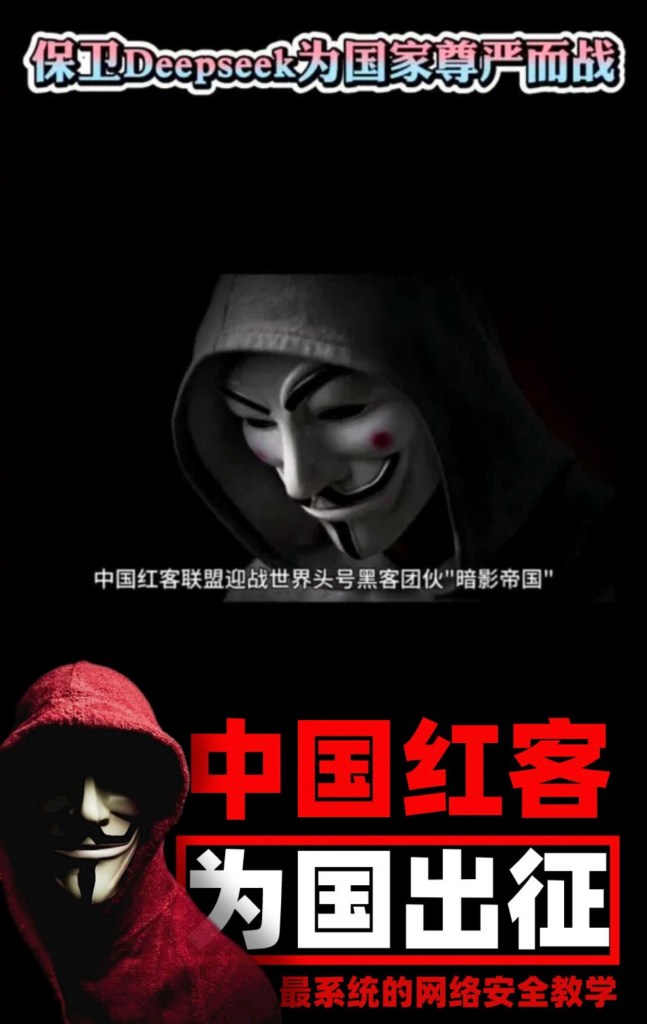
Since Chinese AI company DeepSeek released its next-generation large language model, tremors have rippled through U.S. tech stocks. In just 17 days, NVIDIA’s stock price plummeted by 23%, erasing over $830 billion in market value. A swift backlash erupted across American industries, with DeepSeek even facing cyberattacks peaking at 120 million requests per second.
While DeepSeek has become a scapegoat for those burned by U.S. market losses, it is merely the trigger. The real cause of the turmoil lies in two dangerous delusions that have long propped up America’s AI strategy—delusions that U.S. media, to sustain the illusion of tech sector prosperity, have either ignored or actively reinforced.
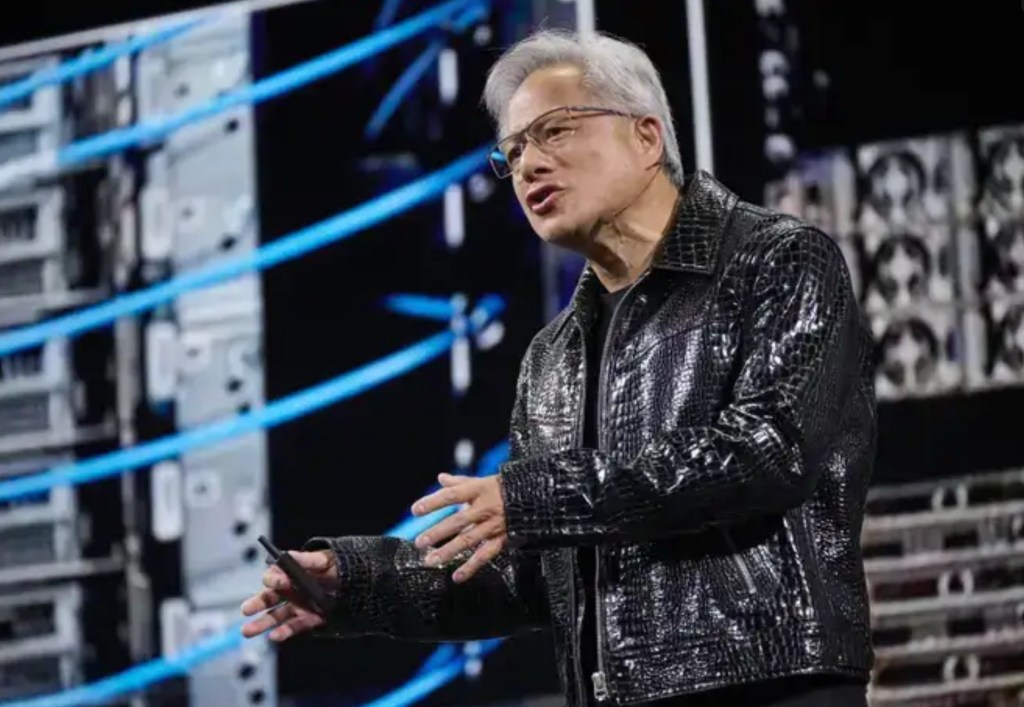
Delusion 1: Computing Power Is Everything Western media has relentlessly pushed the narrative that AI performance scales linearly with compute investment. NVIDIA CEO Jensen Huang famously declared, the more computing power you have, the more power you have. This mantra fueled Wall Street’s obsession with the compute supply chain, from GPU hardware to cloud services, with investors convinced that monopolizing advanced chips would guarantee dominance over global AI development. Yet this logic is fundamentally flawed: Computing power is merely the “fuel” for AI, not the “engine” that determines success.
Ironically, NVIDIA itself has long recognized the diminishing returns of raw computing. Its investments in CUDA software ecosystems, dynamic parallelism, and model compression algorithms all aim to achieve “higher performance with less compute.” For instance, mixed-precision training cut AI training costs by 40% for certain tasks, while the NeMo framework boosted inference speeds by 30% through parameter sharing. But these breakthroughs never became central to Wall Street’s narrative—after all, acknowledging the fragility of the “computing power myth” would destabilize NVIDIA’s $2.8 trillion valuation.
The delusion shattered when DeepSeek revealed its model was trained at 30% of OpenAI’s cost, primarily using Huawei’s Ascend 910B GPUs. Though the 910B delivers 80% of the A100’s raw compute, DeepSeek’s MoE architecture and dynamic sparse training techniques doubled its per-unit efficiency. This exposed a harsh truth: algorithmic innovation can bridge hardware gaps, rendering NVIDIA’s compute hegemony replaceable. Had U.S. investors understood this earlier, DeepSeek might have been seen as a competitor rather than a threat. But Wall Street’s years of “compute worship” left them unprepared—a single counterexample collapsed the entire narrative.
Delusion 2: Performance Benchmarks Mask an Application Desert America’s AI sector faces another paradox: soaring performance metrics have failed to translate into real-world productivity gains.
DeepSeek’s emergence was no accident. Its parent company specializes in quantitative trading, forcing its AI models to survive China’s “hellish” stock market—a daily battleground with 210 million retail investors. To thrive, models must process vast unstructured data (policy documents, social media sentiment) and execute decisions within 0.01 seconds. This pressure cooker environment forged Chinese AI’s pragmatic edge: DeepSeek’s financial inference accuracy hits 87%, dwarfing GPT-4’s 72%.
The divergence stems from technical priorities. OpenAI’s closed ecosystem and costly APIs (6x pricier than DeepSeek’s) exclude SMEs and researchers. In contrast, DeepSeek’s open-source framework and model distillation enables local deployment of 1-billion-parameter models for under $300/month, with customization for niche applications. While U.S. academics beg for GPT-4 access, over 200 Chinese universities have integrated DeepSeek into research platforms.
Worse, America’s obsession with “performance theater” has spawned a vicious cycle. To please investors, firms inflate parameters (GPT-5 may hit 10 trillion) while ignoring safety, efficiency, and ethics. When AI aces benchmarks but fails a Chinese high school math exam, it’s clear: chasing scores divorces technology from reality.
Conclusion: Ecosystem vs. Echo Chamber DeepSeek’s rise reflects a fundamental divide in AI development. China’s path—rooted in industrial integration—has nurtured technologies like Huawei’s Ascend GPUs, refined by smart manufacturing and autonomous driving. DeepSeek itself evolved through 210 million users’ “stress tests,” a crowdsourced evolution. Meanwhile, America’s closed-source approach, while protecting short-term profits, stifles innovation. GitHub data shows 42,000 vertical applications built on DeepSeek’s open models across 40+ industries, versus fewer than 8,000 GPT-based tools (mostly for marketing and entertainment). When technology cannot benefit society broadly, “performance leadership” becomes a paper crown.
China’s DeepSeek offers a new path for global AI development, presenting an alternative to the “computing power is everything” approach. It reflects the philosophical insights and deep exploration of AI from Eastern civilization. History shows technological revolutions are won not by singular metrics but by ecosystem vitality. If the U.S. clings to its “compute supremacy” delusion, it will sink deeper into a high-cost, low-return quagmire. As NVIDIA’s crash proves: when illusions fade, reality bites harder than anyone expects.
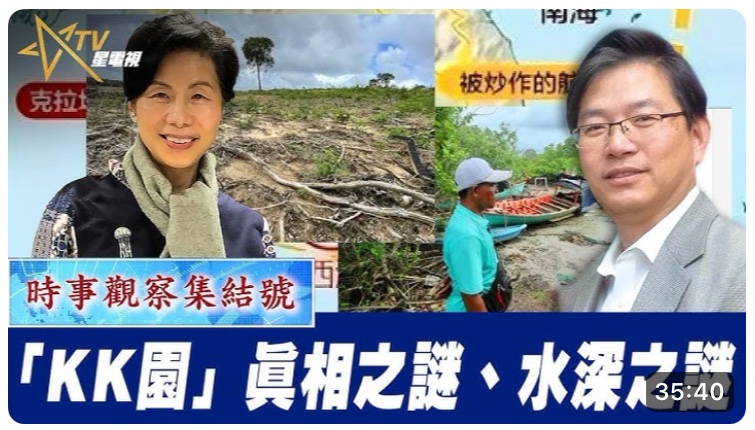
Johnson choi reports from SF Cantonese video: KK Park fraud group, Thai Gov’t cut off their water, electricity & internet。Western fraud group last 500 years ago to now. Asian women love white men got deceived; US House of Cards: gold, oil, AI/high tech; riots in the US capital,teachers turned out to be the US Gov’t, it is Kama, my friend.
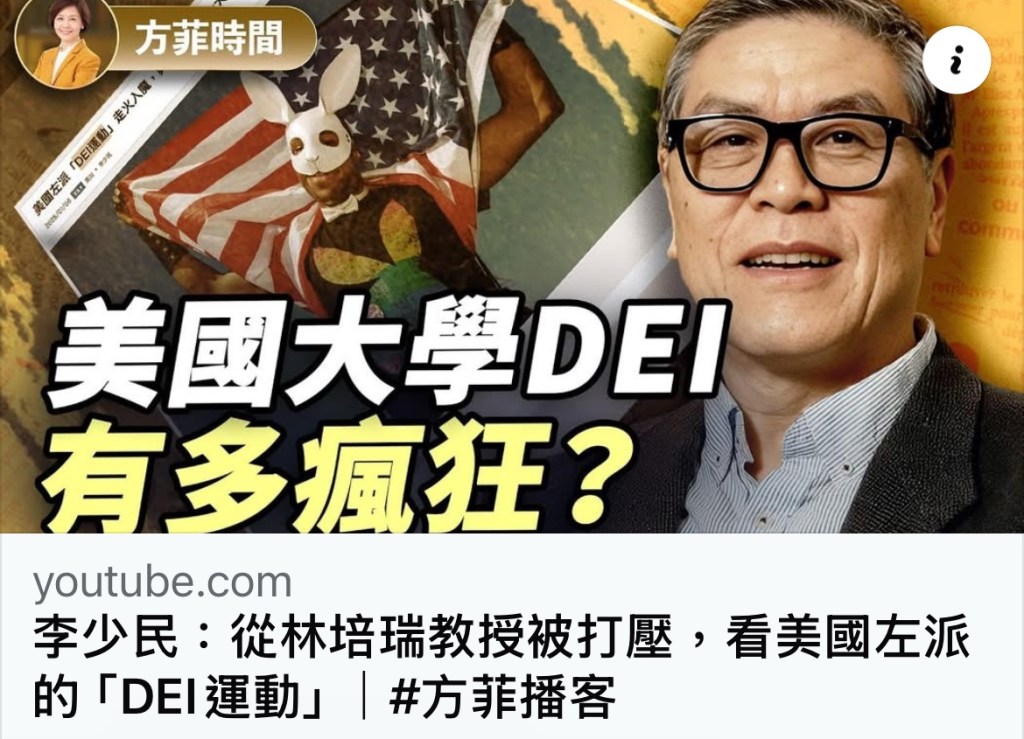
Video: Why Trump trashing DEI a good policy focus on ability not politically correct or based solely on skin color! When you need a heart surgeon, do you want the best doctor or one that has the right skin color and politically correct but with poor success record? 美國現在採用文革時期的鬥爭,中國已經不再攪鬥爭運動五十年了,現在美國非常流行,民主共和兩黨天天攪爭,美國1%精英為了保持小數人的優越,提倡DEI 用皮膚顏色而不是個人能力來決定工作給誰。如果要找一個心臟醫生,你要一位醫術最好還是一位政治正確但醫術欠隹的人替你開刀呢!? https://youtu.be/0Be2xSzE_ek 👈
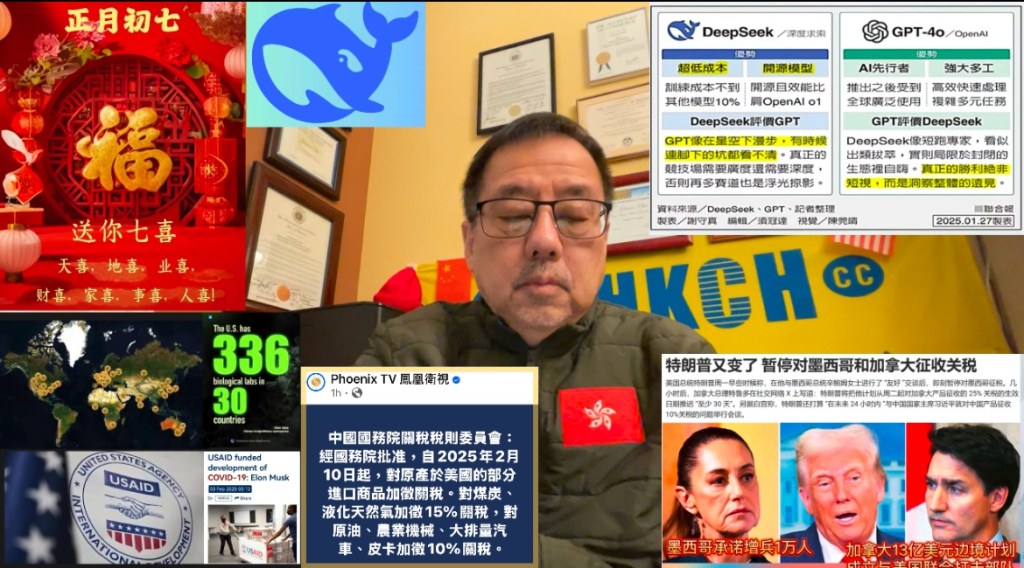
China retaliates against Trump tariffs. Beijing has announced its own duties and has imposed export restrictions on key minerals 中國對川普的關稅採取報復措施。北京已宣布了自己的關稅,並對關鍵礦產實施了出口限制.
China has announced new tariffs and trade restrictions, following a similar move by the administration of US President Donald Trump, which views competition against China as a key foreign policy point.
Last week, Trump ordered additional 10% tariffs on all goods from China, saying he is using his emergency authority to fight a national emergency caused by drug trafficking and illegal immigration. In the same executive action, the president targeted Canada and Mexico. Both US neighbors have since offered concessions on border security to deflate the growing trade conflict.
The Chinese government responded minutes after the new tariffs came into force on Tuesday. It included restrictions on certain American goods – a 15% tariff on coal and liquefied natural gas, and a 10% tariff on crude oil, agricultural machinery, and some vehicles.
Announcing its policy change, the Chinese Finance Ministry condemned Trump’s decision, saying it “seriously violates the rules of the World Trade Organization (WTO)” and “undermines the normal economic and trade cooperation between China and the US.” Meanwhile, the Commerce Ministry announced that China has filed a complaint over the US tariffs with the WTO.
Beijing has also introduced a licensing regime for exports of products containing tungsten, tellurium, bismuth, molybdenum, and indium. The measure will “safeguard national security and interests” the Commerce Ministry said, without specifically mentioning the US. The minerals are essential for advanced manufacturing.

 Business Blog