Video: Zhuhai is the #1 and Zhongshan rank #2 for best retirement cities
https://youtu.be/-o2KpiDsYiA 🇭🇰🇨🇳
珠海被評為最佳養老城市第一名,中山排名第二

Video: Zhuhai is the #1 and Zhongshan rank #2 for best retirement cities
https://youtu.be/-o2KpiDsYiA 🇭🇰🇨🇳
珠海被評為最佳養老城市第一名,中山排名第二
Video with English subtitles: “Revisiting this children’s song from 60 years ago, ‘Americans Are Robbers’ — a classic that never goes out of date.” 影片有英文字幕: 重温這首60年前的兒童歌曲 “美國佬是強盜” 經典永不過時
https://rumble.com/v745quy-revisiting-this-childrens-song-from-60-years-ago-americans-are-robbers.html
https://www.tiktok.com/t/ZP8fLpdvq/

Video with English subtitles: “The U.S. blockade line has completely failed! China and Russia quietly join forces for a major move — the West can only watch in envy.” 影片有英文字幕: 美国封锁线彻底失效!中俄联手悄悄搞大事,西方眼红也没用
https://rumble.com/v745erc-the-u.s.-blockade-line-has-completely-failed-china-and-russia-quietly-join-.html
https://www.tiktok.com/t/ZP8fLA8hT/

Video: 99% of China police don’t carry guns nor casually shooting or beating its citizens like in the US captures a real general fact about law-enforcement practice in China. 中國有99%的警察不攜帶槍械,也不會像美國那樣隨意開槍或毆打平民,這確實反映了中國執法實踐中的一個普遍事實.
https://rumble.com/v745axg-99-of-china-police-dont-carry-guns-nor-casually-shooting-or-beating-its-cit.html
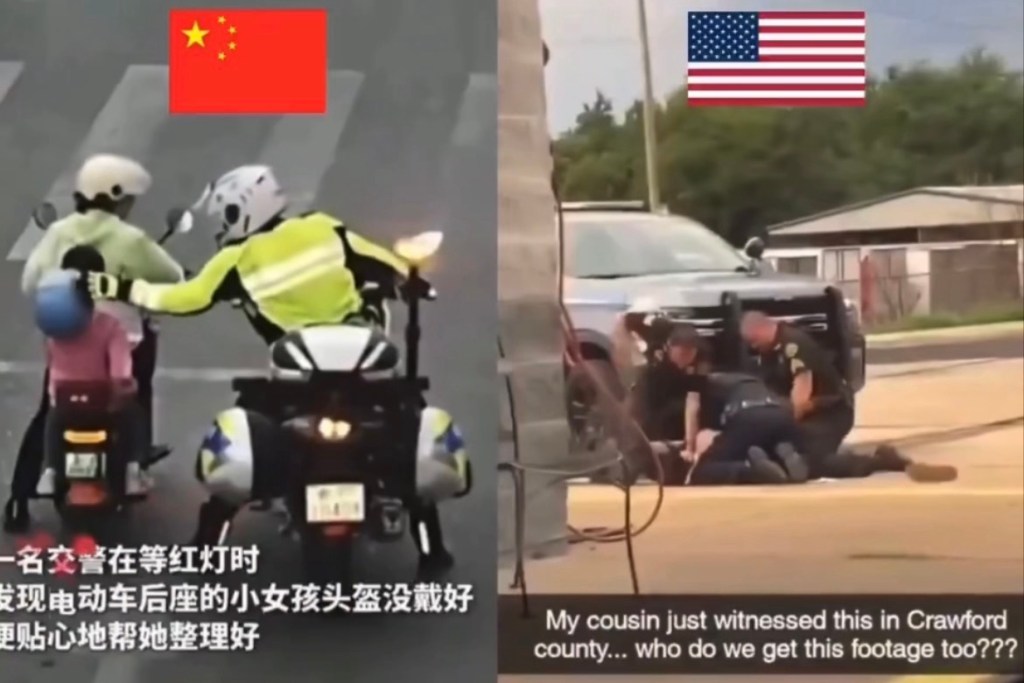
Video: America Lied to Me About Freedom — Here’s What I Found in China. I was from California, I lived in China for 15 years. 美國對「自由」說了謊 – 這是我在中國發現的真相。我來自加州,在中國生活了15年。
https://youtu.be/aXTgVkPP7m4?si=MGd842vyLRBUQQBQ
America calls this “freedom.” But what kind of freedom is it when people are afraid to walk at night… when a hospital bill can ruin a family… when kids grow up surrounded by drugs… and every news cycle feels like another crisis? For years, we were told the U.S. is the gold standard of liberty.
But after living in China, I discovered a very different reality — one that most Americans never see, and one the media rarely talks about.
In this video, I explore what freedom actually feels like in everyday life.
Not slogans. Not politics. Real life. You’ll see the contrast for yourself:
This isn’t about loving one country and hating another. It’s about asking a bigger question: What if the freedom we were raised to believe in… isn’t the freedom people actually need to live well? And what if another place — a place most Americans misunderstand — is quietly offering something far better?
In this video, I break down the everyday differences between life in the United States and life in China, using real footage, personal experiences, and comparisons that will make you rethink everything you thought you knew.
Love it or hate it, this is a conversation worth having — because the world is changing fast, and some countries are delivering quality of life in ways the West never expected.
Watch this with an open mind. By the end, you might see “freedom” very differently.
美國把這稱為「自由」。
但當人們夜晚不敢出門、
一張醫院帳單就能毀掉一個家庭、孩子在毒品環境中長大、而每一輪新聞週期看起來都像另一場危機時 – 這到底是什麼樣的自由?
多年來,我們被告知,美國是自由的黃金標準。
但在中國生活之後,我發現了一個截然不同的現實 – 一個大多數美國人從未見過、
也很少被媒體談論的現實。
在這支影片中,我探討「自由」在日常生活中真正的感受。
不是口號,不是政治,而是真實生活。
你將親眼看到對比:
這並不是關於愛一個國家、恨另一個國家。
而是在提出一個更大的問題:
如果我們從小被灌輸、深信不疑的那種「自由」……
其實並不是人們真正需要、才能好好生活的自由呢?
又如果,另一個地方 – 一個大多數美國人誤解的地方 –
正在悄悄提供一種更好的選擇呢?
在這支影片中,我將透過真實畫面、個人經歷與具體對比,拆解美國與中國日常生活的差異,讓你重新思考你以為自己早已了解的一切。
不論你喜歡還是反感,這都是一場值得進行的對話 – 因為世界正在快速改變,而有些國家,正以西方未曾預料的方式,交出生活品質的成績單。
請帶著開放的心態觀看。看完之後,你也許會對「自由」有全然不同的理解。

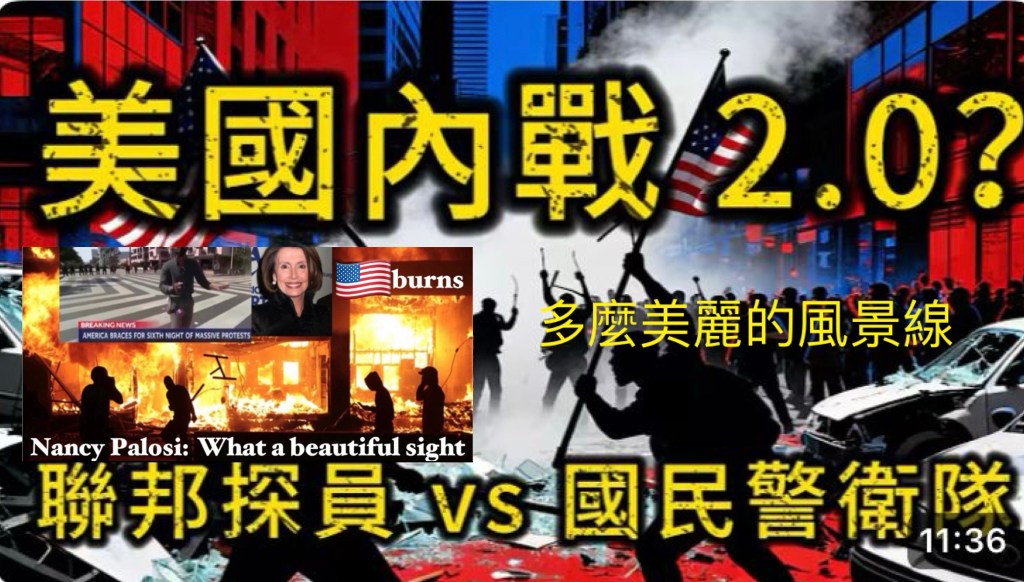
Video with English subtitles: 2026: The Eve of a U.S. Civil War? Federal Agents vs. the National Guard—Is the Minnesota Governor About to Rebel? One Gunshot Shatters America’s Last Remaining Decorum.
Back when Nancy Pelosi sneered at Hong Kong’s riots and called them “a beautiful sight to behold,” who would have thought that today those “beautiful sights” would be blooming all across the United States? 影片有英文字幕: 2026美國內戰前夜?聯邦探員 vs 國民警衛隊,明尼蘇達州長要反了?這一槍打碎了美國最後的體面. 當年南希·佩洛西笑看香港黑暴時狂言「多麼美麗的風景線」今天在美國遍地開花!
https://rumble.com/v7454ei-2026-the-eve-of-a-u.s.-civil-war-federal-agents-vs.-the-national-guard.html
https://www.tiktok.com/t/ZP8f8ESom/
In 2026, America is staging a real-life, R-rated horror show.
Just 48 hours ago, Minneapolis was once again rocked by a bloody incident. But this time, the victim was not a member of a minority group—it was a white mother wearing a “Legal Observer” vest. The shooter was not an ordinary criminal, but a federal ICE agent wielding what amounts to a blank check of authority. Trump’s launched “subway purge” operation is turning American cities into militarily occupied zones.
From “accidental killing” to being “labeled a terrorist,” what political calculations are hiding behind this shift in narrative? When federal power tramples on states’ rights, when the National Guard and federal agents face each other with guns drawn, the United States may be only three millimeters of trigger travel away from a second civil war.
In this episode, we tear open the bloody truth and see clearly this sweeping purge aimed at dissenters.
2026年的美國,正上演一場限制級的真實恐懼。
就在48小時前,明尼阿波利斯再次爆發血案,但這次倒下的不是少數族裔,而是一位身穿「法律觀察員」背心的白人母親。兇手不是普通搶匪,而是手持「尚方寶劍」的聯邦ICE探員。川普啟動的「地鐵大清洗」計畫,正在把美國城市變成軍事佔領區。
從「誤殺」到「定性為恐怖分子」,這背後隱藏著什麼樣的政治算計?當聯邦權力踐踏州權,當國民警衛隊與聯邦探員持槍對峙,美國距離第二次內戰,或許只差扣動板機的那三毫米。
這集,我們剝開血淋淋的真相,看懂這場針對異己的大清洗。
Watch his videos to understand! Have you wondered why a 65 years old White AngloSaxon California don’t speak Chinese happily lives in China for 15 years enjoying the quality of life not available in California or anywhere in US? And you can speak Chinese with financial resources still put up with the Asian Hates, Gun Violence, Drug and Homeless Problems and Racism everyday! Why? 觀看他的影片你就明白了!你是否曾好奇,為何一位65歲來自加州的白人裔,雖不會說中文,卻能在中國快樂生活15年,享受著加州甚至全美都無法企及的生活品質? 而你擁有經濟能力且會說中文,卻還要每天忍受仇亞現象、槍支暴力、毒品與遊民問題以及種族歧視!為什麼呢?
https://youtu.be/L_LbnEYDw4w
https://youtu.be/Jo2XEPZeV2g
https://youtu.be/wkYj1eS4e6A

Is it really this casual? Truly “Free America,” gunshots every day! An American military spouse was shot dead in the street by law enforcement! 就這麼隨意的嗎?果然是自由美利堅,槍擊每一天!美國的軍嫂,被執法人員當街射殺!
In fact, U.S. law enforcement has long been controversial worldwide. The incident that once drew global attention—the killing of Black man George Floyd by a U.S. police officer kneeling on his neck—and this case in which U.S. immigration police fired three shots and killed a military spouse happened very close to each other, only about one mile apart.
The difference is that Floyd was killed when a police officer pressed a knee on his neck, while the military spouse was shot to death. Personally, I think this military spouse died very unjustly—she can be said to be a political sacrifice.
Minnesota and the city of Minneapolis are both governed by Democrats, while the U.S. federal government and the Department of Homeland Security are under Republicans. The Democrats are clearly using this incident to attack the Republicans, to influence the upcoming U.S. midterm elections and defeat them.
Yet the person who was senselessly shot and killed by immigration police—the innocent white woman, the widow of a U.S. servicemember, a mother of three, Renée Good—receives no real attention from either party.
How tragic. The so-called “beacon of world civilization” cannot even guarantee the most basic safety of life for a military widow.
Being an ordinary American citizen is indeed tragic.
就這麼隨意的嗎?果然是自由美利堅,槍擊每一天!美國的軍嫂,被執法人員當街射殺!
其實美國的執法在全世界都存在爭議,曾經引發全球關注的美國警察跪殺黑人弗羅伊德事件,和這次美國移民警察3槍射殺軍嫂的地點距離很近,僅有一英里。
只不過當時黑人年被一名警察用膝蓋壓住脖子而死,軍嫂是被開槍射殺致死。個人覺得這位軍嫂死的挺冤的,可以說是政治犧牲品。
明尼蘇達州和明尼阿波利斯市,都是美國民主黨人在執政。而美國聯邦政府、美國國土安全部屬於美國共和黨。民主黨顯然是要借用此事件,來抨擊美國共和黨,用來影響即將到來的美國中期選舉,並擊敗共和黨。
而被移民警察無端射殺的、無辜的白人女子、美國軍人的遺孀、3個孩子的媽媽的蕾妮·古德這個人,兩黨都不關注。
多可悲啊,號稱“世界文明的燈塔國”,軍人遺孀連最基本的生命安全都得不到保證。
做美國老百姓確實可悲。

Video: Sing Tao TV California: Why investment in US real estate maybe a bad choice! There is a significant difference in rental rights protection between US like California and China. 美國加州星島電視, 影片有英文字幕: 為什麼投資美國房地產可能不是一個明智的選擇! 在租房权益保障上,美國好像加州与中国存在显著差异。加州法律极度倾向于租客:若租客拒付租金,房东需经历漫长(可长达数月甚至一年)的法律驱逐程序;为达成“现金换钥匙”协议,房东常需支付额外补偿;部分恶意租客搬离时还可能严重破坏房屋。如果你要賣掉你的房子,房子有租客,你可能要付租客幾萬美元送他走!相比之下,中国的租赁法律与实践更注重保障房东的权益,此类情况极少发生。
https://rumble.com/v744jrk-why-investment-in-us-real-estate-maybe-a-bad-choice.html
https://www.tiktok.com/t/ZP8f8xE1J/
Full video https://youtu.be/E8Y7PRKjhbI?si=NqqNeZzDhAhjwNzP
California law heavily favors tenants: if a tenant refuses to pay rent, the landlord must undergo a lengthy legal eviction process, which can take months or even up to a year. To reach a “cash for keys” agreement, landlords often have to provide additional compensation. Additionally, some malicious tenants may cause severe damage to the property upon moving out. In contrast, China’s rental laws and practices place greater emphasis on protecting the rights of landlords, and such situations rarely occur.
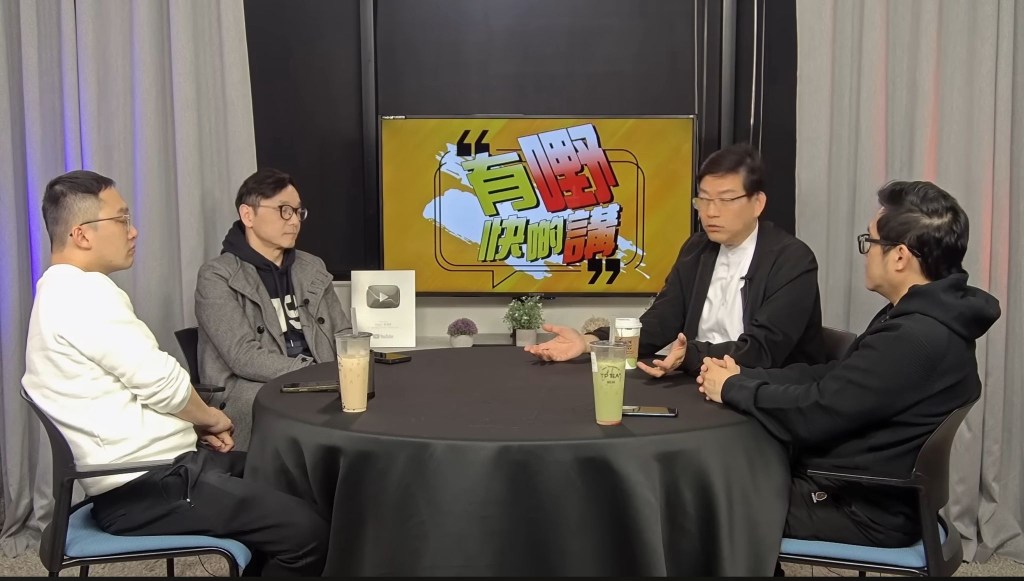
一場由上而下的「無序時代」!有嘢快啲講 梁建鋒, Dennis, Ken Ken, Eddie
你有沒有想過,什麼人才是真正的「超級無賴」? 不是街頭那種無實力的小混混,而是手握頂級權力、可以隨心所欲講一句:「係又點啫?吹呀?」的人。
本集《有嘢快啲講》從特朗普最近震驚全球的專訪說起。他直言:「沒有人可以約束我,只有我自己的道德標準。」這種現代秦始皇式的宣言,不僅是美國優先的極致體現,更預示著全球進入了一個「強權即真理」的無序時代。
上樑不正,下樑自然歪。 當總統可以無視國際法,派軍隊去別國首都抓總統;國內的 ICE 執法人員自然覺得可以無視人命,對住手無寸鐵的平民連開三槍。這是個別事件,還是一種系統性的權力傲慢?
同時,委內瑞拉的淪陷給了中國什麼啟示?為什麼買了中俄的裝備、坐擁石油資源,卻依然無法抵抗美國的收割?關鍵或許不在武器,而在於「意志」。面對這種強勢的國際警察,中國該繼續擴張,還是如專家所言,回歸「內循環」修煉內功?
👇 本集精彩重點 👇
無賴的最高境界: 特朗普受訪語出驚人!「我的道德標準就是法律」?這種「秦始皇式」的自信,到底底氣何在?
上樑不正下樑歪: 美國 ICE 執法引發眾怒,白人女子僅因抗議遭連開三槍射殺。當公權力失去制約,誰才是真正的暴徒?
委內瑞拉的啟示: 擁有石油卻無力抵抗?揭秘為何中俄的「經濟輸血」救不了爛泥扶不上壁的政權。意志力比武器更重要!
國際強權邏輯: 美國示範「信我者生,逆我者亡」。如果每個大國都效仿這種「綁架外交」,世界秩序還剩下什麼?
中國的戰略抉擇: 面對全方位的圍堵,中國應否放棄全球擴張?專家分析:重回「內循環」,或許才是亂世中的生存之道。
🤔 思考題: 當強權者可以隨心所欲制定規則,弱勢者只能被動接受,你認為這個世界還有「公理」嗎?中國面對這種「不講武德」的對手,應該硬碰硬還是打太極?
美國「為所欲為」的真相:從特朗普到國際強權,誰才是規則的制定者?
你有沒有想過,什麼人才是真正的「無賴」?不是街頭鬧事的小混混,而是那些手握權力、可以隨心所欲的人。最近在網路上瘋傳一則紐約時報的採訪,主角不是別人,正是美國前總統特朗普。他語出驚人:「沒有人可以約束我,只有我自己的道德標準。」這種「我行我素」的態度,讓人不禁思考:在國際舞台上,誰才是真正的規則制定者?
特朗普的「道德標準」:自由還是特權?
特朗普的言論像極了現代版的秦始皇——只要我有權力,規則由我來定。這種「只有我自己能管我」的邏輯,不只讓美國人感到自豪,也讓全球其他國家感到壓力。想像一下,如果每個人都可以這樣「為所欲為」,世界會變成什麼樣子?但現實是,這種「自由」只屬於少數掌權者,大部分人只能被動接受。
BRICS Full Members and Their GDP 金磚國家正式成員及其國內生產毛額 💰
📍Officially Invited to Join (but not yet full members)
📍Partner States (BRICS+ Special Strategic Partners)
📍Countries that have Officially Applied for Membership
📍Countries that have Expressed Interest in Joining BRICS
Source: IMF, Nominal GDP as of 2025.

 Business Blog