Europe as a vassal of US taking the hits and paying the top price. 歐洲作為美國的附庸和美國的一條🐕笨! 不少仇中者恨國黨已經是美國一條🐕, 一個🐕奴才,對和平統一採取敵視態度,可悲.
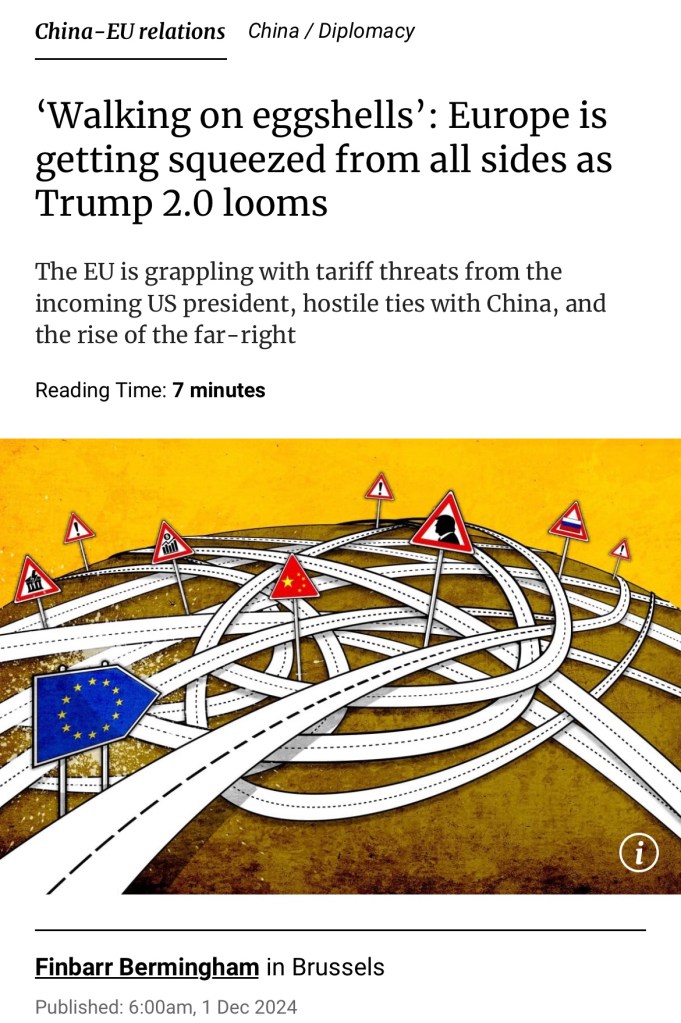
Europe as a vassal of US taking the hits and paying the top price. 歐洲作為美國的附庸和美國的一條🐕笨! 不少仇中者恨國黨已經是美國一條🐕, 一個🐕奴才,對和平統一採取敵視態度,可悲.
Foreign Affairs Magazine: How America’s War on Chinese Tech Backfired 《外交事務》雜誌:美國對中國科技的戰爭如何適得其反
Foreign Affairs Elites finally:
1) realize that they have been playing checkers in a chess game
2) realize that they gave up a lucrative win-win relationship for win-lose relationship, where they are clearly the losing party
3) almost realize, but can’t quite articulate they were idiotic to assume innate US superiority in science & tech (since that superiority was powered by Chinese & immigrants)
4) realize that Biden’s actions brought about the opposite result and worry that if Trump continues the same strategy, they will be permanently scr*wed (strange how they couldn’t make this prediction under Biden)..
How America’s War on Chinese Tech Backfired
And Why Trump’s Plans Would Make Things Even Worse
https://archive.ph/DkHMi#selection-1245.0-1249.50 (https://archive.ph/DkHMi#selection-1245.0-1249.50)
Ironically, the very restrictions meant to curb China’s technological progress have, in some areas, helped to spur it. China has seen improvements across multiple sectors, in terms of research and development, manufacturing output, and greater domestic content in exports. My own recent visits to Chinese electric vehicle battery firms and automakers revealed companies that have a clear sense of the global competitive landscape, strong capabilities in product and process innovation, and the financial resources to get ahead. The top representatives of foreign firms in China are upset with China’s discriminatory industrial policies, but they now consistently emphasize that their main challenge is a growing cohort of highly capable Chinese competitors.
But Washington has also placed restrictions on U.S. innovation that so far outweigh the good that has come from the investments. Export controls have reduced business opportunities for American semiconductor firms; less revenue means less investment in R & D and less innovation. Specific restrictions, coupled with the chilling effect produced by increased geopolitical tensions, have reduced opportunities and income for U.S. firms.
The U.S. Justice Department has placed restrictions on scholarly cooperation with China, causing the productivity of American science and technology scholars to drop. A high proportion of AI scientists in the United States hail from China; a decline in their numbers means a drop in innovation in the United States and more opportunities for others, including China, to step up. Washington has also imposed restrictions on Chinese students pursuing science and technology graduate degrees in the United States, depriving American universities of many highly talented students.
Although China’s emergence as a science and technology powerhouse is not simply the result of responding to Western pressure, tensions have likely accelerated its progress. As Chinese firms broaden their reach, U.S. technology will be less indispensable in some parts of the world.
Washington needs to set clear priorities, identifying the most urgent threats that deserve a response. Otherwise, the United States will be dragged into a game of whack-a-mole or, more worryingly, try to block all commercial ties with China. To the extent that the United States attempts to deny technologies to China, the only sustainable approach involves working with allies and other countries so that the United States will not be outflanked by China and lose technology leadership in the rest of the world. If the Trump administration pursues extensive decoupling from China, the result will most likely be an isolated, poorer, and weaker United States.
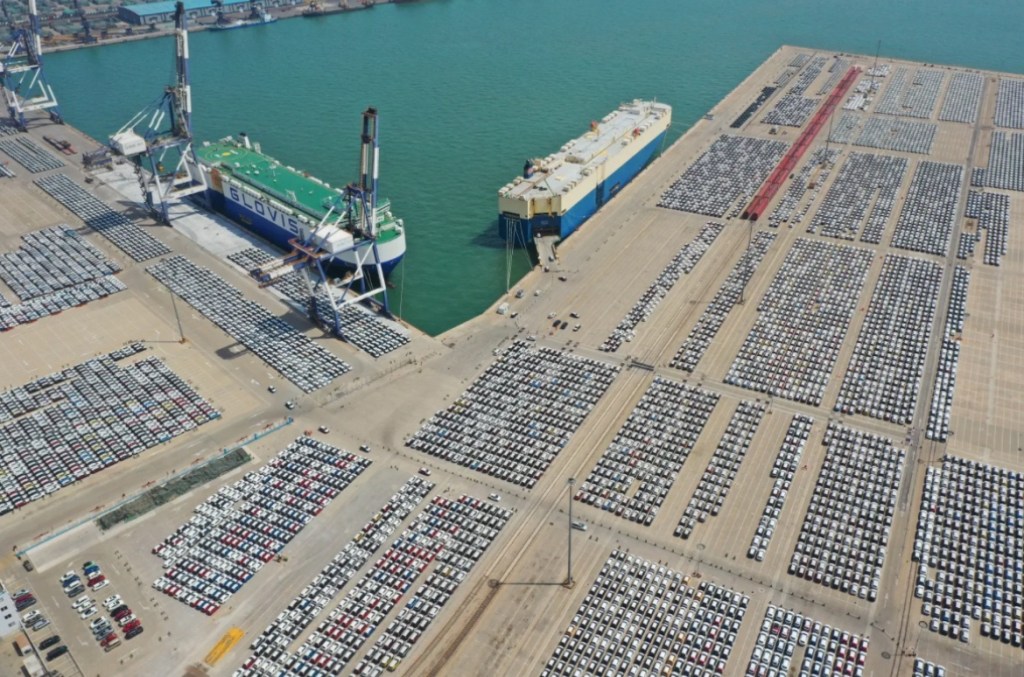
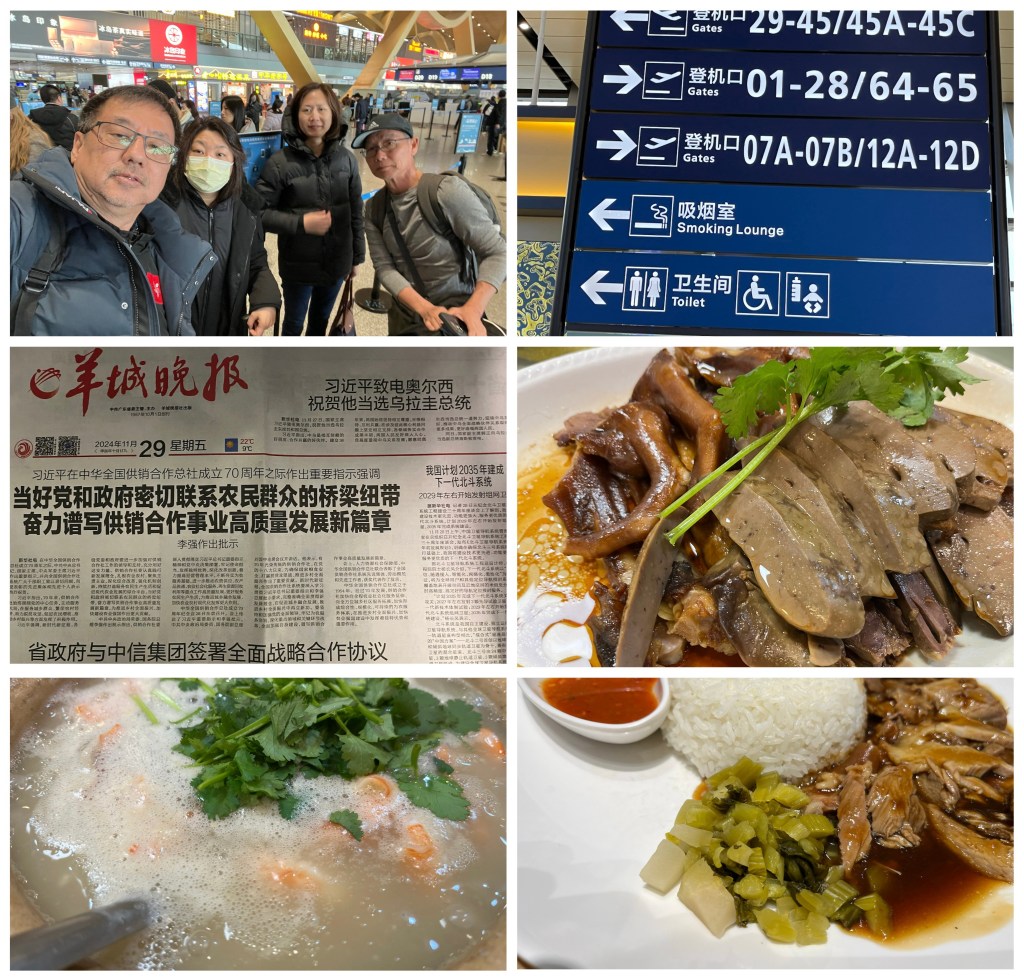
Rediscovering new China videos series: Young Chinese we met showing increasing confidence on the future of China through engagement and observation witnessing China’s rise and the west rapid decline. Even the chain restaurants we have dinner tonight gives service guarantees written on the service check and the servers read it out before presenting it for payment. We have ordered 18 menu items for 7 people cost only RMB$888 or US$128 at this 1st class environment with excellent service. There is no tax and tipping requirement thus saving US$39. It is at least 60% less expensive than US. We have also visited the old Huangpu Military Academy and the estates of a Chinese family before 1949 as well the old and new Guangzhou City 重新發現新中國影片系列:越來越多的中國年輕人透過參與和觀察眼見東升西降,對中國的未來表現充滿信心。我們今晚吃晚餐的連鎖餐廳也提供服務保證,寫在帳單上,服務員在讓我們付款前會讀出它。今晚我們為 7 人點了 18 種菜式,價格僅為 888 元人民幣或 128 美元,在這個一流的環境和優質的服務中。無需繳稅和小費,因此可節省 39 美元。比美國便宜最少六成. 美國這個美元過剩,種族歧視的國家,物價貴服務差. 難怪不少美國華僑返回中國退休或工作. 在一個民主,自由,安全的環境下過著安逸生活. 我們也參觀了舊中華民國黃埔軍校和1949年以前的華人家庭莊園以及新舊廣州城.
https://youtu.be/5XnNYZYMhgU?si=FB0jbXtfr_Pf3vpW
https://www.tiktok.com/t/ZP8NJppYq/
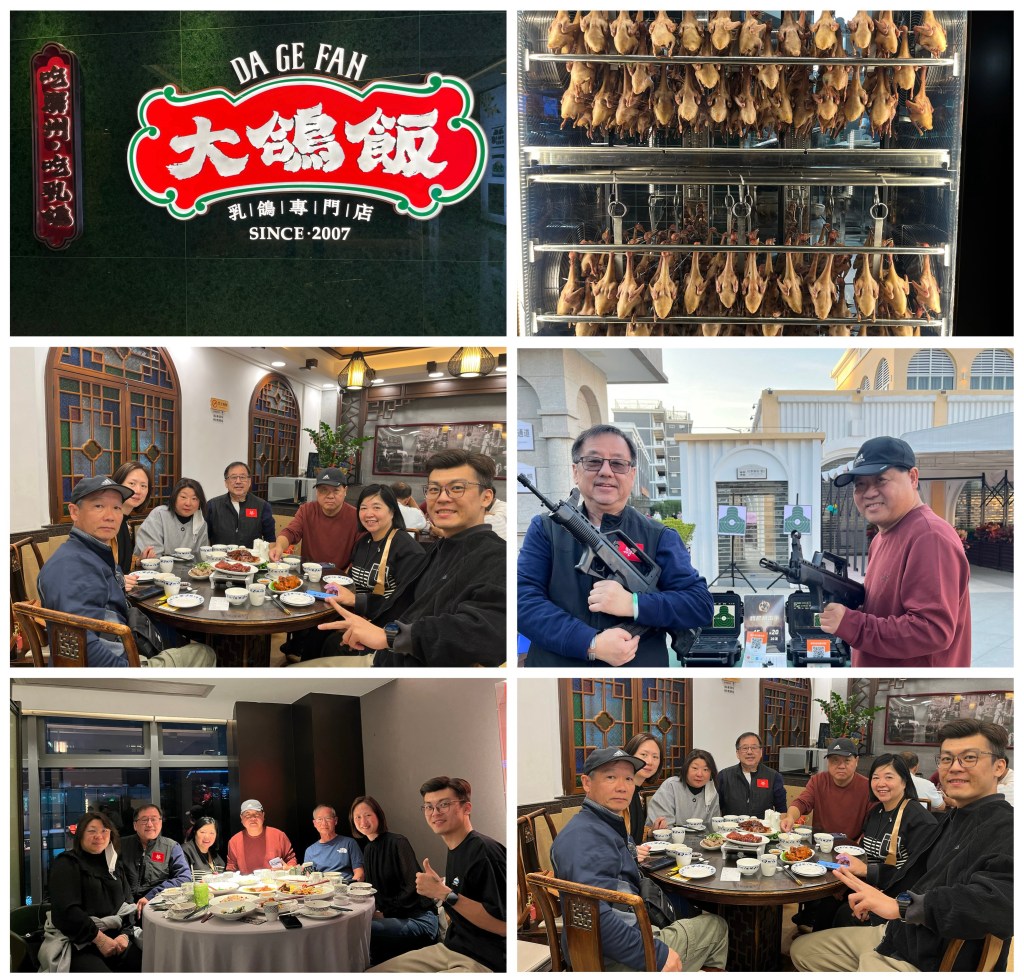
Learn more about China journey video: Pearl River, Guangzhou, China 重新深入了解中國之旅: 美麗的中國廣州珠江
https://www.tiktok.com/t/ZP8NJuqoN/
https://youtu.be/676VMv61j7o?si=Lf15_ucOiqEPMSHB
Video: From Lijiang via high speed train to Kuming via China Eastern to Guangzhou to meet old friends from SF Larry Yu, a popular SF Singtao radio personality and others. Kuming is the major transportation hop of Yunnan. There is no less than 100 restaurants at Kuming airport. Larry’s old friend send his executive assistant to pick us up from the airport, an amazing guy with relatives in SF and Sacramento left US to find better life in China. He is amazed how everything overpriced in America selling 6-10x more than China. 從麗江搭高鐵到昆明,經東航到廣州,與美國三藩市的老朋友, 星島電台最受歡迎的主播之一,也是仇中者恨國家攻擊的首要對象,前 Charles Schwab 總裁,中美尊家余錦光等人會面。昆明是雲南的主要交通樞紐。昆明機場有不少於100家餐廳。余錦光的老朋友, 一位香港上市公司主席, 派他的行政助理來機場接我們,他是個很棒的人,他在舊金山和薩克拉門托都有親戚,放棄美國籍,離開美國到中國尋找更好的生活和出路, 也是一位業餘賽車人,他很驚訝美國的所有東西都定價過高,價錢比中國高 6 至 10 倍. 美元產能過剩的情況嚴重. 來到廣州下飛機第一件事就是美食.
https://youtu.be/oKstwGq91p0?si=26BGXRdzqdov78Y5
https://www.tiktok.com/t/ZP8N1n43H/
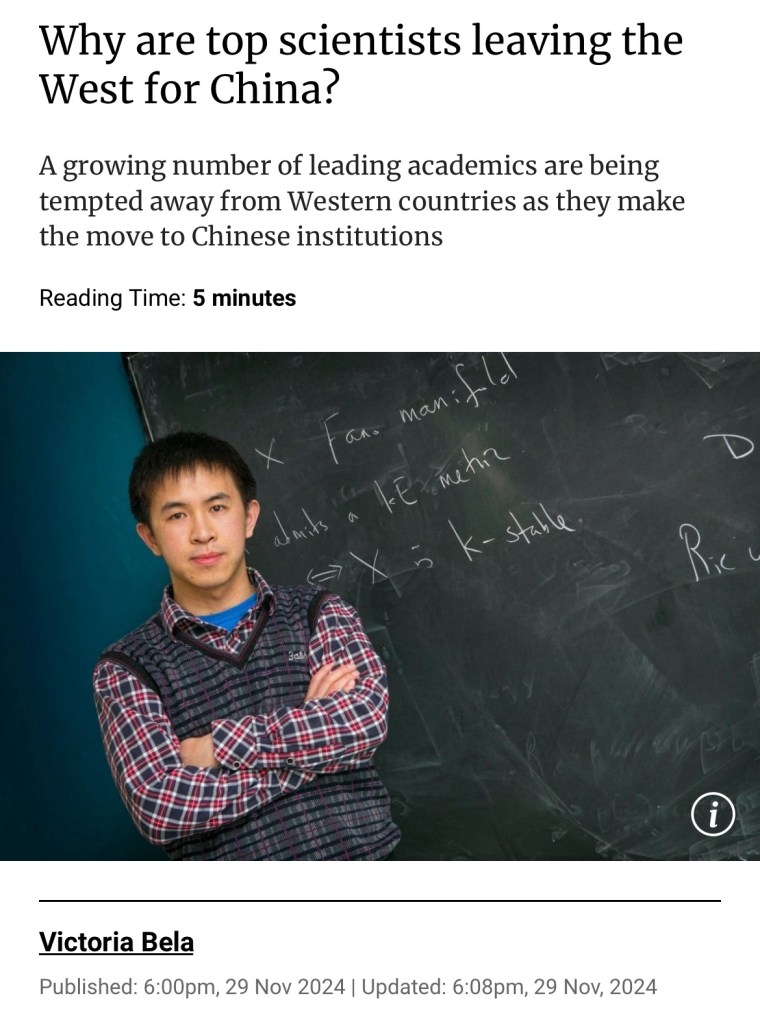
There is absolutely no future for Chinese Scientists in the US 中國科學家在美國絕對沒有未來
After more than a decade of working in the US, at the start of this year, star geometer Sun Song made the move back to China.
He joined Zhejiang University’s Institute for Advanced Study in Mathematics after leaving his most recent post as a professor at the University of California, Berkeley.
Sun, who has been hailed as a strong candidate for the Fields Medal, also known as the “Nobel Prize for mathematics”, said in a university statement that he wanted to help students in China pursue maths, and to pass on his expertise on to a younger generation.
He joined a growing list of world-leading scientists and mathematicians have taken up roles at Chinese universities this year, after relocating from Western countries including the United States, Germany and Australia.
While some have said they were swayed by China’s scientific strength, others have been drawn by the opportunities to take on leading roles to help advance the country’s scientific push.
Both ethnic Chinese researchers and foreign researchers who have joined institutes in China have indicated that its rising academic power – as well as its base of young talent – is a major draw.
Mathematics has seen a particularly high influx of top-level expertise in recent years, which may signal China’s growing competitiveness and influence within the field.
While some mathematicians say that China is still decades behind the US, others – including this year’s winner of the Shaw Prize in Mathematical Sciences, Peter Sarnak – say China is becoming very competitive and the country has “tremendous talent”.
Before recruiting Sun Song this year, Zhejiang University also attracted former University of Michigan geometer Ruan Yongbin in 2021 and Harvard University number theory specialist Liu Yifei in 2022.
Award-winning Japanese mathematician Kenji Fukaya said he hoped more Chinese-born researchers would return to the country, both to teach and to help build a community of highly skilled mathematicians.
He joined Tsinghua University as a full-time professor in September, after leaving US-based Stony Brook University.
Fukaya, who focuses on symplectic geometry in research that bridges maths and physics, said Chinese students showed strong dedication and focus when studying mathematics, reminding him of Japanese students from his youth.
In November, the Post found that two more award-winning China-born mathematicians had also returned to teach after decades abroad.
Ma Xiaonan, who taught in institutions in France and Germany for several decades, joined Nankai University in Tianjin as a chair professor at the Chern Institute of Mathematics.
The leader in global analysis on manifolds and complex geometry said he was attracted to the institute due to its “strong academic foundation and spirit of innovation”, and intended to cultivate new talent with innovative skills and a global perspective.
And Chinese-Australian mathematician Wang Xujia returned to his hometown of Hangzhou to join Westlake University after nearly three decades abroad, most recently at the Australian National University’s Centre for Mathematics and its Applications.
Wang, well known for his work on differential equations, received the Australian Mathematical Society Medal in 2002, and in 2007 he was the first mainland Chinese PhD recipient to win gold in the Morningside Mathematics Prize, sometimes referred to as the Chinese Fields Medal.
Another draw for professors taking up roles in China has been the potential to expand their academic resumes, which includes setting up new institutes.
French physicist Gerard Mourou, Nobel laureate and a pioneer of the field of electrical engineering and lasers, joined China’s top-ranked Peking University as a chair professor in October.
The university announced that Mourou would play a crucial role in the establishment of a new institute at the school of physics focused on research and international collaboration.
In 2018 after he was awarded the Nobel Prize for physics, Mourou said at an event in Beijing that the gap in scientific progress “is really narrowing” and that the Chinese government better prioritised science than in the US.
Nanotechnology and nanoscience specialist Wang Zhonglin, also known as the “father of nanogenerators”, was officially sworn in as the director and inaugural chief scientist of the newly chartered Beijing Institute of Nanoenergy and Nanosystems in July.
Wang Zhonglin, who was first in this year’s Stanford/Elsevier ranking of the top 2 per cent of scientists worldwide, helped start the institute over a decade ago while still working at the Georgia Institute of Technology.
Wang remained a professor and director of nanostructure characterisation at Georgia Tech throughout the construction of the institute, but his research affiliation switched in 2023 and multiple sources confirmed he had moved to China full-time to head the new institute.
Nanoscience and nanotechnology are of vital interest to both Beijing and Washington because of their wide applications in medicine, industry, energy and military technology.
Retired Harvard University nanoscientist and chemist Charles Lieber confirmed to the Post in August that he was exploring work opportunities in different institutes, including in mainland China and Hong Kong.
Lieber, named the leading chemist in the world from 2000 to 2010 for cumulative impact and citations, was convicted in the US in 2021 for failing to disclose ties to a Chinese talent programme and tax violations.
The nanoscientist was targeted under the now-defunct China Initiative, which launched in 2018 under the Trump administration to investigate researchers believed to be contributing to the theft of technical secrets and intellectual property.
The initiative led to racial profiling of ethnic Chinese researchers as well as bias against researchers with any ties to the country, and became a major push factor for ethnically Chinese researchers to leave the US and join institutes in China.
With president-elect Donald Trump’s impending return to the White House next year, ethnic Chinese researchers in the US have mixed emotions about how they will be treated, which could lead to another exodus of talent from the country.
Some of the researchers returning to China this year indicated that they had missed the country or had always planned to return from abroad.
Multi-award winning Chinese-American physicist Gao Huajian joined Tsinghua University at the start of the year after more than four decades teaching across the US, Europe and Asia.
Gao said in a video posted by the university in January that he was thrilled to return to China to inspire passion for research among students, and that he had been wanting to return to the country for a long time.
The return to China of “star” twin scientists Ma Donghan and Ma Dongxin following the end of their postdoctoral research in North America was celebrated on Chinese social media after an announcement by their alma mater Tsinghua University.
Ma Donghan joined Dalian University of Technology with a focus on microscopy, while Ma Dongxin, whose expertise is high-performance LED lights, returned to Tsinghua.
According to Tsinghua, Dongxin said that while her research abroad “went smoothly”, she did not feel like she belonged in North America and had been looking forward to returning to China after completing her studies.
Several scientists working in climate and energy-related fields have also returned to China this year. Highly cited climatologist Chen Deliang joined Tsinghua University in November after more than three decades in Europe, most recently at the University of Gothenburg in Germany.
Energy engineer Zhang Xiangyu left the US National Renewable Energy Lab, where he worked on energy efficiency projects, and joined Southeast University in Nanjing in August.
The incoming Trump administration has sparked worry among those working in the environment and climate fields, as the former president has promised to roll back on climate legislation, pull out of the Paris Agreement and boost fossil fuel production.
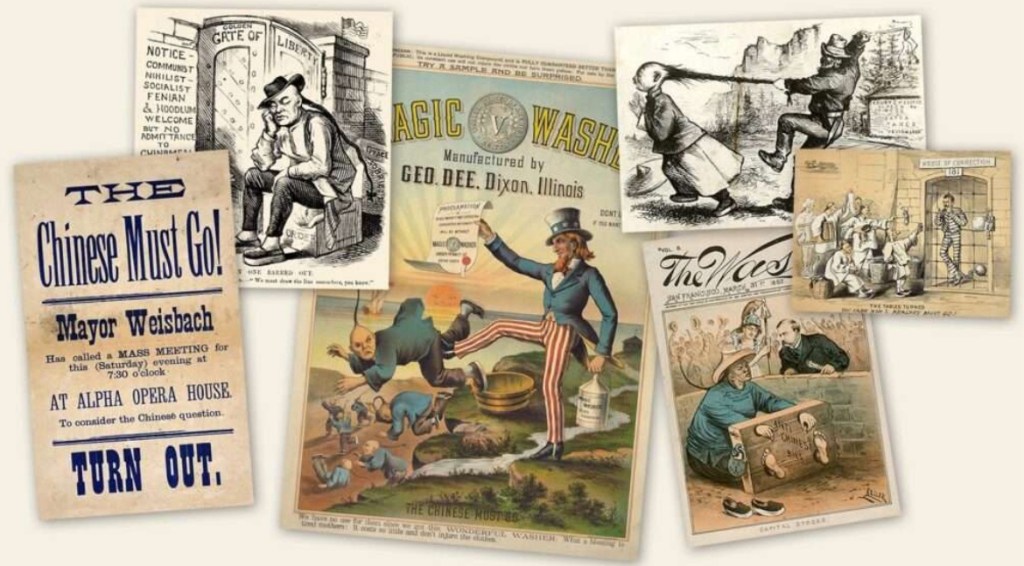
More than half of the Chinese in US hated to be Chinese. Three steps on how Chinese in US can legally abandon their ancestors: 1) If you are married, divorce your wife and marry an AngloSaxon woman 2) Fill in the AngloSaxon woman’s surname on your children birth certificate 3) In US your children’s race is based on the mother’s, fill in AngloSaxon on the birth certificate. After that your children could proudly and notoriously attack Chinese American with the AngloSaxon 超過一半的美國華人討厭自己是中國人. 華人如何合法地棄祖忘宗三步曲: 1) 如果你已婚, 掉下你的法妻,娶一個鬼婆 2) 在兒女出生紙上填寫鬼婆的姓氏 3) 因為美國種族是跟母親,出生紙種族填上白人. 之後你的孩子們就可以和你自豪地和白人一起攻擊華裔美國人. 成為一個真真正正的美國人,比其他美國華人高人一等.
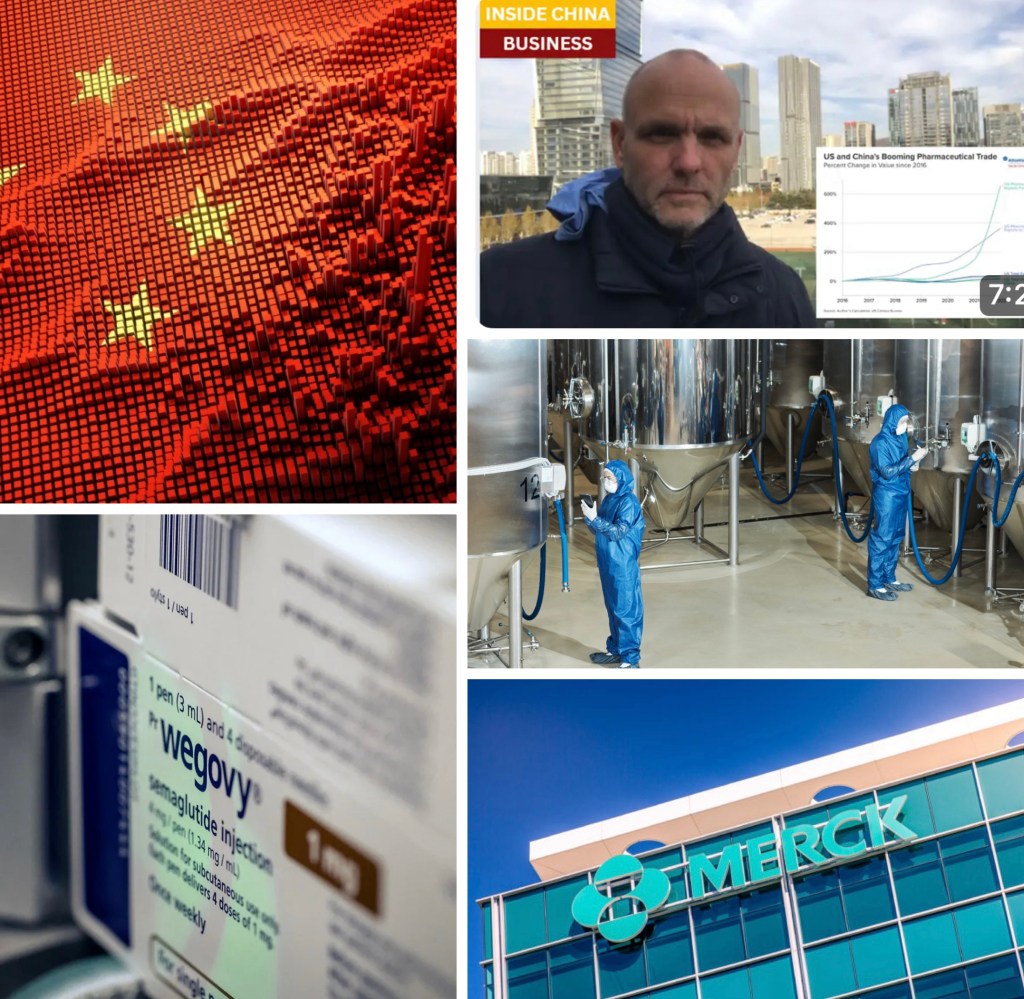
American logistics expert reports from China video: Trump tariffs will be paid by American not China, ALL sanctions by US & EU have failed miserably. Wegovy, and why one fat American is worth more than 7 fat Chinese. 美國物流專家從中國視訊報道:川普關稅將由美國納稅人而不是中國支付,美國和歐盟的所有製裁都慘敗。 Wegovy,以及為什麼一個美國胖子比七個中國胖子值錢
https://youtu.be/W0MDe0VHbsE?si=KgWsh12hX11YoUBb
https://www.tiktok.com/t/ZP8LofXwG/
https://www.biospace.com/drug-delivery/novos-wegovy-launched-in-china-at-a-fraction-of-us-price
https://www.bloomberg.com/news/articles/2024-11-18/novo-nordisk-launches-wegovy-in-china-with-prices-well-below-us
https://www.atlanticcouncil.org/blogs/econographics/the-us-is-relying-more-on-china-for-pharmaceuticals-and-vice-versa/
https://www.statnews.com/2024/11/14/merck-keytruda-lanova-medicines-pd1-vegf/
https://www.politico.com/newsletters/politico-pulse/2024/10/31/grappling-with-supply-chain-crunch-00186356
American officials are passing new regulations intended to drive Chinese companies out of our pharmaceutical supply chains. And drug companies seem to concur, as they say publicly that they, too, need to diversify away from China.
The reality is the opposite. US and European drugmakers make giant profits from the drugs that are manufactured in China, then licensed for sale in the American market. Their motivation is the enormous price difference, between what patients pay in the United States, compared to the rest of the world.
美國官員正在通過新法規,旨在將中國公司逐出我們的藥品供應鏈。 製藥公司似乎也同意這一點,因為他們公開表示,他們也需要在中國以外多元化。
現實卻恰恰相反。 美國和歐洲的製藥商從在中國生產、然後在美國市場銷售的藥品中獲得巨額利潤。 他們的動機是美國患者與世界其他地區患者支付的費用之間存在巨大的價格差異.
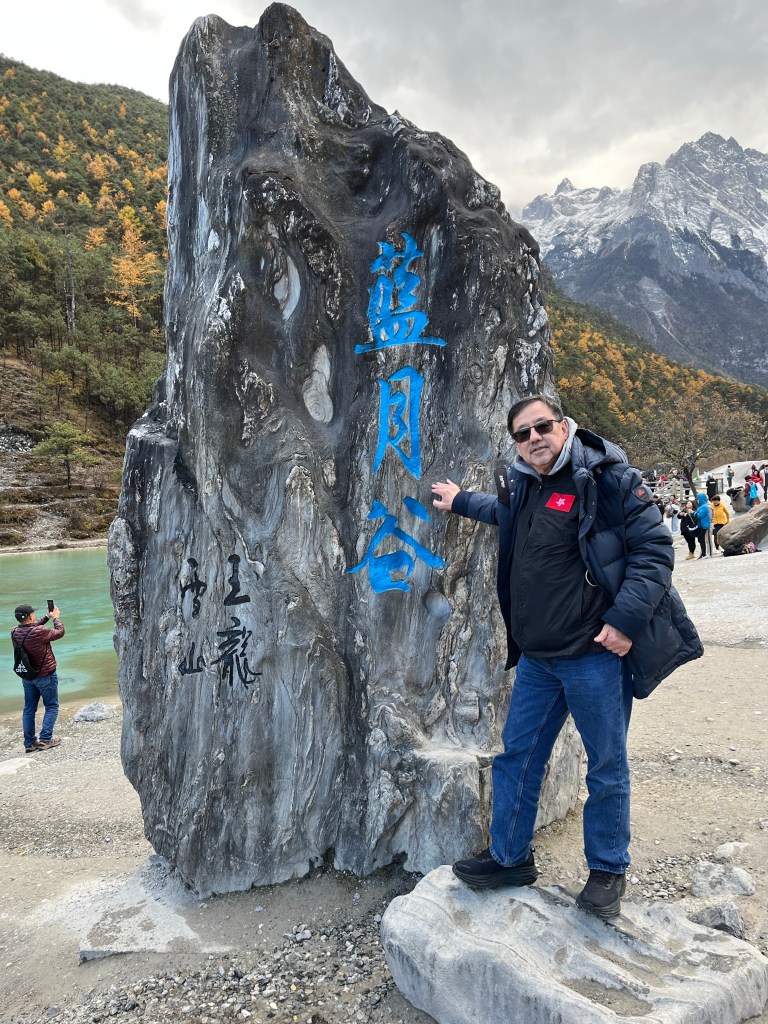
Video: Lijiang Yunnan China, it has continued to amazed me the beauty and how China Gov’t focus on environmental protection. All minorities I have spoken to affirmed Beijing efforts treating everyone equal which is in drastic contrast in US especially for Asian Americans facing racist attacks regularly. The 1882 Chinese Exclusion Acts appealed decades ago, but sadly replaced by dozens of Chinese Exclusion Acts till today. We are expecting more to come under the Trump Administration. Being here in China allowed us to witness the fake news promoted by US medias does not exist. 中國雲南麗江,它的美麗和中國政府對環境保護的關註一直讓我驚嘆不已。我採訪過的所有少數族裔都肯定了北京努力平等對待每個人,這與美國形成鮮明對比,特別是對於經常面臨種族主義攻擊的亞裔美國人來說。1882年的排華法案在幾十年前被推翻, 但遺憾的是直到今天仍被數十部排華法案所取代。我們預期川普政府將推出更多排華措施。不管你愛或者恨中國共產黨,除非你把你的中文姓氏除掉, 否則在美國我們和我們的子孫都冇運行。來到中國,我們親眼目睹了美國媒體宣揚的假新聞並不存在.
https://youtu.be/ROu-5V2VgGM?si=2FXzUw5axpp5KjsK
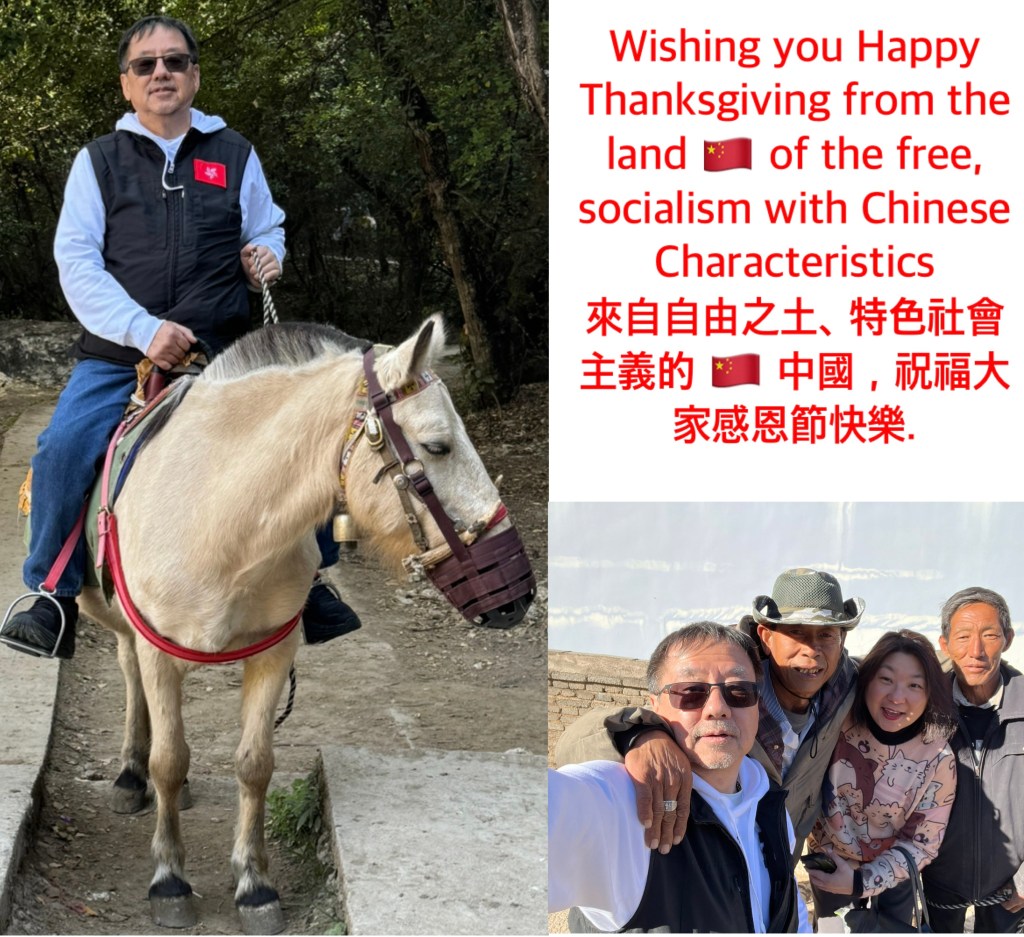
Wishing you Happy Thanksgiving from the land 🇨🇳 of the free, socialism with Chinese Characteristics. 來自自由之土、特色社會主義的 🇨🇳 中國,祝福大家感恩節快樂.
 Business Blog