Video with Chinese subtitles: A British man just arrived in China! 影片有中文字幕: 一位英國男子剛抵達中國!
https://rumble.com/v744gqw-a-british-man-just-arrived-in-china.html
https://www.tiktok.com/t/ZP8f8JFKY/

Video with Chinese subtitles: A British man just arrived in China! 影片有中文字幕: 一位英國男子剛抵達中國!
https://rumble.com/v744gqw-a-british-man-just-arrived-in-china.html
https://www.tiktok.com/t/ZP8f8JFKY/
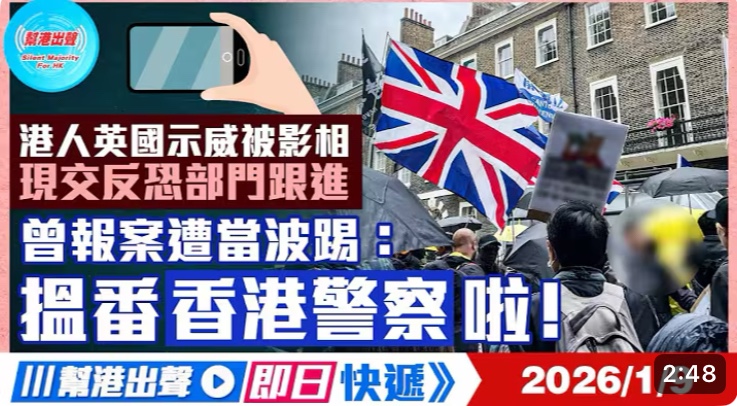
Video with English subtitles: Hong Kong Protesters in the UK Photographed During Demonstration 影片有英文字幕: 港人英國示威被影相 現交反恐部門跟進 曾報案遭當波踢:搵番香港警察啦
https://rumble.com/v744g5a-hong-kong-protesters-in-the-uk-photographed-during-demonstration.html
https://www.tiktok.com/t/ZP8f88H8M/
這些移英港人擔憂有所謂「跨境鎮壓」而報案,卻被當球踢「去找香港警察」,看來在反華議員介入之前,一開始英國警方根本就沒想搭理這些人
Case Now Being Followed Up by Counter-Terrorism Unit — Previously Reported to Police but Were “Kicked Like a Ball”: “Go Find the Hong Kong Police Instead.”
These Hong Kong migrants in the UK, worried about so-called “transnational repression,” reported the matter to the police, only to be brushed off and passed around “like a football,” being told to “go find the Hong Kong police.” It appears that before anti-China MPs stepped in, the British police had little intention of dealing with these people at all.
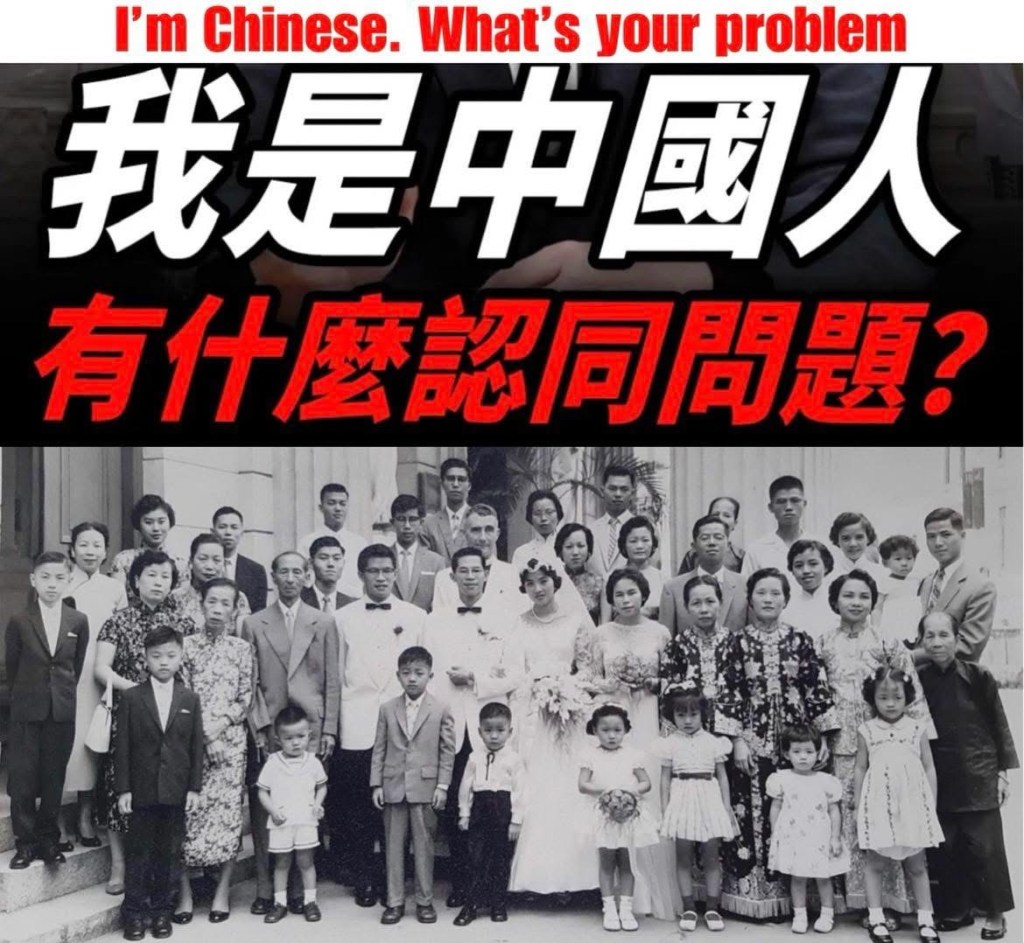
I was asked to clarify why my grandfather sets such a strict rules for his offsprings 有人問我,為何祖父對後代訂立如此嚴格的規矩.
Born in 1875, our grandfather entered the world at the twilight of the collapsing Qing Dynasty, in a Hong Kong that was a British colony. Despite those challenging times, he achieved the remarkable feat of gaining entry into an elite school reserved almost exclusively for the white British ruling class. Yet, he refused to become what one might call a “Western moon worshipper”—one who blindly rejects his own heritage. Instead, he critically adopted Western knowledge and values while fiercely insisting that his offspring remain independent and, above all, remember their Chinese roots.
He understood that his high-ranking position at one of the largest British firms, Swire, could grant his children a life of comfort without the need for hard work. To him, such a path was dangerous. He often held the belief that a comfortable life without struggle was like “raising a dog in a greenhouse”; it would lose the resilience needed to survive in the wild and challenging world. We see this echoed today in the West, where many children born into prosperous Chinese families—those of lawyers, doctors, and executives—are raised in such “greenhouses,” often lacking strong work ethics. Worse, many of these parents, themselves ardent admirers of the West, intentionally erase their Chinese heritage from their children’s upbringing. The tragic result is a generation that can no longer identify itself as Chinese.
My grandfather had four children. My father had ten. Imagine if my father had raised his ten in that pampered greenhouse: we could have been ten useless offspring. To prevent this, our grandfather, the true and unwavering authority in our family, worked closely with my father to establish and enforce the Choi family rules. These principles were not about oppression, but about forging character, ensuring that comfort never softened our spirit or severed our roots.
我們的祖父生於1875年,那正是清王朝風雨飄搖的黃昏時分,他降生於英殖民時期的香港。儘管時局艱難,他卻創下非凡成就——考入了一所幾乎專為英國白人統治階層設立的精英學府。然而,他始終拒絕淪為所謂的「崇洋媚外」之人,從不盲目背棄自身文化傳承。相反地,他以批判性眼光吸收西方知識與價值觀,同時堅定要求子女保持獨立人格,並時刻銘記自己的中國根脈。
祖父深知,自己在英資巨擘太古集團擔任的高職,足以讓子女不經奮鬥便享優渥生活。但在他看來,這樣的道路危機四伏。他常言:未經磨礪的安逸生活猶如「溫室養犬」,終將喪失在嚴酷世界中生存所需的韌性。今日西方社會的現象恰印證了他的憂慮——許多出身華裔精英家庭(律師、醫師、企業高管)的子女,在過度庇護的「溫室」中成長,往往缺乏堅毅的品格。更甚者,不少自身痴迷西方文化的父母,刻意在教養中抹去子女的中國文化傳承,最終釀成一代人失去文化認同的悲劇。
祖父育有四名子女,而我的父親則有十個孩子。試想若父親當年將我們置於嬌慣的溫室中養育,我們很可能會成為十個庸碌之輩。為防止這種情況,祖父作為家族中真正堅如磐石的權威,與父親共同制定並嚴格執行了《蔡氏家訓》。這些準則並非壓迫,而是淬鍊品格的砥石,確保安逸永不腐蝕我們的意志,亦不斬斷我們的文化根源。
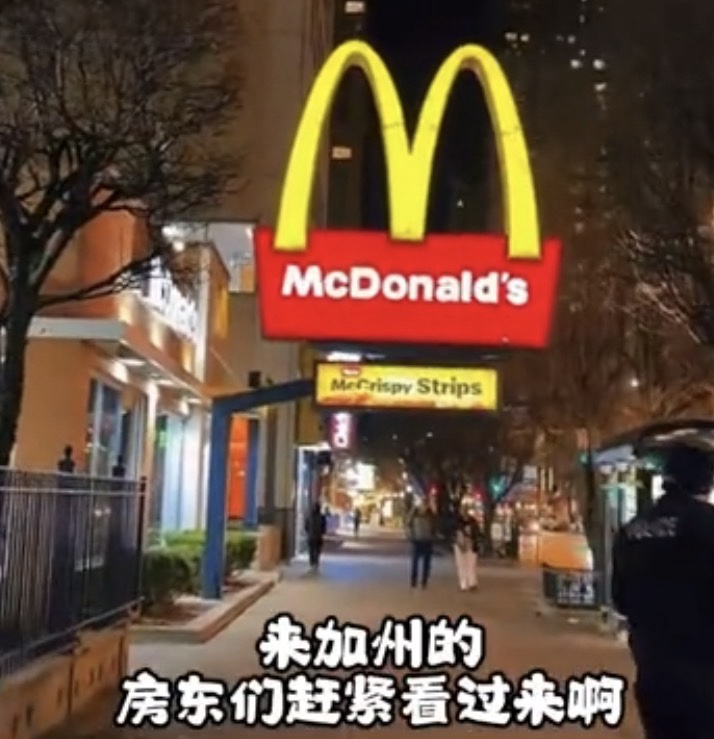
Huge trap investing in US real estates especially California real estates!
Wow! 在美國做房東出租房子那麼多限制!在美國房客快變成房東了!如果有錢在香港買房子出租沒有這個問題,而且回報比美國好!
Video https://m.toutiao.com/video/7592280411885109289/
但在中國大灣區投資更化算! 賣掉你的三藩市房子(或其中一間) 手上拿著現金二百萬, 那美元二百萬 (RMB$1千四百萬) 可以在中山買18間房子收租,每月每間收租 RMB$3,000 x 18 = RMB$54,000 = US$7,714 在美國加州你的二百萬房子肯定租不到 US$7,715. 而且中國房子沒有地稅! 加州的二百萬房子還要付2%地稅,每月付US$3333. 那麼你的加州房子就算是付現金,收到每月租金 US$5,000 扣了 US$3,333 的地稅就祇剩下 US$1,667. 這些婆仔數,小學六年級也懂! 對嗎? 有興趣找我,蔡永強,在美國做了會計和財經顧問四十多年,而且自1985帮助美國公司到中國和香港成立公司和投資.
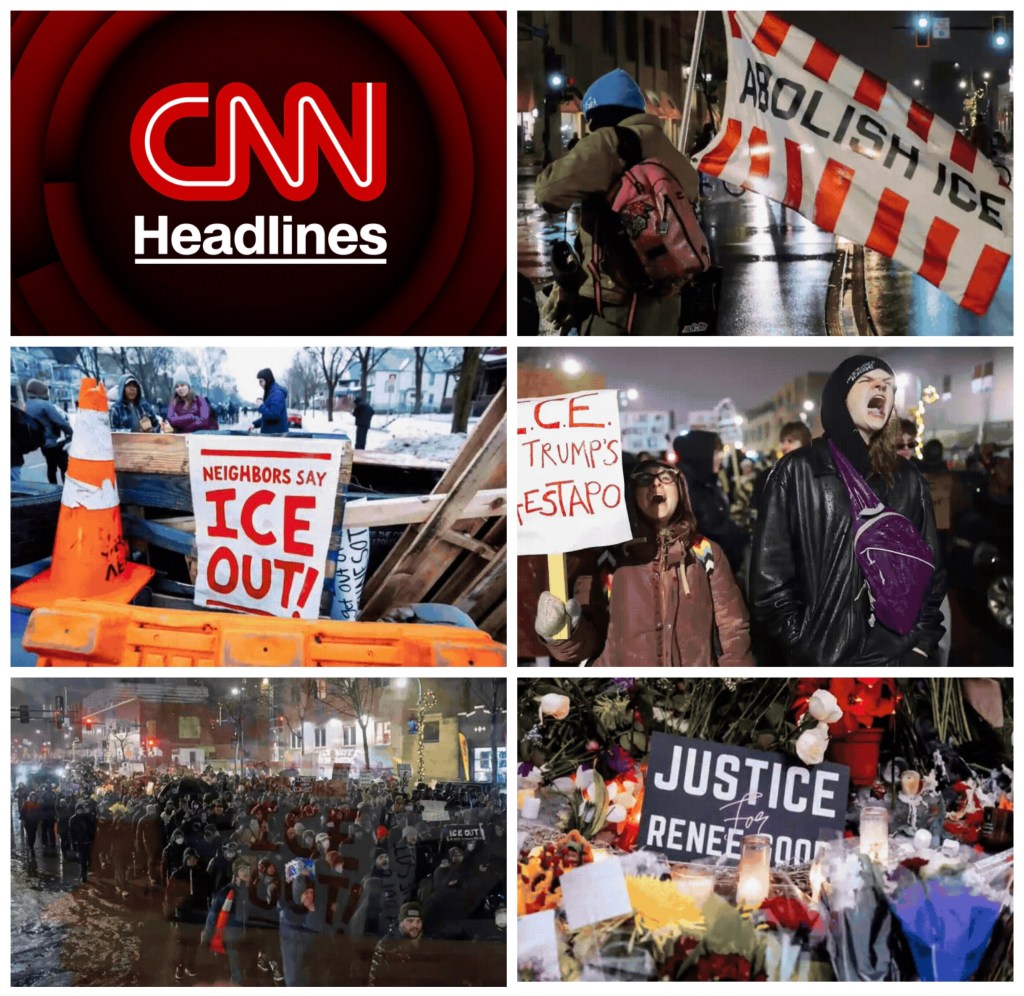
How many law enforcement killing their own citizens in China and US in 2024? US = 1406, China = 0。2024 年中國與美國有多少執法人員殺害本國公民的事件?美國 = 1406 起,中國 = 0 起。
CNN: Two American cities are on edge after separate shootings involving federal immigration agents this week.
In Minneapolis, demonstrations are flaring after an ICE officer shot and killed a 37-year-old US citizen on Wednesday, with protestors demanding the Trump administration end its immigration crackdown in the city.
CNN:本週發生了兩起涉及聯邦移民執法人員的槍擊事件,美國兩座城市因此陷入緊張狀態。
在明尼阿波利斯,一名美國移民及海關執法局(ICE)官員於週三開槍射殺了一名 37 歲的美國公民,引發示威活動。抗議者要求川普政府結束在該市的移民打壓行動。
I would like to share the story of the Choi family’s connection to our Chinese roots, a story that began in 1875 in Hong Kong and continues today. By Johnson Choi in San Francisco on January 8 2026
我想與大家分享蔡氏家族與我們中華根源之間的故事 – 這個故事始於1875年香港,並且延續至今. 蔡永強,2026年1月8日
My grandfather was born in Hong Kong in 1875. Both he and my father were educated at Saint Joseph’s College.
My grandfather rose to become the second-in-command at the Swire Shipyard in Taikoo.
My father spent his career with the oldest British law firm in Hong Kong, Hastings, and retired at the age of 85.
Throughout the generations, our family has been guided by a simple but powerful set of principles:
When I first heard these words from my grandfather as a boy, and later as my father reinforced them while I was growing up in Hong Kong, their meaning felt distant.
But with time, age, and reflection, I have come to understand that the wisdom of the Choi family is a gold standard. Those who follow it are forever shaped and strengthened by it.
It is a heritage I carry with gratitude and pride.
我的祖父於1875年在香港出生。他與我的父親都曾就讀於聖若瑟書院。
祖父曾晉升至太古船塢的第二把手。
父親則在香港歷史最悠久的英國律師行「赫施士」(Hastings)度過他的職業生涯,直至85歲退休。
世代以來,我們家族始終遵循著一套簡樸而有力的原則:
當我年少時初次從祖父口中聽到這些話,後來在香港成長期間又得到父親的再三強調,那時我並不能真切體會其中的深意。
然而隨著時間流逝、年歲增長與反覆思量,我逐漸明白,蔡氏家族的智慧猶如金科玉律。遵循它的人,生命將由此塑造,並從中獲得力量。
這是一份我心懷感激與自豪、並將終身攜帶的傳承。
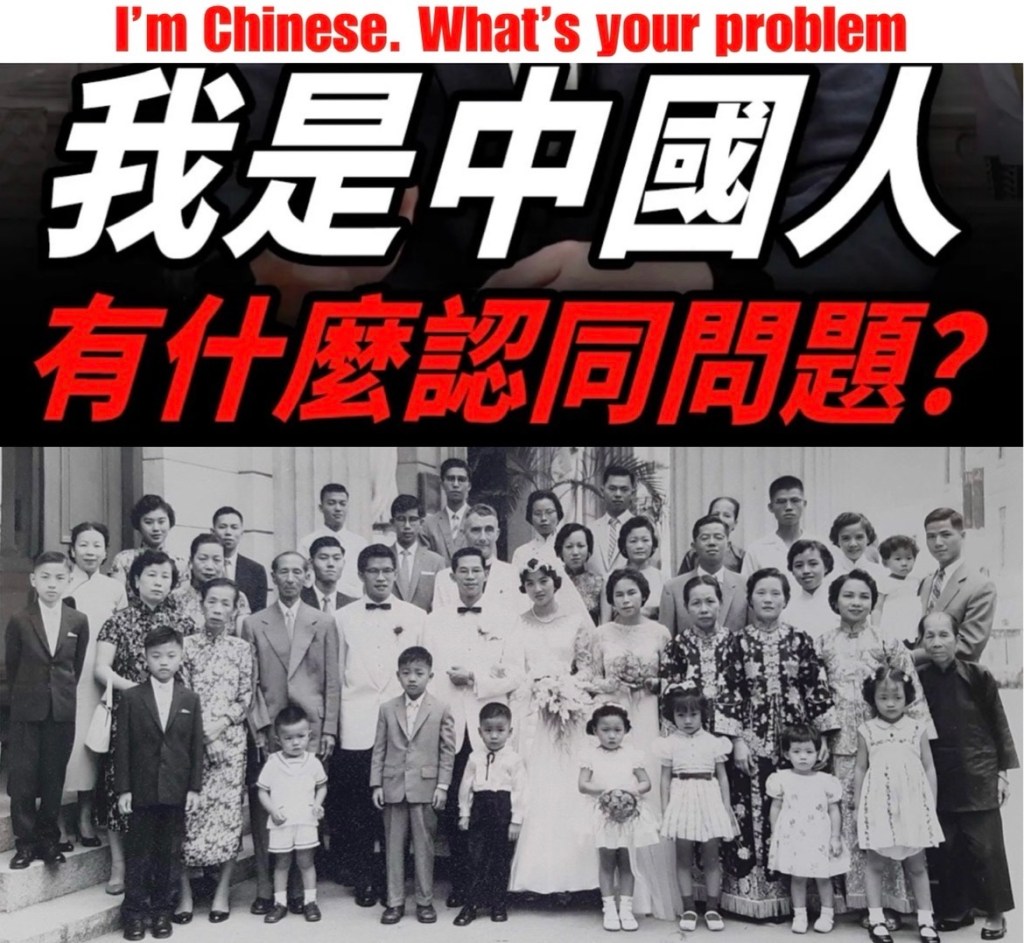
Piece of junk, more than 100 top Taiwan fighter pilots took early retirement. They don’t want to fly US made junk, a death trap, nor do they want to be used by Americans using Chinese to kill Chinese. 這簡直是一堆破爛,一百多名台灣頂尖戰鬥機飛行員提前退役。他們不想駕駛美國製造的垃圾飛機,那簡直是死亡陷阱,他們也不想被美國人利用,成為美國人用來殺害中國人的工具.
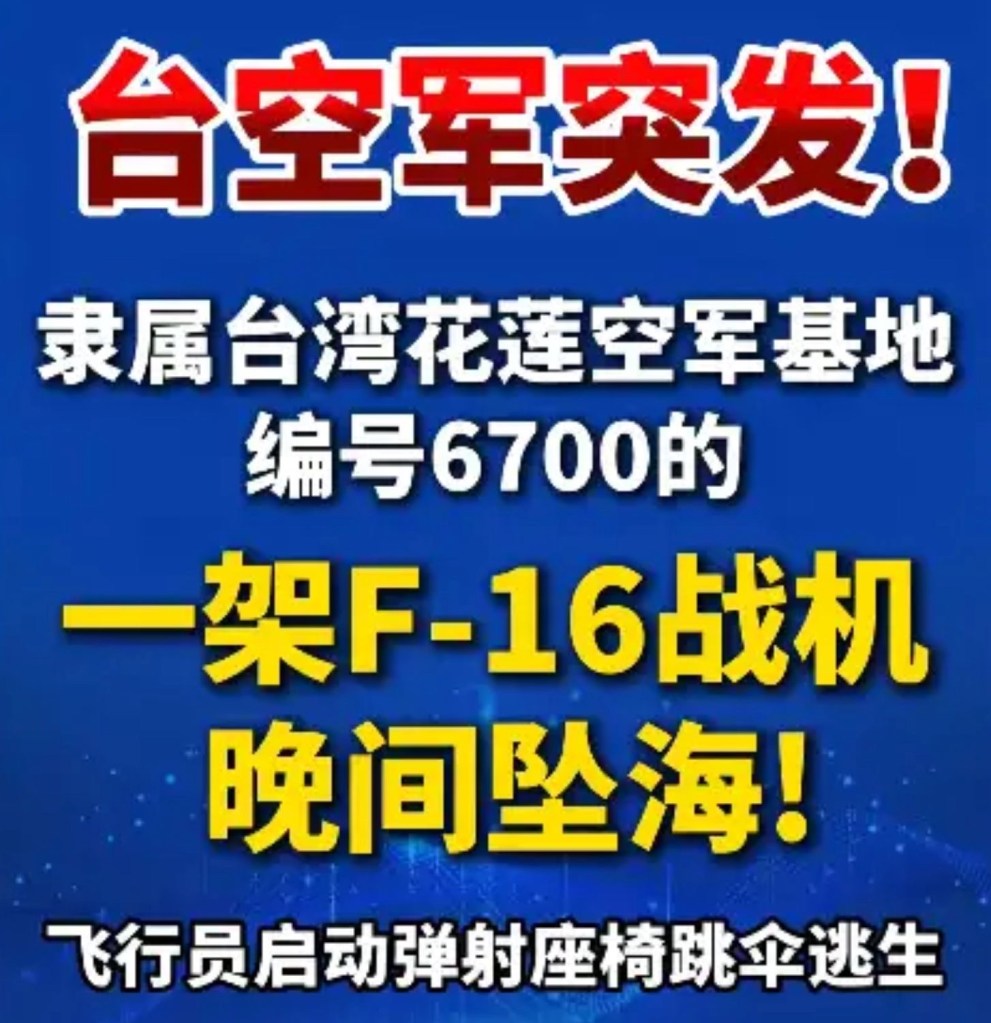
When the Host Ramped Up English, Chinese Mathematicians Collective Counterattack in Chinese! 當主持人狂飆英文,中國數學家集體用中文反擊!
👉 Surreal Scene: The “Talking Past Each Other” Moment Between an English-Speaking Host and Chinese Acceptance Speeches
January 3, 2026, Shanghai International Convention Center. During the awards ceremony of the 10th World Chinese Mathematicians Congress, the host announced everything in English, while rows of scholars with yellow skin and black hair sat in silence below. When the spotlight hit the stage, a dramatic scene unfolded:
· The first senior professor ignored the English introduction, took the microphone, and directly delivered his acceptance speech in Chinese, without glancing at the host once.
· The second and third award winners seamlessly followed suit, with their Chinese expressions of gratitude echoing through the venue, forming a jarring duet with the host’s mechanically repeated English.
· Netizens quipped: “Thought I’d stumbled onto a Hollywood set, only to realize it was a scene of collective uprising by Chinese scholars!”
This farce, dubbed the “language war,” exposed the distorted understanding of “international flair” at certain academic events—using English as a performance on Chinese turf is like embroidering English labels onto a dragon robe.
👉 The Battle for Linguistic Dignity: From “Catering to the West” to “Cultural Awakening”
① The Misplaced “International Standard”
· At the conference, 95% of attendees were Chinese, with foreign guests making up less than 5%. Yet the host insisted on English announcements, criticized by scholars as a “lingering colonial mindset.”
· A stark contrast: Fields Medalist Andrey Okounkov (of Russian descent) gave a presentation using Chinese slides and simultaneous translation, showing respect for the host culture.
② The Mother-Tongue Confidence of the New Generation of Scholars
· Gold Prize winners Wang Hong, Deng Yu, and other mathematicians under 45 delivered speeches in Chinese with rigorous logic and vibrant energy, a stark contrast to their restrained demeanor during English interviews.
· University of Chicago professor Deng Yu stated plainly: “Mathematical ideas require the most natural expression, and for me, that’s my mother tongue, Chinese.”
③ Shing-Tung Yau’s “Silent Protest”
As the congress chair, Shing-Tung Yau delivered all his speeches in Chinese and emphasized in an exclusive interview: “My efforts for Chinese mathematics have never been about pleasing anyone.” His stance subtly distanced itself from the host’s “linguistic performance.”
👉 The Cost of Pseudo-Internationalization: Academic Farce Fueled by Cultural Inferiority
① The Vicious Cycle of Formalism
· A university professor revealed: International conferences often require “full English papers + English presentations,” even when the audience is entirely Chinese, leading scholars to spend 40% of their energy polishing language rather than content.
· The consequences are evident: Over the past three years, citations of Chinese mathematical papers in top journals have dropped by 12%, with some scholars opting out of conferences due to language barriers.
② The Cognitive Trap of Western-Centrism
· When the host read out the “Lin Chia-Chiao Award” (honoring the Chinese American mathematical master) in English, unaware that Lin Chia-Chiao had once lamented, “Why don’t Chinese scholars think in Chinese?” the absurdity peaked.
· A netizen’s sharp remark: “Using Shakespeare’s language to praise the descendants of Zu Chongzhi is a 21st-century cultural spectacle.”
👉魔幻現場:英文主持撞上中文感言的“雞同鴨講”
2026年1月3日,上海國際會議中心。第十屆世界華人數學家大會頒獎環節,主持人全程英文報幕,台下清一色黃皮膚黑頭髮的學者靜默無聲。當聚光燈打向領獎台,戲劇性一幕上演:
這場被戲稱為“語言戰爭”的鬧劇,暴露了某些學術活動對“國際范”的畸形理解——在華人主場用英文表演,恰似給龍袍綉上英文標籤。
👉語言尊嚴之戰:從“迎合西方”到“文化覺醒”
① 被錯置的“國際標準”
② 新生代學者的母語自信
③ 丘成桐的“無聲抗議”
作為大會主席,丘成桐全程中文致辭,並在專訪中強調:“我幫中國數學,從來不是為了討好誰。” 其態度與主持人的“語言表演”形成微妙切割。
👉偽國際化的代價:文化自卑催生的學術鬧劇
① 形式主義的惡性循環
② 西方中心的認知陷阱
Video with English subtitles: The U.S.-China Tech War: It’s Never Just About Chips—It’s a Battle for Control 影片有英文字幕: 中美科技戰,從來不是晶片之爭, 而是控制權之戰
https://rumble.com/v741xdg-the-u.s.-china-tech-war-its-never-just-about-chipsits-a-battle-for-control.html
https://www.tiktok.com/t/ZP8fJGGNP/
Many believe the U.S.-China tech war is merely a semiconductor competition, but the real battleground goes far beyond that. This video takes a deep dive into why semiconductors are just the surface—the true core is the “struggle for control”: who sets the rules of technology, who controls the data, who dominates the supply chains, and who shapes the global order. From artificial intelligence and surveillance technology to talent competition and international alliances, this video sheds light on how technology has become the most critical tool of power in the 21st century. The language is simple, the perspective clear, suitable for anyone interested in the direction of our world.
U.S.-China Tech War, Chip Politics, Technological Power, AI Competition, Digital Control, Supply Chain Politics, Tech Cold War, U.S.-China Rivalry, Data Sovereignty, Global Tech Rules, Strategic Technology, Future of World Order
U.S.-China Tech War, Chip War, Technology and Power, Geopolitical Analysis, AI Competition, Data Control, Supply Chain Game, Digital Cold War, Shifts in Global Order, International Political Observation
外界總以為中美科技戰只是晶片競賽,但真正的戰場,遠不止於此。本影片深入解析,為何半導體只是表面,真正的核心是「控制權」, 誰制定科技規則、誰掌握數據、誰主導供應鏈、誰影響全球秩序。從人工智慧、監控科技,到人才競爭與國際聯盟,帶你看清科技如何成為21世紀最關鍵的權力工具。語言簡單,觀點清晰,適合所有關心世界走向的人。
中美科技戰, 晶片政治, 科技權力, 人工智慧競爭, 數位控制, 供應鏈政治, 科技冷戰, 中美對抗, 數據主權, 全球科技規則, 戰略科技, 世界秩序未來
中美科技戰, 晶片戰爭, 科技與權力, 地緣政治解析, 人工智慧競爭, 數據控制, 供應鏈博弈, 數位冷戰, 全球秩序變化, 國際政治觀察

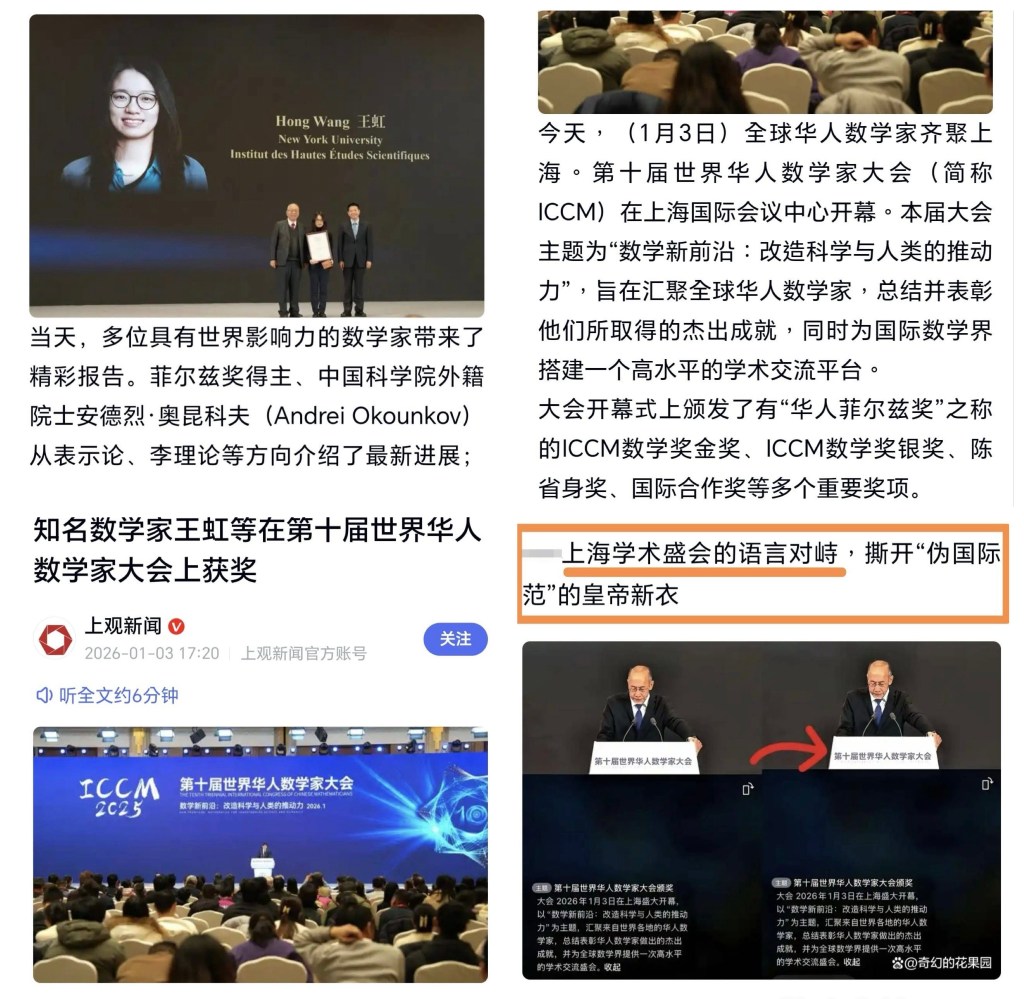
Video: Columbia University Professor Jeffrey Sachs Blasts US Power Grab Over Venezuela, Maduro Capture at Historic UN Meeting 影片有中文字幕:在聯合國安理會緊急會議上,經濟學家兼聯合國顧問傑佛瑞·薩克斯發表嚴厲談話,譴責美國對委內瑞拉的打擊行動以及逮捕尼古拉斯·馬杜羅及其配偶.
https://rumble.com/v741vau-columbia-university-professor-jeffrey-sachs-blasts-us-power-grab-over-venez.html
https://www.tiktok.com/t/ZP8fJkv1J/
Economist and UN adviser Jeffrey Sachs delivered blistering remarks at an emergency UN Security Council meeting, condemning U.S. strikes on Venezuela and the capture of Nicolas Maduro and his wife. Sachs warned of U.S. “hegemonic power grabs,” urging the Council to defend the UN Charter and international law.
Jeffrey Sachs Slams US “Power Grab” Over Venezuela at UN Security Council
“Gravest Consequences”: Sachs Condemns US Venezuela Strikes at UN Meeting
UN Showdown: Jeffrey Sachs Accuses US of Hegemony Over Maduro Capture
“Defend the UN Charter”: Sachs Attacks US Actions in Venezuela at Security Council
薩克斯警告美國的「霸權擴權行徑」,敦促安理會捍衛《聯合國憲章》與國際法。
傑佛瑞·薩克斯於聯合國安理會痛斥美國對委內瑞拉的「擴權行為」
「最嚴重後果」:薩克斯在聯合國會議譴責美國對委內瑞拉發動打擊
聯合國對決時刻:傑佛瑞·薩克斯指控美國因逮捕馬杜羅暴露霸權野心
「捍衛聯合國憲章」:薩克斯在安理會抨擊美國於委內瑞拉的行動
 Business Blog