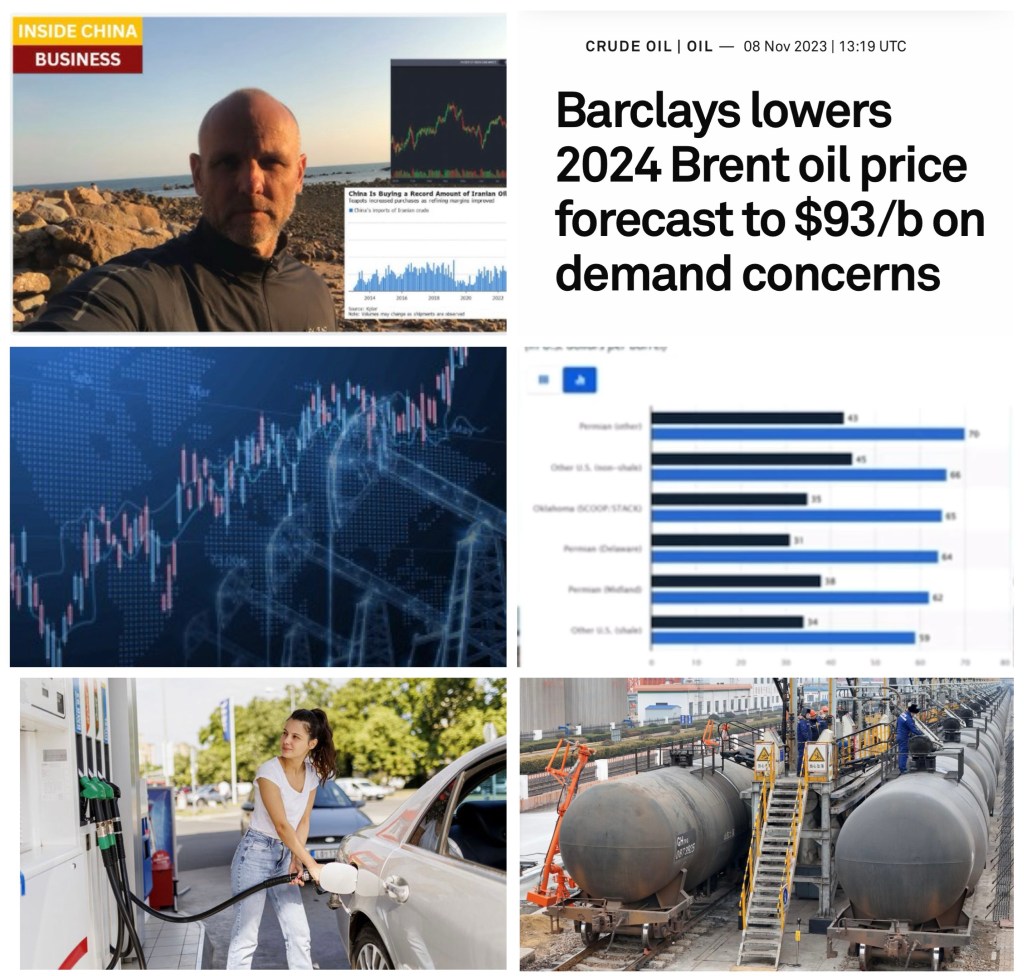
Video: Now it’s oil decoupling, China, BRICS and OPEC+ build new trading system, locking out US suppliers and banks 現在是石油脫鉤,中國、金磚國家和OPEC+建立新的貿易體系,將美國供應商和銀行拒之門外
China and Iran developed a comprehensive energy market, involving shadow fleets of tankers and a system of rebranding oil for domestic use, or for further export to other Asian countries. Russia has since joined, after sanctions were placed on oil producers and banks there.
The result is a parallel economy that now totals millions of barrels per day in shipments to China by OPEC+ countries, and a sharp decline in global demand from Western suppliers. The implications for US and European oil suppliers are very negative, as global crude prices are now far below profit breakeven levels. Already, US oil majors are shelving oilfield development projects, and reducing active rig count.
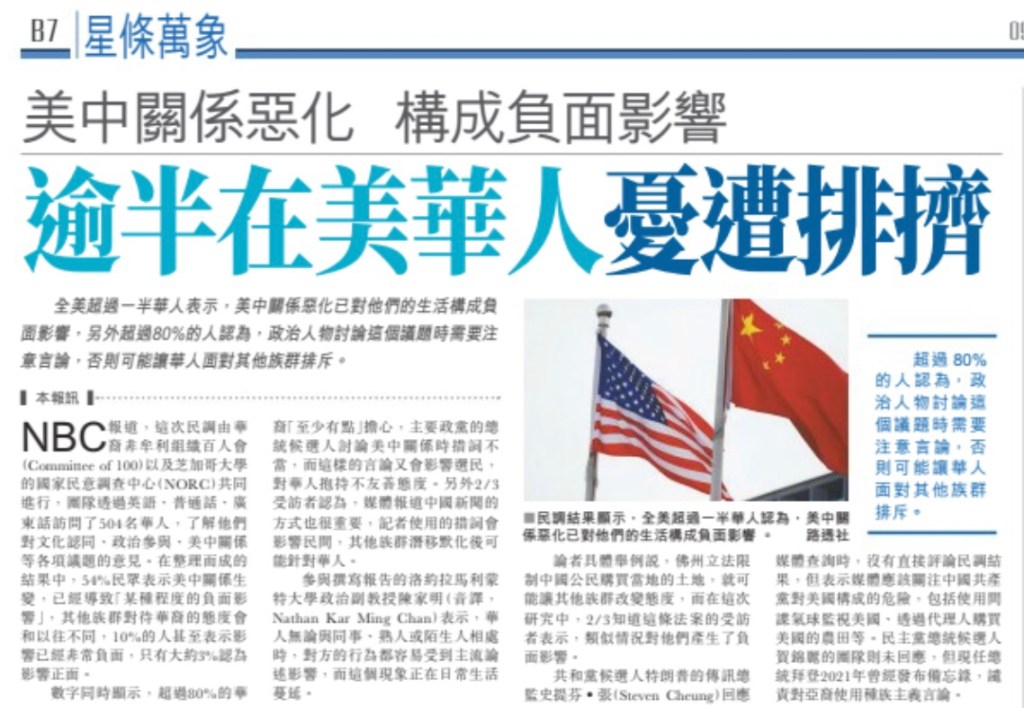
Stay or leave America, some people has options, but failed to use it to save yourselves and family. 10,000+ Chinese-American scientists already left US according to Stanford University 你是窮人年老非智識分子不能逃離美國,大家理解。但如果你年輕高學歷或有1-3百萬美元財產還要留在美國或沒有長或短期計劃逃離美國,請不要抱怨,就繼續受苦吧,出了事很難有人會同情你. 史丹佛大學表示已有超過1萬名華裔科學家已經離開美國。
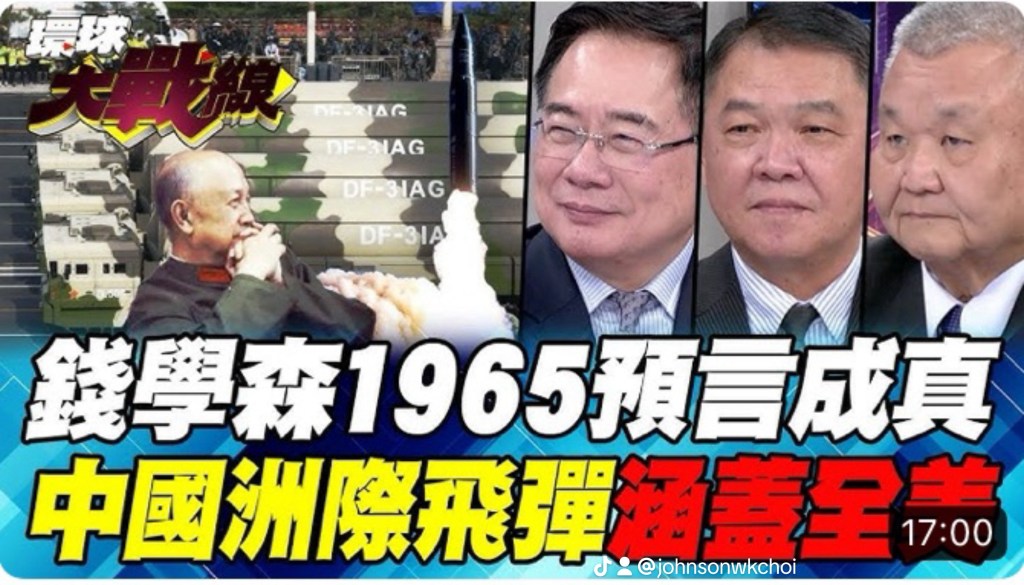
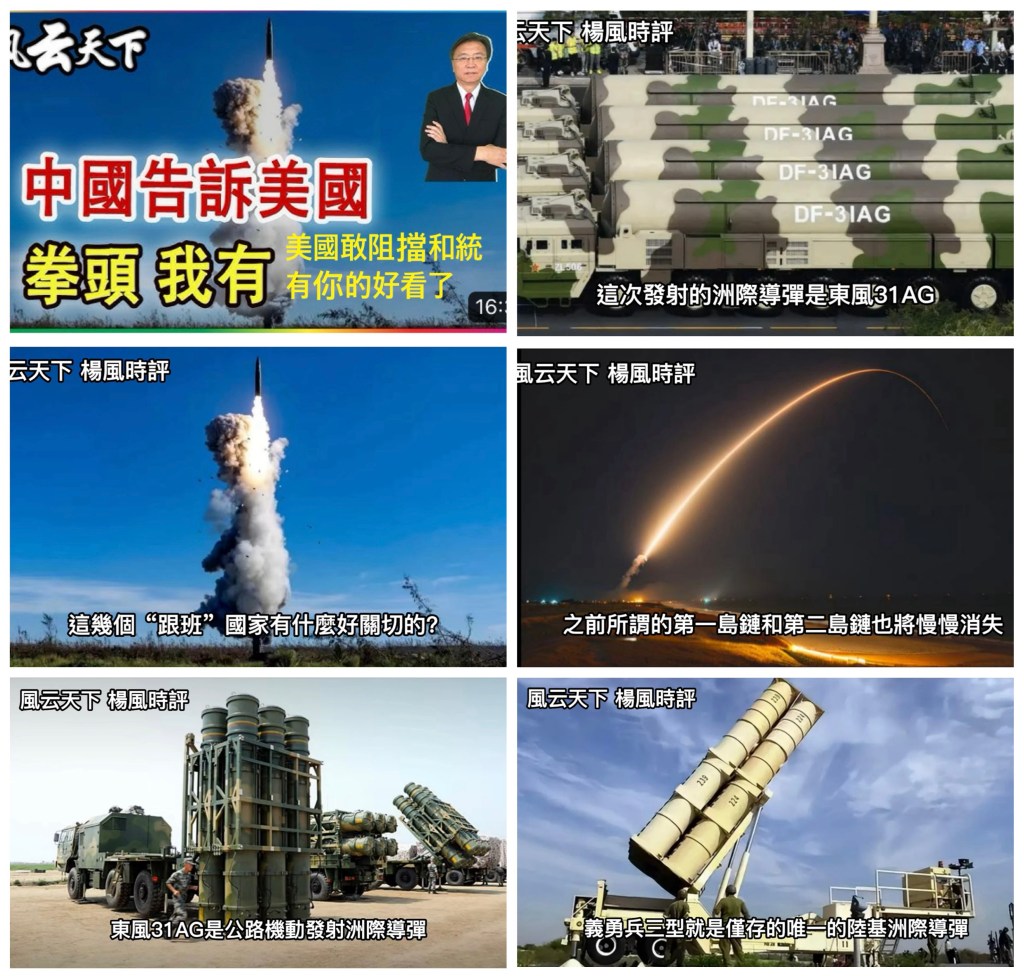
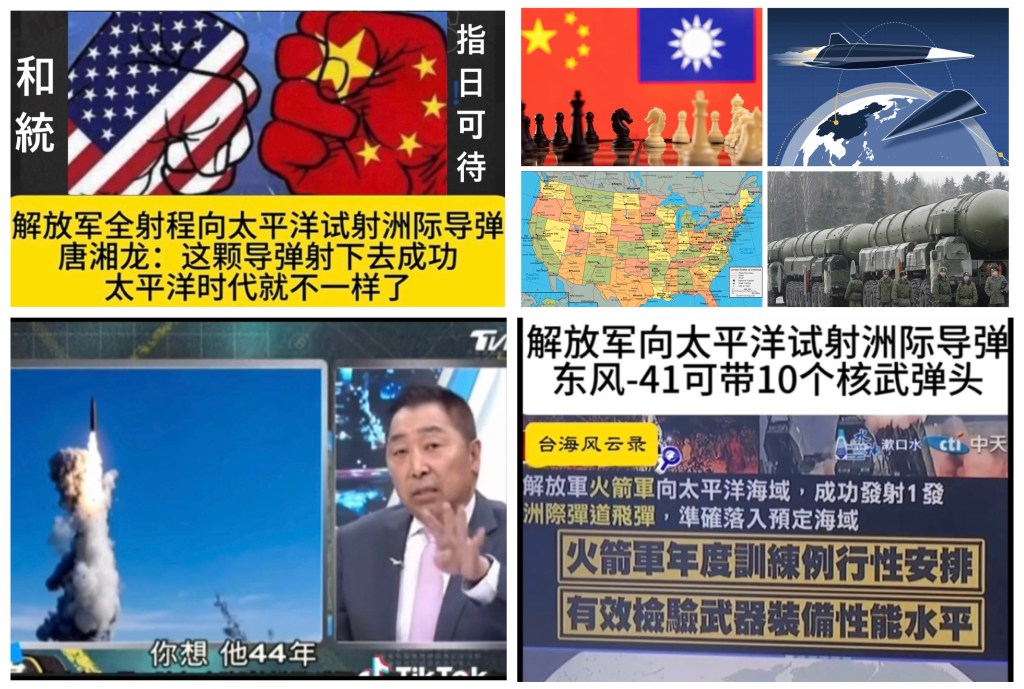
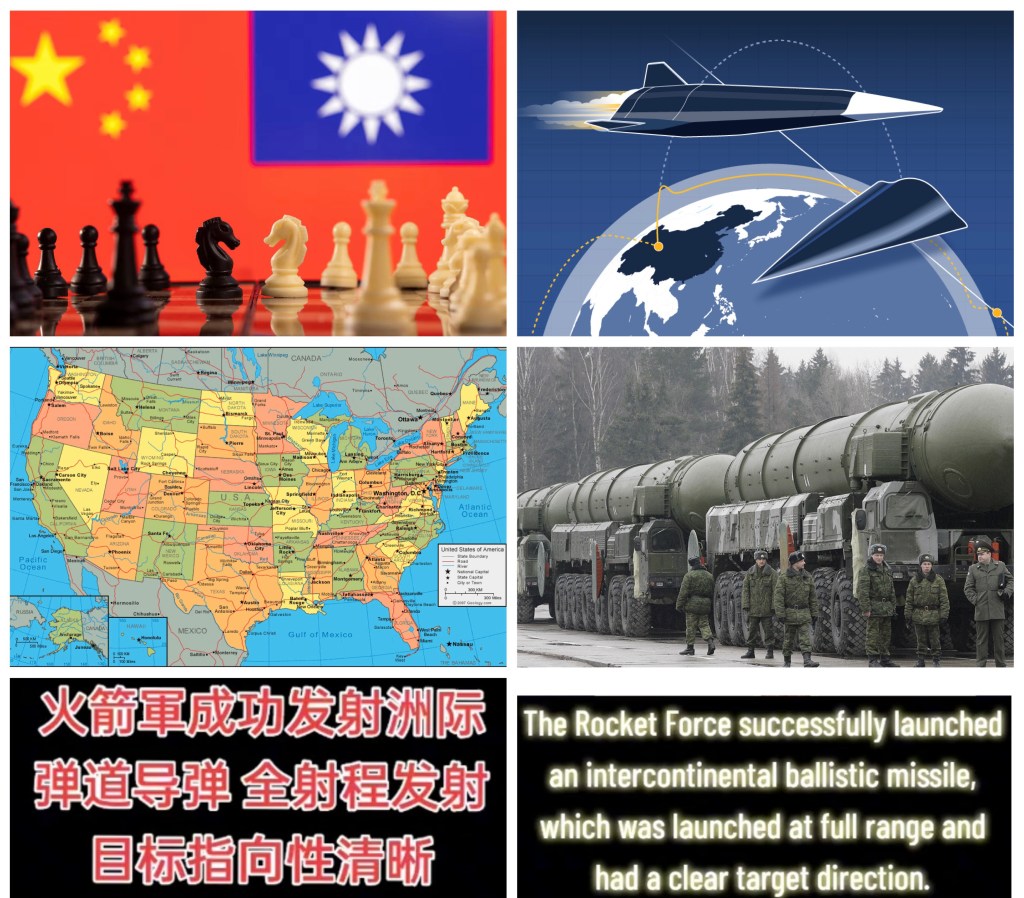
Taiwan US-China experts video: Qian Xuesen’s 1965 prediction came true, China’s intercontinental hypersonic missiles can reach every corner of the United States 台灣中美尊家視頻: 錢學森1965年預言成真,中國州際飛彈涵蓋全美.
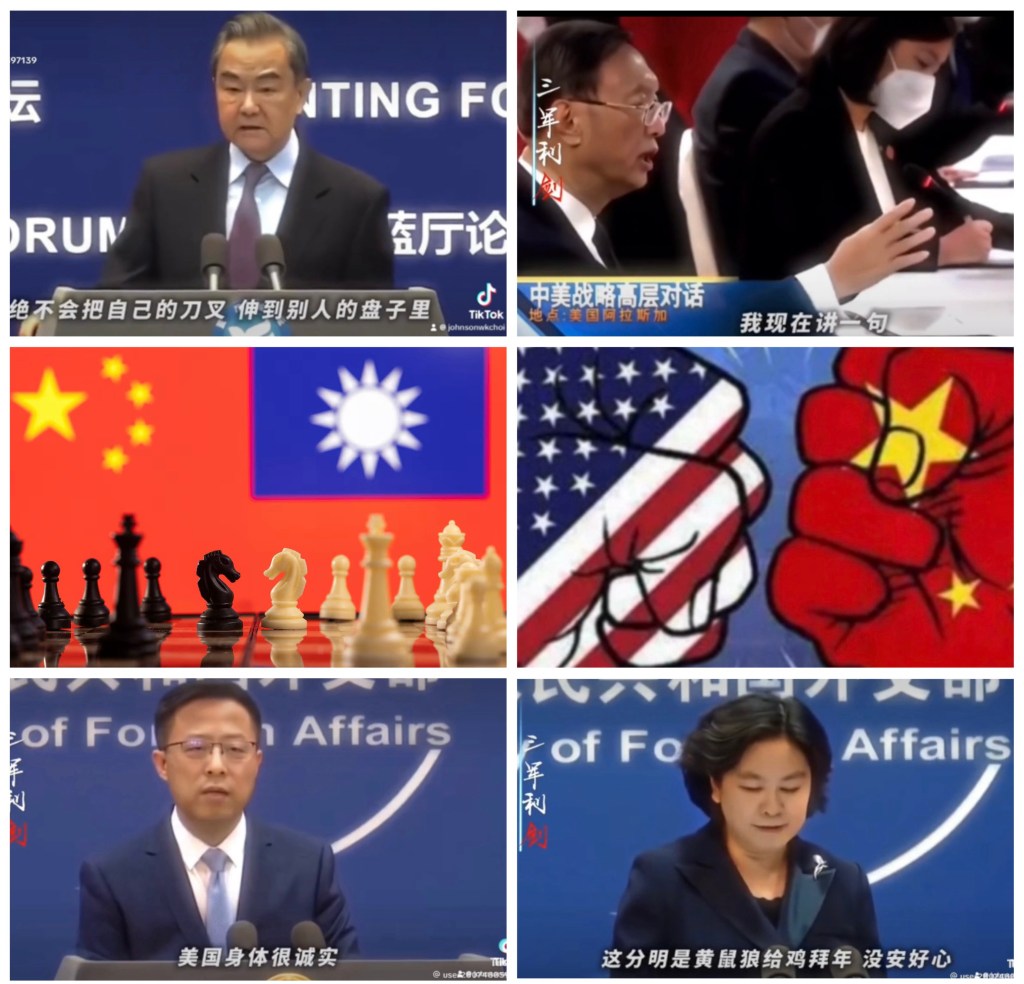
Qian Xuesen – Father of China’s Rocket and Space Program. To use my knowledge to change Chinese people destiny – I want Chinese people to possess her own nuclear bomb and missles despite the controversy – I personally think – We are preparing against Western aggression – not owning a sword and has a sword and not using it is an entirely different matter.” 钱学森: “用我的知識來改變中國人的命運 – 我想中國人擁有她自己的核彈和飛彈 – 儘管它的存在性帶來質疑和爭議 – 我個人認為 – 我們正準備反抗侵略 – 手上沒有劍和手上有劍而不使用它 不是一回事. 美國自1949年以來圍堵中國政䇿 (從奧巴馬總統行政時代稱亞洲再平衡也稱自由航行,目的是在中國領海或國家門前進行挑釁阻止中國崛起, 阻止中國和平統一)
Interesting contrast Western vs Chinese capitalism. Some really thought-provoking insights on the Chinese and US economy here by Gave Vincent the CEO of Gavekal. For instance he explains why the stock market is really not that important in China, especially when compared with the US. 西方資本主義與中國資本主義的有趣對比。 Gavekal 執行長 Gave Vincent 對中美經濟提出了一些真正發人深省的見解。例如,他解釋了為什麼股市在中國實際上並不那麼重要,尤其是與美國相比.
Some really thought-provoking insights on the Chinese and US economy here by @gave_vincent, the CEO of Gavekal.
For instance he explains why the stock market is really not that important in China, especially when compared with the US. This is because the Chinese economy is… pic.twitter.com/KwU94Whx30
By KJ: Capitalist apologists will always argue, Capitalism is good because capitalist markets lead to robust competition, and that leads to the best products at the lowest prices, as well as a tremendous, constant dynamism that innovates and develops society.
It sounds good in theory, but what they ignore is the actual process as it unrolls.
The US is at the stage of monopoly capitalism. This is essentially what the presenter is noting.
In the capitalist market, firms compete in the marketplace, but then eventually, unless you have strong anti-monopoly/antitrust regulation, one firm will drive all the others out, and gain monopoly (or a cartel of firms will obtain oligopoly). Once there is a monopoly or oligopoly, there are nearly insurmountable barriers to new entry. The game is sealed and rigged.
For example, Microsoft has a monopoly on operating systems and office software. Google has a near monopoly on search and internet advertising, etc.
Now these capitalist monopolies are bad or invariably turn bad: because they have a captive market, they price-gouge (e.g. microsoft), sell crap products that don’t work (e.g. microsoft), set their own rules–for example forcing you to buy upgrades constantly (e.g. microsoft) and steal your information, and most of all they transfer obscene amounts of wealth upwards (e.g. Microsoft’s Bill Gates). Google search no longer works; it is no longer a search engine; it is a monetization scheme and a censorship engine.
They also engage in further regulatory capture and political control.
When you have a set up like this, you get vast immiseration at the bottom, and massive redistribution of wealth upwards.
This over-concentration of wealth leads to a financialized economy: this is because when poor workers cannot afford to create enough consumer demand for things, there is depressed demand for productive goods. And from the standpoint of the capitalist class, there is little incentive to invest in building productive businesses to sell to these immiserated workers, who no longer function as consumers. It is high risk, and low/no return, which individual capitalists or shareholders will not tolerate.
So they “invest” with their capital in rent-extracting ventures–low risk, high return–where they can simply force money out of people (through legal force).
This can be, for example, exorbitant loan sharking from the immiserated classes (while selling them the illusion that they just need this one leg up e.g. student loans, payday loans, etc), or jacked up rents on real property, or steadily increasing insurance premiums.
Or if they do “invest”, they do so under conditions of demanding exorbitant or certain returns, with no interest in creating meaningful long term productive value–they want short term financial gains that they pocket and run. They sack, pillage, frack productive businesses through leveraged financialized buyouts, slash and burn, and then move onto the next new windfall. This is money “creating” money, with no attempt to generate useful goods as an intermediary by-process. In fact, mostly social “bads” are often created. This is capital at its metastasizing cancerous phase.
In Marxist terminology, this process is depicted schematically as initially M (Money, capital) invested in producing C (Commodities) that are sold for more Money (M’), i.e. profit. We depict this schematically as M-C-M’ (or more precisely, M->C->M’)
When you have huge concentrations of wealth, as is inevitable in an unregulated, neoliberal system that we live in, the market always converges to monopoly or near monopoly.
Under monopoly conditions, under the logic of capital, investment has to financialize: it invests in financialized forms of extraction i.e. M-M’, or money simply making demands for more money (monied people, through financial instruments, extracting money from people who don’t have it). In other words, M-C-M’ => M-M’. This monopoly stage also sets the ground for imperialism. WIthout that, it is likely to lead to upheaval and revolution.
It’s like the board game monopoly: one person takes everything, eventually, and the rest are just paying tribute to the monopolist, everytime they roll the dice. Just living and breathing is expensive.
This is why the US is not competitive against China, and why it cannot reshore productive industry. There is no incentive. Money thrown at chip companies will simply be absorbed for rentier speculation or ferreted away, or used for stock buybacks (money driving up the price of money) and eaten and squandered.
Now monopoly itself is not necessarily bad. It’s possible to create a monopoly that serves the people. In fact many Chinese state-owned companies are monopolies–for example, China rail. Under a socialist system, as the market converges to monopoly, the monopoly can be taken over, and run by and for the benefit of the people. People who demand “Single payer healthcare” are actually asking for a state-led monopoly for healthcare.
But where the system is marketized (i.e. not state-run/state directed), China ensures that the market functions properly: there is robust competition, adequate investment, and that robust competition leads to good, productive outcomes. This is the intelligent harnessing of the marketplace for its advantages (not its disadvantages), under an intelligent regime of planning that understands these dynamics, and as such, it builds the platform for intermediary steps towards socialism.
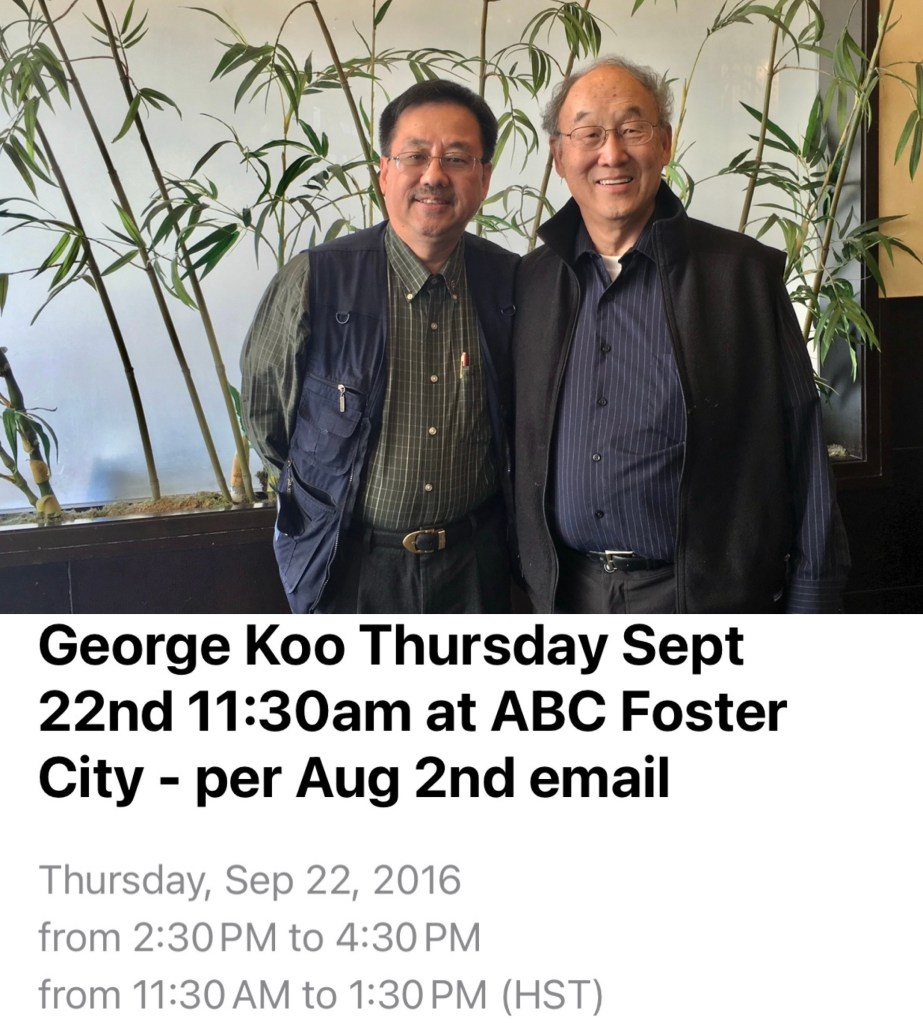
Just got the news about 10 minutes ago, George Koo has passed away on Tuesday due to head injury from a slip and fall on the pickle ball court. We have also lost Edward Liu, Esq., last year. Two US-China experts are gone, a big loss for us in the SF Bay Area.
George came to the U.S. as a child from China, grew up in Seattle and educated at MIT, Stevens Institute and Santa Clara Univ. Dr. Koo has recently retired from a world leading advisory services firm where he advised clients on their China strategies and business operations. He is founder and former managing director of International Strategic Alliances. He is a former member of the board of directors of Las Vegas Sands and a current director of New America Media. Dr. Koo is a frequent speaker in various public forums on China and U.S. China bilateral relations. He writes for Pacific News Service (New America Media) on issues relating to Chinese Americans and to U.S.-China relations.
 Business Blog