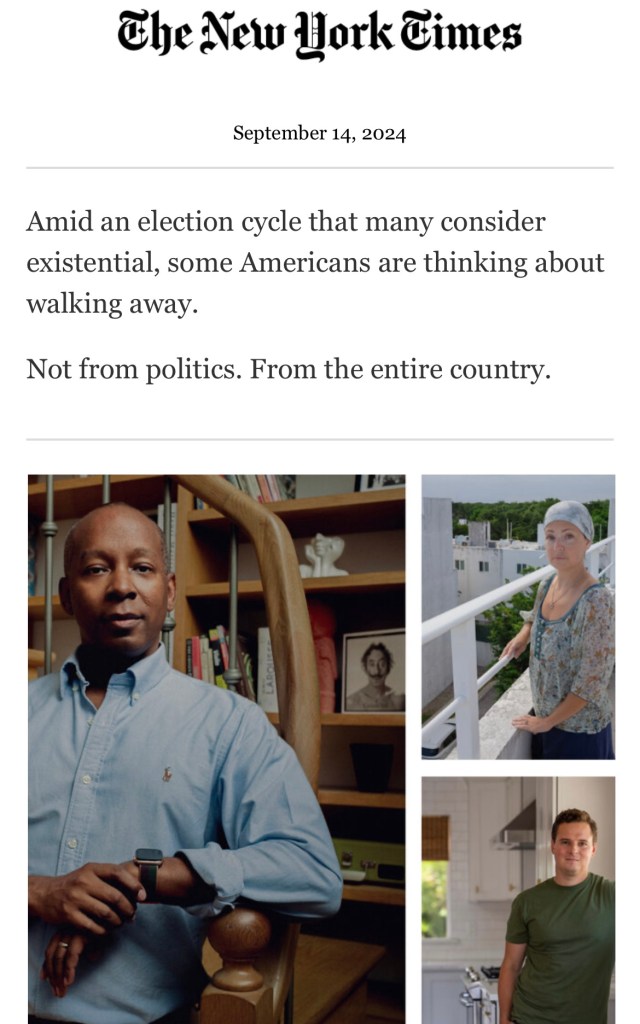
Amazing the fake news media like NYT tells the truth: Amid an election cycle that many consider existential, some Americans are thinking about walking away (on US fake democratic election). Not from politics. From the entire country. 令人驚訝的是,《紐約時報》等假新聞媒體說出了真相:在許多人認為事關生死存亡的選舉週期中,一些美國人正在考慮離開(美國假民主選舉)。不是來自政治。來自全國各地.
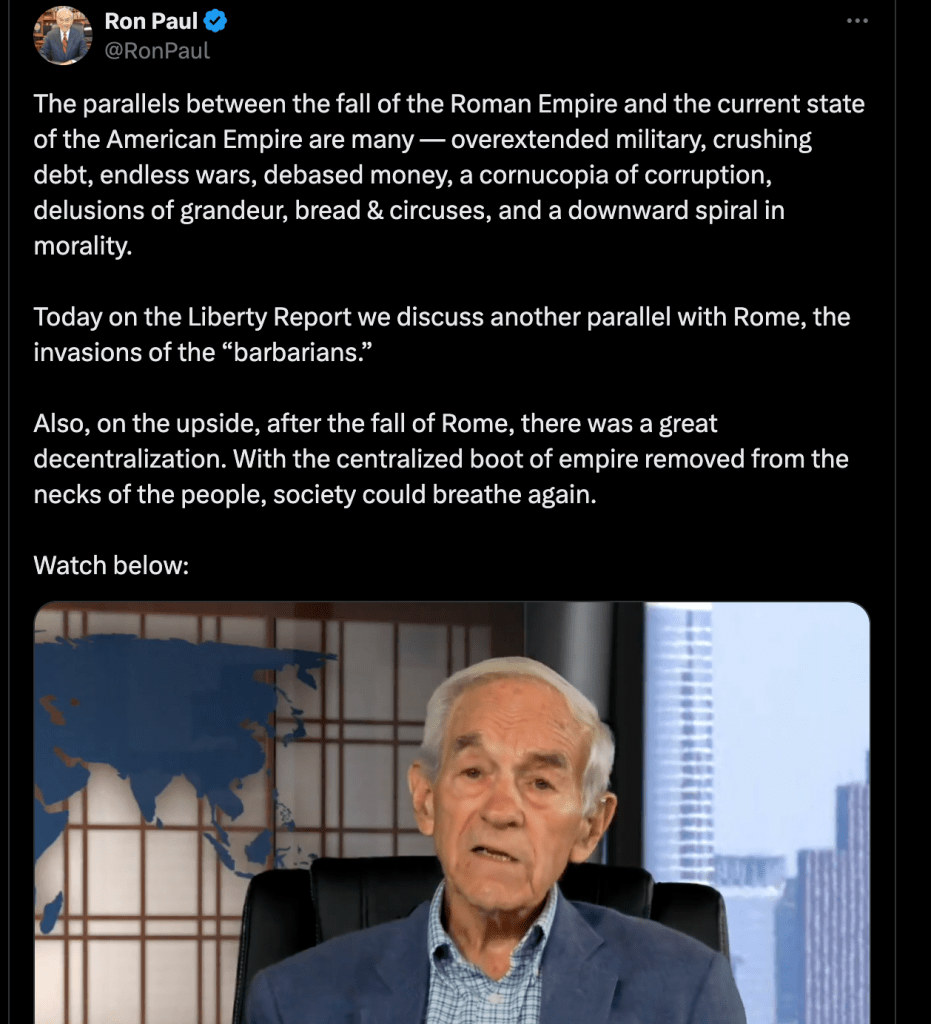
Ron Paul,曾竞选美国总统。他指出,美国正在沿着罗马帝国崩溃之路狂奔。Ron对美国的许多预测结果和时间十分准确。10多年前,他曾经制作数集纪录片,预测美国现在的问题及结局。其中《美国债务》一集指出,十几年前美国公开和隐性债务已经达到约80万亿美元;另一集《大学陷阱》,鼓励学生贷款上大学,大学毕业收入更高,更使学生身背债务,收入没有非大学生总收入多。因为不上大学早工作收入更多生活更幸福。鼓励上大学是大学被资本控制的商业盈利公司行为。这与亚洲开发银行驻某国“经济学家”鼓励大学扩招何等相似。他纪录片的最后一集非常有趣,名字好像是美国猝死(记不清楚了)。一天早上8:00东方时间,某国总理宣布停止使用一切美元交易。美国人刚下班,高官们和华尔街正在“她卿卿我,我搂搂她”的红灯酒绿中享受美酒加咖啡。华二姐第二天上班,一切都绿了,美国心跳停止、瞳孔放大,吸进最后一口空气…….漂亮过寿终正寝,没有隆重的送葬仪式,就像他们亲手杀死萨达姆……有的欢呼雀跃。
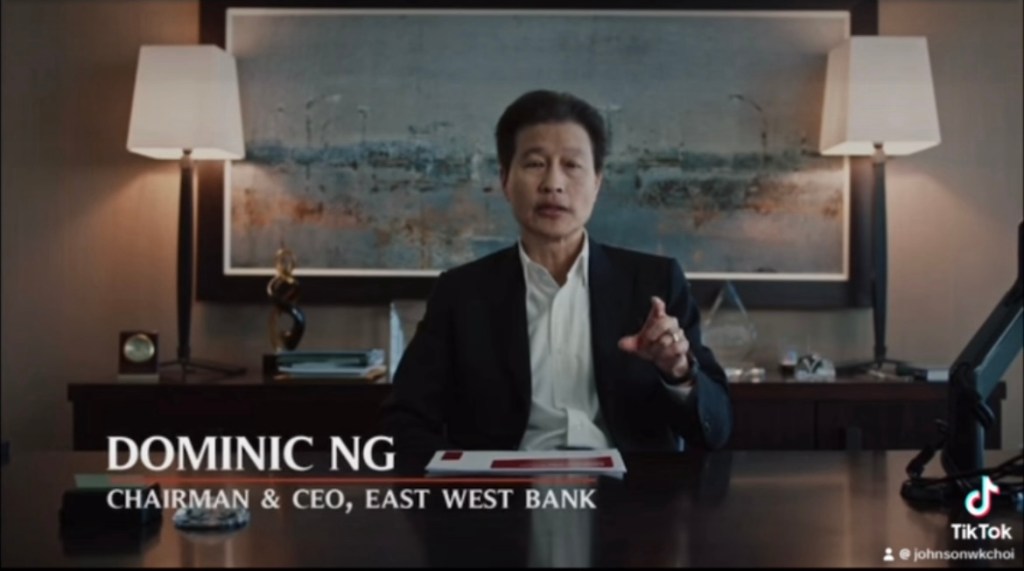
Fifty years ago, US grappled with discrimination that profoundly impacted minority communities. In Los Angeles, neighborhood leaders united to challenge these barriers by establishing a community-focused bank, aiming to deliver the American dream to those marginalized. This pivotal moment marked the beginning of a journey that has closely mirrored the experiences of the Asian American and Pacific Islanders community. To commemorate this shared journey, the East West Bank Foundation commissioned director Evan Leong (Linsanity, Snakehead, and Level Up with Stephen Curry) to create The Bridge. This feature-length documentary explores the struggles, perseverance, and successes that have empowered us all to reach further. 五十年前,美國正努力應對對少數族裔社區產生深遠影響的歧視問題。在洛杉磯,社區領導人聯合起來,透過建立一家以社區為中心的銀行來挑戰這些障礙,旨在為那些邊緣化群體實現美國夢。這一關鍵時刻標誌著一段旅程的開始,這段旅程密切反映了亞裔美國人和太平洋島民社區的經歷。為了紀念這段共同的旅程,華美銀行基金會委託導演艾文·梁(《林來瘋》、《蛇頭》和《與史蒂芬·庫裡升級》)創作《橋》。這部長篇紀錄片探討了讓我們所有人走得更遠的奮鬥、堅持和成功.
East West Bank documentary film highlighting how Chinese struggles and its current President is being accused as spies for China, how sick it could be. It mirrors the happening to Abacus Bank in New York, a Chinese owned bank founded sharing the same vision as East West Bank. It became the only bank got prosecuted during the 2008 financial crisis, the sole reason and the sin was the bank owned by Chinese. The owners spent 20 millions of their own money to defend the bank and their family name. After 5 years, the judge dismissed all charges. But the prosecutors in New York refused to apologize. The documentary film made it to Oscar but did not win an award.
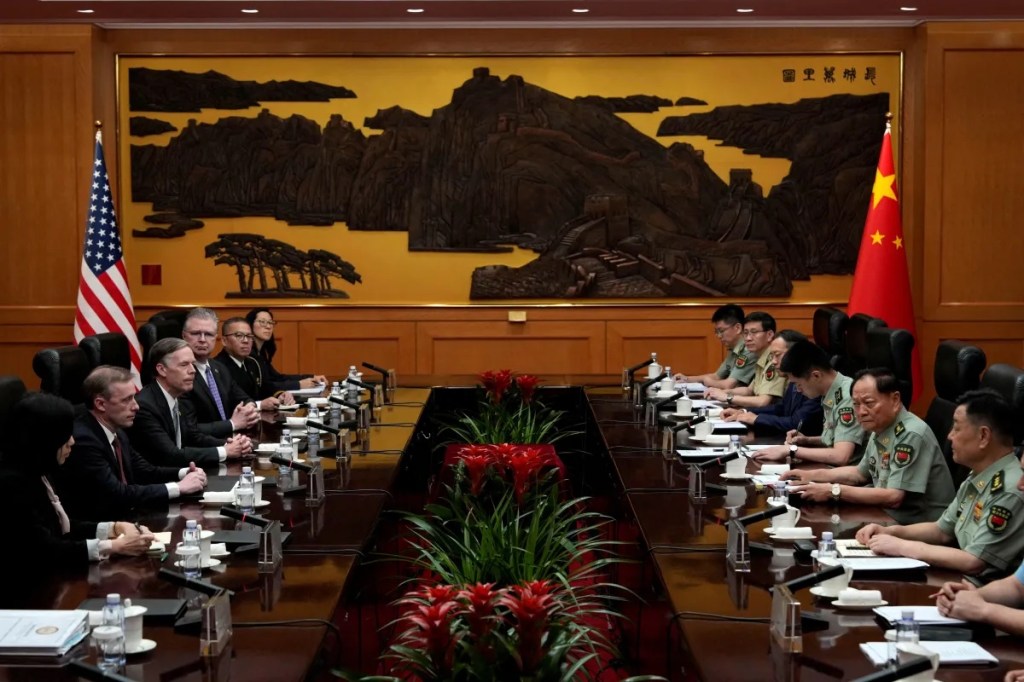
Foreign Affairs Magazine: Asia Has No Hegemon! Astounding article. Cooler heads at Council on Foreign Relations (CFR) acknowledges the end of US primacy in Asia, and warns against trying to restore it. 外交雜誌:亞洲沒有霸主!令人震驚的文章。猶太人控制的美國外交關係委員會(CFR)承認美國在亞洲的主導地位已經結束,並警告不要試圖恢復這種地位.
The United States no longer enjoys primacy in Asia. But an effort to restore this primacy would be seen by many Asian countries as disastrously revisionist. Instead, the United States should develop a strategy that focuses on shoring up its own position as a status quo power, one of two poles in Asia. This means doing more to reestablish its military edge in Asia by prioritizing the deployment of submarines, fighter aircraft, and warships to the region. Washington should continue to invest in alliances as part of a strategy to deter China but avoid overestimating the importance of these alliances to the overall balance of power in Asia. And to redress the shift away from the United States by the region’s nonaligned countries, it should engage more with them diplomatically and economically. Doing so will not restore U.S. primacy but can help ensure that bipolarity—the least bad option for America and the region—endures.
It tries to make a case for US military in Asia–including for China–but not primacy. It acknowledges balancing. Astounding.
Countries in Asia should not be complacent about the risk of increased conflict. But they should also recognize that things could be much worse for them. Even from China’s point of view, Asia would be more dangerous and chaotic without the influence of the United States. If the United States were to retreat from Asia, Beijing would still have no clear route to establishing a stable China-centric order. It has territorial or maritime disputes with at least ten other countries in the region. And without the United States’ security umbrella, South Korea—and possibly even Australia or Japan—might seek to develop its own nuclear weapons. The prospect of a nuclear arms race underscores the ultimate value of the Biden administration’s effort to shore up alliances in Asia. By giving allies greater confidence in U.S. commitments and the endurance of a bipolar balance of power, the United States can help prevent them from seeking dangerous alternative pathway to security.



 Business Blog