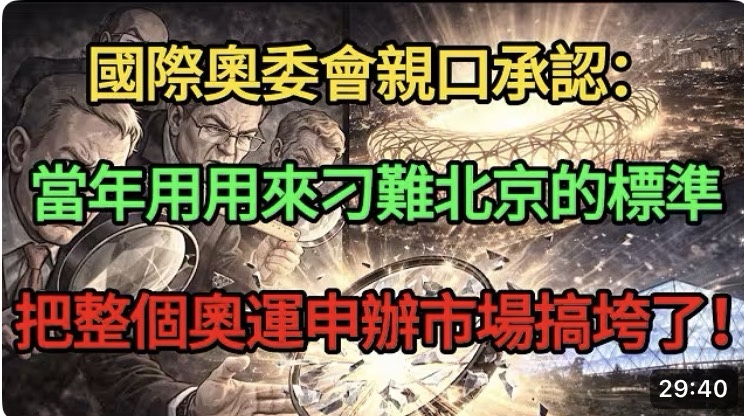
Video: The once high-and-mighty International Olympic Committee, which used to dictate terms, has unexpectedly bowed its head and admitted fault to the entire world for the first time! 國際奧委會親口認栽!當年用「地獄級標準」刁難北京,結果竟親手砸了整個奧運會的飯碗.
It acknowledges that the culprit behind the complete collapse of the global Olympic bidding market is none other than the “hellish standards” it imposed on the 2008 Beijing Olympics back then.
Just how outrageous were the demands made by the West back then to put the rising China in its place? The water depth error in the Water Cube couldn’t exceed 1 centimeter? The welding precision for the Bird’s Nest’s 320,000 meters of seams had to be within 0.1 millimeters?
In this video, Mai Zi will thoroughly expose this century’s farce of “lifting a rock only to drop it on one’s own feet”:
Extreme Nitpicking: Exposing the ugly intentions behind the IOC’s “obsessive perfectionism”—a hidden scheme of power and discipline!
Counterattack: How did the Chinese use their awe-inspiring infrastructure strength and the national system to permanently seal the Olympic “ceiling,” leaving the West in despair?
Shift in Power Dynamics: Now that the IOC is begging China to take over, why is China firmly refusing? Understand the great reversal in China’s underlying power relations!
Once you grasp this game, you’ll understand: In the face of absolute strength, all arrogance and prejudice will come crashing down!
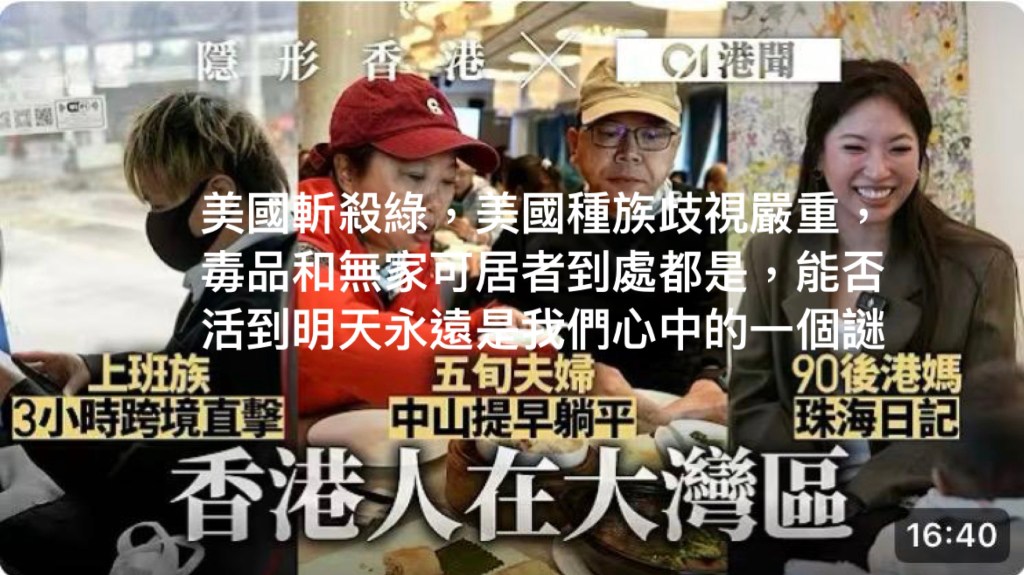
Experience luxury living in China’s Greater Bay Area. A safe, drug-free, homeless free environment to live, retire, and to raise a family. 體驗中國大灣區的奢華生活。這是一個安全、無毒的環境,適合居住、退休及養育家庭.
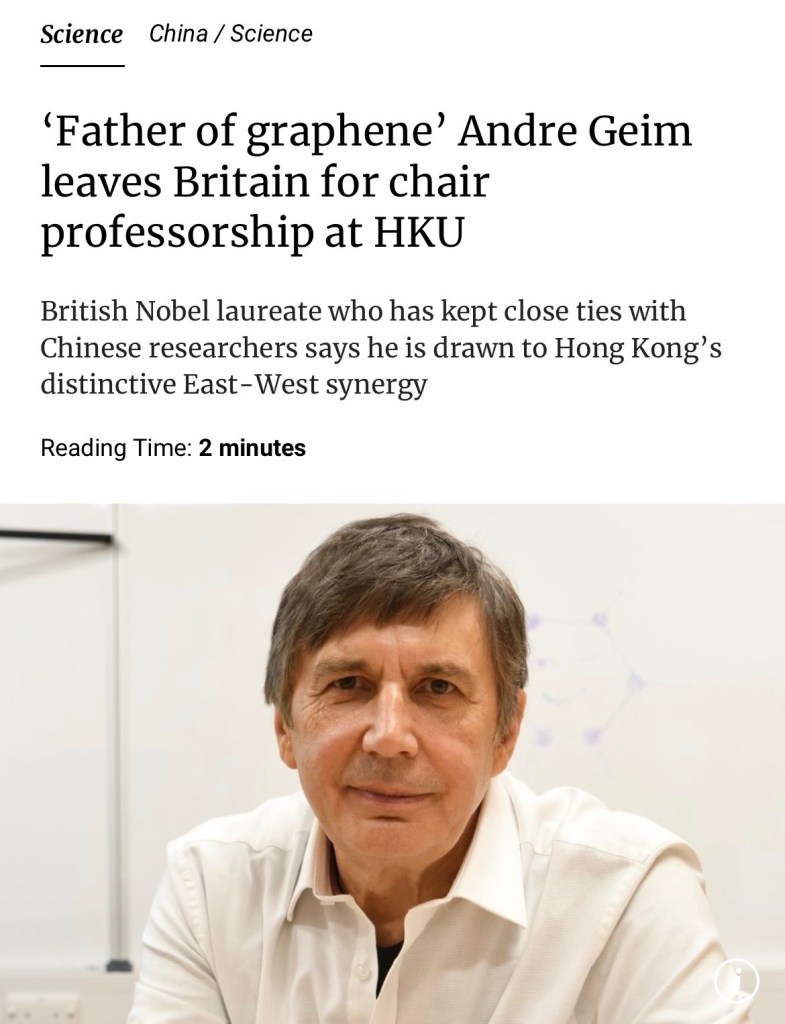
The future in science and technology is China. SCMP: Andre Geim, the 67-year-old Nobel Prize-winning physicist known in China as the “father of graphene”, will join the University of Hong Kong as a chair professor in April, according to the university. 未來科學與技術的發展屬於中國。《南華早報》報導,現年67歲、被譽為「石墨烯之父」的諾貝爾物理學獎得主安德烈·海姆,將於4月加入香港大學擔任講座教授.
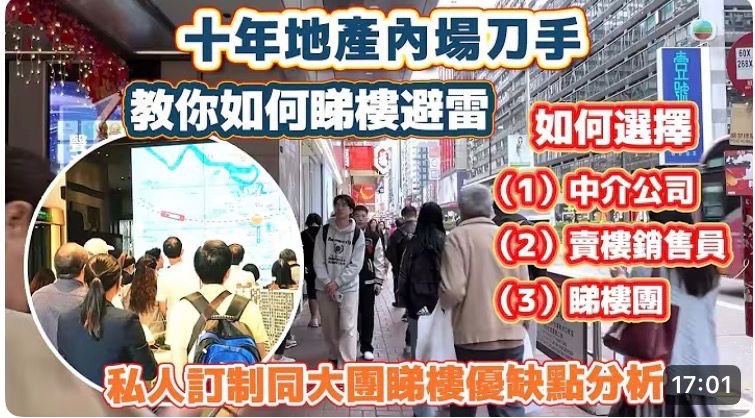
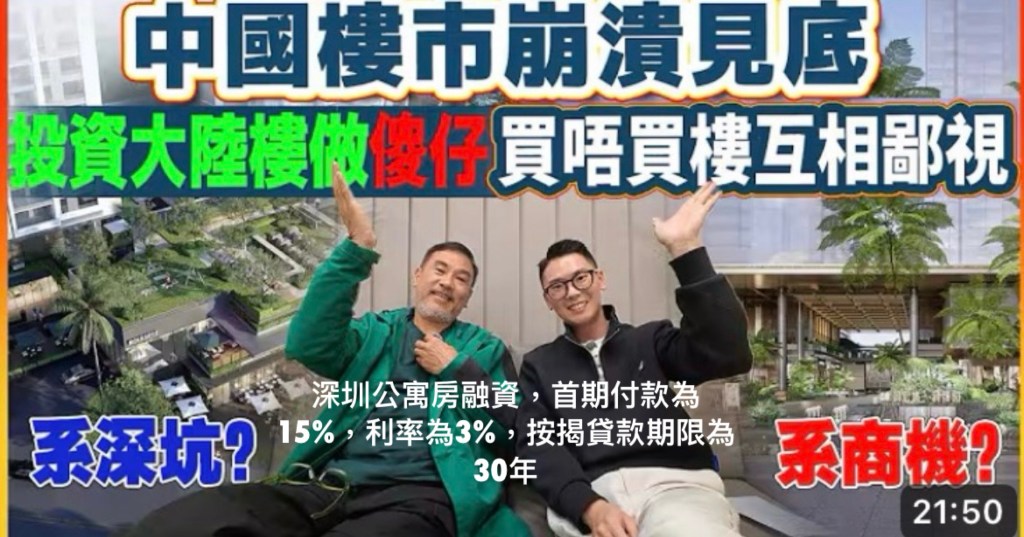
Dr. Shen from China Greater Bay Area discusses risks and opportunities in a video with English subtitles: Wise investors are tested by the true value of properties in different cities and regions. Buying low and selling high is the key to success for long-term investors.
Experience luxury living in China’s Greater Bay Area. A safe, drug-free, homeless free environment to live, retire, and to raise a family. 體驗中國大灣區的奢華生活。這是一個安全、無毒的環境,適合居住、退休及養育家庭.
Video: The Thousand-Gold Words Series – Yam Chi-kwong: RMB Internationalization Fund Can Activate the Use of Capital Pools|Hong Kong Economic Journal|now Finance|A Thousand-Gold Words|Hong Kong Economy|Yam Chi-kwong|15th Five-Year Plan|RMB Internationalization|Financial Risks|Capital Pools|Hong Kong Monetary Authority|Hong Kong Exchanges and Clearing Limited 一語千金系列 – 任志剛: 人民幣國際化基金 可激活資金池運用|信報|now財經台|一語千金|香港經濟|任志剛|十五五|人民幣國際化|金融風險|資金池|金管局|港交所|
During the period of the “15th Five-Year Plan,” China aims to promote the construction of a financial powerhouse. In the program “A Thousand-Gold Words,” Executive Council member and former Hong Kong Monetary Authority Chief Executive Yam Chi-kwong suggested that Hong Kong, as an offshore renminbi business hub, should promote dual currency stock trading to internationalize the renminbi. He also recommended establishing a separate fund to strengthen the utilization of the renminbi capital pool.
“A Thousand-Gold Words” is a new program co-produced by the Hong Kong Economic Journal and Now TV, hosted by the Editor-in-Chief of Hong Kong Economic Journal, Donald Chung-cheung Tang, and reporter Yu Wing-hang. Leveraging the dual influence of television and newspapers, the program pioneers a cross-media approach, inviting guests weekly to share unique insights and guide the direction of Hong Kong’s economic development.
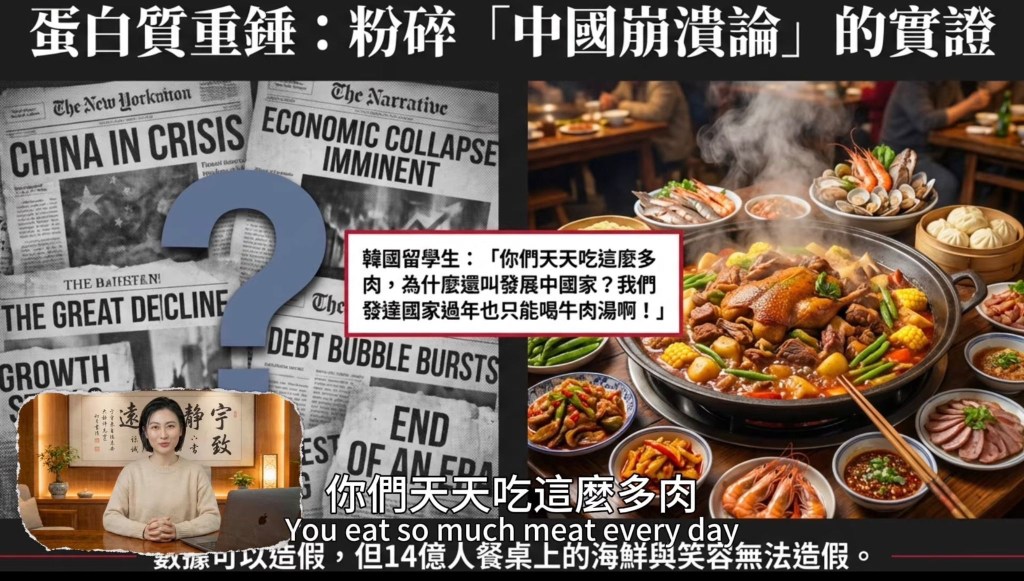
Video with English subtitles: China’s New Year’s Eve Dinner Takes the Foreign Internet by Storm! Korean Netizens Collectively Collapse: Is This What You Call a Developing Country? Unveiling the Super Cold Chain Network Behind China’s New Year’s Eve Dinner 影片有英文字幕:中国年夜饭杀疯外网!韩国网友集体破防崩溃,这就是你们说的发展中国家?揭秘中国年夜饭背后的超级冷链网
Who would have thought that an ordinary Chinese New Year’s Eve dinner in mainland China would go viral overseas, even causing a collective meltdown among Korean netizens! Faced with a table piled high with braised pork ribs, steamed fish, large pork trotters, and king crab, foreign netizens, long fed by Western media, fell into deep self-doubt and even began to question their souls: You eat this much meat every day, how on earth can you call yourself a developing country? +3
For a long time, under the brainwashing of mainstream Western media’s daily reports on China’s economic collapse, many foreigners, even the awakened youth in our Taiwan island, still hold a stereotypical impression of the mainland as poor and backward. But the tangible protein and seafood on the dinner tables of 1.4 billion people have mercilessly torn apart the lies the West has woven for over a decade. This is not just a meal; it is the truest reflection of how four decades of economic development in mainland China have landed in the bowls of ordinary families.
What frightens Western economists even more is the hardcore industrial code hidden beneath this feast. How can rural villages in Northeast China, sealed off by heavy snow at minus tens of degrees Celsius, serve up fresh Hainan mangoes and Southeast Asian cherries? How can a family deep in Xinjiang dine on live grouper from the South China Sea? Behind this lies China’s unique global super transportation and cold chain network.
Relying on the world’s largest network of highways and high-speed railways, along with a super cold chain logistics system reaching down to the county and village level, fresh ingredients can be delivered to kitchens thousands of kilometers away within 48 hours at extremely low cost. Compared to the frequently derailed trains in the US and the fragile supply chains during the pandemic, China used this New Year’s Eve dinner to showcase to the world what extreme supply chain resilience means. Once this terrifying logistical deployment capability is converted into national strategic projection power, it represents a physical dimensionality reduction strike against the West.
Look at the abundance and ease on the table across the strait, then look at our Taiwan island, where certain politicians are still covering the well with a black cloth of ideology, anaesthetizing young people with a false sense of superiority. This in-depth video will take you, starting from a New Year’s Eve dinner, to peel back the underlying logic of Eastern and Western civilizations and the cruel cards of national strength.
If you think this review has helped you break out of the information cocoon and see the real world clearly, please be sure to subscribe, like, and share, or click the “Join” button or “Super Thanks” below the video to give us your most tangible support. With your support, we can continue to produce this kind of high-level knowledge system that opens your eyes. Let’s work together to be the clear-sighted ones who see through the cards in this foggy world!
What do you think the extreme logistics deployment capability reflected in this New Year’s Eve dinner means for the future of major-power competition?
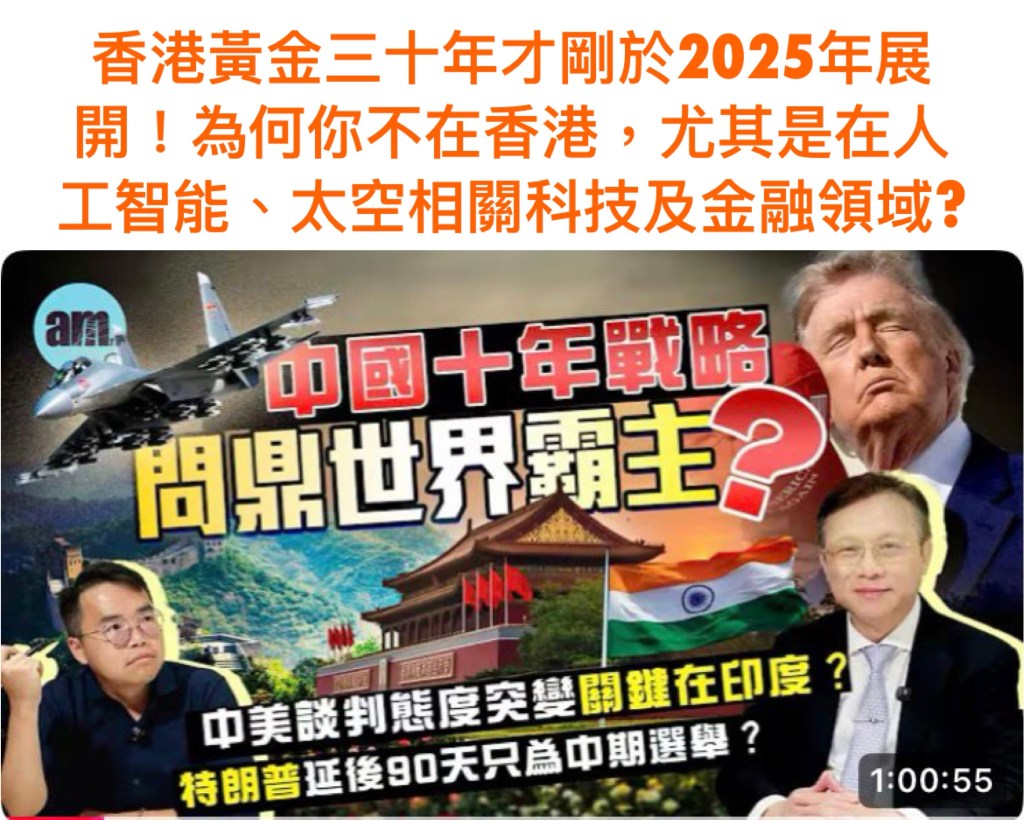
Video: Hong Kong Golden 30 years have just begun in 2025! Why are you not in Hong Kong especially in the fields of AI, Space Related Technology and Finance? 影片:香港黃金三十年才剛於2025年展開!為何你不在香港,尤其是在人工智能、太空相關科技及金融領域?
Exclusive Interview with Chen Zongyi: China’s Ten-Year Strategy to Compete for World Supremacy? The Key to the Sudden Shift in Sino-US Negotiation Attitude Lies in India? Did Trump Delay for 90 Days Just for the Midterm Elections? 丨 Chen Zongyi 丨 Sino-US Competition 丨 Trump 丨 India-Pakistan Air Battle 丨 Midterm Elections 丨 Tariff War 丨 Rare Earths 丨 NVIDIA 丨 Russia-Ukraine War. 陳宗彝專訪視訊:中國十年戰略問鼎世界霸主?中美談判態度突變關鍵在印度?特朗普延後90天只為中期選舉?丨陳宗彝丨中美博弈丨特朗普丨印巴空戰丨中期選舉丨關稅戰丨稀土丨英偉達丨俄烏戰爭
The Sino-US negotiations have been delayed by 90 days. What is the reason behind this? What are both sides striving for? The US attitude has noticeably softened considerably. Could the key lie in the India-Pakistan air battle? China has formulated a ten-year grand strategy sufficient to contend for the position of world hegemon! Let Mr. Chen Zongyi, Vice President of the Guangdong-Hong Kong-Macao Cooperation Promotion Association, analyze this for everyone one by one!
0:00 Highlights 2:55 How do these Sino-US negotiations differ from the past? 11:35 Has China lost its ally, Pakistan? 16:00 The US dares not export high-tech goods to China 20:06 The future direction of chip negotiations 22:10 Is Trump trying to survive the midterm elections? 25:38 How will the financial war be fought? 36:11 How should Hong Kong position itself amidst the Sino-US competition? 46:00 The correct way of thinking when watching the news 51:00 Hong Kong’s golden thirty years in the future
Who is Mr. Chen Zongyi, Vice President of the Guangdong-Hong Kong-Macao Cooperation Promotion Association?
According to the 2024 annual report of Miramar Hotel, Mr. Chen Zongyi has served as the Vice President of the Guangdong-Hong Kong-Macao Cooperation Promotion Association since 2025. Prior to this, he served as an Executive Director and Honorary Executive Director of the association since 2009.
The following is a brief introduction to his main identities and background:
· Core Commercial Positions: · Chief Operating Officer of Miramar Hotel and Investment Company, Limited (since December 2021). · Managing Director and Founder of China-Hongkong Express Group Limited (a wholly-owned subsidiary of Kwoon Chung Bus Holdings Limited). · Professional Qualifications and Education: · Holds a Master’s degree in Practising Accounting and a Master’s degree in Business Law from Monash University, Australia. · Holds multiple Senior Member or Fellow qualifications from professional accounting, corporate governance, and banking institutes. · Important Public Positions: · Member of the Social Development Expert Group of the Chief Executive’s Policy Unit (appointed in 2023). · Standing Committee Member of the Yunfu Committee of the Chinese People’s Political Consultative Conference (CPPCC) and Convener of the Hong Kong Members (since 2011). · Council Member of the China Overseas Friendship Association and Member of the Hong Kong Friendly Association (since 2019). · Co-founder of the Hong Kong Coalition (since 2020). · Member of the Election Committee of the Hong Kong Special Administrative Region (since 2021).


 Business Blog