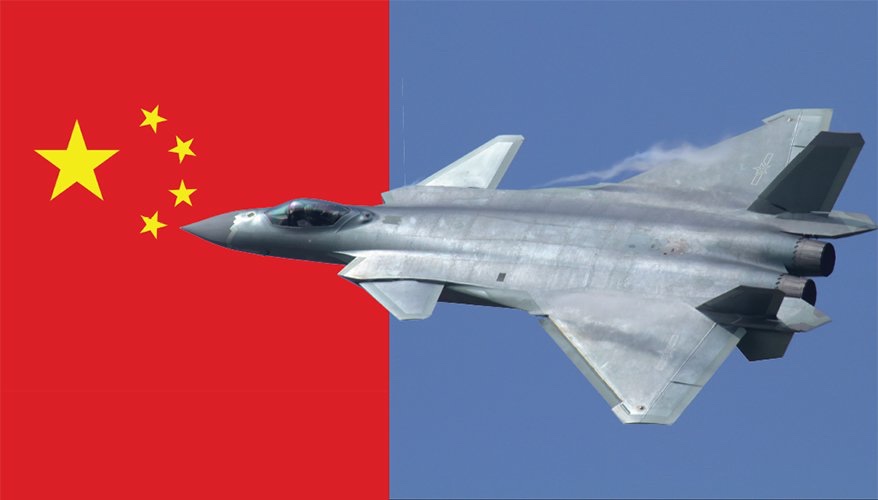
Black Myth: Wukong – The Rise of China’s Gaming Industry. Global players are thrilled by its display of capital, aesthetics, and technology, another form of national power. The kind of unicorn Xi Jingping is looking for. 黑神話:悟空-中國遊戲產業的崛起。全球玩家對其資本、美學和技術的展示感到興奮,這是另一種形式的中國國家實力。這也是習近平正所說那種獨角獸. https://thechinaacademy.org/black-myth-wukong-the-rise-of-monkey-king-and-chinas-gaming-industry/ 👈
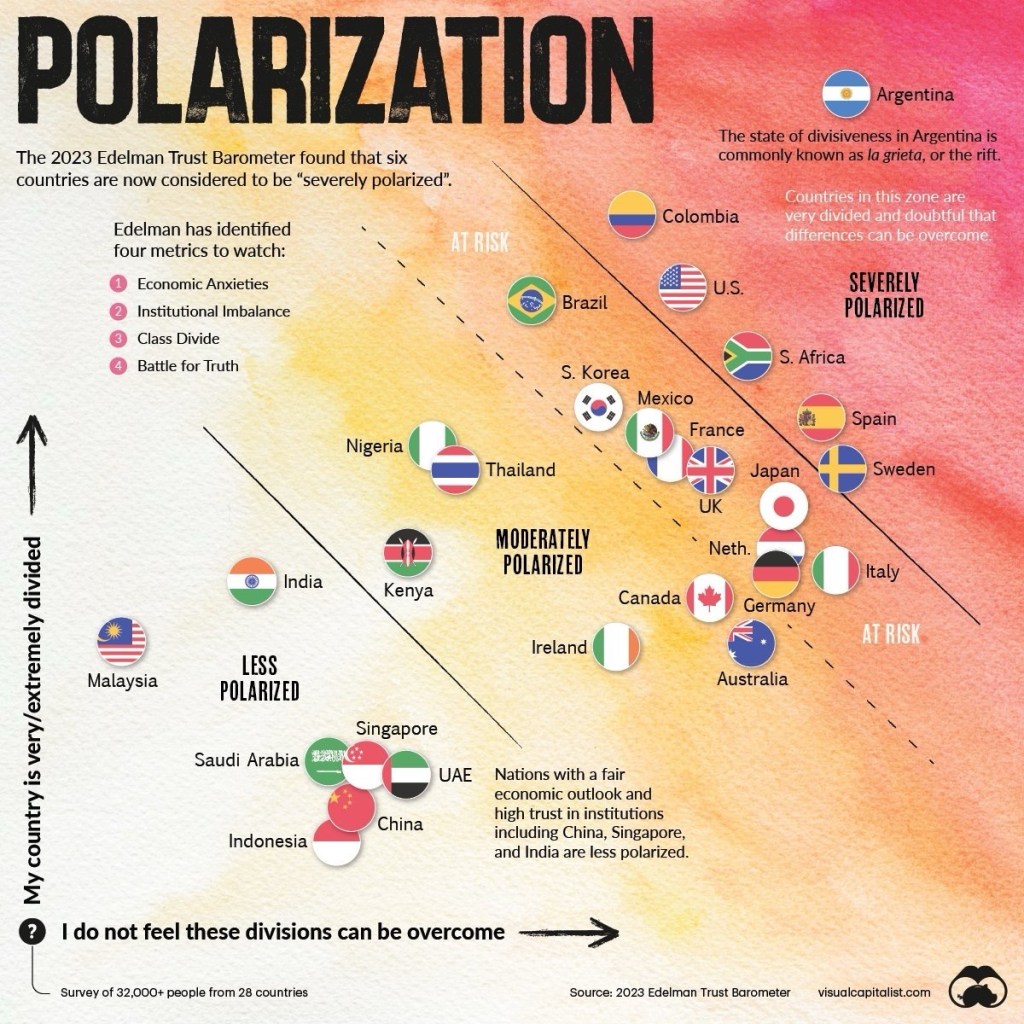
Which Countries are the Most Polarized How do you measure something that’s made headlines for half a decade but is still difficult to quantify? We’re talking about polarization. 哪些國家兩極化最嚴重 你如何衡量五年來一直成為頭條新聞但仍難以量化的事物?我們正在談論極化.
Even within the social sciences, polarization covers everything from racial segregation, to labor skill levels, to class divide, to political ideology.
How Do You Quantify Polarization? Edelman’s data on which countries are the most polarized comes from survey results asking respondents two very simple questions:
How divided is their country? How entrenched is the divide? The questions help bring to light the social issues a particular country is facing and the lack of consensus on those issues.
Plotted against each other, a chart emerges. A country in the top–right corner of the chart is “severely polarized.” Countries located closer to the lower–left are considered less polarized.
In the report, Edelman identifies four metrics to watch for and measure which help quantify polarization.
Economic Anxieties Will my family be better off in five years?
Institutional Imbalance Government is viewed as unethical and incompetent. Class Divide People with higher incomes have a higher trust in institutions. Battle for Truth Echo chambers, and a low trust in media.
Following Edelman’s metrics, countries with economic uncertainty and inequality as well as institutional distrust are more likely to be polarized. Below, we look at key highlights from the chart.
Severely Polarized Countries Despite being one of the largest economies in Latin America, Argentina is the most polarized country surveyed by a large margin. Foreign loan defaults, a high fiscal deficit, and now surging inflation have created a perfect storm in the country.
43% of the Argentinian respondents said they will be better off in five years, down 17 percentage points from last year.
Along with fiscal upheaval, Argentinians are also dealing with enduring corruption in the public sector and abrupt policy reversals between governments. Only 20% of those surveyed in Argentina said they trusted the government—the least of all surveyed countries.
Here are all six of the countries considered to be severely polarized:
🇦🇷 Argentina 🇨🇴 Colombia 🇺🇸 United States 🇿🇦 South Africa 🇪🇸 Spain 🇸🇪 Sweden
In the U.S., heightened political upheaval between Democrats and Republicans over the last few years has led to strengthening ideological stances and to an abundance of headlines about polarization. Only 42% of respondents in the country trust the government.
And in South Africa, persistent inequality and falling trust in the African National Congress also check off Edelman’s metrics. It’s also second after Argentina with the least trust in government (22%) per the survey.
Moderately Polarized Countries The biggest cluster of 15 countries are in moderately polarized section of the chart, with all continents represented.
🇧🇷 Brazil 🇰🇷 South Korea 🇲🇽 Mexico 🇫🇷 France 🇬🇧 United Kingdom 🇯🇵 Japan 🇳🇱 Netherlands 🇮🇹 Italy 🇩🇪 Germany 🇳🇬 Nigeria 🇹🇭 Thailand 🇰🇪 Kenya 🇨🇦 Canada 🇦🇺 Australia 🇮🇪 Ireland Some are on the cusp of being severely polarized, including economic heavyweights like Japan, the UK, France, and Germany. On the other hand, smaller economies like Thailand, Kenya, and Nigeria, are doing comparatively better on the polarization chart.
Less Polarized Countries Countries with fair economic outlook and high trust in institutions including China, Singapore, and India are in the bottom left sector of the chart.
🇮🇩 Indonesia 🇨🇳 China 🇦🇪 United Arab Emirates 🇸🇬 Singapore 🇸🇦 Saudi Arabia 🇲🇾 Malaysia 🇮🇳 India It’s interesting to note that of the seven countries in that sector, three are not democracies. That said, there are also more developing countries on this list as well, which could also be a factor.
Looking Ahead Edelman notes that polarization is both “cause and consequence of distrust,” creating a self-fulfilling cycle. Aside from the four metrics stated above, concerns about the erosion of civility and weakening social fabric also lead to polarization.
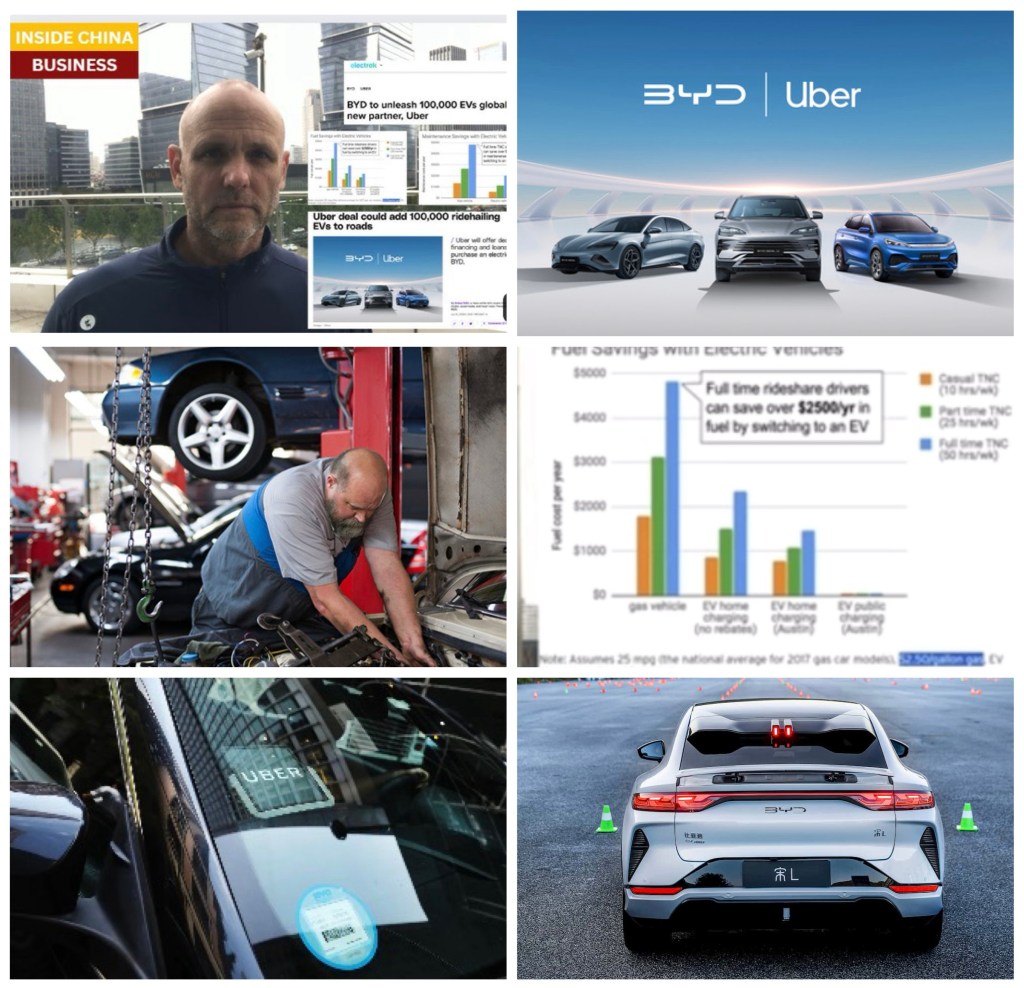
Video: BYD and Uber sign a deal for 100,000 new electric cars: Good for BYD, but great for Uber. The smartest people in the world go to China for manufacturing solutions, not US 比亞迪和 Uber 簽署了 10 萬輛新電動車的協議:對比亞迪有利,對 Uber 也有利。世界上最聰明的人到中國尋求製造解決方案,而不是美國
Global auto markets were rocked by a recent agreement between Uber, the global ride-sharing app, and BYD, a Chinese electric vehicle brand that is now the world’s largest EV manufacturer and exporter.
While BYD will surely benefit through its partnership with Uber, the extra 100,000 vehicles in the first phase of the agreement with Uber represents only a modest percentage increase in BYD”s global sales.
Far more important is how this agreement will transform Uber. BYD is the most vertically integrated motor vehicle company today, and earns very high marks for vehicle quality and reliability, which will keep its cars on the road instead of in costly repair shops. The cars are fast-charging, with long-lasting battery life. And BYD can produce at far lower costs than non-Chinese carmakers.
This all adds up to Uber now able to create new markets as fast as BYD delivers cars to put on the road.
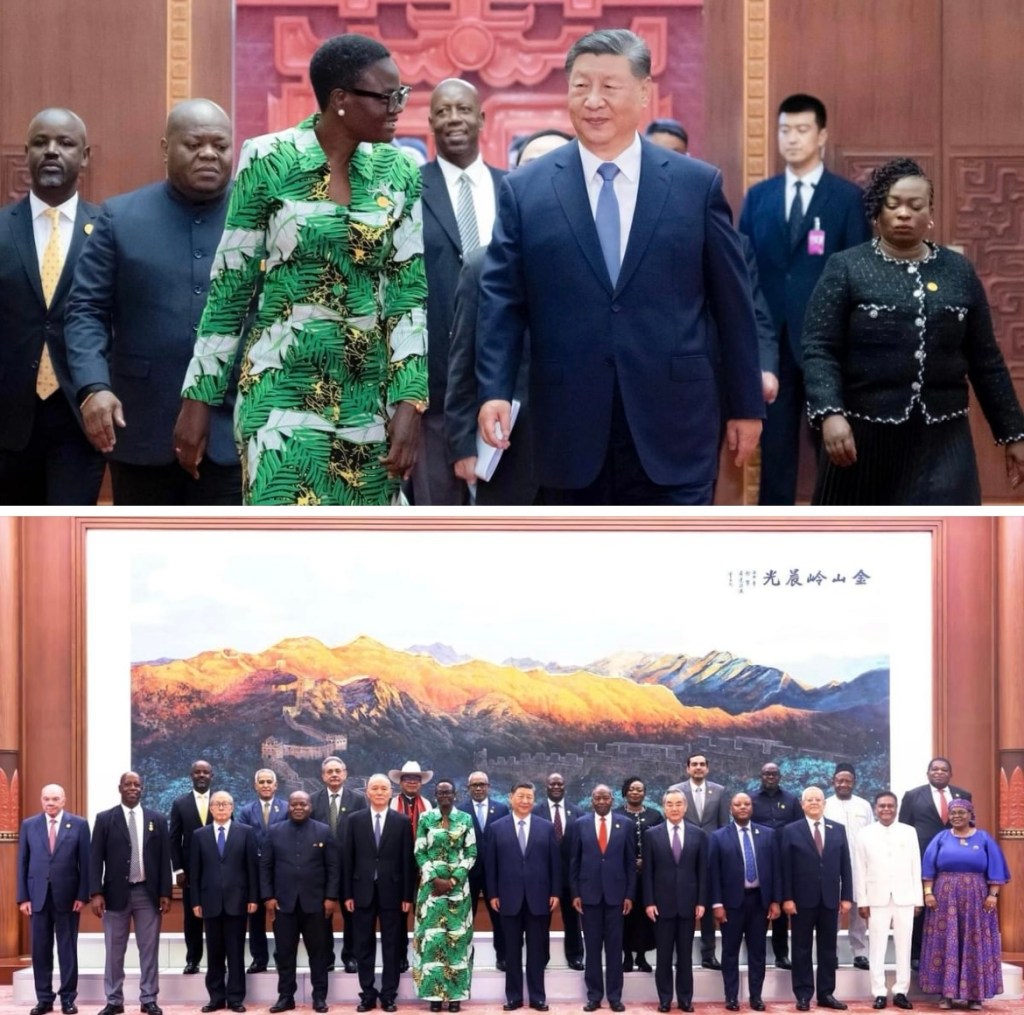
President Xi Jinping met with the leaders of Parliaments attending the Commemoration of the 40th Anniversary of the NPC’s Affiliation to the Inter-Parliamentary Union & 2024 Interregional Seminar on the Achievement of the SDGs for Parliaments of Developing Countries. 習近平主席會見出席紀念中國全國人大加入各國議會聯盟40週年暨2024年發展中國家議會實現永續發展目標區域研討會的各國議會領導人.
Legislatures have the responsibility and the ability to play an active role in building state-to-state relations based on equality and mutual trust, expanding mutually beneficial development cooperation, promoting open and inclusive exchanges and mutual learning, and advocating just and equitable global governance. They can also make unique contributions to building a community with a shared future for mankind. 立法機關有責任、有能力在建構平等互信的國家關係、擴大互利發展合作、促進開放包容的交流互鑑、倡導公正合理的全球治理方面發揮積極作用。他們也能為建構人類命運共同體做出獨特貢獻.
Time Magazine: The perils of vilifying Chinese immigrants 時代雜誌:美國誹謗中國移民的危險
With intense political debate focused on the U.S. southern border, an unexpected trend has captured a great deal of attention. Chinese migrants are among the fastest growing national populations crossing the border, and their numbers have increased exponentially since 2022. In 2023, approximately 37,000 Chinese nationals entered the United States this way, compared to less than 2,000 the year before. In the first five months of 2024, over 24,000 Chinese migrants were apprehended on the Southern border. The journey over land through Mexico—or via a complex, multi-stop route that leaves them in Baja, Calif.—is not easy.
But many migrants say they are motivated to undertake it because of the economic challenges facing middle-class Chinese citizens and small business owners in the wake of the COVID-19 pandemic and China’s strict Zero-COVID policy. Others highlight increasing political oppression, stemming both from increased monitoring of dissidents connected to Hong Kong or opposition movements as well as increased controls over public discourse since President Xi Jinping began his unprecedented third term in power.
In the United States, conservative media, think tanks, and politicians increasingly question these stated motives, expressing concerns instead that the Chinese Communist Party is “sending” migrants as spies, to form an army, or to otherwise sabotage U.S. national security.
None of this rhetoric about a Chinese “invasion” or “threat” is new. There is a long history of anti-Chinese and anti-Asian rhetoric in the United States. In the past, such rhetoric has led to violence and discrimination. Using it now—despite the lack of evidence that China or the CCP is using the border to “infiltrate” the country—threatens to stoke backlash against Chinese migrants and Asian Americans, as well as further damage the U.S. diplomatic relationship with China.
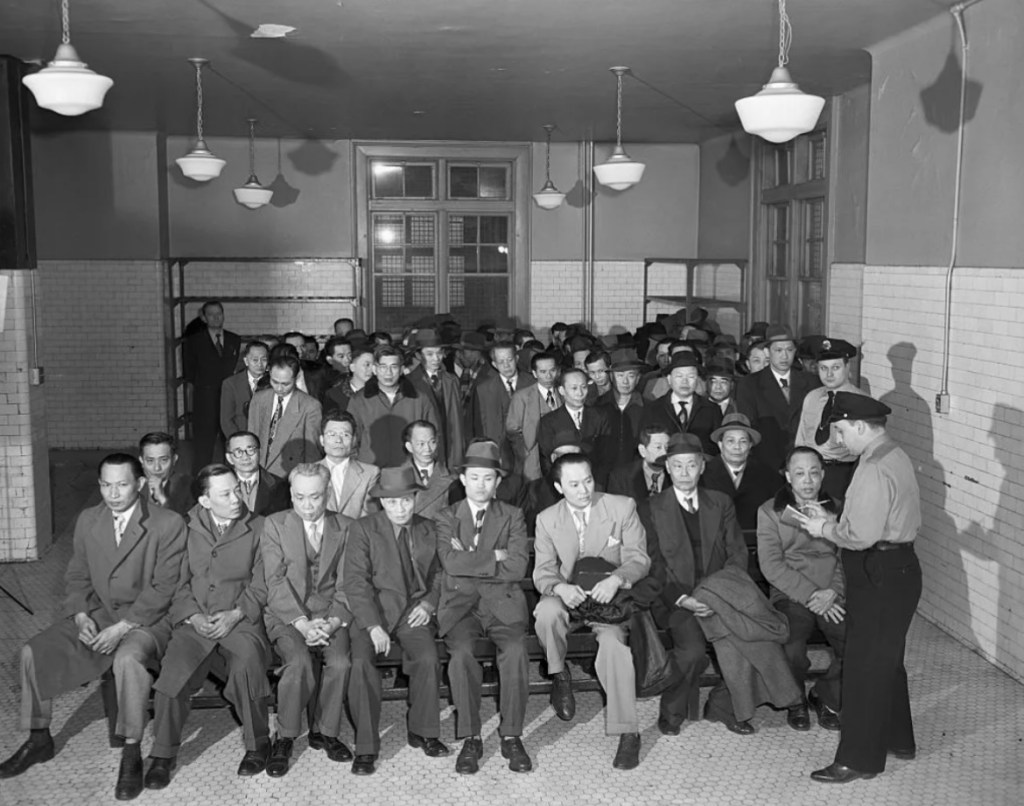
Much of the early structure for policing U.S. borders and restricting immigration originated with a movement to restrict the arrival of Chinese laborers. In the 1870s, the growing number of Chinese immigrants entering the United States to earn money, working first in gold mining and then laying new railroads, faced increasing opposition from white workers concerned about competition driving down their own wages and working conditions.
Despite the relatively small numbers of Chinese immigrants, rhetoric focused on the effects of a Chinese “invasion” as well as a global narrative of a “yellow peril” that could result in Western countries being overrun by Chinese migrants intent on fundamentally transforming their cultures. This rhetoric gave rise to the anti-Chinese movement in the American West, which translated into violent uprisings, shootings, and efforts to drive Chinese residents out of towns where they lived.
It also resulted in the federal Chinese Exclusion Acts, the first of which passed in 1882 to temporarily restrict the arrival of Chinese laborers. The measure was eventually made permanent by 1904, singling out the Chinese as the only people to be barred from entry on the basis of race, beyond admitting temporary residents on specific business, like diplomats, merchants, and students.
The Acts led to a decrease in the population of Chinese migrants already in the United States and prevented migrants from returning if they left to visit family in China. The Acts also stated that Chinese people could also not become naturalized American citizens, ensuring that those living in the U.S. would be cast as perpetual foreigners.
It was only during the Second World War that American impressions of the Chinese people gradually improved, when China was the “first to fight” against the Axis powers after the Japanese invasion. As a part of a larger series of measures aimed to aid China’s morale as a U.S. ally, the U.S. Congress repealed the Chinese Exclusion Act in 1943. For a brief period, Chinese immigrants to the United States were celebrated, though only accepted in small numbers thanks to the national origin quotas system put in place in the 1920s that curbed immigration from nearly everywhere but countries in Northwest Europe such as the United Kingdom. The rise of Chinese communism and the victory of the CCP over Chiang Kai-shek’s nationalist government in 1949 led to renewed xenophobia and suspicion of Chinese residents in the United States. In the 1950s, reports of a uniquely Chinese method of illegal immigration based on claiming the identity of derivative citizens inflamed officials at the U.S. Departments of State and Justice. Visa screenings in Hong Kong for new migrants slowed even beyond the sluggish pace that had dominated the 1940s. The FBI launched a series of raids on benevolent organizations in U.S. Chinatowns, seeking their records to prove that many Chinese in the United States entered under false identities, which people had been forced to do having been singled out for exclusion since the 1880s. Many Chinese Americans also were subjected to abuse, arrest, and FBI harassment, in addition to increasing suspicion from the American public. Although in later decades of the Cold War, Chinese Americans would join Japanese Americans as a much touted “model minority” for their academic achievements—especially after immigration reform in 1965 removed the quota system and more migrants arrived from across the globe—this stereotype proved damaging.
The assumption that Chinese Americans were unique and different from other ethnic groups in the United States kept the “perpetual foreigner” syndrome alive, allowing many Americans to assume that people of Chinese descent, citizens or not, would always remain more loyal to China than the United States.
This set of assumptions helped frame the devastating 1982 murder of young Chinese American Vincent Chin, whose identity was mistaken for that of a Japanese national by a pair of auto workers whose blamed Japan for their unemployment. Similarly false assumptions also led to the arrest and persecution of Taiwanese American scientist Wen Ho Lee. Lee had worked at the Los Alamos National Laboratory in New Mexico on systems connected to the U.S. nuclear arsenal.
When information about U.S. nuclear systems seemed to have been transferred to China, Lee was arrested and detained for over a year, mostly in solitary confinement. The evidence that Lee had spied for China never materialized, and he was ultimately released and won a civil settlement against the government and certain media entities for how they handled his case.
The assumption that Chinese Americans or Chinese migrants with access to technical and scientific information must be using it on behalf of China has not declined in the last three decades.
Since 2000, Chinese espionage in the United States has been significant, with Chinese nationals most often committing the crimes. However, this espionage has come most often in the form of hacking, cyber-attacks, and efforts to steal trade secrets from tech firms, undertaken both within and outside of U.S. territory. But there are no known examples of economic migrants entering the United States and engaging in espionage.
In 2018, the U.S. Department of Justice launched its “China Initiative,” seeking to uncover unlawful technology and scientific transfers to China, investigating ethnic Chinese professors and researchers in the United States and subjecting them to what was often unwarranted scrutiny. The program was ended in 2022 with the admission that it frequently targeted ethnic Chinese people and subjected them to suspicion and harassment without clear evidence that they had done anything wrong.
During the COVID-19 pandemic, some used rhetoric that linked Chinese migrants to the circulating virus. Derogatory language like “kung flu” and the “China virus” led to a well-documented increase in harassment, discrimination, and violence reported by Asian Americans. Connecting ethnic Chinese people in the United States to a pandemic that destroyed lives and livelihoods helped stoke assaults on Asian Americans, and it harked back to the Chinese exclusion era when migrants were blamed for outbreaks of the flu and other diseases. This led to a grassroots movement centered on the slogan “Stop Asian Hate” to raise awareness of crimes again Asian and Pacific Islander Americans. Protecting U.S. national security is important, and immigration law and policy can play an important role in that. However, it is possible to manage even irregular entries on the Southern border without resorting to the language of “invasion” and peril that has done so much damage to Chinese immigrant and Chinese American communities in the past and present. Meredith Oyen is an associate professor of history and director of the Asian Studies Program at the University of Maryland, Baltimore County. She is the author of The Diplomacy of Migration: Transnational Lives and the Making of U.S.-Chinese Relations in the Cold War (Cornell University Press, 2015).
Just listen to this smooth talking liar named Obama. He seems to live in a different world where ordinary Americans don’t know what he is talking about at The circus of Democratic National Convention 2024. 聽聽這個名叫歐巴馬的花言巧語的騙子吧。他似乎生活在一個不同的世界,普通美國人不知道他在 2024 年民主黨全國代表大會馬戲團上在說什麼. 聽起來更像是魔鬼在教會裡給他的追隨者洗腦.
Army Time Magazine: Military sexual assault rate higher than US Dept of Defense estimates, report finds during the war in Afghanistan, 24% of active duty women and 1.9% of active duty men experienced sexual assault. 女人在美國當兵, 24% 被強姦. 自己人都不放過,你可以想像當地的女姓有多少被美軍強姦,日本女人更慘,被美軍強姦後,日本政府無權起訴他們呢.





 Business Blog