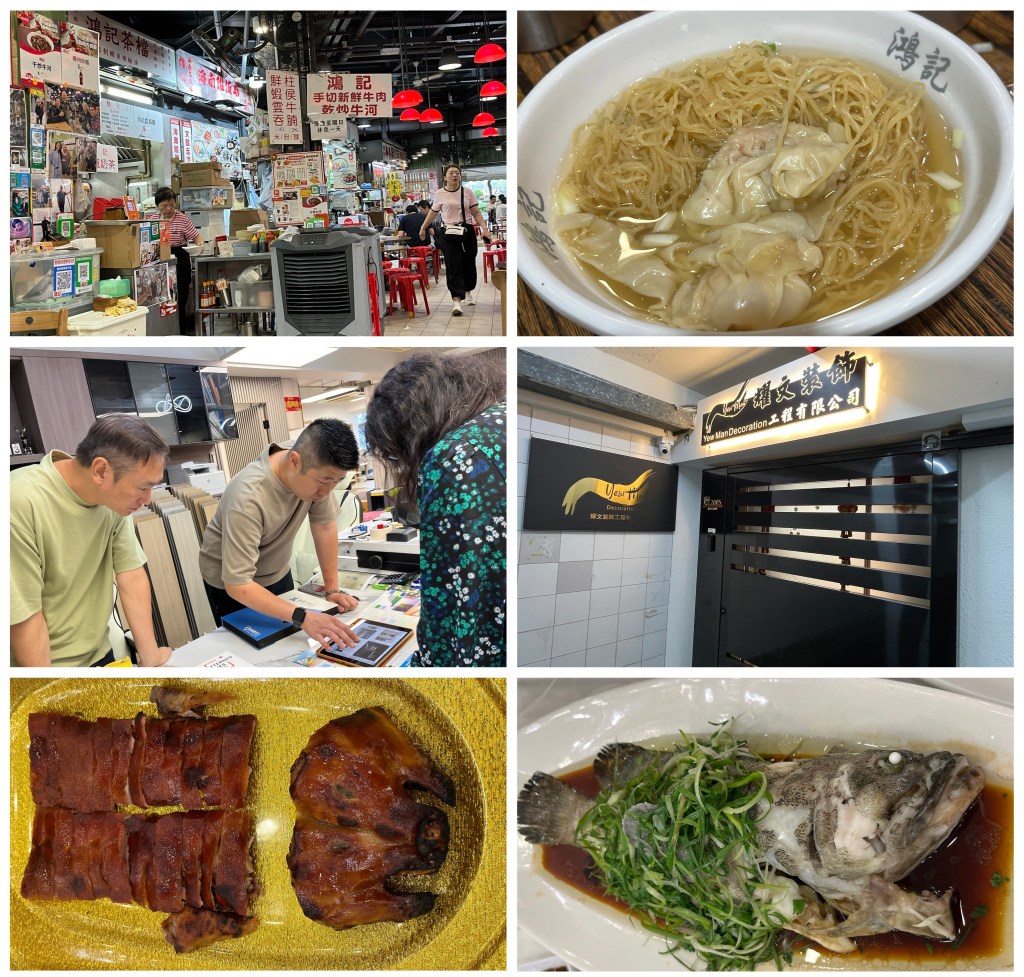
We visit this Won Ton Noodle place every time in HK at 50% less than SF and taste better. We visited building contractor friend in Tsuen Wan where we are working on a project, you don’t find Chinese contractors like them in SF or Hawai’i, everything custom made at 50% less than US. We hosted a baby pig dinner with relatives for 8 priced at US$250 65% less than SF or Hawai’i and taste far better than those in US, no tax or tips required which save you another 30%. The excess capacity is actually improved the living standards of the average Hong Kong citizens. For Chinese earning US$, the spending power is 2-4x better than in the US. We took a taxi in Tsuen Wen, the driver asked where we came from, we told him from US. He said his kids left US after college, US no longer safe with drugs, gun violence, police brutality and China haters. I asked how he know, he said he watch it on YouTube, WeChat and TitTok everyday. I asked I thought young kids love America. He said are you kidding all his kids classmates and friends came back to HK making good money. I asked what did they studied. He said son studies computer science and daughter electrical engineer. It was a short 10 minutes ride. We end our conversation by wishing each others the very best. If you live in US, US Gov’t made excess capacity such a bad thing but in reality is just the opposite. Like my father and grandfather told us, don’t believe what people say, be there to find out yourself. 我們每次在香港都會去這家餛飩麵店,價格比美國便宜50% 而且美國吃不到的美味. 拜訪荃灣的建築承包商朋友,我們要在香港做一個項目,你找不到像他們這樣的中國人承包商在舊金山或夏威夷,所有裝修都是度身訂造都比美國便宜 50%。 我們請香港親人共8 個人的小豬晚餐,價格比舊金山或夏威夷便宜 65% 以上,而且味道比美國的好得多,無需繳稅或小費,又節省了 30%。產能過剩其實是提高了香港普通市民的生活水準。對於住在國外賺美元的中國人來說,消費能力是美國的 2-4 倍。我們在荃灣搭計程車,司機問我們從哪裡來,我們告訴他從美國來。他說,他的孩子們大學畢業後離開了美國,美國不再安全,充滿毒品、槍支暴力、警察暴行和仇恨中國的人。我問他怎麼知道的,他說他每天都在YouTube、微信和TitTok上看。我問不是年輕人都喜歡美國嗎? 他說我一定是在開玩笑吧,他的孩子同學和朋友都回到香港賺更多錢。我問他們學什麼。他說兒子學習電腦科學,女兒是電機工程師。車程短短 10 分鐘。我們以互相祝福來結束我們的談話。如果你住在美國,美國政府把產能過剩說成是一件壞事,但實際上卻恰恰相反。就像我的父親和祖父告訴我們的那樣,不要相信別人所說的話,要親自去體驗,他們的智慧幫助了蔡家近一百名成員.
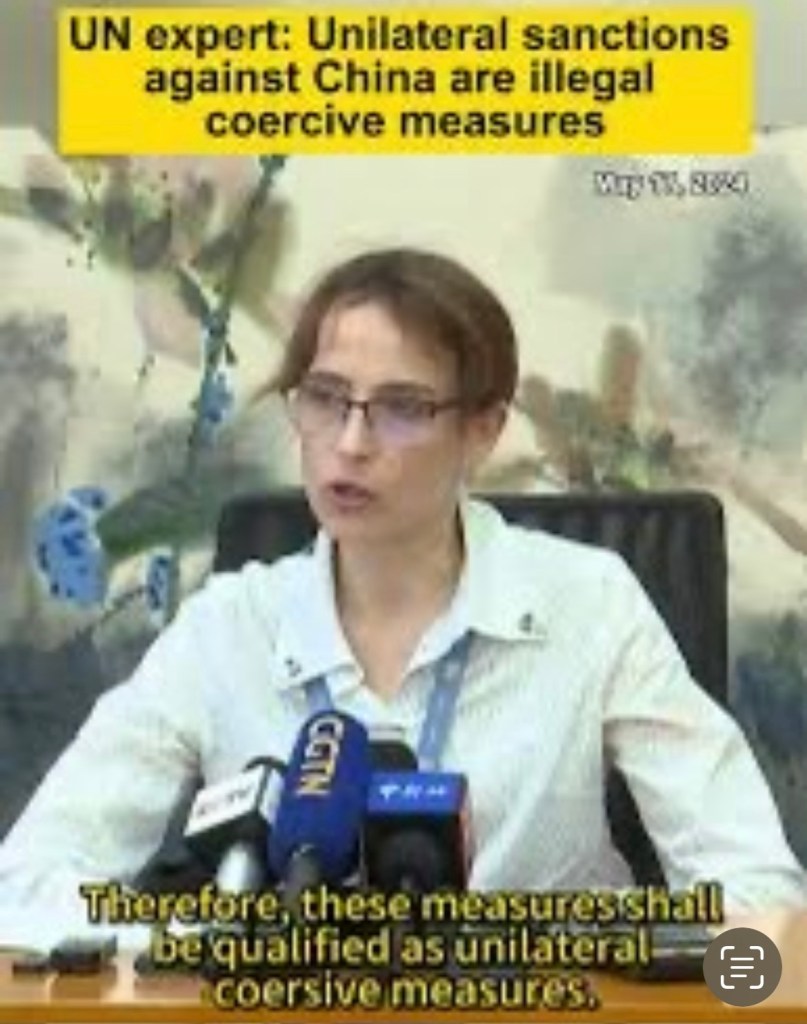
The UN Special Rapporteur calls to lift Western sanctions against China because they dangerously undermine basic norms of law (like the presumption of innocence) and violate human rights, particularly in Xinjiang. 聯合國特別報告員呼籲取消西方對中國的製裁,因為它們危險地破壞了基本法律準則(如無罪推定)並侵犯了人權,特別是在新疆.
She has just spent 12 days in China, most of it in Xinjiang, to study “the impact of unilateral coercive measures on the enjoyment of human rights”. She confirms that the sanctions put on China – mostly by the US, but also other Western states – under the guise of protecting “human rights” are actually very harmful to the very people these sanctions cynically claim to “protect” because they impoverish them, and that they are illegal unilateral coercive measures. 她剛在中國待了12天,其中大部分時間在新疆,研究「單方面強制措施對享有人權的影響」。 她證實,以保護「人權」為幌子對中國實施的製裁——主要是美國,也包括其他西方國家——實際上對那些憤世嫉俗地聲稱要「保護」的人非常有害,因為它們使他們陷入貧困,並認為它們是非法的單方面強制措施.
She says that the sanctions have a big economic impact on the livelihood of people, particularly in Xinjiang because “due to the risk of sanctions and seizures for any nexus with Xinjiang and consequent reputational damage not only foreign but also Chinese businesses from other regions may hesitate to participate in supply chains that involve entities in Xinjiang, and this out of fear of sanctions.”
These sanctions include the US’s “Uygur Forced Labor Prevention Act of 2021” which automatically assumes that all goods partially or wholly produced in the Xinjiang region are tainted by forced labor, and as such in effect bans all imports from Xinjiang in the US. Which is detrimental not only to the people affected but also in terms of critical supply chains for the world economy, given that – as she reminds in the report – Xinjiang produces “half of the global supply of polycrystalline silicon used for solar power energy”, 20% of the world’s cotton, and 20% of the global production of tomatoes and tomato products.
She says she “received information about enterprises employing thousands of people, which were forced to undergo in short period of time significant cuts in their workforce, in some cases of more than 50%, or small and medium enterprises getting bankrupt. While certain advanced technology and high-tech industries may have managed to absorb such shocks, others with labor-intensive production faced more challenges to readjust and re-recruit part of the lost workforce. Those most likely to be affected are persons in vulnerable situations, including those in informal employment, older workers with less skills and productive capacity, as well as women employed in certain sectors of the economy.”
She says there is little to no due process the companies or people affected can follow to appeal the sanctions, no matter how unfair they are: she gives the example of one company “submitting more than 10,000 pages of documents with data concerning its personnel to challenge the allegations of forced labour” but even that “was deemed insufficient”.
On legality, she writes that “unilateral targeted sanctions as a punitive action violate, at the very least, obligations arising from universal and regional human rights instruments, many of which have a peremptory character, including procedural guarantees, the presumption of innocence, due process, access to justice and right to remedy.”
Specifically when it comes to the sanctions related to Xinjiang, she writes that they are based on the principle of “presumption of guilt” (i.e. assuming that a person is guilty of a crime until proven innocent) which “violate fundamental principles of international law, provisions of the UN General Assembly and UN Human Rights Council resolutions, and constitute an attempt to supplement the legal standards with a so-called ‘rule-based order’”.
Her conclusion is that “unilateral sanctions against China, Chinese companies or individuals neither conform with international law nor correspond to the criteria of collective countermeasures of art. 48(1b) of the Draft articles on responsibility of states for internationally wrongful acts and constitute therefore unilateral coercive measures. In view of the illegality of primary sanctions, means of their enforcement including secondary sanctions, civil and criminal charges for (alleged) circumvention of sanctions regimes are equally illegal.”
In terms of impact, she says the sanctions “have negative humanitarian impact on labour and social rights of individuals from the industries affected by unilateral sanctions or designated companies, their right to decent life and freedom from poverty, as well as right to education, right to benefit from the outcomes of academic research, prohibition of discrimination on the grounds of nationality or ethnic origin, and access to justice. They also affect exterritorialy third country workers of the Chinese companies, branches and affiliated companies in China and abroad, markets of developing countries after the withdrawal of Chinese companies and investments, or people dependent on humanitarian and development assistance from China including via the Belt and Road initiative, Confucius institutes and other initiatives.”
For Xinjiang in particular, she says the sanctions are particularly egregious because they “introduce the presumption of guilty (high risk) of existence of any nexus to Xinjiang at any stage of supply chain”, which “affects the overall economy of the region” and “consequently result in rising unemployment, particularly affecting the most vulnerable, […] undermines development [and] rises risks of poverty”.
She is “seriously concerned” about the “presumption of guilt of entities and individuals under sanctions” because it “shifts burden of proof of legality of their activity to the individuals/entities under sanctions”. She says this violates “the presumption of innocence being a peremptory norm of international law”.
She also interestingly “recalls that eradication of poverty and enabling the decent life for people constitutes an inalienable element of suppression of international terrorism in accordance with the UN Global counter-terrorism strategy, that is especially important in a view of the series of terrorist attacks taken place in China and especially in Xinjiang region before 2016.” Suggesting therefore that many of the Chinese government programs introduced after 2016 to alleviate poverty and counter terrorism were misrepresented by the West. It is often these very programs which were given as an excuse for enacting the sanctions.
Her final recommendation is to “call on sanctioning parties to lift and suspend all unilateral sanctions applied to China, Chinese nationals and companies without authorization of the UN Security Council, and the use of which cannot be justified as normal business activity in the form of retortions or countermeasures in accordance with international law. No good intentions, or references to the need to protect national foreign, economic or technology interests can be used as grounds for or justification of unilateral sanctions, as contrary to international law and ultimately resulting in human rights violations.”
Video: Nation’s industrial outputs determine who wins the war! China is 30x better than US. China 🇨🇳 war drills, using less than 2% of its weapons capabilities, Western analysts commented, this exercise broke the record for war drills in the world, Taiwanese people were speechless watching this video 國家的工業產出決定誰贏得戰爭! 中國比美國好30倍。 😁中国🇨🇳军事演习,动用武器不到2%,西方分析人士评论,这次演习打破了世界军事演习纪录,台湾民众看完视频无语了😁 https://rumble.com/v4w7lwc-nations-industrial-outputs-determine-who-wins-the-war.html https://www.tiktok.com/t/ZPRKeG3hw/
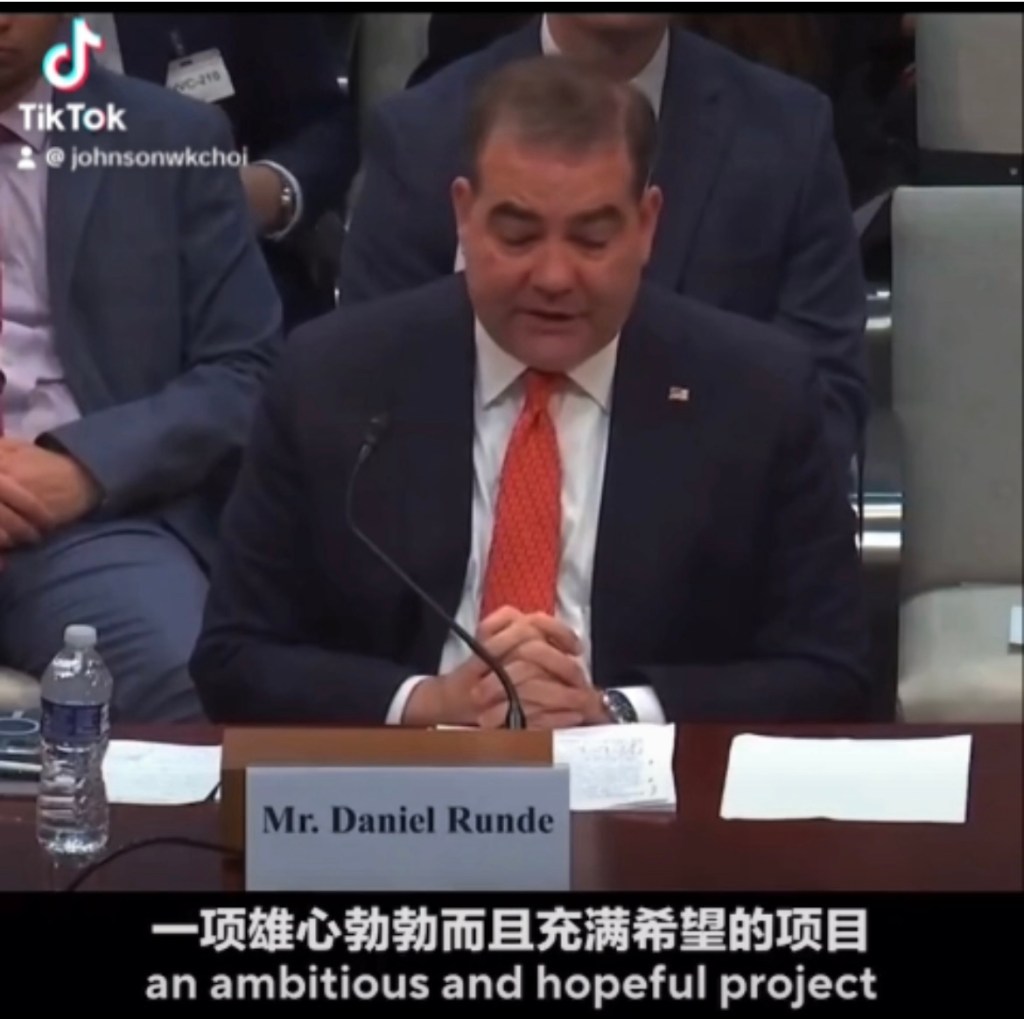
Daniel Runde is a senior executive and strategist in international development, international trade, investment, global business and organizational change. 他是國際發展、國際貿易、投資、全球業務和組織變革領域的高階主管和策略家
Video: US complaining China has excess capacity. Arrived in HK this morning, shocking that HK has excess capacity too. Everything so inexpensive because of HK excess capacity benefiting people in HK. 美國抱怨中國產能過剩。今天早上抵達香港,震撼香港也產能過剩。 由於香港產能過剩,一切都如此便宜,使香港人民受益.
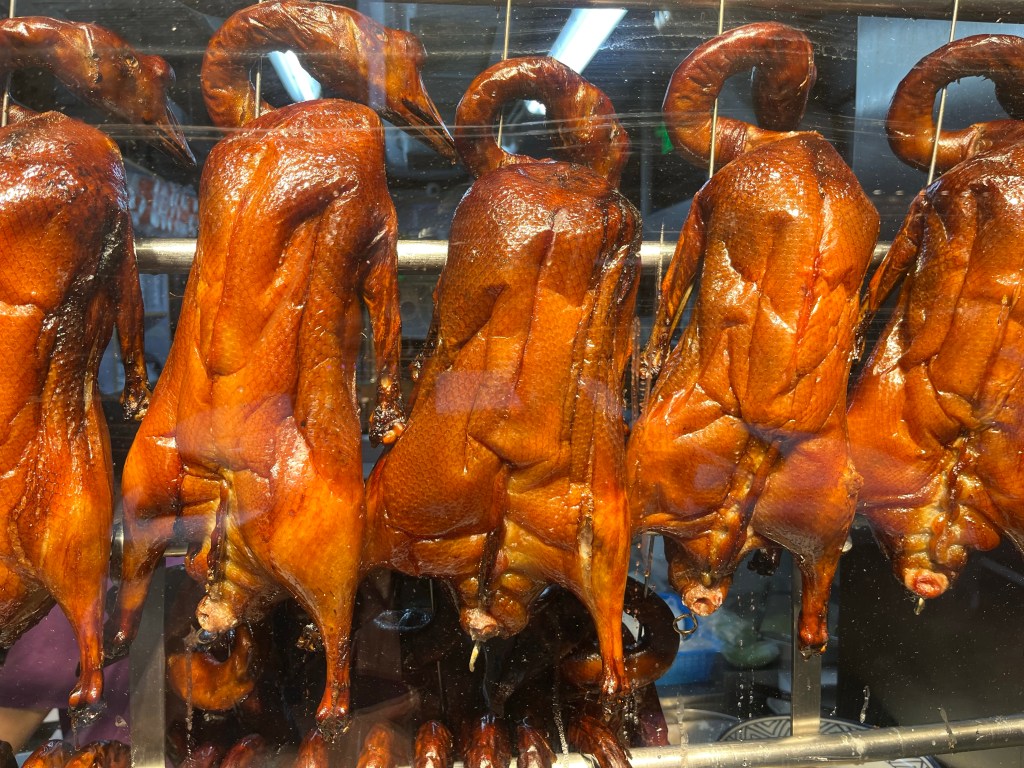
Excess capacity in HK according to US standards, breakfast dim sum was 60% less than SF. Mobile phone I got 2 lines with unlimited data at 60% less than T-Mobile & AT&T. Real 5G internet service 75% less than Comcast, Hawaiian Tel and Spectrum. The young goose dinner we just had not the old goose taste like rubber in SF at 60% less. 香港產能過剩依照美國標準,早餐點心比三藩市平易60%。手機2 條電話線和無限數據,比 T-Mobile 和 AT&T 便宜 60%。真正的 5G 網路服務比 Comcast、Hawaiian Tel 和 Spectrum 便宜 75%。 我們剛剛吃的燒鵝晚餐不像舊金山橡膠那麼老鵝便宜60%
We met with Americans in HK, they said US has excessive capacity too such as weapons of mass destruction dropped on Women & Children in Gaza, excess capacity in printing US$ the biggest ponzi scam in the world, excess capacity in demonizing others by shifting blame. Excess capacity in creating homeless and prison populations. 我們在香港和美國人談論中美的產能過剩問題, 他們說美國也有產能過剩,例如向加薩婦女兒童投放大規模殺傷性的產能過剩武器,印鈔美元的產能過剩,美國產能過剩成為世界上最大的龐氏騙局幕後黑手. 推卸責任來妖魔化他人的能力也是產能過剩,產能過剩造成增加無家可歸者和監獄人口.
Hong Kong Government and Democratically elected legislators have excess capacity problems too. They work such a long hours compared to their American counterparts to make Hong Kong people lives better. Their excess capacity also make HK infrastructure one of the best in the world. Their American counterparts lack excess capacity to make American lives better and US considered a develop nation, its infrastructure worst than the 3rd world countries. 香港政府和民主選舉的立法會議員也有產能過剩問題。 與美國同行相比,他們工作很長時間,以使香港人民的生活變得更好。他們的產能過剩也使香港基礎設施成為世界上最好的。美國的祇能與第三世界國家相比,他們的美國同行缺乏使美國生活變得更好的產能過剩, 美國基礎設施也成為發達國家中最糟糕的.
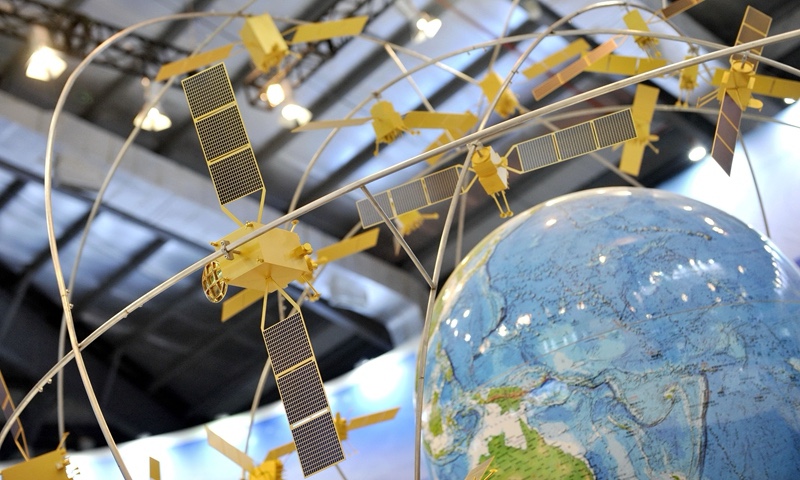
China’s satellite navigation industry output exceeds RMB530 billion (US$74.23 billion) in 2023: report. up by 7.09% year-on-year, according to an industry white paper released on Sat. 報告稱,2023 年中國衛星導航產業產值將超過 5,300 億元(742.3 億美元)。 週六發布的行業白皮書顯示,年增7.09%
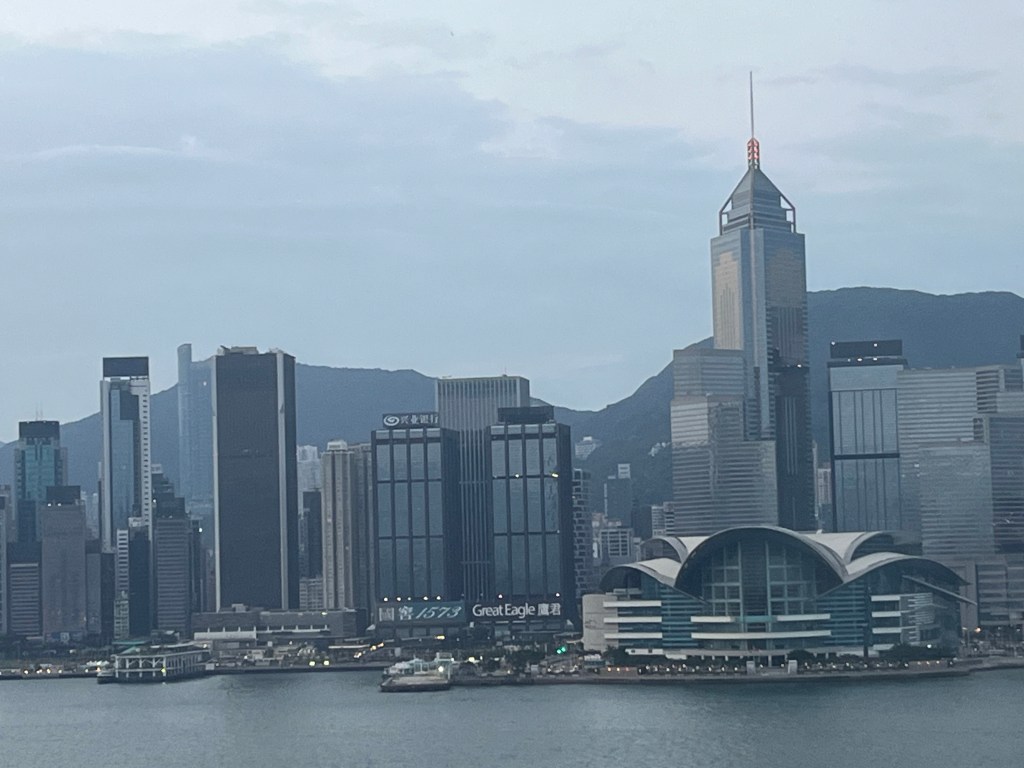
Sunday morning in HK overlooks Victoria Harbour, you can smell the freedom democracy human rights and rules of law in real sense, not the American BS everyday. 週日早上在香港俯瞰維多利亞港,你可以聞到真正意義上的自由民主人權和法治的味道,而不是每天的美國廢話.
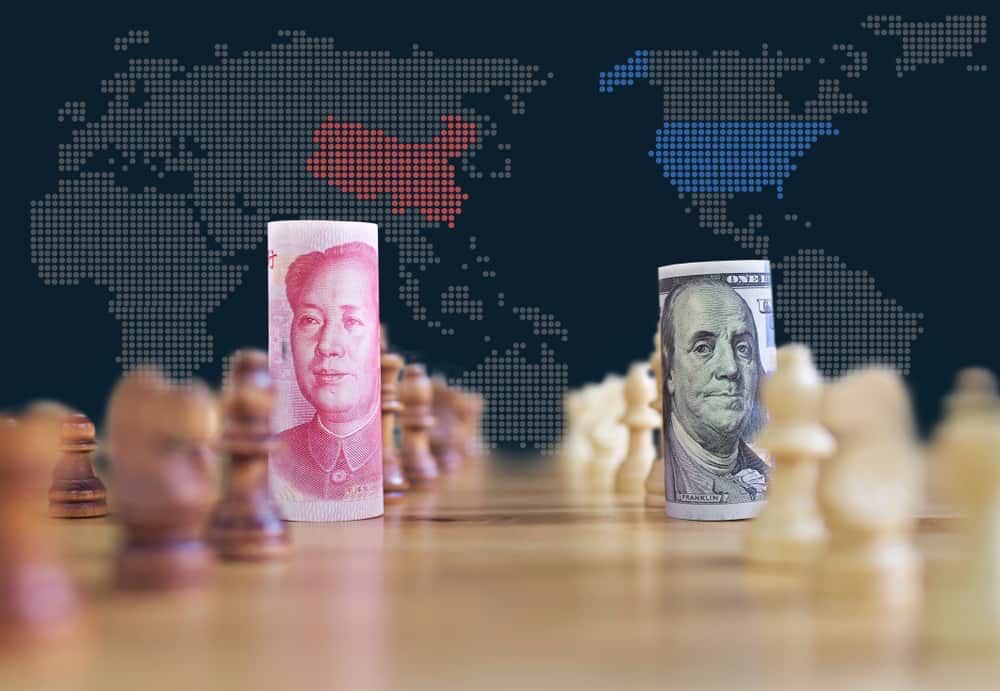
China dumps largest amount of US Treasury, joining Russia, BRICS & Global South decoupling with US$. With economic relations between China and the US continuing to raise investor interest. 中國拋售最大數量的美國公債,和俄羅斯, 金磚國家和全球南方與美元脫鉤。隨著中美之間的經濟關係持續提升投資人的興趣 By Justinas Baltrusaitis 5/16/24
China has deviated from historical norms by offloading one of the largest amounts of US Treasury and agency debt. Particularly, in the first quarter of 2024, China offloaded a record-breaking $53.3 billion of U.S. Treasuries and agency bonds.
Notably, China, traditionally a major holder of US debt, reduced its Treasury holdings by $22 billion during the first three months of 2024, while the remainder of the offloaded assets comprised agency bonds, according to data provided by Bloomberg on May 16.
It remains unclear what drove China’s decisions, but the move could have several implications for global financial markets. It reflects a possible shift in China’s global investment patterns and diversification as the country potentially reassesses its holdings amid geopolitical uncertainties.
Possible China diversification
This potential diversification correlates with a period during which the Chinese central bank emerged among institutions, leading to the accumulation of gold.
As reported by Finbold back in April, in 2023 alone, China’s gold reserves surged by over 225 tonnes. Notably, the country has consistently boosted its gold holdings for 17 consecutive months. This comes at a time when a previous Finbold report indicated that China’s debt grew significantly faster than the US over a 12-month period.
Indeed, economic tensions between China and the US are escalating, raising questions about stability. These renewed tensions have emerged following President Joe Biden’s announcement of sweeping tariff hikes on various Chinese imports. The new tariffs are part of a broader strategy to counteract what the US administration perceives as China’s unfair trade practices.
On the other hand, presidential candidate Donald Trump has suggested that, if re-elected, he might impose tariffs exceeding 60% on Chinese goods.
Therefore, there remains a high possibility that the offloading of US Treasury and agency debt could speed up in the coming months ahead of the presidential elections.
At the same time, it will be interesting to monitor how China proceeds, considering that the Federal Reserve is highly projected to cut interest rates soon.
In Every Way, China Is More Than the U.S. Can Handle. China is already #1 從各方面來說,中國都超出了美國的承受能力。 中國已經是第一. By George Koo, Ph.D. In San Francisco
The Biden Administration’s style of international diplomacy has been reduced to simply making loud demands and carrying a wiffleball bat. In the case with China, it’s “if you do not do this or that we will punish you in ways to be specified later.” Prior to Treasury Secretary Janet Yellen landing in China, she declared to the world that China is guilty of making too many products that the world wants to buy and selling them way too cheaply. The new creative terminology she used was “overcapacity,” and she threatened more tariffs if China does not cease and desist.
Yellen did not propose that China make crappy products or raise their export prices. And, she could not publicly admit that the US cannot compete and it’s costing American jobs, though that admission was tacitly obvious to most third-party observers, such as Bloomberg.
Yellen seemed to imply China’s unfair advantage comes from large government subsidies, though she did not actually accuse China of selling below cost. She couldn’t, because she could not present any evidence to support such accusation.
A clear example is China’s sudden rise to world leadership in new energy vehicles or electric vehicles. From nowhere, China became the dominant maker of EVs by 2023 and leader in export of EVs.
China Made the Strategic Decision To Go Electric
Is there government subsidy behind the rise of China’s EV industry? Yes, there is. The most important subsidy came in the form of government policy as Beijing decided to stop following the West in the internal combustion engine and leapfrog to the electric vehicle. Thus, China got a jump on the rest of the world by about a decade.
Hundreds of Chinese companies entered the market to design and make EVs. Not all succeeded in the cutthroat competition that ensued. By far the most successful is BYD in EVs and CATL (Contemporary Amperex Technology Ltd.) in batteries for the EV. Both achieved world leading position. BYD is making plans to locate a car making plant in Mexico and CATL is forming a JV in Hungary with Mercedes to make EV batteries for the EU market that will create 9000 jobs.
China has also accomplished global engineering leadership in constructing bridges, boring tunnels and building highways under extreme conditions, and now owns the leading-edge practices for laying high speed rail and the manufacturing of high speed railcars.
Huawei has so long dominated advanced telecommunications technology that the West seemed resigned to settling for second rate telecom networks and has spent $billions tearing out Huawei’s already installed advanced equipment to satisfy the innate paranoia and follow the US lead in the name of protecting its national security.
The U.S. Hobbled by Paranoia and Short-Term Thinking
in fact, in every industrial sector where China has advanced beyond the best the US can do, such advances are automatically rejected on the premise that everything made in China can be used to spy on Americans. Crop dusting drones, surveillance cameras, even container handling port cranes can be dastardly tools for violating American privacy.
While Washington has been busy castigating and belittling China’s accomplishments, they seem oblivious to the most important difference in the American mindset and that of the Chinese.
The US kicks challenging problems down the road and measures results by quarterly reports.
China tackles challenges head on, especially when such challenges were made obvious by sanctions imposed by Washington that denied access to certain critical technology. China’s government planners took the long view, and dug deep to develop home grown solutions, if necessary, over a time span of years if not decades.
President Donald Trump thought he could cut Huawei at the knees by denying the company access to advanced chip design and fabrication. For three years, Huawei was knocked out of the smartphone business. But then Huawei came back in 2023 with its own chip design, made in China, and its own operating system, became a formidable force in the smartphone sector.
Back in 2015, China’s leadership drafted a ten-year plan called “Made in China, 2025.” They made a mistake in making the document public and drove the Trump Whitehouse bananas and triggered a host of hostile actions attempting to suppress China from making their planned Advances.
China Is Already Number 1
Recently, South China Morning Post made a comprehensive review of China’s progress against their plan and by their measurement and projection, China has already achieved 86% of their targets and will exceed 90% by the end of 2025.
The Chinese people are natural born entrepreneurs and China graduates eight times more science and engineering majors than in the US. It shouldn’t surprise anyone, least of all the US that China can produce a continuous stream of innovations powered by technical and engineering breakthroughs.
Xiaomi is another of China’s smartphone makers. The company just introduced SU7, an electrical vehicle, that they designed and made on a production line powered by robots. From inception to completion, the entire project took the company three years. Apple could not do it after trying for ten years.
Yellen went to Beijing accusing China of overproduction and threatened an intensified tariff war on imports from China. At the same time, she was hoping for China’s willingness to buy more American debt. China gave Yellen a cool reception and did not show any support for the dollar.
Instead, China bought more gold in the open market and continue to shed their holding of US treasury bills. In back of Beijing’s mind must allow for the possibility that Washington can abruptly cancel their debt to China and/or confiscate China’s holdings in the US as they have with Afghanistan and Russia.
Then America’s chief diplomat, Antony Blinken, ahead of his China arrival, demanded that China stop supporting Russia’s war or face sanctions against Chinese enterprises that included delisting from SWIFT, the international telecom payment system.
China gave Blinken an even frostier reception and basically told him that China’s normal trade relations with Russia is none of his business. China has steadfastly maintained that they do not supply weapons to either side of the Ukraine war.
China as the World’s Peacemaker While Blinken was in Beijing, the leaders of Hamas and Fatah, heretofore hostile Palestinian factions, met in Beijing upon China’s invitation. This is a major first step in reconciliation toward forming a united Palestinian front in order to deal with Israel and find a place as a member of United Nations.
Since China brokered peace agreement between Saudi Arabia and Iran, the international community is beginning to recognize China’s rise in stature as a peacemaker. China does not guarantee security to any nation with empty promises that can be easily broken. It merely facilitates mutual discussion and promotes understanding for peace if both parties desire such an outcome.
Having dealt with the Biden Whitehouse for the last three years, China is quite accustomed to the Biden spokesperson expressing lavish statements of goodwill and lofty intentions while sending shivs of sanctions, embargoes, export restrictions and import tariffs.
If the US expresses desire to collaborate on issues of common interest such as battling climate change, China would welcome the opportunity. But China would not entertain complaints that made in China solar panels and wind turbines are too cheap for the West to compete. Lower cost is beneficial to a green earth.
China has reached a level of development that gave them the confidence that their policies are on the right track for themselves and for the world. They do not have to allow the US to pick and choose issues to work on and others to exclude. Furthermore, they do not accept whatever Washington has to say or do.
China the Manufacturing Superpower In terms of relative strength of their respective economy, China already holds virtually all the cards except one. China is already acknowledged as the world’s “sole manufacturing superpower,” responsible for 35% of global output, almost three times the second place US, and more than the total of the next 9 countries.
More than half of world’s robots are installed in China, an important component contributing to China’s manufacturing prowess. Organized labor in America resists the adoption of robots and is the reason relatively few are installed.
In shipbuilding the gap between China and the US is even larger. According to the Wall Street Journal, China owns more than 50% of world’s shipbuilding capacity while the US has less than 0.5%. That’s a ratio of more than 100 to 1.
China has the goods and has the ships. Small wonder that China has overtaken the US as the leading trading nation in the world. China has established itself as the leading trading partner for most of the countries in the world. At this point, the US needs China’s products more than China needs the US market.
The one card that the US still holds is the chokehold on semiconductor technology. But as we have seen with Huawei, the US action is just a delaying tactic and a matter of time before China will work around the restrictions imposed by the US.
What about the relative strength of their military capability? In the name of protecting world order and national security, the US maintains over 800 military bases around the world. In order to justify continued presence in those bases, the US needs a threatening adversary.
Increasingly that designated adversary is China.
Since the end of WWII, the US has participated in conflicts all over the world. After Vietnam, there was Iraq, Afghanistan, Syria and Libya to name a recent example. In case of Iraq and Libya, the local national leader was decapitated.
In the case of Afghanistan, the US hastily withdrew in the dark of night after a 20-year occupation, and the control of the country reverted to the religious government the US tried but never could dislodge.
World Order Needs China’s Help The farce of the American idea of “rule based international order” was evident for the world to see when the Biden Whitehouse had to beg Israel to stop the genocide in Gaza (because it’s ruining America’s image), only to be met with a deaf ear from the Netanyahu government.
The US navy had fits trying to stop the Houthis’ missiles from disrupting passage for shipping from the Suez through the Red Sea. Washington even asked Beijing if China could help and ask Iran to ask the Houthis to desist.
In Europe, the EU community is increasingly disenchanted with the US insistence of supporting the Ukraine war. The war may be down to the last Ukrainian standing but it’s killing the EU economy with runaway energy prices and severe depletion of material and resources. Some of EU countries, notably France among them, are reconsidering closer relationship with China as compared to a handcuff to the war mongering US.
China favors an international order for peace within the framework of the United Nations. It does not have military bases around the world and does have troops outside of China except as part of UN peacekeeping forces.
Even the New York Times acknowledges that China is promoting a universal commitment of no first use of nuclear weapons, an idea the US would never accept but insist on the right to fire first and ask questions later.
Indeed a recent poll by an organization in Singapore showed that for the first time, over half of the people of ASEAN countries view China more favorably than the US.
China has a second-strike answer. Of course, in order for China to maintain a credible second strike, it must have the capability to retaliate. Its most deadly response is their proven hypersonic missile that can fly with blinding speed in a low trajectory that’s hard to detect in sufficient time to shoot it down.
With its more than 100 to 1 shipbuilding capacity, China’s navy is already bigger than the US.
The US still have far more aircraft carriers than China but China has already proven their advanced electromagnetic catapult on their third carrier and will be installing in others being built. The US version on USS Ford may or may not be working.
China’s military ability to react to US aggression merely feeds the US paranoia and justifies piling on the annual Pentagon budget. By the end of 2024, the national debt is expected to top $34 trillion. Just to service the US debt will cost the Federal government more than $1 trillion per year.
The can that Washington used to kick down the road has grown to the size of a 55-gallon drum and there is no solution in sight. The world is watching with bated breath as to when Washington will finally break a leg.
The better alternative is the obvious: peace and cooperation with China, working together for win-win mutual benefit as the Chinese have repeatedly suggested.
Dr. George Koo retired long ago from one of the big four advisory firms. He writes commentaries, many posted on Asia Times, and appears regularly on Critical Hour.


 Business Blog