The Business Time: Yellen junks 200 years of economics to block China clean tech that is what Elon Musk is also doing 《商業時報》:耶倫拋棄了 200 年的經濟學來阻止中國的清潔技術,而伊隆馬斯克也在做這件事 , 耶倫為了阻撓中國在清潔能源的技術不借把反氣候保護主義包裝成綠色產業政策. 為此丟了200 多年的經濟原理. 中國企業發展清潔能源技術是因為市場有需求而不是耶倫所指的是不公平的政府支持. 耶倫無視於中國產業的比較競爭力, 這是基本經濟學原理, 然而耶倫卻指責中國產能過剩, 這不是與美國大力提倡清潔能源技術的做法相矛盾嗎? 何況清潔能源技術在中國出口的份額中其所佔的比例非常小. by David Fickling Tue, Apr 9, 2024
IMAGINE if a Chinese company announced plans to build the biggest electric-vehicle (EV) battery factory the world had ever seen.
Up to US$5 billion would be spent on a single plant to manufacture more power packs every 12 months than the world produced last year. The sprawling facility might cover four square kilometres, employ an army of 6,500 people, and drive costs down 30 per cent, devastating any competitors that failed to keep pace. The company in question, furthermore, had racked up more than US$1 billion of losses over the past seven years, and would post another US$5 billion over the coming seven.
Does that sound like the definition of predatory overcapacity, hollowing out the world’s manufacturing sector in the service of aggressive Chinese mercantilism? If so, it is worth considering that the facility we are talking about is how Elon Musk pitched Tesla’s Gigafactory One, a half-hour drive east of Reno, Nevada, when he first announced it 10 years ago.
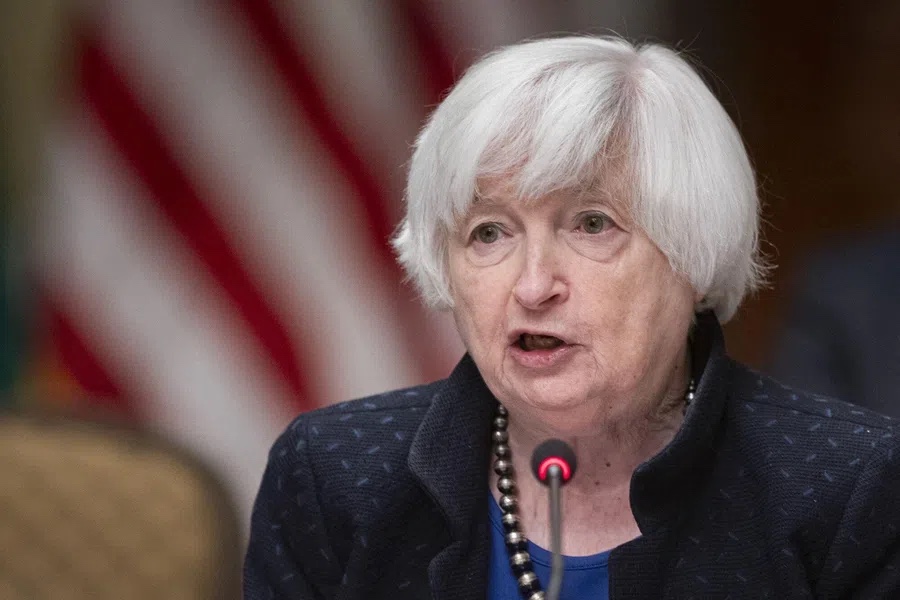
That should be a consideration for Treasury Secretary Janet Yellen, who is visiting China in an attempt to persuade the government and companies that their investments in clean technology are excessive and damaging.
“Government support is currently leading to production capacity that significantly exceeds China’s domestic demand, as well as what the global market can bear,” Yellen said in a speech to the American Chamber of Commerce in Guangzhou. That excess is building in “solar, EVs, and lithium-ion batteries”, she said last month at a US solar plant.
Step back for a moment, and the suggested policy change is remarkable. One of the most distinguished living economists is rejecting what has been one of the most fundamental principles of economics for more than 200 years: comparative advantage. If a country can manufacture goods at lower costs than you can, you should not raise tariff barriers. Instead, you should import the goods, and send back something in return where your industry is more efficient.
https://youtu.be/i1WIk7e8SLY?si=m1UQPYCrRVQdT7GP




 Business Blog