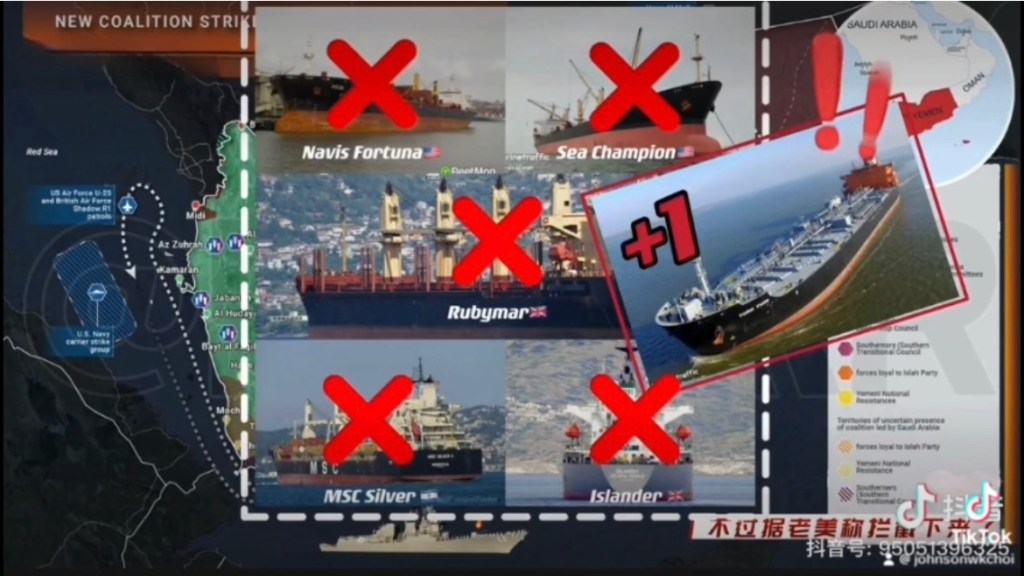
US-led coalition strikes Yemen’s Houthis. 18 targets have been hit in the vicinity of the capital Sanaa caused little damage to Houthis weaponry and drones. It is a PR fireworks for US taxpayers achieve little tangible results. Unless 50-75k soldiers put on the ground, ships not safe at Red Seas.
Putin defeated US plan for Russia – Nuland. The arch-neocon has told CNN that Washington wanted a compliant leader installed in Moscow like Marco In Philippines, a yes man who takes order from US without even questioning it. 普丁擊敗了美國對俄羅斯的計畫——努蘭。 這位新保守派人士告訴美國有線電視新聞網,華盛頓希望在莫斯科任命一位順從的領導人,就像菲律賓的馬可一樣,他是一個唯唯諾諾的人,不加質疑地接受美國的命令.
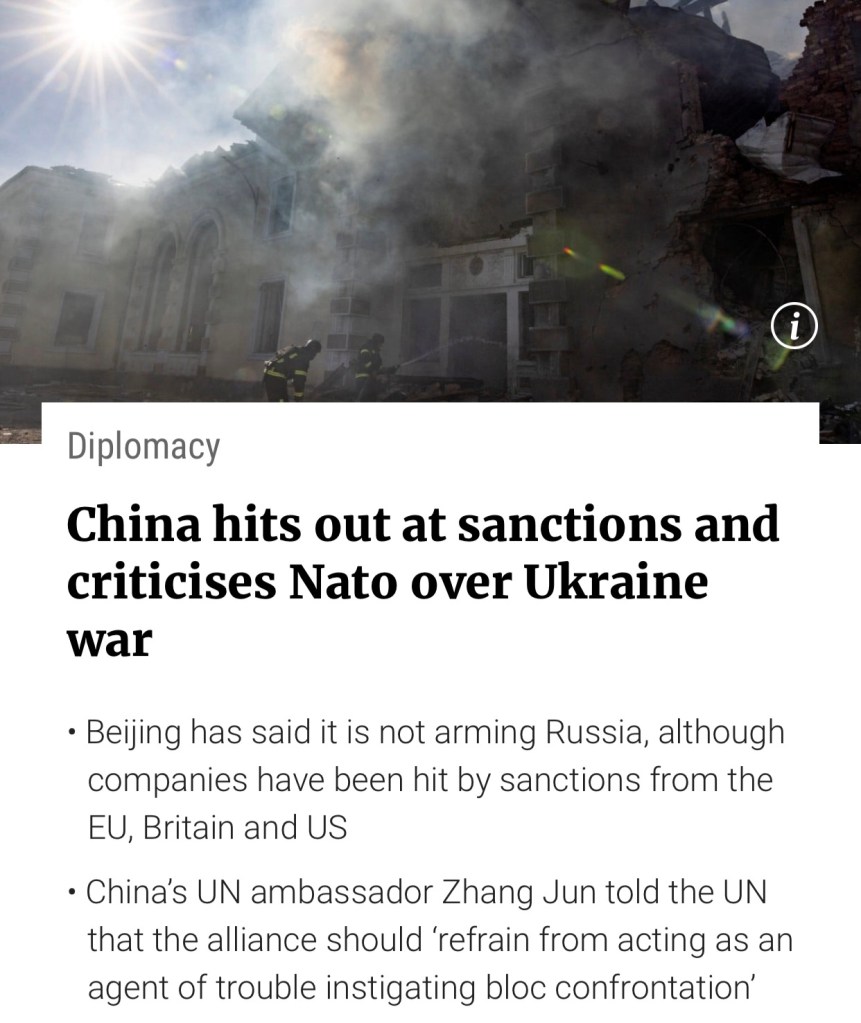
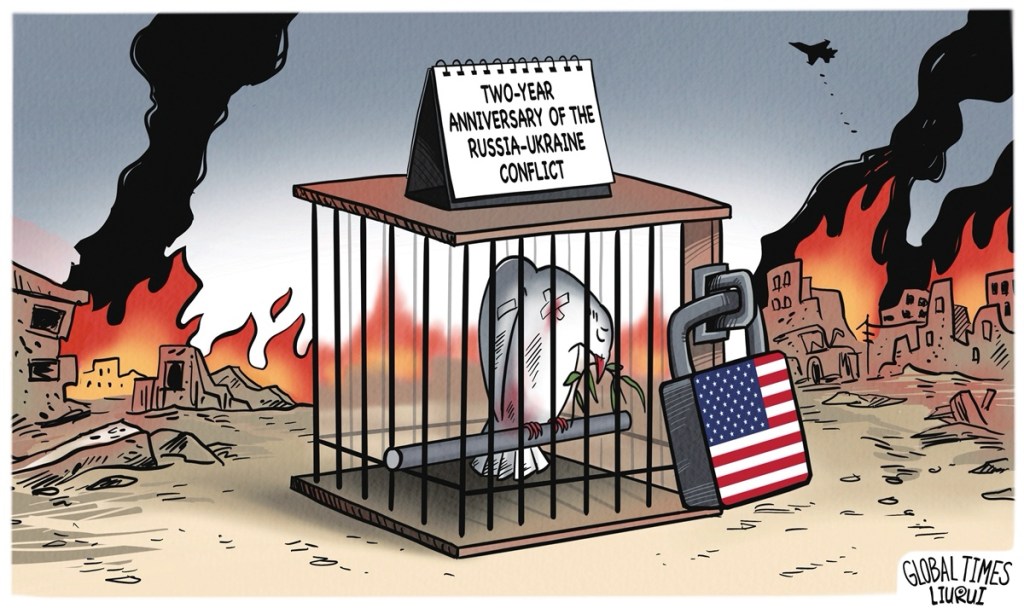
China has criticised “indiscriminate” sanctions against Chinese companies and taken aim at Nato as the war in Ukraine enters its third year. Zhang said the situation Europe was facing today was closely related to the eastward expansion of Nato since the end of the Cold War and, without naming Secretary General Jens Stoltenberg directly, also attacked the “head of Nato”.
Zhang Jun, China’s permanent representative to the United Nations, said on Friday that Beijing “firmly opposed” the “unlawful sanctions” imposed on Chinese companies by the United States, Britain and the European Union, “using the Ukraine issue as an excuse”.
“We encourage Nato to do some soul-searching, come out of the cage of Cold War mentality, and refrain from acting as an agent of trouble instigating bloc confrontation,” Zhang said in his most blunt criticism of the alliance yet.
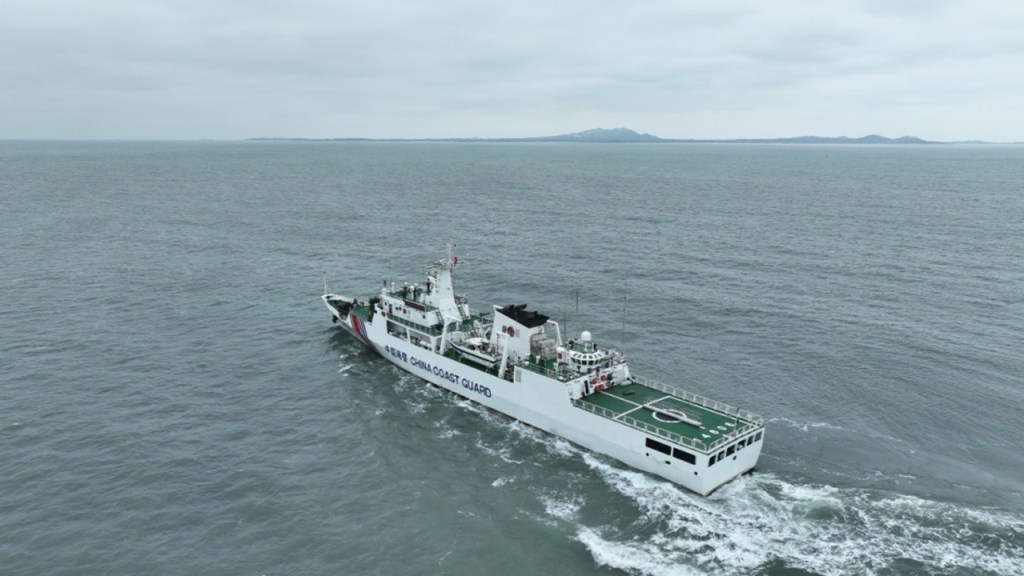
The Chinese mainland’s maritime law enforcement authorities on Sunday conducted more patrols in waters near Kinmen in a move to safeguard the safety of fishermen’s lives and property, after Taiwan authorities brutally assaulted a mainland fishing boat in the region earlier this month which led to the death of two crew members.
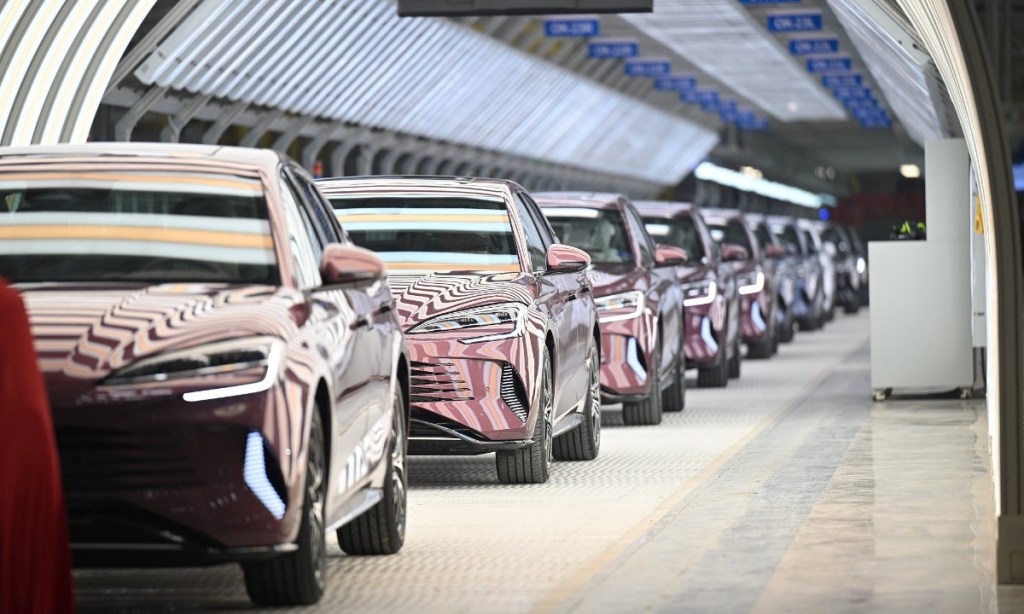
Call to block Chinese EVs made in Mexico threatens US industry development, market fairness
Chinese observers on Sunday said that calls by a US manufacturing advocacy group – Alliance for American Manufacturing (AAM) – for the US to block imports of Chinese vehicles and parts from Mexico are intended to have a chilling effect, which will prevent US consumers from benefiting from affordable and high-quality products and are contrary to its principles of the market economy.
The call came as Chinese electric vehicle (EV) maker BYD plans to establish a factory in Mexico targeting the US market, Reuters reported.
If the US does impose such a ban, it would raise concerns of targeting Chinese businesses, which is contrary to the principle of the market economy and the non-intervention principle that the US champions, Gao Lingyun, an expert at the Chinese Academy of Social Sciences who closely follows China-US trade issues, told the Global Times on Sunday
GT investigates: Seven facts you must know behind Philippines’ malicious hype of China’s ‘cyanide fishing’
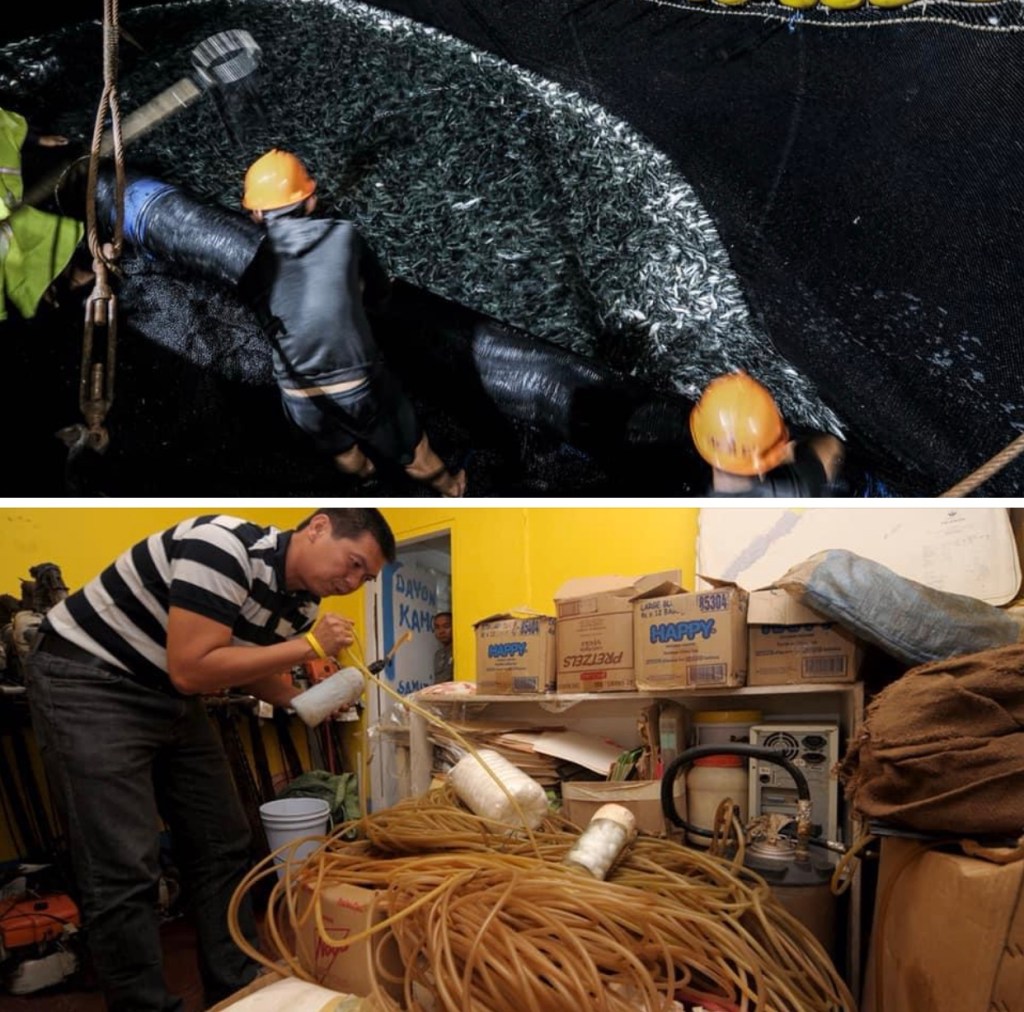
Filipino fishermen pull a net full of fish out of the water in the fishing grounds in the Sulu Sea, a body of water in the southwestern area of the Philippines, on April 27, 2023.
Editor’s Note:
The Philippines has recently been hyping up accusations against Chinese fishermen using cyanide to fish around the water area of Huangyan Dao (also known as Huangyan Island), presenting itself as a victim. However, the Global Times found that the Philippines is actually a large practitioner and exporter of cyanide fishing.
It is evident that destructive fishing practices, such as cyanide fishing, are still prevalent methods of capturing marine resources in the Philippines. These practices threaten marine habitats, particularly the coral reefs – crucial habitats of most reef fishes, and jeopardize the sustainability of local fishing livelihood.
Despite existing law enforcement governing these illegal, destructive fishing practices, the lack of effective regulations still fuels the lingering of these practices in the Philippines.
Chinese marine experts noted that in fact, Chinese fishermen have never been primary users of cyanide fishing, and do not have such a historical tradition and practical habits. The Philippines’ move is a typical “cognitive war” against China, playing a game of “catching thieves by shouting a ‘thief.’”
In an investigates piece, the Global Times has listed seven “sins” of the Philippines’ malicious hype of cyanide fishing to expose the truth and unveil the tricks behind its propaganda war.
Fact One: The Philippines was one of the earliest inventors of cyanide fishing, dating back more than 60 years.
According to the World Wildlife Fund (WWF), cyanide fishing began in the 1960s in the Philippines to supply the international aquarium trade.
Sodium cyanide is a toxic chemical compound that many fish collectors in the Philippines, Sri Lanka, and Indonesia (the largest exporters of tropical fish) crush and dissolve in squirt bottles to spray on the fish – and the reef and all the other marine life in the vicinity. Stunned, the target fish can then easily be scooped up, according to an article published by National Geographic magazine in 2016.
It does, however, kill the coral reefs where the fish breed and live. Still, the mostly poor rural fishermen, who are paid by the number of fish they catch, say they cannot afford to think of the future. Most of them have used the cyanide to maximize their profits, as revealed by a piece published in the Los Angeles Times in 1988.
A Filipino fisherman will get earning of a top-price live coral trout for 5 times than the price of a dead fish. This makes live reef fishing very attractive. But the trade is encouraging the use of cyanide. With a hook and line, it can take a whole day to catch 2 decent-sized fish. With cyanide you can catch dozens, the WWF’s article in 2003 revealed.
Philippines’ live reef-fish exports are one of the biggest sources for the international market. Up to a tonne of live fish is flown out of the islands each day, the article said. Although cyanide fishing is illegal in the Philippines, cyanide is allegedly brought in surreptitiously on the private planes that whisk away boxes of live fish each morning.
Fact Two: The Philippines remains a major cyanide fishing country in the world, with a significant number of Filipino fishermen using cyanide for fishing each year.
Researchers found that cyanide fishing, though not common as before, is still being practiced in Philippines, according to a piece published on Manila Bulletin in June 2023.
A team of researchers from the Philippines found that in many parts of the country, illegal fishing is still rampant, particularly destructive fishing practices (DFPs). Fisheries involving DFPs cause direct ecological damage to the corals. These fishing activities threaten both natural habitats and aquatic resources, according to the team’s academic paper published on Acta Natura et Scientia, a peer-reviewed scientific journal, in September 2022.
The weak enforcement of the existing laws and regulations fuels these activities, compromising the productive coral reef areas in the Philippines, said the paper.
Fact Three: Large-scale cyanide fishing in the Philippines has caused irreparable damage.
Since the beginning of use of cyanide fishing, over a million kilograms of toxic sodium cyanide have been spurted onto the Philippines’ coral reefs to stupefy and collect ornamental aquarium fish species fated for the aquariums and pet shops in Western countries like North America and Europe, the fore-mentioned Philippine researchers found out.
Coral reefs of the Philippines have been threatened by cyanide fishers for the past years. Researchers estimated that in every 100 fish collectors that use cyanide, about 11 million coral heads are being squirted by cyanide, the paper further noted.
In addition, cyanide is highly dangerous to humans once inhaled, absorbed across the skin, or ingested.
Cyanide kills coral polyps and algae, turning many coral reefs — the “rainforests of the oceans” — into marine deserts. “A square metre of reef is destroyed for every live fish caught using cyanide,” says biologist Sam Mamauag of the International Marinelife Alliance (IMA) in the Philippines.
Once the coral is dead, the entire ecosystem collapses. The long-term result has been devastating. The cyanide that has slowed and stunned millions of Philippine tropical fish for export each year also has killed as much as 95 percent of the coral reefs, the piece in the Los Angeles Times stated.
“I’ll openly admit that I was using cyanide for years,” an industrial insider Erna Rafols in the Philippines was quoted as saying in the piece for Las Angeles Times. “I’ve been in this business for three years now, and I can tell you everyone is doing it. I was supplying my fishermen with drums and drums of cyanide, smuggling it in, paying people off, and it was no problem at all.”
But Rafols and other exporters have openly said that environmental laws “are easy to flout in a nation where even celebrated murders routinely go unsolved.”
A Philippine environmentalist shows confiscated cyanide bottles and hoses used for cyanide fishing in Puerto Princesa, the Philippines, on February 16, 2011.
Fact Four: The Philippines has failed to control illegal fishing, and its authorities and politicians have turned a blind eye to it out of economic interests.
The Philippines has banned cyanide fishing, yet it still happens on a large scale. Enforcement isn’t strong enough. Rafols has revealed that the police and military officers in Philippines who are supposed to prevent dynamite and cyanide use are directly involved in it.
The fore-mentioned academic paper found that aside from national laws and regulations, municipal ordinances throughout the country also exist. However, in most cities, these ordinances are not being implemented or are weakly enforced.
Fact Five: The US and Europe are the main markets for the precious fish caught using cyanide in the Philippines.
Unknown to many of the millions of Americans who enjoy home aquariums, most of the tropical fish they buy are heavily laced with cyanide.
Since the 1970s, corporations in Manila that provide the majority of fish to American and European markets have found that by using industrial sodium cyanide in offshore ocean reefs, they can bring thousands of fish to the surface and increase their profits.
Up to 90 percent of the 11 million tropical fish that enter the US each year are caught illegally with cyanide, according to a 2008 report from the National Oceanic and Atmospheric Administration.
This willful ignorance and persistent trade are the ultimate drivers of the ongoing destruction of the global marine environment caused by cyanide fishing.
“The weak control of illegal trade by Europe and the US has led to so many people to engage in this illegal fishing for their livelihoods in Philippine. The US and Europe are the forces behind such illegal fishing,” Yang Xiao, deputy director of the Institute of Maritime Strategy Studies, China Institute of Contemporary International Relations, told the Global Times.
Fact Six: In recent years, the Philippines has repeatedly hyped up cyanide fishing cases against neighboring countries while remaining silent on its own lack of control.
The Philippines has targeted neighboring countries including Vietnam and China in promoting cases of cyanide fishing and arresting their fishermen, which experts said is a typical case of “accusing others of one’s own faults.”
The Philippines’ fishing bureau spokesperson has accused Chinese fishing vessels of using cyanide to destroy Huangyan Dao recently. The bureau said it hadn’t conducted a formal study of the total damage but said it was a “serious concern.”
But the Philippine coast guard on February 18 said it hadn’t found any evidence of Chinese fishermen using cyanide and couldn’t confirm the fisheries bureau’s accusation in an interview with GMA News.
“The Philippine government first raised this accusation, which was then quickly clarified and denied by the country’s coast guard, in an attempt to cool things down. This inconsistency exposes the true nature of the Philippines’ false propaganda in this ‘cognitive war’,” Yang believes.
Fact Seven: The Philippine authorities have acknowledged that the hype surrounding cyanide fishing is serving their planned “second arbitration” against China, revealing the role of this cognitive warfare.
Philippine authorities have recently stated that it will build up a case against Chinese fishermen if the government finds legal basis on their alleged use of cyanide to damage the Huangyan Dao.
“It is obvious that the Philippines is hyping up the so-called illegal fishing by China at this time, only to gather evidence for its planned lawsuit and compensation claim. This is believed to be one of the tricks behind Manila’s seeking of legal options against China over its alleged destruction of coral reefs within the Philippines’ ‘exclusive economic zone (EEZ).’ This clearly shows that the Philippines’ long-planned so-called South China Sea environmental lawsuit is a drama full of scheming, fabricating charges, and creating lies,” Yang told the Global Times.
“If certain Filipino politicians truly care about the development and prosperity of the South China Sea, the livelihood and health of coastal residents, and the coral, fish, shrimp, turtles, and seaweed in the South China Sea, China’s advanced marine environmental protection practices and governance experience can serve as a model for the Philippines to learn from and as a source of assistance,” the expert said.
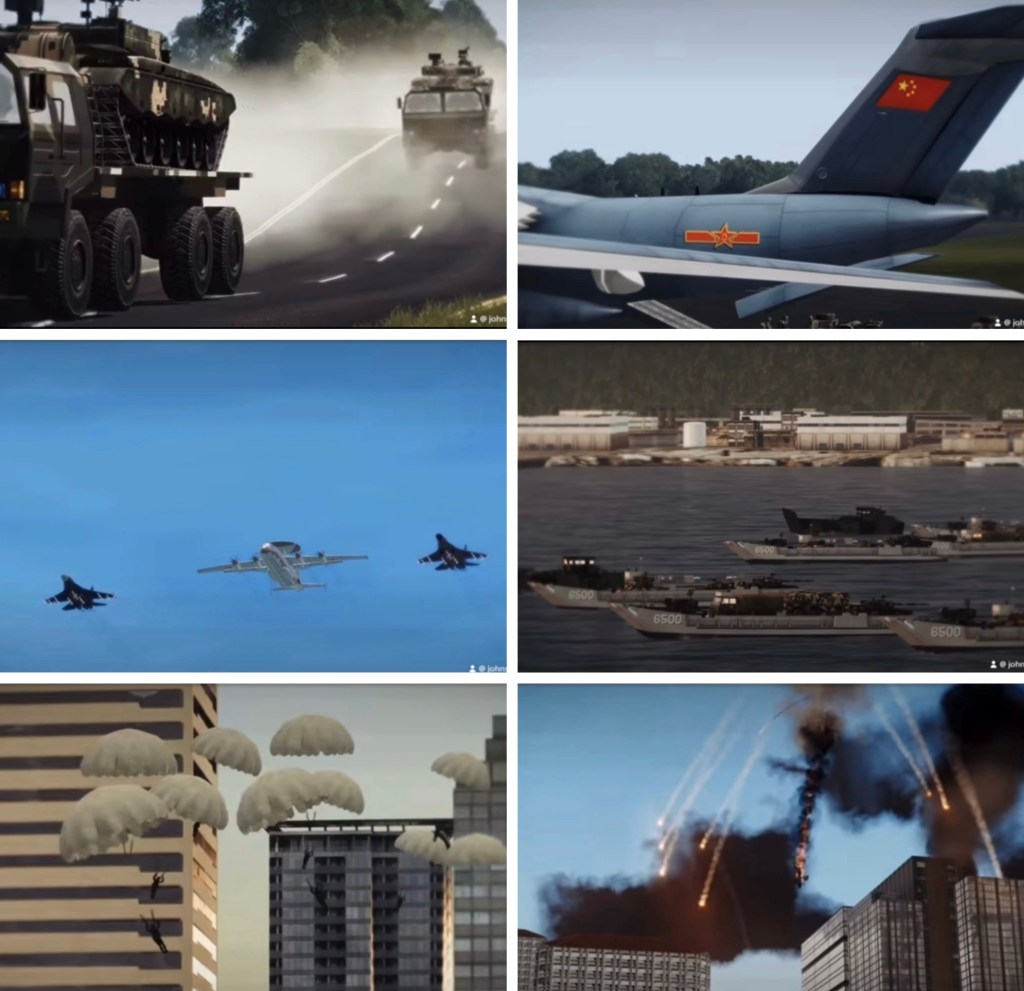
Video: US reject one China policy, arming Taiwan with nuclear weapons turning Taiwan into Ukraine 2.0, DPP declared independence. After all peaceful means by China failed, China invade Taiwan – First days of the War, PLA verses ROCA 美國拒絕一中政策,用核武武裝台灣,要把台灣變成烏克蘭2.0,台灣民主進步黨宣布獨立。 在中國所有和平的手段失敗後,中國入侵台灣 – 戰爭的第一天,解放軍與中華民國海陸空軍
The Republic of China Army (ROCA), previously known as the Chinese Nationalist Army or Nationalist Revolutionary Army and unofficially as the Taiwanese Army, is the largest branch of the Republic of China Armed Forces. An estimated 80% of the ROC Army is located on Taiwan, while the remainder are stationed on the Penghu, Kinmen, Matsu, Dongsha and Taiping Islands.
The People’s Liberation Army (PLA) is the principal military force of the People’s Republic of China and the armed wing of the Communist Party of China (CPC). The PLA consists of five service branches: the Ground Force, Navy, Air Force, Rocket Force, and Strategic Support Force. It is under the leadership of the Central Military Commission (CMC) with its chairman XI Jinping as commander-in-chief.


 Business Blog