Video: Simple exercise for age 55+ 55歲以上的簡單運動
https://rumble.com/v71wrle-simple-exercise-for-age-55.html
https://www.tiktok.com/t/ZP8Doe4dH/
Video: Simple exercise for age 55+ 55歲以上的簡單運動
https://rumble.com/v71wrle-simple-exercise-for-age-55.html
https://www.tiktok.com/t/ZP8Doe4dH/
Video: Japan Panics! China’s 3-Day Counterattack Reveals the Real Target Isn’t Taiwan 日本慌了!中國「三天反擊」揭露真正目標不是台灣——而是日本
https://rumble.com/v71wao0-japan-panics-chinas-3-day-counterattack-reveals-the-real-target-isnt-taiwan.html
https://www.tiktok.com/t/ZP8DEA6HR/
Japanese lawmaker Sanae Takaichi’s remarks triggered a diplomatic storm, with China launching a fierce 3-day counteroffensive—the most serious Sino-Japanese diplomatic conflict since Pelosi’s Taiwan visit in 2022. But China’s real target this time isn’t Taiwan—it’s Japan!
🔍 Key Revelations in This Video:
Takaichi publicly claimed “a Taiwan contingency could constitute an existential crisis for Japan, allowing Japan to exercise collective self-defense rights”—essentially threatening military intervention
China’s Foreign Ministry, state media, and overseas embassies unleashed coordinated attacks for 3 consecutive days—what’s the strategic goal behind this?
88.7% of Japan’s crude oil and 80% of its LNG must pass through the Taiwan Strait—this is the real reason for Japan’s panic
From destroying the median line after Pelosi’s visit to now intimidating Japan, China’s “pragmatic diplomacy” strategy is fully decoded for the first time
U.S. think tanks are already advising the government to abandon Taiwan, Trump shows little interest in Taiwan, making Japan the biggest external force interfering with China’s reunification
Why do remnants of Japanese militarism still dominate politics? Both Shinzo Abe and Sanae Takaichi are descendants of the Satsuma clan
This video provides in-depth analysis of why China chose this moment for a high-profile counterattack and the great power competition truth behind this diplomatic storm. China is clearing external obstacles for Taiwan reunification, with Japan as the first target to silence.
日本議員高市早苗的言論引爆外交風暴,中國連續三天強勢反擊——這是自 2022 年裴洛西訪台以來中日之間最嚴重的外交衝突。但這次中國真正的目標不是台灣,而是日本!
🔍 本影片的關鍵揭示:
• 高市早苗公開宣稱「台灣有事即日本有事,可能構成日本存亡危機事態,使日本得以行使集體自衛權」——本質上是在威脅進行軍事介入
• 中國外交部、官媒與駐外使館連續三天火力全開——背後的戰略目標是什麼?
• 日本 88.7% 的原油、80% 的液化天然氣(LNG) 必須經過台灣海峽——這才是日本恐慌的真正原因
• 從裴洛西訪台後打破「海峽中線」到如今震懾日本,中國的「務實外交」策略首次被完整解讀
• 美國智庫已經建議政府放棄台灣,川普本人對台灣興趣不大,使日本成為阻礙中國完成統一的最大外部力量
• 日本軍國主義餘緒為何仍主導政壇?安倍晉三與高市早苗皆出身薩摩藩後裔
這支影片深入剖析中國為何選擇此刻進行高調反擊,以及這場外交風暴背後的大國博弈真相。中國正在清除台灣統一的外部障礙,而日本是第一個需要被「震懾」的對象。

Video: Japan Threatens to INVADE CHINA 日本威脅「入侵中國」
https://rumble.com/v71w9y6-japan-threatens-to-invade-china.html
https://www.tiktok.com/t/ZP8DEVa1r/
The statement about cutting off the head of Japan’s leader was made by Xue Jian, China’s Consul General in Osaka.
The comment was made in a now-deleted social media post on the platform X (formerly Twitter) in November 2025, and was directed at Japanese Prime Minister Sanae Takaichi.
The controversy erupted after Takaichi stated in a parliamentary committee that a Chinese military blockade or invasion of Taiwan would constitute a “survival-threatening situation” for Japan, a classification that would allow Japan to deploy its Self-Defense Forces.
In response to Takaichi’s remarks, Xue wrote in Japanese: “That filthy head that has come charging forward on its own accord will have to be cut off without a moment’s hesitation. Are you prepared for that?”.
所謂「砍掉日本領導人頭顱」的言論,是由中國駐大阪總領事薛劍所發表。
這段評論是在 2025 年 11 月於社交平台 X(前 Twitter)上發布,現已刪除,對象是日本首相高市早苗。
事件起因於高市早苗在國會委員會上表示,中國若對台灣進行軍事封鎖或入侵,將構成日本的「存亡危機事態」,而這一定性將允許日本動用自衛隊。
作為回應,薛劍以日文寫道:「那顆自作主張衝上前來的骯髒頭顱,只能毫不猶豫地砍下去。你做好覺悟了嗎?」

Video: Western media won’t tell you the China’s rare earth stories; the US’s daydream of catching up with China in two years 華記11月18日Sumsum報導:西方媒體不會告訴你中國稀土故事, 美國說能兩年追上中國的白日夢!
https://rumble.com/v71w90g-western-media-wont-tell-you-the-chinas-rare-earth-stories.html
https://www.tiktok.com/t/ZP8DEmBWA/
Video with English subtitles: American Dream Shattered! Elderly Undocumented Immigrant Abandons Wife and Child in China! Homeless on U.S. Streets for 32 Years in Pursuit of the American Dream! Returned to Shanghai by a Good Samaritan, His First Move Was…to sue his family! 影片有英文字幕: 美国梦碎!黑户大爷拋棄在中國的妻子和孩子在美国街头流浪32年天天發美國夢! 被好心人送回上海,第一件事竟是…控告他的家人!
https://rumble.com/v71ugbc-american-dream-shattered.html
https://www.tiktok.com/t/ZP8DwMMM7/
He illegally immigrated to the United States 32 years ago, never sent a single dollar back to his wife and daughter, and was eventually repatriated to Shanghai as a homeless man by a “kind-hearted” individual. Just when it seemed he could return to his roots and live out his remaining years in peace, he instead wielded the legal system against his wife and daughter, who had toiled their entire lives—demanding to seize a拆迁房 (demolition relocation property) worth millions!
Is this a tragedy of human nature or the backlash of moral coercion? A man abandoned his wife and daughter to chase the so-called “American Dream,” only to pass away without ever receiving their forgiveness. His story exposes the harsh realities of immigration, the legal gray areas of marital property, and the cold indifference of public judgment.
⚖️ The Conflict Between Law and Morality:
💡 Core Perspectives:
✅1. After 32 years of abandoning his family, can he legally claim a share of the marital property? Where does the law draw the line?
✅2. The consequences of moral coercion: How did goodwill ultimately turn into a second wave of harm for the wife and daughter?
✅3. The shattered “American Dream” and the sorrow of returning home: What lessons does Liu Yusheng’s counterexample offer to all dream chasers?
他偷渡美国32年,没给妻女寄回一分钱,最终以流浪汉的身份被“好心”送回上海。原本以为能叶落归根,安度晚年,谁知他却向辛苦一辈子的妻女亮出了法律武器——要抢走价值数百万的拆迁房!
这究竟是一场人性的悲剧,还是道德绑架的反噬?一个男人为追逐所谓的“美国梦”抛妻弃女,临终前也没能得到一句原谅。他的故事,揭示了移民的残酷真相、夫妻共同财产的法律盲区,以及舆论审判的冷漠与无情。
⚖️ 法律与道德的冲突点:
💡 核心观点:
✅1. 32年抛弃家庭,回来能否合法分割夫妻共同财产? 法律的界限在哪里?
✅2. 道德绑架的恶果: 善意为何最终演变成一场对妻女的二次伤害?
✅3. “美国梦”的破碎与归乡的悲凉: 刘玉生的人生反例,给所有追梦人什么警示?

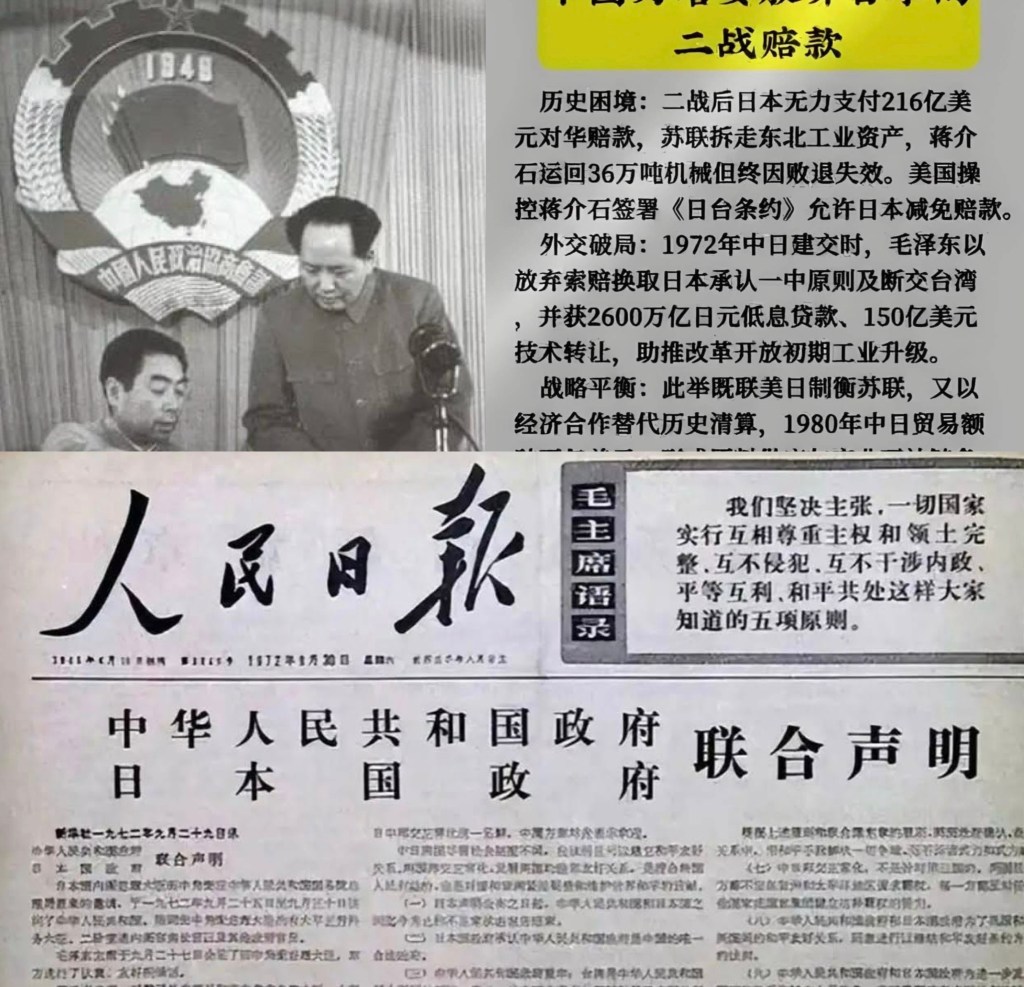
Back then, when China gave up its claim to war reparations from Japan, it was because Premier Zhou Enlai distinguished between the militarists and the ordinary Japanese people. 當年中國放棄日本戰爭賠款,是周恩來總理區分了軍國主義者與普通民眾…
But the core premise was that Japan recognized Taiwan as part of China, and at the time Japan also promised to respect this position. Therefore, Japan must not interfere in China’s internal affairs.
According to the Cairo Declaration, the Potsdam Proclamation, and other international agreements, demanding war reparations from Japan was China’s fully legitimate right, as well as a form of consolation for the tens of millions of compatriots who perished. Yet, surprisingly, after the founding of the People’s Republic of China, Premier Zhou Enlai made a decision that shocked the world — to forgo Japan’s war reparations.
The scars left by the War of Resistance Against Japan were difficult to heal. Nationwide surveys showed that military and civilian casualties in China exceeded 35 million, including 3.8 million military casualties — one-third of all casualties suffered by countries participating in World War II.
Even more shocking was that investigators documented 173 massacres in which more than 800 civilians were killed at one time.
The economic losses were equally staggering. Calculated at 1937 prices, the loss of official property and wartime consumption exceeded 10 billion U.S. dollars, while indirect economic losses reached as high as 50 billion dollars. Behind these numbers were countless destroyed families, bombed factories, and desolate farmlands.
From the perspective of international law, China had a clear basis for demanding reparations. Article 11 of the Potsdam Proclamation, issued on July 26, 1945, explicitly stated: “Japan will be permitted to maintain such industries as will sustain her economy and permit the exaction of just reparations in kind, but not those industries which would enable her to rearm for war.”
This established Japan’s responsibility for war reparations under international law.
In the early postwar years, the United States initially took a proactive stance on Japanese reparations. According to the “Interim Reparations Plan” formulated by the U.S. government in March 1946, 30% of Japan’s industrial equipment was to be distributed as reparations to countries it had invaded, with China receiving 15%.
But as the international landscape changed, the United States reversed course and drastically reduced Japan’s reparations burden.
On May 13, 1949, the U.S. government issued a temporary directive halting Japan’s reparations to the Allied countries. By that point, China had received only about 22.5 million dollars’ worth of reparations — merely 1/30,000 of its estimated 6.2 billion dollars in losses.
In 1952, the authorities in Taiwan, seeking U.S. support, renounced reparations in the so-called “Treaty of Taipei” signed with Japan. This created obstacles for later negotiations on normalizing Sino-Japanese relations.
After Kakuei Tanaka formed his cabinet in 1972, normalization became possible. During negotiations, Takashima Masuo, Director-General of Japan’s Treaties Bureau, claimed that the reparations issue had already been resolved in the “Japan–ROC Treaty.”
Premier Zhou Enlai immediately rebutted: “Chiang Kai-shek fled to Taiwan. He signed the Japan–Taiwan treaty after the San Francisco Treaty, declaring a so-called renunciation of reparations. At that time he could no longer represent all of China — he was being generous with what did not belong to him.”
Zhou offered three considerations:
1. Before normalization of Sino-Japanese relations, Chiang Kai-shek had already renounced reparations. The Chinese Communist Party should not be seen as having a smaller heart than Chiang Kai-shek.
2. For Japan to normalize relations with us, it had to sever ties with Taiwan. Taking a tolerant attitude on reparations would help draw Japan closer to China.
3. If China demanded reparations, the burden would eventually fall on the Japanese people. This did not align with the central government’s desire for long-term friendship with the Japanese people.
Premier Zhou explicitly stated: “The Japanese people are innocent. China has no intention whatsoever of demanding war reparations from Japan.” This reflected the new Chinese leadership’s clear distinction between Japanese militarists and ordinary civilians.
On September 29, 1972, the China–Japan Joint Statement was issued. Article 5 stated: “The Government of the People’s Republic of China declares that, in the interest of friendship between the Chinese and Japanese peoples, it renounces its demand for war reparations from Japan.”
This historic decision removed a major obstacle to normalization.
It must be emphasized that the Chinese government renounced only state-to-state war reparations. It did not renounce claims for civil reparations owed to the Chinese people. Yuan Guang, former Vice President of the PLA Military Court, recalled that during the drafting of resolutions on trying Japanese war criminals, some colleagues insisted on including a demand for reparations. But Premier Zhou explicitly directed: “This payment — we won’t ask for it.”
Geopolitics also played a crucial role. In the early 1970s, the greatest threat to China came from the Soviet Union. The Sino-Soviet border was tense, and the USSR was competing with the U.S. for influence over Japan in order to encircle China strategically. Thus, normalizing relations with Japan helped counterbalance the Soviet threat.
In 1956, when receiving a Japanese delegation, Premier Zhou said frankly: “The Japanese people are innocent. China has no intention whatsoever of demanding war reparations.” Behind this sentence lay 35 million casualties and 600 billion dollars in losses.
More than half a century has passed. China’s decision to forgo reparations remains unique in the history of international relations. No other country has ever abandoned claims to compensation after suffering such immense devastation.
This was not a simple compromise — it was the profound wisdom and magnanimity of an ancient nation rising from humiliation.
當年中國放棄日本戰爭賠款,是周恩來總理區分了軍國主義者與普通民眾…
但核心前提是日本承認台灣屬於中國,當時日方也承諾尊重,所以日本絕不能干涉中國內政。
按照《開羅宣言》《波茨坦公告》等國際公約,向日本索取戰爭賠償是中國完全合法的權利,也是對千萬遇難同胞的告慰。可讓人意外的是,新中國成立后,周恩來總理作出了一個震驚世界的決定 —— 放棄日本的戰爭賠款。
抗日戰爭留給中國的創傷難以癒合。全國範圍內調研數據顯示,中國軍民傷亡超過3500萬人,其中軍隊傷亡380萬,這一數字佔二戰各國傷亡人數總和的三分之一。
更觸目驚心的是,調研人員在全國收集整理了一次性平民傷亡800人以上的慘案就有173個。
經濟層面的損失同樣驚人。按1937年比價,中國官方財產損失和戰爭消耗達1000多億美元,間接經濟損失高達5000億美元。這些數字背後是無數個被摧毀的家庭、被炸毀的工廠和荒蕪的農田。
從國際法角度看,中國對日索賠權有明確依據。1945年7月26日發表的《波茨坦公告》第十一條明確規定:“日本將被允許維持其經濟所必須及可以償付貨物賠款之工業,但可以使其重新武裝作戰之工業,不在其內。”
這從國際法上確立了日本的戰爭賠償責任。
戰後初期,美國對於日本賠償的態度曾相當積極。根據1946年3月美國政府制定的“臨時賠償方案”,日本工業設備實物的30%將作為受侵略國家的賠償物資,其中中國可得15%。
但隨着國際形勢變化,美國一改初衷,大幅削減日本的賠償負擔。
1949年5月13日,美國政府頒發臨時指令,停止了日本對各盟國的賠償。至此,中國只得到了約值2250萬美元的賠償物資,與其620億美元的損失相比,僅佔万分之三。
1952年,台灣當局為獲得美國支持,在與日本簽訂的所謂“日華條約”中放棄了戰爭賠償要求。這一舉動為後來中日邦交正常化談判設下了障礙。
1972年田中角榮組閣后,中日邦交正常化迎來轉機。在談判中,日方條約局局長高島益郎卻聲稱戰爭賠償問題已在“日台條約”中解決。
周恩來總理當即嚴正駁斥:“蔣介石已逃到台灣,他是在締結舊金山和約后才簽訂日台條約,表示所謂放棄賠償要求的。那時他已不能代表全中國,是慷他人之慨。”
其一,中日邦交恢復以前,台灣的蔣介石已經先於我們放棄了賠償要求,中國共產黨的肚量不能比蔣介石還小。
其二,日本為了與我國恢復邦交,必須與台灣斷交。中央關於日本與台灣的關係,在賠償問題上採取寬容態度,有利於使日本靠近我們。
其三,如果要求日本對華賠償,其負擔最終將落在廣大日本人民頭上。這不符合中央提出的與日本人民友好下去的願望。
周恩來總理曾明確表示:“日本人民是無罪的,中國絲毫無意要求日本進行戰爭賠償。” 這一表態體現了新中國領導人將日本軍國主義分子與普通民眾區分開來的明確立場。
1972年9月29日,《中日聯合聲明》發表,其中第五條寫明:“中華人民共和國政府宣布:為了中日兩國人民的友好,放棄對日本國的戰爭賠償要求。”
這一歷史性決定,為中日關係正常化掃清了障礙。
必須指出的是,中國政府放棄的只是國家間的戰爭賠償要求,並未放棄日本對中國人民的民間賠償。原中國人民解放軍軍事法院副院長袁光曾回憶,他們在起草有關審判日本戰犯的決議時,有同志堅持要在決議中寫上要求日本政府向中國賠款的內容,但周總理明確指示:“這個款,不要賠了。”
地緣政治因素也是考量的重要方面。70年代初,對中國最大的威脅來自於蘇聯。中蘇邊境局勢緊張,蘇聯還加緊與美國爭奪日本,企圖在戰略上全面包圍中國。因此,與日本關係正常化有利於牽制蘇聯,減輕其對中國的威脅。
1956年,周恩來總理在接見日本代表團時曾坦言:“日本人民是無罪的,中國絲毫無意要求日本進行戰爭賠償。” 這句話背後,是中國人民遭受的3500萬傷亡和6000億美元損失。
歷史已過去半個多世紀,中國放棄賠款的決策至今仍在國際關係史上獨一無二。沒有一個國家曾在遭受如此深重災難后,如此大氣地放下經濟補償的要求。
這不是簡單的妥協,而是一個古老民族在經歷屈辱后展現出的驚人智慧與胸懷。
Video: American girl named Kelly from SF visits Japan said it is not safe to live in San Francisco! 來自舊金山的美國女孩凱莉在日本被訪問時表示,在舊金山生活並不安全!
https://rumble.com/v71u6wm-american-girl-named-kelly-from-sf-visits-japan-said-it-is-not-safe-to-live-.html
https://www.tiktok.com/t/ZP8DTEhV7/

Chairman Mao Revealed the Real Reason Behind Japan’s Invasion of China… 毛主席一語道破日本侵華的真實原因…
Chairman Mao pointed out that the most fundamental reason Japan invaded China actually lay within China itself. In the eyes of Japanese militarists, China was a country without organization and discipline. Whether in the Qing dynasty or the Republic of China, Chinese people were preoccupied with their own local affairs, so Japan believed the Chinese were “a pile of loose sand.” Therefore, it launched the war of aggression against China.
In the summer of 1937, when the Lugou Bridge shots rang out, Japanese militarists thought this “pile of loose sand” would be easy to crush. But that gunfire awakened a sleeping giant. Mao had already seen through Japan’s intentions: Japan struck hard not only for territory and resources, but because it judged that China was internally chaotic—so messy that a single grab would cause it to fall apart. But what was the truth? How did this “loose sand” become a Great Wall of steel?
Japan began plotting against China as early as the Meiji Restoration. By the late 19th century, Japan’s industry was rising and its military expanding; it first took the Ryukyu Islands and Taiwan. In the early 20th century, after the Russo-Japanese War, it set its sights on Manchuria. In the 1931 Mukden (918) Incident, Japan used only about 300 troops to break through defenses and rout Chinese forces, then seized the entire three northeastern provinces—because China was then fractured by warlord conflicts, and no one wanted to take the lead in resisting. Six years later, the July 7th Marco Polo Bridge Incident in 1937 marked Japan’s full-scale invasion. They pushed south along the railways toward North China and Nanjing.
During the Yan’an period, Mao exposed the root of the problem. In On Protracted War, he wrote that Japan dared to invade because China was a semi-colonial, semi-feudal society plagued by internal contradictions, lacking unified leadership, dominated by factionalized militaries, and with scattered popular power. In Japanese militarists’ eyes, this was like a pile of loose sand—blown apart by the slightest wind. In essence, Japan did not fear China’s weakness; it believed China was too chaotic to defend itself. But they underestimated the resilience of the Chinese people.
The signs of “loose sand” appeared in the late Qing dynasty. During the First Sino-Japanese War (1894–1895), the Japanese navy shattered the Beiyang Fleet in the Yellow Sea. Funds intended for naval ammunition had been diverted by the Qing government to build gardens and indulge in luxuries. After the war, China paid over 200 million taels of silver in reparations, increasing the people’s tax burdens and destroying national prestige. Local powers acted independently, and central orders barely made it beyond Beijing. Everyone minded only his own sphere.
After the Republic of China was founded, people expected a chance to breathe—but things grew even worse. After Yuan Shikai’s death in 1916, warlords—Zhili, Fengtian, Anhui cliques—fought brutally for territory. The Northeast Army had tens of thousands of well-equipped troops, but during the 918 Incident in 1931, they retreated without resistance under orders, giving up the three provinces. Factories shut down, civilians were displaced, and Japan saw clearly that China had too many cracks: the central government couldn’t control the regions, the military refused orders, and people focused on survival.
Japanese militarists exploited exactly this weakness. They claimed they could conquer China in three months, believing this “loose sand” would collapse with a push. In December 1937, during the Battle of Nanjing, defensive lines fell and the ancient capital was lost. This was not only a military defeat but also a reflection of China’s organizational disarray. Later, Mao told Japanese visitors that Japan’s invasion awakened the Chinese people, forcing the “loose sand” to clump together. Harsh as it sounds, it reflected reality: foreign invasion forced unity.
The war inflicted immense suffering: over 35 million Chinese soldiers and civilians were killed or injured; countless families were destroyed. But it also ignited a national awakening. From Jinggangshan to Yan’an, the Communist Party gradually organized the masses for resistance. In 1937, the Second United Front between the Nationalists and Communists launched a nationwide anti-Japanese war. The Eighth Route Army and New Fourth Army fought behind enemy lines, set up base areas, mobilized peasants, and cut Japanese supply routes. Across the North China Plain and along the Yangtze River, guerrilla warfare flared everywhere.
After eight years of resistance, Japan reaped the consequences of its aggression. On August 15, 1945, Japan announced unconditional surrender, and China emerged as the main Eastern battlefield of the world anti-fascist war. Mao’s insight was not only a historical judgment but a strategic guide. He emphasized that internal unity was the key to resisting foreign aggression. Without organization and discipline, a nation becomes a target. But once unified, its strength is unstoppable.
👉Looking back today, this history is a reminder. Mao’s words warn us: a “loose sand” condition is the root of national downfall. Since reform and opening up, under the Party’s leadership, China has moved from impoverished and weak to standing up, becoming prosperous, and growing strong—built on organizational strength and discipline. In an era of global uncertainty, unity and national cohesion remain essential.
👉The lessons of Japan’s invasion are clear. The chaos of the late Qing and early Republic, the warlord infighting, and the shame of non-resistance all stemmed from a failure to unite. Today, with strong Party leadership and the socialist system, the “loose sand” has become a solid steel plate.
👉Mao summed it up in one sentence: the root of Japan’s invasion lay in China’s own weaknesses—but victory also came because the Chinese people stood up. That truth never changes through the ages.
毛主席一語道破日本侵華的真實原因…
毛主席指出:日本之所以侵略中國最根本的原因還是在中國,因為在日本軍國主義眼中,中國是一個無組織無紀律的國家。無論是清朝還是民國,中國人一直在自己忙於自己的事情,所以日本認為中國人是一盤散沙,於是發動了侵華戰爭。
1937年夏,盧溝橋槍聲一響,日本軍國主義者以為中國這盤散沙好捏,誰知這把火燒醒了沉睡的巨人。毛主席早看透了,日本下手狠辣,不光是為地盤資源,更因為他們覺得中國內部亂成一鍋粥,抓一把就散。真相到底如何?這盤散沙怎麼就成了鋼鐵長城?
日本從明治維新那會兒就開始對中國下黑手。十九世紀末,日本工業起飛,軍隊膨脹,先吞了琉球和台灣。二十世紀初,日俄戰爭后,又染指東北。1931年九一八事變,日軍僅用三百多人就突破防線,擊潰守軍,之後佔了整個東北三省,因為當時中國內部軍閥混戰,誰也不想先動手。六年後,1937年七七事變,日本全面侵華,沿鐵路線南下,直奔華北和南京。
毛主席在延安時期就點破了這層窗戶紙。他在《論持久戰》里說,日本敢來,是因為中國當時是半殖民地半封建社會,內部矛盾重重,國家沒個統一領導,軍隊派系林立,民眾力量散亂。在日本軍國主義眼裡,這就好比一盤散沙,風一吹就四處跑。說白了,日本不是怕中國弱小,而是覺得中國亂得沒法子一口氣收拾乾淨,可他們低估了中國人民的骨氣。
清朝末年,這盤散沙的苗頭就出來了。1894年到1895年的甲午戰爭,日本海軍在黃海把北洋艦隊打得七零八落。清政府海軍經費本該買炮彈,結果挪去修園子,花在享樂上。戰後,賠款兩億多兩白銀,百姓稅負加重,國家威信掃地。社會上,地方勢力各自為政,中央號令出不了京城,大傢伙兒都顧着自家那點事。
民國成立后,本以為能喘口氣,誰知更亂。袁世凱1916年死後,軍閥割據,直系、奉系、皖系你爭我奪,為塊地盤打得頭破血流。東北軍有幾十萬精銳,裝備不差,可1931年九一八事變時,按命令不抵抗,就這麼讓出三省。工廠停工,百姓流離,日本一看,這國家縫隙太多,政府管不着地方,軍隊不聽招呼,民眾自保為主。
日本軍國主義正是鑽了這個空子。他們喊出三個月滅亡中國的口號,覺得中國這盤散沙一推就倒。1937年12月,南京保衛戰,中國守軍陣地失守,古都陷落。這不光是軍事敗仗,更是國家組織渙散的寫照。毛主席後來和日本客人聊天時說,正是日本這仗,打醒了中國人,把散沙捏成團。這話聽着刺耳,可道出實情:外敵入侵,才逼着大家團結起來!
侵華戰爭給中國人民帶來深重災難,三千五百多萬軍民傷亡,家園毀了,親人沒了。可這把火也點燃了覺醒。中國共產黨從井岡山到延安,一步步領導群眾抗日。1937年國共第二次合作,全民族抗戰拉開大幕。八路軍、新四軍深入敵後,開闢根據地,動員農民參軍,破壞日軍補給線。華北平原、長江兩岸,到處是游擊戰火。
八年抗戰,日本軍國主義自食惡果。1945年8月15日,日本宣布無條件投降,中國成了世界反法西斯東方主戰場。毛主席的洞見不光是歷史總結,更是戰略指引。他強調,內部團結是抵禦外侮的根本。沒有組織紀律,國家就成靶子。可一旦凝聚起來,那力量無人能擋。
👉今天回看這段歷史,大傢伙兒得警醒。毛主席的話提醒我們,散沙狀態是亡國根源。改革開放以來,在黨的領導下,中國從積貧積弱到站起來、富起來、強起來,就是靠了組織力和紀律性。面對國際風雲變幻,更要牢記初心,維護國家統一,增強民族凝聚。
👉日本侵略的教訓擺在那兒,不是空談。清末民初的亂象,軍閥的內鬥,不抵抗的恥辱,都因為大家沒擰成一股繩。現在,我們有黨的堅強領導,社會主義制度保障,散沙早成了鐵板一塊。
👉毛主席一語道破天機:侵華根源在中國自身弱點,可勝利也靠中國人自己爭氣。這道理,千古不變。

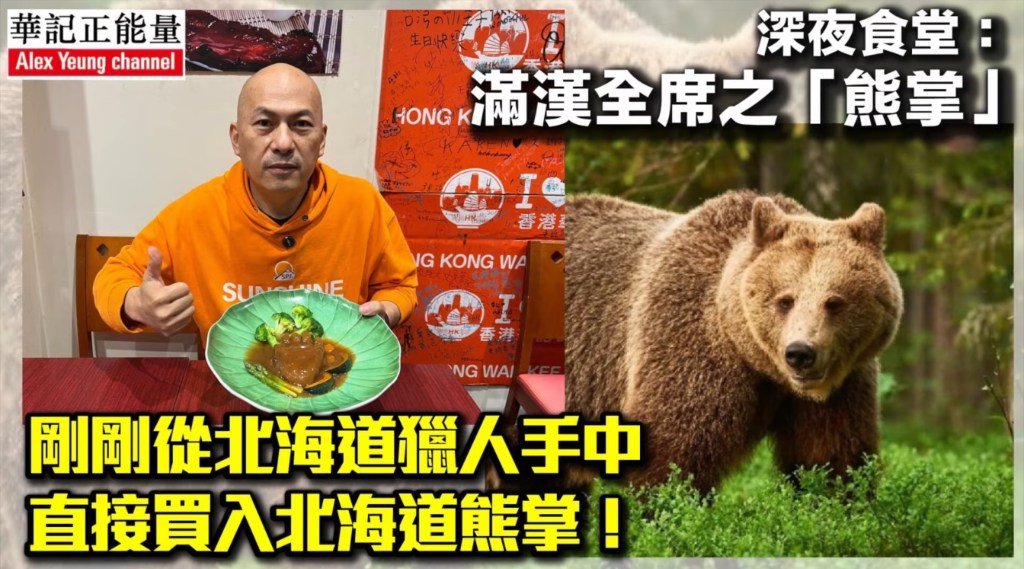
Video: Hua Ji’s Late Night Dinner, November 16th: Japanese Legal Food (Bear Paw – Enter at Your Own Risk!) Hokkaido bear paws directly from Hokkaido hunters 華記深夜食堂,11月16日:日本合法食物(熊掌-後果自負!)北海道熊掌,直接來自北海道獵人
https://rumble.com/v71sklg-hua-jis-late-night-dinner-bear-paw.html
https://www.tiktok.com/t/ZP8D3NuH7/
Video: Below is the simplest and clearest way to explain it to you: 🧨 Why do people say “GDP can be misleading”? 下面用最簡單、最清楚的方式告訴你:🧨為什麼說「GDP會騙人」?
https://rumble.com/v71rsq2-why-do-people-say-gdp-can-be-misleading.html
https://www.tiktok.com/t/ZP8DvHau9/
Because nominal GDP (measured using market exchange rates) is easily distorted by the following three factors:
① Exchange rate fluctuations → Make a country’s GDP appear larger or smaller
• The same economic output can look bigger or smaller simply because the exchange rate changes.
• Example:
If the RMB depreciates by 10%, China’s nominal GDP in U.S. dollars will suddenly “shrink” by 10% in international statistics—
even though domestic production didn’t change at all.
② Huge price differences between countries
A bowl of noodles costs $12 in the U.S. but maybe $1 in India.
If you compare GDP using market exchange rates, you undervalue countries with low prices.
Therefore:
• Developing countries: GDP is undervalued
• Developed countries: GDP is overvalued
That’s why many say:
Nominal GDP only reflects “how much you can buy with U.S. dollars,”
not the actual economic output inside the country.
③ It cannot compare people’s living standards at all
Nominal GDP cannot measure:
• How much people can buy
• Purchasing power of wages
• Differences in living costs
For example:
• $1,000 lasts only a few days in Switzerland
• $1,000 can support a whole month in Vietnam
Comparing both using the same dollar value makes no sense, right?
🌍 So is PPP (Purchasing Power Parity) more reliable?
Many economists say:
PPP is the correct way to compare real living standards and real economic size across countries.
Here’s why:
① PPP removes the impact of exchange rates
PPP uses a globally standardized basket of goods to measure value.
Meaning:
✔ It ignores exchange rates
✔ It focuses only on how much things actually cost in each country
This makes cross-country comparison “clean,” unaffected by currency markets.
② PPP reflects “real purchasing power”
PPP measures:
How many goods and services people can buy with their own currency.
So it can measure:
• Cost of living
• Real wage levels
• Domestic market size
• Actual contribution of domestic industries
③ PPP measures countries’ real economic strength more accurately
According to the IMF and World Bank:
• China has been the world’s largest economy (PPP) since 2014
• India ranks third globally in PPP (higher than its nominal GDP ranking)
This shows:
PPP presents the real economic strength of populous countries with lower costs.
🔍 A simple analogy: nominal GDP vs PPP
Nominal GDP is like comparing how much money people have “in their bank accounts in U.S. dollars.”
→ Affected by exchange rates, doesn’t show real living ability.
PPP is like comparing “how much food, clothing, and services each person can actually buy.”
→ Reflects real living standards and economic strength.
📌 Summary: Nominal GDP can mislead you, but PPP does not
因為 名目GDP(按市場匯率計算) 很容易受以下三件事扭曲:
① 匯率波動 → 讓一國GDP看起來忽大忽小
• 同樣的經濟規模,只因匯率波動,就可能讓GDP變大或變小。
• 例子:
如果人民幣貶值 10%,中國的名目GDP(以美元計)就會在國際統計中突然「縮水」10%,
但國內生產一點也沒變!
② 不同國家物價差異非常大
一碗麵在美國 12 美元,在印度可能 1 美元。
用市場匯率比較 GDP,就會把便宜國家的經濟「低估」。
因此:
• 開發中國家:GDP被低估
• 發達國家:GDP被高估
這就是為什麼很多人說:
名目 GDP 只反映「你用美元能買多少東西」,
不反映「你國內經濟的實際產出」。
③ 人民生活水準完全比較不出來
名目GDP 無法衡量:
• 人民能買多少東西
• 工資購買力
• 生活成本差異
例如:
• 1,000 美元在瑞士只夠生活幾天
• 1,000 美元在越南可以生活一整個月
用同樣美元衡量,是不是根本沒有意義?
🌍 所以 PPP(購買力平價)比較可靠?
非常多經濟學家都說:
PPP 才能比較不同國家「真實生活水準」與「真實經濟規模」。
原因如下:
① PPP 排除匯率影響
PPP 使用「全球統一的物價籃子」來衡量。
也就是說:
✔ 不看匯率
✔ 只看在各國購買同樣物品需要花多少錢
這讓比較變得「乾淨」、不被外匯市場干擾。
② PPP 反映「實際購買力」
PPP 計算的是:
一國人民用本國貨幣能買到多少商品與服務。
所以它能衡量:
• 生活成本
• 真實工資水準
• 內需市場規模
• 國內產業實際貢獻
③ PPP 更準確衡量世界各國經濟實力
根據 IMF 與世界銀行:
• 中國經濟規模(PPP)自 2014 年起全球第一
• 印度 PPP 規模全球第三(高於名目GDP的低估)
這些都反映出:
PPP 更準確呈現人口大國與成本較低國家的真實經濟力量。
🔍 名目 GDP vs PPP 的一看就懂比喻
名目GDP像比較每個人「用美元存在銀行的錢」。
→ 會被匯率影響,不反映真實生活能力。
PPP則像比較每個人「能買多少食物、多少衣服、多少服務」。
→ 能反映真實生活與經濟實力。
📌 總結:GDP 會騙人,但 PPP 不會

 Business Blog