American Fake News File Video: Debunk US fake news propaganda on Xinjiang China 美國假新聞檔案視頻:揭穿美國對中國新疆的假新聞宣傳
https://rumble.com/v38iouo-debunk-us-fake-news-propaganda-on-xinjiang-china.html
https://www.tiktok.com/t/ZT8NWWmrr/
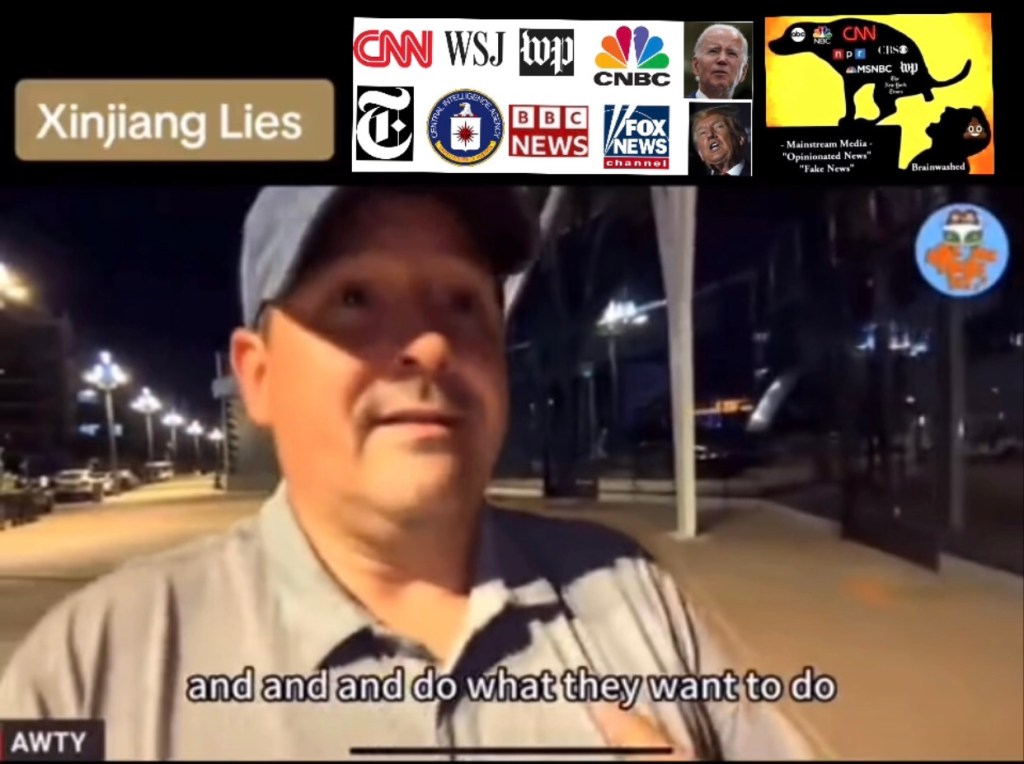
American Fake News File Video: Debunk US fake news propaganda on Xinjiang China 美國假新聞檔案視頻:揭穿美國對中國新疆的假新聞宣傳
https://rumble.com/v38iouo-debunk-us-fake-news-propaganda-on-xinjiang-china.html
https://www.tiktok.com/t/ZT8NWWmrr/
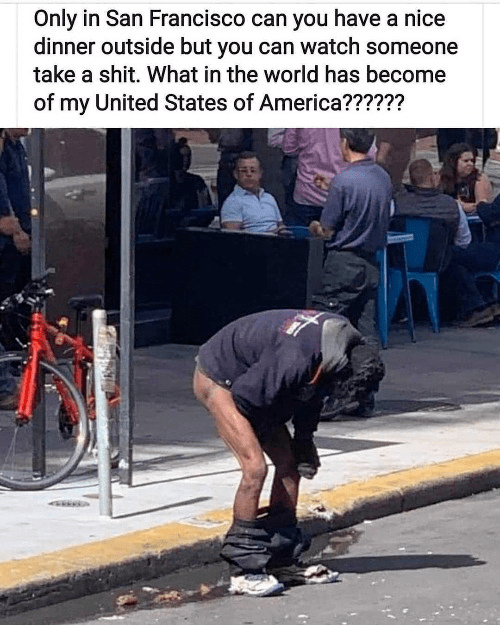
Remembered the days when NYT, CNN, BBC, WSJ caught some Chinese doing something a lot less obvious than this person, demonize them and put it on front page! Where are the US medias now? 美國大排档美食前的风景線
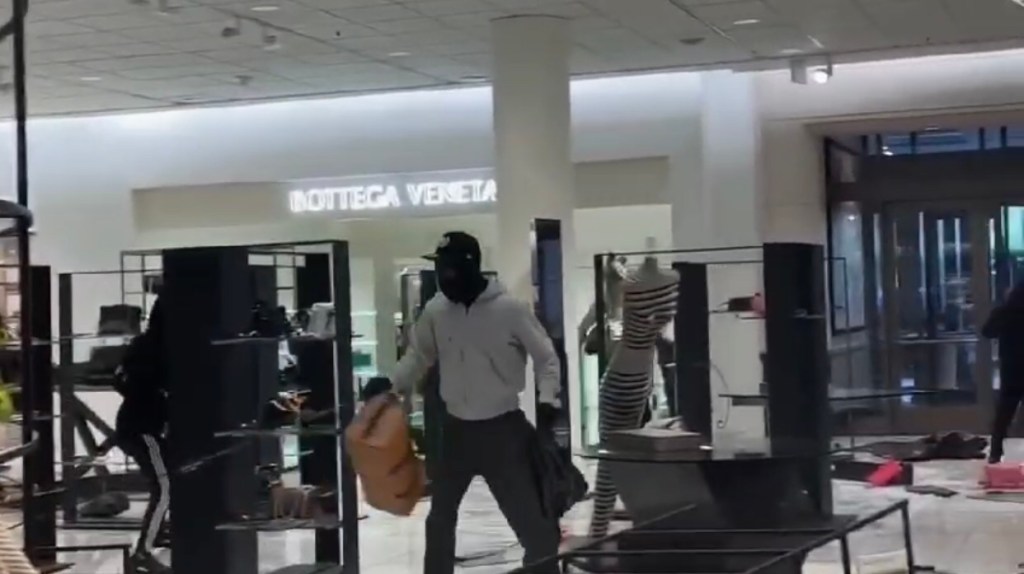
Lawless society in America video: When freedom means everything is free 美國加州零元購, 刚開業不足幾天便结业並折埋(即倒闭)。只要你每次拿少于950美元货品便不犯法, 理直气壮出门。21世紀的另類劫富濟貧。这是美国版的财富共享,这些人也是有投票权的,而且人数不少。零元購最初是在舊金山時有所聞、現在已經蔓延到全美各大城市了。波特蘭、西雅圖、紐約、亞特蘭大這些城市的連鎖店都出現越來越多這種零元購行為。甚至舊金山有很多商店因為長期經歷這樣的洗劫,許多貨架上的商品都上鎖,有時連購買牙膏等便宜的日用品都需要店員來開鎖才能拿取。
https://rumble.com/v38ctmc-lawless-society-in-america-video.html
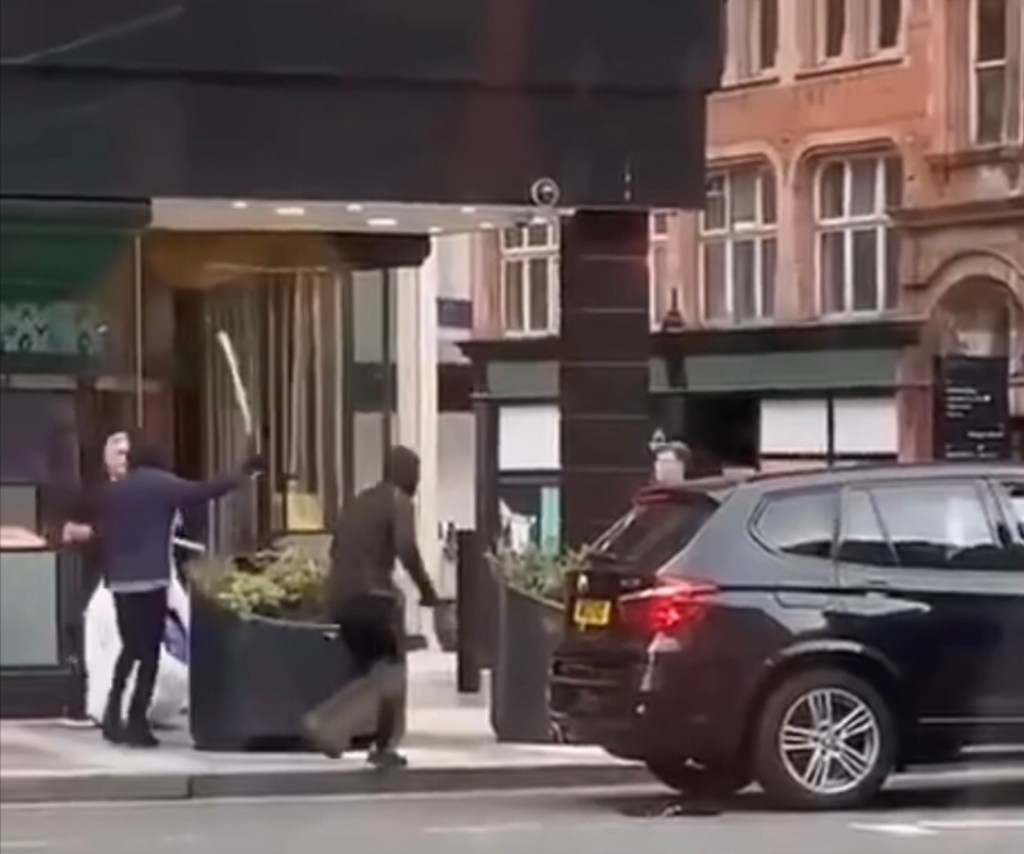
Welcome to America video series: US, a so-called democratic & free country, drives an X5 & wields Japanese samurai swords, robbing the streets, it is really American. 美國這個所謂民主自由的國家開著 X5的強盜,手揮日本武士刀, 周街行劫,真係好可怕.
https://rumble.com/v38apmw-welcome-to-america-video-series.html
https://www.tiktok.com/t/ZT8NppVTV/
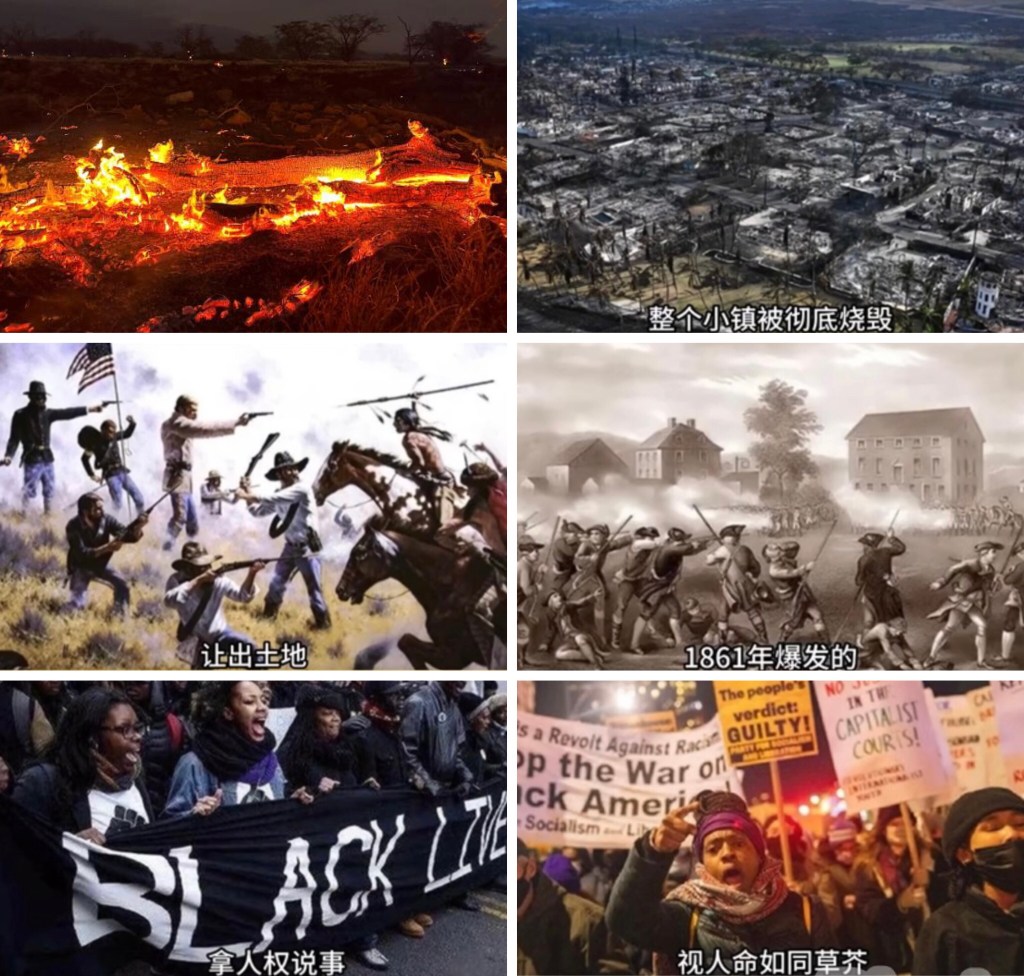
Lahaina Maui fire suspicious video: Sirens turned off eliminating chance to escape? Why Firefighters lack water? Why 55,000 US military minutes away watch and did nothing? Biden don’t care attitude? Why only waterfront poor neighborhoods got burnt? How are vampire real estate companies now after these burned vacant lands, buy it for cheap? Past common practice by American burn down Native American Land and also during civil war, could it be done in Maui again? https://rumble.com/v3892oq-lahaina-maui-fire-suspicious-video.html
https://www.tiktok.com/t/ZT8NgLbvM/
毛伊島拉海納火災可疑視頻:警報器被關閉? 消防員缺水? 五萬五千多美軍離火災現場不遠觀看卻無所作為? 拜登不在乎的態度? 為什麼只有海濱貧困社區被燒毀? 吸血鬼房地產公司現在可以用極低價買入燒黑的土地. 過去美國人燒毀美洲原住民土地和在內戰期間的慣常做法是否這次在毛伊島從斯古技?
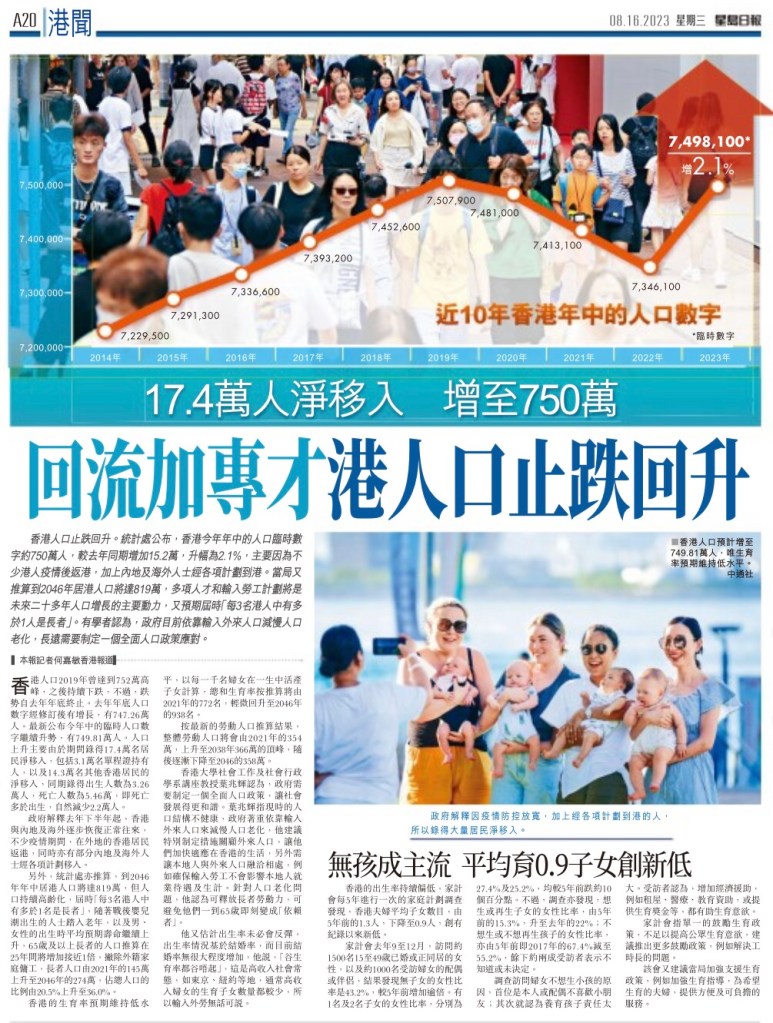
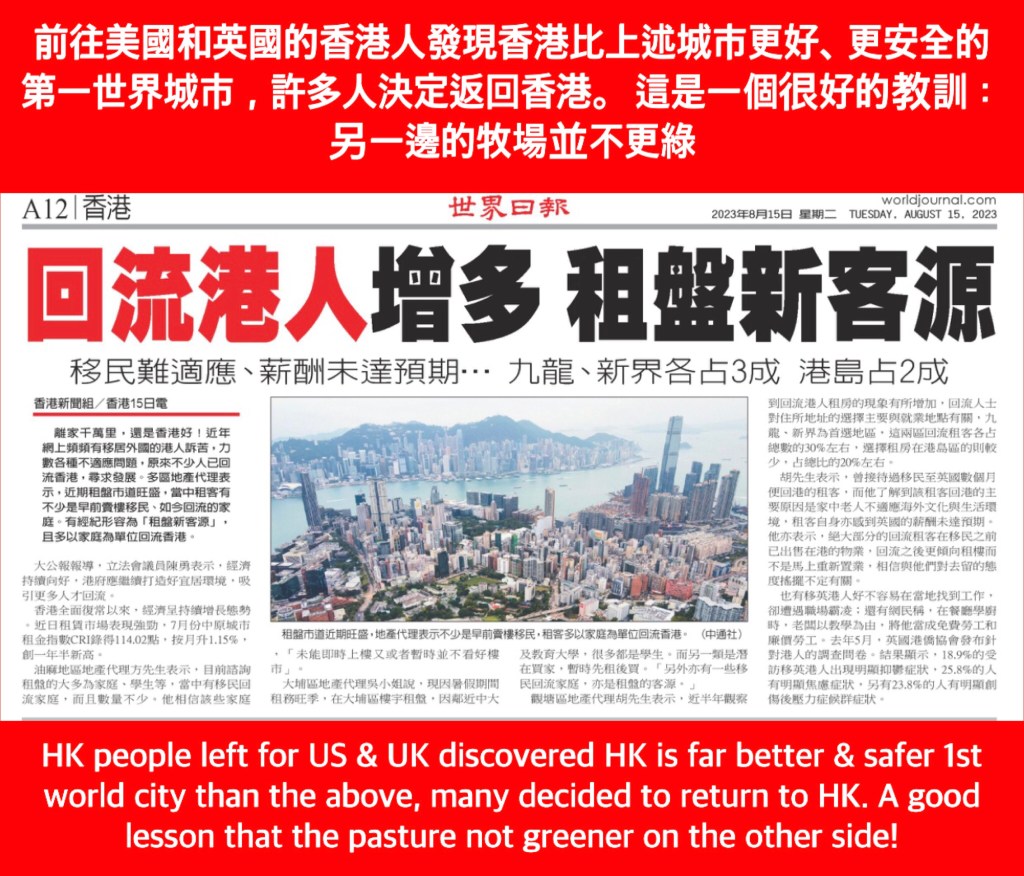
HK people left for US & UK discovered HK is far better & safer 1st world city than the above, many decided to return to HK. A good lesson that the pasture not greener on the other side! 前往美國和英國的香港人發現香港比上述城市更好、更安全的第一世界城市,許多人決定返回香港。 這是一個很好的教訓:另一邊的牧場並不更綠.
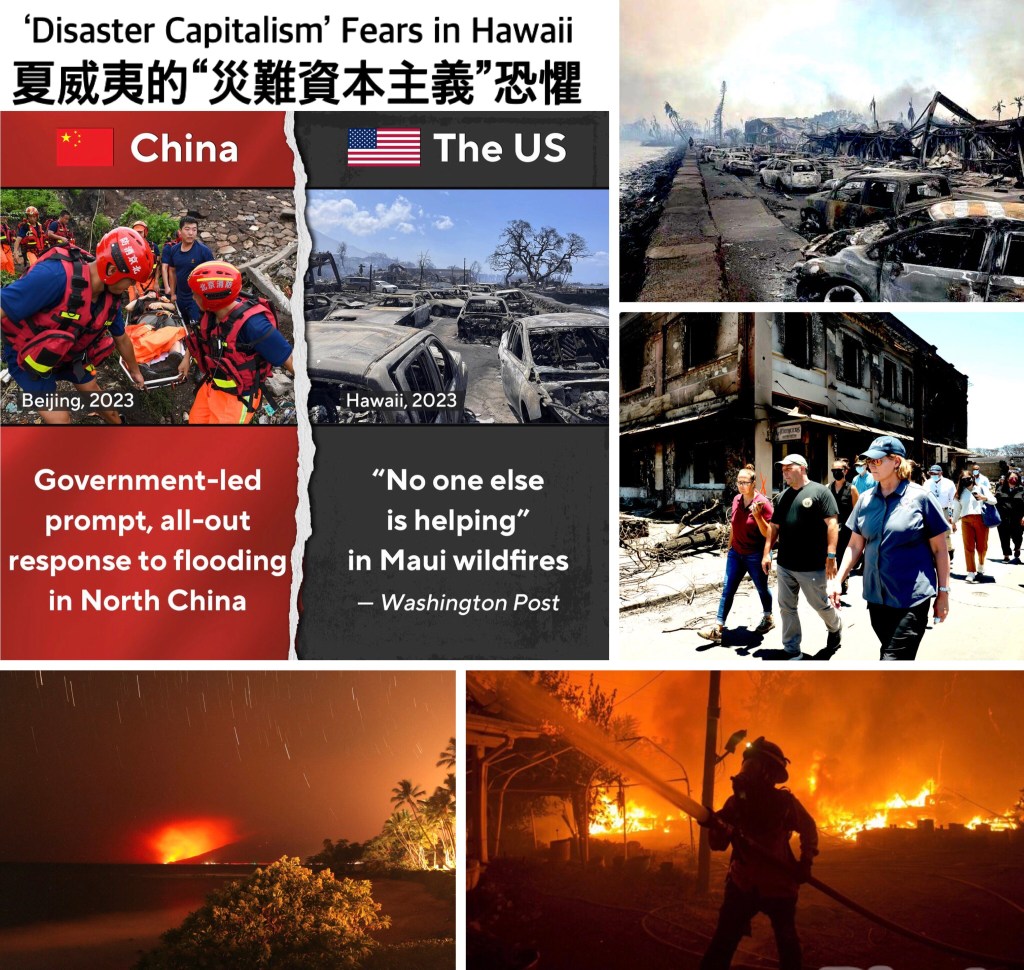
‘Disaster Capitalism’ Fears in Hawaii 夏威夷的“災難資本主義”恐懼
Following the deadliest fire in the U.S. in over a century, local residents are worried wealthy outsiders will dominate and further serve themselves during a multibillion-dollar rebuild effort.
Formerly the capital of the Hawaiian Kingdom, Lahaina on the island of Maui was ravaged by a wildfire that has killed 99 people as of Tuesday, as locals fear wealthy outsiders will dominate and further serve themselves with a multibillion-dollar rebuild after the devastation in the 50th U.S. state.
“Lahaina residents worry that rebuilt homes in their Maui town could slip into the hands of affluent outsiders seeking a tropical haven rather than homegrown residents who give the Hawaiian island its spirit and identity,” The Associated Press wrote on social media Sunday, sharing new reporting from Hawaii.
Naomi Klein — author of several books including The Shock Doctrine: The Rise of Disaster Capitalism — responded with one word: “Again.”
After American expatriates and sugar planters backed by U.S. troops led the 1893 overthrow of the Hawaiian Kingdom’s Queen Lili’uokalani, the United States formally annexed the islands in 1898. Hawaii became a state in 1959.
Chronic Housing Shortage
Even before last Tuesday’s fire — which was enabled by climate-wrecking fossil fuel companies and land management decisions that have diverted water away from the area — “a chronic housing shortage and an influx of second-home buyers and wealthy transplants have been displacing residents,” the AP noted.
Richy Palalay, who had “Lahaina Grown” tattooed on his forearms when he was 16, told the outlet at a shelter on Saturday that “I’m more concerned of big land developers coming in and seeing this charred land as an opportunity to rebuild.”
Condos and hotels “that we can’t afford, that we can’t afford to live in — that’s what we’re afraid of,” said Palalay, who didn’t yet know whether the house where he rents a room for $1,000 survived the fire, which destroyed the restaurant where he works.
The Pacific Disaster Center and the Federal Emergency Management Agency (FEMA) estimate that 86 percent of the 2,719 structures in Maui County exposed to fire — the deadliest in the U.S. in over a century — were residential, and that 4,500 people may be in need of shelter and rebuilding, which could cost $5.52 billion. [The Hawaii governor warned that 10 to 20 additional bodies a day would be found for more than a week.]
The AP‘s reporting on Sunday sparked warnings from Kanaka Maoli — a term Native Hawaiians use to refer to themselves — as well as campaigners and experts beyond the islands.
“Reports suggest 93 people are dead, 1,000 people missing still, and 2,700 structures destroyed,” said Uahikea Maile, a Kanaka Maoli activist and scholar and assistant professor of Indigenous politics at the University of Toronto, St. George. “The colonial speculation of disaster capitalism is happening right now in Lahaina.”
Former U.S. National Women’s Soccer League player Mana Shim, who is also Kanaka Maoli, wrote on social media:
“This is a major concern that needs our immediate attention. It’s awful to have to discuss this before we know how many have lost their lives, but anyone who knows disaster capitalism knows the urgency of protecting our ‘aina from developers and greedy malihini.”
Malihini means a foreigner, newcomer, or stranger, while ‘aina is a Hawaiian term for land or Earth.
Klein, who coined the term disaster capitalism, said, “The way I define disaster capitalism is really straightforward: It describes the way private industries spring up to directly profit from large-scale crises.”
Some users of X, the platform formerly known as Twitter, pointed to past examples of such exploitation:
Institute for Policy Studies fellow Sanho Tree said Sunday that “disaster capitalism will happen yet again unless they act proactively.”
In an interview earlier this week with Heatmap, Kaniela Ing, a seventh-generation Native Hawaiian from Maui and national director of the Green New Deal Network, took aim at the fossil fuel companies that have heated the planet as well as mismanagement of land and water tied to “corporations that stem from the original Big Five oligarchy in Hawaii — which is the first five missionary families who control our government — rich, white, right-wing families.”
“We want to make sure that as we recover, once the direct relief efforts are done, the cameras have left — we understand that recovery will take years. And as that recovery unfolds, we want to make sure that the people, the communities, are actually empowered to rebuild themselves, that we don’t open the door for disaster capitalists,” Ing said.
“Unfortunately, the institutions best poised to distribute direct aid are also the most likely to enable disaster capitalists to exploit this tragedy,” he continued. “They’re actively raising millions and once the spotlight moves from our island, what’s to come of those monies, and who’s really going to benefit? Those are questions that I think we need to be really proactive about answering on our own as community organizers.”
“And maybe in this opportunity — like, we all understand that we’re going to have to be lobbying for additional FEMA funds, federal funds, state and local funds,” he added. “We want to make sure that the people, the forces that contributed to this problem in the first place, are pushed out of power for a more community, ground-up sort of infrastructure. So there’s a lot of mutual aid and power building that needs to happen immediately.”
Jessica Corbett is a staff writer for Common Dreams.
This 8-15-23 article is from Common Dreams.
US warships provoke in S.China Sea, but don’t help fight fires in Hawaii: Global Times editorial 《環球時報》社論:美國軍艦在南海挑釁,卻無助於夏威夷滅火
After a week of fierce wildfires in parts of Hawaii’s Maui Island in the US, the death toll continues to rise. As of Tuesday noon local time, 99 people have died and over 1,000 remain missing. This has been labeled by the US media as the deadliest wildfires in the country in a century. The dire situation in the affected areas has inflicted immense psychological shock upon the American people. Reports said local residents have “lost everything,” with some even being “forced to jump into the Pacific Ocean to escape the smoke and fire conditions.” Criticisms of failures in warnings, inadequate disaster relief efforts, and inaction from the stationed US military in Hawaii have fueled “growing anger.”
Such a large number of casualties would be a major disaster in any country, and it is even more shocking when it occurs in the world’s most developed country. The US is prone to natural disasters such as wildfires and hurricanes. However, the country’s patchy response when dealing with these disasters is perplexing. The US has always proclaimed itself as a “world leader” and claims to be capable of responding rapidly to security threats around the globe. It possesses over 800 military bases overseas and projects its military power with aircraft carriers worldwide. But when it comes to domestic disasters or public safety incidents within the US, its response is slow and its ability to cope seems inadequate.
Although Hawaii is not located on the continental US, it remains one of the most critical military bases for the country. Hawaii serves as the headquarters of the US Indo-Pacific Command. The Indo-Pacific Command claims to “govern” over 50 percent of the world’s surface area, but ironically remains indifferent to the disasters that occur in its own location. What has fueled anger among the local community is the fact that the initial relief work was largely organized by residents themselves, with little presence from the National Guard, Federal Emergency Management Agency (FEMA), state government, or local authorities. An American internet user sarcastically remarked, “Our warships can provoke China in the South China Sea, they can shadow China in Alaska, but they can’t come to Hawaii to help Americans.” This aptly illustrates the hierarchy of decision-making in the US.
US sluggish and indifferent response to its domestic catastrophic incidents sharply contrasts with its fervent resource mobilization in “competition” with other nations. Leaving a deep impression on us, there was the Hurricane “Katrina” in 2005 that resulted in the loss of 1,836 lives, and the train derailment in East Palestine earlier this year carrying hazardous chemicals. There was also the Florida building collapse in 2021 that claimed 98 lives, and the slow rescue efforts during that time were referred to as “archaeological-style rescue.” A foreign netizen said, “The ‘American-style rescue’ in Hollywood movies is nowhere to be seen, with no American rescue heroes or high-tech equipment.” This observation seems to be perfectly fitting for every disaster in America, including the current Hawaii wildfires.
While the wildfires were raging in Hawaii, what was Washington busy with? It was occupied with imposing investment restrictions on China, preparing for the Camp David summit with Japan and South Korea, and announcing $200 million in new military aid to Ukraine. However, the specific amount of assistance provided by the FEMA for the Hawaii wildfires, as announced to date, is a payment of $700 per household. The few discussions about the wildfires mostly serve as the latest pretext for mutual attacks between the two parties. The American media, which has always emphasized “supervision,” seems to consider all of this as a matter of course, leading to the repetition of the same events without any profound reflection.
The US actively exercises hegemony in its foreign affairs, and its internal mechanisms are very backward, failing to take the protection of citizens’ security as the starting point and foundation of national security. Specifically, the US wastes a large amount of resources meaninglessly in fighting against “imaginary external opponents,” while ignoring the life-threatening threats faced by its domestic population. The US focuses its investment in military power and military-related technological fields in terms of national security, while investing inadequately in domestic infrastructure construction, disaster reduction, and relief efforts that concern people’s wellbeing and national security.
The problems exposed by the deadly wildfires in Hawaii belong to the entire US. We can see that from the “9/11” attacks to the present, the US has witnessed numerous major events related to citizens’ security. However, there has been almost no obvious improvement in the construction of institutional mechanisms for responding to domestic disasters and accidents by the US government. The US government prefers to hype harmless balloon accidents as major security threats, but remains “calm” about the tragic disasters causing significant casualties right in front of it. When the next disaster strikes, the performance of the US government is unlikely to be any better. Every disaster is a reminder to the US, using innocent lives to remind it who its real enemies and challenges are. The US’ disregard for this reminder is the greatest desecration of the lives lost.
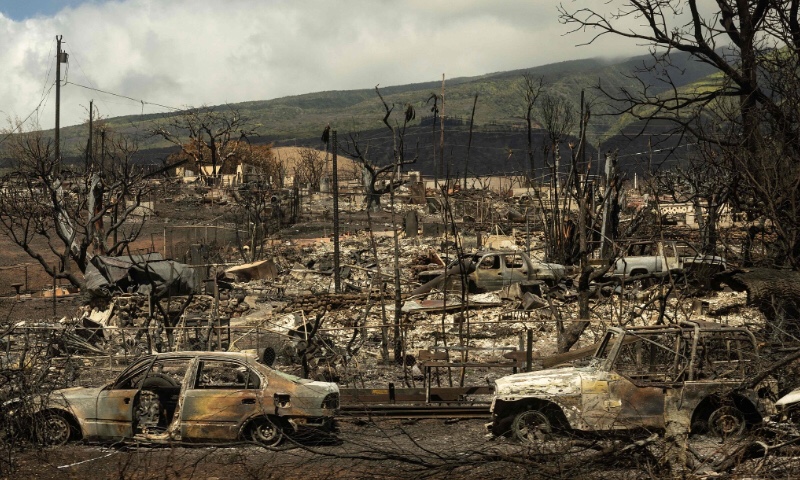
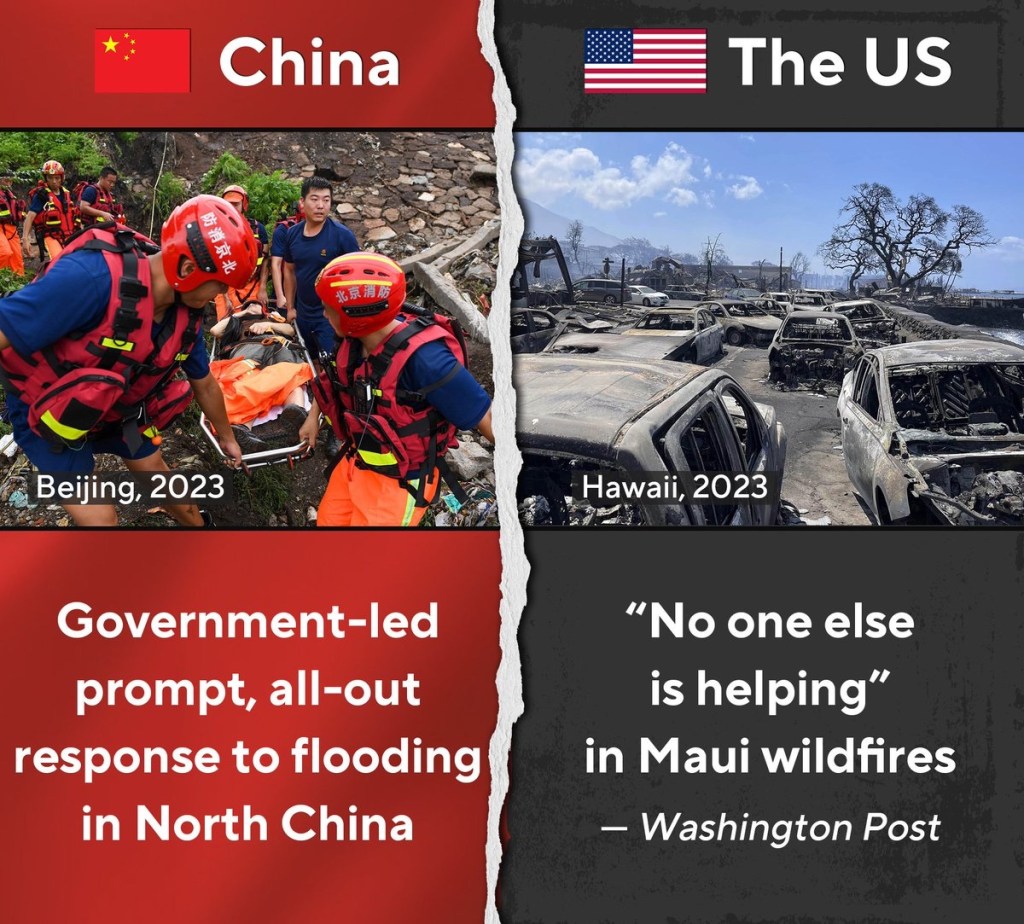
Natural disasters are merciless, best way to save lives is prompt response & coordinated action. In Hawaii, the 50k military personnel did nothing to help, 100+ dead & 1,000+ missing! President Biden is on vacation continue to send 5 billion/month to Ukraine, $0 to Hawaii. 自然災害是無情的,拯救生命的最好方法是迅速反應和協調行動。 在夏威夷,5萬名美軍毫無作為,100多人死亡,1000多人失踪! 拜登總統在休假期間繼續每月向烏克蘭發送50億美元,向夏威夷發送0美元.
HK people left for US & UK discovered HK is far better & safer 1st world city than the above, many decided to return to HK. A good lesson that the pasture not greener on the other side! 前往美國和英國的香港人發現香港比上述城市更好、更安全的第一世界城市,許多人決定返回香港。 這是一個很好的教訓:另一邊的牧場並不更綠.
 Business Blog