Taiwan US-China expert video – US: Ukraine 2.0 in Taiwan or Korean Peninsula or both, China ensure it is not going to happen 東風17強力部署 中國不容許東亞烏克蘭出現
https://youtu.be/w0oromZW2MA 👈
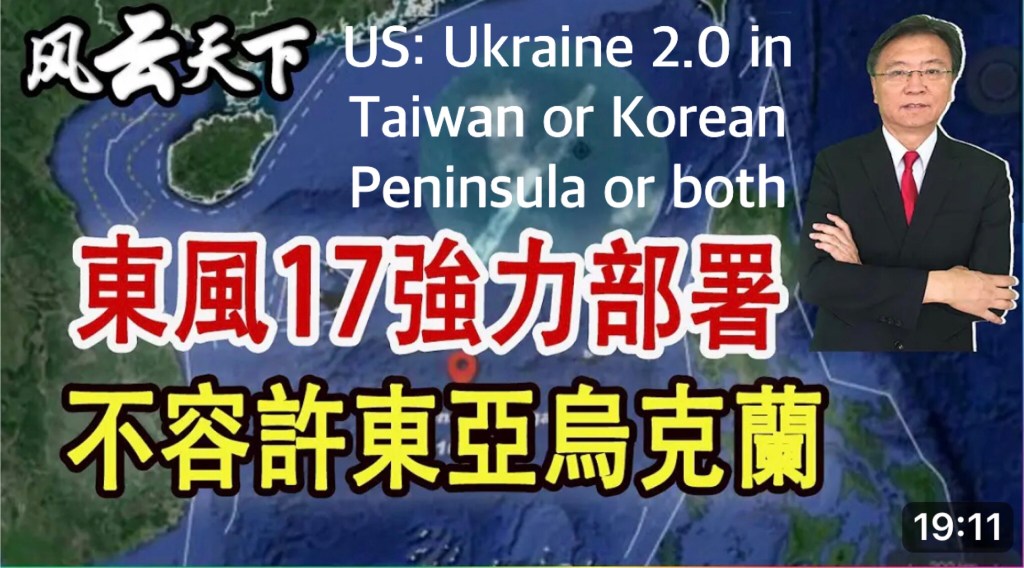
Taiwan US-China expert video – US: Ukraine 2.0 in Taiwan or Korean Peninsula or both, China ensure it is not going to happen 東風17強力部署 中國不容許東亞烏克蘭出現
https://youtu.be/w0oromZW2MA 👈
The fact that China has successfully purged CIA networks in the past, and is tightening the space for spies to operate, indicates that it is not experiencing paranoid delusions, but has correct judgement. 中國過去成功清理中央情報局網絡、收緊間諜活動空間的事實表明,中國不是偏執妄想,而是有正確的判斷.
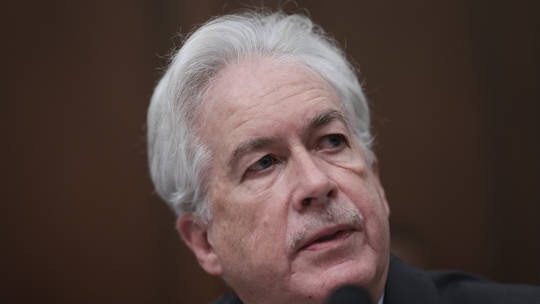
US recruiting spies to station in China video: 羅冠聰失勢,美國被踢爆全球招聘間諜取締落難漢奸?袁弓夷聲稱獲美國力撐,子女被帶走當鍛鍊?加拿大反口,繼BNO忽變5+1個月,取消對小黃人優待?︱陳穎欣|2023.07.27 https://youtu.be/AB2LBYREbdw 👈

Lift-off for Lingxi-03: China tests ultra-thin flexible solar wing for satellite network to rival Elon Musk’s Starlink
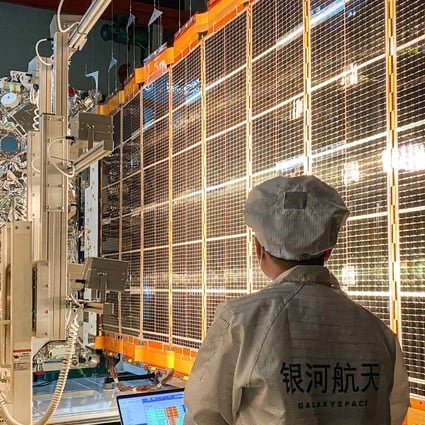
The Lingxi-03 and its bendable solar panels are developed by the Beijing-based start-up GalaxySpace
The communications satellite has an open-frame design with all instruments attached to the exterior and exposed to harsh space environment
China has launched its first communications satellite bearing an ultra-thin flexible solar wing as it tests technologies for the country’s planned 13,000-satellite broadband megaconstellation in low-Earth orbit to rival SpaceX’s Starlink.
The Lingxi-03’s bendable solar panel measures about 1mm thick – similar to a credit card and only 5 per cent of the thickness of a traditional solar panel – according to state broadcaster CCTV. When folded inside a rocket, the solar array is 5cm (2 inches) thick, and it expands to 9 metres long and 2.5 metres wide (29.5 feet by 8.2 feet) once operational in orbit.
Previously, China had only used such solar panels to power its Tiangong space station, CCTV reported on Sunday.
“These solar wings are small, lightweight and easy to store. They absorb more solar energy than traditional solar panels do and are especially suitable for large-scale stackable satellite launches,” Zhu Zhengxian, chief technology officer of GalaxySpace, told China Science Daily on Tuesday.
The Lingxi-03 is also China’s first satellite with an integrated main body structure, according to Zhu. He said the satellite platform was inspired by the chassis of a car and used advanced die-cast technologies, making it suited to mass production.
The Lingxi-03 is equipped with a digital payload that can handle tens of gigabytes of data per second, and will verify technologies related to next-generation low-orbit broadband communications, active thermal control and stackable satellite release, among others, the satellite’s chief commander Hu Zhao told CCTV.
“It synthesises many functions of a ground-based station and can analyse an enormous amount of user information,” Hu said.
The Lingxi-03 has an open-frame design, which means all instruments are directly attached to the exterior of the satellite and exposed to the harsh space environment. This required extraordinary radiation protection and temperature control for the electronics on the device, Hu said.
GalaxySpace was founded in 2018 as the first company dedicated to satellite-based internet services in China. The company reportedly raised funding that put its value at US$1.58 billion in September.
In March 2022, GalaxySpace launched six communications satellites into low-Earth orbit for an experimental network nicknamed the “mini-spider constellation” and carried out successful 5G network tests.
Zhu said the company would accelerate research into core technologies such as phased array antennas for direct satellite-to-device communications, and collaborate with partners along the industrial chain to help advance construction of the national constellation known as Guowang.
Later this year, China will launch the first batch of its Guowang satellites, SpaceNews reported in March.
Meanwhile, there are more than 4,500 Starlink satellites in orbit, according to astronomer Jonathan McDowell who tracks launches on his website.
The number of Starlink satellites is likely to reach 42,000 within 10 years. Together with megaconstellation plans proposed by China and various Western companies, the total number of satellites may easily surpass 60,000, making low-Earth orbit much more crowded and potentially more dangerous.
The launch on Sunday also included three remote sensing satellites: Skysight AS-01, AS-02, and AS-03. All three are owned by the Beijing-based Skysight Technology, as part of the company’s commercial constellation to observe Earth in the radar, optical and infrared wavebands.
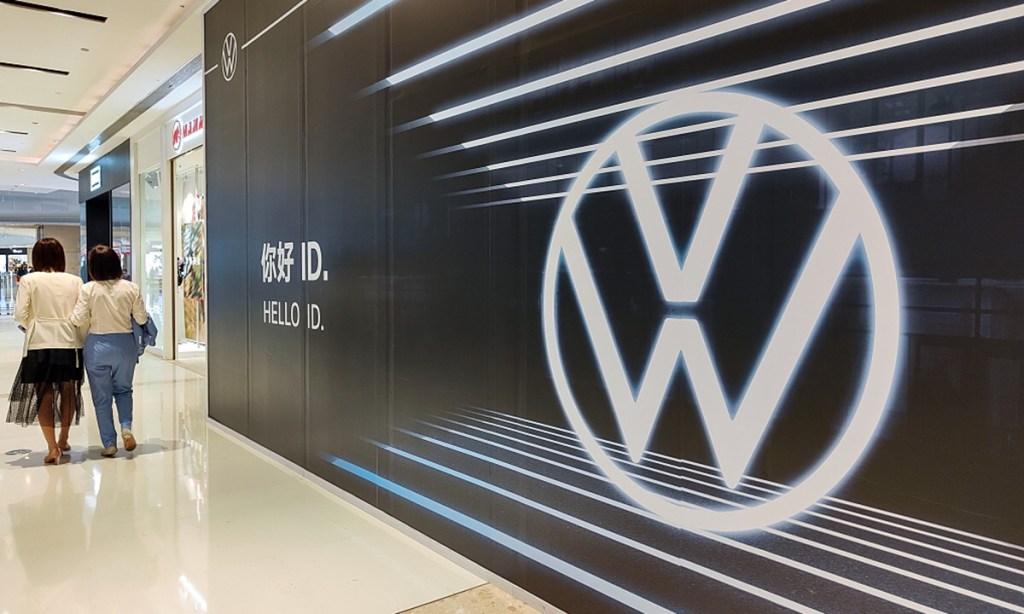
Germany’s Volkswagen Group strengthens position in Chinese market
早些時候 Volkswagen 集團宣布了兩項與中國車廠的全新戰略合作。首先是 VW 品牌與中國新能源車「新勢力」三強之一的小鵬汽車(XPENG)達成了技術框架協議,在合作初期雙方會基於小鵬 G9 所用平台打造兩款為中國市場而設的中型電動車新品。它們會作為 VW 旗下 MEB 平台車款的補充,預期將於 2026 年問世。作為該合作的一部分,VW 會斥資約 7 億美元購入小鵬 4.99% 的股份,交易完成後 VW 集團將獲得小鵬董事會觀察員的席位。
與此同時,Volkswagen 集團下的 Audi 也與自己的中國合資夥伴上汽集團簽署了新的戰略備忘錄。雙方未來會透過共同開發拓展高階智慧型連網電動車,作為計畫的第一步,Audi 將推出全新車款「進入此前在中國尚未覆蓋的細分市場」。
如果你對中國汽車行業有所了解的話,那合資車廠的模式想來一定不陌生。只是在這合作關係中,過去往往是由外企來提供核心的技術。而隨著中國電動車市場的飛速發展,傳統國際車廠的技術迭代在本土「新勢力」面前已經開始力不從心。此次 Volkswagen 集團與中國車廠的一系列合作,或許會成為中外合作關係逆轉的一個開端。
German carmaker Volkswagen Group said on Wednesday that it was strengthening its position in the Chinese car market with cooperations between the VW brand and Chinese electric carmaker XPENG and between Audi and SAIC, one of China’s largest carmakers.
The move further underscores German companies’ interests in expanding their operations in the Chinese market, even as some German politicians are pushing for so-called “de-risking” economic ties with China. Chinese officials and analysts have rejected such a push could impede normal, win-win cooperation.
With the deal between VW and XPENG, the Volkswagen Group is to invest approximately $700 million in the Chinese manufacturer of intelligent electric cars. The initial stage of the cooperation shall provide for the joint development of two VW brand electric models for the mid-size segment in the Chinese market, according to a press release.
Meanwhile, the recently founded Volkswagen Group China Technology Company (VCTC) is the development partner for XPENG. The new development, innovation and procurement center is the Group’s largest development location outside Wolfsburg, Germany, where the company is headquartered.
In a separate deal, Audi has signed a strategic memorandum with its Chinese joint venture partner SAIC to further expand existing cooperation. Joint development activities are to extend the portfolio of fully connected electric vehicles on offer in the premium segment swiftly and efficiently, according to the press release.
“Both agreements also envisage a planned, future joint development of new local platforms for the next generation of intelligent, fully connected vehicles (ICV). The partnerships aim to swiftly expand the Group’s product range with further models from China for China in particularly promising customer and market segments,” the press release said.
Volkswagen’s announcement on Wednesday comes just about two weeks after the German government issued its first so-called “China Strategy” in mid-July, in which it said “de-risking is urgently needed,” though it was not pursuing “a decoupling of our economies.”
The document drew criticism from Chinese officials and experts. The Chinese Embassy in Germany urged Germany to view China’s development in a rational, comprehensive and objective manner. The embassy said viewing China and making China policy based on ideological bias will only lead to misunderstanding and misjudgment, and impair cooperation and mutual trust.
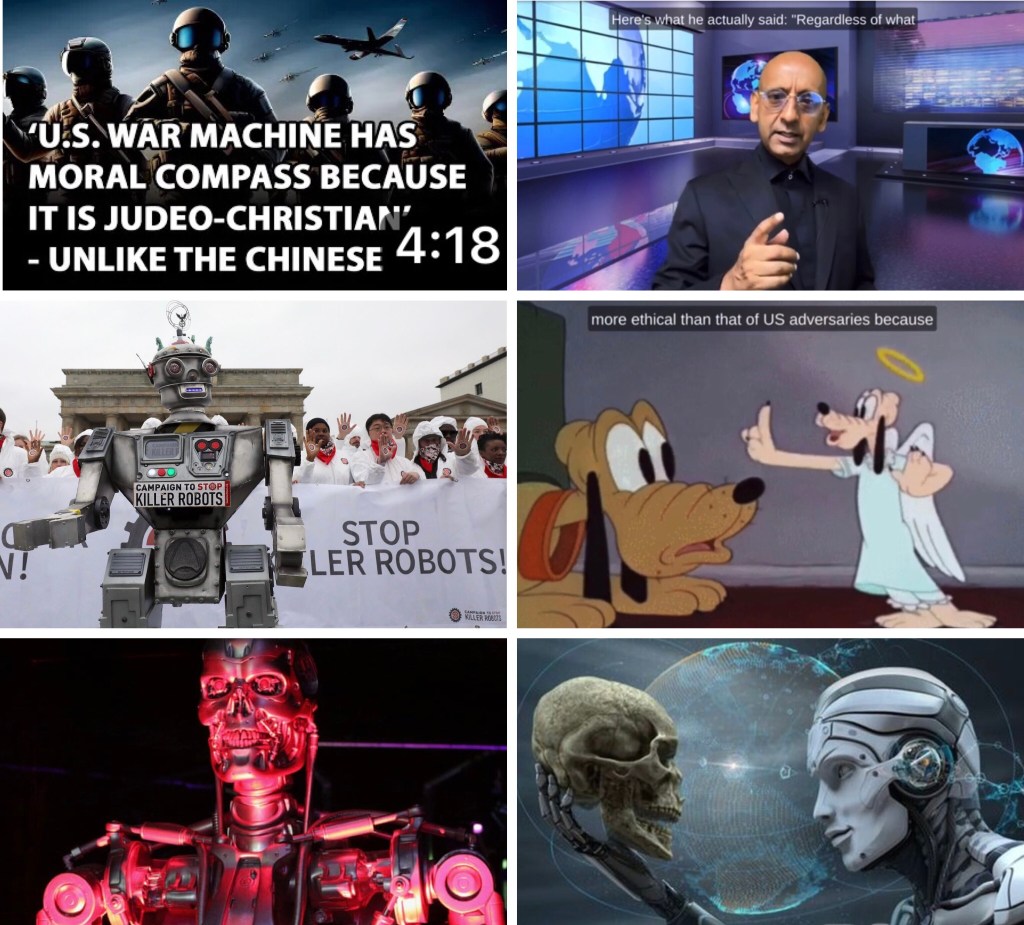
Video: US approach to AI is ethical to have killer robots “thanks to Judeo-Christian roots” when the world & China is against it 當世界和中國都反對時, 美國對人工智能的態度是道德的, “由於猶太教和基督教的根源”, 擁有殺手機器人變得合理化? 嘩! 把上帝也搬出來!
https://rumble.com/v32i8wg-judeo-christian-roots-is-the-magic-words-for-us.html
https://www.tiktok.com/t/ZT88MW4kq/
A top military official says that the US military approach to AI ethical issues is rooted in Judeo-Christian principles—unlike the country’s adversary, who has no moral compass. It’s sad that people can say things like this with no fear of a backlash, especially when you compare the US and the Chinese positions on AI. China and most of the world wanted a ban on autonomous robot killers, but the US argued against it. 一位高級軍事官員表示, 美國軍方處理人工智能道德問題的方法植根於猶太教和基督教原則-不像該國的對手, 後者沒有道德指南針. 令人遺憾的是, 人們可以說出這樣的話而不用擔心遭到強烈反對, 尤其是當你比較美國和中國在人工智能方面的立場時. 中國和世界大多數國家都希望禁止自主機器人殺手, 但美國反對.
Winston Churchill: “US has the worst form of democracy and they did the right things forcing us to give up all colonies after WWII except HK” 丘吉爾:“美國擁有最糟糕的民主政府形式,他們做了正確的事情斷了我們米路迫使我們放棄二戰後除香港以外的所有殖民地”

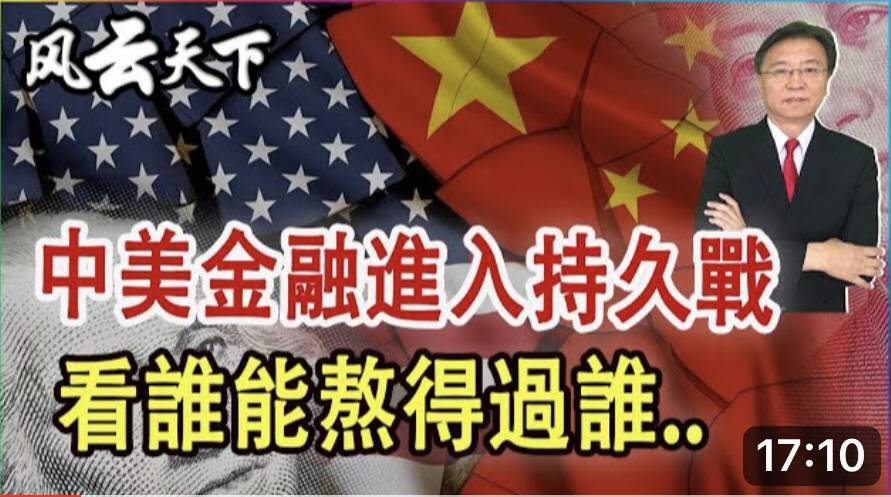
Taiwan US-China expert: China and US have entered a protracted financial war to see who can survive whom 台灣中美財經科技專家: 中美金融進入持久戰 看誰能熬得過誰
https://youtu.be/ZhAZWbiqc7o 👈
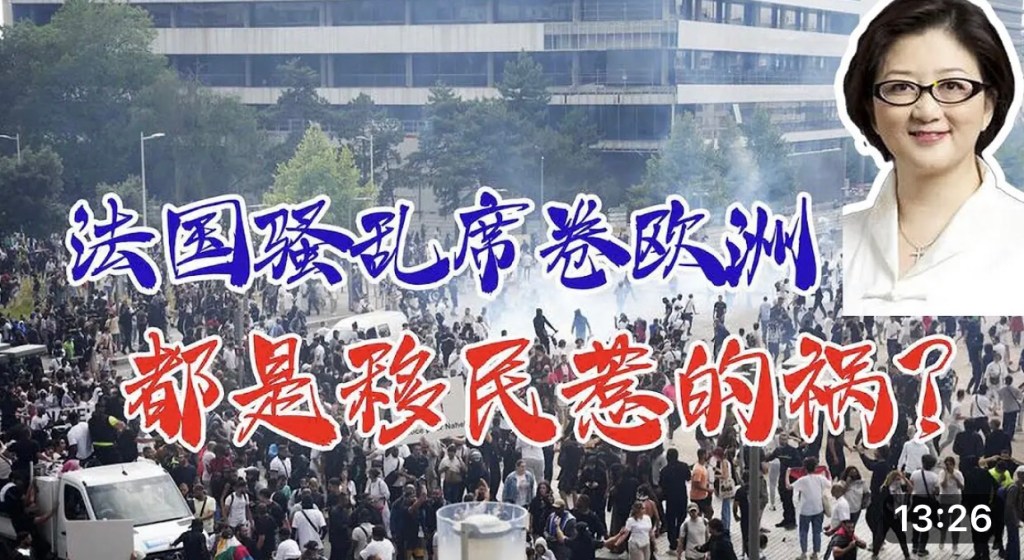
Taiwan US-China financial expert Joanna Chien video: The riots in France are spreading, sparking a prairie fire in Europe. Deep social problems are on the verge of breaking out? 台灣中美財經專家雷倩: 法国骚乱蔓延,欧洲多国星火燎原,社会深层问题一触即发?
https://youtu.be/klTN9KcjIz0 👈
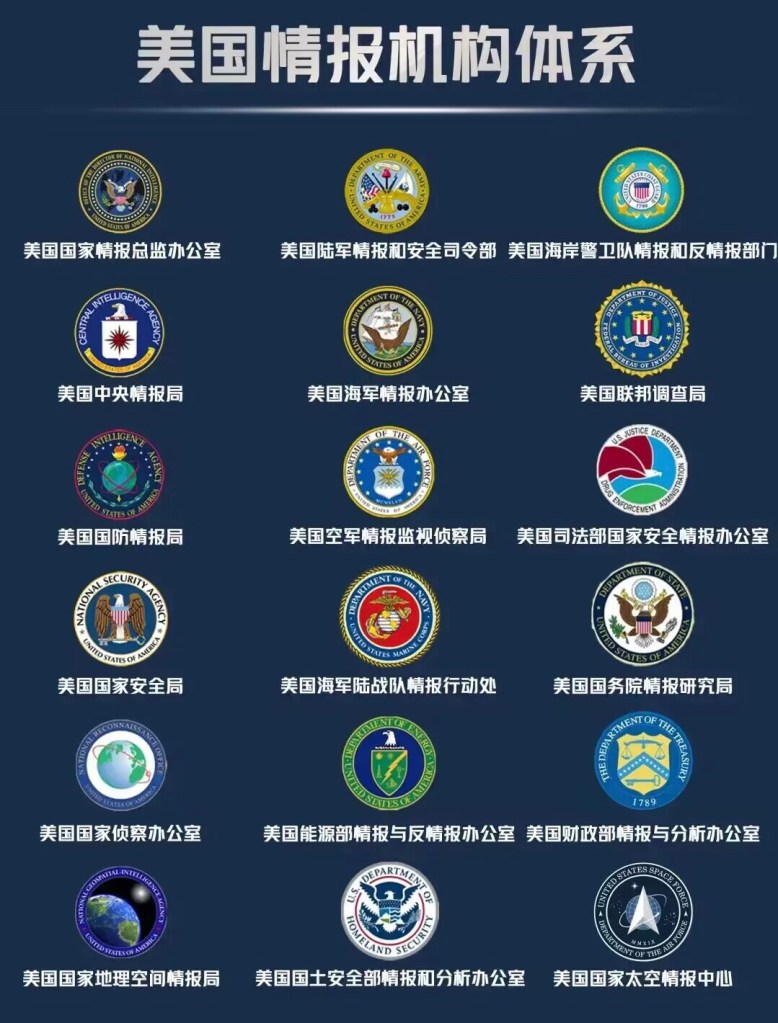
US has 18 homeland security agencies with backdoors to your phone, internet, social media. HK has one! You be the judge who is bad! 美國有18個國土安全機構,你的手機、互聯網、社交媒體都設有後門讓他們無限監聽. 香港祇有一個! 美國佬就指手劃腳, 你有腦的決定誰是賊.
 Business Blog