German Chancellor Scholz lands in Beijing for one-day visit By Andreas Rinke and Eduardo Baptista Nov 4, 2022
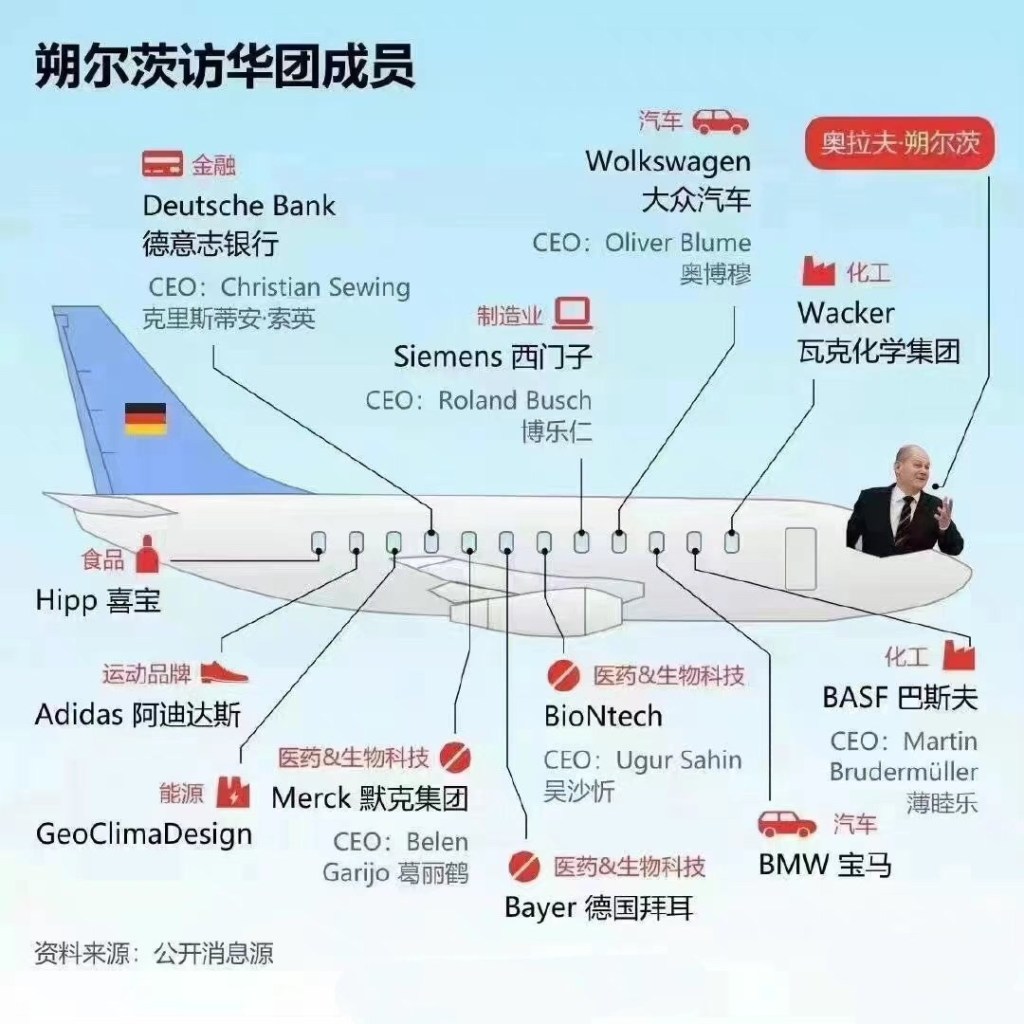
German Chancellor Olaf Scholz and a delegation of business leaders landed in Beijing on Friday morning, kicking off the first visit by a leader of a G7 nation to China in three years.
Scholz and the entire delegation were administered COVID-19 tests upon landing, with Chinese medical staff donning hazmat suits going into the plane to conduct the tests, according to a Reuters reporter accompanying the delegation.
China’s strict zero-COVID policy and growing tensions with the West have made it unfeasible for leaders of major western powers to visit China, while Chinese President Xi Jinping has only just resumed foreign trips.
Scholz’s visit is likely a welcome development for the Chinese leadership, who will be looking to shore up relations with the outside world after the conclusion of the 20th Party Congress, where Xi consolidated his status as the core of the ruling Communist Party.
“China, in the present domestic and international environments, requires his visit and whatever both sides would jointly declare in Beijing, especially shortly after the (Party) Congress,” said Shi Yinhong, a professor of international relations at Renmin University in Beijing.
Amid historic inflation and looming recession in Germany, Scholz will be looking to emphasise the need for continued cooperation with China, analysts say.
Scholz will meet with Xi and outgoing Premier Li Keqiang, where he is also expected to raise controversial issues such as human rights, Taiwan and the difficulties German companies face accessing the Chinese market, according to government sources.
In the run-up to the visit, there had been criticism of the visit within the EU and the German government coalition, mainly from the Green Party and the Liberals.
These tensions were brought to the fore by a deal whereby Chinese shipping giant Cosco received the green light from Berlin to obtain a stake in a Hamburg port terminal despite opposition from coalition partners.
Despite political rows within Germany over the Cosco bid, China’s crucial role in key industries from shipbuilding to electric vehicles, along with the unprecedented economic headwinds facing Germany, meant Scholz needs cooperation with China more than his predecessor Angela Merkel ever did, said Wang Yiwei, Jean Monnet Chair Professor and director of the Centre for European studies at Renmin University.
“Merkel was also quite ideological (towards China) in the beginning but then she changed her tune. Scholz has changed his tune even faster, but he does not have as solid of a domestic political standing as Merkel,” said Wang.
Reporting by Andreas Rinke, Ryan Woo and Eduardo Baptista; Writing by Eduardo Baptista; Editing by Christopher Cushing and Kim Coghill
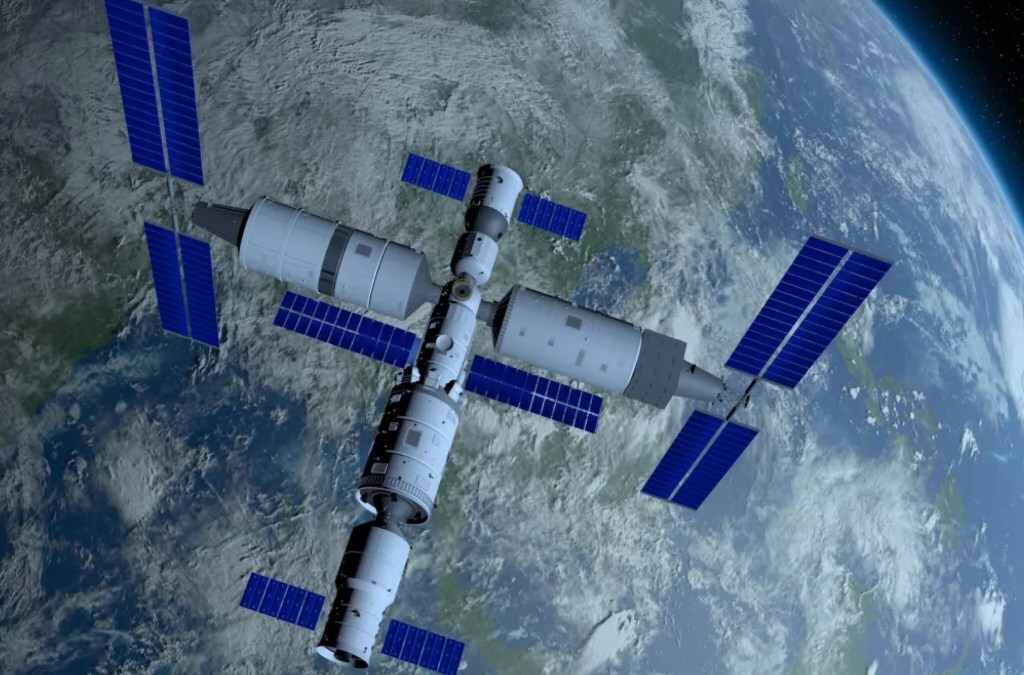
The T-shape structure of China’s space station was formed after Mengtian lab module had completed the in-orbit transposition on Nov 3. It is less than 2 years after China launched the first space station component. Let’s review the process of China’s space station construction.
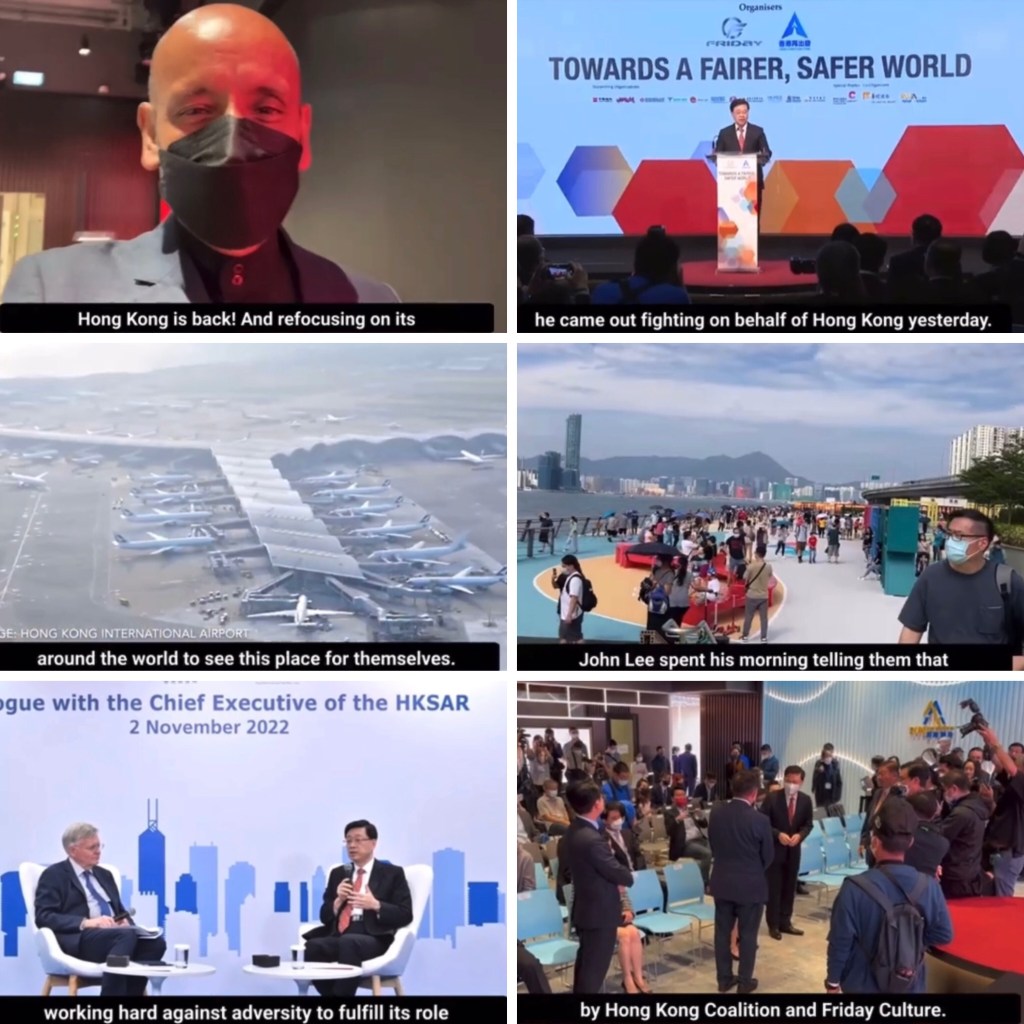
Video: Despite US & UK still desperately trying to destroy HK, Hong Kong is back: new leader outlines steps ahead 儘管美國和英國仍在拼命試圖摧毀香港,但香港又回來了:新領導人概述了前進的步伐
Chief Executive John Lee Ka-chiu pledges to return Hong Kong to its strengths as a business and financial hub, and also to crack down on hostile disinformation that has been harming Hong Kong. The low crime city, freed of the unwanted violence of recent years, needs to have its story told more fairly, he told a conference organised by Hong Kong Coalition and Friday Culture. This report is a brief overview, but we’ll be providing news and summary of the insights from the forum held in Hong Kong on November 2, 2022.
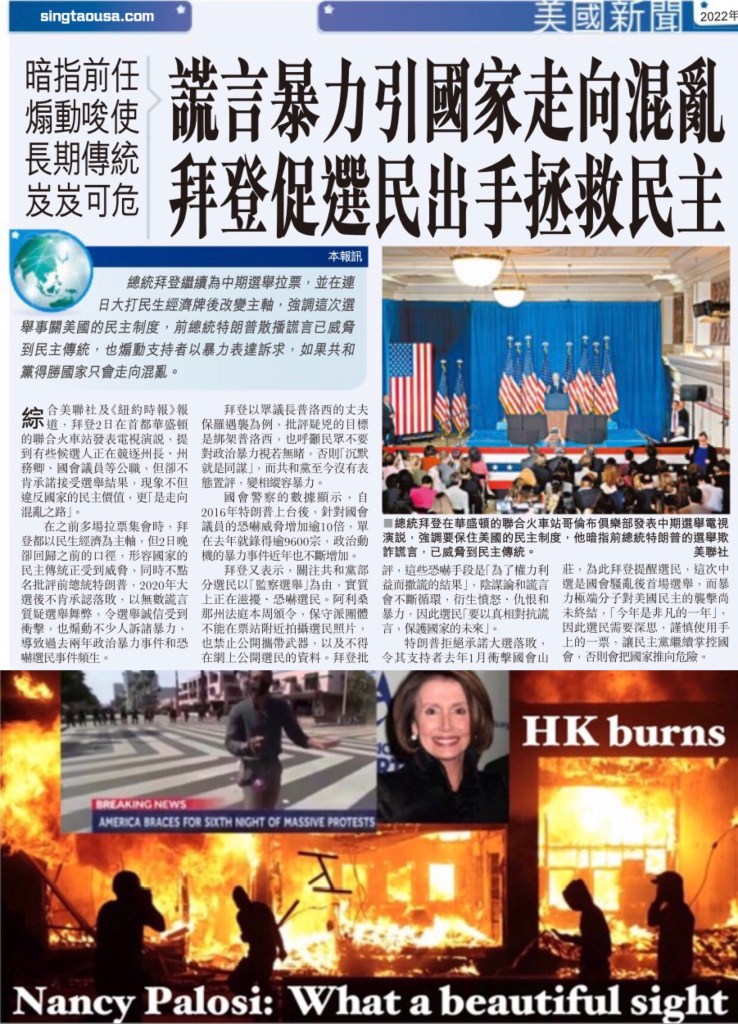
US sponsored overseas violence like the 2019 failed regime change attempts in HK in the name of fake democracy and human rights blowback to US, karma comes back to haunt US like a high speed train. 美國以假民主和人權的名義資助了海外暴力,例如 2019 年香港政權更迭失敗的嘗試,報應像高速列車一樣回來困擾著我們
To US Consul General in HKSAR: Hongkongers are used by people engaged in subversive activities against China. Are you openly supporting such activities?
新來港的美國駐港澳總領事梅儒瑞用港獨用語Hongkongers代替Hong Kong people,是表態支持港独分裂国家嗎?香港政府會温馨提示他嗎?


 Business Blog