-
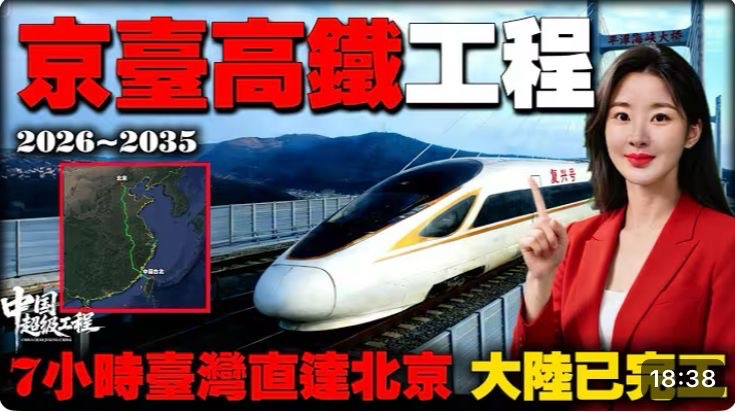
Video with English subtitles: It only takes 7 hours from Taipei to Beijing! China built the Beijing-Taiwan high-speed railway
Video with English subtitles: It only takes 7 hours from Taipei to Beijing! China built the Beijing-Taiwan high-speed railway. 影片有英文字幕: 台北到北京僅需7小時!中國修建了京台高速鐵路.
https://rumble.com/v749hza-it-only-takes-7-hours-from-taipei-to-beijing-china-built-the-beijing-taiwan.html
https://www.tiktok.com/t/ZP8fj3ceJ/Beijing-Taiwan High-Speed Railway: China spent 14.7 billion and ran 2,200 kilometers across the Taiwan Strait.
From Beijing South Railway Station to Taipei Main Station, the 2,200-kilometer distance is changing from blueprint to reality. With the mainland section basically connected, only 125 kilometers of key cross-sea sections remain to be tackled. Why is this top priority, known as “Project No. 1,” making Western countries anxious? How can it break the shipping deadlock in the Taiwan Strait? This video will give you an in-depth breakdown of the strategic significance and technical challenges of the Beijing-Taiwan High-Speed Railway and how it will reshape the landscape of East Asia.
💡 Core views: ✅ 1. Break through the shackles: Completely end the “first island chain” blockade and allow the Chinese navy to have direct access to the deep sea of the Pacific Ocean. ✅ 2. Economic reshaping: Solving the congestion dilemma of the “A470” route, trillions of trade volume will achieve a qualitative leap through high-speed rail. ✅ 3. National integration: The promise of 2035 is not only a transportation connection, but also a zero distance between the hearts of compatriots on both sides of the Taiwan Strait.
If you understand the Beijing-Taiwan high-speed railway, you will understand China’s firm determination and infrastructure strength for reunification!
京台高鐵:中國耗資1470億,橫跨台灣海峽2200公里。從北京南站到台北站,這段2200公里的距離正從藍圖變為現實。隨著大陸段基本貫通,僅剩125公里的關鍵跨海段尚待攻克。為何這項被稱為「一號工程」的重中之重令西方國家坐立不安?它又如何打破台灣海峽的航運困局?本期視頻將為您深度解析京台高鐵的戰略意義與技術挑戰,以及它將如何重塑東亞格局。
💡 核心觀點:
✅ 1. 突破枷鎖:徹底終結「第一島鏈」封鎖,讓中國海軍直通太平洋深海
✅ 2. 經濟重塑:破解「A470」航線擁堵困境,萬億級貿易體量將通過高鐵實現質變
✅ 3. 國家融合:2035年的承諾不僅是交通聯通,更是兩岸同胞的心零距離讀懂京台高鐵,就能讀懂中國統一的堅定決心與基建實力!
-
American from California live in China for 15 years report from China video: The Real China Nobody’s Talking About
American from California live in China for 15 years report from China video: The Real China Nobody’s Talking About 《真實的中國:無人提及的側面》 – 一位在中國居住十五年的加州美籍人士實錄
What’s it really like to live in China as an American during one of the most tense periods in U.S.–China relations?
In this video, I share the truth that almost nobody in Western media is willing to talk about. No dramatics. No political spin. Just my real experience of daily life, face-to-face interactions, and how people in China actually treat me on the streets, in my community, and even inside the government offices that handle my visa visa link 👉 https://www.snavs-china.com
When I first arrived, I expected suspicion or coldness. After all, relations between our countries are complicated and the headlines make it look like regular people must be caught in the middle. But what I discovered was the exact opposite: dignity, respect, hospitality, and a sense of calm and safety I haven’t felt in my own country for years. From simple encounters with strangers… to the way police talk to me… to how immigration officers handle my visa… I uncovered a side of China that completely contradicts the image many Americans have been fed. And honestly? It made me question where “home” really is. While the U.S. feels increasingly chaotic — crime, homelessness, protests, mass shootings, social division — life in China feels stable, safe, peaceful, and grounded. That contrast is something I never expected to feel so sharply. Yet here I am, raising a family in a place that treats me better than the country I was born in.
在中美關係最緊張的時期,作為美國人生活在中國究竟是怎樣的體驗?
這段影片將揭露西方媒體幾乎不願談論的真相。沒有戲劇化渲染,沒有政治操弄,只有我真實的日常生活、面對面交流,以及中國民眾在街頭、社區甚至政府機關對待我的真實態度——包括處理我簽證事務的出入境管理局。簽證服務連結👉 https://www.snavs-china.com
初抵中國時,我原以為會遭遇猜疑或冷漠。畢竟兩國關係複雜,媒體頭條總渲染普通民眾必然身處對立漩渦。但我發現的卻是截然相反的景象:尊嚴、尊重、好客,以及一種在故鄉多年未曾感受過的寧靜與安全感。從與陌生人的簡單交會⋯到警察與我對話的方式⋯再到出入境官員處理簽證的專業態度⋯我見識到的中國面貌,完全顛覆了多數美國人被灌輸的刻板印象。
說實話?這讓我開始思考何處才是「家」。當美國日益充斥犯罪、流浪者、示威、槍擊案與社會撕裂,中國的生活卻顯得穩定、安全、平和而踏實。這種反差之強烈超乎預期。如今我在這片土地上安家立業——這個待我比出生國更溫暖的地方,正成為養育下一代的歸處。

-
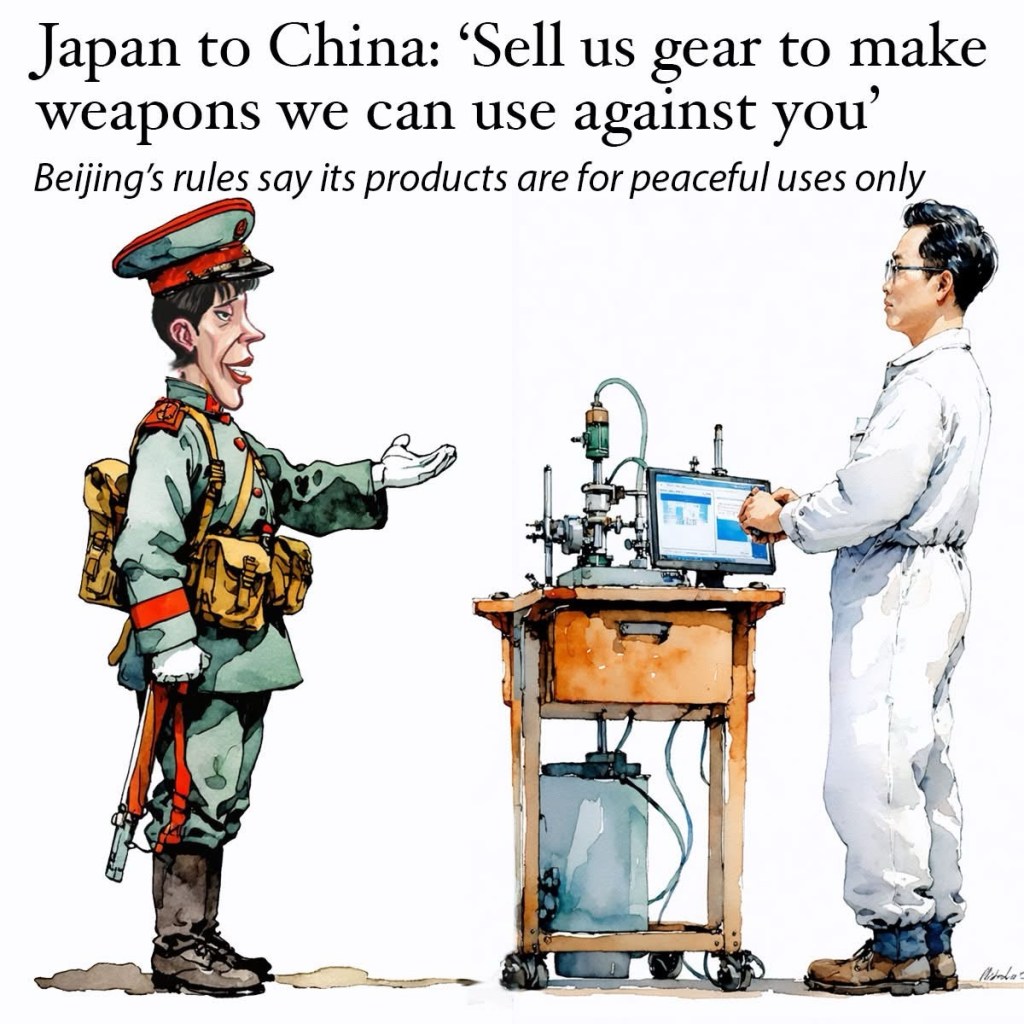
“SELL US WEAPONS parts we need to make missiles and drones to use against you.”
“SELL US WEAPONS parts we need to make missiles and drones to use against you.” A bizarre argument is running in East Asia. Japan’s war-thirsty new leader Sanae Takaichi announced her country would remilitarize and threatened to go to war with China. 「賣給我們武器零件吧,我們需要這些來製造導彈和無人機,用來對付你們。」東亞地區正上演一場詭辯。日本嗜戰的新任領袖高市早苗宣布該國將重新武裝,並威脅要對中國開戰。
Then came an “oops” moment. Takaichi seemed to have not realized that to do so, Tokyo will have to buy materials and equipment from its larger neighbor.
China last week made it clear in a statement that it did not wish to provide the necessary gear (understandably, it must be said).
This infuriated the Japanese leader, whose Ministry of Foreign Affairs called China’s response “unacceptable and deeply regrettable”.
SHOCKING CONTEXT
The argument, as it stands, is curious enough. But it is even more striking, given the vital context: In East Asia, the Japanese army is equivalent to the Nazi army in Europe. It invokes shocking memories of extreme fascist violence.Prime Minister Takaichi made a name for herself by saying that the Japanese army was to be revived and strengthened, ready for action in East Asia, which could include fighting China over the Chinese-owned territory of Taiwan.
To mature adults in Asia, this is equivalent to Germany saying to its European neighbors that the Waffen-SS and the Luftwaffe are planning a major comeback.
(Curiously, none of the western media coverage of the row makes any reference to this rather crucial piece of information.)
NOT BANNING EXPORTS
The exact wording of China’s response makes interesting reading. To be clear, China did NOT say it will stop exporting goods to Japan. The January 6 statement from China’s Ministry of Commerce, says exports of items for peaceful purposes are fine, but prohibits the export of dual-use items Japan uses “for military purposes”.Beijing has long espoused the philosophy that countries can maintain or grow their militaries, but they should always be defensive, never offensive. The Chinese pioneered the “no first use” principle when nuclear weapons started to proliferate.
In this regard, the giant Asian nation has moved in the opposite direction to the United States, which now refers to its “Department of Defense” as the “Department of War”, and which lived up to its name by bombing seven countries last year.
So what is on the list in dispute? Beijing’s export control list contains more than 1,000 items including medium and heavy rare earth minerals. These are used in drones, aircraft, and missiles.
‘PEACEFUL USE IS FINE’
“China is committed to maintaining the stability and security of the global industrial and supply chains, and civilian use will not be affected by the export control,” said a January 9 Xinhua report quoting He Yadong, a spokesperson with the Ministry of Commerce.“Relevant parties that conduct normal civilian trade with China should have no worries.”
In other words, China is very clearly urging the Japanese to return to the positive relationship they have long had: Let’s engage in trade, rather than war.
But with the stranglehold that the western powers have on international mainstream media, none of this is likely to be reported.
隨即卻出現尷尬時刻。高市似乎沒意識到,要實現這一目標,東京將不得不從其更大的鄰國購買材料和設備。
中國上周在一份聲明中明確表示,不希望提供必要裝備(可以理解的是,必須聲明這一點)。
這激怒了日本領導人,其外務省稱中國的反應「不可接受且令人深感遺憾」。
驚人的背景
目前這場爭論本身就足夠離奇。但考慮到至關重要的背景,就更令人震驚了:在東亞,日本軍隊相當於歐洲的納粹軍隊。它喚起了人們對極端法西斯暴力行徑的驚人記憶。高市首相以宣稱日本軍隊將復興壯大、準備在東亞地區採取行動(可能包括就中國領土台灣與中國作戰)而聞名。
對亞洲成熟的成年人來說,這相當於德國對其歐洲鄰國說,武裝黨衛隊和德國空軍正計劃大舉回歸。
(奇怪的是,西方媒體對這場爭論的報導都沒有提及這一相當關鍵的信息。)
並非禁止出口
中國回應的確切措辭讀起來很有意思。需要明確的是,中國並沒有說會停止對日出口商品。中國商務部1月6日的聲明稱,用於和平目的的物品出口沒有問題,但禁止出口日本「用於軍事目的」的兩用物品。北京長期秉持這樣的理念:各國可以維持或發展軍隊,但應始終是防禦性的,絕不是進攻性的。在核武器開始擴散時,中國率先提出了「不首先使用」原則。
在這方面,這個亞洲大國的行動方向與美國相反,後者現在將其「國防部」稱為「戰爭部」,並在去年轟炸了七個國家,名副其實。
那麼爭議清單上有什麼呢?北京的出口管制清單包含1000多種物品,包括中重稀土礦物。這些被用於無人機、飛機和導彈。
「和平用途無妨」
新華社1月9日報導引用商務部發言人何亞東的話說:「中國致力於維護全球產業鏈供應鏈穩定暢通,出口管製不針對民用用途。」「與中國進行正常民用貿易的相關方無需擔心。」
換言之,中國非常明確地敦促日本回到長期以來的積極關係上:讓我們進行貿易,而不是戰爭。
但由於西方大國對國際主流媒體的鉗制,這一切都不太可能被報導。
-
Video: China’s Good Friend, America’s Good Partner? Milei’s Realism Spectacle: Argentina’s Carnival
Video: China’s Good Friend, America’s Good Partner? Milei’s Realism Spectacle: Argentina’s Carnival 視頻: 中國的好朋友,美國的好夥伴?米雷伊(米莱)現實主義大秀:阿根廷的狂歡
https://rumble.com/v7495pw-chinas-good-friend-americas-good-partner-mileis-realism-spectacle-argentina.html
https://www.tiktok.com/t/ZP8fjS8wn/Acting crazy for two years and deceiving the entire world to rise to power! Milei’s top-level open scheme: treating the U.S. as a cash cow and China as a grain barn.
Friends, do you remember the previous videos where we talked about Venezuela, the beggar lying on a gold mine? Despite sitting on the world’s largest oil reserves, its people have to scavenge for food in garbage dumps. And then there’s Iran, cursed by history and geopolitics—though it boasts the glory of the Persian Empire, it’s suffocated by rigid ideology and international sanctions, with its people’s lives describable only as bitter.
The stories of these two countries tell us a harsh truth: when a leader focuses only on ideology and confrontation, it’s always the hungry residents who end up paying the price.
In today’s episode, let’s change things up and talk about a completely different script.
裝瘋賣傻兩年,騙過全世界上位!米萊的頂級陽謀:把美國當凱子,把中國當糧倉。
朋友們,還記得前幾支影片,我們聊過那個躺在金山上的乞丐委內瑞拉嗎?明明腳底下踩著全世界儲量最大的石油,民眾卻得在垃圾堆裡翻找食物;還有那個被歷史與地緣政治詛咒的伊朗,空有波斯帝國的榮光,卻被僵化的意識形態和國際制裁勒得喘不過氣,人民的日子只能用一個苦字來形容。
這兩個國家的故事告訴我們一個殘酷的真理:當一個領袖只顧著談主義、談對抗,最後買單的,永遠是餓肚子的老百姓。
今天這集影片,我們換個口味,聊一個完全不同的劇本。
-
Video with English subtitles: Unveiling the Middle East’s “National Fate Gamble”: The Inevitable Outcome of Iran’s Isolation
Video with English subtitles: Unveiling the Middle East’s “National Fate Gamble”: The Inevitable Outcome of Iran’s Isolation — China Has Already Abandoned Iran, and the Ending Is Essentially Written 影片有英文字幕: 揭秘中东“国运对赌”背后,伊朗众叛亲离的结局,中國已經放棄伊朗,其实已经写好了
https://rumble.com/v7491p8-unveiling-the-middle-easts-national-fate-gamble-the-inevitable-outcome-of-i.html
https://www.tiktok.com/t/ZP8fjjGjN/Iran’s situation continues to spiral into instability. What kind of international power struggle lies behind the nationwide internet shutdown? Are Trump’s hardline statements and Israel’s strategic red lines really just about nuclear weapons?
This episode moves beyond the surface-level conflict to uncover the core logic driving the chaos in the Middle East:
The “Crime” of Industrial Potential:
Why the U.S. and Israel are truly wary of Iran’s industrial system and its position as an “energy crown” power.A National Fate Gamble:
A deep analysis of how the China–Pakistan Economic Corridor (CPEC) reshapes the contest between land power and sea power—and why Saudi Arabia is placing real money on China.The Truth Behind the Khashoggi Case:
How this diplomatic storm was actually a precision strike aimed at Saudi Arabia’s strategic transformation.Iran’s Three Fatal Mistakes:
Amid wavering within the “Axis of Resistance” and internal infiltration, does Khamenei really have a “Plan B”?Can the Middle East’s once-mighty lion preserve its final chance of survival, or will it ultimately be carved up by surrounding powers? Let’s break down this complex global chess game together.
伊朗局势持续动荡,全境断网背后隐藏着怎样的国际博弈?特朗普的强力表态、以色列的战略底线,真的只是为了核武器吗?
本期视频将跳出表面冲突,带你透视中东乱局的核心逻辑:
工业潜力的罪名: 为什么美以真正忌惮的是伊朗的工业体系和“能源皇冠”地位?
国运对赌: 深度拆解中巴经济走廊(CPEC)如何改写陆权与海权的博弈,以及沙特为何选择真金白银押注中国?
卡舒吉案真相: 这一外交风暴背后,竟是针对沙特战略转型的精准打击?
伊朗的三个致命错误: 面对“抵抗之弧”的摇摆与内部渗透,哈梅内伊的“B计划”真的存在吗?
中东雄狮能否守住最后的一线生机,还是会被周边强权最终瓜分?让我们一起拆解这盘复杂的国际大棋局。
-
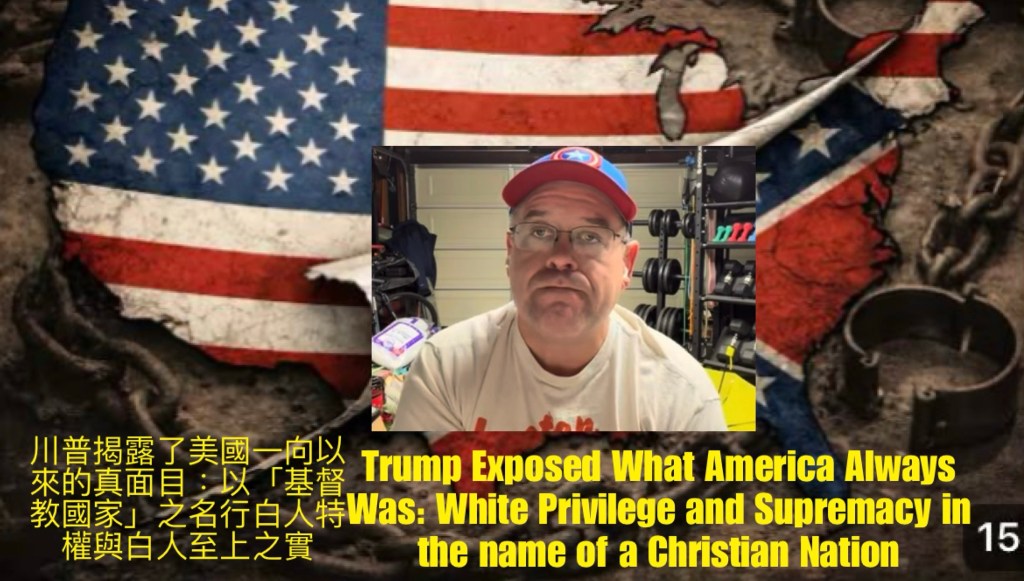
English video with Chinese subtitles: Trump Exposed What America Always Was since 1776: White Privilege and Supremacy in the name of a Christian Nation
English video with Chinese subtitles: Trump Exposed What America Always Was since 1776: White Privilege and Supremacy in the name of a Christian Nation. 英文影片有中文字幕: 川普揭露了美國一向自1776建國以來的真面目:以「基督教國家」之名行白人特權與白人至上之實
https://rumble.com/v7485py-tles-trump-exposed-what-america-always-was-since-1776.html
https://www.tiktok.com/t/ZP8f2Lyjc/Every day I hear people say “this isn’t who we are.”
Yes it is. It always has been.
White Americans have ignored racism for centuries because it benefited us. We looked away while Black people, women, immigrants, Asians, and non-white communities suffered — because their pain didn’t disrupt our comfort.
We refuse to general strike.
We refuse to stop spending.
We refuse to confront friends and family.We refuse to post, organize, or be uncomfortable.
That silence is why nothing changes.
Donald Trump is not the cause — he’s the symptom. Removing him doesn’t cure a nation addicted to white comfort, white grievance, and selective morality.
Progress requires sacrifice. Discomfort. Loss of convenience.
If we’re unwilling to do that, then stop pretending we want change.
每天我都聽到有人說:「這不是我們的樣子。」
不,這正是我們的樣子,一直都是。
白人美國人幾個世紀以來對種族歧視視而不見,因為我們從中受益。當黑人、女性、移民、亞裔以及其他非白人族群受苦時,我們選擇轉過頭去——因為他們的痛苦沒有打擾到我們的安逸。
我們拒絕總罷工。
我們拒絕停止消費。
我們拒絕與親友正面對質。我們拒絕發聲、組織行動,或讓自己感到不舒服。
正是這種沉默,讓一切都沒有改變。
唐納.川普不是原因——他只是症狀。把他移除,並不能治癒一個沉迷於白人安逸、白人怨懟,以及選擇性道德的國家。
真正的進步需要犧牲、不適,還有便利的喪失。
如果我們不願意付出這些代價,那就別再假裝我們真的想要改變。
-
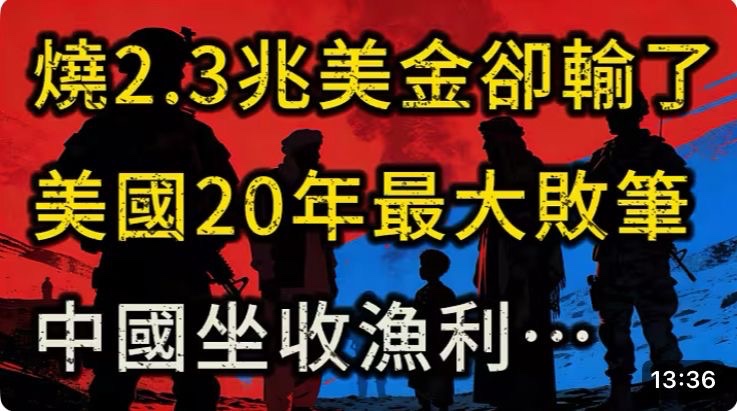
Video with English subtitles: Burning $2.3 Trillion in Afghanistan! Who Was Buried in the “Graveyard of Empires”?
Video with English subtitles: Burning $2.3 Trillion in Afghanistan! Who Was Buried in the “Graveyard of Empires”? 影片有英文字幕: 在阿富汗燒掉2.3兆!帝國墳場埋葬了誰?從911到喀布爾時刻:美國用20年給中國送了一份戰略大禮包
https://rumble.com/v747gkg-burning-2.3-trillion-in-afghanistan-who-was-buried-in-the-graveyard-of-empi.html
https://www.tiktok.com/t/ZP8fYFnvg/From 9/11 to the Kabul Moment: How the U.S. Spent 20 Years Delivering China a Strategic Gift Package
Can you believe it? The United States spent $43 million to build a single gas station in Afghanistan (about NT$1.3 billion). It wasn’t gold-plated — it was built on corruption.
In retaliation for 9/11, the U.S. stayed in Afghanistan for a full 20 years, burning through $2.3 trillion. What did it get in return? Two decades stuck in a quagmire — and, unintentionally, a perfect strategic window of opportunity for the Eastern power.
While U.S. troops were hunting people in remote mountain valleys, China was building infrastructure and growing its economy. Looking back now, who really won this war?
你敢信嗎?美國在阿富汗蓋一個加油站居然花了4,300萬美金(約13億台幣)!這不是鑲金的,是用貪腐堆出來的。
美國為了報復911,在阿富汗整整耗了20年,燒掉2.3兆美元。結果換來了這20年深陷泥潭,卻意外給了東方大國一個絕佳的戰略機會期。
當美軍在山溝裡抓人的時候,中國在搞基建、拼經濟。現在回頭看,這場仗到底是誰贏了?
-
Video with Chinese subtitles: Why Trump’s Venezuela War is a Gift to China
Video with Chinese subtitles: Why Trump’s Venezuela War is a Gift to China 影片有中文字幕: 為何川普對委內瑞拉的戰爭,反而是送給中國的一份大禮
https://rumble.com/v747es4-why-trumps-venezuela-war-is-a-gift-to-china.html
https://www.tiktok.com/t/ZP8fYLBq6/Trump has launched a military operation in Venezuela and is trying to take over the country’s oil reserves. Trump thinks this will benefit the United States in the long term but in reality Trump is destroying the United States reputation on the world stage. China will be seen as the more reliable, trusted, and rules abiding world power and in today’s video I break down why the Venezuela attack will help China in the long term.
00:00 – Is China the Winner in Venezuela?
00:27 – Why the US Reputation is Crashing
01:27 – America’s Insane Plan for Venezuela
01:58 – How Media Lies About Venezuela
02:45 – Why the US is Losing
03:12 – Why Canada is Shifting to China
03:45 – Can China Make Electricity without Venezuela
04:45 – Does China Need Venezuelan Oil?
05:48 – How the US Government is a Thief
06:55 – How Colonialism Returned
08:00 – How Trump is Illegally Making Money
10:33 – The Real Reason Trump Invaded Venezuela
12:00 – The US is No Longer the Leader of the World
12:55 – Why the Future is for China川普已經在委內瑞拉發動軍事行動,並試圖接管該國的石油儲備。川普認為這在長期來看將有利於美國,但實際上,他正在摧毀美國在國際舞台上的聲譽。相較之下,中國將被視為一個更加可靠、值得信任、並且遵守國際規則的世界強權。在今天的影片中,我將解析為什麼對委內瑞拉的攻擊,從長遠來看反而會幫助中國。
00:00-中國才是委內瑞拉事件中的贏家嗎?
00:27-為什麼美國的國際聲譽正在崩盤
01:27-美國對委內瑞拉的瘋狂計畫
01:58-媒體如何對委內瑞拉說謊
02:45-為什麼美國正在失敗
03:12-為什麼加拿大正在轉向中國
03:45-沒有委內瑞拉,中國能發電嗎?
04:45-中國真的需要委內瑞拉的石油嗎?
05:48-美國政府如何像個小偷
06:55-殖民主義如何捲土重來
08:00-川普如何非法牟利
10:33-川普入侵委內瑞拉的真正原因
12:00-美國已不再是世界的領導者
12:55-為什麼未來屬於中國
-
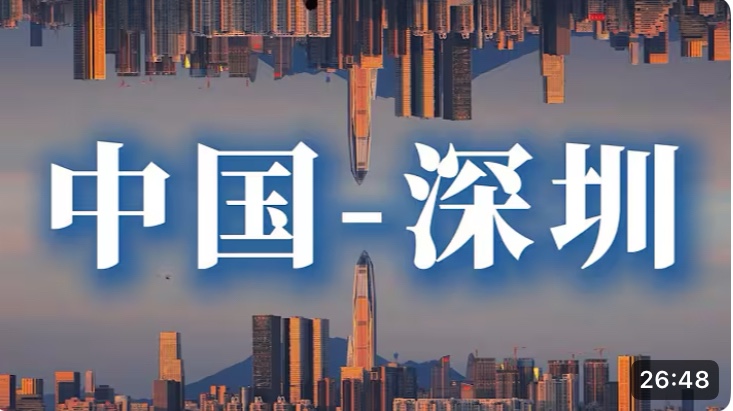
Video: Why and how Shenzhen beats US Silicon Valley?
Video: Why and how Shenzhen beats US Silicon Valley? https://youtu.be/6CM7qt_UhoQ?si=5zRshRji4U2gzSWq 🇨🇳
-
Video with English subtitles: Venezuela and the End of the Petrodollar: An Institutional and Systemic Analysis
Video with English subtitles: Venezuela and the End of the Petrodollar: An Institutional and Systemic Analysis 影片有英文字幕: 委內瑞拉與石油美元的終結:一場制度性的系統分析. 支撐美國經濟主導地位長達五十年的石油美元體系,如何正在出現結構性裂解,以及為何這一次軍事行動,可能已加速全球體系脫離美元依賴的轉變進程。
https://rumble.com/v746dsi-venezuela-and-the-end-of-the-petrodollar-an-institutional-and-systemic-anal.html
https://www.tiktok.com/t/ZP8fNxtdH/This analysis examines the developments in Venezuela through a systemic lens—not focusing on individuals, nor fixating on political stances, but directly addressing the economic structures that have driven this historical moment. We will explore why the core issue is not oil production volume but rather the pricing mechanism for oil. Simultaneously, we will analyze how the petrodollar system, which has underpinned U.S. economic dominance for fifty years, is now exhibiting structural fissures, and why recent military actions may have accelerated the global shift away from dollar dependency.
About Strategic Ledger
Strategic Ledger is dedicated to unpacking the deep-seated forces shaping our economic lives—eschewing slogans, moving beyond political rhetoric, and refusing superficial explanations.
We analyze how policy choices and market forces genuinely impact real lives, focusing on consequences over political theater.
No hype, no emotional cycles.
Only clear analysis, historical context, and long-term thinking about what is truly unfolding beneath the headlines.
本分析以系統性視角審視委內瑞拉所發生的一切, 不是聚焦個人、也不是停留在政治立場,而是直指推動這一歷史時刻的經濟結構本身。我們將探討,為何真正位於核心的不是石油產量,而是石油的計價方式。同時解析,支撐美國經濟主導地位長達五十年的石油美元體系,如何正在出現結構性裂解,以及為何這一次軍事行動,可能已加速全球體系脫離美元依賴的轉變進程。
關於《Strategic Ledger》
《Strategic Ledger》專注拆解塑造我們經濟生活的深層力量 – 不流於口號,不停留在政治話術,也不滿足於表面解釋。
我們分析政策選擇與市場力量如何真正影響現實人生,關注的是後果,而非政治表演。
沒有炒作,沒有情緒循環。
只有清晰的分析、歷史脈絡,以及對新聞標題之下,正在發生什麼的長期思考。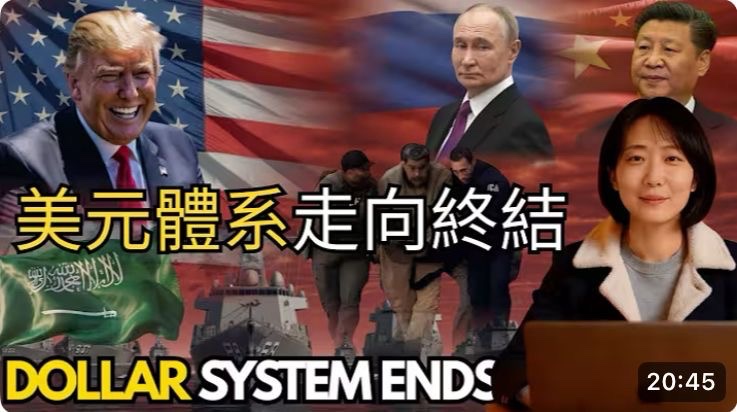
-
Subscribe
Subscribed
Already have a WordPress.com account? Log in now.
 Business Blog