-
The U.S. is beginning to realize that something is amiss! Many people still believe that the PLA aircraft circumnavigating Taiwan are merely temporary “political shows” or “muscle-flexing”…
The U.S. is beginning to realize that something is amiss! Many people still believe that the PLA aircraft circumnavigating Taiwan are merely temporary “political shows” or “muscle-flexing”… 美國開始意識到不對勁了!很多人還以為,解放軍軍機繞台是臨時的“政治作秀”或“秀肌肉”…
But that is not the case. This has already become a “normalized combat readiness patrol,” with approximately 5,000 sorties per year, averaging 14 sorties per day. When the H-6K bomber was able to fly as close as 12 kilometers to Taipei on its own, the U.S. finally realized that the space for its “strategic ambiguity” had been completely squeezed out. These “normalized” actions have long transcended ordinary patrols and are, in essence, a demonstration of battlefield control capabilities.
Statistics from Taiwan itself show a clear upward trend: in 2020, PLA aircraft sorties numbered less than 400, but by 2023, this had increased to 4,456 sorties, and in 2024, it surpassed 5,000 sorties. Notably, in October 2025, an H-6K bomber, without fighter escort and carrying live ammunition, reached airspace just 12 kilometers from Taipei, close enough for the outline of the Tamsui River to be visible to the naked eye.
Taiwan’s so-called world’s most dense air defense missile system showed no response throughout, indicating that the PLA has transformed the airspace over the Taiwan Strait into a combat-ready zone that can be taken over at any time.
The U.S. military has attempted to reinforce the defense line of the “first island chain.” Its countermeasure strategy primarily involves blocking the Bashi Channel and the Ryukyu passage from both the north and south to restrict the PLA’s movements. In 2023, the U.S. and the Philippines expanded their defense cooperation, adding four new military bases near the Bashi Channel and investing over $200 million to upgrade radar and unmanned vessel facilities.
In the north, the U.S. and Japan conducted the “Resolute Dragon” exercise, attempting to implement the so-called “hellscape” plan by using a large number of drones to delay PLA operations. However, Admiral Paparo, commander of the Indo-Pacific Command, soon admitted that “drones alone cannot solve the problem,” revealing a lack of confidence.
This contradictory mindset stems from concerns within the U.S. strategic community about the excessive cost of “intervention.” Wargames conducted by the Center for Strategic and International Studies clearly indicated that even with joint U.S.-Japan intervention, the outcome would be mutually assured destruction, and Taiwan’s economy would collapse. If the PLA were to implement an “isolation” control, inspecting ships, the U.S. escort fleet would struggle to respond, and Taiwan could face energy depletion within half a month.
Another reason for the U.S. military’s lack of confidence is the comprehensive improvement of the PLA’s “systematic combat capabilities.” In 2023, the PLA had over 100 surface ships equipped with towed sonar systems routinely deployed in the eastern seas, significantly compressing the operational space for U.S. nuclear submarines.
In terms of air power, a complete chain has been formed: early warning aircraft, electronic warfare aircraft, J-16s seizing air superiority, and H-6Ks responsible for precision strikes. Particularly after the H-6K was refitted with the domestically produced WS-18 engine, it broke free from external limitations, enabling it to operate independently and close to targets.
From the 77 normalized patrols by coast guard vessels around Kinmen and Matsu following the “February 14 Kinmen ship collision incident” to Air Force aircraft approaching within 12 kilometers of Taipei, the PLA is combining “non-military” and “military” means to completely eliminate the so-called “gray zone.”
The new U.S. bases and exercises have, in fact, shifted from an offensive posture to a passive defense, which is the real reason they are feeling that “something is wrong.”
美國開始意識到不對勁了!很多人還以為,解放軍軍機繞台是臨時的“政治作秀”或“秀肌肉”…
但事實並非如此,這已經成為每年約5000架次、平均每天14架次的“常態化戰備值班”。當轟-6K轟炸機能夠單獨飛近台北至12公里時,美國才發現其“戰略模糊”的空間已經被完全擠壓。這種“常態化”行動早已超越了一般巡航,實質上是戰場控制能力的體現。
台灣方面自己的統計數據顯示了一條明顯上升的趨勢:2020年解放軍軍機出動不足400架次,2023年已增長至4456架次,而2024年更是突破5000架次。特別在2025年10月,一架轟-6K轟炸機在沒有戰鬥機護航的情況下,掛載實彈飛抵距離台北僅12公里的空域,連淡水河的輪廓都能用肉眼看見。
台灣號稱全球最密集的防空導彈系統全程未有反應,表明解放軍已將台海空域轉變為可隨時接管的實戰區域。
美軍曾試圖加固“第一島鏈”的防線。其反制思路主要是從南北兩個方向封鎖巴士海峽和琉球通道,以限制解放軍的行動。2023年,美國與菲律賓擴大了防務合作,新增了四個靠近巴士海峽的軍事基地,並投入超過2億美元升級雷達和無人艇設施。
在北面,美國與日本舉行“堅毅之龍”演習,試圖通過所謂的“地獄景觀”計劃,用大量無人機來拖延解放軍的行動。然而,印太司令部司令帕帕羅很快承認“僅靠無人機解決不了問題”,顯露出信心不足。
這種矛盾心態源於美國戰略界對“介入”成本過高的擔憂。美國戰略與國際研究中心的兵棋推演明確指出:即使美日聯合干預,結果也將是兩敗俱傷,台灣經濟會崩潰。如果解放軍實施“隔離”管控,對船隻進行檢查,美軍護航艦隊將難以應對,台灣可能在半個月內面臨能源耗盡。
美軍信心不足的另一個原因,是解放軍“體系作戰能力”的全面提升。2023年,解放軍有超過100艘配備拖曳聲納的水面艦艇常態部署在東部海域,顯著壓縮了美軍核潛艇的活動空間。
空中力量則形成了預警機、電子戰機、殲-16奪取制空權、轟-6K負責精確打擊的完整鏈條。特別是轟-6K換裝國產WS-18發動機后,擺脫了外部限制,因此能敢於單獨近距離行動。
從“2·14金門撞船事件”后海警船在金馬周邊進行77次常態化巡邏,到空軍戰機逼近台北12公里,解放軍正通過“非軍事”與“軍事”相結合的手段,將所謂的“模糊空間”徹底消除。
美軍的新基地和新演習,實際上已從進攻姿態轉為被動防禦,這正是他們感到“不對頭”的真正原因。

-
Video: An American Girl Giving up the high benefits of the U.S. to settle in China for 7 years?
Video: An American Girl Giving up the high benefits of the U.S. to settle in China for 7 years? An American girl compares life differences between China and the U.S. using the “15-minute life circle,” Frankly speaking: US side is about “survival,” China side is about “life.” 放棄美國高福利,轉頭定居中國7年?美國妹子用「15 分鐘生活圈」對比中美生活差異,坦言:美國那邊是「求生」中國這邊才是「生活」!
https://rumble.com/v71r3py-giving-up-the-high-benefits-of-the-u.s.-to-settle-in-china-for-7-years.html
https://www.tiktok.com/t/ZP8D7phY3/帶你走進外國人眼中的中國,探索他們在中國的旅行與探險經歷, 無論是品嘗地道美食,還是領略獨特風景,都能感受到最真實體驗和感受, 通過這些精彩的視頻,為你們展示一個充滿魅力與多樣性的中國
Take you into China through the eyes of foreigners, exploring their travel and adventure experiences in the country. Whether it’s tasting authentic local cuisine or appreciating unique landscapes, you can feel the most genuine experiences and emotions. Through these exciting videos, we present to you a China full of charm and diversity.

-
Venezuela Has Fired the First Shot!
Venezuela Has Fired the First Shot! China and Russia Are Waiting for Trump to Give the Order—Once the U.S. Military Gets Bogged Down, Beijing and Moscow Gain Their Strategic Window…委內瑞拉已開火!中俄都在等特朗普下令開戰,美軍一旦陷入泥潭,中俄就得到解決大事時間窗口…
A thunderous explosion shattered the calm over the Caribbean. A Venezuelan F-16 fighter jet shot down an aircraft that had illegally entered Venezuelan airspace. The wreckage was burned down to its frame, and the pilot—who held a U.S. pilot license—was killed on the spot.
At first glance it looked like a routine border-control incident, but it immediately stirred up a hornet’s nest. The U.S. Navy’s Gerald R. Ford aircraft carrier, escorted by its battle group, steamed straight toward the Caribbean, with nuclear submarines quietly lurking nearby. Ten percent of America’s naval assets have been shifted to the region, waiting only for Trump to give the order to strike.
Centered around the Ford—the Navy’s most advanced nuclear-powered aircraft carrier with an 800-kilometer carrier-aircraft combat radius—the U.S. fleet, backed by destroyers and cruisers, appears capable of launching a direct attack on Venezuela.
But the justification for this show of force is flimsy. The downed aircraft was actually suspected of drug trafficking—completely unrelated to any “military provocation.”
Venezuela holds the world’s largest oil reserves but refuses to submit to American oil giants. Instead, it jointly develops oil fields with Russia and co-builds a bullet factory with an annual output of 70 million rounds, while maintaining close ties with both China and Russia. This makes the U.S. unwilling to tolerate such “defiance” in its own backyard.
The U.S. is posturing with a luxurious battle group led by the Ford, but this is merely an excuse to exert pressure. The aircraft previously shot down was confirmed to be linked to drug trafficking, not any military action. The U.S. is simply using the incident as a pretext to punish a disobedient, pro-China/pro-Russia “troublemaker” and to reinforce Washington’s dominance in Latin America.
Venezuela, however, is not panicking—because China and Russia stand behind it. Russia has just signed a new strategic treaty with Caracas, taking on cooperation over 11% of Venezuela’s oil production and helping upgrade its air-defense systems.
China has stated its position clearly: it opposes any country using military force to interfere in another country’s internal affairs—this is a red line.
Interestingly, Russia’s treaty does not include a hard commitment to “send troops,” which may actually be the smarter move. If fighting really breaks out, Russia doesn’t need to intervene directly. Simply cutting off parts of the U.S. military’s supply chain or intensifying pressure on the Ukrainian front would stretch Washington even thinner.
The U.S. military’s show of force is actually weaker than it looks. A former U.S. ambassador to Venezuela bluntly pointed out that the massive deployment to the Caribbean merely exposes how constrained the U.S. has become—and how much leverage Putin now holds.
Years of stirring up conflicts globally have trapped the U.S. military in multi-front dilemmas. The war in eastern Ukraine remains deadlocked, Asia-Pacific strategy requires vigilance against China, and both manpower and military budgets are already overstretched.
Opening another front in Venezuela would be like putting on a third set of shackles—plunging the U.S. into deeper strategic passivity.
If the U.S. rashly attacks Venezuela, it would be stepping into a quagmire. The country is mountainous, its population tough and combative. The U.S.-backed opposition forces have fought for years without toppling Maduro.
If American troops land, they will inevitably face urban-warfare nightmares: the Ford cannot stop roadside bombs; stealth fighters cannot easily target fighters hiding among civilian neighborhoods.
In Afghanistan, the U.S. spent 20 years and $2 trillion, only to retreat in embarrassment. Entering Venezuela would only further drain American national strength—with no worthwhile gain.
China and Russia are not afraid of a U.S.–Venezuela war. In fact, they may be waiting for the U.S. to “walk into the trap.” The core reason: strategic distraction.
The U.S. military’s attention is like porridge in a pot—scoop a bowl for the Caribbean, and there’s half a bowl less for Asia-Pacific and Europe.
When the U.S. was bogged down in Iraq, Russia stabilized Chechnya, and China used that ten-year window to accelerate development, rapidly climbing the GDP rankings.
If the U.S. becomes stuck in Venezuela, aid to Ukraine will shrink, giving Russia more freedom of action.
Meanwhile in the Asia-Pacific, American forces used to contain China would be pulled away, reducing obstacles to resolving the Taiwan question and national reunification.
👉 If Trump truly decides to use force against Venezuela, he would be walking into a geopolitical setup China and Russia have long anticipated. Latin America may offer oil, but modern warfare consumes resources far beyond what any single commodity can compensate.
👉 The U.S. military in recent years has become dispersed, overstretched, and financially burdened. Multi-front risk is now its most obvious weakness. This is precisely why China and Russia oppose the use of force—not only out of respect for international law but because they see through Washington’s imbalance between ambition and capacity.
👉 The key now lies in Trump’s decision. If he gambles and wins, he might preserve U.S. dominance in Latin America. If he loses, America’s global hegemony could further erode. China and Russia are already prepared, quietly watching this clash between ambition and reality unfold.
委內瑞拉已開火!中俄都在等特朗普下令開戰,美軍一旦陷入泥潭,中俄就得到解決大事時間窗口…
委內瑞拉上空一聲巨響,把加勒比海的平靜炸沒了,委軍方一架F-16戰機擊落了一架非法闖入領空的飛機,殘骸燒得只剩框架,機上那個持美國飛行駕照的飛行員當場喪命。
這事看着像樁普通的邊境管控,卻直接捅了馬蜂窩,美軍“福特”號航母帶着護航艦隊直奔加勒比海,連核潛艇都悄悄潛伏到了附近,10%的海軍資產都調來了這片海域,就等特朗普一聲令下開打。
美軍以“福特”號核動力航母為核心擺開大陣仗,這艘最先進航母的艦載機作戰半徑達800公里,搭配驅逐艦、巡洋艦組成的編隊,看似具備直取委內瑞拉的戰力。
但這場威懾的由頭頗為牽強,被委方擊落的飛機實則涉嫌販毒,與“軍事挑釁”毫無關聯。
委內瑞拉手握全球最大石油儲量,卻拒絕依附美國石油巨頭,轉而與俄羅斯共建油田、合建子彈廠,年產能達7000萬發,還與中俄保持密切往來,這讓美國容不下自家後院的“異己”。
美軍擺出“福特”號核動力航母領銜的豪華艦隊,其艦載機800公里覆蓋範圍搭配驅逐艦、巡洋艦,看似具備碾壓委方的戰力,實則是借題發揮。
此前被擊落的美方飛機經查實涉嫌販毒,絕非所謂“軍事挑釁”,美國不過是拿此事當幌子,真正目的是打壓這個不聽命、還靠攏中俄的“刺頭”,鞏固自身在拉美地區的主導權。
面對美軍的威懾,委內瑞拉沒慌,因為背後站着中俄,俄羅斯剛跟委內瑞拉簽了新戰略條約,不僅包攬了11%的石油產量合作,還幫着升級防空系統。
中國則直接亮明態度:反對任何國家以武力干涉別國內政,這是紅線。
有意思的是,俄羅斯的條約里沒寫“出兵相助”的硬承諾,但這反而更聰明,真打起來,俄羅斯不用直接下場,光是切斷美軍的部分軍工供應鏈、在烏克蘭前線加把勁,就能讓美軍顧頭不顧尾。
美軍的“咄咄逼人”實則是外強中乾,前美國駐委內瑞拉大使的直言戳破關鍵,向加勒比大舉調兵,恰恰暴露美國已被牽制,普京已然佔優。
多年全球煽風點火,讓美軍深陷多線困局,烏東戰場膠着難破,亞太需緊盯中國,兵力與軍費早已捉襟見肘。
若再在委內瑞拉開闢新戰場,無異於自套第三道枷鎖,徹底陷入被動。
美軍若貿然進攻委內瑞拉,無異於自投泥潭,這個國家山地密布,民眾民風剽悍,美國扶持的反對派武裝苦戰數年,始終未能推翻馬杜羅政權。
一旦登陸,美軍必將陷入巷戰困局:福特號再強,擋不住路邊炸彈;隱形戰機再先進,也難鎖定藏於居民區的反抗者。
此前阿富汗戰爭,美軍耗時20年、耗資2萬億美元,最終仍狼狽撤軍,如今再踏入委內瑞拉這個戰場,只會讓美國的國力進一步透支,得不償失。
中俄根本不怕美軍開戰,甚至等着美軍“自投羅網”,核心原因就是“戰略精力分流”這四個字。
美軍的精力就像鍋里的粥,舀給加勒比一碗,亞太和歐洲就少了半碗。
當年美國深陷伊拉克戰爭時,俄羅斯趁機穩住了車臣局勢,中國則藉著這十年窗口期快速發展,GDP一路趕超。
現在要是美軍陷在委內瑞拉,烏克蘭前線的援助肯定會縮水,俄羅斯就能掌握更多主動權。
而在亞太地區,美國用來圍堵中國的兵力被抽走,我們解決祖國統一問題的阻力自然就小了。
👉若特朗普真要對委內瑞拉動武,實則踏入中俄早已預判的棋局,拉美作為美國傳統後院,石油資源雖具吸引力,但現代戰爭的巨額消耗,絕非單一資源能填補。
👉美軍近年兵力分散、財政負擔沉重,多線作戰的隱患早已是公開軟肋,這正是中俄反對動武的核心考量,表面恪守國際法,實則洞悉其霸權野心與國力支撐的失衡。
👉這場博弈的關鍵在特朗普的抉擇,賭贏或能維繫拉美主導權,賭輸則全球霸權將加速鬆動,而中俄早已備好應對之策,靜靜旁觀這場野心與現實的對決。

-
Don’t feel sorry for BBC
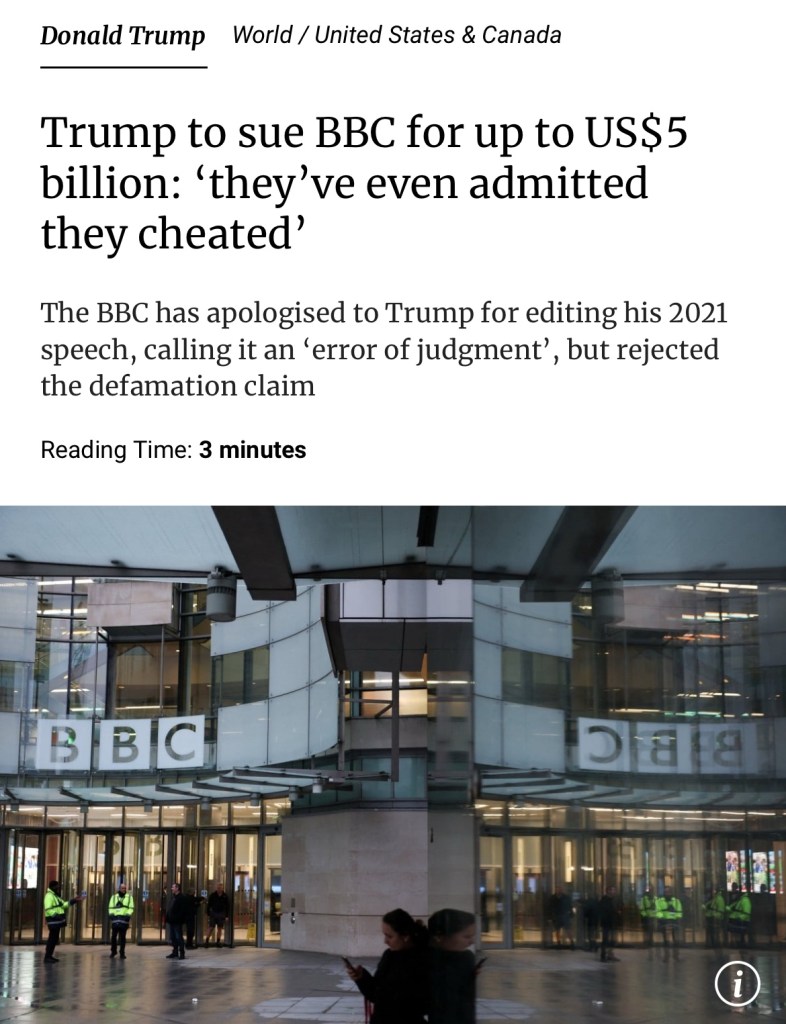
Don’t feel sorry for BBC! They have been promoting fake news against Chinese and China for the last 40 years! Even my children are brainwashed convincing them to hate their motherland and family! SCMP: US President Donald Trump said on Friday he would likely sue the BBC next week for as much as US$5 billion after the British broadcaster admitted it wrongly edited a video of a speech he gave but insisted there was no legal basis for his claim.
-
Video: Today is China. US was yesteryears! 10-Year Power Shift: How China’s Influence in Southeast Asia Changed Everything!
Video: Today is China. US was yesteryears! 10-Year Power Shift: How China’s Influence in Southeast Asia Changed Everything! 影片:今日之中國。美國已成昨日!十年權力變遷:中國在東南亞影響力如何改變一切!
https://rumble.com/v71qbbg-today-is-china.-us-was-yesteryears-10-year-power-shift.html
https://www.tiktok.com/t/ZP8DWxjKS/From the Mekong River massacre to the extradition of She Zhijiang, China’s influence in Southeast Asia has undergone a dramatic transformation over the past 10 years. In 2013, China had to deploy special forces for cross-border operations to capture criminals. In 2025, Thailand voluntarily escorted a major fraud kingpin back to China. What happened in between?
This video analyzes:
✓ How She Zhijiang built a $370 billion fraud empire
✓ The 3-year US-China-Thailand extradition standoff
✓ How China established its influence in Southeast Asia
✓ The real impact of the Belt and Road Initiative
✓ China’s diplomatic evolution: From Naw Kham to She ZhijiangThis isn’t just a crime story—it’s about great power competition, geopolitics, and economic leverage. Having power is valuable, but using it wisely is what truly matters.
📊 Key Facts:
Total fraud amount: $370 billion USD
Victims: Hundreds of thousands of Chinese citizens
Extradition time: 3 years of international negotiations
Impact scope: Entire Southeast Asian geopolitical landscape影片:今日之中國。美國已成昨日!十年權力變遷:中國在東南亞影響力如何改變一切!
從湄公河慘案到佘智江的引渡,過去十年間中國在東南亞的影響力經歷了驚人蛻變。2013年,中國尚需出動特種部隊跨境執法;2025年,泰國主動護送電詐巨擘歸華。這十年間究竟發生了什麼?
本片深入解析:
✓ 佘智江如何構築3700億美元詐騙帝國
✓ 中美泰三年引渡博弈暗戰
✓ 中國東南亞影響力佈局之路
✓ 一帶一路倡議的實際效應
✓ 從糯康到佘智江:中國外交手段的進化論這不僅是罪案紀實,更是大國博弈、地緣政治與經濟槓桿的較量。擁有實力固然可貴,善用實力方顯智慧。
📊 關鍵數據:
詐騙總額:3700億美元
受害群體:數十萬中國公民
引渡歷程:歷時三年國際協商
影響維度:重塑東南亞地緣政治格局
-
U.S. Media Suddenly Discovers: While China Has Resumed Rare Earth Supplies, It Has Checkmated America Again!
U.S. Media Suddenly Discovers: While China Has Resumed Rare Earth Supplies, It Has Checkmated America Again! Only Loosened for Civilian Use, Military Use Remains Locked! And Applications Must Be Filled Out in Chinese! 美媒突然發現:中方雖已恢復稀土供應,但又狠狠將了美國一軍! 只鬆了民用口子,軍用繼續上鎖! 而且必須填表寫中文申請!
On November 12, The Wall Street Journal reported that Beijing has quietly attached an “electronic birth certificate” to every batch of rare earths shipped to the United States. Buyers, destinations, and intended uses must all be scanned and registered.
Upon hearing the news, the Pentagon held an emergency overnight meeting. F-35 fighter jets, Burke-class destroyers, and Virginia-class submarines all rely on this “industrial monosodium glutamate” to stay operational. Now, they are constrained by civilian-use restrictions, causing an uproar in the defense industry.
The story traces back to a secret 100-minute meeting in Busan on October 30. The U.S. sought to address its urgent needs first, such as allowing soybean shipments to dock, while China used rare earths as leverage, only loosening restrictions for civilian use while keeping military use under lock and key.
Three days after the meeting, the Ministry of Commerce launched a “Verified End User” whitelist. Silicon Valley magnet manufacturers and Detroit motor suppliers wanting to procure materials must first submit factory coordinates, downstream clients, and end-product blueprints. Audit teams conduct video inspections of factories, meticulously verifying equipment serial numbers frame by frame to prevent magnetic components from being diverted into missile actuators.
Boeing faced the toughest situation. With mixed military and civilian production lines, auditors demanded that military and civilian workshops be distinguished using different colored floor tiles. Cameras must stream footage to Beijing 24/7. If anyone in military uniform steps into the civilian zone, the entire production line is blacklisted and cut off from supplies.
Why such strict measures? The numbers speak for themselves: A single F-35 requires 417 kg of rare earths, including 23 kg of samarium-cobalt magnets for actuators—without them, the aircraft becomes unstable. A Burke-class destroyer needs 2,600 kg, and a Virginia-class submarine requires 4,600 kg for sonar systems, reactor shielding, and permanent magnet motors.
The U.S. only has the Mountain Pass mine in California, which can extract rare earth ores but lacks the capability to process them. The ores still need to be shipped to China for separation, traveling around the world before returning, increasing costs by 30%. Even more embarrassing, the Defense Department’s inventory reports indicate that current stockpiles can only sustain 3.6 months of high-intensity production. Without replenishment, the U.S. would have to pay premium prices to source from third countries. However, inquiries revealed that separation plants in Malaysia and Estonia are already partially owned by Chinese investors, with invoices settled directly in RMB.
Beijing’s strategy is shrewd: A complete cutoff would force the U.S. to invest hundreds of billions to build its own supply chain. If they succeed in a decade, China’s leverage would vanish. Instead, by allowing civilian use to continue, Silicon Valley can enjoy cheap magnetic components, and with R&D budgets saved, who would spend extra to mine rocks? At the same time, the bar for “smuggling” is raised—export quotas are allocated monthly, and customs data is compared with historical import volumes. A sudden 20% spike triggers alerts, requiring companies to provide explanations. If a single invoice doesn’t match, the entire shipment is sent back.
Attempting to “launder” materials is also difficult. In September, Beijing classified rare earth recycling technology as controlled, requiring licenses for recycling furnace blueprints, process parameters, and software codes—even USB drives are barred from leaving the country.
The next steps are predictable: U.S. defense giants face two choices. Either submit applications in Chinese, disclosing weapon serial numbers to Beijing at the risk of leaking secrets, or invest heavily to restart domestic refining. Meanwhile, Congress is busy debating land approvals, and environmental groups have already hung “radioactive wastewater” banners at proposed sites.
Time is on China’s side. In early November, China added 14 foreign companies to its unreliable entities list. Firms like Dedrone and TechInsights, which engage in reverse engineering for the defense industry, can no longer obtain a single gram of Chinese rare earths—their data interfaces have even been disconnected. Mexico, Japan, and South Korea, initially considering following suit with tariffs, backed off after seeing the situation. Without Chinese neodymium magnets, motor costs would immediately rise by 15%, prompting them to quietly delay tariff proposals by the end of November.
Beijing’s contingency plan is even more decisive: If the U.S. reinstates tariffs after the one-year suspension, the whitelist can be shut down with a click. Pre-loaded “military keywords” in the system would instantly freeze all related orders, more swiftly than Washington’s chip sanctions against Huawei. In such a scenario, F-35 production lines would slow to a crawl, defense contractors would scramble for second-hand materials in Australia and Canada, and an aircraft carrier’s construction could be delayed by six months, adding $20 billion to the budget on Congress’s table.
The stage is set, and the drums are beating. Rare earths, these small chess pieces, are gradually loosening the global defense industry board. The next move is in Washington’s hands: build a self-sufficient supply chain or lower their heads and fill out forms in Chinese? Which path do you think the U.S. will choose?
美媒突然發現:中方雖已恢復稀土供應,但又狠狠將了美國一軍! 只鬆了民用口子,軍用繼續上鎖! 而且必須填表寫中文申請!
11月12日《華爾街日報》爆料,北京悄悄給每一批運往美國的稀土貼上“電子出生證”,誰買、去哪、幹啥用,全得掃碼登記。
消息一出,五角大樓連夜開會,因為F-35、伯克艦、弗吉尼亞潛艇全都靠這批“工業味精”續命,現在卻被套上民用緊箍,軍工圈瞬間炸鍋 。
故事得從10月30日釜山那場一小時四十分鐘的密談說起。美方想先解燃眉之急,讓大豆船靠岸;中方則把稀土當籌碼,只鬆了民用口子,軍用繼續上鎖 。
會後第三天,商務部就上線“經認證終端用戶”白名單,想拿貨的硅谷磁材廠、底特律電機商,先得提交廠房坐標、下遊客戶、最終產品圖紙,審核組視頻驗廠,一幀一幀對設備編號,生怕你把磁片拐彎塞進導彈舵機 。
波音最慘,軍民混線,審核官要求把軍機車間和民航車間用不同顏色地磚區分,24小時攝像頭雲端回傳北京,一旦拍到穿軍服的人踏進綠區,立刻拉黑,整條線斷糧 。
為啥這麼狠?數字最直白:一架F-35要用掉417公斤稀土,23公斤釤鈷磁鋼做舵機,少了就飛不穩;一艘伯克艦2600公斤,弗吉尼亞潛艇4600公斤,聲吶、反應堆屏蔽層、永磁電機全靠它 。
美國本土只有加州芒廷帕斯礦,挖得出來卻煉不出來,礦石仍得運到中國分離,繞地球一圈再回去,成本飆三成 。更尷尬的是,國防儲備倉庫的報表寫着“現有庫存僅供3.6個月高強度生產”,補不上就得出高價去第三國掃貨,結果一詢價,馬來西亞、愛沙尼亞的分離廠早被中資入股,報價單直接人民幣結算 。
北京算盤打得精:徹底斷供,等於逼老美砸千億自建鏈,八年十載真讓他練成,卡脖子就失效;乾脆放民用一馬,讓硅谷繼續享受便宜磁片,研發預算省下來,誰還花冤枉錢去山裡挖石頭?同時把“走私”門檻抬高——出口總量按月配額,海關大數據比對往年進口量,突然暴增20%就觸發預警,企業得寫說明,一張發票對不上,整條櫃原地退回 。
想靠“洗料”也難過關,北京9月剛把稀土二次回收技術列入管制,回收爐圖紙、工藝參數、軟件代碼一律要許可證,連U盤都不給出境 。
接下來劇情不難猜:美國軍工巨頭只能兩條路,要麼乖乖遞中文申請表,把武器序列號報給北京,冒着泄密風險換原料;要麼砸錢重啟本土冶鍊,國會那幫老爺正吵着批地,環保團體已把“放射性廢水”橫幅掛到門口 。
時間站在中國這邊,11月初中方又追加14家外國企業進不可靠實體清單, Dedrone、TechInsights 這類做軍工逆向工程的直接拿不到一粒中國稀土,連數據接口都被拔網線 。墨西哥、日韓原本想跟風加稅,一看這陣勢,汽車廠先慫——沒有中國釹鐵硼,電機成本立刻漲15%,11月底的加稅議案悄悄推遲 。
北京留的後手更絕:一年暫停期結束,若美方再掀關稅,白名單可一鍵關閘,系統里預存的“軍用關鍵詞”瞬間生效,算法自動凍結所有關聯訂單,比當年華盛頓封華為芯片還乾脆 。到時候F-35生產線只能低速爬行,美軍火商排隊去澳洲、加拿大找二手料,一艘航母工期拖半年,預算自然往國會桌上再加兩百億 。
戲台搭好,鑼鼓已響,稀土這盤小棋子,正把全球軍工大棋盤一點點撬松。下一把牌在華盛頓手裡,是跟著自建產業鏈,還是低頭填表寫中文申請?你覺得老美會選哪條路?

-
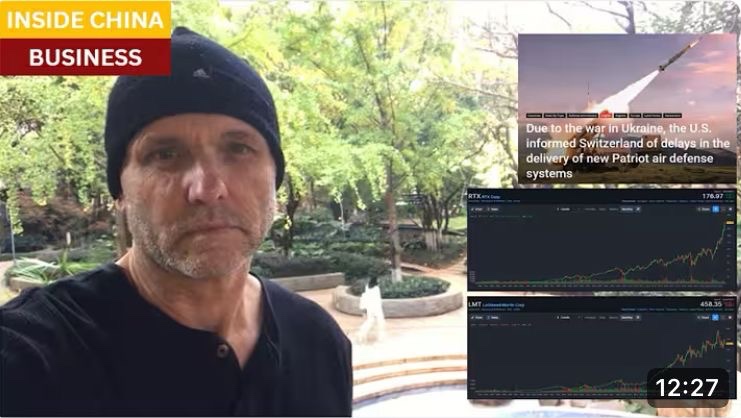
American logistic expert report from China video: Long before China starved the Pentagon of raw materials, Wall Street was looting it
American logistic expert report from China video: Long before China starved the Pentagon of raw materials, Wall Street was looting it. 美國物流尊家在中國視訊報告: 早在中國的原料短缺導致五角大廈無法取得原料之前,華爾街就已經開始掠奪五角大廈的資源.
https://rumble.com/v71prwq-long-before-china-starved-the-pentagon-of-raw-materials-wall-street-was-loo.html
https://www.tiktok.com/t/ZP8DnWN9A/China’s export bans on rare earth metals and magnets are crippling Western arms makers.
But while the Pentagon is racing to find new supplies and jump-start the decades-long process of replacing China in their supply chains, their biggest contractors have been sending most of their profits and cash to Wall Street investors.
Order backlogs today are hundreds of billions of dollars, for each of the major weapons makers. The Pentagon, along with NATO and other friendly countries, are waiting years for new systems already ordered and paid for.
Rather than re-invest necessary capital to build out manufacturing capacity, train and retrain top technicians, and fund new suppliers, companies spent tens of billions of dollars buying back their own shares, to push stock prices higher.
中國對稀土金屬和磁鐵的出口禁令正在重創西方武器製造商。
然而,當五角大廈爭分奪秒地尋找新的供應來源,並啟動長達數十年的供應鏈替換中國進程時,其最大的承包商卻將大部分利潤和現金輸送給了華爾街的投資者。
如今,各大武器製造商的訂單積壓高達數千億美元。五角大廈以及北約和其他友好國家,都在苦等已經訂購並付款的新系統,而這些系統卻要等待數年才能交付。
這些公司並沒有將必要的資金重新投入到擴大生產能力、培訓和再培訓頂尖技術人員以及資助新的供應商上,而是花費數百億美元回購自己的股票,以推高股價。
-
Video with English subtitles: The Chinese government welcomes the return of overseas Chinese, as buying and selling real estate is convenient and simple
Video with English subtitles: The Chinese government welcomes the return of overseas Chinese, as buying and selling real estate is convenient and simple 影片有英文字幕: 華僑回流潮,中國政府歡迎,買賣房子方便簡單
https://rumble.com/v71plfo-the-chinese-government-welcomes-the-return-of-overseas-chinese.html
https://www.tiktok.com/t/ZP8DnUJGr/
https://youtu.be/2AJ_AcihmAQ?si=DigM9J0ONT4Ddp-A
-
Video: You want to be a tuna? Can you?
This is an excellent Mandarin video to watch with potential core management team before even talking about potential partnerships or forming a new company to do project 在討論潛在合作夥伴關係或組建新公司開展專案之前,建議與潛在的核心管理團隊觀看這段影片.
You want to be a tuna?
你可以像鮪魚嗎?
https://rumble.com/v71pg12-watch-with-your-potential-partners-before-forming-the-new-company.html
https://www.tiktok.com/t/ZP8DnBbFQ/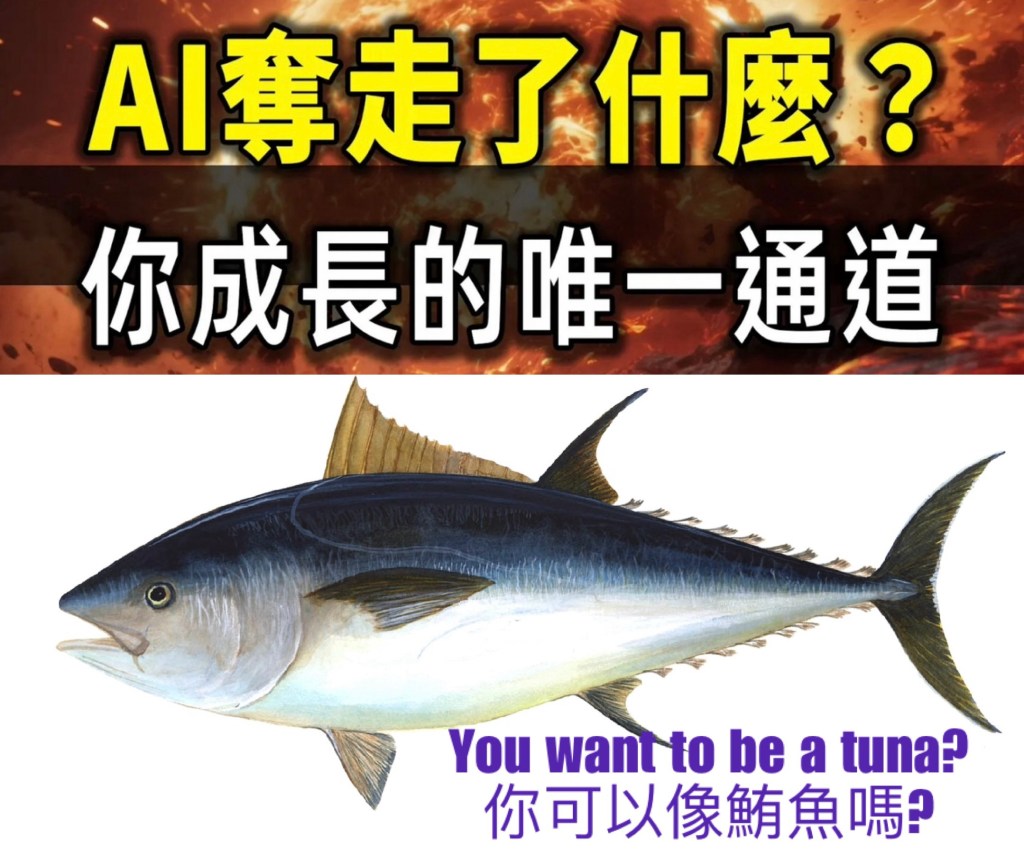
-
Video with English Subtitles: It’s revealing to see US media outlets and the BBC had targeted Donald Trump with the same playbook they’ve using it against China for 40+ years
Video with English Subtitles: It’s revealing to see US media outlets and the BBC had targeted Donald Trump with the same playbook they’ve using it against China for 40+ years: propaganda and fake news. 影片有英文字幕: 看到美國媒體與 BBC 如今以過去四十多年對付中國的同一套手法, 宣傳假新聞, 來針對川普,實在耐人尋味.
https://rumble.com/v71okaw-bbc-had-targeted-donald-trump-with-the-same-playbook-theyve-using-it-agains.html
https://www.tiktok.com/t/ZP8DtC6vB/The effectiveness of this is personal. Despite my decades of experience in Asia and an award from President Bush in 2008 at the White House East Room for my work in China helping US companies, my own children dismiss my views, believing media narratives over my firsthand knowledge. The success of this misinformation in erasing legitimate expertise is not just a societal problem, it’s a profound personal insult.
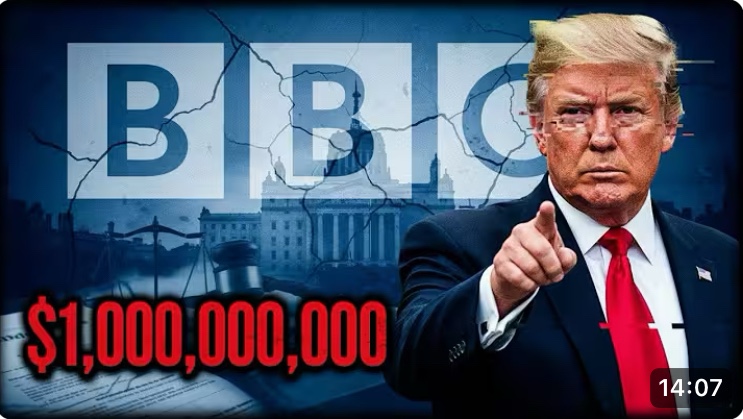
Trump sued the BBC for at least US$1 billion, provoking the wrong person by faking the news.
The BBC, known as the global benchmark, resigned within one day! This is not an honorable retirement, but a “resignation” forced into a corner by Trump!
All of this stems from an internally leaked “editing memorandum” that thoroughly exposed how the BBC used malicious editing to remove the keywords “peaceful and patriotic” to frame Trump’s shocking scam of inciting riots on Capitol Hill.
Just the day after the executive resigned, Wang Mingwang filed a “billion-dollar” lawsuit, directly pushing the century-old BBC house to the brink of collapse. This is not just about a lawsuit, but also about:
Significance to the world: How Trump’s philosophy of “using evil to control evil” tore open the last fig leaf of Western media’s “objective neutrality” and exposed the ironic reality of European and American public broadcasters transforming into “Ministry of Truth”.
What it means to us: In the face of those international rogue media who are accustomed to “replacing flowers and taking them out of context”, our counterattack must not stop at verbal condemnation! Trump’s ruthlessness proves that “tit-for-tat” is the only justice to curb malice.
Will the BBC admit compensation, or will it stick to the end? This “media vs. president” confrontation is the cruelest survival rule in the post-truth era.
看到美國媒體與 BBC 如今以過去四十年對付中國的同一套手法, 宣傳與假新聞, 來針對川普,實在耐人尋味。
這件事對我而言更是切身的。儘管我在亞洲有數十年的經驗,並曾因工作在 2008 年於白宮東廳獲得布希總統頒發的獎項,表彰我幫助美國公司在中國開展業務, 但可惜連我自己的孩子都否定我的工作和看法, 寧願相信媒體敘事,也不願相信我的親身知識。這種錯誤資訊能抹煞真正專業的現象,不僅是社會問題,更是深深對父親的個人侮辱。
川普向 BBC 提出至少 10 億美元的訴訟,因為 BBC 以造假新聞的方式得罪了不該得罪的人。
被視為全球標杆的 BBC,竟在一天內宣布高層辭職!這並不是光榮退休,而是被川普逼到牆角的“被迫下台”!
而這一切,源自一份內部外流的「剪輯備忘錄」。這份文件徹底揭露 BBC 如何惡意剪輯、刪掉「和平、愛國」等關鍵字,將川普栽贓為煽動國會山暴動的驚天騙局。
就在高層辭職的隔天,王明旺遞交了一份「十億美元級」的訴狀,直接把這家百年 BBC 推向崩潰邊緣。這不僅是一場訴訟,更代表著:
對世界的意義: 川普以「以惡制惡」的方式,撕開了西方媒體「客觀中立」最後的遮羞布,暴露出歐美公共媒體淪為「真理部」的諷刺現實。
對我們的啟示: 面對那些慣於「移花接木、斷章取義」的國際流氓媒體,我們的反擊不能只停留在口頭譴責!川普的手段證明,「以牙還牙」才是遏制惡意的唯一正義。
BBC 會選擇認賠,還是抗到底?這場「媒體 vs. 總統」的對決,是後真相時代最殘酷的生存法則。
-
Subscribe
Subscribed
Already have a WordPress.com account? Log in now.
 Business Blog