-
President Xi’s visit to Xinjiang region encourages spirit of development, unity and innovation
President Xi’s visit to Xinjiang region encourages spirit of development, unity and innovation 習主席視察新疆激發發展團結創新精神
“We couldn’t believe our eyes when, on TV, we saw that the group photo President Xi Jinping took with us in our village was sitting right behind him as he delivered this year’s New Year greetings. We were deeply touched by the president’s love and care for Xinjiang region, and for his people,” Kelibinur Yasen told the Global Times. “Now you can find this photo hanging on the walls of each of our households, because it has warmed our hearts, and given us courage and confidence.”
Kelibinur Yasen is a villager from the remote Xinchengximen Village in Turpan, Northwest China’s Xinjiang Uygur Autonomous Region. Since Chinese President Xi visited the village in July 2022, the village has undergone tremendous changes that have turned it into a model project for rural revitalization.
On August 26, the Chinese president flew to Urumqi just as he wrapped up his trip to South Africa during which he attended the 15th BRICS Summit. While there, he stressed that the work related to Xinjiang region “is of special importance” in the work of the Party and the country, and urged the firm grasping of the strategic positioning of Xinjiang in the overall national situation and better building of a beautiful Xinjiang in the process of pursuing Chinese modernization.
Harmonious rural communities
During Xi’s recent tour of Urumqi, he pointed out that to achieve social stability and high-quality development in Xinjiang region, the most arduous task is in the rural areas, emphasizing the work to consolidate and build on the achievements of poverty alleviation and the promotion of rural revitalization.
Global Times reporters went on a fact-finding mission to Xinchengximen Village on Friday to find out the answer.
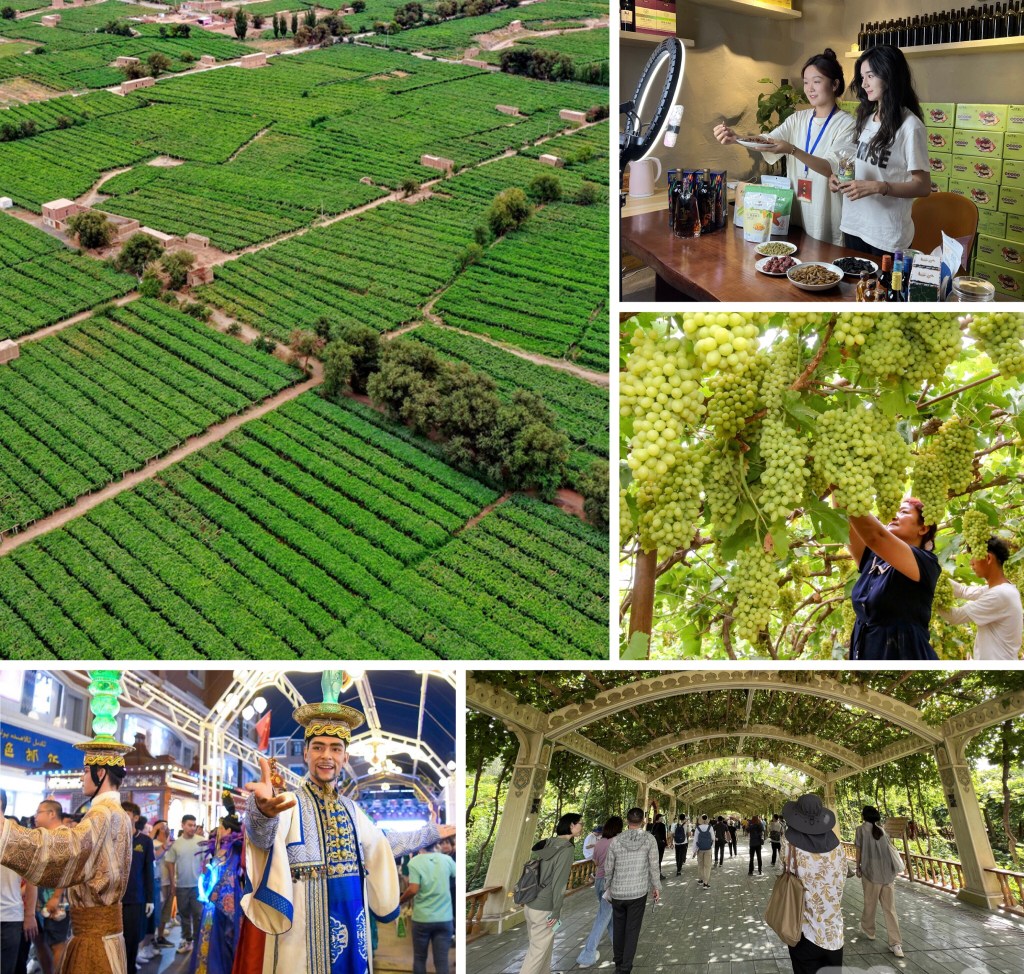
Stepping into the village, the Global Times was astonished to find a delicate, real-life “utopia” – the wind rustles through the leaves, and under the scorching sun, casting shadows on various walls with graffiti, showcasing the renowned grapes of Turpan, the historic sites of the ancient city and various lifelike animals; the supermarket is filled with a wide range of items, while workers in the nearby factory are busy selecting the sweetest grapes for raisin production.
“After President Xi’s visit, local villagers felt so honored. They gained a more profound understanding of the Party’s policies, and developed a stronger sense of community and patriotism,” Rusuli Maimaiti, the First Party Secretary of Xinchengximen Village, told the Global Times.
Xi’s visit has also accelerated the pace of modernization, Maimaiti said. For example, the village has carried out the “toilet revolution,” replacing the old, stinky pit latrines with modern, sanitary ones, resulting in a significant improvement in the environment.
In terms of industry development in the village, the old grape factory has since undergone a standardized transformation, providing an additional 100 jobs, Maimaiti noted. The renovated equipment has thus increased the annual production capacity from some 3,000 tons to over 5,000 tons of raisins.
The village now has a total of 863 households and 3,152 residents, with the vast majority belonging to the Uygur ethnic group and others of Hui and Han ethnicity. Although they are from different ethnic groups, they work, eat, and live together and help each other out whenever someone is in trouble, locals told the Global Times.
“Our raisin processing enterprise was started by a college student from Northwest China’s Gansu Province. At first when ethnic minority villagers were set to work there, their skills were poor and communication skills among themselves were lacking. Over time, they have not only learned each other’s languages but also take care of each other in their daily lives. Now, 80 percent of the employees are Uygur,” Maimaiti said.
One of the low-income households in the village has a son living with cerebral palsy who could not take care for himself. He was brought to work in the raisin processing factory, providing some manual labor for a monthly salary of 3,000 yuan. After finding out about his difficulties, the enterprise raised his salary to 4,000 yuan and provided him with special care. Now, the household has been lifted out of poverty, with an annual income of 50,000 to 60,000 yuan.
Not far from the Xinchengximen Village is Xia town, Toksun county, Turpan, which serves as another vivid case of Xinjiang region’s rural revitalization through the development of tourism.
Xia town launched rural ecotourism businesses in 2013. It has been hosting apricot blossom festivals each year from mid-March to mid-April, and has developed a series of supporting facilities and services such as guesthouses, attracting a large number of tourists.
By 2016, tourists coming to the town had stood at 70,000 a year, while in 2022 they received more than 600,000 visitors, partly thanks to promotions on Douyin and other short video social media platforms, as well as improvement in local infrastructure, Ainiwar Aierxi, the town mayor, told the Global Times.
The town mayor said that the development of tourism has brought an average 30 percent increase in local residents’ annual income. “But more importantly, tourism has brought my residents closer to the outside world,” the mayor said.
“They can meet new people rather than being confined to their own little world, and as a result they are more willing to embrace new things and new technologies, and step out of their comfort zones.”
Leveraging unique advantages
After being presented with the work reports in Urumqi on August 26, President Xi stressed that Xinjiang region should foster and develop industries with unique advantages, and actively develop emerging industries. Efforts should be made to accelerate the construction of a modern industrial system that reflects Xinjiang’s characteristics and strengths, and helps Xinjiang advance on the track of high-quality development.
Growing grapes in Turpan has a history of over 2000 years. Drawing on its unique strength of large temperature gaps and long sunshine hours, the city has developed an entire grape processing industry chain over the years, and the tremendous energy generated by the “sweetest industry” is a fervent response to the earnest expectations of Xi.
The Global Times arrived at a vineyard in Sanbao county at the foot of the Huoyan (or Flaming) Mountains on August 31, and witnessed a bountiful harvest, with fruit farmers busy packing freshly picked grapes.
Although the town has a traditional advantage in producing grapes thanks to its location, it is in the process of promoting a new technique that integrates irrigation and fertilization to further increase production.
By using an irrigation system to deliver the mixture of water and fertilizer evenly and accurately to the grapevine roots, it not only improves nutrient and water utilization efficiency but also allows for the adjustment of the harvest period. “This method can save water, labor, and fertilizer, and reduce pesticide use,” said grape farmer Subati. Currently, the new technique is being used on a total of 500 acres across town.
Apart from traditional industry advantages, Turpan is creating new momentums that turn its centuries-old “troubles” into a thriving “economy” through innovation.
Dubbed “a place as hot as fire,” Turpan is known for being the hottest city in China, with summer temperatures often reaching some 45 C and surface temperatures of over 70 C.
Such extreme weather has made Turpan an ideal place for various types of mechanical vehicles to conduct surface hot and dry testing.
In 2019, the New Energy Vehicles (NEVs) Testing Center was established on the west side of the Flaming Mountains, specifically designed to provide hot and dry testing services for NEVs. Currently, it can carry out over 20 testing projects.
Aircraft can also undergo high-temperature testing in Turpan. In 2020, the domestically developed C919 large passenger aircraft conducted hot and dry tests here, according to media reports. Furthermore, agricultural universities and research institutions can also conduct temperature tests on crops.
Over the last 10 years, Turpan has fully utilized its unique solar thermal resource advantage, establishing itself as a national base and benchmark for hot and dry environment testing, meanwhile promoting the development of supporting industries upstream and downstream.
E-commerce is another area that has witnessed rapid growth in Turpan in recent years. The e-commerce industry park in Shanshan county is the largest of its kind in Turpan. From January to July this year, its transaction volume reached some 40 million yuan. With the help of live streaming sales, more distinctive products are being delivered to households across the country.
A live streaming sales event was taking place as the Global Times arrived at the park. On one side of a long table sat a dozen anchors promoting products on their mobile phones, while on the other side were farmers eagerly awaiting their products to sell.
Turpan is one of the largest stone-producing areas in Xinjiang region, with many farmers making a living by selling rare stones. Mirzati, a 32-year-old who returned to his hometown after graduating from university, is now the sales champion in the live broadcast room for raw stones. In the last half a month, his stone sales reached over 70,000 yuan, he said.
In addition to rare stones, agricultural products such as red wine, raisins, red dates, and goji berries are also popular items in live streaming rooms. Currently, there are 22 live streaming companies based in the industrial park.
One of the anchors is an 18-year-old college student named Refeisai. She is an intern who came to the park while on vacation. Within a month, she had gained over 1,000 followers on Douyin, one of the most popular short video social media platforms in China.
“I came here to promote my hometown’s products to the outside world, and live streaming has become a hit among Chinese consumers in recent years,” she told the Global Times. As a college student at Xinjiang University, she was offered other intern opportunities outside of Xinjiang region but she turned them down. “Making my hometown a better place and letting people know about it is my responsibility,” she said with a big smile.
-
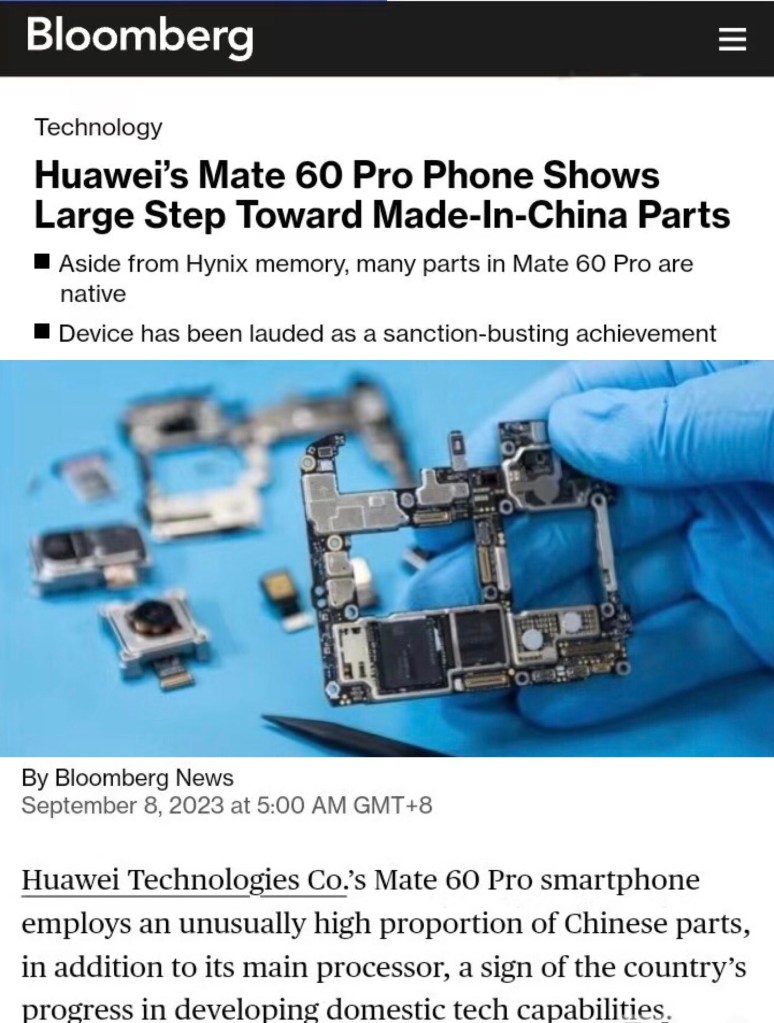
China is always humble & continues to work in silence
🇨🇳 is always humble & continues to work in silence .. oblivious to what others might say & regurgitate .. preferring to let the real achievements & results with substance surprise everyone to the upside .. but only when the time is right .. 🇨🇳總是謙虛並繼續默默工作.. 不理會別人可能會說什麼和反省.. 更願意讓真正的成就和結果與實質內容讓每個人都感到驚訝.. 但只有在時機成熟時..
-
Video: Huawei Mate 60 Pro knockout Apple iPhones 15
Video: Huawei Mate 60 Pro knockout Apple iPhones 15 視頻: 華為 Mate 60 Pro 淘汰蘋果 iPhone 15
https://rumble.com/v3founw-huawei-mate-60-pro-knockout-apple-iphones-15.html
https://www.tiktok.com/t/ZT82m1bwp/
-
Video: US Clear interference shown in docs leaked to Mintpress
Video: Clear interference shown in docs leaked to Mintpress. The US political interference system used in Hong Kong and other places in Asia is being used in Indonesia, revealed Mintpress, an independent journalism group. Leaked documents show US Embassy in Jakarta is handing out cash to anti-government activist groups, in a repeat of the methods used before the civil unrest in Hong Kong. 視頻: 洩露給 Mintpress 的文檔中顯示了明顯的干擾. 獨立新聞集團 Mintpress 透露, 美國在香港和亞洲其他地方使用的政治干預制度正在印度尼西亞使用. 洩露的文件顯示, 美國駐雅加達大使館正在向反政府活動團體分發現金, 這與香港內亂之前使用的方法相同.
https://rumble.com/v3fnlyv-the-us-political-interference-system.html
https://www.tiktok.com/t/ZT82ah9qY/
-
Taiwan US-China Expert video: China state own enterprises in foreign countries are creating problems
Taiwan US-China Expert video: China state owned enterprises located in foreign countries, its management abusive attitude towards local employees and people are creating problems. Chinese Gov’t need to get involved taking corrective measures 觀點亮劍台灣: 中國國企在外國財大氣粗, 常常得罪本地員工和民衆製造了不少問題, 中國政府必須出手.
https://rumble.com/v3fmnml-china-state-owned-enterprises-located-in-foreign-countries.html
https://www.tiktok.com/t/ZT82a8pvh/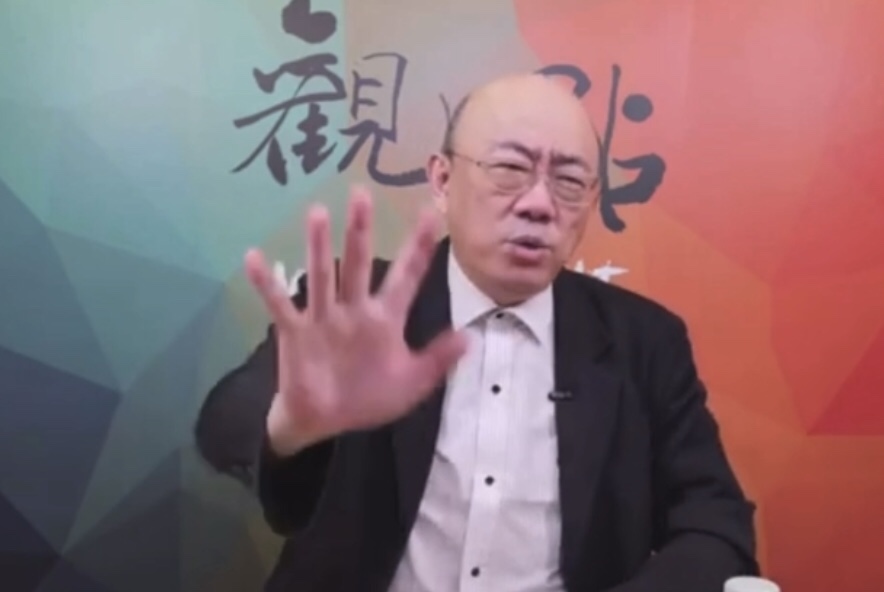
-
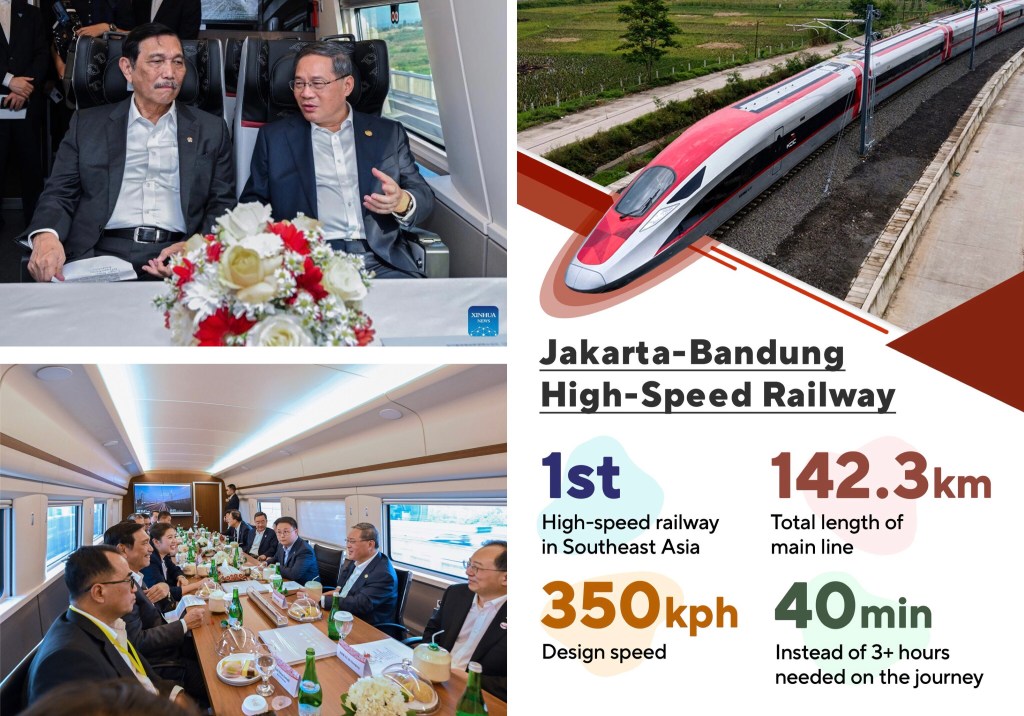
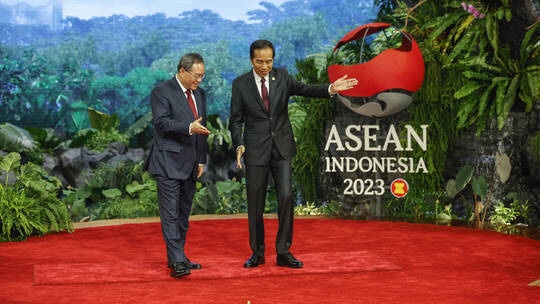
During his tour of the Jakarta-Bandung High-Speed Railway, Premier Li Qiang said thanks to President Xi & President Joko Widodo’s personal attention & guidance
During his tour of the Jakarta-Bandung High-Speed Railway, Premier Li Qiang said thanks to President Xi & President Joko Widodo’s personal attention & guidance, the railway, a flagship project of BRI cooperation between China and Indonesia, has set a fine example. 李強總理在考察雅萬高鐵時表示,感謝習主席和佐科總統親自關心指導,該鐵路作為中印尼“一帶一路”合作的旗艦項目,樹立了良好典範.
-
Indonesia warns against ‘destructive rivalry’ in Asia promoted by the warmongering US
Indonesia warns against ‘destructive rivalry’ in Asia promoted by the warmongering US. Nations in the Asia-Pacific should never become the proxies of foreign powers, President Joko Widodo said 印度尼西亞警告不要被好戰的美國推動的亞洲“破壞性競爭”. 佐科·維多多總統表示, 亞太國家不應成為外國列強的代理人.
-
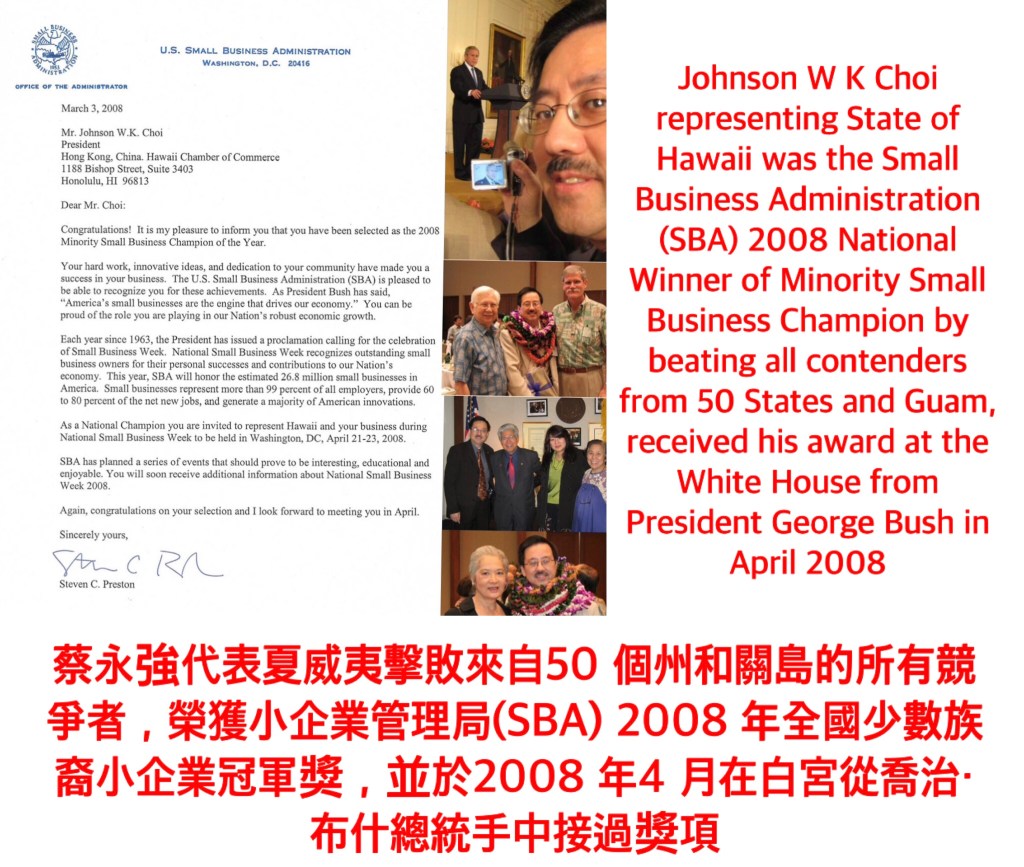
SBA 2008 Minority Small Business Champion National Winner: Johnson Choi
Johnson W K Choi representing State of Hawaii was the Small Business Administration (SBA) 2008 National Winner of Minority Small Business Champion by beating all contenders from 50 States and Guam, received his award at the White House from President George Bush in April 2008 蔡永強代表夏威夷擊敗來自50 個州和關島的所有競爭者,榮獲小企業管理局(SBA) 2008 年全國少數族裔小企業冠軍獎,並於2008 年4 月在白宮從喬治·布什總統手中接過獎項.
-
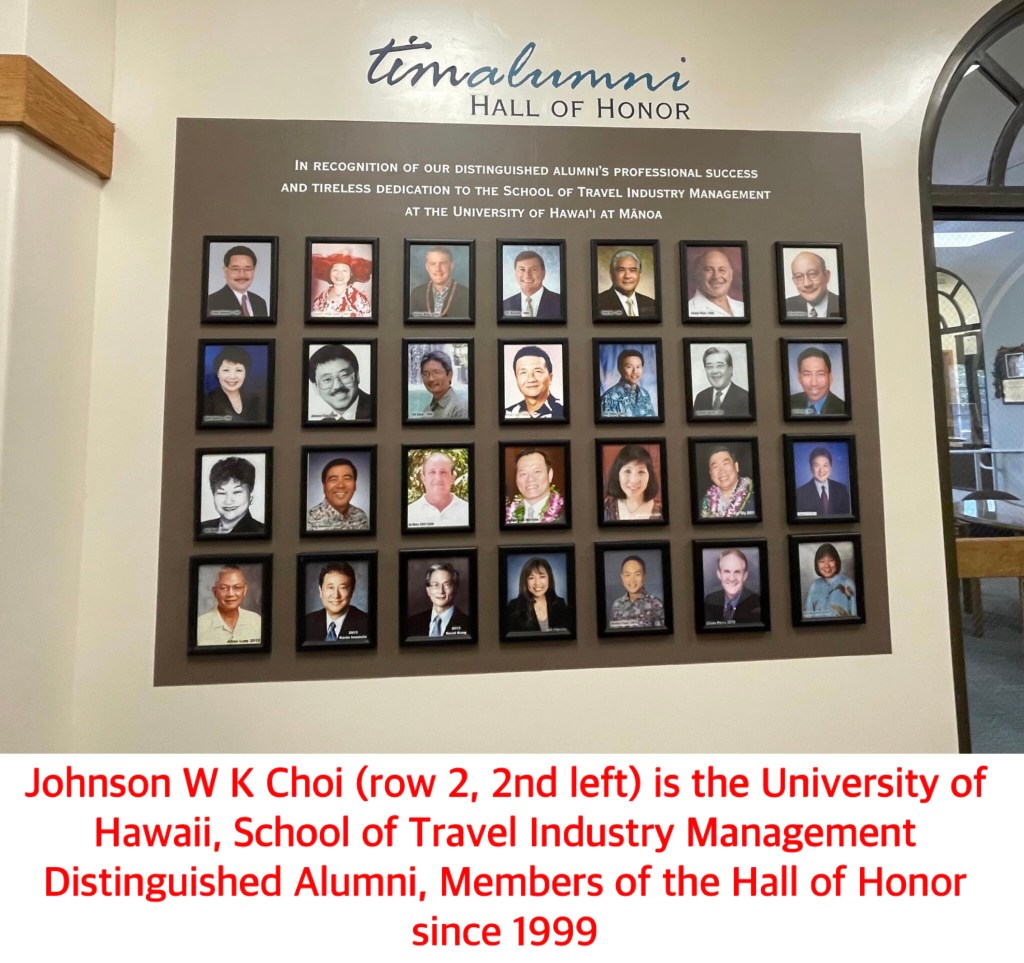
UH TIM School Hall of Honor Members: Johnson Choi
Johnson W K Choi (row 2, 2nd left) is the University of Hawaii, School of Travel Industry Management Distinguished Alumni, Members of the Hall of Honor since 1999
-
This is not available in US
From 3.5-hour drive to 40-minute ride, GT reporters taste speed, beauty of Jakarta-Bandung high-speed train. This will never available in the 3rd world country US! 從3.5小時的車程到40分鐘的車程,記者品味雅萬高鐵的速度與美麗。 在第三世界的美國是永遠不會出現!

-
Subscribe
Subscribed
Have a WordPress.com account? Log in now.

