-
Have we noticed that today most of the head of states, kings and queen have wanted to visit China?
Have we noticed that today most of the head of states, kings and queen have wanted to visit China? From the Chinese history prospective, what does that tells you? By Johnson Choi, President of HKCHcc, November 10 2025
我們是否注意到,今天大多數國家元首、國王和女王都希望訪問中國?從中國歷史的角度來看,這說明了什麼! 蔡永強,香港中國夏威夷商會主席. 11月10日2025年
It is undeniable that Beijing has become one of the most frequented stops on the global diplomatic circuit. From a Chinese historical perspective, this is not seen as a new trend but as a restoration of a natural and proper world order.
Here’s what this tells us, framed by key concepts from Chinese history:
- The Return to the “Central Kingdom” (中国, Zhōngguó)
The very name “China” is derived from the concept of Zhōngguó, the “Middle Kingdom” or “Central State.” This was not just a geographical idea but a civilizational and political one. China saw itself as the center of the world, the source of civilization, culture, and refined governance, surrounded by less-civilized “barbarians.”
Historical Context: For millennia, emissaries from neighboring states (Korea, Vietnam, various steppe nations) would travel to the Chinese capital to kowtow before the Emperor, present tribute, and receive his blessing and gifts in return. This was the Tributary System. A visit to the Chinese court was an acknowledgment of China’s supreme cultural and political status.
Modern Interpretation: The constant stream of foreign leaders to Beijing is subconsciously viewed by many within China as a modern manifestation of this tributary system. While there is no kowtowing, the act of coming to China, seeking audience with its leadership, and discussing partnerships on China’s terms reinforces the idea that China has resumed its rightful, central place in the world.
- The Mandate of Heaven (天命, Tiānmìng) and Legitimacy
In Imperial China, a ruler held the “Mandate of Heaven,” a philosophical concept that legitimized his rule as long as he governed justly and effectively. Part of this legitimacy was demonstrated through the respect and deference shown by foreign powers.
Historical Context: When tributary missions arrived, it was a public validation that the Emperor still possessed the Mandate. A strong, prosperous dynasty naturally attracted more visitors.
Modern Interpretation: The eagerness of foreign leaders to engage with China’s leadership is seen as a testament to the success and legitimacy of the current government and its model. It validates the path of “Socialism with Chinese Characteristics” as a successful and attractive alternative to Western models. In essence, the world is acknowledging that China has, once again, earned a form of global “Mandate.”
- The Lesson of the “Century of Humiliation” (百年国耻)
This is the most critical and contrasting historical period. For roughly 100 years from the mid-19th to mid-20th century, China was weak, divided, and exploited by foreign powers (including Britain, France, Japan, and others). During this time, foreign interaction with China was on their terms—gunboat diplomacy, unequal treaties, and concessions.
Historical Context: China was the object of foreign agendas, not a subject setting its own. Its sovereignty was violated, and its leaders were often dictated to, not visited as equals.
Modern Interpretation: The current reality is the direct and deliberate inversion of the Century of Humiliation. The fact that world leaders now come to China seeking cooperation, investment, and support is the ultimate proof that this period of national shame is over. It is a powerful source of national pride and a key narrative of the Communist Party’s success in “making China strong again.”
- The Concept of “All Under Heaven” (天下, Tiānxià)
This is an ancient philosophical concept that envisioned a unified world order under a virtuous Chinese ruler. While never a practical reality, it shaped the Chinese worldview, emphasizing harmony, hierarchy, and China’s role as the unifying civilizing force.
Historical Context: It was an ideal where the Emperor’s moral influence would naturally attract and pacify all peoples.
Modern Interpretation: Initiatives like the Belt and Road Initiative (BRI) are often framed as a modern, inclusive version of Tiānxià. It is a China-centered global network of trade and infrastructure. When leaders visit to sign BRI memorandums, it is seen as them voluntarily joining this new, China-led system of global connectivity, echoing the ancient ideal.
Conclusion
From the Chinese historical perspective, the constant parade of foreign leaders to Beijing is not a new phenomenon but a return to historical normality. It signals:The Restoration of Status: China is reclaiming its perceived historical role as the central, pre-eminent power.
The End of Humiliation: The power dynamic has fundamentally shifted from the era when the West dominated China.
The Validation of its Model: The world is acknowledging the success of China’s development path.
In short, for China, these visits are a powerful affirmation of a 5,000-year narrative that was only briefly interrupted. It tells the Chinese people and the world that the “Central Kingdom” is back at the center of global affairs.
不可否認,北京已成為全球外交舞台上最頻繁的訪問目的地之一。從中國歷史視角解讀,這並非新興趨勢,而是對自然且正當的世界秩序的重建。
以下透過中國歷史的關鍵概念闡釋這一現象:
一、「中國」概念的迴歸
「China」一詞本源於「中國」概念,即「中央之國」。這不僅是地理概念,更是文明與政治的構想。中國自古視自身為世界中心,是文明、文化與精緻治理的源頭,四周環繞著欠開化的「蠻夷」。歷史脈絡:數千年來,周邊國家(如朝鮮、越南及各草原民族)的使節會前往中國都城向皇帝叩首朝貢,以換取天子賜福與賞賜,形成「朝貢體系」。參訪中國朝廷即是對中國至高文化與政治地位的承認。
現代詮釋:各國領導人持續訪問北京的現象,被許多中國人潛意識視為朝貢體系的現代展現。雖無叩首之禮,但各國主動來華、尋求與中國領導層會晤、並以中方條件商討合作的行為,強化了中国已回歸其應有的世界中心地位之認知。
二、「天命」觀與政權正當性
在帝制中國,統治者秉持「天命」這一哲學概念,只要治理公正有效,其統治便具正當性。而外邦的尊崇與順從,正是這種合法性的體現。歷史脈絡:朝貢使團的到來,是皇帝仍享天命的公開驗證。強盛繁榮的王朝自然能吸引更多來訪者。
現代詮釋:各國領導人積極與中國交往,被視為當代政府及其模式成功與合法的明證。這肯定了「中國特色社會主義」道路不僅成功,更是具吸引力的西方模式替代方案。本質上,世界正在承認中国再次獲得了某種全球性的「天命」。
三、「百年國恥」的歷史教訓
這段歷史是最關鍵的對照期。從19世紀中葉到20世紀中葉約百年間,中國積弱不振、內部分裂,遭列強(包括英、法、日等)侵凌。此時期中外互動完全由外方主導——砲艦外交、不平等條約與租界割讓層出不窮。歷史脈絡:中國成為外國議程的客體,而非掌握自身命運的主體。主權遭踐踏,領導人常被迫接受指令,而非以平等地位受訪。
現代詮釋:當前現實是對「百年國恥」的徹底逆轉。世界各國領導人親赴中國尋求合作、投資與支持,最終證明了這段民族屈辱史的終結。這成為民族自豪感的重要源泉,也是中國共產黨「實現民族復興」敘事的核心印證。
四、「天下」觀的當代實踐
「天下」是古老的哲學理念,構想以賢德的中國君主為核心的統一世界秩序。雖未真正實現,卻深刻塑造了中國的世界觀,強調和諧、階序與中國作為文明融合中心的角色。歷史脈絡:這是種理想藍圖——天子的德化影響將自然吸引萬民來朝、平定四海。
現代詮釋:「一帶一路」倡議常被詮釋為當代包容性「天下」觀的實踐。這個以中國為核心的全球貿易與基礎設施網絡,當各國領導人赴華簽署合作備忘錄時,被視為自願加入中國主導的新型全球聯通體系,與古老理想遙相呼應。
結論
從中國歷史視角審視,外國領導人頻繁訪問北京的現象並非新氣象,而是回歸歷史常態。這標誌著:地位重塑:中國正在恢復其歷史上作為中央核心強權的應有角色
屈辱終結:權力格局已從西方主導中國的時代發生根本轉變
模式認可:世界正承認中國發展道路的成功
簡言之,對中國而言,這些訪問是對五千年文明敘事的強力肯定——這段敘事僅曾被短暫打斷。它向中國人民與世界宣告:「中央之國」已重返全球事務的中心舞台。
- The Return to the “Central Kingdom” (中国, Zhōngguó)
-
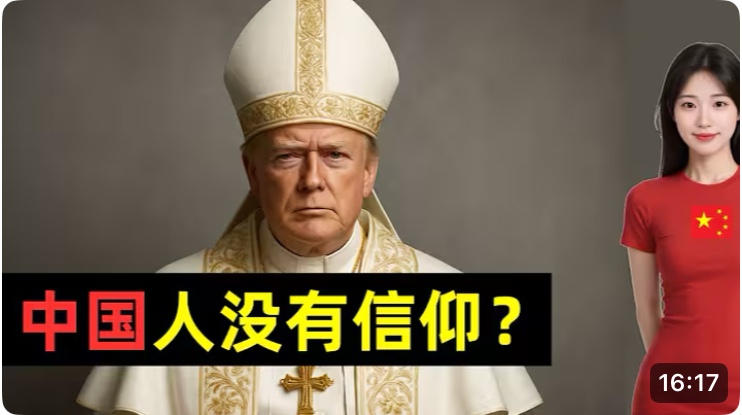
Video with English subtitles: For 5,000 years, China is the only civilization not controlled by any God
Video with English subtitles: For 5,000 years, China is the only civilization not controlled by any God, nor allowed any Gods to control any Chinese Govt, nor allow any God to start wars or profit from Chinese including fake pathway or shortcuts to any heaven by mere confession or payment! 影片有英文字幕: 五千年來,中國是唯一不受任何神靈控制、不允許任何神靈控制政府、不允許任何神靈發動戰爭, 不允許任何神靈從中國人身上獲利(包括通往天堂的快線騙局)的文明
https://rumble.com/v71htbw-for-5000-years-china-is-the-only-civilization-not-controlled-by-any-god.html
https://www.tiktok.com/t/ZP8D48DkT/Religion ≠ Faith: The Greatest Difference Between Chinese and Western Civilizations! 宗教≠信仰:中西方文明最大差别!
What Does Faith Truly Mean? The Lie of the Western God! The Reason for China’s Five Thousand Years of Continuous Civilization Is That It Never Needed God’s Dominion! 信仰到底意味着什么? 西方上帝的謊言!中國五千年文明持續的原因是從來不需要上帝支配!
What is true “faith”? What is the relationship between it and “religion”?
This video, from the perspective of cultural comparison, delves into the definitions and evolution of “faith” and “religion” in the contexts of Eastern and Western civilizations. The video will take you back to the controversies and the Reformation triggered by “indulgences” in late medieval Europe. Using this as a reference, it will contrast the unique spiritual strength rooted in the real world within Chinese civilization—from the philosophical debates of the Hundred Schools of Thought to the national character reflected in myths such as “Jingwei Filling the Sea” and “The Foolish Old Man Who Moved the Mountains.”
什么是真正的“信仰”?它与“宗教”之间是何种关系?
本视频从文化比较的视角出发,深入探讨了“信仰”与“宗教”在东西方不同文明语境下的定义与演变。视频将带您回顾欧洲中世纪晚期由“赎罪券”引发的争议与宗教改革,并以此为参照,反观中华文明中独特的、扎根于现实世界的精神力量——从诸子百家的哲学思辨,到“精卫填海”、“愚公移山”等神话所体现的民族性格。
-
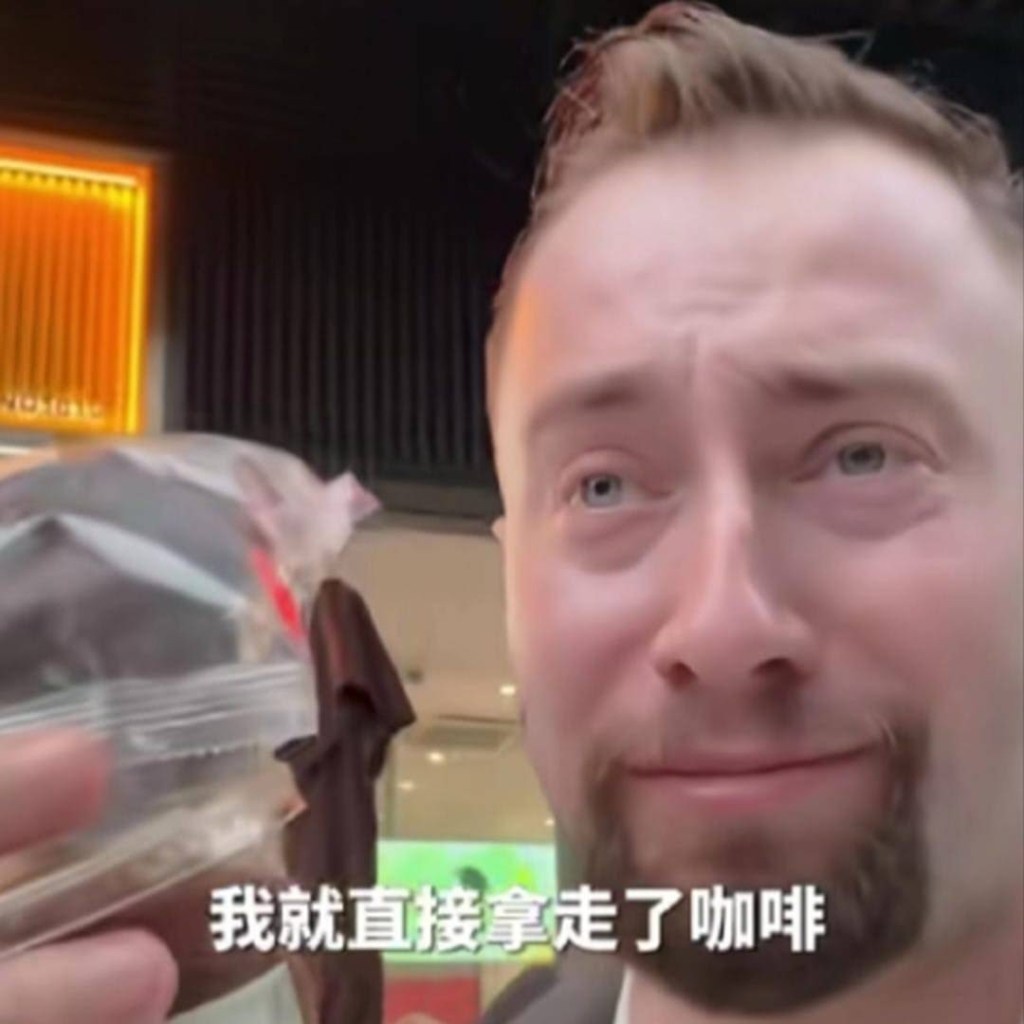
A foreign man bought a cup of coffee in China, and unexpectedly, he ended up crying…
A foreign man bought a cup of coffee in China, and unexpectedly, he ended up crying… 一名外國男子在中國買了一杯咖啡,沒想到他竟然哭了…
At the end of October, he shared that when he went to the store to pick up his coffee, the staff didn’t check if it was his order, didn’t confirm the details, and didn’t suspect he was there to steal the coffee. They did nothing—just let him take it simply and smoothly.
In his home country, this would be almost unimaginable. In the end, he remarked that just this sense of trust and security alone makes it “hard not to like China”!
This wasn’t just about a cup of coffee moving him—it clearly struck a chord with the sense of security that many foreigners have never experienced in their own countries.
In many countries, buying something involves multiple layers of precaution, all because people worry about others taking advantage. It’s not that they’re overreacting—it’s just that theft is so common that businesses have no choice but to be cautious. Over time, this has fostered a habit of mutual suspicion, where even simple purchases require repeated verification.
But this kind of trust—where you’re not suspected—has long been part of our everyday life!
Vendors at local markets allow regular customers to buy on credit without IOU slips, neighborhood courier stations let people freely pick up hundreds of packages, shared umbrellas on the streets require no deposits, and breakfast stalls leave change boxes next to payment QR codes without anyone shortchanging them. Who would ruin their reputation over a cup of coffee or a few dollars?
It’s not that we’re careless—it’s that the sense of security here gives us confidence. We dare to walk alone at night, and if we forget something in a store, it’s highly likely we’ll get it back. Everyone feels secure, so there’s no need to be on guard everywhere.
In simple terms, this man’s tears were shed for the preciousness of “being trusted.” In truth, it’s not that we’re special—it’s that we’ve made “trust” a daily norm and “safety” a standard feature, something that’s unfortunately rare in many other countries.
Many people don’t realize how precious an environment free of constant suspicion is. Trust between people doesn’t come out of nowhere—it’s built over years of stable social order and a shared understanding of following rules.
In some places, it’s not that people don’t want to trust—it’s that reality makes them afraid to easily believe in others. With this contrast, it’s easy to understand why this man was so moved.
👉 In the end, what truly touches people about China isn’t just its stunning skyscrapers, but also this sense of security hidden in the hustle and bustle of everyday life.
👉 There’s no fear of being mistaken for a thief over a misplaced coffee, no fear of going out late at night, no fear that every interaction is filled with calculation. This kind of calm assurance that “I trust you” is a soft power more effective than any propaganda.
👉 When the foreign man said it’s “hard not to like China,” what he really meant was that he appreciates this feeling of not having to stay constantly tense—of being able to relax and be a good person who is trusted.
👉 This mutual trust and sense of security among people is the most precious foundation of China. It makes life simple and comfortable, and it’s also allowing more and more foreigners to experience the goodness of this place.
一名外國男子在中國買了一杯咖啡,沒想到他竟然哭了…
10月底他說,自己進店裡拿咖啡時,店員既沒檢查這是不是他的,沒確認訂單,也沒懷疑他是來搶咖啡的,什麼都沒做,就讓他這麼簡單順利地拿走了。
這在他們國家,簡直是沒法想象的。最後他直說,單是這份信任和安全感,“就很難不喜歡中國”!
這哪是一杯咖啡帶來的感動,分明是戳中了太多外國人在自己國家從未感受過的安全感!
在很多國家,買個東西都得層層防備,就怕有人渾水摸魚。不是他們小題大做,是那邊盜竊的事見得多了,商家不得不防,時間長了,人和人之間就養成了互相提防的習慣,買個東西都得反覆核對。
可這種“不用被懷疑”的信任,早就是我們的日常!
菜市場攤主給熟客賒賬不用打欠條,小區快遞驛站幾百件包裹隨便自己取,街頭共享雨傘不用交押金,早餐攤收款碼旁邊擺着零錢盒也沒人少付錢,誰會為了一杯咖啡、幾塊錢毀掉自己的信譽呢?
不是咱們心大,是咱們這兒的安全感給足了底氣 —— 晚上敢一個人逛街,東西忘在店裡大概率能找回來,大家心裡都踏實,自然不用處處設防。
這位大哥的眼淚,說白了是為“被信任的可貴”而流。其實這不是我們有多特殊,是我們把“信任”變成了日常,把“安全”當成了標配,而這些在很多國家,恰恰是稀缺的。
很多人沒意識到,這種不用防備別人的環境有多珍貴。人與人之間的信任,從來不是憑空來的,是靠多年穩定的社會治安、大家守規矩的默契積累起來的。
有些地方,不是人們不想信任,是現實讓他們不敢輕易相信別人,有了這種對比,大哥的感動就很好理解了。
👉說到底,中國最打動人的不只是華麗的高樓大廈,更是這些藏在市井煙火里的踏實感。
👉不用怕拿錯一杯咖啡被當成小偷,不用怕深夜出門不安全,不用怕人與人之間全是算計。這種“我信你”的坦然,是比任何宣傳都管用的軟實力。
👉那個外國大哥說“很難不喜歡中國”,其實喜歡的就是這種不用緊繃神經、能安心做一個被信任的好人的感覺。
👉這種人與人之間的信任和安全感,才是中國最珍貴的底色。它讓生活變得簡單又舒服,也讓越來越多外國人感受到了這裡的好。

-
Video with English Subtitles: Global Navy 2025 Tonnage Ranking: The strength of China and the United States is too strong
Video with English Subtitles: Global Navy 2025 Tonnage Ranking: The strength of China and the United States is too strong. 影片有英文字幕: 2025年全球海軍噸位排名:中美實力太強。
https://rumble.com/v71h81g-global-navy-2025-tonnage-ranking-the-strength-of-china-and-the-united-state.html
https://www.tiktok.com/t/ZP8DXXJR2/China, the United States, Russia, Japan, India… Who is the real maritime power?
In this video, I will take stock of the latest TOP 20 global naval tonnage.From North Korea’s 140,000 tons to the United States’s 4.15 million tons, we will take you to an in-depth analysis of the real gaps and development trends of navies in various countries!
In particular:
China Navy: 3 aircraft carriers, 56 destroyers, with a total tonnage of more than 3 million tons. What level of strength is our level?Comparison between China and the United States: From the number of aircraft carriers, nuclear submarines to the shipbuilding industry, we can understand the biggest difference between the Chinese and American navies in 2025 in one article!
Hidden power: Why do Russia, Japan, and India have high naval tonnage, but their comprehensive strength has obvious shortcomings?中國、美國、俄羅斯、日本、印度……誰才是真正的海上強國?
本影片將盤點最新的全球海軍噸位前20名。
從北韓的14萬噸到美國的415萬噸,我們將帶您深入分析各國海軍的真實差距和發展趨勢!
特別是:
中國海軍:3艘航空母艦,56艘驅逐艦,總噸位超過300萬噸。我們的實力水準如何?
中美對比:從航母數量、核潛艇數量到造船業,一篇文章就能讓您了解2025年中美海軍的最大差距!
隱藏的力量:為什麼俄羅斯、日本和印度擁有龐大的海軍噸位,但它們的綜合實力卻有明顯的不足?

-
What is China’s true war potential?
What is China’s true war potential? 中國真正的戰爭潛力是什麼?
Is it advanced high-tech weaponry and equipment?
Such as sixth-generation fighter jets, helicopter carriers, the DF-61 intercontinental ballistic missile capable of global coverage, and the DF-5C liquid-fueled intercontinental strategic nuclear missile, among others.Is it a massive population?
Although, as of now, China has the largest military force in the world, with over 2 million active personnel and more than 5 million reserves, a large population only ensures an ample source of troops. While this certainly contributes to war potential, it is not the decisive factor.In fact, none of these are the true answer.
Actually, China’s true war potential lies in these four factors:
👉 The wise decisions and leadership of the Party and the government.
👉 The long-standing and profound culture of the Chinese nation.
👉 A strong sense of national identity with highly aligned values.
👉 The historical experience of long-term foreign oppression and enslavement, which has fostered a cumulative spirit of resistance and an indomitable will to fight.
是高科技尖端武器裝備?
比如六代戰機、直升機航母、能夠覆蓋全球的東風61洲際彈道導彈和東風5C液體洲際戰略核導彈等。是龐大的人口數量?
儘管截至目前為止,中國是全世界軍隊規模最大的國家,現役軍人超200萬,預備役超500萬。但是,人口多只能說明有充足的兵源,這當然也是戰爭的潛力,但是並不是能夠起決定性作用的戰爭潛力。其實統統都不是。
實際上,中國真正的戰爭潛力是這4個:
👉黨和政府的英明決策和領導。
👉中華民族源遠流長的文化。
👉價值觀高度一致的民族認同感。
👉歷史上長期遭受外敵奴役和壓迫,日積月累形成的反抗意識和頑強不屈的鬥爭意志。

-
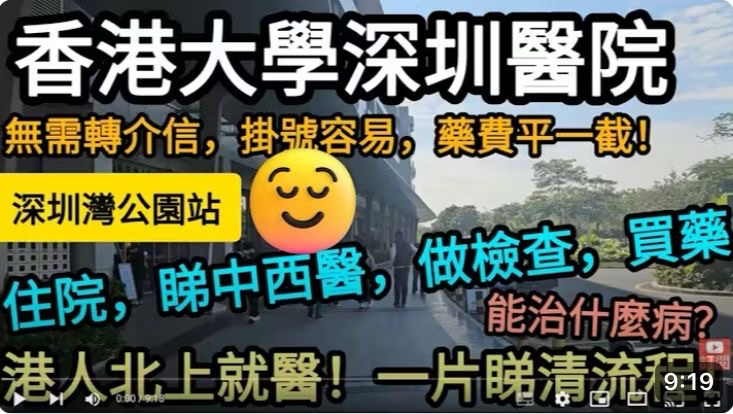
Video: University of Hong Kong Shenzhen Hospital
Video: University of Hong Kong Shenzhen Hospital | Guangdong, Hong Kong and Macao Medical Care | Supporting the Guangdong-Hong Kong-Macao Bay Area Hospital Authority Patient Pilot Program | Eligible Hong Kongers seek medical treatment in the north | Buy medicines in the north | Hong Kongers buy medicines | HKU Shenzhen Hospital | Patient Pilot Program | Cheap domestic drugs | See a doctor in Shenzhen 香港大學深圳醫院|粵港澳醫療|支援粵港澳大灣區醫院管理局病人先導計劃|合資格港人北上求醫|北上求診|北上買藥|港人買藥|港大深圳醫院|病人先導計劃|平價國產藥|深圳睇醫生
今集我地去左香港大學深圳醫院參觀,間醫院好大有新淨,仲支持合資格港人求診。我地由福田口岸出發,去到深圳灣公園站D1落車,間醫院好大又靚!好多科別都有,只要係合資格病人就可以睇啦!港人多一個地方睇醫生啦!咩環境?點樣去果度? 一齊去片!
慳錢D! 好多香港人北上去買藥,做檢測呀~ 希望幫到大家! 祝大家身體健康! 快D好返~
【📍深圳灣公園站】
深圳灣公園站,規劃時名為歡樂海岸站,是深圳地鐵9號線中的一個車站,位於深圳市南山區海園二路與濱海大道交匯處,沿濱海大道東西向布置,毗鄰深圳灣濱海公園及紅樹林自然保護區。車站東段設聯絡線與僑城東車輛段接軌。車站裝修以綠色為主色調,採用鋁板造型突出重點。【📍香港大學深圳醫院】
香港大學深圳醫院心血管醫學中心是醫院卓越中心之一,由外科領導人物之一、高級顧問醫生魏民新教授和香港大學心臟科主管、首席專家,心血管疾病幹細胞治療和科研專家等團隊為創辦人。支援粵港澳大灣區醫院管理局病人先導計劃。在先導計畫下,合資格病人每次接受港大深圳醫院指定門診診症服務需繳付人民幣100元診金(經醫管局核實的指定享有豁免醫療費用人士除外),餘下費用差額則由先導計劃資助,上限為人民幣2,000元。【📍香港大學深圳醫院點樣去?】
地鐵🌺
搭乘1號線羅寶線僑城東站下車C1出口,步行約10分鐘
搭乘9號線深圳灣公園站下車D1出口,步行約5分鐘巴士🌺
往羅湖方向
深圳灣公園地鐵站(公車站):339路、E12路、M133路、M347、M463、M519、深圳灣公園巴士B線濱海休閒假日專線往南山方向
深圳湾公园地铁站1(公交站):339路、M105、M106、M133路
深圳湾公园地铁站2(公交站):E12路、M347、M463、M519、滨海休闲假日专线
白石路公交站:E37、M312、M487、M561路私家車🌺
開車路線:香港大學深圳醫院,位於深圳市福田區海園一路1號。
西門(海園一路): 24小時開放
北門(白石路):僅出口,24小時開放
南門(濱海大道):設置出入口點預約,點去? 去片!
了解更多,請上官網: https://www.hku-szh.org/【📍香港大學深圳醫院的聯絡方法】
電話: 一般查詢: +86-755-86913333
地址: 深圳市福田區海園一路(白石路與僑城東路交會)
電郵: info@hku-szh.org【📍支援粵港澳大灣區醫院管理局病人先導計劃】
「支援粵港澳大灣區醫院管理局病人先導計劃」(先導計劃)會延續至明年三月三十一日,以便利合資格的醫院管理局(醫管局)病人可繼續於香港大學深圳醫院(港大深圳醫院)接受資助診症服務。最新有效期大家留意最新公布呀!
預約了醫管局指定專科門診或普通科門診覆診的病人(合資格病人),就可以於港大深圳醫院接受資助診症服務。截至今年二月底,已有超過4 000名合資格病人參加先導計劃,他們每次於港大深圳醫院接受資助門診診症服務只需繳付人民幣100元診金,餘下費用差額則由先導計劃資助。
除了先導計劃外,政府上月公布把七間位於大灣區的醫療機構納入『長者醫療券大灣區試點計劃』,讓合資格的香港長者日後在大灣區使用長者醫療券時有更多服務點選擇。各試點醫療機構預計今年第三季起會陸續展開相關安排。
先導計劃在延長後的安排與現時相同,合資格病人每次接受港大深圳醫院指定門診診症服務需繳付人民幣100元診金(經醫管局核實的指定享有豁免醫療費用人士除外),餘下診症費用差額則由先導計劃資助,上限為人民幣2,000元,有關資助的使用期以明年三月三十一日為限。先導計劃的資助診症服務範圍會繼續涵蓋醫管局提供的主要專科及普通科門診服務,包括麻醉科(只包括痛症科門診)、心胸外科、臨床腫瘤科、耳鼻喉科、眼科、婦科、內科、神經外科、產科、矯形及創傷外科(骨科)、兒科及外科。然而,偶發性疾病、住院或日間住院及急症室服務則不包括在內。
先導計劃現有病人的資助額一律會於今年三月三十一日到期。因此,有關病人應檢視其資助額餘額,並按臨床需要考慮於三月底前使用。
合資格病人如有意繼續參加計劃,他們可照常透過現行途徑向港大深圳醫院預約診症,但必須在接受資助診症服務前,於港大深圳醫院填妥確認繼續參與的聲明。病人如無意繼續參加計劃,並希望返回香港在醫管局的專科或普通科門診覆診,可向港大深圳醫院提出。港大深圳醫院會根據病人的臨床需要,轉介他們回醫管局的相應門診預約跟進。
至於從未參與先導計劃的合資格病人,或曾參與該計劃但需要更新個人資料的人士則可由四月一日起向港大深圳醫院申請參加。
延長先導計劃的詳情稍後將上載至港大深圳醫院網頁,供市民參考。大家也可致電醫管局(電話:2300 7070;服務時間:星期一至五上午九時至下午六時;公眾假期除外)或港大深圳醫院(電話:(+86)0755-86913101;服務時間:星期一至五上午八時至下午十二時半及下午二時至五時半;公眾假期除外)查詢。
-
Taiwan US-China expert Video: On the verge of a bursting AI bubble? A play within a play in the US AI frenzy! Could this be a massive Ponzi scheme?
Taiwan US-China expert Video: On the verge of a bursting AI bubble? A play within a play in the US AI frenzy! Could this be a massive Ponzi scheme? 台灣中美尊家視頻: 泡沫破裂邊緣?美國AI狂歡戲中戲! 這很可能是一場巨大的龐氏騙局?
https://rumble.com/v71gp0s-us-ai-frenzy-could-this-be-a-massive-ponzi-scheme.html
https://www.tiktok.com/t/ZP8DC4ssE/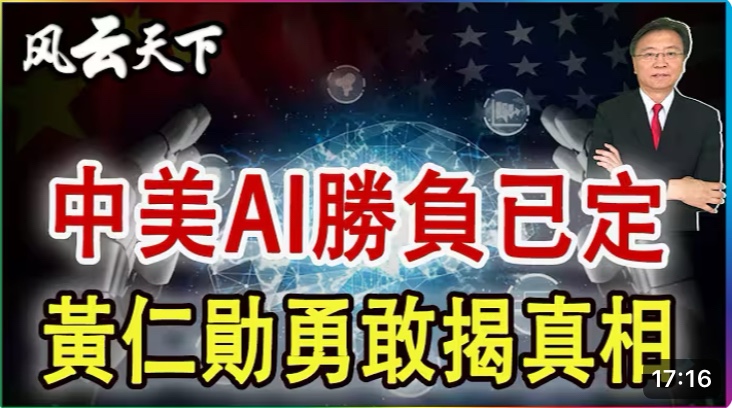
-
Video: Done! Germany has gone mad? Destroying its own national industry with its own hands
Video: Done! Germany has gone mad? Destroying its own national industry with its own hands! The conspiracy behind environmental protection! 卒!德国疯了?亲手摧毁国家工业!环保背后的阴谋!
https://rumble.com/v71goho-germany-has-gone-mad-destroying-its-own-national-industry-with-its-own-hand.html
https://www.tiktok.com/t/ZP8DCQtwL/Germany is currently staging an “industrial suicide” more bizarre than fiction! Just days ago, they personally demolished a fully functional nuclear power plant, all supposedly to protect birds and bees?
Why has Germany’s energy cost skyrocketed to several times that of China’s? Why are industrial giants like BASF and automotive leader Volkswagen making a “great escape,” pouring hundreds of billions in investments into China and the United States? Who is truly pulling the strings behind this “de-industrialization” farce, pushed by radical environmental organizations? Is it the “woke left” ideals of the Green Party, or are there “financial backers” from across the ocean supplying the knives behind the scenes?
In this video, we will delve deep into the inside story of Germany’s energy crisis, unveiling the chilling geopolitical conspiracy behind this “eco-holy war.”
德国,正在上演一场比小说还魔幻的“工业自杀”!就在几天前,他们亲手炸毁了功能完备的核电站,而这背后,竟是为了保护小鸟和蜜蜂?
德国的能源成本为何飙升至中国的数倍?化工巨头巴斯夫、汽车大众为何上演“胜利大逃亡”,将千亿投资砸向中国和美国?这场由激进环保组织推动的“去工业化”闹剧,背后究竟是谁在操控?是绿党的“白左”理想,还是来自大洋彼岸的“金主”在背后递刀?
本期视频,我们将深入扒开德国能源危机的内幕,揭示这场“环保圣战”背后,令人不寒而栗的地缘政治阴谋。

-
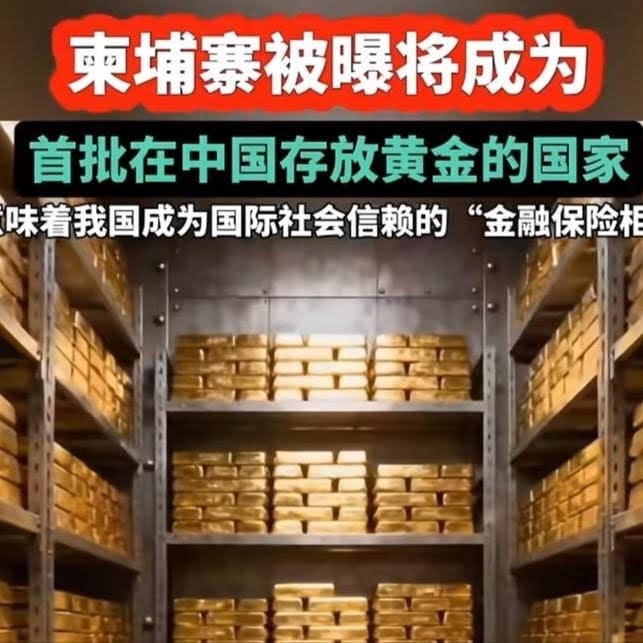
Foreign media reports that because the US, the US and EU are not safe—with the constant risk of asset seizure
Foreign media reports that because the US, the US and EU are not safe—with the constant risk of asset seizure—Cambodia may become one of the first countries to store its gold in China… 外媒稱因為美國英國和歐洲並不安全, 除時有被沒收的風險,所以柬埔寨或將成首批在華儲存黃金的國家…
I think this is mainly due to two incidents that have significantly shaken Southeast Asian countries: first, the May 7th air combat. Our weapons outperformed European ones, and the September 3rd display showcased many advanced weapons that even the U.S. does not possess; second, the tariff war that began in April. We are the only economy that stands up to the U.S. and has pushed back so effectively that the U.S. is left frustrated.
Thus, it is quite clear that if there is a shift in global power between China and the U.S. in the future, Southeast Asia will be the first to become our sphere of influence. Southeast Asian countries need to reconsider their alignment.
Among the ten ASEAN nations, Myanmar has the most stable relationship with China. Although the Myanmar military has tolerated northern Myanmar and once publicly accused us of supporting ethnic armed groups, they have been smart enough not to take direct action. Instead, they quickly shifted to supporting us and actively cooperated in cracking down on telecom fraud. If we truly manage to eliminate U.S. influence in East Asia, Myanmar’s future looks promising.
Next is Laos, which has been quietly benefiting from the situation. It seems the second phase of the China-Laos railway is also promising. The risk for Laos lies in Vietnam’s influence over it.
Then there’s Thailand, which is known for its flexible stance, always aligning with the strongest power at the time. Although Thailand ousted Thaksin’s daughter, by preserving the Thaksin faction’s political participation and continuing to cooperate with us in combating telecom fraud, they have still earned our approval.
Malaysia comes next. Although there are disputes with us, they have maintained surface-level cooperation. As long as certain issues are not brought into the open, there is room for maneuver. Overall, we still hope to maintain good relations with Malaysia.
Brunei is the dividing line…
Vietnam falls slightly below average. In fact, Vietnam had the best starting point among the ASEAN nations. Last year, before Nguyen Phu Trong passed away, we granted Vietnam the status of a “China-Vietnam community with a shared future.” Looking back, if Vietnam had continued down the path of Nguyen Phu Trong’s policies, it could have achieved significant influence in Southeast Asia and even globally. Fortunately, Vietnam hasn’t strayed too far. If it returns to our side, the “China-Vietnam community with a shared future” can still be maintained.
Then there’s Cambodia. They always try to muddy the waters to gain some advantage, as seen in last year’s incident where the Tonle Sap Canal project was halted. Cambodia’s move to transport gold this time is actually an attempt to mend relations after a series of “missteps” that have caused a rift between our two countries. Given their apparent sincerity, we will consider their future actions, such as how they address the telecom fraud issue, which requires a proper explanation at some point.
Indonesia is a游离派 (wavering faction), trying to emulate the Middle Eastern monarchs by balancing on a tightrope. Currently, there are no direct conflicts of interest with us, but they are not particularly close either. For now, we don’t want to draw Indonesia too close; maintaining some distance allows Indonesia to play a more significant role.
外媒稱因為美國英國和歐洲並不安全, 除時有被沒收的風險,所以柬埔寨或將成首批在華儲存黃金的國家…
我在想,這應該主要是發生了兩件事對東南亞國家震動很大:一是57空戰。我們武器吊打歐洲武器,而且93展示了很多明顯美國都沒有的武器;二是自4月以來的關稅戰,我們是唯一一個不懼美國,還把美國頂得沒脾氣的經濟體。
所以很明顯,未來如果發生中美世界權力變更的話,東南亞地區將是首當其衝成為我們的自留地的,東南亞需要重新考慮站隊問題。
東盟十國中,在對華關係上最穩定的是緬甸。儘管緬甸軍方縱容緬北、曾經公開指責我們支持民地武,但還算聰明,沒有做出直接行動,而且很快就轉向為支持我們,積極配合我們打擊電詐。如果我們真的解決了美國在東亞地區的勢力存在,緬甸未來可期。
其次是老撾,一直悶聲發大財,看起來中老鐵路二線也是未來可期了,老撾的風險在於越南對老撾的影響力。
然後是泰國,泰國素以立場靈活而著稱,總是與當時最強大的一方站在一起。雖然泰國把他信的女兒趕下去了,但通過保持他信派的參政權,以及繼續配合我們打擊電詐的行動,還是獲得了我們的讚許的。
然後是馬來西亞。儘管與我們也有糾紛,但保持了檯面上的合作,有些事情只要不撕破臉,就還有迴轉的餘地,而且總體上我們還是希望和馬來西亞保持良好關係的。
文萊是分割線……
越南就稍微有點低於平均值了。其實越南的起點是東盟十國里最好的,去年阮仲富去世前,我們給予了越南“中越命運共同體”的地位,現在看過去,如果當時越南一直維持阮仲富的政策走下去,越南在未來的東南亞甚至是世界版圖上都是可以有一番作為的。還好,越南還沒有走得太遠,轉回到我們身邊的話還是可以維持“中越命運共同體”的。
然後就是柬埔寨。總想攪渾水撈點好處,所以才有去年崇南運河停工那事。柬埔寨這次運黃金來,其實還是為了挽回去年開始的一系列“騷操作”導致的中柬離心。看在這片孝心的份上,我們更多的考慮就看柬埔寨的表現了,比如柬埔寨電詐問題,是需要找個時間好好解釋一下的。
印尼是遊離派,想學中東王爺們在雞蛋上跳舞,目前跟我們沒有太直接的利益對立,但也不是很親。我們目前也不想把印尼拖得太近,保持一定距離可以發揮印尼更大的作用。
-
Video: We are Hosting a Thai Food lunch with Nvidia engineer friend from India & his family
Video: We are Hosting a Thai Food lunch with Nvidia engineer friend from India & his family on Saturday Nov 8 2025 與來自印度的英偉達工程師朋友和他的家人共進泰式午餐
https://rumble.com/v71fiuu-thai-food-lunch-with-nvidia-engineer-friend-from-india-and-his-family.html
https://www.tiktok.com/t/ZP8DQ27kK/
-
Subscribe
Subscribed
Have a WordPress.com account? Log in now.

