-
Video: What is a “naked Chinese official”? Where are they?
Video: What is a “naked Chinese official”? Where are they? 影片有英文字幕: 什麼是”中國祼官”? 中國大部分貪官躲在美國! 美國特別喜愛貪官!
https://rumble.com/v71aimi-what-is-a-naked-chinese-official-where-are-they.html
https://www.tiktok.com/t/ZP8D5Cbqm/This term refers to officials whose spouses and children have moved abroad. Such officials are believed to have a higher risk and stronger motivation for corruption. They may use their power to amass wealth within the country and then transfer their illicit gains to their families overseas, securing a “way out” for themselves. If they sense trouble brewing, they can flee abroad at any time. 这类官员被认为有更高的腐败风险和动机。他们可能利用职权在国内大肆敛财,然后将非法所得转移给国外的家人,为自己留好“后路”。一旦感觉风吹草动,自己也可以随时逃往国外.
Getting Serious! China’s Anti-Corruption “Retroactive Investigations Spanning Three Decades” – Targets “Naked Officials” 動真格了!中國反腐敗“倒查三十年”,風暴刮向“裸官”.
本期视频,我们将深入探讨近期中国多地开展的反腐“倒查”行动。这场力度空前的风暴,不仅追溯了长达二三十年的旧案,更将整治目标指向了所谓的“裸官”问题,引发了广泛关注。
我们将从以下几个角度进行分析与解读:
技术驱动:大数据和“元数据”等数字技术,是如何让沉寂多年的旧案得以侦破的?
内部动因:财政压力与干部队伍整顿,在这次行动中扮演了怎样的角色?
国际视角:为何说打击跨国腐败与资产转移,是反腐斗争中不可或缺的一环?我们将探讨部分国家在全球反腐合作中扮演的角色。
历史与人性:从明朝朱元璋的铁腕反贪,到当代制度的完善,我们该如何看待腐败这一历史性难题?
In this video, we will delve into the recent “retroactive” anti-corruption campaigns launched across various regions in China. This unprecedented crackdown not only revisits cases from as far back as two or three decades but also sets its sights on addressing the issue of so-called “naked officials,” sparking widespread attention.
We will analyze and interpret the topic from the following perspectives:
· Technology-Driven Efforts: How are digital technologies such as big data and “metadata” enabling the resolution of long-dormant cases?
· Internal Motivations: What roles do fiscal pressure and the need for cadre rectification play in this campaign?
· International Perspective: Why is combating transnational corruption and asset transfer an indispensable part of the anti-corruption struggle? We will explore the roles certain countries play in global anti-corruption cooperation.
· History and Human Nature: From Zhu Yuanzhang’s iron-fisted anti-corruption measures in the Ming Dynasty to the refinement of contemporary systems, how should we view the persistent historical challenge of corruption?
-
US$1 billion bet against Nvidia (NVDA) and Palantir (PLTR)
US$1 billion bet against Nvidia (NVDA) and Palantir (PLTR) 投資者麥可伯里(Michael Burry)斥資10億美元做空英偉達(NVDA)和帕蘭提爾(PLTR)
Investor Michael Burry disclosed on Monday that his hedge fund, Scion Asset Management, has taken positions of US$1 billion against tech heavyweights Nvidia and Palantir. Burry, who rose to fame for correctly predicting the US housing market bubble and subsequent stock market crash in 2008, has taken out puts — or trades that benefit from a stock price falling — on two of Big Tech’s darlings.
投資者麥可伯里(Michael Burry)斥資10億美元做空英偉達(NVDA)和帕蘭提爾(PLTR)
週一,投資者邁克爾·伯里披露,其旗下對沖基金Scion Asset Management已持有10億美元的空頭頭寸,做空科技巨頭英偉達(Nvidia)和帕蘭提爾(Palantir)。伯里曾因準確預測2008年美國房地產泡沫及其引發的股市崩盤而聲名鵲起,此次他買入了這兩家科技巨頭的看跌期權——即從股價下跌中獲利的交易

-
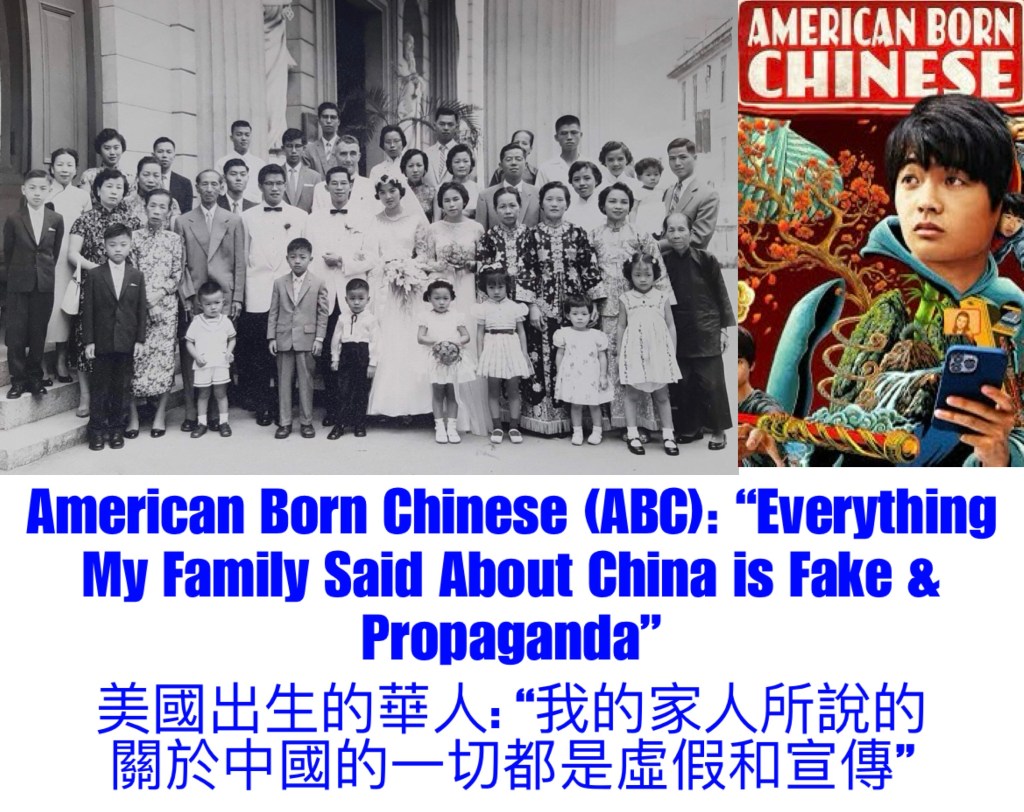
The American-Born Chinese Dilemma: Why They See China’s Rise as “Propaganda”
The American-Born Chinese Dilemma: Why They See China’s Rise as “Propaganda” 美籍华人的困境:为什么他们把中国的崛起视为“宣传” By Johnson Choi, Nov 5 2025
“Like many of you, I stand between two worlds. I am a product of China, with its deep history and complex present. My children, however, are products of America. And I’ve noticed something unsettling: whenever they see news about China’s technological advances, its poverty alleviation, or its modern infrastructure, they dismiss it. A single word comes to their minds: ‘Propaganda.’ Meanwhile, they unconsciously see their American identity as the default, the superior one. This isn’t just a family issue; it’s the result of a powerful, systemic force.”
“The symptom is an unspoken, internalized hierarchy. Many ABCs, including my own children, have absorbed a narrative where:
· The American Identity is seen as modern, free, and individualistic—the ‘hero’ of the global story.
· Their Parent’s Heritage is often reduced to stereotypes: strict, traditional, and academically driven.
· Mainland Chinese are viewed through an even more negative lens: as authoritarian, conformist, and somehow ‘less than.’This isn’t their fault. They didn’t create this hierarchy; they inherited it from their environment.”
The Root Cause – The “Soft Power” Ecosystem
“So, what’s the root cause? It’s not a formal conspiracy. It’s the overwhelming success of the American-dominated global narrative ecosystem—what can accurately be called a form of ‘Cultural Colonization.’
This ecosystem has three powerful pillars:
- Hollywood & Media: For decades, our heroes have been American. Our stories have been told from a Western perspective. The ‘other’ is often the villain, and when China is shown, it’s frequently as a threat, a mystery, or a relic of the past. The constant, positive reinforcement of Western values as ‘universal’ creates a subconscious benchmark for ‘normal’ and ‘good.’
- The News Media Framing: Positive developments in rival nations are often framed with skepticism. A new bridge in China is ‘built by a state-controlled company,’ while a similar project in the West is an ‘engineering marvel.’ This consistent framing teaches us what to doubt and what to celebrate.
- The Language of Power: English is the global lingua franca. The most influential universities, tech platforms, and cultural trends are predominantly Western. When you are constantly consuming information from a single perspective, it doesn’t feel like a perspective—it feels like the truth.”
The Consequence – A Fractured Identity
“The tragic consequence of this is a fractured identity. Instead of being able to take pride in the full spectrum of their heritage—the ancient civilization of their ancestors and the modern achievements of their homeland—many ABCs are taught to feel a sense of shame or skepticism towards one half of themselves.
They are conditioned to view their parents’ culture through an American lens, judging it by metrics it never set for itself. This creates a painful disconnect within families and within themselves.”
Conclusion & Call to Action – Empowerment through Critical Thinking
“So, what’s the solution? It’s not about swapping American propaganda for Chinese propaganda. It’s about achieving narrative sovereignty.
We must consciously:
· Diversify Our Media Diet: Seek out sources from within China and other global south countries. Listen to their own stories in their own words.
· Practice Critical Thinking: Question why a story is framed a certain way. Ask, ‘Who benefits from me believing this?’
· Reclaim Our Heritage: Actively explore the complexity of Chinese culture—its ancient philosophies, its vibrant modern art, its incredible diversity and resilience.To my children, and to all young ABCs: Your heritage is not a liability; it’s a source of immense strength. You have the unique ability to bridge two worlds. But to do that, you must first see both of them clearly, free from the filter of a narrative that was never designed for you to see yourself as whole.”
The goal is not to choose a side, but to choose your own perspective.
Decolonize your mind.“和你们中的许多人一样,我站在两个世界之间。我是中国的产物,带着深厚的历史与复杂的现实;而我的孩子们,却是美国的产物。让我感到不安的是:每当他们看到有关中国科技进步、脱贫成就或现代化基础设施的新闻时,他们的第一反应都是否定的。脑中闪过的一个词是——‘宣传’。与此同时,他们下意识地把自己的美国身份视为默认的、优越的。这不仅仅是家庭教育的问题,而是一个强大、系统性力量的结果。”
一种无声的心理层级
“这种现象的症状,是一种被内化的、无形的等级结构。许多美籍华人(包括我的孩子)都吸收了这样一种叙事体系:
· 美国身份被视为现代的、自由的、个人主义的——是全球故事中的‘英雄’。
· 父母的文化遗产则被简化为刻板印象:严格、传统、重学业。
· 中国大陆的人们更常被负面描绘:威权、循规蹈矩、甚至‘不如我们’。这并不是他们的错。他们没有创造这种等级体系——他们只是从环境中继承了它。”
根源:一种“软实力”生态体系
“那么,根源是什么?这并不是阴谋论,而是美国主导的全球叙事体系——一种可以准确称为‘文化殖民’(Cultural Colonization)的巨大成功。
这个生态体系有三大支柱:
- 好莱坞与大众传媒:
几十年来,我们心中的英雄都是美国人,我们的故事几乎都从西方视角讲述。‘他者’常常是反派;当中国出现时,往往被描绘为威胁、谜团或落后的遗迹。
这种不断重复的“西方价值即普世价值”的信息,使我们在潜意识中以西方为“正常”和“良善”的标准。 - 新闻媒体的叙事框架:
竞争国家的积极进展往往被怀疑性报道。中国建一座新桥,被描述为“国企主导的工程”;而西方的同类工程,则被赞为“工程奇迹”。
这种持续的框架教育我们——该怀疑什么,该赞美什么。 - 权力的语言:
英语是全球通用语。最有影响力的大学、科技平台和文化潮流几乎都来自西方。
当你长期从单一视角接收信息时,那种视角不再像是“观点”,而会被误以为是“真理”。”
后果:破碎的身份认同
“这种现象最悲剧的结果,就是身份的撕裂。
许多美籍华人无法为自己的完整身份感到自豪——既包括祖先古老文明的智慧,也包括当代中国的现代成就。
他们被训练去用美国的视角审视父母的文化,用另一种文明的标准去衡量它。这种偏差在家庭之间、乃至他们的内心中,制造了深刻的断裂。结语与行动呼吁:以思辨重获力量
“那解决之道是什么?
答案不是‘用中国宣传取代美国宣传’,而是要实现叙事主权(Narrative Sovereignty)。我们必须有意识地去:
· 多元化我们的信息来源: 主动接触来自中国及全球南方国家的声音,听他们用自己的语言讲述自己的故事。
· 培养批判性思维: 问自己——‘为什么这个故事要这样讲?谁从我相信它中受益?’
· 重拾文化根源: 主动探索中华文化的复杂性——古老的哲学思想、当代的艺术创作、多元而坚韧的精神内核。对我的孩子们、以及所有年轻的美籍华人而言:
你的文化传承不是负担,而是力量的源泉。
你拥有连接两个世界的独特能力——但要做到这一点,你必须先看清这两个世界,不被任何叙事的滤镜所蒙蔽。目标不是选边站,而是选择自己的视角。去殖民化你的思想。
-
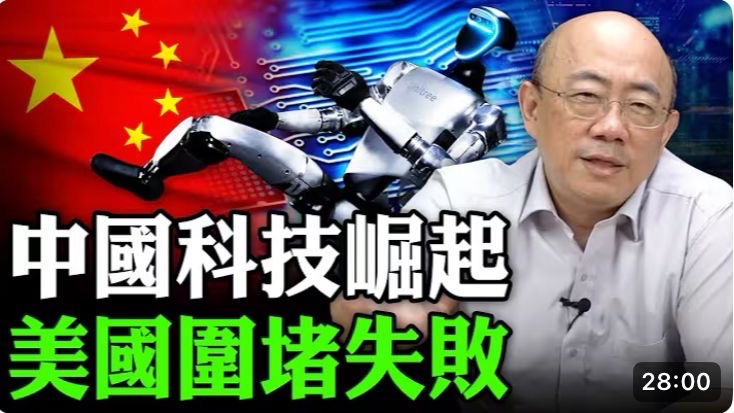
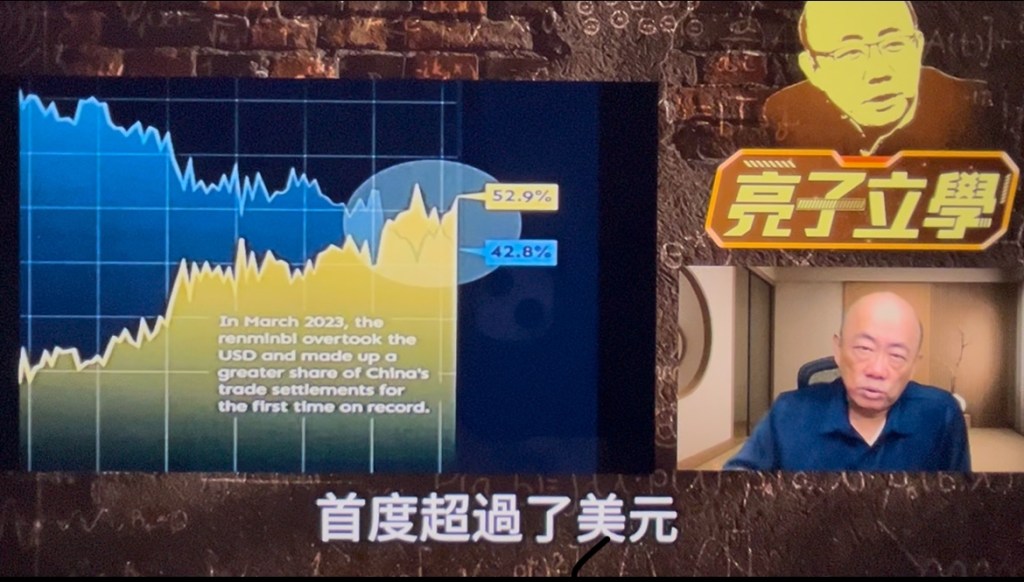
Video: China’s technological rise, the US’s containment efforts have failed, and the dollar’s hegemony is slowly declining!
Taiwan financial expert Guo Zhengliang’s video has English subtitles: China’s technological rise, the US’s containment efforts have failed, and the dollar’s hegemony is slowly declining! 台灣中美財經尊家郭正亮影片有英文字幕:中國科技崛起, 美國圍堵失敗, 美元霸權正緩緩走向衰落!
https://rumble.com/v719k36-chinas-technological-rise-the-uss-containment-efforts-have-failed.html
https://www.tiktok.com/t/ZP8DPN4eF/未來十年,全球將進入空前未有的大變局!美國霸權遭遇空前挑戰:中國崛起,東升西降,資源大國崛起,世界權力重組,國際局勢波詭雲譎,兩岸關係充滿變數,需要更多專業解盤。亮哥將綜合全球資料,梳理數據,從關鍵細節切入,為大家洞察時代趨勢,讓大家對全球政經迷霧,恍然大悟
-
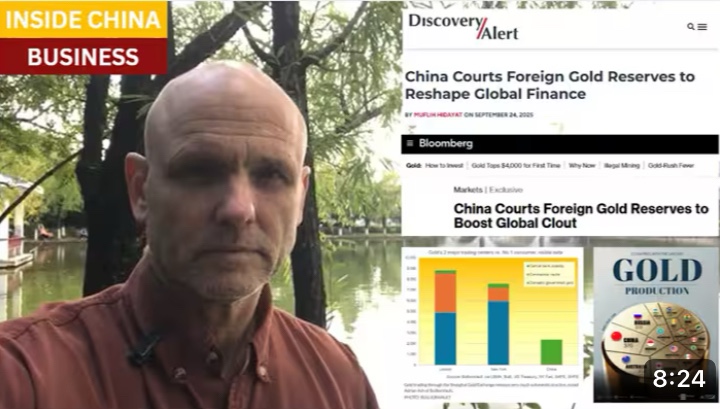
Video: China wants custody of the world’s gold: great news for gold bulls, more bad news for the US dollar
American logistic expert report from China video: China wants custody of the world’s gold: great news for gold bulls, more bad news for the US dollar 美國物流尊家從中國報導影片有中文字幕: 中国谋求全球黄金托管权:黄金多头迎利好,美元再遭冲击
https://rumble.com/v719icw-china-wants-custody-of-the-worlds-gold-great-news-for-gold-bulls-bad-news-f.html
https://www.tiktok.com/t/ZP8DP1X8x/China’s central bank is opening gold vaults in Hong Kong and in friendly countries, and is courting other central banks and major institutions to custody their gold holdings outside Europe and the United States.
This is another major push to de-dollarize the new BRICS economic system, outside Western regulations and threat of sanctions and seizures.
These moves are also bullish for gold prices, and bearish for USD and Euro. Countries that earn dollars and euro can sweep their holdings to new banking centers in Hong Kong, and buy gold.
China is the world’s largest gold miner, and these efforts will further benefit Chinese mining companies.
中国人民银行正于香港及友好国家筹建黄金储存库,并积极邀请各国央行与主要金融机构将黄金储备转移至欧美以外的区域进行托管。
这是金砖国家新经济体系在西方监管与制裁威胁之外,推进去美元化的又一重大举措。
这些动向将助推金价走强,同时令美元与欧元承压。持有美元欧元资产的国家可迅速将其资产转移至香港新兴金融中心,并转换为黄金资产。
作为全球最大黄金生产国,中国此举还将为本土矿业企业带来持续利好。
-
San Francisco Supervisor Court Judge Julie Tang (retired) returned from her China trip on Nov 4 2025
San Francisco Supervisor Court Judge Julie Tang (retired) returned from her China trip on Nov 4 2025. By Johnson Choi 旧金山高等法院法官(已退休)鄧孟詩于2025年11月4日结束中国之行返美. 作者: 蔡永強,中國香港夏威夷商會會長
Left: at Iris Chang Memorial Museum in Huai’an, at Chou En Lai musuem in Hsia’an, in Hangzhou Tea farm where we stayed, at Shanghai intermediate court of Appeal. We also heard a criminal trial in a Beijing high court.
The level of transparency in every aspect of litigation for both the civil and criminal court was admirable.
11 of us (5 judges including me) and their family and friends spent 10 days in China covering Beijing, Xian, Shanghai, and 5 members of the group spent 5 days on a post trip to Hangzhou, Huai’an, Guangzhou.
In each city we saw the highlights. But it’s the same contentment of the people, the cleanliness of the streets, the feeling of street safety and social stability everywhere that give us the greatest impression of China. This period of history in China is the most prosperous and peaceful in modern history comparable to the Tang dynasty at the height of the Silk Road success. Back then as it is now, the country thrives under a liberal economic and social development policy system led by progressive leadership.
左图依次为:淮安张纯如纪念馆、西安周恩来纪念馆、我们下榻的杭州茶园、上海市中级人民法院。我们还在北京高级法院旁听了一场刑事审判。
中国民事和刑事法庭在诉讼各环节展现的透明度令人赞叹。
我们一行十一人(包括我在内的五位法官及其亲友)在中国度过了十天,走访了北京、西安、上海。其中五人还额外前往杭州、淮安、广州进行了五天深度游。
每座城市都领略了经典景观。但最令人印象深刻的是中国人民脸上洋溢的满足感、整洁的市容街道、无处不在的治安安全感与社会稳定性。中国正经历着现代史上最繁荣和平的时期,堪比丝绸之路鼎盛时期的盛唐气象。古今辉映的是,这个国家在开明领导层引领的宽松经济社会发展政策体系下始终保持着蓬勃生机.

-
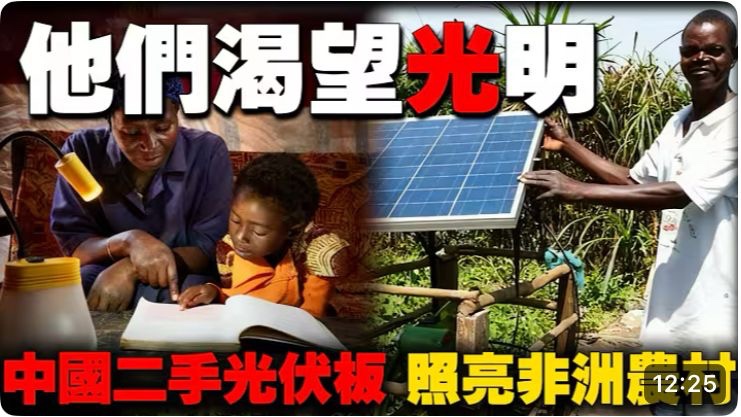
Video with English subtitles: Photovoltaic panels replaced by China have illuminated millions of homes in Africa
Video with English subtitles: Photovoltaic panels replaced by China have illuminated millions of homes in Africa. China use technology to help people! Unlike Western Hegemony use technology to hurt people. 影片有英文字幕: 中國光電點亮非洲千家萬戶,科技為民彰顯擔當. 中國引進的光電板已經照亮了非洲數百萬戶家庭。中國利用科技造福人民!這與以美國為首的西方霸權國家利用科技傷害人民的做法截然不同.
https://rumble.com/v718kti-photovoltaic-panels-replaced-by-china-have-illuminated-millions-of-homes-in.html
https://www.tiktok.com/t/ZP8DfRpjB/How can Chinese technology become hope for the poor?
China’s photovoltaic industry has witnessed a magnificent “dimension reduction strike” epic: from controlling 98% of silicon wafer production, to achieving an unparalleled photovoltaic conversion efficiency of 33.9%, to driving prices down to 1% of what they were 20 years ago. The second-hand photovoltaics we eliminated have become “the most high-end technology products” in Africa, helping countless households without grids to gain power sovereignty.
💡 Core ideas:
✅1. Significance to the country: China has mastered the absolute advantages of the global photovoltaic industry chain, achieved industrial epic-level cost reduction and efficiency improvement, and transformed high technology into inclusive products.
✅2. Significance to the world: Solve the energy crisis in poverty-stricken areas such as Africa, achieve leap-forward technological iteration, and demonstrate the power of Chinese science and technology to “benefit the common people”.
✅3. What it means to us: Recognize the true strength of Made in China – not only scale, but also technology, cost and global influence, and jointly witness the glorious achievements of our motherland!👉 Follow me and let’s explore in depth how Chinese technology changes the world and witness the bright future of our motherland!
中国光伏产业上演了一场波澜壮阔的”降维打击”史诗:从掌控全球98%硅片产能,到实现33.9%举世无双的光电转换效率,再到将价格打至20年前的1%。我们淘汰的二手光伏板,竟成了非洲”最高端的科技产品”,让无数无电网家庭获得电力自主权。
💡 核心价值:
✅1. 对国家意义:中国掌握全球光伏产业链绝对优势,实现工业史诗级降本增效,让高科技成为普惠产品
✅2. 对世界意义:解决非洲等贫困地区能源危机,实现跨越式技术迭代,展现中国科技”造福百姓”的力量
✅3. 对我们意义:认清中国制造的真实实力——不止规模,更有技术、成本与全球影响力,共同见证祖国辉煌成就!👉 关注我,深度探寻中国科技如何改变世界,见证祖国的光明未来!
-
Just as Jensen Huang expressed his desire to sell more chips to China, Trump poured cold water on the idea: the most advanced chips are banned from sale
Just as Jensen Huang expressed his desire to sell more chips to China, Trump poured cold water on the idea: the most advanced chips are banned from sale…黃仁勛剛說想多賣芯片給中國,特朗普就潑了盆冷水:最先進的芯片不準賣…
On November 2, Trump made it clear in an interview with CBS’s 60 Minutes: not a single unit of NVIDIA’s newly mass-produced Blackwell chip is allowed to flow into China. This came even as Jensen Huang had just been smiling on the sidelines of APEC, saying he “hoped to sell someday.” The stinging slap left NVIDIA’s share of the AI chip market in China at zero. According to Huang’s own calculations for investors, this means a loss of $17 billion in annual revenue—equivalent to tossing the profits of a Shenzhen super factory into the Pacific.
The story dates back to August. At that time, Trump hinted that he “might” allow a watered-down version of Blackwell into China. Huang immediately had his engineering team reduce the chip’s computing power by 30%, thinking that “lowering the frequency would secure a pass.” However, on October 29, during a short trip on Air Force One, Trump changed his tune in front of reporters: “Technology that is a decade ahead must remain in the U.S.; other countries shouldn’t even think about it.”
As soon as these words landed, NVIDIA’s stock plummeted by 5% in after-hours trading, wiping out $200 billion in market value—a loss worse than three Intels combined. To add insult to injury, South Korea’s Samsung immediately secured an order for 260,000 fully-powered Blackwell chips, with the contract amount recorded in NVIDIA’s Q4 financial report, making it clear to the world: it’s not that there aren’t enough chips; it’s just that China isn’t getting them.
Why the sudden about-face? Trump himself revealed the reason in the CBS segment: the one-year “rare earths for tariffs” truce agreement recently signed between the U.S. and China only secured tariff reductions for agricultural products, with chips excluded from the list. Fearing backlash from China hawks in Congress, Trump decided to use Blackwell as a bargaining chip to secure votes.
Meanwhile, the U.S. Department of Defense submitted a briefing to the White House, claiming that the Chinese military is using AI for missile trajectory prediction and is only a few computing power steps away from closing the gap. Cutting off Blackwell, they argued, could slow China down by “at least five years.”
Politicians are counting votes, the Pentagon is calculating strategic advantages, and NVIDIA is caught in the middle, becoming a cash cow—Trump even suggested that if they couldn’t hold back, they could sell the previous-generation H20 chips but would have to pay a 15% “protection fee” to the Treasury Department, a blatant shakedown.
What happens next? Several major domestic cloud providers have already gotten wind of the situation. Alibaba’s 2026 capital expenditure plan has cut its AI chip budget by 40%, redirecting all of it to its in-house Pingtouge “Hanguang” chips. Baidu’s Intelligent Cloud is set to deploy 30,000 units of Huawei’s Ascend 910B chips next quarter, which match the performance of the A100 but are 30% cheaper than Blackwell.
The most telling data comes from customs: in the first ten months of this year, exports of domestic AI accelerators increased by 2.6 times year-on-year, with Cambricon and Hygon collectively selling 5.2 billion yuan worth of chips, capturing half of the Southeast Asian and Latin American markets. Foreign media predict that by 2026, China’s AI chip localization rate will reach 55%, up from just 17% last year—a pace equivalent to covering five years of Europe’s progress in just one.
👉 Trump’s move may seem harsh, but it’s essentially handing domestic chips a “VIP fast pass.” While there’s still a technological gap, what the market values most isn’t blueprints but real-world scenarios. China boasts the world’s largest single data ecosystem, with short videos, e-commerce, and smart cities generating data 24/7—creating a never-ending “pressure-testing ground” for domestic chips.
👉 No matter how advanced Blackwell is, if it can’t enter China, it’s irrelevant. No matter how immature domestic chips are, daily use will drive their evolution. History has already shown this: when Google cut off Huawei’s GMS in 2019, HarmonyOS reached 700 million users within two years. Today’s storyline merely has a different protagonist, but the outcome is unlikely to be much different.
黃仁勛剛說想多賣芯片給中國,特朗普就潑了盆冷水:最先進的芯片不準賣…
11月2日,特朗普在CBS《60分鐘》里把話挑明:英偉達剛量產的Blackwell一顆也不許流向中國,哪怕黃仁勛前腳還在APEC場邊陪笑,說“希望有一天能賣”。這臉打得啪啪響,直接把英偉達在華AI芯片份額打到0,按黃仁勛自己給投資人的算法,一年少掙170億美元,相當於把一座深圳超級工廠的利潤扔進太平洋。
故事得從8月說起。那會兒特朗普放出口風,說“也許”允許閹割版Blackwell進來,黃仁勛連夜讓工程部把算力削30%,想着“降頻就能換通行證”。結果10月29日白宮一趟“空軍一號”短途飛行,特朗普對着記者改口:“領先十年的東西只能留在美國,別國想都別想”。
這話一落地,英偉達股價盤后跳水5%,市值蒸發2000億美元,比三個英特爾還慘。更尷尬的是,韓國三星當場拿到26萬顆滿血Blackwell訂單,合同金額寫進英偉達Q4財報,明晃晃告訴世界:不是芯片不夠,是就不給你中國。
為啥翻臉比翻書快? CBS播出片段里特朗普自己露了底:中美剛簽的一年期“稀土換關稅”休戰協議,只換來農產品降稅,芯片不在清單;他怕國會裡的對華鷹派掀桌,乾脆拿Blackwell當禮物,穩住選票。
另一邊,美國防部給白宮遞了份簡報,說中國軍方正用AI做導彈軌跡預測,算力缺口只剩最後幾塊拼圖,只要Blackwell斷供,就能拖慢“至少五年”。
政客算的是選票,五角大樓算的是戰位,夾在中間的英偉達成了提款機——特朗普甚至放話,真憋不住可以賣上一代H20,但得給財政部抽15%“保護費”,明搶式分贓。
接下來會發生什麼? 國內幾家頭部雲廠商已經拿到風聲,阿里2026年資本支出計劃把AI芯片預算砍了40%,全部轉給平頭哥“含光”;百度智能雲下季度要上線3萬顆華為昇騰910B,性能對標A100,價格比Blackwell低三成。
最硬核的數據來自海關:今年前十月國產AI加速器出口量同比翻2.6倍,寒武紀、海光加起來賣了52億元,已經把東南亞和拉美市場啃下一半。外電預測,2026年中國AI芯片本土化率會衝到55%,而去年才17%,這速度相當於一年走完歐洲五年的路。
👉特朗普這一棒看似兇狠,其實是給國產芯片送了一張“VIP快速通行證”。技術差距當然有,可市場最金貴的不是圖紙,而是場景——中國擁有全球最大單體數據圈,短視頻、電商、智慧城市24小時不間斷吐數據,等於給國產芯片搭了一個永不落幕的“壓力測試場”。
👉Blackwell再先進,進不來就是零;國產芯片再青澀,天天跑就是進化。歷史已經演過一次:2019年穀歌停掉華為GMS,兩年後鴻蒙用戶破7億。今天劇情只是換了個主角,結局不會差太多。

-
Donald Trump Told Xi Jinping: “We Are G2!” – A Historic Turning Point
Donald Trump Told Xi Jinping: “We Are G2!” – A Historic Turning Point. By Johnson Choi, President of HKCHcc, Nov 4 2025 川普對習近平說:「我們是G2!」 – 歷史性的轉捩點. 作者: 蔡永強, 中國夏威夷商會會長
When President Donald Trump told Chinese President Xi Jinping, “We are G2,” it carried extraordinary weight.
For the first time in U.S. history, a sitting American president openly acknowledged that China and the United States are equals — two great powers destined to shape the world together.
Why Is This Moment So Significant?
Since America’s founding in 1776 — and especially after the passage of the 1882 Chinese Exclusion Act — China and the Chinese people have long been treated as second-class on the global stage and within the United States itself.
Even today, Chinese Americans continue to face deep-rooted prejudice and systemic barriers — often treated worse than African Americans who were once enslaved but later gained formal equality through civil rights struggles.
Why Has the U.S. Changed Its Tone Toward China?
The answer lies in power — economic and military. Empires only understand equality when they are forced to.
Since 2014, China’s Gross National Product (GDP) measured by Purchasing Power Parity (PPP) has surpassed that of the United States. And by 2025, China’s military capabilities — in key areas such as hypersonic weapons, naval power, and space technology — have exceeded those of the U.S.
Faced with this new reality, America no longer has the luxury of condescension. Recognizing China as an equal partner is not a choice — it is a necessity for global stability and cooperation.
Will Equality Extend to Chinese Americans?
That remains to be seen.
While Washington may now treat Beijing as an equal power, whether that same respect will translate to fair treatment of Chinese Americans — who have contributed immensely to America’s growth — is still uncertain.
This moment marks the beginning of a new era — not just in U.S.–China relations, but in how the world understands power, equality, and respect in the 21st century.
当美国前总统唐纳德·特朗普对中国国家主席习近平说出“我们是G2”这句话时,其分量非同寻常。
这是美国历史上第一次,有一位在任总统公开承认:中国与美国是平等的 – 两个注定要共同塑造世界格局的大国。
这一时刻为何如此重要?
自1776年美国建国以来 – 尤其是在1882年《排华法案》通过之后 – 中国和中国人长期以来在国际舞台上以及美国国内都被视为二等国家与二等公民。
直到今天,华裔美国人依然面对根深蒂固的偏见与体制性障碍 – 在某些情况下,甚至受到的歧视比曾经被奴役、后来通过民权运动获得平等地位的非裔美国人还要严重。
为什么美国的态度发生了转变?
答案在于实力——经济与军事实力。帝国只有在被迫之下,才会理解“平等”的含义。
自2014年起,以购买力平价(PPP)计算的中国国民生产总值(GDP) 已经超过美国。到了2025年,中国在高超音速武器、海军力量、太空科技等关键领域的军事实力,也已超越美国。
面对这一新的现实,美国已无法再以居高临下的姿态对待中国。
承认中国是平等的合作伙伴,不再是选择,而是维系全球稳定与合作的必要条件。
这种“平等”会延伸到华裔美国人身上吗?这仍有待观察。
虽然华盛顿如今可能会以平等的姿态对待北京,但这种尊重是否会延伸到那些为美国发展做出巨大贡献的华裔美国人,仍是一个未知数。
这一时刻标志着一个新时代的开始 – 不仅是中美关系的新篇章,更是全世界重新理解权力、平等与尊重在21世纪的真正含义的转折点。

-
Technology changes destiny!
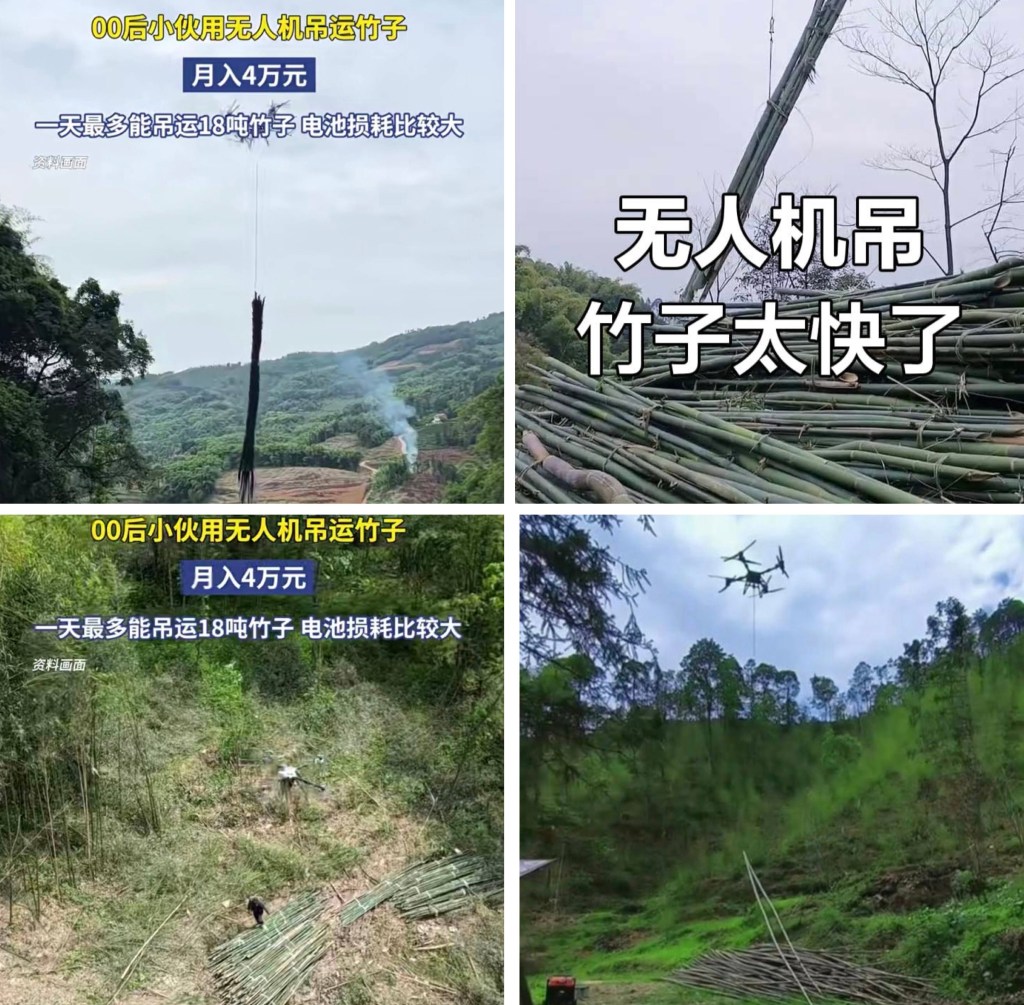
Technology changes destiny! 科技改變命運!太有頭腦了!四川一00后小伙,心疼父親搬竹子太累…這小伙竟然直接買了個無人機,一天能吊18噸竹子,不費吹灰之力,一個月下來能賺4萬!
How brilliant! A young man from Sichuan, born in the 2000s, felt heartbroken seeing his father exhausted from carrying bamboo… So, he went ahead and bought a drone! It can lift 18 tons of bamboo a day with ease, earning him 40,000 yuan a month.
Not only did he save his father from heavy labor, but he also boosted their income—a true “win-win”!
The reason he bought the drone was that his father had slipped and gotten injured while carrying bamboo. Some of the bamboo stalks were as thick as rice bowls, weighing 20 to 30 jin each (about 10-15 kg). The mountain paths were covered in loose gravel, making it easy to slip and fall, which worried him deeply.
Having frequently seen videos of drones being used to spray pesticides or transport goods, he decided to take the plunge and buy one. A round trip that used to take his father 40 minutes on foot now takes the drone just three minutes—more than ten times faster. During busy periods, the drone operates from 6 a.m. to 6 p.m., moving 18 tons of bamboo in a single day.
Before, his father worked himself to the bone, earning less than 5,000 yuan a month and ending up with various health issues. Now, the son simply operates the drone and earns over 40,000 yuan a month. The only significant expense is the quickly draining batteries.
Many people think of drones as “high-tech gadgets,” but they’ve got it all wrong.
Drones aren’t just for filming weddings or capturing scenic views, and industrial robots aren’t confined to factories.
This story shows that the best technology is “down-to-earth”—it can lighten the load for mountain villagers and help farmers earn more. Nothing could be better.
Some netizens commented: “My friend flies drones, and he says these things cost 50,000 to 80,000 yuan. They replace them yearly, and a single charge costs 500-600 yuan!”
Another netizen said, “I always thought drones were toys for the wealthy. I never imagined they could serve as ‘sky porters.’ This is putting technology to the right use—way better than just filming scenery!”
As the old saying goes, “If you can renovate yourself one day, you can do so every day.” What rural areas lack today isn’t resources, but young people willing to return, take risks, and try new things.
With just one drone, this young man has shown us that traditional trades hold new opportunities, and filial devotion to parents can become the foundation for transforming lives.
Technology changes lives. While the older generation carried heavy loads on their backs and suffered injuries, drones now handle the task effortlessly. That’s the true meaning of progress!
科技改變命運!太有頭腦了!四川一00后小伙,心疼父親搬竹子太累…這小伙竟然直接買了個無人機,一天能吊18噸竹子,不費吹灰之力,一個月下來能賺4萬!
既幫父親節省力氣,又能多賺錢,可謂是“一舉兩得”!
原來,小伙之所以買無人機,是因為父親搬運竹子摔倒受傷,有的竹子粗得跟碗口似的,一根就二三十斤,山上的路全是碎石子,踩滑了就容易摔,讓他非常擔心!
他平時經常刷到無人機幫着運農藥、吊貨物的視頻,一咬牙直接買了個無人機,無人機往返一趟才三分鐘,比他爹以前扛着走四十分鐘快了十倍還多。忙的時候從早六點飛到晚六點,一天能運十八噸竹子。
以前他爹拼死拼活一個月才賺不到5000,還累得一身病。現在自己只管操作,一個月能賺四萬多。就是電池耗得快,這是唯一的開銷大頭。
好多人覺得無人機“科技是高大上的”,其實全錯了。
無人機不是只能拍婚禮、拍風景,工業機器人也不是只能待在工廠里。
這事兒就說明,最好的科技是“接地氣”的——能幫山裡人少扛點重活,能讓農戶多賺點錢,這比啥都強。
有網友表示,我朋友就是玩無人機,他說這玩意5~8萬塊錢,一年一換無人機,充一次電5~600!
還有網友說,“以前總覺得無人機是有錢人玩的,沒想到能當‘空中挑夫’,這才是把科技用對地方了,比拍風景強多了!”
老話說“苟日新,日日新”,現在農村缺的不是資源,是願意回來、敢闖敢試的年輕人。
小伙用一台無人機告訴我們:老行當里藏着新機會,對父母的孝心,也能變成改變生活的底氣。
科技改變生活。父輩們當年肩扛背馱,還因此受傷,現在無人機輕鬆搞定,這就是進步的意義!
-
Subscribe
Subscribed
Have a WordPress.com account? Log in now.

