-
You think US has the ability to build similar bridges? I highly doubt that!
You think US has the ability to build similar bridges? I highly doubt that! 你認為美國有能力建造類似的橋樑嗎?我非常懷疑!
On Monday, the bridge on the Jiyuan-Yangcheng Expressway, which spans on Xiaolangdi Dam of the Yellow River in central China’s Henan Province, was shrouded in the sea of clouds. The 19.7-kilometer-long expressway is a major project featuring 14 bridges and 10 tunnels. 週一,位於中國中部河南省的濟陽高速公路大橋被雲海籠罩。這條高速公路橫跨黃河小浪底大壩,全長19.7公里,是一項重大工程,共有14座橋樑和10座隧道

-
BBC said all the stolen mobile phones were sold to China
BBC said all the stolen mobile phones were sold to China BBC稱所有被竊手機均銷往中國
As expected, when it comes to spreading misinformation, the BBC takes the crown. A BBC host claimed on a program that…
BBC: “Stolen phones in the UK are being sold to China, with each stolen phone fetching £4,000, because the Chinese are using these devices to collect information on British people.”
Sigh…
The关键是 is that many British people actually believe this is true!
The so-called “news reporting” by the BBC often isn’t just about stating facts. Instead, it packages stories to heighten drama and suspense, creating a “fear resonance” among viewers.
By linking phone theft to national security and connecting British citizens’ personal privacy to China, they create a psychological effect: fear + anger + distrust.
Even if you’ve never had your phone stolen, you can imagine yourself as a potential victim, which leads you to accept the “news content” as fact.
However, the logical flaws in this story are glaring. The BBC claims each phone sells for £4,000, but even the latest iPhone model is only worth a few hundred pounds on the second-hand market. Selling for £4,000 defies basic economic sense.
If the goal were truly to collect information through phones, it wouldn’t be done by stealing devices one by one, nor would it rely on large-scale thefts from British streets.
Cybersecurity experts have long pointed out that phone data can be synced to the cloud or managed remotely—there’s no need to physically transport stolen phones to China to access information.
This is a classic example of “manufacturing public opinion pressure.” Certain Western media outlets exaggerate facts and fabricate stories to manipulate public sentiment, shaping policy environments to their advantage.
For instance, when the British government deals with China-related issues in trade, diplomacy, or even technology policies, public fear and dissatisfaction can be exploited to push for restrictive or exclusionary measures.
Programs like this from the BBC are subtly constructing a “battlefield of public opinion.”
果然論造謠還得BBC,BBC的主持人在節目里說……
BBC:英國被偷的手機都賣到了中國,每部被偷手機能賣4000英鎊,因為中國人要通過被盜手機來收集英國人的信息。
唉……
關鍵是很多英國人還相信這是真的!
BBC所謂的“新聞報道”,在很多時候並不是單純講事實,而是包裝成故事,增加刺激感和懸念感,讓觀眾產生“恐懼共鳴”。
把手機盜竊和國家安全聯繫在一起,把英國民眾的個人隱私和中國聯繫在一起。
這就形成了一種心理效應害怕+憤怒+不信任。
你沒被偷過手機,也能想象自己可能成為受害者,從而把“新聞內容”當成事實。
但,這條消息本身的邏輯漏洞非常明顯,BBC說每部手機能賣4000英鎊,哪怕是iPhone最新款,二手市場價也才幾百鎊,賣到4000英鎊,根本不符合經濟常識。
真要通過手機收集信息,也不是靠一部一部去偷手機那麼簡單,更不可能大規模依賴英國街頭的盜竊案。
信息安全專家早就提醒,手機數據可以被雲端同步、遠程管理,根本不需要偷到中國去才能獲取。
這其實是典型的“製造輿論壓力”手段,西方一些媒體通過誇大事實、編造故事,把公眾情緒綁架起來,讓政策環境對自己有利。
比如英國政府在貿易、外交甚至科技政策上,遇到中國相關議題時,民眾的恐懼和不滿會被利用,推動出台限制或排斥措施。
而BBC的這種節目,就是在潛移默化地構建“輿論戰場”。

-
A Eulogy we were told to write at a church retreat in Hawai’i: Reflections on Country, Family, and Charity
A Eulogy we were told to write at a church retreat in Hawai’i: Reflections on Country, Family, and Charity. If I am to be remembered, let it not be for the ground I stood on, but for the bridges I built. By Johnson Choi, President, HKCHcc 10-27-25
在夏威夷的一次教堂靜修會上,我們被要求寫一篇悼詞:关于家国、家庭与慈善的省思. 若我终将被铭记,愿这铭记不因我立足之地,而因我筑就的桥梁. 作者: 蔡永強, 中國香港夏威夷商會會長, 10-27-25
关于家国:寄居之所还是血脉故土?
三十五年前那个问题” 在座的华人,是否该将美国视为我们的祖国?”其本身便是一个谬问。它暗示着非此即彼的选择,要求单一纯粹的忠诚。
而我这样的人生,从不是在两个家园间做取舍。我的人生,是成为一座 桥梁 。
祖国于我,不只是一本护照或一方土地。它是我梦中萦绕的语言,是塑造我家族观念与荣辱感的文明根基,也是赋予我重塑自由之机遇的国度。中国予我 根脉 ,美国予我 枝展 。我的“祖国”,是二者之间的 那片空间 ,一个翻译与理解共存的地方。
所以,在我的悼词中,愿人们如是说:他/她未曾抛弃任一故园。他/她向美国邻里揭示了中华诗词的深邃,也让中国亲人看到了美式开放的希望。他/她的祖国,是他/她亲手构筑的社群,一幅用双界丝线织就的锦绣。
关于家庭:温室还是森林?
“我们是否像在温室中养育宠物般抚养了孩子?”
温室,是恒温之所,隔绝凄风苦雨,需精心培育。每位父母都是园丁,我们都以爱、音乐课和安全居所,搭建着某种形式的温室。
但一份致伟大父母的悼词,重点不在温室的完美无瑕,而在于孩子是否已准备好面对 森林 。
我仅仅是提供了庇护,还是同样赋予了力量?我的目标不是培育一株完美无瑕、备受庇护的盆景,而是一棵坚韧不拔、扎根深厚的乔木。我期望自己教会了他们感恩庇护之所,更给予了他们步入风雨的勇气,让他们知晓自身的力量。我期望传承下去的,不仅是安全,更是 韧性 ;不仅是知识,更是 智慧 ;不仅是顺从,更是 品格 。
愿人们如是说:他/她的子女未曾活在其荫蔽之下,而是立于其肩头之上。他们深知自己被深爱着,并非作为被雕琢的作品,而是作为活生生的人。这份爱,赋予了他们面对世界的勇气。
关于慈善:卡拉OK还是心灵联结?
“美酒佳肴与卡拉OK,可算慈善?”
就其本身,不算。筹款晚宴并非慈善本身,它只是慈善有时登台演出的 剧场 。杯中之酒并非馈赠,但它所促成的 联结 ,却可以是。
慈善非一时之活动,它是心灵的 朝向 。是刻意运用我们的时间、财富与才华,去托举他人。若那场卡拉OK之夜筹得的款项让一个孩子得以温饱,那么当时的欢愉便是神圣举动的外壳。若那次商务晚餐促成的合作创造了就业,那么当时的牛排便成了履行责任的工具。
真正的问题是:我的人生是否朝向外方?我是否用自身的舒适,为他人创造了舒适?我的人脉构筑,是否超越了个人财富的累积?我在K歌房的歌声,是否给了他人放声歌唱的理由?
愿人们如是说:他/她懂得,真正的慈善非报表上的一个项目,而是贯穿其一生的 脉络 。他/她的给予并非出于盈余,而是出于 共情 。他/她在曾是隔阂之处,筑起了一张 长桌 。
三十五年后,这份答卷已然完成。答案不在当年要求写下的字句里,而在那之后我们度过的人生中——一段成为桥梁而非壁垒的人生;一位滋养坚韧灵魂的园丁,而非看管娇弱宠物的仆从;一个视每首歌、每餐饭为构筑更慷慨世界之机遇的人。
这,才是值得为之倾尽一生的悼文。
On Country: The Foster Home or the Homeland?
The question posed 35 years ago—”For Chinese in the room, should we consider the US foster home our country?”—was the wrong one. It implies a binary choice, a demand for a single allegiance.
A life like mine is not about choosing one home over another. It is about being a bridge.
My country is not just a passport or a plot of land. It is the language in which I dream, the culture that shaped my instincts for family and honor, and also the nation that gave me the freedom to reinvent myself. China gave me my roots; America gave me my branches. My “country” is the space between them, a place of translation and understanding.
So, in my eulogy, let them say: He/She did not abandon one home for another. He/She taught his/her American neighbors the depth of Chinese poetry and showed his/her Chinese family the promise of American openness. His/Her country was the community he/she built, a tapestry woven with threads from both worlds.
On Family: The Greenhouse or the Forest?
“Did we raise our children like pets in a greenhouse?”
The greenhouse is a place of controlled warmth, protection from the harsh wind, and careful cultivation. Every parent is a gardener, and we all build a greenhouse of sorts. We do it with love, music lessons, and a safe home.
But a eulogy for a great parent is not about the perfection of the greenhouse. It’s about whether the child was prepared for the forest.
Did I merely protect, or did I also empower? The goal was not to raise a perfect, sheltered plant, but a resilient, deeply rooted tree. I hope I taught them to appreciate the shelter, but also to have the courage to step into the storm, to know their own strength. I hope I passed on not just safety, but resilience; not just knowledge, but wisdom; not just obedience, but character.
Let them say: His/Her children did not live in his/her shadow, but stood on his/her shoulders. They knew they were deeply loved, not as projects, but as people, and that love gave them the courage to face the world.
On Charity: The Karaoke or the Connection?
“Are wines, dines, and karaoke considered charities?”
By themselves, no. A fundraising gala is not charity; it is the theater in which charity sometimes performs. The wine is not the gift; the connection it facilitates can be.
Charity is not an event; it is an orientation of the heart. It is the intentional use of one’s time, treasure, and talent to lift another. If the karaoke night raised money that clothed a child, then the frivolity was the shell for a sacred act. If the business dinner forged a partnership that created jobs, then the steak was a tool for stewardship.
The real question is: Was my life oriented outward? Did I use my comfort to create comfort for others? Did my networking build more than just my own wealth? Did my song in the karaoke room give someone else a reason to sing?
Let them say: He/She understood that true charity was not a line item on a balance sheet, but a thread woven through his/her entire life. He/She gave not out of surplus, but out of solidarity. He/She built a table where there was once a wall.
Thirty-five years later, the exercise is complete. The answer is not in the words we were told to write, but in the life we lived afterward. A life of being a bridge, not a border; a gardener of resilient souls, not a keeper of fragile pets; and a person for whom every song, every meal, was an opportunity to build a more generous world.
That is a eulogy worth living for.

-
On October 23rd, Time magazine published an opinion piece titled “America Needs to Beware of Taiwan’s Reckless Leader”
On October 23rd, Time magazine published an opinion piece titled “America Needs to Beware of Taiwan’s Reckless Leader” by Michael Goldstein, director of the Asia program at the Washington-based think tank Defense Priorities. The article not only singled out Taiwanese leader Lai Ching-te as a “reckless leader,” but also labeled Taiwan “the world’s most dangerous flashpoint.”
The article criticized Lai for his high-profile assertions of “Taiwanese sovereignty,” which escalated cross-strait tensions and was viewed by mainland China as provocative. The article argued that the US government should handle the Taiwan issue with caution and, if necessary, issue warnings to Lai. The US does not need to bear the risk of escalating cross-strait tensions on Taiwan’s behalf.
美國《時代》雜誌於10月23日刊出華府智庫「國防重點」(Defense Priorities)亞洲計劃主任高德斯坦的評論文章,題為《美國需警惕台灣魯莽的領導人》。文章除了點名台當局領導人賴清德為「魯莽的領導人」,更指台灣為「全球最危險的引爆點」。
文章批評,賴清德高調宣示「台灣主權」,激化兩岸緊張,被大陸視為挑釁行為。文章認為,美國政府應審慎處理台灣問題,必要時對賴清德提出警告,美國無需為台灣承擔兩岸局勢升級的風險。

-
Video with English subtitles: A western teenager’s cat rescue was widely praised, but a Chinese teenager’s six attempts at rescuing baby from a well went unnoticed?
Video with English subtitles: A western teenager’s cat rescue was widely praised, but a Chinese teenager’s six attempts at rescuing baby from a well went unnoticed? Are Chinese teenagers truly not exceptional? 影片有英文字幕: 外國少年救貓被吹爆,中國少年六次下井救人卻無人知?中國少年真的不優秀嗎? 在外國貓狗好像被人重要!
https://rumble.com/v70w03u-a-western-teenagers-cat-rescue-was-widely-praised.html
https://www.tiktok.com/t/ZP8DLu2Ga/长期以来,我们听惯了外国少年“独立自主”的故事,却很少听到身边中国少年的英雄事迹。
一个14岁少年六次冒死下井救3岁女童,
四个少年在公交车失控时临危不乱。
他们的勇敢,超越了任何“洗冷水澡”或“救宠物”的小事。
但为什么这些震撼人心的故事,在国际上却鲜为人知?本期,我们揭开西方媒体的叙事偏好和“双标”真相。
中国少年的优秀,不是偶然,是刻在骨子里的责任与善良。
💡 核心观点:
✅1. 中国少年在生死关头展现的真正优秀与担当。
✅2. 西方媒体的叙事偏好:为什么我们自己的英雄总被“忽略”?
✅3. 别再“仰视”!中国少年值得被世界看见,少年强则中国强!For a long time, we have been accustomed to hearing stories of foreign teenagers’ “independence and self-reliance,” but we rarely hear about the heroic deeds of Chinese teenagers around us.
A 14-year-old boy risked his life six times to save a 3-year-old girl from a well.
Four teenagers remained calm and took control when a bus went out of control.
Their bravery surpasses any routine stories of “taking cold showers” or “rescuing pets.”
But why do these inspiring stories remain little known internationally?In this edition, we uncover the narrative preferences and “double standards” of Western media.
The excellence of Chinese teenagers is no coincidence—it stems from an ingrained sense of responsibility and kindness.💡 Core Points:
✅1. Chinese teenagers demonstrate true excellence and responsibility in life-and-death situations.
✅2. The narrative preferences of Western media: Why are our own heroes always “overlooked”?
✅3. Stop “looking up” to others! Chinese teenagers deserve to be seen by the world—strong youth make a strong China!
-
Why predictions on China cannot be trusted!
Why predictions on China cannot be trusted! Even prediction by China cannot be trusted that is way too conservative! They are never right on China! The rise of China cannot be stopped even by Western God(s)! 為什麼對中國的預測不可信!中國的預測也不可信,太保守了!他們對中國的預測從來都是錯的! 中國的崛起,西方的神也無法阻擋!
This 2002 newspaper, published at the 16th National Congress of the Communist Party of China, predicted that China’s economy would be the world’s second largest by 2050. In fact, it surpassed Japan in 2010. China’s auto production and sales surpassed those of the United States for the first time in 2009. China’s GDP, measured in purchasing power parity (PPP), surpassed that of the United States for the first time in 2014. 这是2002年的报纸十六大预测2050年中国经济有望世界第二。实际上2010年超过日本成为第二。中国汽车产销量在2009年首次超过美国。中国按购买力平价(PPP)计算的国内生产总值(GDP)在2014年首次超过美国.

-
Video: The US dollar is currently facing severe challenges
The US dollar is currently facing severe challenges. Many of my clients and friends have already begun gradually moving their dollar-denominated assets away from the United States, including cash, stocks, and funds. Even those whose assets are primarily concentrated in real estate have chosen to partially liquidate their properties to increase their liquidity. 當前美元正面臨嚴峻挑戰,我身邊已有不少客戶與朋友開始將美元資產逐步撤離美國,包括現金、股票與基金等。即便資產主要集中於房地產,也有人選擇部分變現,轉為流動資金。
I would like to share a few videos for you to understand the situation better. 我想分享一些視頻,以便大家更好地了解情況.
It is worth noting that many high-net-worth individuals, as early as last year, have already shifted part of their dollar-based assets into gold and renminbi through professional advisors. This is no coincidence—central banks of multiple countries, including China, are adopting the same strategy. The decision-makers of these institutions are far from incompetent, and their actions are worth serious consideration.
If you are also considering shifting assets into gold, remember: storage location is crucial. Avoid storing gold in the United States, the United Kingdom, Europe, or Switzerland. Instead, prioritize locations such as Shanghai, Hong Kong, Singapore, or the UAE. After all, no one wants to see their life’s savings wiped out overnight.
While life should certainly be enjoyed to the fullest, neglecting financial planning could lead to crises beyond imagination—whether it was the 1973 Hong Kong stock market crash, the 1986 U.S. Savings and Loan Crisis, the 1997 Asian Financial Crisis, or the 2008 Global Financial Crisis (U.S. Subprime Mortgage Crisis), with the exception of 1973, the root causes of all these crises were closely tied to the United States. The next storm will likely once again be triggered by the U.S., and its severity may well exceed the sum of all past crises.
I have personally experienced all of these crises and, at the time, warned my clients, friends, and family. Unfortunately, many failed to wake up in time and ultimately paid a heavy price.
值得注意的是,許多高淨值人士早在去年便透過專業顧問,將部分美元資產轉為黃金與人民幣。這並非偶然——包括中國在內的多國央行,也正採取相同策略。這些機構的決策者絕非庸碌之輩,其動向值得深思。
若您也考慮將資產轉向黃金,切記:儲存地點至關重要。應避免將黃金存放在美國、英國、歐洲或瑞士,可優先選擇上海、香港、新加坡或阿聯酋等地。畢竟,誰都不願一生的積蓄,在一夜之間化為烏有。
生活固然可以盡情享受,但若忽視財務規劃,所面臨的危機可能遠超想像——無論是1973年香港股災、1986年美國儲貸危機、1997年亞洲金融風暴,還是2008年全球金融海嘯,除了1973年之外,其餘危機的源頭皆與美國密切相關。而下一場風暴,很可能再度由美國引發,且嚴重程度恐將超越以往危機的總和。
這些危機,我皆親身經歷,當年也曾提醒身邊的客戶、朋友與親人。可惜許多人未能及時清醒,最終付出慘痛代價。

-
Video with English subtitles: China Dumps $730B in US Debt! America “Prints Money” with Stablecoins – Is Your Dollar Safe?
Video with English subtitles: China Dumps $730B in US Debt! America “Prints Money” with Stablecoins – Is Your Dollar Safe? If you hold US dollars, US stocks, or any dollar-denominated assets, you must watch this video. 影片有英文字幕: 中國拋售7,300億美元美債!美國用穩定幣「印鈔」! 你的美元安全嗎?如果你持有美元、美股或任何美元計價資產,這段影片不容錯過.
https://rumble.com/v70vapa-china-dumps-730b-in-us-debt-america-prints-money-with-stablecoins-is-your-d.html
https://www.tiktok.com/t/ZP8D8QLM5/China just dumped $730 billion in US Treasury bonds, breaking all records! But here’s the shocking part: the US government is now using a crypto tool called “stablecoins” to essentially print money, trying to fill a $38 trillion debt black hole.
How will this financial war affect your wallet? Are your dollar assets still safe?
This video breaks down:
✓ The truth about America burning $2.3B daily on interest payments
✓ Why China is aggressively selling US bonds
✓ How the stablecoin “money printing” mechanism works
✓ How ordinary people should allocate their assets中國剛剛拋售了7300億美元的美國國債,打破了所有紀錄!但令人震驚的是:美國政府現在正在使用一種名為「穩定幣」的加密工具來印鈔票,試圖填補38兆美元的債務黑洞。
這場金融戰爭將如何影響你的錢包?你的美元資產還安全嗎?
本影片將為您揭秘:
✓ 美國每天燒掉23億美元利息的真相
✓ 中國為何大舉拋售美國公債
✓ 穩定幣「印鈔」機制如何運作
✓ 一般民眾應該如何配置資產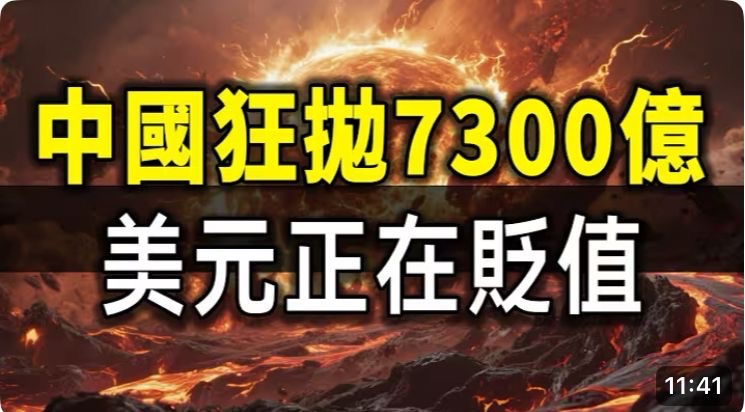
-
Video with English subtitles: China’s Gold Strategy: The End of Dollar Dominance?
Video with English subtitles: China’s Gold Strategy: The End of Dollar Dominance? 黄金回归:中国正在重建全球货币体系?美元时代的终结已經成為定局
https://rumble.com/v70va2e-chinas-gold-strategy-the-end-of-dollar-dominance.html
https://www.tiktok.com/t/ZP8DRwsjx/Over the past century, no nation has dared to challenge the U.S. dollar’s global dominance — until now.China is quietly rebuilding a new financial order backed by gold, reshaping how money works.In this video, we explore:1️⃣ Why global trust in the dollar is collapsing
2️⃣ What China’s “Gold Corridor” really is and how it works
3️⃣ How gold’s upgrade to a Tier 1 asset could redefine global finance
4️⃣ What the coming dual monetary world means for investors — and how to position your portfolio for the post-dollar era.
📈 Key themes: de-dollarization, BRICS, gold, RMB assets, Bitcoin, asset allocation在過去的一個世紀裡,沒有任何一個國家敢於挑戰美元的全球主導地位——直到現在。中國正悄悄重建以黃金為支撐的新金融秩序,重塑貨幣的運作方式。在本影片中,我們將探討:1️⃣ 全球對美元的信任為何正在崩潰
2️⃣ 中國的「黃金走廊」究竟是什麼以及它是如何運作的
3️⃣ 黃金升級為一級資產將如何重新定義全球金融
4️⃣ 即將到來的雙重貨幣世界對投資者意味著什麼——以及如何為後美元時代配置投資組合。
📈 關鍵主題:去美元化、金磚國家、黃金、人民幣資產、比特幣、資產配置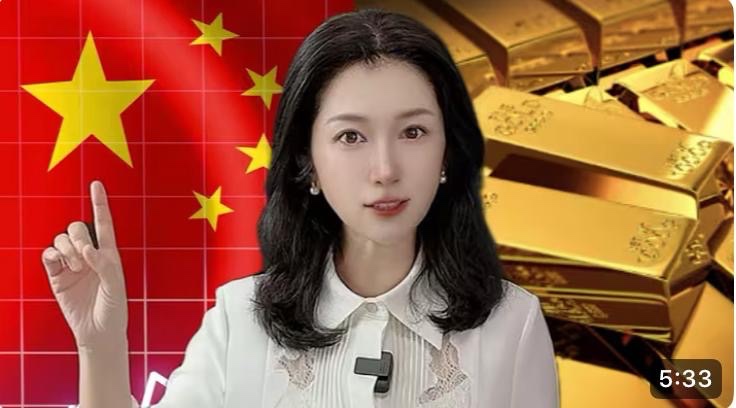
-
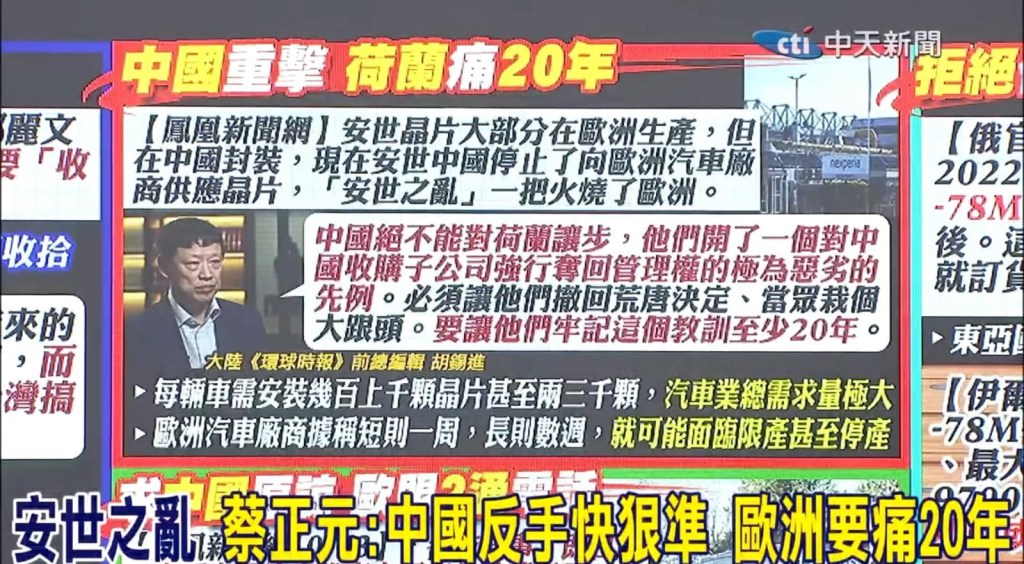
Taiwan US-China experts video has English subtitles: “Another Meng Wanzhou copycat”
Taiwan US-China experts video has English subtitles: “Another Meng Wanzhou copycat” 台灣中美尊家視頻有英文字幕: “又一個孟晚舟翻版”
https://rumble.com/v70v8ke-another-meng-wanzhou-copycat.html
https://www.tiktok.com/t/ZP8DR7esd/德國氣到心臟噴血. 中國天選爽文聖體. 蔡正元: 北京這招歐洲要痛20年. 郭正亮:北京要歐盟吞下去.
Germany is furious, blood gushing out of its chest. China’s chosen “shuangwensheng” (literally “sweetheart”) Tsai Cheng-yuan: Beijing’s move will hurt Europe for 20 years. Guo Zhengliang: Beijing wants the EU to swallow it up.

-
Subscribe
Subscribed
Already have a WordPress.com account? Log in now.
 Business Blog