-
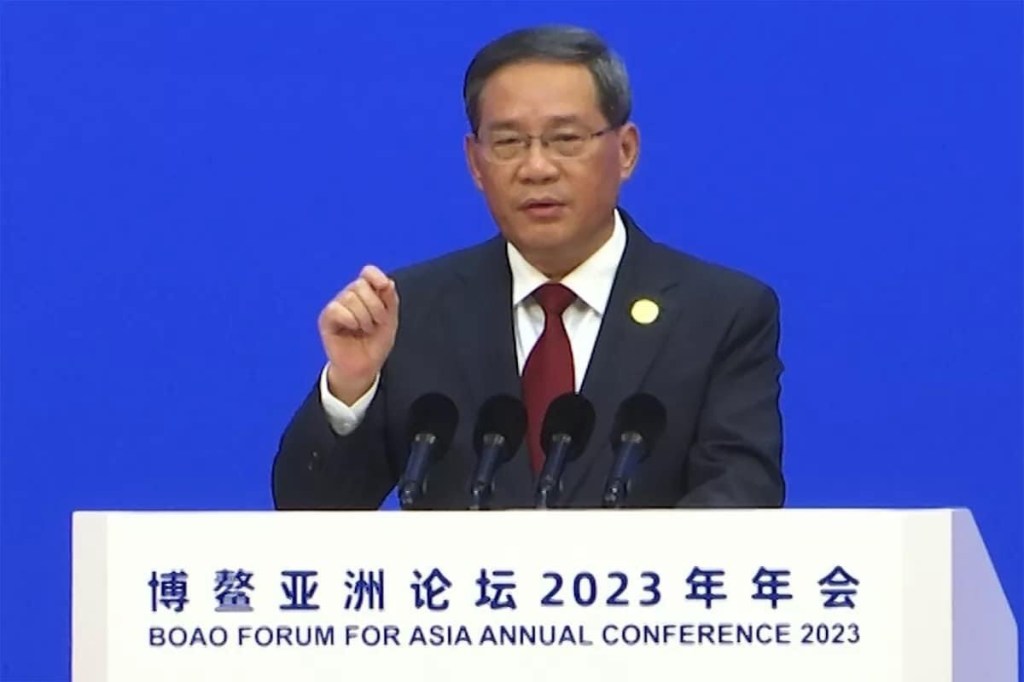
Keynote Speech by H.E. Li Qiang
Following the Vision of a Community with a Shared Future for Mankind and Bringing More Certainty to World Peace and Development. Keynote Speech by H.E. Li Qiang, Premier of the State Council of the People’s Republic of China At the Opening Plenary of The Boao Forum for Asia Annual Conference 2023
Boao, March 30, 2023
Your Excellencies Heads of Government,
Your Excellencies Heads of International Organizations,
Your Excellencies Members of the Board of Directors of the Boao Forum for Asia,
Distinguished Guests,
Ladies and Gentlemen,
Friends,It gives me great pleasure to join you in the beautiful Hainan island for the Boao Forum for Asia Annual Conference 2023. Let me begin by extending, on behalf of the Chinese government, warm congratulations on the opening of the Annual Conference, a hearty welcome to all participating guests, and sincere appreciation to you all for your longstanding care and support for China’s development.
The theme of this year’s Annual Conference, “An Uncertain World: Solidarity and Cooperation for Development amid Challenges”, is highly relevant to our times and responsive to our shared concerns. In a world of turmoil and transformation, humanity is faced with unprecedented challenges. Instability, uncertainty and unexpected developments have become the norm. Amid the momentous shifts where uncertainty abounds, people yearn for more and stronger forces of certainty to drive the world to a brighter future.
Ten years ago, President Xi Jinping put forward the vision of building a community with a shared future for mankind. Later, he expounded China’s proposition on this vision at this Forum and on many other international occasions, and went on to propose the Global Development Initiative (GDI), the Global Security Initiative (GSI) and the Global Civilization Initiative (GCI). These initiatives are China’s proposals for global development and governance. Over the past ten years, China has taken concrete actions to advance the building of a community with a shared future for mankind, and achieved a series of major outcomes. The high-quality Belt and Road cooperation, in particular, has helped developing countries achieve faster development and opened up new space for the growth of the world economy. Meanwhile, China has made productive efforts as a major responsible country to champion political settlement of crises, resolve international hot-spot issues, facilitate peace talks and de-escalate tensions. These are the real steps that China has taken to build a community with a shared future for mankind. What has happened shows that the vision of a community with a shared future for mankind has become a banner that guides the trend of the times and human progress, and a source of certainty for lasting peace and shared prosperity in the world.
Asia and the entire world are at a crossroads of history. We must hold high the banner of the vision of a community with a shared future for mankind, and join hands to foster an Asian community with a shared future. We need to work together to build an anchor for world peace, a source of impetus for global growth, and a new pacesetter for international cooperation, to add certainty to world peace and development and shape a better future for humanity.
First, working together to maintain a peaceful and stable environment for development to bring greater certainty to the fluid global environment. Peace is the prerequisite for development. Without a generally peaceful and stable environment, Asia’s remarkable progress in the past several decades would not have been possible. To achieve greater success, chaos and conflicts must not happen in Asia. Otherwise, the future of Asia would be lost. The Five Principles of Peaceful Coexistence and the Bandung Spirit, which were developed nearly 70 years ago, encapsulate the wisdom of the Asian people. The Asian Way of mutual respect, consensus-building and accommodating the comfort levels of all parties provides the fundamental guide for countries to pursue development through cooperation. The more turbulent the world is, the more important it is for us to cherish these invaluable assets and firmly safeguard the hard-won peaceful environment. We need to stay committed to good neighborliness and amity, support ASEAN centrality in East Asian cooperation and work with a strong sense of togetherness in face of difficulty to keep Asia peaceful and stable. We need to implement the GSI, uphold the vision of common, comprehensive, cooperative and sustainable security, oppose wanton use of unilateral sanctions and long-arm jurisdiction, reject taking sides, bloc confrontation and new Cold War, address differences and disputes through peaceful means to jointly uphold world peace and tranquility.
Second, working together to build a more vibrant center of growth to bring greater certainty to world economic recovery. Asia, with nearly 60 percent of the world’s population, almost 40 percent of the global economy and over 30 percent of international trade, is an anchor and propeller of global growth. We need to implement the GDI, seize the opportunities in the latest round of technological revolution and industrial transformation, foster new drivers of growth through cooperation on the digital economy and green economy, and make Asia a source of impetus for world economic recovery and growth. It is important to deepen regional economic integration and intensify macro policy coordination. We need to pursue high-quality implementation of the Regional Comprehensive Economic Partnership (RCEP), and actively advance negotiations on the new round of China-ASEAN FTA upgrade. We need to develop a regional structure on the division of labor that draws on comparative strengths and advances win-win cooperation, and work to foster a big regional market of greater openness. We need to build an open world economy, promote high-quality Belt and Road cooperation, further liberalize and facilitate global trade and investment, oppose trade protectionism, decoupling or cutting supply chains, keep global industrial and supply chains stable and smooth, and inject strong dynamism into the global economy.
Third, working together to expand effective ways for enhanced solidarity and cooperation to bring greater certainty to the shifting global governance. Today’s world is a global village where the futures and destinies of all countries are closely intertwined. The many global issues confronting humanity need to be addressed through consultation by all. Last year, Asian countries successfully hosted the BRICS Summit, the Leaders’ Meetings on East Asian Cooperation, the G20 Summit and the APEC Economic Leaders’ Meeting, playing an important role in improving global governance. We need to keep to the approach of extensive consultation, joint contribution and shared benefits to exercising global governance, take an active part in reforming and building the global governance system, and firmly uphold the UN-centered international system and the international order based on international law. We need to deepen cooperation on food, energy, environmental protection, disaster prevention and relief, climate response and poverty reduction, jointly make a strong call for peace and development, and send a positive signal of upholding multilateralism to make the global governance system more just and equitable.
Fourth, working together to pursue deeper and more substantive people-to-people exchanges to bring greater certainty to the interactions among civilizations. Not long ago, President Xi Jinping proposed the Global Civilization Initiative, providing an important direction for advancing inter-civilizational exchanges and mutual learning, and promoting the progress of human civilization. Asia is a showcase of cultural diversity where different civilizations enrich and inspire one another. Meanwhile, Asian countries are at different development stages, with developing countries accounting for the majority. Each country has its unique history, culture and national condition. We wish to work with all parties to implement the GCI and open up new prospects in people-to-people exchanges and cultural interactions that bring our peoples closer. We need to uphold mutual respect and trust, embrace openness and inclusiveness, respect the development paths that countries choose on their own, and reject the notion of “clash of civilizations” and ideological confrontation. We need to promote the common values of humanity, and increase exchanges in culture, education, health and among our young people and the media. We need to increase understanding and trust through sincere communication, and properly handle disagreements and problems in the spirit of seeking common ground while setting aside differences, to create a model of sound interactions among different civilizations.
Ladies and Gentlemen,
Friends,As the world’s largest developing country, China’s development itself has global impacts. While focusing on running our own affairs well, we in China have followed the trend of the times of peace, development, cooperation and mutual benefit, and have been a builder of world peace, a contributor to global development and a defender of international order. China has created the twin miracles of rapid economic growth and enduring social stability, which in itself is a contribution to the world. In this uncertain world, the certainty that China offers is an anchor for global peace and development. This has been the case in the past, and will remain so in the future.
Looking ahead over the longer run, there is certainty in the goals and prospects of China’s development. The 20th National Congress of the Communist Party of China (CPC) held last October drew up a blueprint for China’s future development. The Congress made it clear that by the middle of the century, the central task of the CPC is to lead the Chinese people of all ethnic groups in a concerted effort to realize the second centenary goal of building China into a great modern socialist country in all respects and to advance the rejuvenation of the Chinese nation on all fronts through a Chinese path to modernization. The modernization that China aims to achieve is the modernization that involves a huge population and features common prosperity for all, material and cultural-ethical advancement, harmony between man and nature, and peaceful development. We will not pursue such modernization through war, colonization or plunder, but peace and development to bring our entire 1.4 billion-plus people into a modern society. This will create powerful impetus for economic growth in Asia and beyond. Accomplishing this central task requires long, persistent efforts. In this process, no matter how the world situation may evolve, we will stay committed to reform, opening-up and innovation-driven development. We will continue to inject new vigor and vitality into the global economic development, and welcome countries around the world to share in the opportunities and benefits that come with China’s development. I believe a China that is stable and dedicated to development, a China that is down-to-earth and pressing ahead with fortitude, and a China that is confident, open and sharing will surely be a strong force for global prosperity and stability.
Looking at the near term, both the dynamism and momentum of China’s growth are strong. In the first two months of this year, the Chinese economy showed an encouraging momentum of rebound. Major indicators including consumption and investment picked up. Employment and prices were broadly stable. Market expectations improved notably. The manufacturing PMI has remained above the 50-point mark. Several international organizations have revised up their forecasts for China’s growth this year. Perhaps more telling than the statistics is the actual situation on the ground. Take Hainan, the seat of the Boao Forum, for example. In the past, tourism usually boomed during the week of the Spring Festival holiday. Now we are seeing the “golden tourism week” extending to “golden month” and even “golden season” as the island sees a steady inflow of tourists and a sustained boom in offshore duty-free sales. It is a good indicator of the resilience, potential and vibrancy of the Chinese economy. It is also strong proof that the fundamentals underpinning China’s long-term growth are robust and China’s economic and social policies are sound and effective. Going forward, we will continue to prioritize stability, seek progress while maintaining stability, consolidate and build on the momentum of recovery and work for sustained and overall improvement in the economic performance. We will combine the strategy of expanding domestic demand with deepening supply-side structural reform to make China’s market even bigger. We will roll out new measures to increase market access, improve the business climate and ensure the delivery of projects to create a better institutional environment that enables SOEs to take new initiative, private companies to break new ground and foreign companies to make new investment. We will effectively prevent and defuse major risks, safeguard the overall stability of China’s financial sector in particular, and guard against systemic risks. We have the confidence and ability to sail the giant ship of the Chinese economy steadily ahead against all winds and waves, and make even greater contributions to the global economy.
Ladies and Gentlemen,
Friends,There is another big event in Asia this year. That is the 19th Asian Games to be held in Hangzhou of China this autumn. The pandemic may have postponed the Games, but it also made us look even more forward to this rendezvous. The coastlines in Hainan and the West Lake in Hangzhou are just two of the many beautiful places across China. We welcome you to visit more places. Where there are scenic areas, there is new economy and business opportunities for win-win cooperation. I am confident that as we join hands to meet challenges through cooperation, and promote development with an open and inclusive mind, we will bring greater certainty to Asia and the world, and usher in an even brighter future for humankind.
To conclude, I wish this year’s Boao Forum for Asia a full success.
Thank you.
-
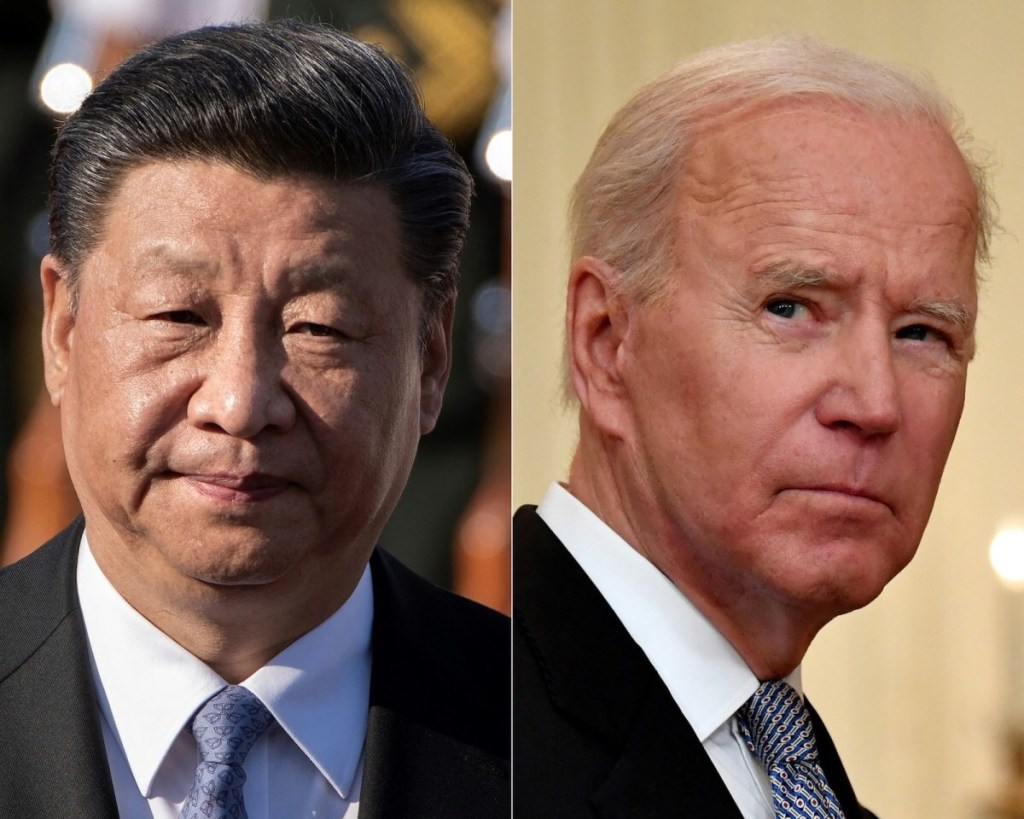
Asia Times: Xi, Biden show contrasting styles of world leadership
Asia Times: Xi, Biden show contrasting styles of world leadership. On the one hand, we see peace deals; on the other, exploding pipelines 亞洲時報:習近平和拜登展現出截然不同的世界領導風格。一方面,我們看到和平協議;另一方面,爆炸的管道 By GEORGE KOO APRIL 3, 2023
Early in January, I opined in Asia Times that “2023 bodes poorly for US international relations” under US President Joe Biden. I based my conclusion on China’s impressive success in making new friends versus the Biden administration’s inability to make any.
In less than three months since then, developments around the world have been seismic and spectacular and have made a prophet out of me, if I do say so myself.
In January, I reported that Chinese President Xi Jinping received red-carpet treatment from Saudi Arabia, concluded a US$25 billion deal for oil and met with the six Middle East nations that make up the Gulf Cooperation Council. Hosted by the Saudis, they talked about China buying energy and helping to build their infrastructure.
Two years earlier, China entered a 25-year strategic cooperation agreement with Iran. Thus China has become friends of both major sects of Islam that have been historically bitter rivals. (To be honest, I did not expect anything earthshaking out of all this.)
Then this March, China announced that after four days of meetings and discussion in Beijing, Saudi Arabia and Iran had agreed to resume diplomatic relations.
A peace deal for the ages
This was a big deal and caught the world by surprise. Heretofore, Saudi representing the Sunnis and Iran the Shiites have been bitter sectarian foes for centuries. Yet China was able to play the role of an honest broker and brought the two sides together.
China has the right set of credentials to be a mediator for peace. China is the second-strongest global power, but does not try to bully any lesser countries and seeks to get along with everyone.
China emphasizes three principles in its international relations: It respects the national sovereignty of other, does not interfere with the internal affairs of others, and seeks joint development based on common interests and mutual benefits.
A few days later, Xi called on his “good friend,” Russian President Vladimir Putin in Moscow, and brought with him a 12-point peace plan to resolve the conflict between Ukraine and Russia.
The West promptly labeled the peace plan as vague, ambiguous and failing to include terms that would revert Russian-occupied territories back to Ukraine. But the West missed the point that was clear to everybody else in the world: Namely, a true mediation for peace does not begin by stipulating what the outcome should look like.
Zelensky would like China to step in
But as pointed out in Asia Times, Ukrainian President Volodymyr Zelensky may find China’s peace proposal an acceptable starting point. He is facing Western allies getting weary of supporting the war. Without such support, Zelensky knows his goose is cooked.
While Japanese Prime Minister Fumio Kishida was visiting Kiev acting as Washington’s envoy to encourage keeping the war going, Zelensky publicly welcomed China’s participation to broker a peace deal. He obviously found comfort in China’s role that brought peace to Saudi Arabia and Iran.
While Xi Jinping is enhancing his stature as a world leader that is proactive for peace, what has happened to Joe Biden during the same period?
History will show that blowback from two of Biden’s worst decisions ever made has come to haunt him in the first quarter of 2023.
Biden imposed economic sanctions and confiscated all the Russian dollar holdings held in the US in an attempt to bring Russia to its knees. But it didn’t work. Russia’s economy turned out to be far more resilient than Washington expected.
Weaponizing the dollar
Barred from trade with the European Union and others in the West, Russia turned to trade with China, India, East Asia and the Global South. Trade with China will surpass $200 billion this year, and Russia has agreed to accept China’s renminbi to settle their transactions.
As Russia earns a bounty of yuan from energy sales to China, other countries see the advantage of accepting the yuan from Russia for their trade. They avoid the extra cost of having to convert their own currency into dollars. Since China is likely to be their most important trading partner, yuan from Russia can simply be used when they do business with China.
By weaponizing the dollar, Biden has succeeded in implanting the idea in other central banks that the dollar is no longer a reliable reserve currency.
Recently, members of the Association of Southeast Asian Nations (ASEAN) held a meeting to discuss ways to avoid using the dollar, euro or yen to settle their trade accounts. If not those, what then? Probably China’s yuan and their own currencies.
Indeed, China and even Japan have been reducing their dollar holdings. In recent months, China and Russia have been the major buyers of gold, no doubt with the dollars they owned.
The recent collapse of Silicon Valley Bank is an indicator that the US economy is caught between a rock and a hard place. To tamp down inflation, the Federal Reserve had to raise interest rates. Rising interest rates meant a devaluation of the long-term Treasury bills that the bank bought paying a lower interest rate. Thus the decline in the value of the collateral assets owned by SVB made the bank vulnerable to a bank run.
Most American banks operated in much the same way as SVB but were more fortunate because the Treasury Department quickly stepped in and injected liquidity to reassure depositors that their banks wouldn’t go the way of SVB.
US economy needs China’s help
To use a Chinese expression, US Treasury Secretary Janet Yellen and Commerce Secretary Gina Raimondo have been acting like ants racing around a hot griddle, wanting and waiting for an invitation to visit Beijing. Why? Because Yellen urgently wants China to continue buying American IOUs and Raimondo would like to raise the level of bilateral trade, which would help keep the US economy going.
Somehow, these Biden cabinet officials do not know how to ask nicely or diplomatically. They seem to assume that an announcement of their wish is good enough for Beijing to express-mail an invitation to their offices. It has not occurred to them that they need to let Beijing know what’s in it for China to agree to meet with them.
The Biden administration has the arrogance to presume that it can pick and choose the economic sectors that it can decouple from China and which to select for collaboration with China. Apparently, Biden does not understand that China does not see itself as a vassal state and has its own priorities.
Obviously there exists a huge deficit of trust between the US and China. Nothing Biden has done is in the direction of healing the rift.
Blowing up Nord Stream
The revelation by Pulitzer Prize–winning journalist Seymour Hersh that Biden ordered the destruction of the Nord Stream pipelines has further emphasized that Biden is an unethical and ruthless national leader who cannot be trusted.
Biden has shown that he has no qualms in committing a war crime by severing the key economic linkage between Russia and the EU. Cutting off cheap energy from Russia has wreaked economic turmoil on Biden’s European allies. That Biden would do this to his own allies will shake the trust and confidence the EU allies hold for the US for a long time to come.
As matters stand now, Xi Jinping represents a proactive world leader who will apply his influence and prestige to work for world peace. Despite all the slander heaped on him and the blackening of China by Washington and the Western media, a long queue of world leaders jostle to meet with him in Beijing to discuss economic cooperation and collaboration on world peace.
At the other end of the world is Joe Biden, a world leader who is dishonest and unethical and has earned the wary distrust of virtually every national leader in the world. He gives lip service to peace while creating conflict and intimidating smaller countries to join the US military alliance and prepare for proxy wars.
Even his closest ally has to watch its back lest it’s abruptly discarded when it no longer figures in the US national interest.
George Koo retired from a global advisory services firm where he advised clients on their China strategies and business operations. Educated at MIT, Stevens Institute and Santa Clara University, he is the founder and former managing director of International Strategic Alliances. He is currently a board member of Freschfield’s, a novel green building platform.
-
8th Overseas Yanhuang Descendants Worship Ceremony
Video: Sponsored by the Overseas Yanhuang Cultural Heritage Foundation and co-organized by CAAC in SF the 8th Overseas Yanhuang Descendants Worship Ceremony was held at the SF City Hall Square on Sun, Apr 2nd 10-12 am 由海外炎黃文化傳承基金會主辦美國華商總會協辦的第八屆海外炎黃子孫拜祖大典在4月二日周日上午10-12點在舊金山市府廣場隆重舉行!
https://rumble.com/v2fy08s-8th-overseas-yanhuang-descendants-worship-ceremony.html
https://m.facebook.com/story.php?story_fbid=920157909207535&id=100036400039778&mibextid=qC1gEa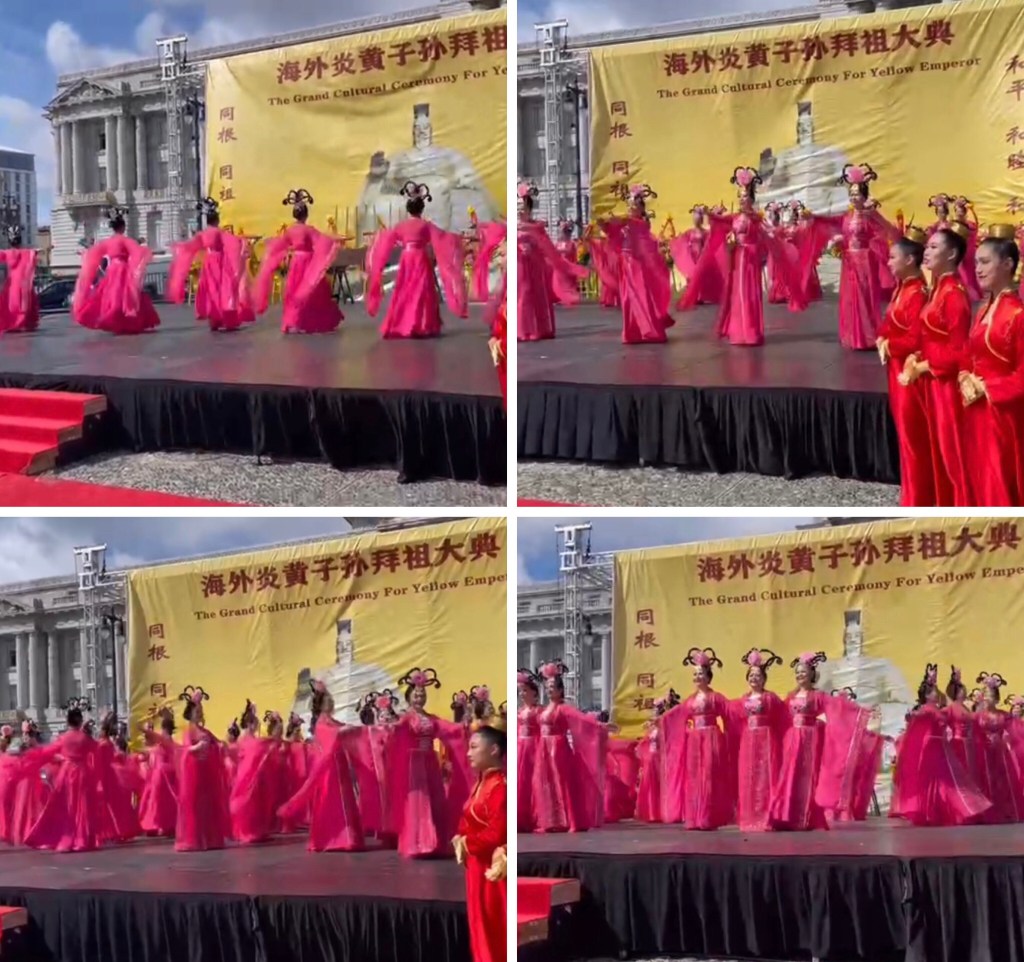
-
Freshly pick from our tree to the bottle
Freshly pick 金橘 from our tree to the bottle, preserve it for 5-10 years, take it out mixed with warm water and honey, good for soar throats 從我們的樹上新鮮採摘到瓶子裡,保存 5-10 年,需要時加温水和蜜糖對喉嚨有好處

-
Video: Living dangerously in America
Video: Living dangerously in America. Some Chinese embraced US said they hated China don’t want to be Chinese, but they still speak Chinese, continue to use their Chinese name and make money from Chinese!? It does not matter how much you love US controlled by AngloSaxon since 1776, look at what they have done to American Indians, slaves from Africa and enacted the 1882 Chinese Exclusion Act still remain inforce today under different names. It is the same bottle different wines. If that is not enough, it does not matter how much money you made, you have only one life. The hate crimes and attacks against Asians, especially Chinese is non-stop. 20% of Americans are high on drug regularly. How would you know your children not growing up as drug addicts? Assuming you survived the physical and mental attack, all your money and wealth could be gone as US is passing law that could takes away everything you have simply because you are Chinese. If that is not bad enough, when the military industrial complex that controls our US Gov’t decided to declare war on China, we will be all locked up in concentration camps just like the Japanese Americans during WWII. Would you considered that is your future in US beautiful and assuring? 一些擁抱美國仇中的中國人說他們討厭中國不想當中國人,但他們仍然說中文,繼續使用他們的中文名字並從中國人那裡賺錢!? 不管你有多愛自 1776 年以來被白人控制的美國,看看他們怎樣對待美洲印第安人、非洲奴隸所做的一切,以及頒布 1882 年的《排華法案》,這些法案今天以不同的名義仍然有效。是同一瓶但不同的酒。如果那還不夠,那不管你賺了多少錢,你只有一條命! 針對亞裔,尤其是華人的仇恨犯罪和襲擊事件層出不窮。 20% 的美國人經常吸毒。您怎麼知道您的孩子在成長過程中不會吸毒?假設你在人身和精神上的攻擊中倖存下來,你所有的金錢和財富都可能消失,因為美國正在通過法律,僅僅因為你是中國人就可以奪走你所擁有的一切。如果這還不夠糟糕,當控制我們美國政府的軍工企業決定對中國宣戰時,我們將像二戰期間的日裔美國人一樣被關在集中營裡。你認為你在美國的未來是美好的、有保障的嗎?
https://rumble.com/v2fwto0-living-dangerously-in-america.html
https://m.facebook.com/story.php?story_fbid=920047672551892&id=100036400039778&mibextid=qC1gEa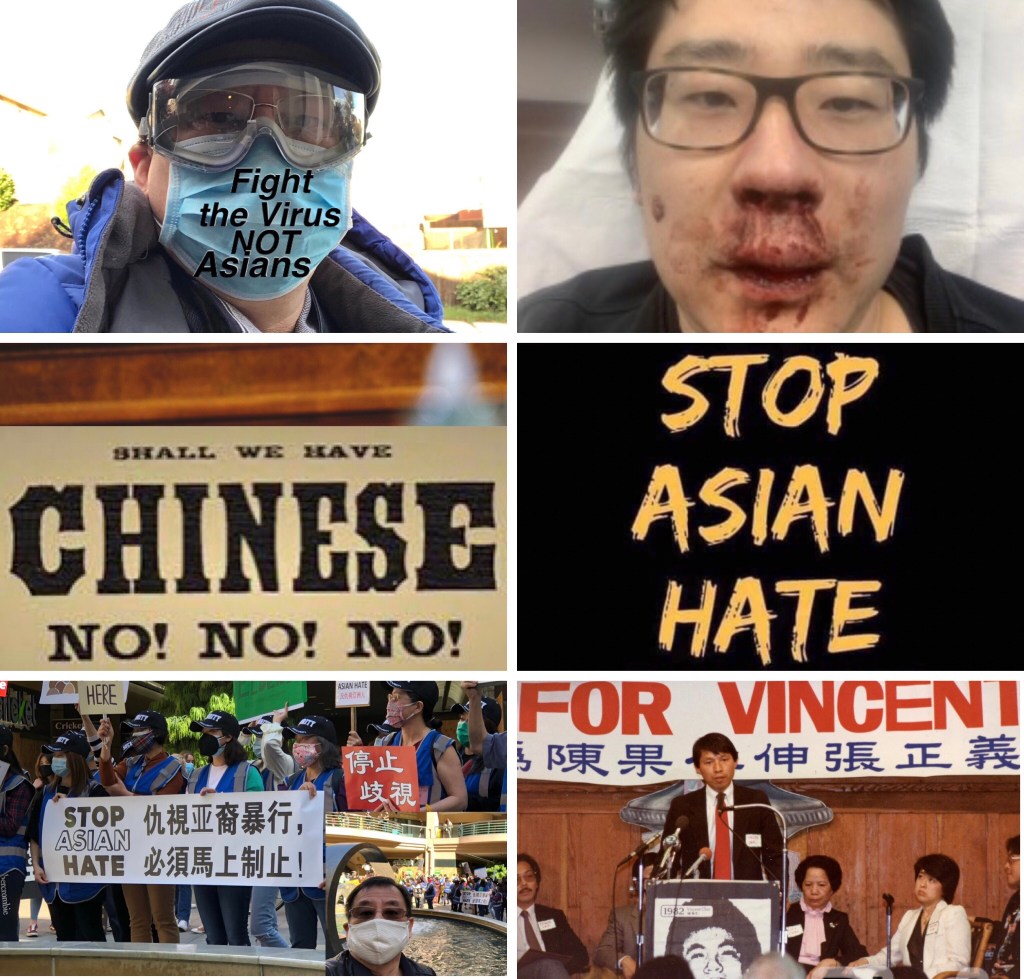
-
US’s 1882 Chinese Exclusion Act is alive and well in 2023
US’s 1882 Chinese Exclusion Act is alive and well in 2023 1882 排華法案今天依舊有效


-
US human rights violations
Video: US has carried out arbitrary detention in total disregard of its domestic legal provisions and international treaty obligations, causing serious physical and mental harm to many 美方無視國內法律規定和國際條約義務,任意拘押,對多人身心造成嚴重傷害
https://rumble.com/v2fw3sm-us-seriously-violating-human-rights.html
https://m.facebook.com/story.php?story_fbid=919956212561038&id=100036400039778&mibextid=qC1gEa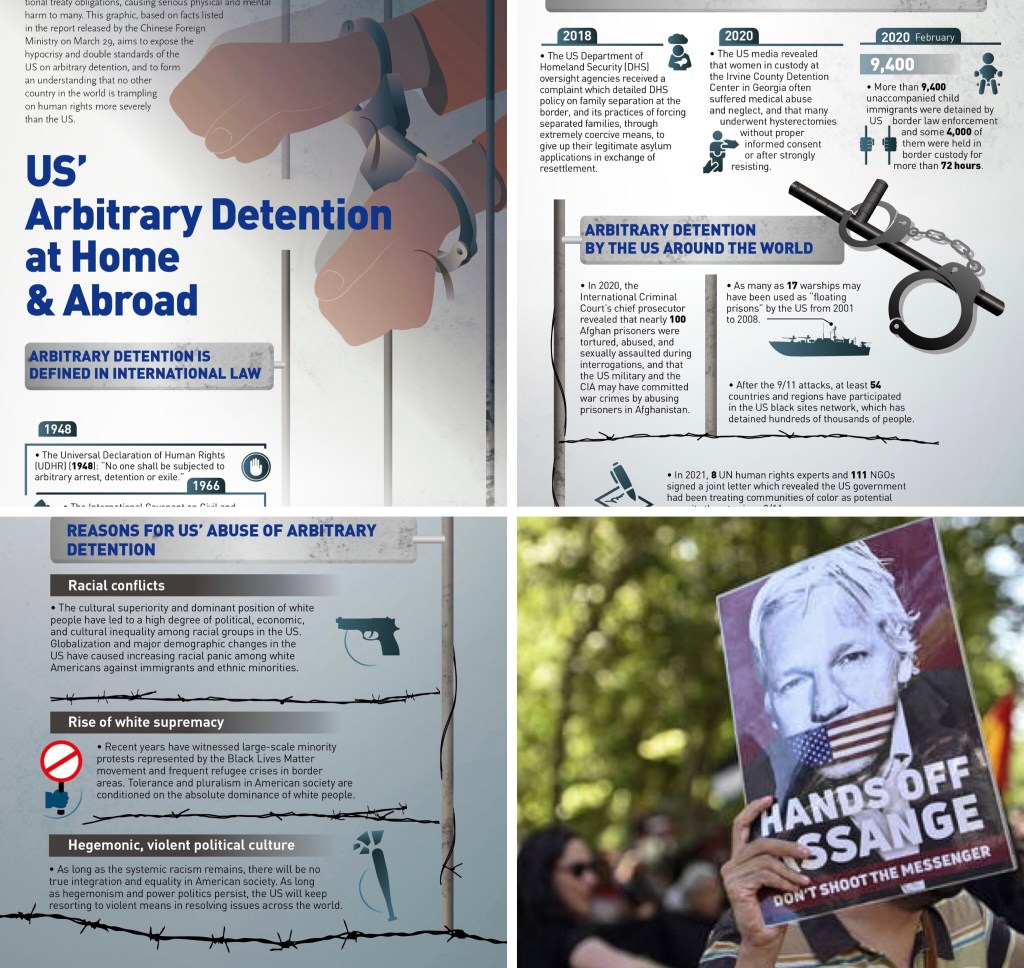
-
Americans are worried life will get worse, much worst
Video: China rises advocating peace & common prosperity for mankind. Poll shows Americans’ values shifting, Americans are worried life will get worse, much worst. 中國崛起倡導人類和平與共同繁榮。民意調查顯示美國人的價值觀正在轉變,美國人擔心生活會變得更糟.
https://rumble.com/v2ftp9c-poll-shows-americans-values-shifting.html
https://m.facebook.com/story.php?story_fbid=919633662593293&id=100036400039778&mibextid=qC1gEa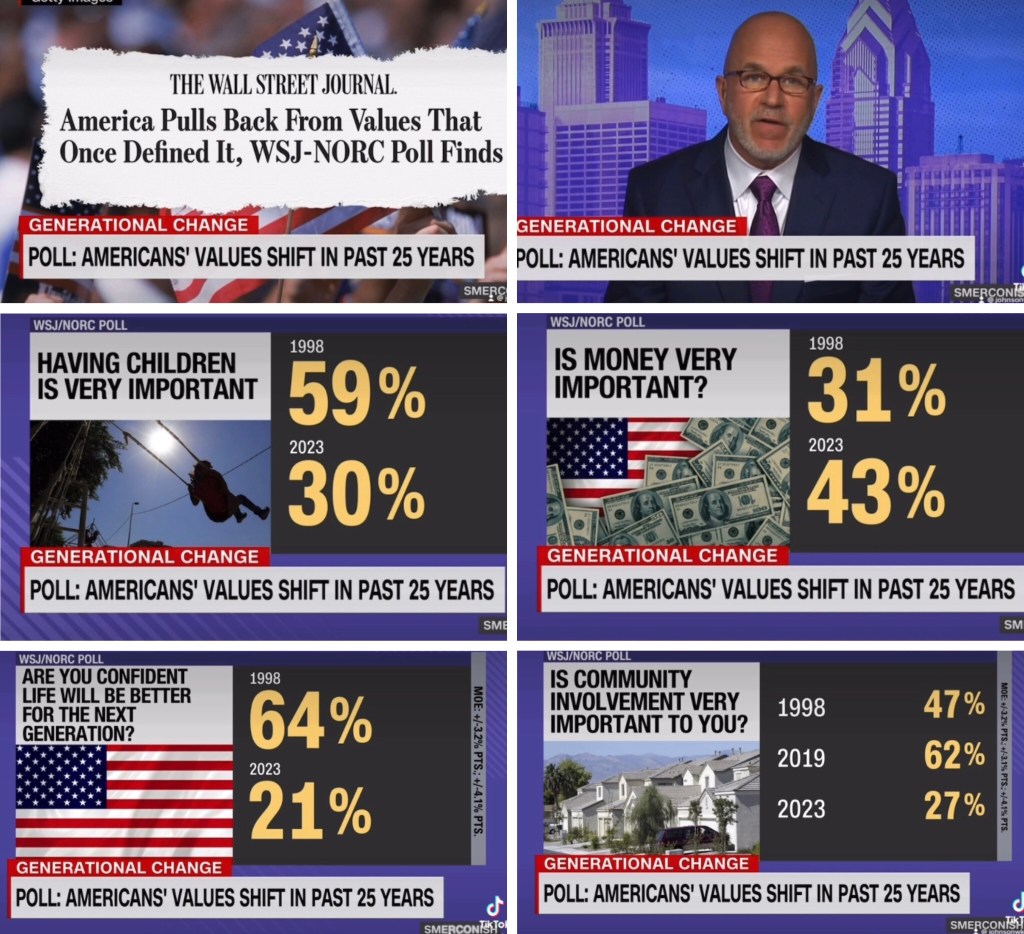
-
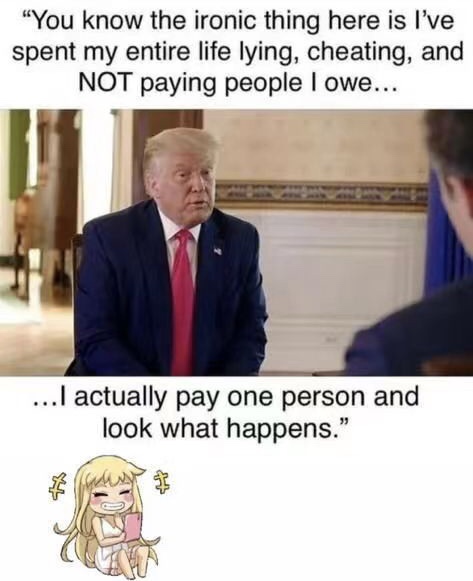
Cannot be honest
Donald Trump want to start fresh to be honest, but the Triads (Democrats) won’t let him and get the kangaroo court to indict him. 老實說,特朗普想重新開始,但三合會(即民主黨)不讓他指示紐約法庭起訴他
-
Asian racism in US & the AngloSaxon world
Asian racism: Does the Fu Manchu myth still haunt Western thinking? 白人對亞洲人的種族主義:傅滿洲神話是否仍然困擾著西方思想? By Elizabeth Mearns 03-22-23
https://rumble.com/v2frp94-asian-racism-in-us-anglosaxon-world.html
https://m.facebook.com/story.php?story_fbid=919454105944582&id=100036400039778&mibextid=qC1gEaWhen we think about racism in Europe and America we grapple with images of the slave trade, the horror of the holocaust and more recently Islamophobia. We think little about the problem of racism against Asians.
But in 2020, the outbreak of the COVID-19 pandemic saw an explosion of anti-Asian hate that took many in the West by surprise. Conspiracy theories about China’s role in the pandemic were everywhere, being trotted out by world leaders and trusted media establishments.
Since then, China has again become routinely described as a ‘threat’ by media and politicians – and now old stereotypes are freely discussed amongst people who would not consider themselves racists. So how much of this is real and how much is based on anti-Asian racism that can be traced back hundreds of years?
The insidious Fu Manchu
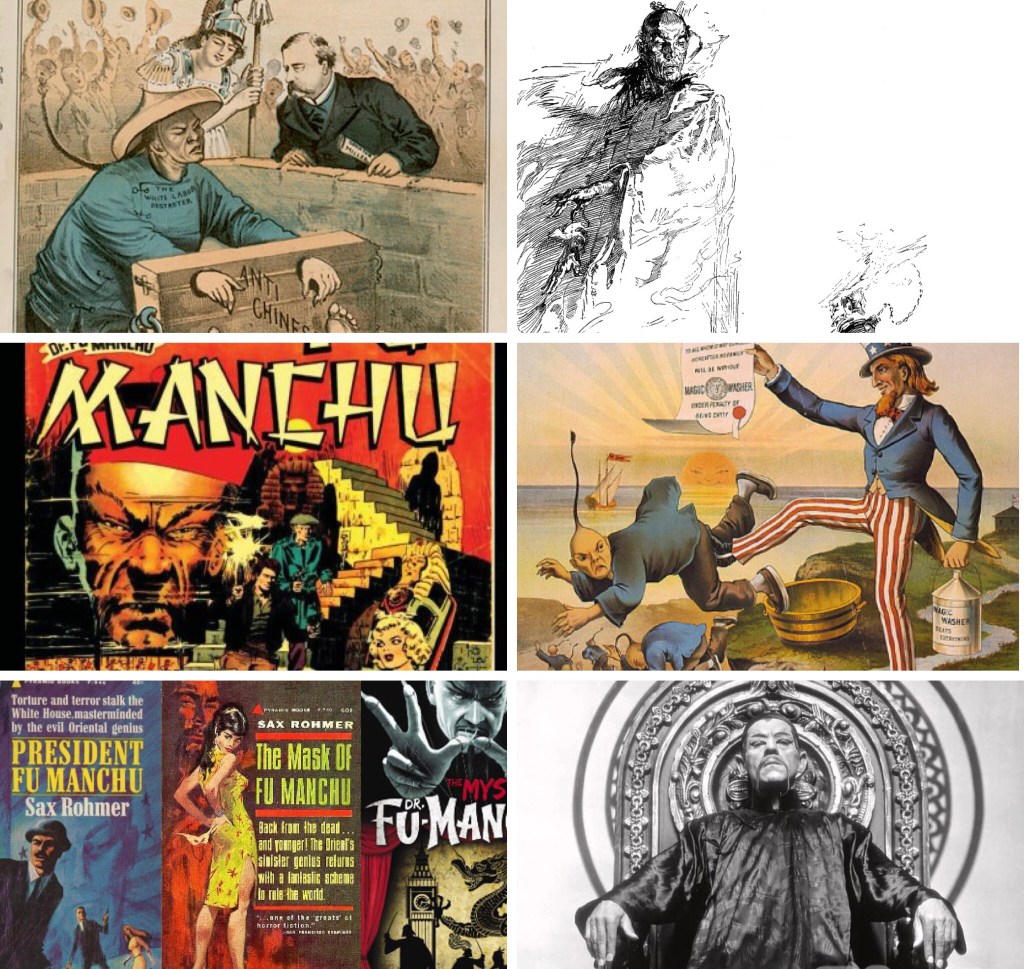
Fu Manchu is a fictional character created by Arthur Ward, a music hall writer and journalist in London in the early 1900s. Writing under the pseudonym Sax Rohmer, Ward had absolutely no knowledge of Chinese culture or Chinese people – but his invention of a Chinese supervillain struck a chord in Victorian Britain and became a smash hit.
Fu Manchu was the original fictional Asian villain, a trope which became embedded in popular culture and Western psyche spawning spin-offs, spoofs, pop songs, video games and even consumer goods. But how damaging is Fu Manchu and how much can he tell us about modern Asian racism?
As a small-time journalist, Ward was on an assignment to London’s Chinatown in 1912 when he saw a well-dressed Chinese businessman enter a downmarket teahouse – giving Ward the idea that would change his life.
Ward wrote Fu Manchu as the personification of the so-called Yellow Peril threat: exotic, alien and inhuman, a mastermind boasting degrees from top universities. Using sinister powers to control minds, he aimed to undermine Western civilisation.
At the time, London’s Chinatown was in the dockside Limehouse area and home to just a couple of hundred Chinese people, predominantly seamen and their families. However, the story struck a chord with British society, says Jenny Clegg, author of Fu Manchu and the Yellow Peril: The Making of a Racist Myth.
“The origins go back to the Yellow Peril scares, which spread around America and Europe from the 1880s,” she tells CGTN. “It’s interesting to see how Arthur Ward used the kind of stereotypes that were fueling these scares in the character of Fu Manchu, who was portrayed as the leader of the soulless, unruly hordes from China.”
China was in the global news: In 1911, Sun Yat-sen – a statesman still widely revered, and now known as the Forerunner of the Revolution – had come to power with the overthrow of China’s last imperial dynasty. Established powers elsewhere in the world were uneasy at this change.
“The British banks and the financiers were expanding into China,” says Clegg, “and then this sudden collapse of the Qing dynasty and the rise of a nationalist was seen as a matter of great concern.”
Tapping into tropes
Fu Manchu – a powerful leader bent on world domination – was an extrapolation and exploitation of this fear. Before writing the character, Ward had never met a Chinese person, let alone been to China; his concoction was based on racial stereotypes from early visitors to China – missionaries, traders, soldiers and adventurers.
Ward was particularly besotted with Bayard Taylor, an American writer who believed in the pseudoscience of physiognomy – that human appearance and character are intrinsically linked. Taylor saw in the Chinese race “deeps of depravity so shocking and horrible, that their character cannot even be hinted.”
Meanwhile, British traders and missionaries mistook Chinese Confucian restraint of emotional display to be indifference and even cruelty.
“This led to the idea that the Chinese were deceiving – they weren’t being honest, they weren’t revealing who they really are as people,” says Clegg. “This spawned into stories of Chinese as cheats and liars and deceitful – never giving you the truth, always fabricating.”
Imagine a person, tall, lean and feline, high-shouldered, with a brow like Shakespeare and a face like Satan, a close-shaven skull, and long, magnetic eyes of the true cat-green
- Sax Rohmer, The Insidious Dr. Fu-Manchu
Late 19th-century sensational fiction in the UK had sparked an obsession with so-called Chinese tortures; to this day, phrases like ‘Chinese burns’ (the twisting of the skin on the arm) and ‘Chinese water torture’ (in which the victim is driven to psychosis by slow dripping onto the body – a torture first described in Italy) remain widely used.
“These kinds of things still circulate,” says Clegg, “and give rise to notions of the Chinese as being particularly brutal and using all kinds of repressive means.”
Clegg also notes that religious missionaries had a fundamental reason to speak ill of the Chinese: “They didn’t find it so easy to convert Chinese people into Christians, so this gave rise to the idea that the Chinese were soulless and not really human.
“All of these things accumulated together and they concentrated into this figure of Fu Manchu – the ultimate threat to humanity and to Western civilization.”
Drugs and science
While few Chinese people lived in the UK, Britons were having more contact as trade grew between the nations, often on steamships predominantly manned by Chinese seamen.
That trade had also engendered another stereotype. In the 19th century Britain had fought two “opium wars” against China to enforce its right to trade the narcotic to Chinese people, often in exchange for goods popular back in Britain.
This drug-pushing was justified by blaming the buyers, says Clegg: “That the Chinese were particularly susceptible to drug taking. And this inverted itself into an association of the Chinese with drugs.”
But if the British demonized the Chinese as drug users, they also distrusted intelligence. Fu Manchu was created as a sinister genius – a scientist, a doctor with degrees from top universities all over the world.
“He’s a master not only of the occult but of Western sciences ‘with all the modern technologies at his disposal’ – a combination which makes him doubly threatening,” says Clegg.
This also preyed on fears of the future in a world of rapidly advancing technology: “We know the power of science, which must be balanced with ethics to be put to good use – but what if science should fall into the wrong hands?”
And the Fu Manchu stories certainly show he is on a mission to change the world. From his base in London’s Chinatown he plots to assassinate leading British politicians, scientists and diplomats to destroy the British Empire.
A powerful negative image
Deception, depravity, torture, drug addiction and sinister intelligence – it all adds up to a powerful negative image of the Chinese, says Clegg.
“These popular stereotypes went very, very deep into the white psyche, and were part of the creation of white identity from the beginning of the 20th century – an identification with race rather than with other identities like class.”
Racist tropes were also widely prevalent against black people, but Clegg notes the novelist’s masterstroke in heightening fears by creating a fictional figure who could threaten Anglo-Saxon hegemony.
“What Arthur Ward did was to give these non-white races a leader,” she says. “That was what was so powerful – and that was what took off.”
And take off it did: Over the next half-century Fu Manchu stories leapt from print to radio and on to Hollywood. Ward made so much money that he took to signing his name with a dollar sign. But the evil-genius trope was so popular that the police became suspicious of British Chinese communities, says Clegg.
“There was an investigation of the Chinese community in Liverpool, trying to find out if they were all dealing in drugs and running gambling establishments – and the investigation found absolutely nothing.
“They were law-abiding, there were many Liverpool women who were happily married to a Chinese man and said they were good husbands. They couldn’t find anything.”
But suspicion still grew. “It continued to build up into this terrible hunt of Chinese leaders and businessmen. People were repatriated. It was damaging to the Chinese community – they had to keep their heads down.”
WATCH: The Secret Betrayal – How the UK ejected the Chinese WWII sailors who had risked their lives
LISTEN: The Secret Betrayal podcast series
The stereotypes persist
Does the sinister shadow of Fu Manchu still linger, a century after Ward’s first book? Clegg detects a significant lasting legacy.
“We see it today – the reporting in the media, in what politicians are saying about China: They’re saying ‘The Chinese will take over the world.’ You go back to the stories of Fu Manchu 100 years ago, and the Chinese were supposed to be taking over the world.”
She also notes the reappearance of the ‘sinister scientist’ trope. “Fu Manchu had degrees from universities all over the West, and he was always experimenting with drugs and potions to hypnotize and control people’s minds. And this feeds directly into the Wuhan lab theory – it’s so blatant the way these themes are regurgitated.”
Men of Asia! The skies are red with the thunderbolts of Genghis Khan! They rain down on the white race… and burn them!
- Boris Karloff as Dr. Fu Manchu in The Mask of Fu Manchu (1932)
Clegg believes this still affects Chinese people living in Europe and the U.S. today.
“They’re seen as accomplices and have to be kept under surveillance,” she says. “The Confucius Institutes in our universities are swamped with paperwork, in freedom of information. You know that it’s a very, very difficult situation for people.”
Clegg also sees Fu Manchu’s influence lingering in the attitudes of today’s world leaders.
“Rishi Sunak talking about ‘The Chinese have a different value system’ – the implication is that they’re a threat to our values… the threat is to Western civilization. This is a theme directly from Fu Manchu.”
READ MORE: What’s it like to be Chinese growing up in the UK?
Exorcising the phantom Fu Manchu
Of course, racism is nothing new. Jenny Clegg, author of Fu Manchu and the Yellow Peril: The Making of a Racist Myth, believes we should read our history so we can make sure we’re not falling for age-old racist stereotyping.
“What people should do is examine what is going on with these kinds of stereotypes,” she says. “Learn more about the Fu Manchu myth and where it came from. Because it’s powerful to contrast the image that’s being portrayed in the media that China is determined to take over the world – this idea has got roots that go back 100 years, it’s not something new.
“We really need to distinguish fact from fiction and understand that a lot of what is being portrayed is more a regurgitation of our old ideas and misperceptions rather than anything that is really about China and Chinese people.”
The ancient cultures of Europe and China are indeed different, but conflict is not inevitable as long as we can try to see the similarities between people and the values that other communities share.
Far too often – and arguably increasingly so in the age of social media – humans focus on differences rather than similarities. Using those differences as the basis for assumptions of superiority is a dangerous thing; as author Ian Leslie points out in his book Conflicted: Why Arguments Are Tearing Us Apart and How They Can Bring Us Together, “Behind every disagreement is a clash of cultures that seem strange to each other. Don’t assume that yours is the normal one.”
For Clegg, the greatest weapon against ‘othering’ people is personally making an effort to understand the real China and real Chinese people.
“There are differences, but that doesn’t mean to say that Chinese people are evil or Chinese people are a threat – they just do things differently,” she says. “The fact that the Chinese go about doing things in a different way, it can be enriching and rewarding and we need to learn more.
“And we need to get to know China better because there are so many things that we have in common. We share the planet and live together in a globalized world.”
Titan Books, which still publishes Fu Manchu titles, declined to comment for this article.
- Sax Rohmer, The Insidious Dr. Fu-Manchu
-
Subscribe
Subscribed
Have a WordPress.com account? Log in now.

