-
More investment, less interference
More investment, less interference: How China moves into ‘the US’s hemisphere’ After decades of abuse by Washington, some Latin American countries seem to find Beijing’s approach attractive By Timur Fomenko, a political analyst
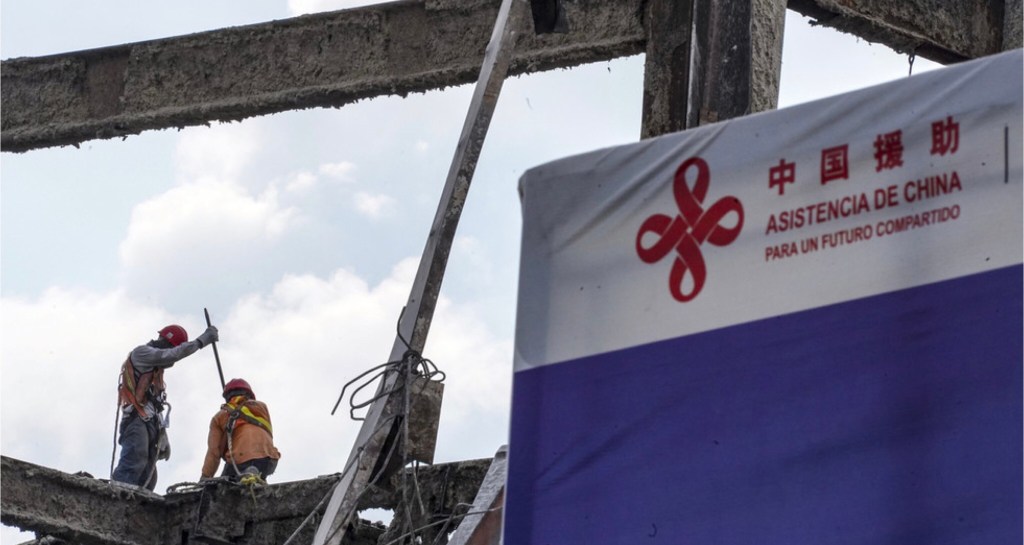
As a Forbes article sets out, China’s “list of Latin American inroads is long and striking” and “Washington has yet to manage much of a response.” It goes on to note that in the 21 years that have passed since China joined the World Trade Organization (WTO), “Chinese trade with Latin America has increased at a striking 31% annual rate on average to the equivalent of about $450 billion a year.”
China is now “South America’s largest trading partner and is second only to the United States for trade with all Latin America.” It has “signed free trade agreements with three countries, Chile, Costa Rica, and Peru and began negotiations with Ecuador last February.”
This is all happening in a region where, as the article describes it, the US “has exercised all but untrammeled hegemony.” For nearly 200 years, in fact, the United States has made unparalleled dominance of the Americas one of its core security and foreign policy objectives, under what is known as The Monroe Doctrine. To do so, it has launched an endless string of wars, coups, and other forms of political interference.
But that isn’t stopping the countries of the region from tilting towards China. American dominance has not equated to prosperity or stability for practically any Latin America country. In fact, it has often meant poverty, inequality, and chaos. While Beijing has no specific plans to ‘politically dominate’ Latin America, the growing ties between the two regions of the world are a product of the South American continent being shafted by brutal neoliberalism for decades – the same reason that is driving a tidal wave of leftist governments into power in country after country. Brazil’s new president Lula is but the latest example, and he takes over a country facing a deep economic decline. There is no doubt he will be enhancing his partnership with China as a part of BRICS.
China’s Xi sends message to military READ MORE: China’s Xi sends message to military
To Latin American countries, the United States is not a guardian or a benevolent overseer but an abusive partner who does not care about their respective interests. The US’s bid to hold power in the Western hemisphere (which American officials have a habit of calling “our” hemisphere) comes with a belief that to suit the US, its neigbours should stay poor, divided, and weak. Can one imagine, for example, Brazil being allowed to rise and become a wealthy state that can challenge US economic and military power? South America has also been a ‘guinea pig’ for US-led economic exploitation and the forced imposition of free market radicalism, particularly in the 1980s with the IMF. This is, of course, advantageous to American companies, whose dominance and capital prevent local economies from truly developing or competing. The lack of life prospects subsequently creates a ‘brain drain’ of talent immigrating to the US itself.China’s foreign policy, however, is different. While the United States has largely focused on ‘opening’ up the markets of other countries to dominate them, Beijing depicts itself as providing a mutual pathway to development by lending expertise from its own model and what it describes as “win-win” cooperation. To do so, China offers market access to its enormous consumer base of 1.4 billion people, while offering loans and expertise from state companies to rapidly assemble infrastructure, such as in energy and transport, without political conditions. These are benefits that the United States and its allies, due to ideological and structural differences, simply cannot compete in providing.
China’s investment does not come completely without political strings attached. Beijing refuses to deal with governments that recognize Taiwan as independent, and over the past 20 years, many Latin American countries have withdrawn such recognition. These nations have apparently found doing so less consequential than the more direct and disruptive influence of their much nearer northern neighbour – or have shown a basic grasp of national sovereignty and non-interference, an understanding they have not seen from Washington.
As the Forbes article goes on to note: “Apart from direct loans to governments, most Chinese investment has concentrated on energy development, petroleum refining, and power generation. Presently, Power China has 50 ongoing projects across 15 Latin American countries.” Since the US placed China as its number one geopolitical rival, it has long sought to provide an “alternative” to the Belt and Road initiative, vowing to invest billions in infrastructure across developing countries. Argentina was the latest Latin American country to join Belt and Road, having done so at the beginning of this year. One of the key projects the two countries will work together on is a nuclear power plant.
The alternatives offered by the US and other G7 countries have largely been rhetorical, over-reliant on the good will of the private sector, and marketed under a never-ending cycle of changing names and rhetorical soundbites, from the “blue dot network” to “Build Back Better” to the “Partnership for Global Infrastructure and Investment.” Few of them ever seem to stick, whereas Belt and Road is a comprehensive and clearly detailed vision with consistency in what it wants to achieve. China can market its advantages, while the US has no other cause, motivation, or vision other than to simply oppose what China is doing. Therefore, it has never made a compelling case for Latin American countries to cease partnering with Beijing.
Given the above, if the US is serious about competing with China in Latin America it should try less political interference and more investment. Two centuries of US interventions and regime changes have not made a prosperous or satisfied continent, but have left a myriad of stagnant economies that have never surpassed what is known as the ‘middle-income trap’ due to political-economic systems that entrench the status quo, or in the case of Cuba and Venezuela, are constantly crushed by sanctions. Beijing offers a strong and consistent alternative, one which comes with market access, infrastructure investment, and a plan for the future. That’s hard to argue against.
-
China’s J-20 is superior than the US F22
Taiwan Military Analysis Video: China’s J-20 is superior than the US F22, China Military Industrial Complex is more cost efficient, production speed and quality exceeds US 中國殲20規模超美國F22 中國軍工產業雄起
https://rumble.com/v1tdfvi-china-military-industrial-complex-is-more-cost-efficient-production-speed-a.html
https://m.facebook.com/story.php?story_fbid=830309714859022&id=100036400039778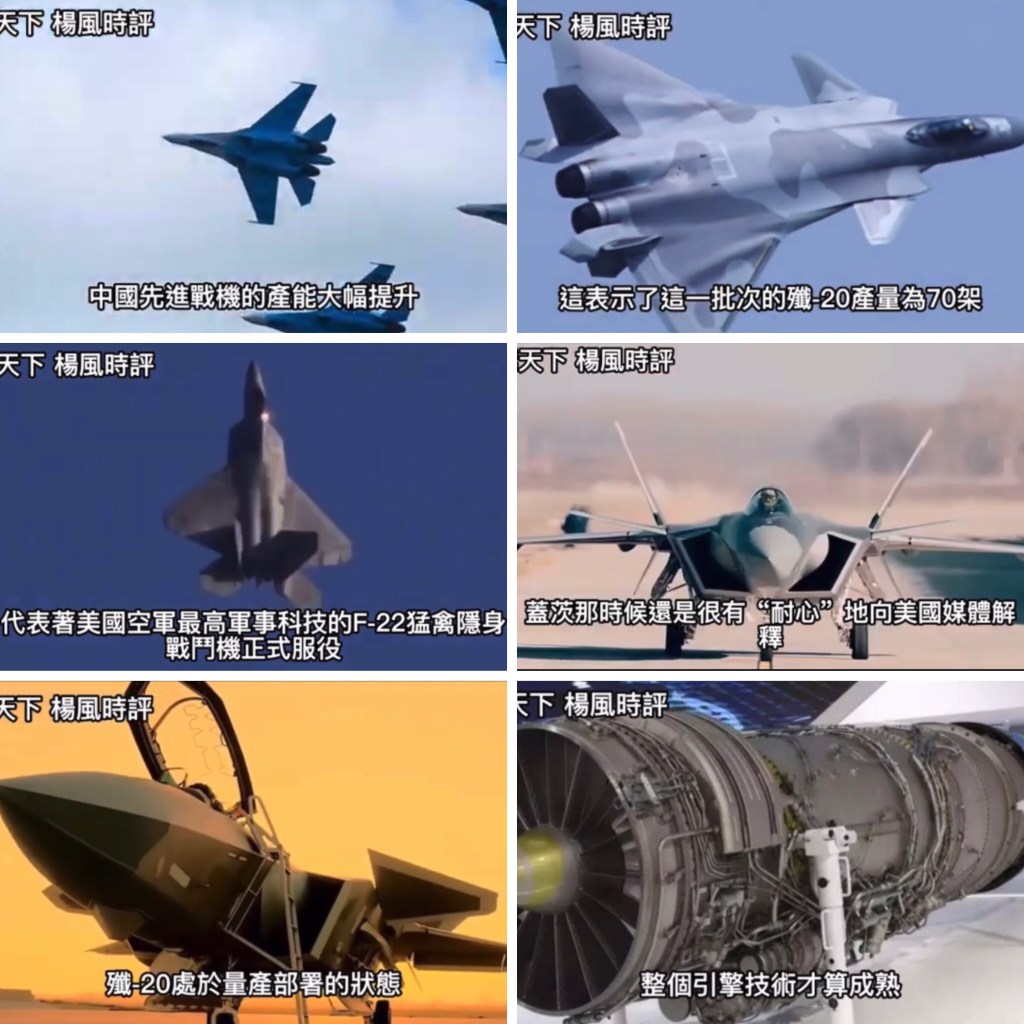
-
Chinese-Americans votes, let’s look at the numbers
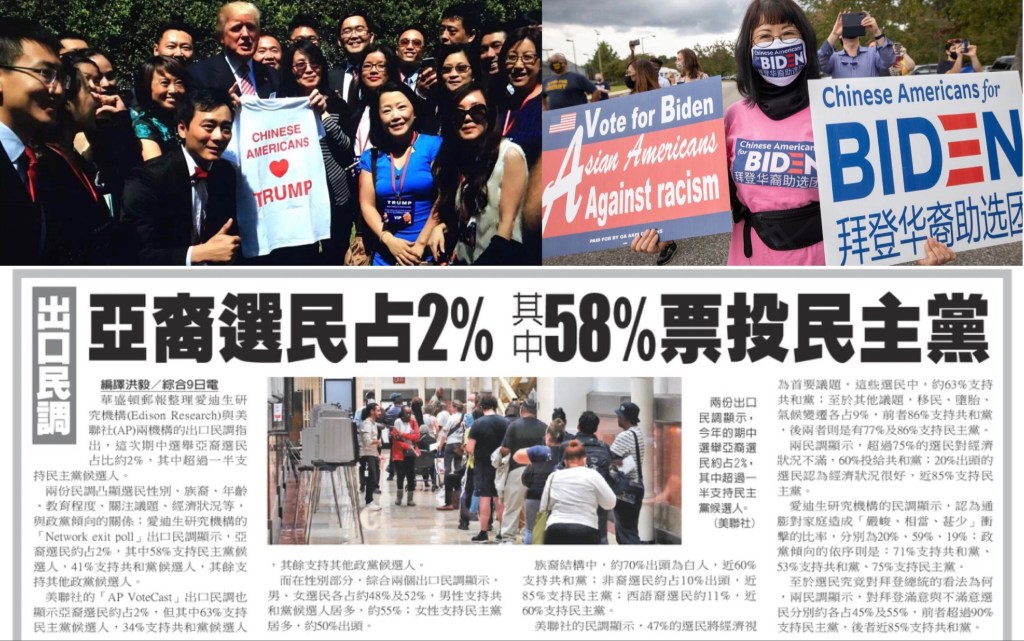
Chinese-Americans votes, let’s look at the numbers 美國華裔投票,看數字. By Johnson Choi, Nov 10 2022
Chinese-American voters accounted for 2%, 58% voted for the Democratic Party, and 42% voted for the Republican Party. After the cancellation out votes, net 16% of the 2% went to the Democratic Party was only .32%.
Let’s us use one million votes as an example, 2% is 20,000 votes, 58% votes Democrat or 11,600 votes, 48% votes Republican or 8,400 votes, after cancellation out, Democrats get only 3,200 votes or .32%.
Most elections are decided by 2-5%. In some cities in the US like San Francisco, Chinese-Americans accounts for 20% of the population. If we use the Japanese-Americans winning formula in Hawaii last 50 years, 80% of the votes go to one political party, then the Chinese can control the politics of San Francisco. Unfortunately What’s wrong is that the Chinese are not united, splitting the votes, and can’t play pivotal role like the Japanese-Americans in Hawaii as a kingmaker in politics.
If you are not kingmakers, you have no say in American politics. All you have done is a cheerleader.
美藉華人佔2%, 58% 投民主黨, 42%投共和黨, 扺消後民主黨實得2%中的 16% 即是 .32%.
如果用一百萬票為例, 2%是 20,000票, 58%投民主黨即11,600票, 48% 投共和黨即8,400票, 民主黨實得 3,200 票 或 .32%.
大部分選舉是以2-5%決定勝負. 美國有些城市像舊金山華人佔人口20%, 如果可以像夏威夷的日本人把80%選票全部投給一個政黨, 那麼華人可以完成控制舊金山的政治. 不幸的是華人不團結, 分化票房, 在政治方面做不到像夏威夷的日本人成為造王者有舉足輕重的作用.
如果美國華人不是造王者, 你在美國政治中沒有發言權. 你所做的只是一個啦啦隊長吧!
-
Taiwan Media Video: Any country challenge US$ hegemony were destroyed by US, can & will US destroy Saudi
Taiwan Media Video: Any country challenge US$ hegemony were destroyed by US, can & will US destroy Saudi?
https://rumble.com/v1t3xz6-any-country-challenge-us-hegemony-were-destroyed-by-us.html
https://m.facebook.com/story.php?story_fbid=829917378231589&id=100036400039778Saudi turned to China with huge investments through HK into China. The entire Middle East are following Saudi turning to China especially in the infrastructure development and trades.
South America had enough of US centuries of abuses also turning to China.
Old enemies like Vietnam is turning to China.
African countries were exploited by US (and European) for centuries are turning to China.
Russia and her allies are turning to China.
China rise and US sink irreversible!
陸”基建狂魔”魅力!左翼崛起 美頭痛了?沙漠峰會改變全球格局! 郭正亮:”中升美降”|

-
China and the US are decoupling, no more illusions
Video: Larry Yu “China and the US are decoupling, no more illusions” Larry is one of the best current affair experts – you don’t want to miss it 時事觀察集結號:中美脫勾,不再幻想 嘉賓:財經政論家余錦光
https://rumble.com/v1t37js-china-and-the-us-are-decoupling.html
https://m.facebook.com/story.php?story_fbid=829151084974885&id=100036400039778
-
Video: Taiwan reunification with China get into high gears
Video: Taiwan reunification with China get into high gears, nations stopped backing Taiwan, in fact backing off 美第一島鏈”戰略收縮”! 大陸反介入/區域拒止能力提升!雷倩: 澳洲後撤.美國也撤 日本還遠嗎?
https://rumble.com/v1t32cu-nations-stopped-backing-taiwan-in-fact-backing-off.html
https://m.facebook.com/story.php?story_fbid=829876194902374&id=100036400039778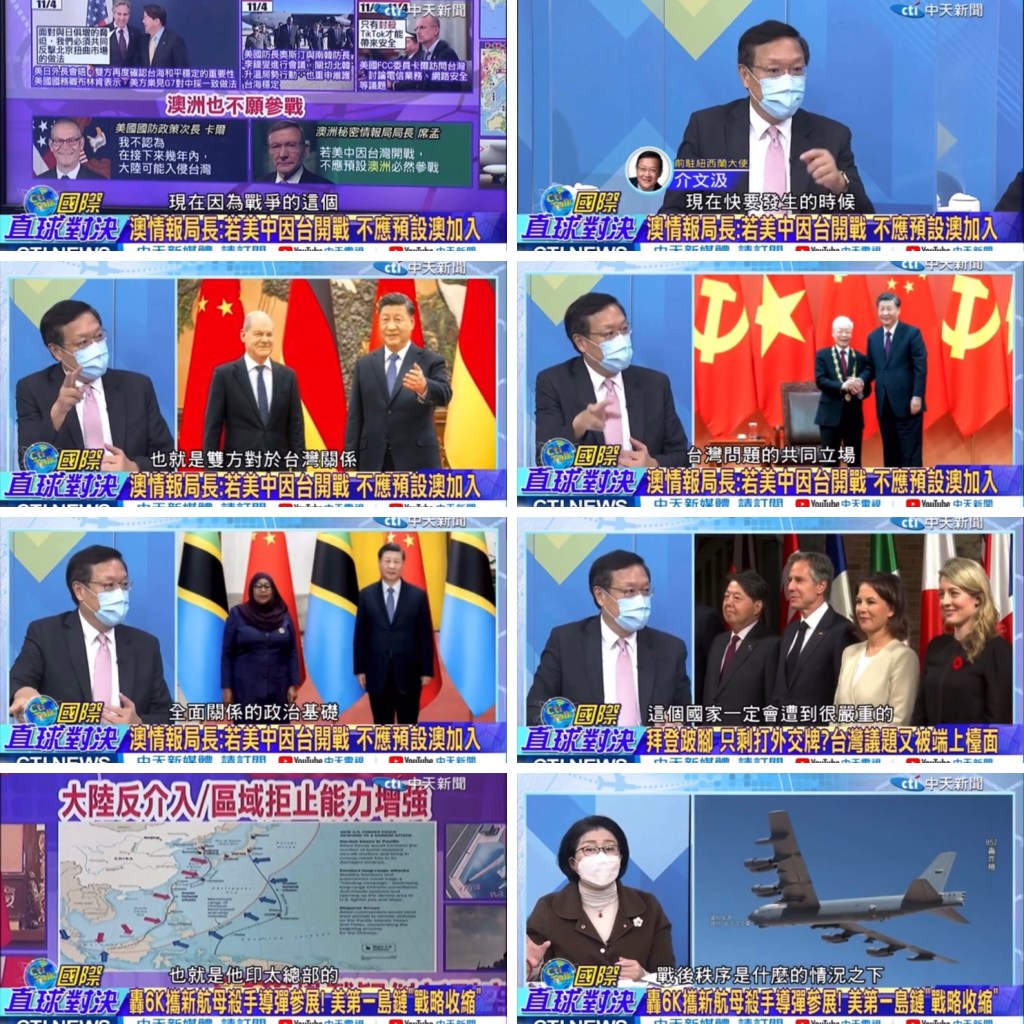
-
China versus USA
China versus USA 中國和美國對比
China haters: You have no freedom because you can’t criticize your government to make your life better.
Me: I can spend the next 20 years criticizing my U.S. Gov’t, life kept getting worst, but do they care?
仇中者: 你沒有自由,因為你不能批評你的政府讓你的生活變得更好。
我: 我可以在接下來的 20 年裡批評我的美國政府,生活變得更糟糕, 美國政府在乎嗎?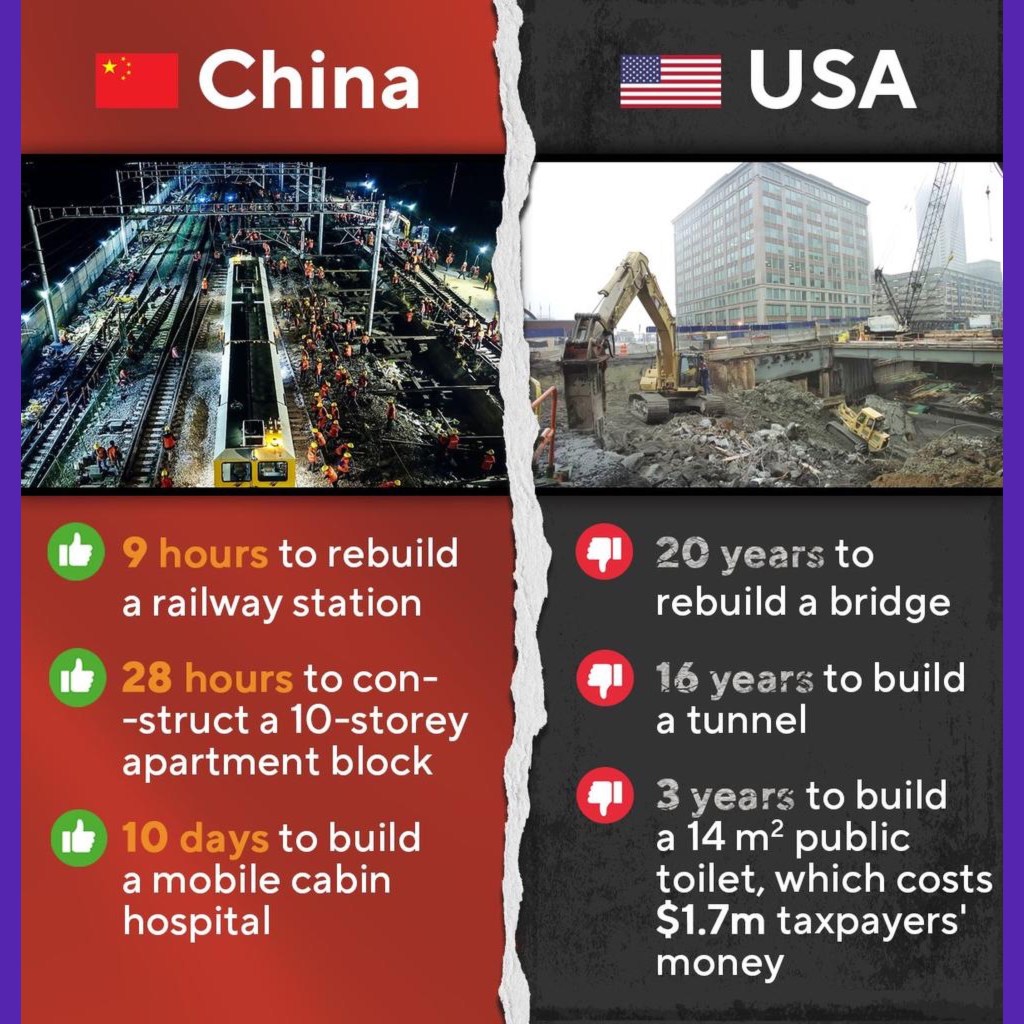
-
Video: How to pick a good label for China? What is democracy?
Video: How to pick a good label for China? What is democracy? 時事觀察 第2節—霍詠強:怎樣為中國挑一個好標籤? 什麼是民主?
When it comes to China, it is always connected to traditional Chinese culture. Tradition is old? Chinese culture and humanistic consciousness do need to be modernized, but before that, China should have a proper and good label!
From a Chinese girl’s description of her hometown, Mr. Liang mentioned the issue of the modernization of Chinese culture. Why do Chinese girls distort the appearance of China? The American media monopolizes 90% of the media content in the United States and 80% of the international news content in the Western world. The smearing and suppression in recent years has naturally caused the Chinese to distort China’s image. If you look at the major developed countries, such as Germany, Japan, Italy, France, there are different positive images. Although China has a long history and culture, but traditional Chinese culture is inevitably reminiscent of “old-fashioned”? Should China establish a proper and good label?
The Democracy Perception Index, run by Denmark’s Alliance of Democracies and investigative agency Latana, may offer some ideas. The survey is developed every year by randomly sampling more than 50,000 respondents from 53 countries around the world. In addition to the main question asking respondents to answer whether they think their country is democratic, it also asks about major countries and organizations: China, the United States, and the United States. , Europe, Russia, and the United Nations, China is of course higher than Russia, but the net ratio is -2%, far lower than the EU and the United States. This effect is naturally due to the long-term smearing of foreign media.
However, out of 53 countries, China ranks first among the 53 countries whose people believe that “their country is democratic”, with 83% of Chinese respondents thinking that China is a democratic country. Whether China is democratic or not, the Chinese people have given the clearest answer in the polls of the Western camp. Other countries such as Vietnam 77%, Denmark 70%, the United States 49%, the United Kingdom 61%, Japan 53%, Venezuela 24%, Iran 25%. Numbers have their reasons, but combined with other data, it is more interesting, such as:
Freedom to express political opinions: 18%, and freedom of choice: 19%, both of which are relatively low, and China’s figures are also low, but they are supported by the people without hindrance. In addition:
Nigeria: 38% Freedom of expression: 40%
Venezuela: 24% Free choice lead: 46%Fully reflect, is there freedom of expression and speech? And whether there are votes, votes to choose leaders, and whether the country is democratic? Whether the people agree with the degree of democracy in the country is irrelevant!
Or, from the perspective of the people, combined with the reality, we can set a label for China: China respects traditional culture, values collective interests, and is the most rational and pragmatic country.
説到中國、總被連上傳統中華文化,傳統就是舊?中國文化和人文意識的確需要現代化,但在此之前,中國更應該擁有一個合適的好標籤!
梁總從一個華裔女生對家鄉的形容,提到中國文化現代化的問題,為何華裔女生會扭曲中國形貌?美國傳媒壟斷了美國90%的媒體內容,亦壟斷了西方世界80%的國際新聞內容,這幾年的抹黑和打壓,自然令華人也扭曲了中國的形象。如果觀察主要的發達國家,例如德國、日本、意大利、法國,都有不同的正面形象。中國虽擁有悠久歷史文化,但傳統中華文化卻難免令人聯想到「守舊」?中國該如果樹立一個合適的好標籤?
丹麥的Alliance of Democracies和調查機構Latana所辦的「民主觀感指數」或許提供了一些想法。調查每年在全球53個國家隨機抽樣共5萬多名受訪者而制定,除了主要問題是要求受訪者回答他們認為自己的國家是否民主外,還問及對主要國家和組織:中、美、歐、俄、和聯合國的態度,中國當然高於俄羅斯,但淨比例-2%,遠低於歐盟、美國。這種效果自然拜外媒長期抹黑所致。
然而在53個國家中,人民認為「自己國家很民主」排名第一的是中國,共有83%中國受訪者認為中國是民主國家。中國是否民主,中國人民在西方陣營的民調中給出了最清晰回答。其他國家例如越南77%、丹麥70%、美國49%、英國61%、日本53%、委內瑞拉24%、伊朗25%。數字都有其合理性,但結合其他數據,就更有趣,例如:
自由表達政見:18%、和自由選擇領䄂:19%,兩者都偏低,中國數字也低,但無阻得到人民支持,此外:
尼日利亞:38% 自由表達政見:40%
委內瑞拉:24% 自由選擇領䄂:46%充分反映出,有沒有表達自由、言論自由?以及有沒有選票、投票選擇領袖,都和國家是否民主?人民是否認同國家的民主程度,完全無關!
或者,從人民的看法,結合現實情況, 我們可以為中國定下一個標籤:中國尊重傳統文化、重視集體利益、是最理智務實的國家。

-
If US is sick will ask others to take poison, so US will not fall behind
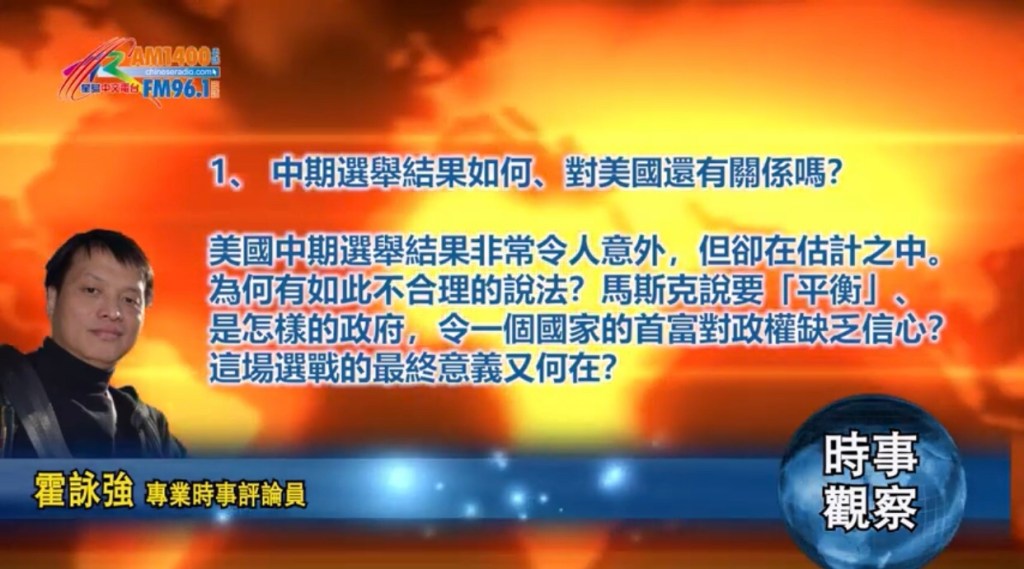
Video: Does the mid-term election result have anything to do with the US? This is the world controlled by the US. If US is sick will ask others to take poison, so US will not fall behind. 時事觀察 第1節—霍詠強:中期選舉結果如何、對美國還有關係嗎? 這就是美國操控的世界,自己病了、要他人服毒,美國就不會落後.
非常令人意外,但卻在估計之中。為何有如此不合理的說法?
2022年美國中期選舉於當地時間周二(11月8日)進行。共和黨將在這場選舉中取得眾議院控制權,共和黨人在眾議院奪得198席,領先民主黨的178席——最終雙方的差距很大可能高達20席,也就是說拜登不會在有爭議性的法案,會得到任何僥倖。
參議院席位民主黨佔據48席共和黨48席,共和黨和民主黨誰將取得大多數席位尚難預測,很大可能再次令參議院成為均勢,副總統的一票又再讓拜登保持些微的優勢,本來共和黨雖然認為參議院有困難,但應無阻大獲全勝,誰料一上陣,參議院就出現了一個逆轉,民主黨人費特曼 (John Fetterman) 從共和黨手中贏得關鍵一席,取得賓夕法尼亞州的參議員席位。
Georgia: 共和黨只能期望在喬治亞州一戰 Walker vs Warnock 能最終反勝,內華達州Nevada和威斯康辛州Wisconsin不會被翻轉。
為什麼說竟外、卻在估計之中?
Tesla 老闆和新增的頭銜 Chief Twit 馬斯克當地時間7日在推特發文稱:「致思想獨立的選民們:分權可以限制兩黨最糟糕的過度行為,因此,鑒於總統是民主黨人,我建議國會選舉投票給共和黨。」這是這位主要社交媒體平台的首席執行官首次明確選邊站隊。及後馬斯克再度發推強調了自己的立場,稱「需要明確的是,我過去一直是獨立人士,直到今年,過往選票都是投給民主黨的。」他曾表示他在2020年投票給了拜登,過去也曾投票給民主黨人。但自從拜登當選後,認為未來要平衡,表示在下次選舉中投票給共和黨。是怎樣的政府,令一個國家的首富對政權缺乏信心?問題出在哪裏?
在投票前,根據長期追蹤國會的538網站,已經確認眾議院控制權易手,而共和黨有七成把握同時取得參議院控制權。但是,曾經說過,拜登應該是美國深層政府和軍金集團,30年來最屬意的總統,背後勢力不會讓他輸得太難看。
更重要的是,這場選戰的最終意義又何在?
西方國家政壇是長篇連續劇,而美國選舉只是其中一幕戲。正如25歲的民主黨人弗羅斯特(Maxwell Frost) 在眾議院當選,成為美國國會第一個「Z世代」議員。但是,這又有什麼意義?換了人上場,有個年輕人,又能怎樣改變國會?和中國相比,差別就更遠了。20大確定了未來十年的定調,複雜的外在環境,加強內循環,中國式現代化,人民都會知道來年三月兩會就會有明確的針對政策出爐。無論效果如何,最少一切都是可靠、有序的。
很明顯這幕選戰戲碼上演完畢,美國有沒有改變美國的政策?你或會很開心、或很擔心兩年後特朗普捲土重來。然而,美國的各種損人利己甚至損人不利己的政策,依舊存在。
正如澳洲前總理的唏噓:
「澳洲蓄意放棄我們的戰略自主,我們已淪為美國這個極度危險和好戰國家的棋子及附庸……我們的生活充斥着美國炮製的新聞、美國的世界觀和美國的娛樂消閒。澳洲的輿論領袖大部分被美國的大手筆饋贈所收納。數十年來,澳洲在傳媒、政治、官僚系統、商界、工會、大學及智庫組織的意見領袖,大規模獲益於美國的支持。數以千計的澳洲有影響力人士被美國資金吸納,進行外訪旅遊交流、供研究中心和智庫組織運作等。這是貨真價實的『外部勢力影響』。」這就是美國操控的世界,自己病了、要他人服毒,美國就不會落後。
-
Video: US betrays Ukraine and EU
Video: US betrays Ukraine and EU? US and Russia will compromise at the expense of EU and Ukraine to satisfy Americans self interest 美國出賣烏克蘭與歐盟? 美俄將妥協
https://m.facebook.com/story.php?story_fbid=829583261598334&id=100036400039778
https://rumble.com/v1sz20q-us-betrays-ukraine-and-eu.html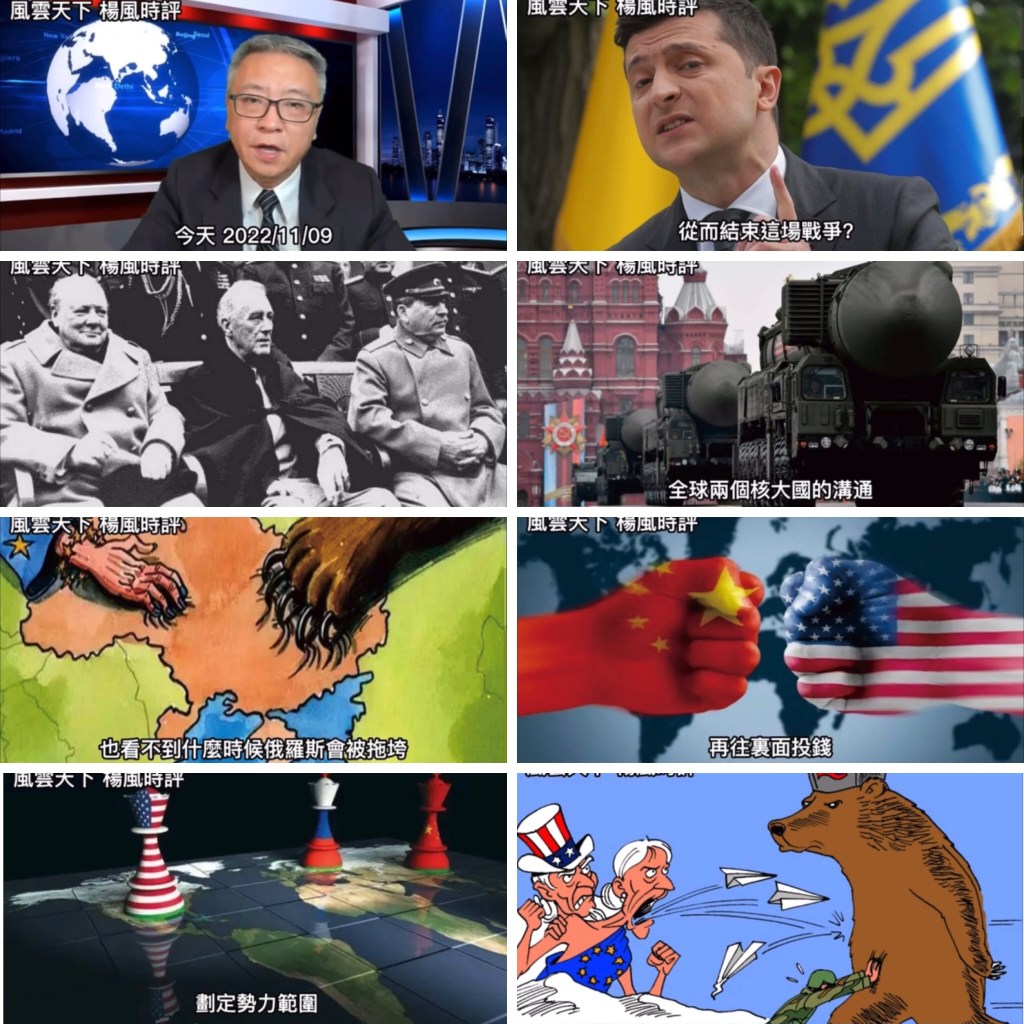
-
Subscribe
Subscribed
Have a WordPress.com account? Log in now.

