-
Video: Tariff is slowing the economy, raising inflation & unemployment
Video with Chinese subtitles: Phillip Swagel, Director of the Congressional Budget Office (CBO), Tariff is slowing the economy, raising inflation & unemployment 影片有中文字幕: 美國國會預算辦公室主任菲利普‧斯瓦格爾表示,關稅正在拖累經濟成長、推升通膨和失業率
https://www.tiktok.com/t/ZP8SAKePM/
https://youtu.be/9Ae3BlyYba4?si=ZBM4PSGRUmjZzsSB
https://rumble.com/v6yzeqw-tariff-is-slowing-the-economy-raising-inflation-and-unemployment.html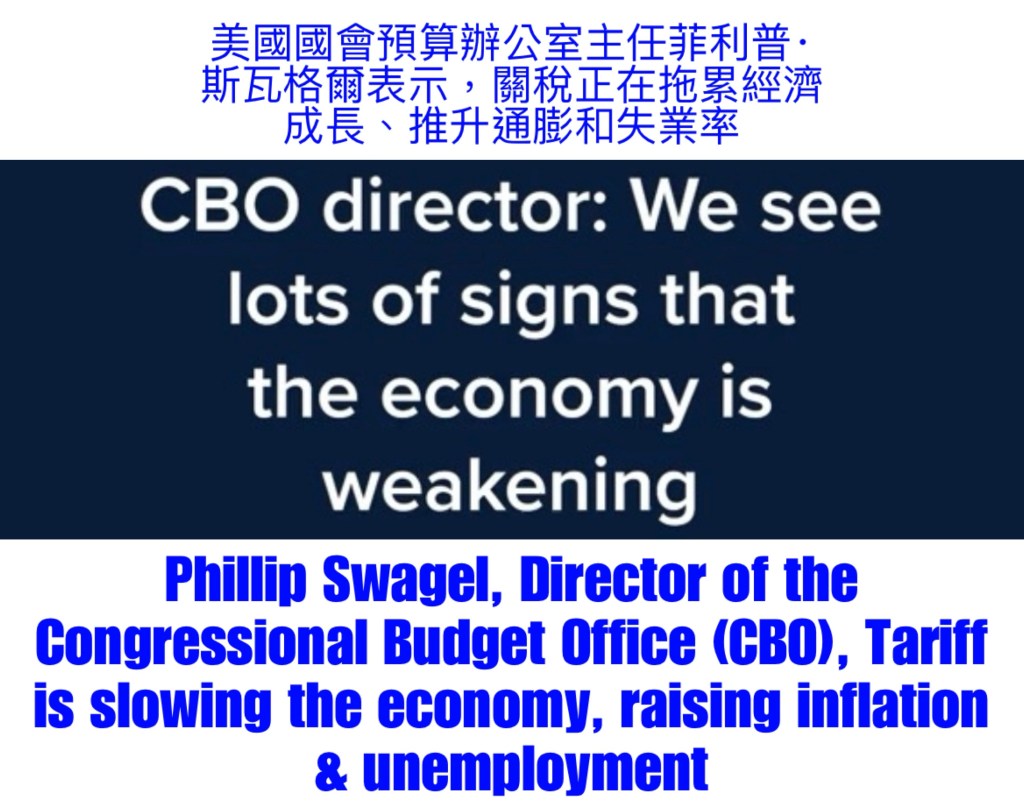
-
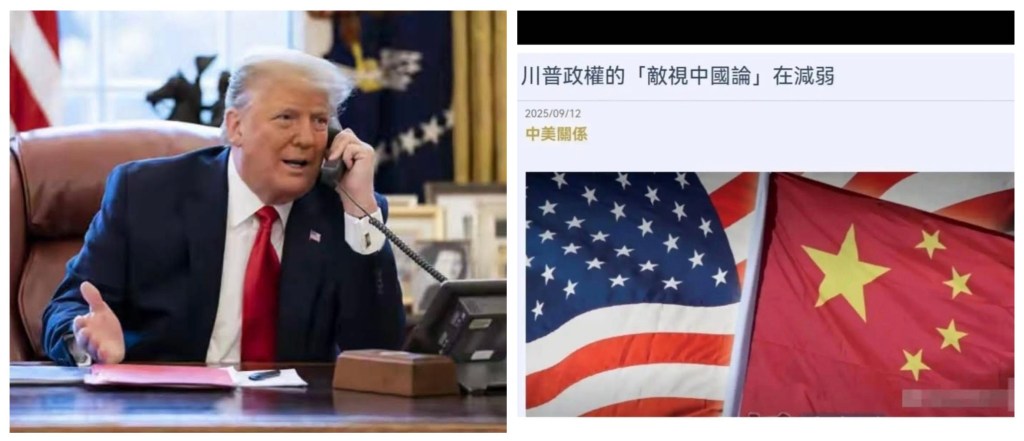
Japanese media report that US policy toward China is undergoing a significant shift
Japanese media report that US policy toward China is undergoing a significant shift 日媒表示,美國的對華政策正在發生明顯變化…
Japanese media report that hostile views toward China are shrinking within the Trump administration, while the idea of tolerating China on the condition of US interests is strengthening.
Japanese media note that subtle shifts in attitude toward China extend beyond Trump. Harsh rhetoric from relevant departments and close associates has also subsided. The US Department of Defense is also seeking opportunities for dialogue with Chinese defense authorities.
Deputy Secretary of Defense Colby, who leads policymaking, has proposed maintaining a “balance” of military power with China in the Indo-Pacific region. Secretary of State Rubio, long considered a hawk on China, is also moderating his harsh tone toward China.
The Pentagon is secretly developing a landmark revision of its National Defense Strategy. This draft, unprecedented in its approach, proposes shifting the US military’s strategic focus from global deployment to homeland defense, specifically prioritizing the security of the Western Hemisphere.
In stark contrast to the Trump administration’s 2018 stance of designating China as a “major strategic competitor,” the new draft no longer prioritizes countering the Chinese military threat. This shift marks a fundamental restructuring of US defense strategy.
The key figure driving this historic strategic adjustment was Deputy Secretary of Defense Elbridge Colby. A representative of the neo-isolationist camp in American politics, Colby advocated for the United States to withdraw from burdensome global military obligations and focus limited defense resources on maintaining domestic security.
The United States currently faces severe domestic security challenges: the rampant drug epidemic, a surge in illegal immigration, and chaotic border control. These issues have become a major concern for the United States.
To address these crises, the Pentagon has implemented a series of extraordinary measures, including establishing a militarized management zone along the US-Mexico border and deploying National Guard troops to several major cities to assist in law enforcement.
Economic factors are also not to be ignored. According to the latest data released by the US Treasury in August 2025, the total federal government debt has exceeded $37 trillion, a record high.
Under these fiscal constraints, maintaining hundreds of military bases around the world and numerous foreign military aid programs is becoming increasingly unsustainable.
The rapid rise of China’s military power is a major factor in the US strategic shift. During this year’s September 3rd military parade, the Chinese military’s display of two intercontinental missiles, the DF-61 and DF-5C, drew particular attention.
As national treasures, the DF-61 has a range that covers the continental United States, while the DF-5C possesses global strike capabilities. Their power and penetration capabilities are forcing the United States to seriously reconsider its position.
Not only in the military sphere, but also in China’s remarkable growth in economic and technological strength. In 2022, China’s retail sales of consumer goods reached 43 trillion yuan, supporting the world’s largest consumer market.
In the technology sector, Yangtze Memory Technologies has achieved mass production of 232-layer NAND chips directly in China, demonstrating that technological independence is not just a slogan but tangible results.
Trump’s attempt to form a 28-nation customs alliance against China marks a major shift in trade policy toward the country. However, this plan faces numerous obstacles.
The EU’s response has been unexpectedly cool. The German Chancellor has even publicly called for “weaning ourselves from dependence on the United States.” German automakers’ sales in China account for 35% of their global sales. This is no small amount; it represents a real livelihood.
Even the American business community has strongly opposed the tariff policy, with over 3,500 companies already filing legal challenges. Legislators from various states in the Farm Belt are drafting a joint letter urging Trump to reconsider his tariff policy toward China.
Since the trade war began in 2018, American farmers have lost $24 billion in the Chinese market, 245,000 jobs, and GDP has decreased by $320 billion. These statistics reveal a harsh reality: the US trade war with China is effectively killing eight hundred enemies while hurting itself a thousand.
The US is trying to get its allies to bear more of the cost of defense. Senior Pentagon official Colby explicitly told British aircraft carriers, “You are not welcome in the Indo-Pacific,” and abruptly demanded that Japan double its military spending to 5% of its GDP.
This demand exposes the US’s predatory logic: since China’s military growth is irreversible, let allies fill the gap for the US military. However, the US’s strategic maneuvering faces multiple paradoxes.
Despite being kicked out of Asia militarily, European allies are continuing to assert a tough stance against China on the economic, trade, and technological fronts. This schizophrenic approach is fueling Macron-style “strategic autonomy” thinking.
Japan’s military expansion faces the dual constraints of its pacifist constitution and the pressure of tax increases. It’s like being forced to run with shoes on its back; any misstep could lead to it falling out of the ranks of the “anti-China alliance.”
Reality has taught the United States a lesson: when Nike moved its factories from China to Vietnam, its defective product rate doubled; when Apple moved some production lines to India, it couldn’t even tighten a single screw correctly, and ultimately quietly returned to China.
The Pentagon’s strategic shift suggests that the future global supply chain will not be a binary choice between “China or the United States,” but more likely a new pattern of dual-center coexistence of China and the United States. In this new era, America’s “old script” is destined to be difficult to conclude perfectly.
日媒表示,美國川普政府中敵視中國的觀點正在萎縮,而以美國獲得利益為條件容忍中國的想法正在加強。
日媒指出,在對華態度上發生微妙變化的不僅是川普。相關部門和川普親信的嚴厲言論也銷聲匿跡。美國的國防部也在尋找與中國國防當局對話的機會。
主導政策制定的美國國防部副部長科爾比提出在印度太平洋地區與中國保持軍事力量的“均衡”。一直被視為對華強硬派代表人物的美國國務卿魯比奧也在控制對中國的嚴厲語氣。
五角大樓正在秘密制定一份具有劃時代意義的《國防戰略》修訂版。這份草案史無前例地提出要將美軍的戰略重心從全球部署轉向本土防禦,特別是將西半球安全置於首要位置。
與2018年特朗普政府將中國視為“主要戰略競爭對手”的立場截然不同,新草案不再把應對中國軍事威脅作為核心考量。這一轉變標誌着美國國防戰略的根本性重構。
推動這一歷史性戰略調整的關鍵人物是國防部副部長埃爾布里奇·科爾比。作為美國政壇新孤立主義陣營的代表人物,科爾比主張美國應該從繁重的全球軍事義務中抽身,將有限的國防資源集中用於維護本土安全。
美國當前面臨嚴峻的國內安全挑戰:毒品泛濫成災、非法移民數量激增、邊境管控陷入混亂。這些問題已成為美國的“心腹之患”。
為應對這些危機,五角大樓已經採取了一系列非常措施,包括在美墨邊境建立軍事化管理區,向多個大城市部署國民警衛隊協助執法。
經濟因素同樣不可忽視。根據美國財政部2025年8月公布的最新數據,聯邦政府債務總額已突破37萬億美元大關,創下歷史新高。
在這種財政吃緊的情況下,維持全球數百個軍事基地和大量對外軍事援助項目變得越來越難以為繼。
中國軍力的迅猛崛起是促使美國戰略轉向的重要原因。今年九三閱兵中,中國軍隊展示的東風-61和東風-5C兩款洲際導彈格外引人注目。
作為國之重器,東風-61射程覆蓋美國本土,而東風-5C則具備全球打擊能力,它們的威力和突防能力讓美國不得不認真考量自身的處境。
不僅在軍事領域,中國經濟和科技實力的提升同樣令人矚目。2022年,中國社會消費品零售額高達43萬億元,撐起了世界上最大的一塊消費市場。
在科技領域,長江存儲在國內直接實現232層NAND芯片量產,技術自立不是口號,而是實打實的成果。
特朗普試圖組建一個由28國組成的對華關稅聯盟,標誌着對華貿易策略的重大轉變。然而這一計劃面臨重重困難。
歐盟態度出乎意料地冷淡。德國總理甚至公開喊話要“擺脫對美依賴”。德國車企在中國的銷量佔全球銷量的35%,這不是小數目,是真金白銀的飯碗。
就連美國商界也對關稅政策表示強烈反對,超過3500家美國企業已經對關稅政策提出法律挑戰。農業帶各州議員也正在醞釀聯名信,要求特朗普重新考慮對華關稅政策。
貿易戰從2018年打到現在,美國農民丟了240億美元的中國市場,損失24.5萬個就業崗位,GDP減少3200億美元。這些數據揭示了一個殘酷現實:美國對華貿易戰實際上是殺敵八百,自損一千。
美國試圖讓盟友承擔更多防務成本。五角大樓高官科爾比明確對英國航母表示“印太不歡迎你”,還突然要求日本把軍費翻倍到GDP的5%。
這種要價暴露了美國的強盜邏輯:既然中國軍力增長不可逆,那就讓盟友替美軍填坑。但美國的戰略騰挪面臨多重悖論。
歐洲盟友雖然軍事上被踢出亞洲,卻要在經貿科技戰線繼續對華強硬,這種精神分裂式操作正在助長馬克龍式的“戰略自主”思潮。
日本擴軍面臨和平憲法和增稅壓力的雙重製約,就像被逼着穿小鞋跑步,稍有不慎就會跌出“抗中同盟”的隊列。
現實給美國上了一課:當耐克把工廠從中國轉到越南,次品率翻倍;蘋果把部分產線搬去印度,連一個螺絲都擰不準,最後又悄悄迴流中國。
五角大樓的戰略轉變預示着未來全球供應鏈不會是“非中即美”的二選一,而更可能是中美雙中心並存的新格局。美國的“舊劇本”,在這個新時代,註定很難完美收官。
-
China position has been we can meet and talk. China will listen
China position has been we can meet and talk. China will listen. But if US kept using the extortion tactics. China will listen to the same old US BS, but China will stand its ground, China, US trade delegations kick off fourth round of talks in Madrid, since US not sincere, expect no deals! 中國的立場一直是,我們可以見面談。中國會傾聽。但如果美國繼續使用敲詐勒索的伎倆,中國會聽美國那些胡言亂語,但中國會堅持自己的立場。中國和美國貿易代表團將在馬德里啟動第四輪談判,既然美國不真誠,那就別指望能達成協議了.
https://www.scmp.com/economy/global-economy/article/3325494/china-us-trade-delegations-kick-fourth-round-talks-madrid?
-
Video with Chinese subtitles: China’s trade with Africa outracing the rest of world, supplanting North Americ
Video with Chinese subtitles: China’s trade with Africa outracing the rest of world, supplanting North America 影片有中文字幕: 中國與非洲的貿易額超過世界其他地區,取代北美
https://www.tiktok.com/t/ZP8SBXdtD/
https://youtu.be/hr2WBuJluGc?si=XI8RCBYA6fH_Nm3a
https://rumble.com/v6yxjse-chinas-trade-with-africa-outracing-the-rest-of-world-supplanting-north-amer.htmlChinese exports to the United States are down double digits since the beginning of the year.
But China’s exports overall are much higher than expected, as Chinese firms are successfully expanding into new markets.
This is glaringly true of Africa. Bilateral trade between China and Africa is rocketing higher, and doing so in surprising ways.
Chinese exports to Africa are high up in the value chain: advanced machinery, vehicles, electronics, and power generation. But these products are also falling in price, making them more affordable then ever to Africa’s emerging middle class and business sectors.
It is also a de-dollarization story. Chinese banks make trade credit and finance widely available using pools of renminbi. African firms can far more easily access capital in RMB, compared to USD, and are refinancing their dollar-denominated debts to the Chinese currency.
自今年年初以來,中國對美國的出口額下降了兩位數。
但隨著中國企業成功拓展新市場,中國整體出口額遠高於預期。
非洲的情況尤其如此。中非雙邊貿易額正在飆升,而且成長速度令人驚訝。
中國對非洲的出口產品處於價值鏈的高端:先進的機械、汽車、電子產品和發電設備。但這些產品的價格也在下降,非洲新興中產階級和商業部門比以往任何時候都更能負擔得起。
這也是一個去美元化的故事。中國的銀行利用人民幣池廣泛提供貿易信貸和融資。與美元相比,非洲企業更容易獲得人民幣融資,並且正在將其以美元計價的債務再融資為人民幣.

-
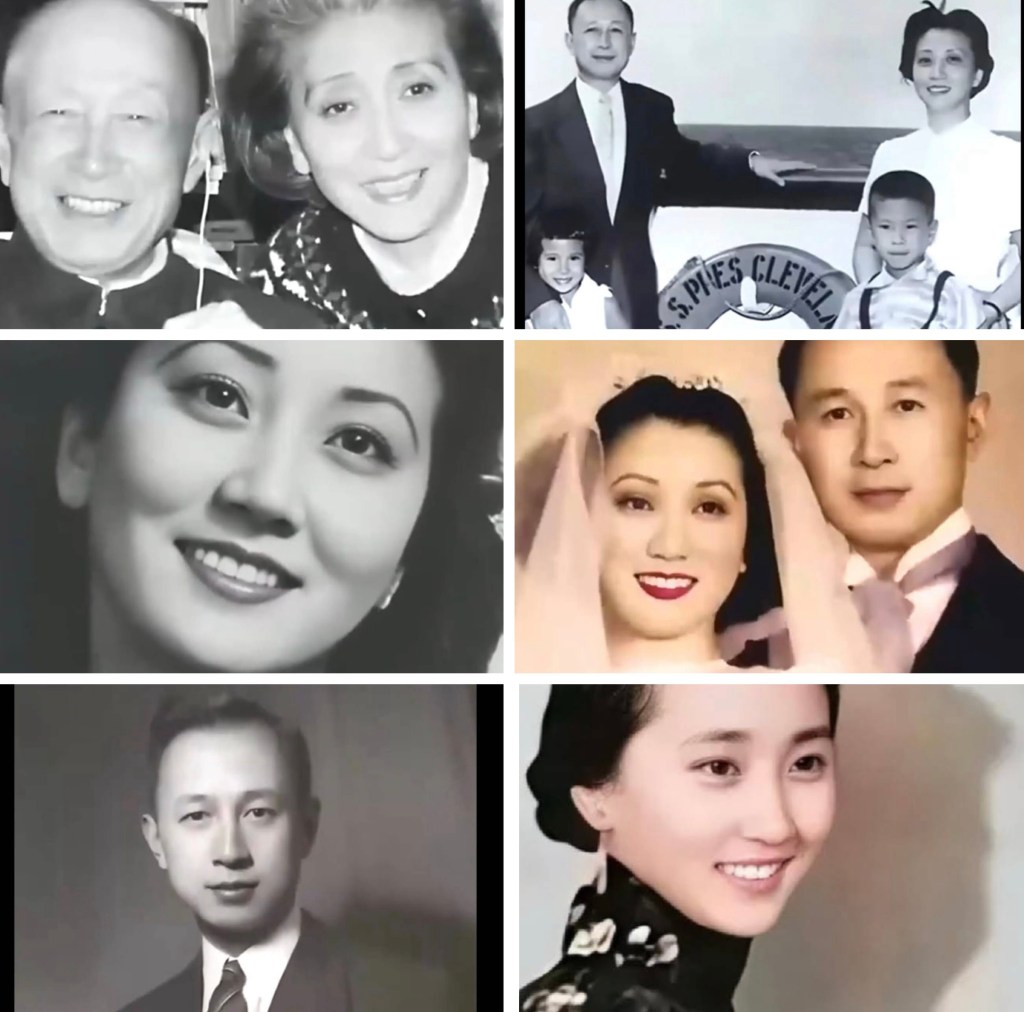
A romantic love story that led to the China’s aerospace industry
A romantic love story that led to the China’s aerospace industry 浪漫的愛情故事,成就中國航天事業……
A romantic love story that led to the China’s aerospace industry…
Qian Xuesen confessed his love to Jiang Ying: “Jiang Ying, why don’t you marry me?”
Jiang Ying politely declined: “Brother, I have a boyfriend.”
Unexpectedly, Qian Xuesen acted like a boss: “Boyfriend doesn’t count. Come with me to America, now.”
Back in 1923, at the Qian family mansion in Shanghai, 12-year-old Qian Xuesen first met his adopted daughter, Jiang Ying. Tiny in a white dress and a bow, she timidly addressed him as “brother.”
At the time, Qian Xuesen was a somewhat introverted teenager, fond of studying. His regard for his “sister” was more of a polite gesture of concern. But fate had already quietly connected the two.
In 1935, Qian Xuesen went to the United States to study as a Boxer Indemnity student. Before leaving, he looked for a long time at the dock, but there was no sign of Jiang Ying. He suppressed the disappointment in his heart.
Qian Xuesen didn’t see Jiang Ying again until 1947, when she returned from the Berlin Conservatory of Music and gave a solo concert in Shanghai. That evening, on the stage of the Lyceum Theatre, Jiang Ying sang a captivating rendition of Debussy’s Serenade, leaving Qian Xuesen in the audience unable to contain his emotions.
After the performance, he didn’t applaud and leave like the rest of the audience. Instead, he rushed backstage and delivered a confession that shocked everyone.
A few days later, at the DDS Café on Xiafei Road, the fresh green of sycamore trees swayed outside the floor-to-ceiling windows, the dim light reflected on the black and white checkerboard tiles inside, and Schubert’s Serenade played on the phonograph. Qian Xuesen and Jiang Ying sat across from each other, two cups of coffee steaming on the table.
He was dressed in a crisp three-piece suit, his eyes etched with earnestness. “Jiang Ying, I’m serious. Come with me to America, and we’ll start a new life together.” Jiang Ying lowered her head, stirring her coffee. Her voice was gentle but resolute. “Brother, I really do have a boyfriend. He’s my classmate from the Berlin Conservatory. Although the war has cut us off from each other, I can’t just give up.”
Qian Xuesen frowned slightly, a hint of resignation in his tone. “How can we hold our marriage together when we’re locked down during wartime?” He even pulled out a boat ticket and pushed it in front of her. “I’ve arranged everything. We’ll be in America in six weeks.”
At that moment, Jiang Ying stared at the ticket with a complex expression. She knew Qian Xuesen’s sincerity, and she understood that behind his insistence lay years of unspoken emotions. Yet, her heart lingered on that winter in Berlin, on that unfulfilled promise.
She gently pushed the ticket back. “Brother, thank you, but I can’t.” Qian Xuesen fell silent, his hand trembling slightly as he held the coffee. He didn’t press any further, only whispering, “Then I’ll wait for you.”
Fast forward a few weeks, and Jiang Ying received a letter from Berlin. In it, her boyfriend confessed that the post-war chaos had led him to choose another relationship. The letter fell to the floor, and Jiang Ying sat by the window, speechless for a long time.
At that moment, she suddenly remembered Qian Xuesen’s gaze in the cafe, and the ticket he had pushed towards her. A few days later, she approached Qian Xuesen and said in a low voice, “If your ticket hasn’t been refunded, I want to… go with you.” Qian Xuesen was stunned for a moment, then smiled a rare smile. “Okay, let’s get ready now.”
In September 1947, the Shanghai docks were bustling with activity. Qian Xuesen carried a wicker suitcase, while Jiang Ying, dressed in a simple long dress, clutched a Debussy sheet music.
The two boarded the ship bound for America, the shadows of the sycamore trees gradually receding behind them. As the ship’s horn sounded, Qian Xuesen bowed his head and said to Jiang Ying, “I will take good care of you from now on.” Jiang Ying looked up and smiled, a look of relief in her eyes: “I believe we will live well too.” This scene marked the beginning of their new life.
After arriving in the United States, Qian Xuesen and Jiang Ying’s marriage was not as perfect as a fairy tale. Qian Xuesen devoted himself to scientific research, while Jiang Ying continued her vocal career. Despite their disagreements, they always supported each other.
In the 1950s, Qian Xuesen was forced to return to China due to McCarthyism. Jiang Ying followed him without hesitation, giving up her comfortable life abroad. After returning to China, she became a founder of vocal education in China, while Qian Xuesen dedicated his life to the country’s aerospace industry.
Years later, Jiang Ying recalled that rainy night in 1947 in an interview, saying with a smile, “If it weren’t for his persistence, I might still be lost in the memories of Berlin.
He made me understand that love is not just romance, but the courage to face the future together.” Qian Xuesen, in a handwritten manuscript, wrote, “Jiang Ying is the most beautiful melody in my life. Beyond science, she is my everything.”
That 1947 boat ticket now lies quietly in a display case at the Qian Xuesen Library of Shanghai Jiao Tong University, its yellowed pages chronicling a love story that spanned the ocean.
From the confession at the Lyceum Theatre, to the perseverance at the Joffre Road Café, to the departure at the dock, Qian Xuesen and Jiang Ying exemplified love and perseverance through their actions.
Perhaps, true love is never the impulsive feeling of falling in love at first sight, but the unwavering commitment that endures through thick and thin.
錢學森向蔣英表白:“蔣英,要不,你嫁給我吧。”
蔣英委婉的拒絕:“哥,我有男朋友。”
誰知,錢學森他直接霸總上線:“男朋友不算。跟我去美國吧,現在就走。”
時間倒回到1923年,上海錢家大宅里,12歲的錢學森第一次見到過繼而來的蔣英。小小的她穿着白色小裙,扎着蝴蝶結,怯生生地叫他“哥哥”。
那時的錢學森,只是個有些內向的少年,喜歡埋頭讀書,對這個“妹妹”更多是禮貌的關懷。可命運的線早已將兩人悄悄牽連。
1935年,錢學森以庚子賠款公費生的身份赴美留學,臨走前,他在碼頭張望了許久,卻沒見到蔣英的身影。心底的那抹失落,他壓了下去。
直到1947年,蔣英從柏林音樂學院畢業歸國,在上海舉辦獨唱音樂會,錢學森才再次見到她。那一晚,蘭心大戲院的舞台上,蔣英一曲《德彪西小夜曲》唱得動人心弦,台下的錢學森卻再也按捺不住內心的波瀾。
演出結束后,他沒有像其他觀眾一樣鼓掌離去,而是直接衝到後台,拋出了那句震驚所有人的告白。
幾天後,霞飛路上的DDS咖啡館,落地窗外梧桐樹新綠搖曳,室內黑白棋盤格地磚映着昏黃燈光,留聲機里流淌着舒伯特的《小夜曲》。錢學森和蔣英相對而坐,桌上兩杯咖啡冒着熱氣。
他穿着筆挺的三件套西裝,眼神里藏不住的認真:“蔣英,我是認真的。跟我去美國,我們一起開始新生活。”蔣英低頭攪拌着咖啡,語氣輕柔卻堅定:“哥,我真的有男朋友,是我在柏林音樂學院的同學。雖然戰亂讓我們失聯,但我不能就這麼放棄。”
錢學森眉頭微皺,語氣裡帶着一絲不甘:“戰時信息不通,婚約未定,怎能算數?”他甚至掏出一張船票,推到她面前,“我已經安排好了一切,6周后我們就能到美國。”
那一刻,蔣英看着船票,眼神複雜。她知道錢學森的真心,也明白他的堅持背後,是多年未曾言說的情感。可她的心,卻還停留在柏林的那個冬天,停留在那個未完成的承諾。
她輕輕推回船票:“哥,謝謝你,但我不能。”錢學森沉默了,端起咖啡的手微微顫抖,但他沒有再逼迫,只是低聲說:“那我等你。”
時間快進到幾周后,蔣英收到一封來自柏林的信件,信中她的男友坦言,戰後的混亂讓他選擇了另一段感情。信紙掉落在地,蔣英坐在窗前,久久無言。
那一刻,她突然想起錢學森在咖啡館里的眼神,想起他推來的那張船票。幾天後,她主動找到錢學森,聲音低啞:“如果你的船票還沒退,我想……跟你走。”錢學森愣了一下,隨即露出罕見的笑容:“好,我們現在就準備。”
1947年9月,上海碼頭人聲鼎沸,錢學森提着藤編行李箱,蔣英一襲簡潔長裙,手中握着一本德彪西的樂譜。
兩人登上前往美國的輪船,身後是漸漸遠去的梧桐樹影。船鳴聲響起,錢學森低頭對蔣英說:“以後,我會好好照顧你。”蔣英抬頭一笑,眼中多了一分釋然:“我也相信,我們會過得很好。”這一幕,成了他們新生活的起點。
赴美后,錢學森和蔣英的婚姻並不如童話般完美無瑕。錢學森投身科學研究,蔣英則繼續她的聲樂事業,兩人雖有爭執,卻始終相互扶持。
1950年代,錢學森因“麥卡錫主義”被迫回國,蔣英毫不猶豫地跟隨,放棄了國外的優渥生活。回國后,她成為中國聲樂教育的奠基人,而錢學森則為祖國的航天事業奉獻一生。
多年後,蔣英在一次訪談中回憶起1947年的那個雨夜,笑着說:“如果沒有他的堅持,也許我還在柏林的回憶里徘徊。
是他讓我明白,愛不僅是浪漫,更是攜手面對未來的勇氣。”而錢學森則在一封手稿中寫道:“蔣英是我生命中最美的樂章,科學之外,她是我的全部。”
那張1947年的船票,如今靜靜地躺在上海交大錢學森圖書館的展櫃里,泛黃的紙張記錄著一段跨越大洋的愛情故事。
從蘭心大戲院的告白,到霞飛路咖啡館的堅持,再到碼頭上的啟程,錢學森和蔣英用行動詮釋了什麼是愛與堅守。
或許,真正的愛情,從來不是一見鍾情的衝動,而是歷經風雨後的不離不棄。
-
Video: BBC and CNN acknowledge that the international order has changed, US could not win over China
Video with English subtitles: The SCO+93 military parade! The West is furious! BBC and CNN acknowledge that the international order has changed, US could not win over China. American ideological colonization! Exposing the US cognitive warfare! This has been reported before, but the Chinese didn’t accept it. Why do they accept it today? Because America is declining, China is rising. It turns out the US’s ideological colonization is a scam! 影片有英文字幕: 上合+93 閱兵! 西方炸鍋! BBC CNN 承認國際秩序變了, 美國無法贏得中國! 美國思想殖民! 撕開美國認知戰! 以前也有報導, 但中國人那時侯並不接受, 為什麼今天中國人接受,因為美國衰落, 中國掘起, 現在中國人發現美國那一套是一個騙局!
https://www.tiktok.com/t/ZP8SBSwWL/
https://youtu.be/X0vDIrFZ1zg?si=JJWGtI-7ABV7khX_
https://rumble.com/v6yx51q-bbc-and-cnn-acknowledge-that-the-international-order-has-changed-us-could-n.html
-
The gunman that killed Charlie Kirk is far left whereas Charlie Kirk is far right.
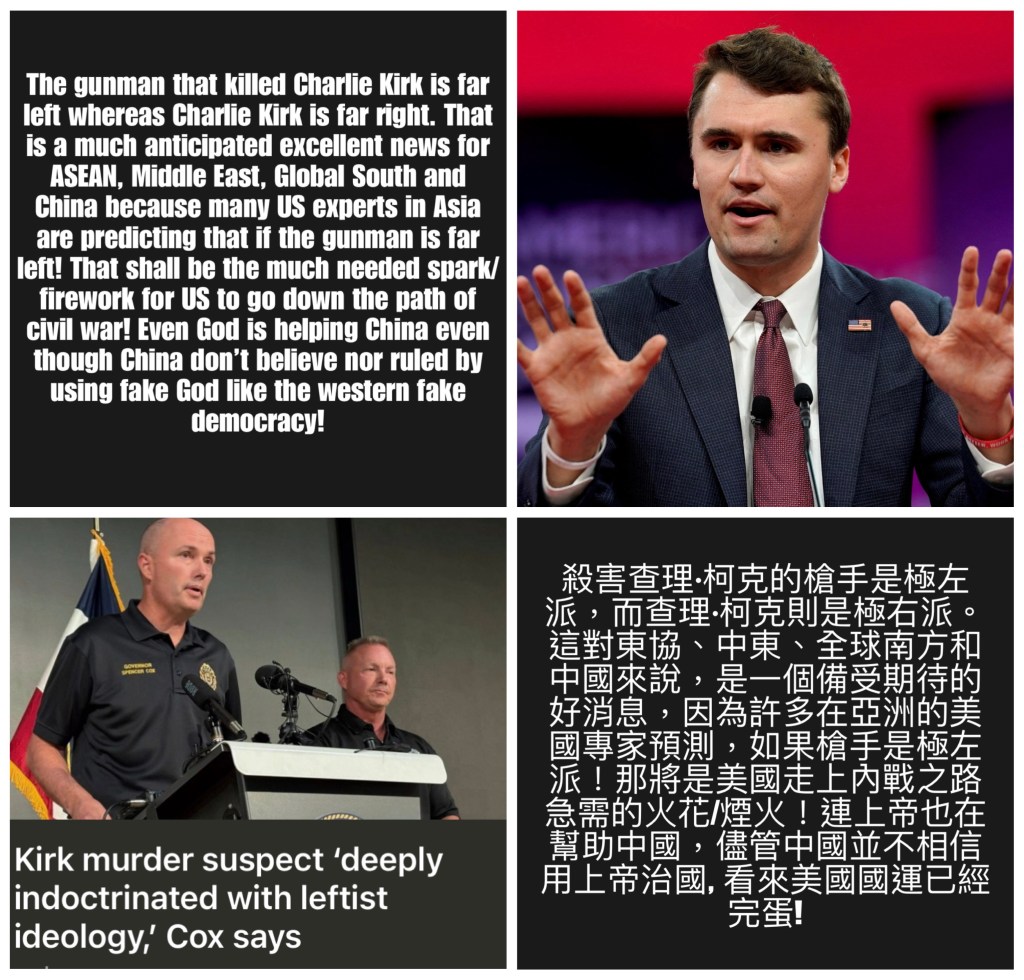
The gunman that killed Charlie Kirk is far left whereas Charlie Kirk is far right. 殺害查理·柯克的槍手是極左派,而查理·柯克則是極右派.
The gunman that killed Charlie Kirk is far left whereas Charlie Kirk is far right. That is a much anticipated excellent news for ASEAN, Middle East, Global South and China because many US experts in Asia are predicting that if the gunman is far left! That shall be the much needed spark/firework for US to go down the path of civil war! Even God is helping China even though China don’t believe nor ruled by using fake God like the western fake democracy!
殺害查理·柯克的槍手是極左派,而查理·柯克則是極右派。這對東協、中東、全球南方和中國來說,是一個備受期待的好消息,因為許多在亞洲的美國專家預測,如果槍手是極左派!那將是美國走上內戰之路急需的火花/煙火!連上帝也在幫助中國,儘管中國並不相信用上帝治國, 看來美國國運已經完蛋!
-
Video with English subtitles: The problems of Canada & Mexico are too far from God, too close to US!
Video with English subtitles: The problems of Canada & Mexico are too far from God, too close to US! The tragedy and deception of Western democracy! Mexico imposes 50% tariffs on China, and China will retaliate without mercy! 影片有中文字幕: 加拿大和墨西哥的問題離上帝太遠,離美國太近! 西方民主制度的悲哀與騙局!墨西哥對華加稅50%, 中國的反制絕不手軟!
https://www.tiktok.com/t/ZP8Sh3JLg/
https://youtu.be/xcCGUAqCMgI?si=GwDTyY-3eSXK7MDd
https://rumble.com/v6ywdvw-the-problems-of-canada-and-mexico-are-too-far-from-god-too-close-to-us.html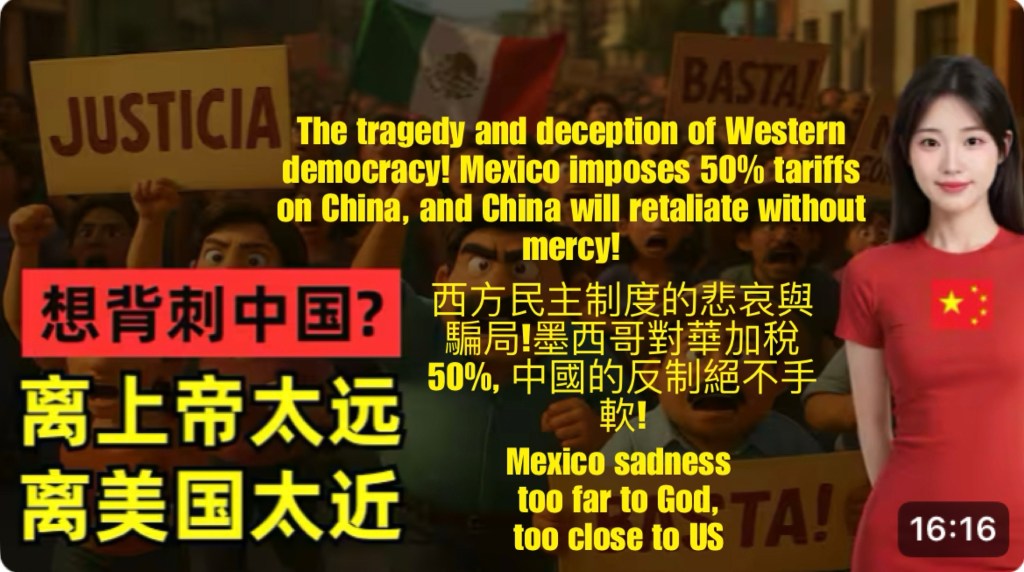
-
Hu Bo: De-hegemonization of the International Maritime Order Is Irresistible
Hu Bo: De-hegemonization of the International Maritime Order Is Irresistible 胡波:国际海洋秩序去霸权化势不可挡
Before World War II, the central maritime issues were the rise and decline of great powers and sea control. The international maritime order of the time was marked by stark asymmetry and inequality, functioning primarily as an instrument for hegemonic powers and Western colonial and imperial blocs to assert dominance over the world. Weaker nations and oppressed peoples had virtually no voice in this system.
Over the past 80 years since the end of World War II, the international maritime order has generally moved toward greater equity, justice, and democracy. Third World countries, non-Western nations, and Global South countries have played a pivotal role in this transformation. This shift can be primarily attributed to the following factors: First, the establishment of the United Nations system and related institutions, along with the wave of decolonisation and the subsequent independence of Third World countries, created a space for the democratisation of international relations, where nations are, at least formally, considered equal. Second, the scope of international maritime politics has expanded and diversified since World War II, offering greater opportunities for small and medium-sized countries to make meaningful contributions.
In their book Power and Interdependence, American scholars Robert Keohane and Joseph Nye state, “…technology had increased mankind’s ability to exploit the oceans’ space and resources, thus raising questions of scarcity and stimulating countries’ efforts to widen the area under their jurisdiction in order to exclude other countries from the resources.” The growing importance of the ocean as a source of resources has become increasingly evident, with economic and developmental issues such as marine fisheries, oil and gas exploration, and deep-sea mineral extraction gradually entering the agenda of international maritime politics.
Entering the 21st century, global maritime issues have gained increasing prominence. The high connectivity of the oceans has led to security threats and challenges that transcend national borders. Tasks such as combating piracy and transnational crime, protecting the marine environment, and ensuring maritime security have increasingly surpassed the capacity of individual nations or small groups of countries. As a result, ocean governance has emerged as a key focus in international maritime politics.
However, the evolution of the maritime order has followed different paths in various areas. After World War II, the international maritime order began to diverge, with political-economic and security issues evolving along separate trajectories. As global interdependence grew, the role of military force diminished, while the influence of small and medium-sized states increased. Maritime powers could no longer unilaterally shape the direction of the international maritime order, particularly in its political and economic dimensions. The 1958 Convention on the Continental Shelf and the 1982 United Nations Convention on the Law of the Sea (UNCLOS) are prime examples of this shift. In the negotiations and treaty-making processes of both conventions, Third World countries were the driving force.
Currently, the international maritime political-economic order, based on UNCLOS, forms a relatively open, equitable, and balanced network of mechanisms and rules. Although these rules retain a distinct Western influence, developing countries also play a significant role. The dominance of maritime powers or major states over the international maritime political-economic order has effectively collapsed.
However, due to disparities in capabilities, the post-World War II movements of national liberation and the democratisation of international relations have had a limited impact on the international maritime security order. To build consensus during negotiations, UNCLOS incorporated many compromises and ambiguities, particularly in provisions related to the regime of islands and dispute settlement mechanisms. These compromises, to some extent, have contributed to the escalation of disagreements and conflicts among certain states. Moreover, due to resistance from maritime powers such as the United States and the Soviet Union, military security issues were largely excluded from UNCLOS. While some provisions touch on military activities, they remain very vague and non-binding.
To this day, this divergence remains unresolved. The institutionalisation of the international maritime political-economic order continues to strengthen, and the UNCLOS system is still evolving. The Agreement under the UNCLOS on the Conservation and Sustainable Use of Marine Biological Diversity of Areas beyond National Jurisdiction (BBNJ Agreement) has been adopted and has now entered the phase of ratification by individual countries. The BBNJ Agreement, which governs marine resources, the utilisation of maritime spaces, and maritime activities, addresses a range of significant frontier issues in the current development of ocean resources and environmental management, spanning the fields of science and technology, policy, law, economics, and military affairs.
Meanwhile, the contemporary international maritime security order still bears a distinct imprint of power politics. It is dominated by the United States, with its core consisting of the U.S. and its global alliance system, alongside a series of military and security rules shaped by the U.S.
Virtually all nations are, to varying degrees, dissatisfied with the current international maritime order. The United States has yet to formally join UNCLOS, concerned that provisions established by the Convention, such as the exclusive economic zones extending up to 200 nautical miles from the baselines of the territorial sea, could restrict the freedom of global operations for the U.S. military. Additionally, the U.S. argues that the International Seabed Authority regime established by the UNCLOS violates the principles of fair competition. The vast majority of coastal states do not recognise the U.S.-led maritime security order, much less support the United States’ practice of using the maintenance of rules as a pretext for pursuing power politics.
Over the past 80 years, the overall development of the international maritime order has been characterised by institutionalisation. However, the effectiveness of this institutionalisation in the maritime security order remains uncertain, as evidenced by the lack of strict enforcement of various international agreements and regulations, such as UNCLOS. With the strong resurgence of geopolitics and the decline of the liberal international order, the future process of institutionalisation in the international maritime order faces the risk of regression. Deinstitutionalisation or weak institutionalisation may become more prevalent, further exacerbating the uncertainty surrounding the international maritime order.
With the rise of emerging maritime powers such as China, the international maritime order is bound to undergo significant adjustments. China is both a world power and a developing country; both a maritime power and a land-sea composite state. The rise of China’s maritime status itself serves as a counterbalance to Western-style hegemony and power politics. China’s maritime practices are also bound to become a rebalancing effort aimed at constructing a cooperative atmosphere. The future international maritime order will not solely centre on sovereignty and maritime rights and interests, as many developing countries advocate, nor will it become a hegemonic order where the United States enjoys absolute freedom of action, as desired by Washington.

-
Video with English subtitles: US bullying China a complete and total failure, US has no more cards, only empty threats and lies
Video with English subtitles: US bullying China a complete and total failure, US has no more cards, only empty threats and lies 影片有英文字幕: 美國霸凌中國徹底失敗, 美國已經沒有底牌,只有空洞的威脅和謊言, 美國正在正在崩潰,自身難保,上帝也救不了它,自求多福吧! 諾貝爾經濟學獎得主告訴美國人,關稅是美國人支付的額外稅,而不是由中國支付,不要被川普愚弄.
https://www.tiktok.com/t/ZP8Shn7dV/
https://youtu.be/Y6oKcOvAN14?si=ycEmw8QllpmiJP5X
https://rumble.com/v6ywbnu-us-bullying-china-a-complete-and-total-failure-us-has-no-more-cards-only-em.html
-
Subscribe
Subscribed
Have a WordPress.com account? Log in now.

