News on logsitcis, economy, energy, covid protests and more. 關於物流、經濟、能源、新冠病毒等的新聞 Dec 1 2022
1. #seafreight The container shipping industry has stopped thinking about how much money it can make. Rather, people are thinking about how quickly profits can fall. According to Alphaliner, shipping line profits could fall sharply in Q4.
MSC Enters the airfreight market. MCS has taken delivery of its first aircraft – a B777-200. This freighter will fly on routes to China, the U.S., Mexico, and Europe. MSC begins a long-term investment in air transport!
amazon warehouses, why so full? In the shipping off-season, Amazon’s warehouses are so full mainly because sales are not as good as expected.
Europe, #energy. Qatar will start supplying gas to Germany in 2026, about 2 million tons annually. Europe will probably survive the winter, 94.6% of EU gas storage is full now, but the price is not low.
Europe, the #drivers have no work? Some news say that drivers in Europe are starting to look for goods to transport. We all know that there is a general shortage of drivers in Europe, so the volume of goods must fall so much that drivers lose their jobs. The worst thing is that because of the high costs caused by oil prices and inflation, the transport companies cannot lower prices as they used to.
china -#kazakhstan , improving trade and logistics. China and Kazakhstan aim to increase trade volume to $35 billion by 2030. They have talked about launching new projects in the oil and gas and machinery sectors, developing rail freight, and improving the efficiency of border crossings at road ports.
China-#Russia, #transportation . Transportation from China to Russia has long been congested, and sea freight from China to Russia can take up to 60 days, with some cargoes having to wait up to 30 days at ports in the Far East to be unloaded. Crossing the border via Manzhouli to Zabaykalsk can take up to 10 days. The congestion certainly leads to an increase in prices. A 20ft container from China to the Far East port is estimated to cost $5,000. The price for rail transport is 20% higher and that for road transport is 30% higher.
No #swift – Russia and China intend to create an international settlement system that does not use SWIFT.
How it will be in 2023? The WTO expects growth of 1.0% in 2023, down sharply from the previous estimate of 3.4% in April. However, the automotive industry will show promising growth. GDP growth rate of Poland is expected be only 1.7%.
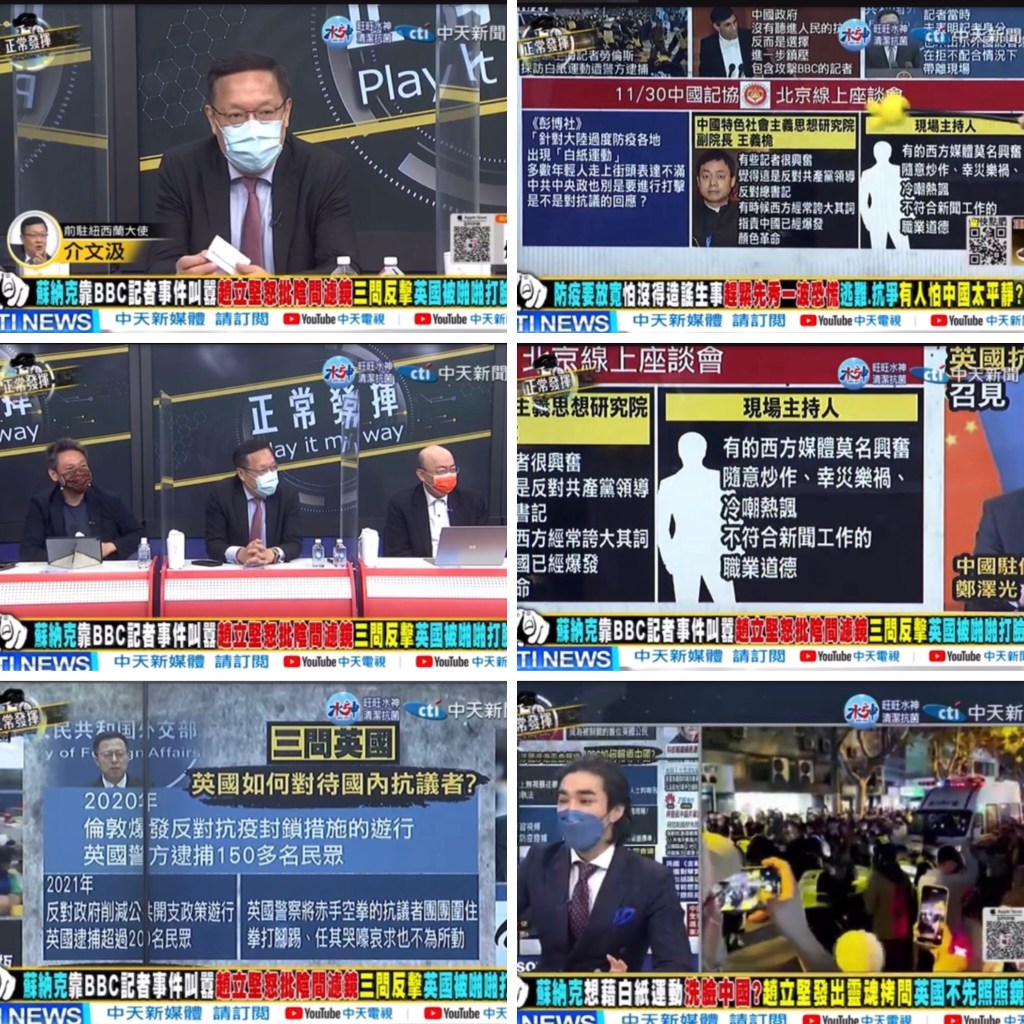
#Protests in China against the #covid19 policy have resulted in loosening restrictions in many places, e.g., fewer tests are required or there are fewer high-risk regions.
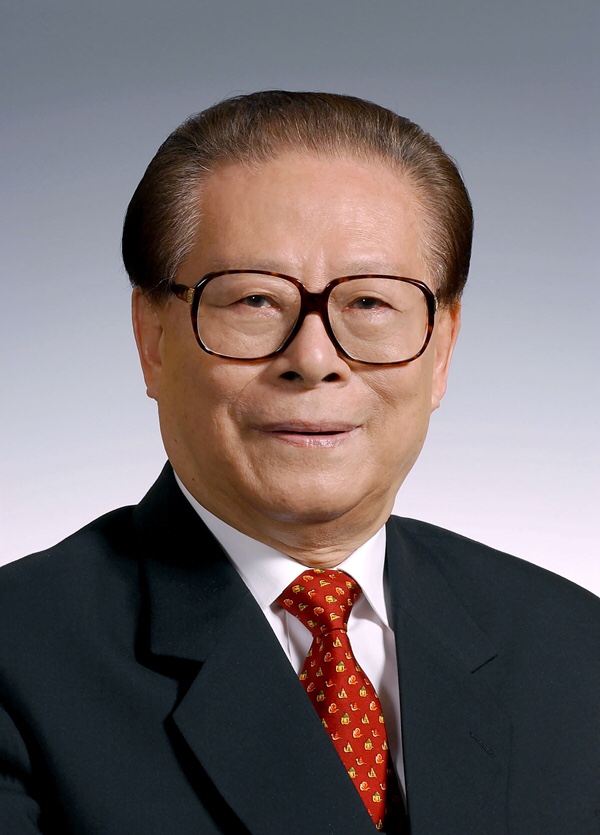
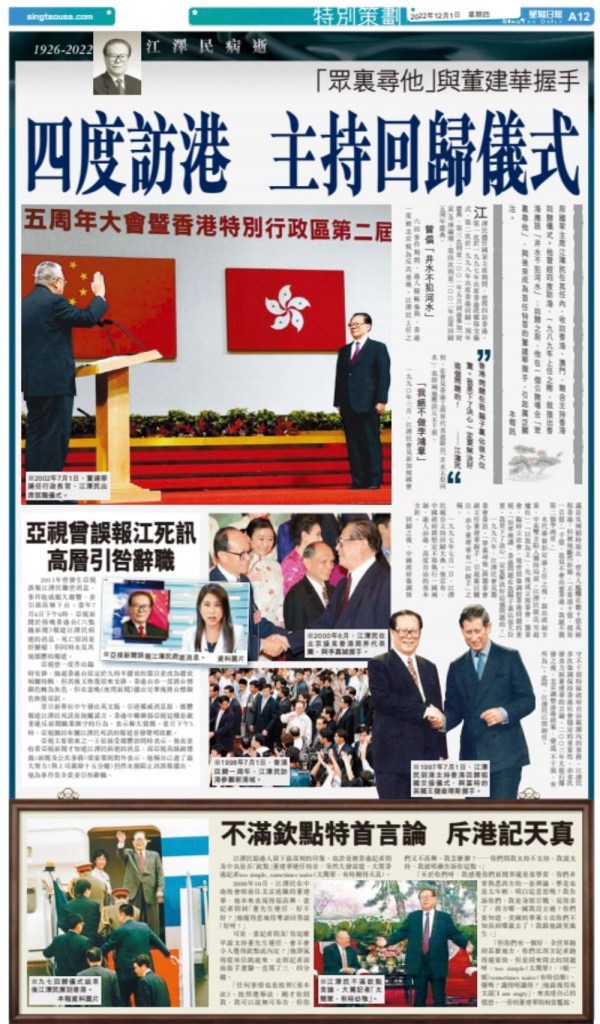
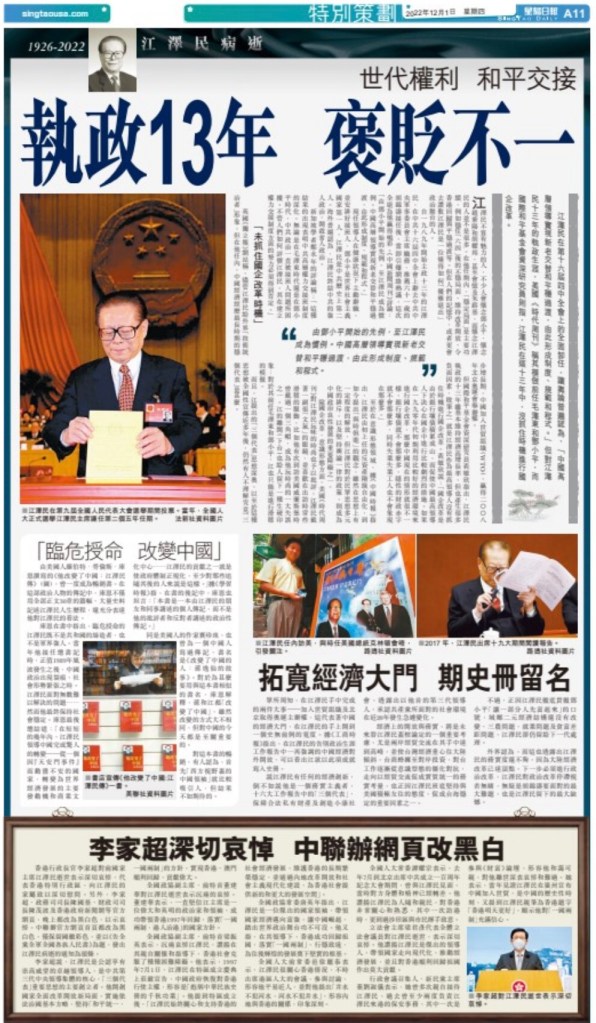
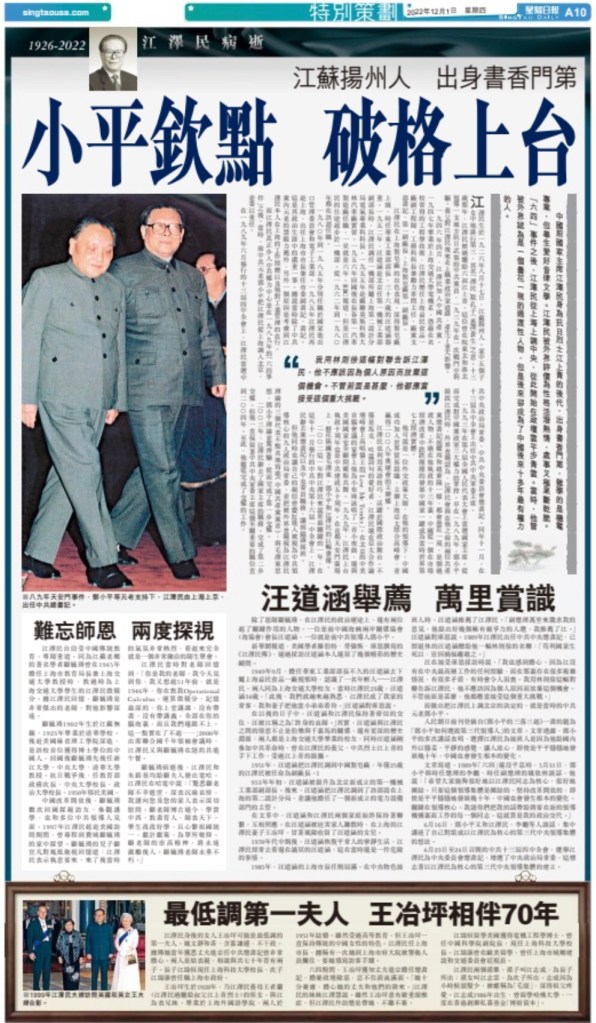
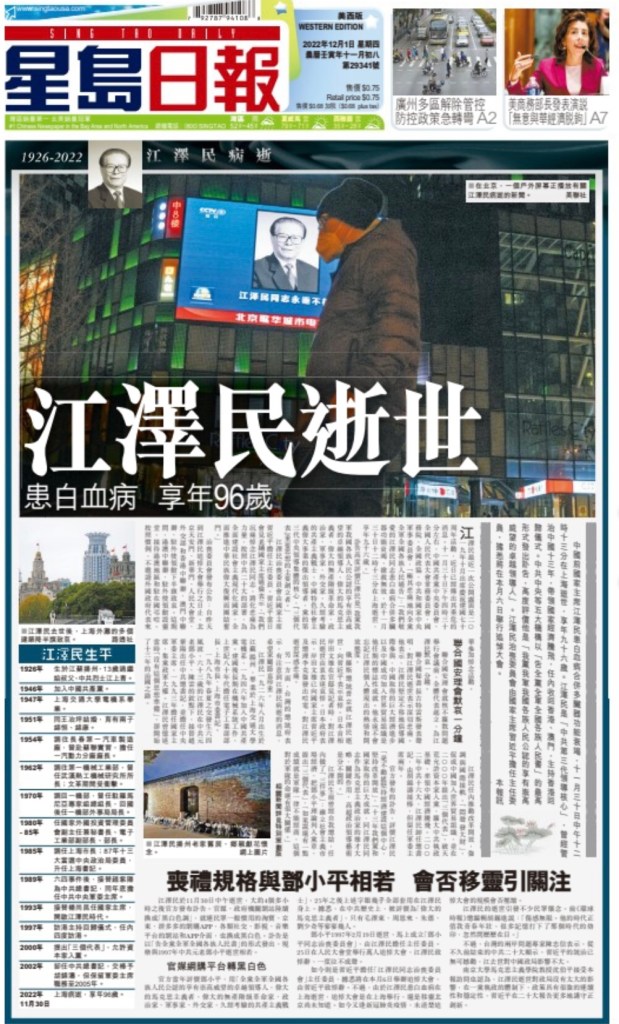
China mourns passing of former leader Jiang Zemin. Xinhua – Global Times Nov 30 2022
Chinese former president Jiang Zemin passed away on Wednesday. The entire country expressed deep mourning toward the former leader, and many media outlets around the world also paid deep respects to and expressed compliments for Jiang’s political career and outstanding contributions, not only to China but also to the international community.
Jiang passed away due to leukemia and multiple organ failure in Shanghai at 12:13 pm on November 30, 2022, at the age of 96, it was announced on Wednesday.
The announcement was made by the Central Committee of the Communist Party of China (CPC), the Standing Committee of the National People’s Congress of the People’s Republic of China (PRC), the State Council of the PRC, the National Committee of the Chinese People’s Political Consultative Conference, and the Central Military Commissions (CMC) of the CPC and the PRC. It was announced in a letter addressing the whole Party, the entire military and the Chinese people of all ethnic groups.
The letter said they proclaim with profound grief to the whole Party, the entire military and the Chinese people of all ethnic groups that our beloved Comrade Jiang Zemin died of leukemia and multiple organ failure after all medical treatments had failed.
“We profoundly mourn Comrade Jiang and will turn grief into strength to work in a concerted effort to build a modern socialist country in all aspects and advance the great rejuvenation of the Chinese nation in an all-round way in accordance with the plan of the 20th CPC National Congress,” Xi Jinping, general secretary of the Communist Party of China Central Committee and Chinese president, told visiting Thongloun Sisoulith, general secretary of the Lao People’s Revolutionary Party Central Committee and Lao president, during a meeting on Wednesday.
The letter released by the Xinhua News Agency on Wednesday said that Comrade Jiang Zemin was an outstanding leader enjoying high prestige acknowledged by the whole Party, the entire military and the Chinese people of all ethnic groups, a great Marxist, a great proletarian revolutionary, statesman, military strategist and diplomat, a long-tested communist fighter, and an outstanding leader of the great cause of socialism with Chinese characteristics. He was the core of the CPC’s third generation of central collective leadership and the principal founder of the Theory of Three Represents.
The letter reviewed the achievements he made during his lifetime from his adolescent years when he became a diligent learner and seeker of truth enlightened by patriotism and the ideas of the democratic revolution, to the time when he became the core of the CPC’s third generation of central collective leadership, to the period of his retirement from the leading posts during which Jiang firmly upheld the work of the CPC Central Committee.
Under the Party’s third generation of central collective leadership with Jiang at the core, we calmly dealt with a series of breaking international events that concerned China’s sovereignty and security, overcame difficulties and risks cropping up in the political and economic spheres and those brought by natural disasters, and always kept China’s reform, opening-up and socialist modernization drive in the right direction. The great achievements of our Party and country in the 13 years since the fourth plenary session of the 13th CPC Central Committee were inseparable from Jiang’s great talent, key role, and exceptional art of political leadership as a Marxist statesman, the letter said.
While serving as chairman of the CMC, Comrade Jiang Zemin, with a deep understanding of the major changes in the domestic and international situations and development trend of the world’s new military transformation, put forward a series of new judgments and new measures in advancing the modernization of the national defense and the armed forces, enriched and developed Mao Zedong’s military thinking and Deng Xiaoping’s thinking on military work in the new historical period, created Jiang Zemin’s thinking on strengthening the national defense and armed forces, and led the modernization of the national defense and the armed forces in scoring great achievements, the letter said.
After he retired from his leading posts, Jiang firmly upheld the work of the CPC Central Committee, showed care for the great cause of socialism with Chinese characteristics, and resolutely supported the efforts to improve Party conduct and combat corruption, it said.
The letter noted that Comrade Jiang Zemin was far-sighted, and could make correct assessments of different situations. He always observed and reflected on issues taking into consideration the general trends of China and the world, as well as the overall work of the Party and the state, continuously advancing theoretical innovation and innovation in other fields.
Jiang’s death is an inestimable loss to our Party, our military and the Chinese people of all ethnic groups. The CPC Central Committee calls on the whole Party, the entire military and the people of all ethnic groups to turn grief into strength, carry forward Jiang’s legacy and express our grief with concrete actions, the letter said.
We must rally around the CPC Central Committee with Comrade Xi Jinping at its core with greater resolve and purpose, and adhere to the Party’s basic theory, basic line, and basic policy, the letter said.
We must develop a deep understanding of the decisive significance of establishing Comrade Xi Jinping’s core position on the Party Central Committee and in the Party as a whole and establishing the guiding role of Xi Jinping Thought on Socialism with Chinese Characteristics for a New Era.
We must strengthen the consciousness of the need to maintain political integrity, think in big-picture terms, follow the leadership core, and keep in alignment with the central Party leadership. We must stay confident in the path, theory, system, and culture of socialism with Chinese characteristics. We must uphold Comrade Xi Jinping’s core position on the Party Central Committee and in the Party as a whole and uphold the Central Committee’s authority and its centralized, unified leadership.
We must persevere with full and rigorous self-governance, continue to advance the great new project of Party building in the new era, and use our own transformation to steer social transformation. This will enable our Party to stay true to its original aspiration and founding mission and remain the strong leadership core in the cause of socialism with Chinese characteristics.
The cause of the great rejuvenation of the Chinese nation is the crystallization of the painstaking efforts and endeavor of generations of communists including Comrade Jiang Zemin. On the journey ahead, the whole Party, the entire military, and the Chinese people of all ethnic groups must follow the strong leadership of the CPC Central Committee with Comrade Xi Jinping at its core, hold high the great banner of socialism with Chinese characteristics, fully implement Xi Jinping Thought on Socialism with Chinese Characteristics for a New Era, carry forward the great founding spirit of the Party, maintain firm confidence, unite as one, forge ahead with resolve, and strive in unity to build a modern socialist country in all respects and advance national rejuvenation on all fronts.
To express the incomparable esteem and profound mourning of the whole Party, the entire military and the Chinese people of all ethnic groups for Comrade Jiang Zemin, it has been decided: From the date of publishing the letter to the date of holding the memorial meeting for Comrade Jiang Zemin, the national flags at Tian’anmen, Xinhuamen, the Great Hall of the People and the Ministry of Foreign Affairs in Beijing, as well as the Liaison Office of the Central People’s Government in the Hong Kong Special Administrative Region, the Liaison Office of the Central People’s Government in the Macao SAR and Chinese embassies and consulates in other countries will be flown at half-mast.
Ahead of a UN Security Council meeting on Wednesday, all delegates observed a minute of silence for Jiang, according to the official Weibo account of the UN News on Wednesday.
Many foreign media reported the news with major coverage.
Reuters described Jiang as a president who “led the country for a decade of rapid economic growth,” affirming his contribution of mending fences with the US.
The Associated Press said on Wednesday that “Jiang guided the country’s rise to economic power… China passed Germany and then Japan to become the second-largest economy after the US.”
RT said that under Jiang’s leadership, China continued its progress toward becoming an economic and political powerhouse.
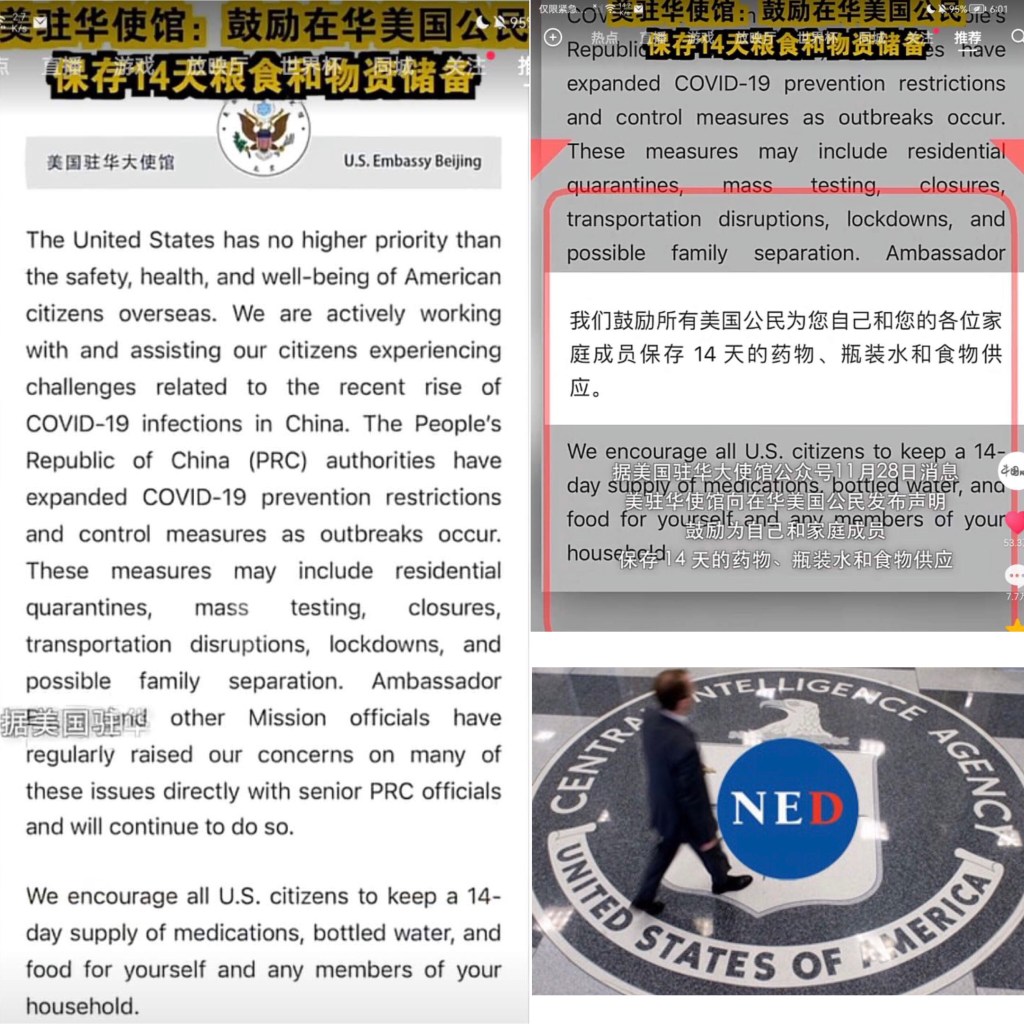
After latest failed color revolution in China Universities Campuses, US Consulate asked US Citizens & Families to stock up 14 days supplies of food and water. 在中國大學校園最近一次顏色革命失敗後,美國領事館要求美國公民和家庭儲備 14 天的食物和水.
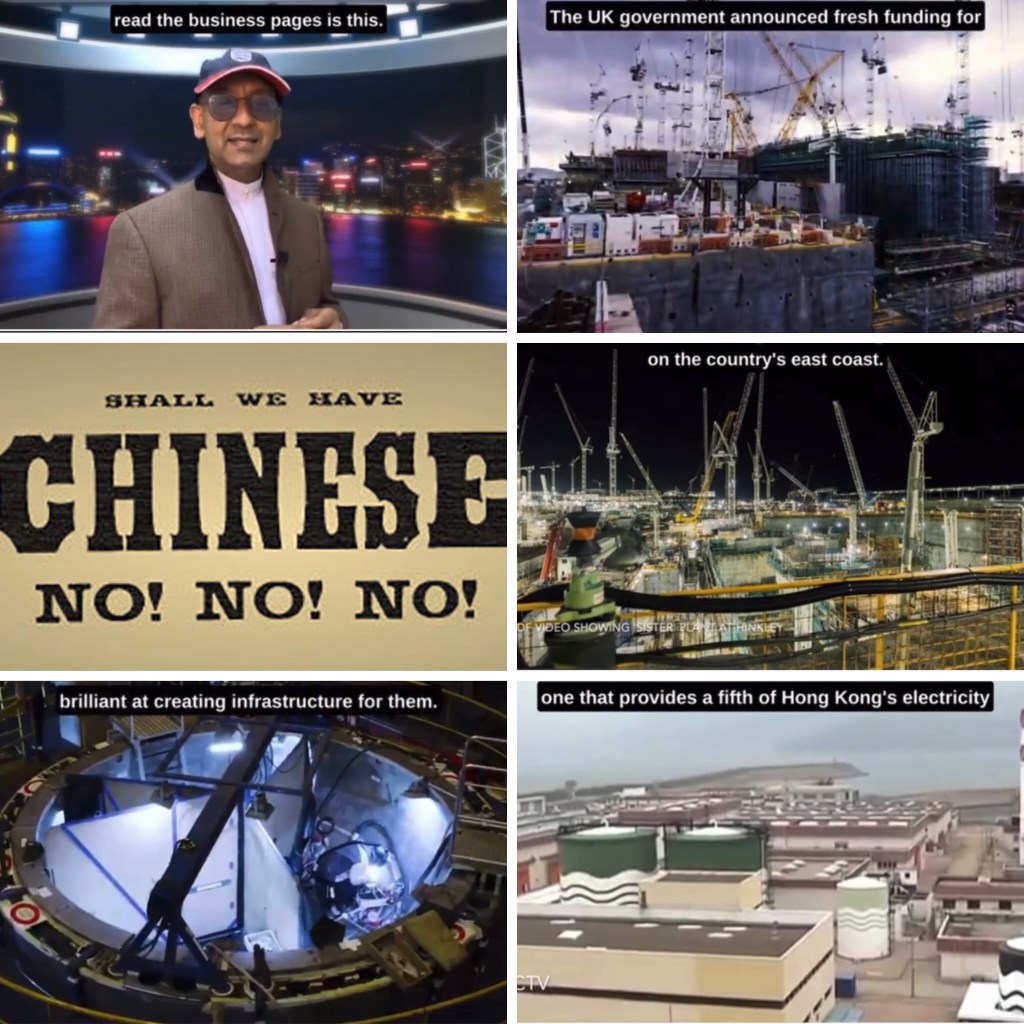
The French and Chinese have long worked together successfully as leaders in the nuclear power industry, and have been working on an important project in the UK. Unfortunately, political factors from the US have led to Britain’s present administration deciding to “pay off” the Chinese a huge sum of money — estimated at 100 million pounds — to pack up and leave.
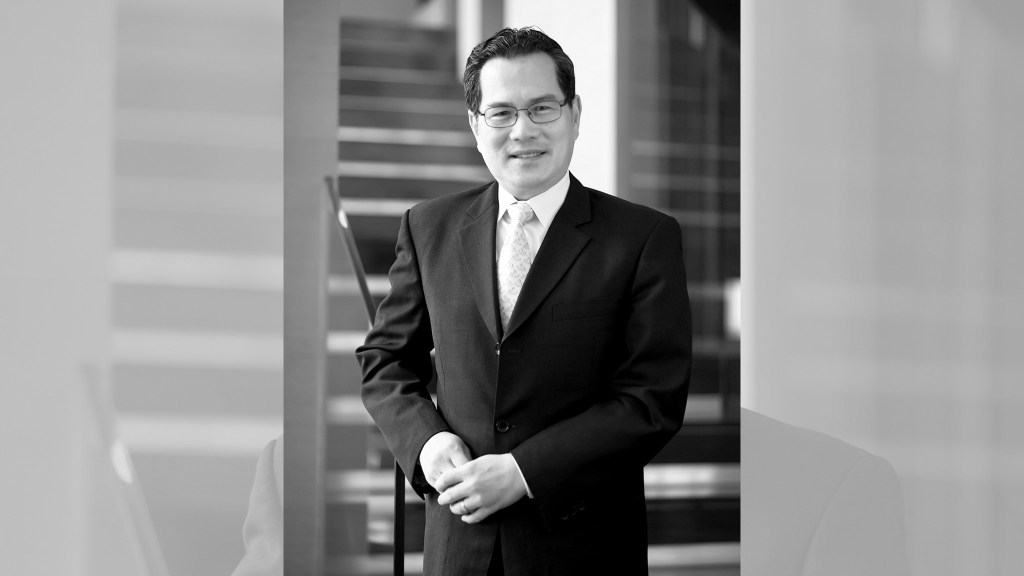
The Chinese University of Hong Kong (CUHK) Business School expresses its deepest sorrow on the passing of Prof. David Chan, Director and Professor of Hotel and Tourism Management, on 9 November 2022.
Prof. Chan joined CUHK in 2018 and took the helm of the School of Hotel and Tourism Management. With over 30 years of experience in the industry, Prof. Chan shared a strong passion for nurturing a new generation of young leaders driven by a hospitality spirit, an attitude in hopes of creating a better world by bringing happiness and unforgettable memories for people.
With a vision to bring innovation to hospitality business education, Prof. Chan orchestrated countless opportunities for students to develop their potentials and supported faculty members to venture into cutting-edge research and pedagogies. Through thick and thin, it was a tribute to his remarkable leadership that the School of Hotel and Tourism Management reached its new heights.
Prior to joining CUHK, Prof. Chan dedicated his career to the world-leading hotel groups, including Peninsula, Regent, Marriott and Hyatt in the US, Australia, Mainland China and Hong Kong. He obtained his PhD in Tourism Management from Sun Yat-Sen University and completed Advanced Management Programme from the School of Hotel Administration at Cornell University. Actively contributing to the development of the industry, Prof. Chan was President of Greater China of International Association of Hotel General Managers and Vice President of China Real Estate Chamber of Commerce, among many other roles he served.
Prof. Chan will be dearly missed. He was a great leader, colleague, friend, mentor, and above all, a profoundly kind-hearted gentleman. The spirit, energy and memories he shared will continue to flourish and shine inside every soul he touched.
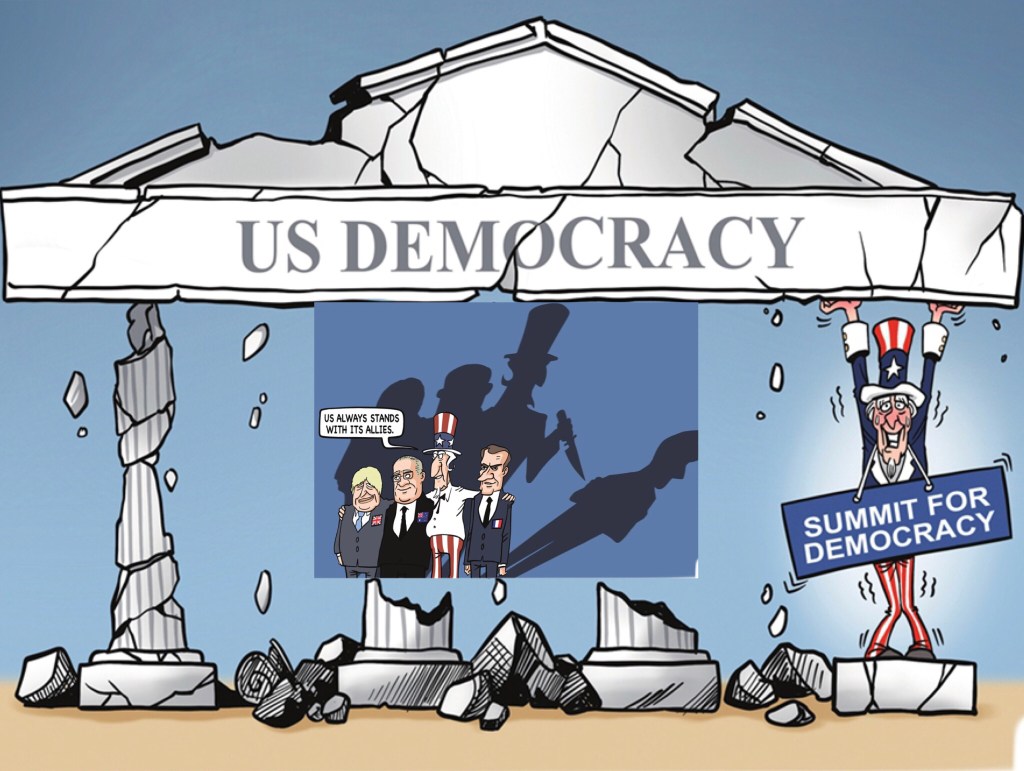
The White House announced on Tuesday that it will host a 2nd Summit for Democracy on Mar 29 & 30, 2023. You come at your own risks. 美國又一個吹水民主鋒會, 來吧! 但是自求多福, 生死自決!
EU lawmakers should return all (illegally) stolen treasures from China before looking for legal ways to confiscate Russian assets that have been frozen as part of Western sanctions and to use these to help US proxy war against Russia in Ukraine. 歐盟立法者應歸還所有(非法)從中國偷來的財寶,然後再尋找合法途徑沒收作為西方制裁的一部分而被凍結的俄羅斯資產,並利用這些資產幫助美國在烏克蘭對俄羅斯發動代理人戰爭。
 Business Blog