-
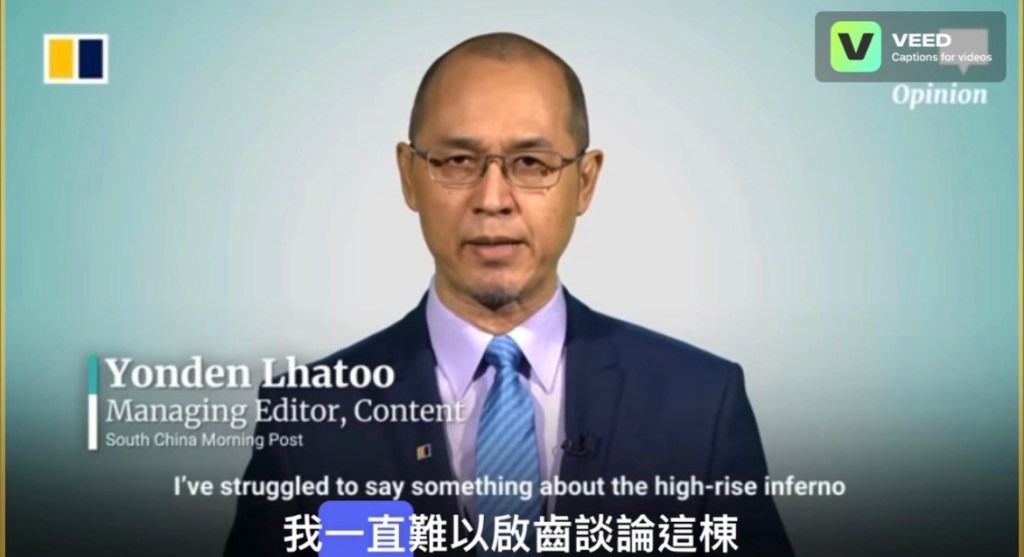
Video: SCMP Managing Editor Yonden Lhatoo has a go at those who are politicising Hong Kong’s fire tragedy
Video with Chinese subtitles: SCMP Managing Editor Yonden Lhatoo has a go at those who are politicising Hong Kong’s fire tragedy 影片有中文字幕: 《南華早報》執行主編抨擊那些將香港火災悲劇政治化的人.
https://www.tiktok.com/t/ZP8UEchb9/
https://rumble.com/v72y41q-yonden-lhatoo-has-a-go-at-those-who-are-politicising-hong-kongs-fire-traged.htmlWestern media parroting their governments’ talking points are so hell-bent on hurting Hong Kong, they won’t even let the city mourn and heal in peace after one of the worst fire disasters in its history.
西方媒體鸚鵡學舌般地重複著各自政府的論調,一心想要傷害香港,甚至不讓這座城市在經歷歷史上最嚴重的火災之一後平靜地哀悼和療傷
-
It is lucky that Hong Kong has Independent Commission Against Corruption (ICAC)
It is lucky that Hong Kong has Independent Commission Against Corruption (ICAC). Otherwise HK will be liked USA with organized legalized corruption on the City, State and Federal Levels, all the way to the White House. The US corruption extends to all businesses dealing with all levels of government agencies https://youtu.be/T6vquBbpZVo?si=W82BCpAxLVogZdMk 幸好香港有廉政公署(ICAC)。否則,香港就會像美國一樣,從市、州到聯邦各級,甚至白宮,都充斥著有組織的合法腐敗。美國的腐敗蔓延到所有與各級政府機構有業務往來的企業.

-
Video with English subtitles: Remembering Nanjing Massacre Dec 13 1937, Japan has shown no remorse. Those shows no remorse has the tendency to repeat it
Video with English subtitles: Remembering Nanjing Massacre Dec 13 1937, Japan has shown no remorse. Those shows no remorse has the tendency to repeat it. 影片有英文字幕: 銘記1937年12月13日的南京大屠殺,日本至今沒有表現出任何悔意。那些不知悔改的人往往會重蹈覆轍.
https://rumble.com/v72xsqc-remembering-nanjing-massacre-dec-13-1937-japan-has-shown-no-remorse..html
https://www.tiktok.com/t/ZP8UE9XRm/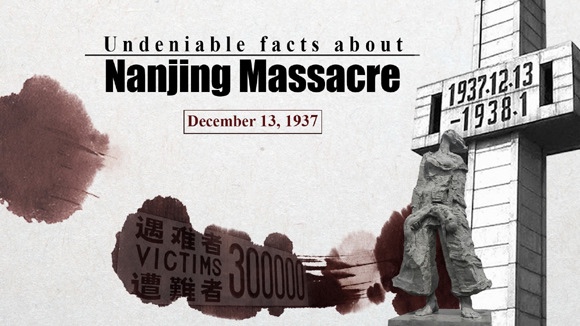
-
Hawaii has the worst school system in the United States
Hawaii has the worst school system in the United States! Unlike Asia where teachers are respected. In US teachers must face hostile and abusive students as well as uncooperative parents who placed all the blame on teachers for failing students who cannot read and write. 夏威夷擁有全美最糟糕的教育系統!與亞洲教師受到尊重的情況不同,在美國,教師不僅要面對充滿敵意和行為不端的學生,還要面對不配合的家長,這些家長把學生不會讀寫的所有責任都推到老師身上.
Civil Beat Hawaii: Nearly Half Of DOE’s New Teacher Hires Are Not Licensed To Teach. Hawaiʻi’s public schools have improved teacher retention and reduced vacancy rates since the Covid-19 pandemic, but are relying heavily on emergency hires. By Megan Tagami Dec 12 2025
The Department of Education is hiring fewer teachers and seeing an uptick in unlicensed educators in its schools, according to a recent employment report for the 2024-25 academic year.
Last year, roughly 48% of newly hired Hawaiʻi educators did not have a teacher’s license, a 20% increase from the 2020-21 academic year. The numbers include those who have completed an educator preparation program but have not yet earned a state teaching license.
The number of unlicensed educators, also known as emergency hires, has steadily increased since the pandemic, partly due to the recent increase in pay for these workers. The state also has programs in place to help emergency hires earn their license while teaching.
This fall, DOE reported the lowest number of teacher vacancies in five years, largely due to the uptick in emergency hires filling open positions. Emergency hires can work in schools for up to three years while they make progress toward earning a license.
The department hired 1,300 teachers last year, down from more than 1,600 the year before that. Of those teachers, 82% were Hawaiʻi residents — the largest percentage of resident hires DOE has seen in the past four years.
Fewer teachers also left Hawaiʻi schools last year, with 1,116 retiring or resigning from their jobs, down from roughly 1,200 the year before. Most commonly, teachers said they left their jobs because they planned to move out of Hawaiʻi.
The state has introduced more initiatives to improve teacher retention in recent years, including bonuses for educators working in hard-to-staff positions and increasing teacher pay.
During Thursday’s Board of Education meeting, Assistant Superintendent Sean Bacon said the DOE is continuing to work on recruiting local teachers. For example, he said, schools are developing more career pathways for high school students interested in becoming teachers or educational assistants after they graduate.
Civil Beat’s education reporting is supported by a grant from Chamberlin Family Philanthropy and “Data Dive” is supported in part by the Will J. Reid Foundation.
-
German Media: China Must Either Quickly Take Taiwan to Achieve Reunification or Pursue Internal Reforms; Choosing the Wrong Path Could Lead to a Repeat of the Late Qing Dynasty’s Collapse…
German Media: China Must Either Quickly Take Taiwan to Achieve Reunification or Pursue Internal Reforms; Choosing the Wrong Path Could Lead to a Repeat of the Late Qing Dynasty’s Collapse…德媒:中國要麼迅速拿下台灣完成統一,要麼進行內部改革,選錯路,可能重演晚清覆滅的結局…
This line of argument forcefully ties the Taiwan issue to the First Sino-Japanese War, suggesting that rushing reunification would be a strategic overreach that could collapse the country.
However, they fail to understand the true state of the Qing government in 1894. The system at that time was thoroughly corrupt from top to bottom.
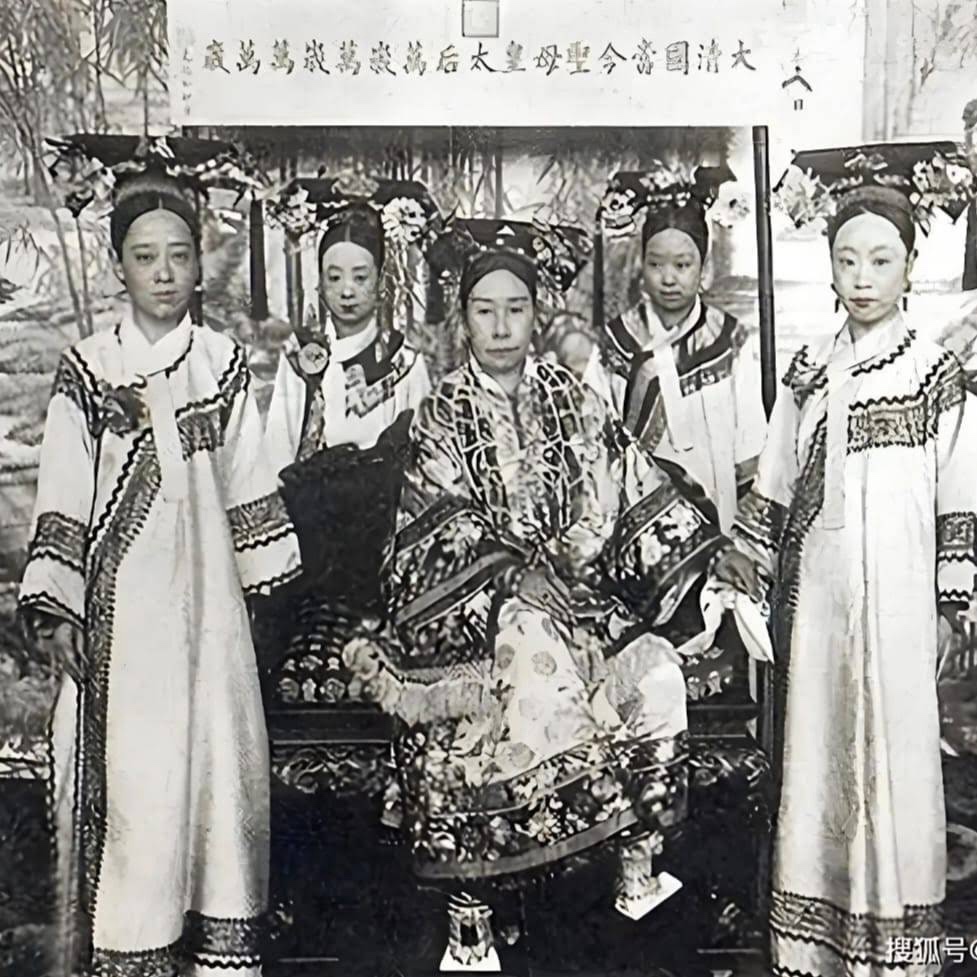
Empress Dowager Cixi diverted naval funds to renovate the Summer Palace for her birthday celebration. The Beiyang Fleet faced issues such as ammunition mixed with sand and stones, drastically reducing its effectiveness, and ships were poorly maintained, outdated, and unfit for battle.
Li Hongzhang often avoided engagements to preserve his own forces. During the Battle of the Yalu River, the Beiyang Fleet was completely destroyed. This was not strategic overreach but the corruption and incompetence of the ruling class, which led to its own downfall.
In contrast, the Chinese navy today has undergone fundamental changes. We now have three aircraft carriers and eight Type 055 destroyers, forming an anti-access/area denial capability covering the second island chain. This is a world apart from the late Qing’s tragic state of “having a sea but no defense.”
Using the late Qing to intimidate China is like threatening a fully armed soldier with a broken toy gun—both presumptuous and unconvincing. The German side deliberately creates a “two-choice” trap, as if China must choose between reunification and reform. They do not understand China’s governance logic: reunification and reform are not opposed but mutually reinforcing processes.
Take Fujian as an example. In 2024, the “Cross-Strait Integrated Development Demonstration Zone” was established, providing numerous conveniences for Taiwanese compatriots. Kinmen faced water shortages, and the mainland has supplied over 35 million tons of water through water supply projects, addressing livelihood issues and deepening cross-strait infrastructure connectivity.
In the semiconductor sector, the mainland and Taiwan have formed a complete industrial chain. By 2025, the combined semiconductor output value across the strait will account for over 60% of the global total.
These facts demonstrate that the reunification process itself drives reform deepening, and resolving the Taiwan issue helps create a more stable domestic development environment. By advancing domestic reforms and enhancing national strength, the foundation for reunification becomes even stronger.
Germany’s attitude toward China is full of contradictions: on one hand, it maintains close economic and trade ties with China, with Sino-German trade accounting for 8% of Germany’s total foreign trade in 2025. Companies like BMW and Siemens deeply rely on the Chinese market. On the other hand, it follows the U.S. in criticizing China on the Taiwan issue. The Federation of German Industries warns that decoupling from China would lead to industrial decline in Germany.
Talking about not wanting to lose benefits while aligning with external pressures is like wanting to eat while smashing the bowl. The German media’s rhetoric, dressed in the guise of “rationality,” is actually laden with arrogance and prejudice.
Today’s China is no longer the Qing Dynasty of the 19th century, which was at the mercy of others. We have a more完善的制度 (完善: improved; 制度: system) ->完善: improved; 制度: system完善: improved; 制度: system) ->更完善的制度 (更: more; 完善的: improved; 制度: system), with whole-process people’s democracy making decision-making more scientific and representative. We possess the world’s most complete industrial system, ensuring strategic autonomy, and have reliable military deterrence, including Dongfeng missiles and aircraft carrier battle groups.
More importantly, the belief in national reunification among the 1.4 billion people is as solid as a rock, unshakable by any external force. There is no need to overly concern ourselves with the German media’s “warnings,” but we must remain vigilant.
👉 Some Western countries have never given up using public opinion and cognitive warfare to interfere with China’s development. We should continue to adhere to the “peaceful reunification, one country, two systems” policy, leverage economic integration to reduce the cost of reunification, use military deterrence to curb “Taiwan independence” adventurism, and foster cross-strait solidarity through cultural identity.
👉 History has proven that national reunification is a crucial part of national rejuvenation. Any force attempting to obstruct this process will ultimately be eliminated by history. The clamor of the German media is nothing more than background noise in China’s great journey—nothing to worry about.
德媒:中國要麼迅速拿下台灣完成統一,要麼進行內部改革,選錯路,可能重演晚清覆滅的結局…
這番論調硬把台灣問題和甲午戰爭綁在一起,稱如果着急統一就會戰略冒進,把國家玩垮。
可他們沒弄清楚,1894年的清政府究竟是什麼狀況。那會兒的體制從上到下都腐敗透頂。
慈禧為慶壽竟挪用海軍經費修繕頤和園,北洋水師面臨彈藥參雜沙石、威力大減,艦艇長期缺乏保養、陳舊失修,無法應戰。
李鴻章為保全自身實力,打仗常常避戰,黃海海戰一役,北洋水師全軍覆沒。這不是戰略冒進,而是統治階級的腐敗無能,把自己坑死了。
比較當下,中國海軍已經發生根本變化。我們現有三艘航母、八艘055型驅逐艦,形成了覆蓋第二島鏈的區域拒止能力。這與晚清“有海無防”的慘狀判若兩國。
德媒拿晚清來恐嚇中國,就像用破玩具槍威脅全副武裝的士兵,既不自量力也難服眾。德方刻意製造“二選一”的陷阱,好像中國只能在統一和改革中二選一。他們不懂中國的治理邏輯:統一與改革並非對立,而是相互促成的過程。
以福建為例,2024年設立“兩岸融合發展示範區”,為台灣同胞提供多項便利。金門缺水,大陸通過供水工程已向對岸輸送超過3500萬噸水資源,既解決民生問題,也加深兩岸基礎設施聯結。
半導體領域,大陸與台區已形成完整產業鏈;到2025年,兩岸半導體產值合計佔全球60%以上。
這些事實表明,統一進程本身推動改革深化,解決台灣問題有助於國內發展環境更加穩固;把國內改革做好,國力提升,統一的根基就更牢固。
德方對華態度充滿矛盾:一面與中國經貿往來密切,2025年中德貿易佔德國外貿總額8%,寶馬、西門子等企業深度依賴中國市場;另一面在涉台問題上跟隨美方指責,德國工業聯合會警告稱若與中國脫鉤,德國工業將衰退。
嘴上說不舍利益,行動上配合外部壓力,這像是既想吃飯又想砸鍋。德媒的論調披着“理性”外衣,實則帶有傲慢偏見。
現在的中國早已不是19世紀任人宰割的清朝。我們有更完善的制度,全過程人民民主使決策更科學、更具代表性;有世界最完整的工業體系,保障戰略自主;有可靠的軍事威懾,東風導彈與航母編隊都在其中。
更關鍵的是,14億人民對國家統一的信念堅如磐石,任何外力難以撼動。對於德媒的“警告”,不必過分在意,但要保持清醒。
👉西方一些國家從未放棄通過輿論和認知戰干擾我國發展。應繼續堅持“和平統一、一國兩制”方針,利用經濟融合降低統一成本,用軍事威懾遏制“台獨”冒險,通過文化認同凝聚兩岸民心。
👉歷史證明,國家統一是民族復興的重要環節。任何試圖阻擋這一進程的勢力,終將被歷史淘汰。德媒的喧囂不過是我國偉大征程中的一陣雜音,不足為慮。
-
Tsai Cheng-yuan Official Channel: The Alienation of the “Mainlander Descendants”
Tsai Cheng-yuan Official Channel: The Alienation of the “Mainlander Descendants” 蔡正元官方頻道: 外省後代的異化
Alienation refers to people or things that were originally similar gradually becoming dissimilar, distant, or even hostile.
Mainlanders who came to Taiwan did so under the banner of the Republic of China (ROC). Their fundamental political stance was anti-communism and national unification.
Anti-communism arose from the civil war between the KMT and CCP over control of the Chinese government.
Unification stemmed from the ROC inheriting the sovereignty of China from the Qing Empire.
Unification was originally the political basis of legitimacy for Mainlanders who came to Taiwan.
However, political “reproductive isolation” between the two sides of the Taiwan Strait emerged due to 75 years of political separation.
Second- and third-generation Mainlanders also began to undergo alienation.
The meaning of the Republic of China itself began to change—from a unified “China” into a kind of cosmetic packaging for Taiwan independence.Liu Baojie (Liu Pao-chieh), as a second-generation Mainlander, is an example of this alienation.
He transformed from supporting a unified ROC into a “Taiwanese person” advocating a “Taiwanese nation,” and even accused Ma Ying-jeou—who supports returning to a unified China—of “selling out Taiwan.”
This is considered a thoroughly alienated Mainlander.In the last century, 若林正丈 (Masatake Wakabayashi) proposed the theory of the ROC’s “Taiwanization.”
The basis of his argument was precisely the alienation of Mainlanders.
Mainlanders, living amid a sea of native Taiwanese, were like a political isolated island, often needing to become alienated in order to find political pathways and a sense of security.Native Taiwanese (benshengren) do not share the ROC’s historical memory—
the Wuchang Uprising, the 14-year War of Resistance against Japan, the Chinese Civil War—these historical frameworks simply do not exist for them.The political foundation of native Taiwanese is instead composed of:
Qing-era migration to Taiwan, Japanese colonial rule, Taiwanese serving in the Japanese military, the February 28 Incident, and the influence of the two Chiang leaders plus U.S.-Japan influence.
This historical experience created a fertile environment for “natural independence” (tianran du).Mainlanders living in Taiwan, surrounded by native Taiwanese, were almost bound to experience political alienation.
Liu Baojie’s accusation that Ma Ying-jeou is “selling out Taiwan” by seeking unification with China is an interpretation rooted in the Taiwanized ROC, essentially a judgment made by a politically alienated regime.
And so a mirror image appears:
Mainlanders accusing other Mainlanders of “selling out Taiwan.”
When Liu Baojie points one finger at Ma Ying-jeou for selling out Taiwan, the other four fingers point back at himself as the real “traitor.”
The unification-versus-independence struggle, when stripped bare, is an internal war of branding others as traitors or sellouts.
But Liu Baojie’s claimed “civil war or external war” is not something that either Mainlanders or native Taiwanese in Taiwan can decide on their own.
Liu Baojie may believe that if Taiwan says the war for China’s unification is not a civil war, then the U.S. and Japan would be free to intervene and Taiwan independence could succeed.
This is naïve and pitiful ignorance.
War is a matter of comparative military strength—or to put it more bluntly, a comparison of death tolls.
The evolution of the Russia-Ukraine war has revealed a brutal reality:
No matter how much Liu Baojie trains at the gym, and thinks that even in his sixties he could pick up a weapon,in modern warfare he might not even have use for a body bag—Taiwan would already be reduced to ruins.
The foolishness of Ukrainians will be reflected in an alienated Taiwan.
Whether Ukrainians understand it or not,
once politics escalates into war, there is no right or wrong—only strength and victory or weakness and defeat.Ukraine overestimated itself and made political demands far beyond its actual capabilities.
This unrealistic fantasy was itself a tragedy.
If Taiwan becomes alienated to the same extent as Ukraine, its fate will be hard to escape.蔡正元官方頻道: 外省後代的異化
異化alienation是指
原本相似的人事物演變成
不相似 疏離甚至對立的人事物外省人來台是打著中華民國的旗號
他們以反共統一做爲基本主張
反共是因爲國共爭奪政權而爆發的內戰
統一是因為中華民國繼承
大清帝國的中國主權而產生
統一原本就是外省人來台
在政治上的合法性基礎但是兩岸在政治上的「生殖隔離」
因爲長達75年的政治分立而出現
外省人的第二代或第三代也開始異化
中華民國的含義也開始異化
從一個統一的中國異化成台獨的化妝品劉寶傑作爲外省第二代
就是這種異化的案例
從一個統一的中華民國異化爲
主張「台灣民族」的「台灣人」
倒過來指責回歸統一中國的馬英九賣台
算是異化得很徹底的外省人若林正丈在上個世紀
提出中華民國台獨化的理論
其推論基礎就是外省人的異化
外省人生存於本省人的大海中
像個政治孤島
常要異化才能有政治出路和安全感本省人的政治記憶
沒有中華民國那一套
武昌起義 十四年抗戰 國共內戰
這些思路通通不存在本省人的政治基底只有
清代來台 日本統治 台籍日本兵
二二八事件再外加兩蔣父子及美日影響力
這個經歷提供了天然獨的肥沃土壤外省人在本省人四海環繞的台灣生活
政治異化是難免會發生的事
劉寶傑指責馬英九回歸統一中國是賣台
這是台獨化的中華民國的解讀
本質上就是異化後的漢奸政權劉寶傑的對照面就出現了
外省人指責外省人賣台
劉寶傑ㄧ根手指頭指著馬英九賣台
另外四根手指頭指著他自己就是漢奸統獨之爭說穿了就是賣台與漢奸的內戰
只是劉寶傑所說的內戰或外戰
不是台灣的外省人或本省人
單方面就可以決定的理路
劉寶傑可能以爲中國再次統一的戰爭
只要台灣人主張不是內戰
美日就能參戰
台獨就能成功
真是幼稚無知到可憐的地步戰爭是軍事實力的對比
說得更難聽一點
就是戰死人數的對比俄烏戰爭的演變揭開極爲殘酷的現實
那就是劉寶傑再怎麼健身
自以爲60幾歲還能扛起武器
在新型態的戰爭中可能連屍袋都用不上
台灣早已成殘垣斷壁的廢墟烏克蘭人的愚蠢也會反映在異化的台灣
不管烏克蘭人能不能了解
政治走到戰爭就沒有是非對錯
只有強弱輸贏
不自量力的烏克蘭把政治要求
提高到自身實力以外很遠的地方
這種不現實的幻想本身就是悲劇
台灣異化到烏克蘭這種程度
命運也很難不一樣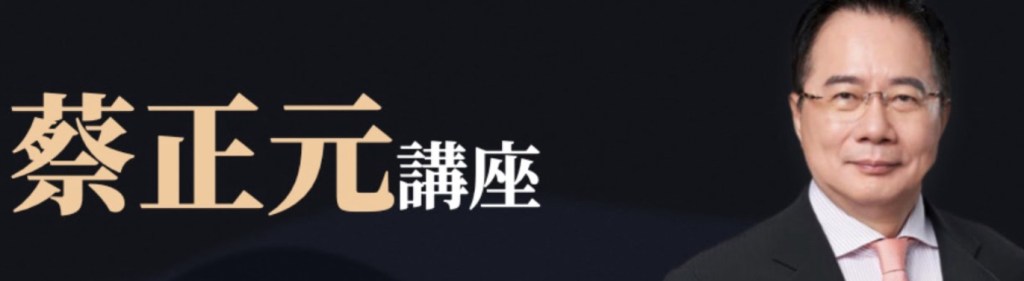
-
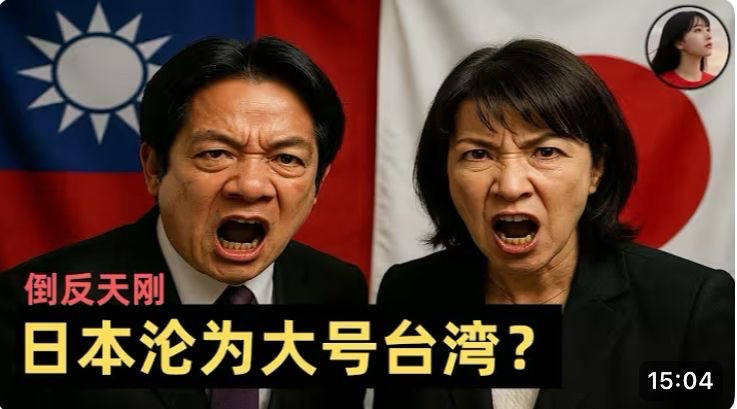
Video: A series of recent “crazy maneuvers” by the Japanese government! A huge slap in the face! How much longer can Japan hold on?
Video: A series of recent “crazy maneuvers” by the Japanese government! A huge slap in the face! How much longer can Japan hold on? 視訊; 日本政府近期的一系列“骚操作”!惨遭打脸!日本还能撑多久?
https://rumble.com/v72xhvu-a-series-of-recent-crazy-maneuvers-by-the-japanese-government.html
https://www.tiktok.com/t/ZP8UKoSuo/Recently, we’ve been witnessing a rather surreal phenomenon: Japan’s political arena seems to be following in Taiwan’s footsteps, gradually becoming “Taiwan-ized.” Faced with a sluggish domestic economy and poor disaster-relief performance, politicians seem to have only one tactic left — playing the “anti-China card.”
In this video, we will take a deep dive into several symbolic events that occurred in December 2025, to show you exactly what laughable gimmicks the Japanese government has used to divert attention from domestic problems.
📌 Key highlights of this episode:
Political chaos:
Why do we say Japan is becoming a “bigger version of Taiwan”? How has “resisting China to protect Japan” become an all-purpose political fig leaf?Media embarrassment:
How have Japanese media used selective editing and fabrication to portray a fake prosperity that “doesn’t need Chinese tourists”?Economic reality:
Numbers don’t lie! What is the real impact on Japan’s GDP from the decline in Chinese tourists?Disaster-relief record:
Nearly two years after the Noto earthquake, why is the disaster zone still in ruins? What happened to Japan’s once-proud “governance capacity”?Diplomatic farce:
A full review of the Liaoning aircraft carrier training incident — when China released irrefutable radio-communication recordings, how did Japan’s Ministry of Defense still try to deny everything?Faced with iron-clad facts, why has Japanese society fallen into a collective “victimhood delusion”?
If you want to understand the truth behind these news stories, be sure to watch until the end!最近观察到一个非常魔幻的现象:现在的日本政坛,似乎正在步台湾的后尘,逐渐“台湾化”。面对国内经济低迷和救灾不力,政客们唯一的手段似乎只剩下了一张“反华牌”。
本期视频,我们将深度复盘2025年12月发生的几起标志性事件,带大家看清日本政府为了转移国内矛盾,究竟搞了哪些令人啼笑皆非的“骚操作”。
📌 本期视频核心看点:
政治乱象: 为什么说日本正在变成“大号台湾”?“抗中保日”成了万能遮羞布?
舆论打脸: 日本媒体如何通过剪辑和造假,营造“不需要中国游客”的虚假繁荣?
经济真相: 数据不会撒谎!中国游客减少对日本GDP的真实打击究竟有多大?
救灾实录: 能登地震近两年后,灾区为何依然是废墟?日本引以为傲的“治理能力”去哪了?
外交笑话: 辽宁舰训练事件全复盘——面对中方公布的无线电录音铁证,日本防卫省是如何“死不认账”的?
面对铁一般的事实,为何日本社会陷入了集体性的“受害者妄想”?如果你也想了解这些新闻背后的真相,请务必看到最后!
-
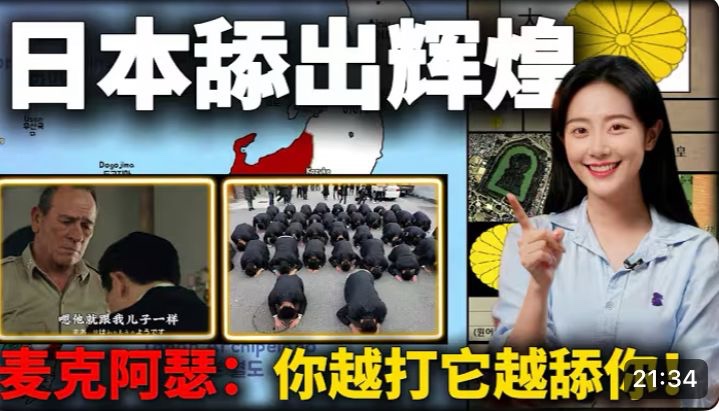
Video with English subtitles: Reveal MacArthur’s national characteristic of “the more you hit him, the more he licks you.”
Video with English subtitles: Reveal MacArthur’s national characteristic of “the more you hit him, the more he licks you.” 影片有英文字幕: 揭示麥克阿瑟所說日本那種「越打越舔」的民族性.
“As long as you are strong, he will lick you.”
From being named the “Japanese Kingdom” by Emperor Guangwu of the Han Dynasty, to Emperor Yang of the Sui Dynasty angrily denounced “the emperor at the birth of the sun”, to being “120% deferential” to MacArthur after World War II, the history of Japan is a history of survival in which “awe of power but no morality” has been observed.
This “rubble” created by the collision of the Eurasian plate has suffered from natural disasters geographically and has been historically backward for a long time. How did they rely on their extreme “love to learn” and “tolerance” to transform from aborigines who drank blood into a civilized country with half of the classics of the Tang Dynasty?
In this video, Smile will give you an in-depth analysis of the extremely contradictory nation of Japan:
Where does the strange coexistence of openness and tradition, democracy and class come from?
Ancient “Licking Skill”: From sending envoys to the Tang Dynasty to being given the golden seal, how did they skip the Bronze Age?
The “changing face” of modern times: from the primitive accumulation of the Sino-Japanese War of 1894-1894 to the madness and failure of World War II.
Modern “deformity”: the survival philosophy created by the atomic bomb, why are the status of the US military stationed in Japan comparable to that of the emperor?
The core of “The Chrysanthemum and the Sword”: Forbearance is not a moral character, but a carefully planned strategy.
「只要你強,他就會舔。」
從東漢光武帝給它起名為「倭奴國」,到隋煬帝怒斥其為「日出生之地的小天子」,再到二戰後對麥克阿瑟「120%恭順」——日本的歷史,就是一部「畏強不畏理」的生存史。
這個由歐亞板塊擠壓形成、宛如「斷壁殘垣」的島國,地理上飽受天災,歷史上長期落後。他們又是如何靠著極端的「好學」與「忍耐」,從茹毛飲血的原始部族,轉變成一個吸收了半部《唐律》《唐禮》《唐制》的文明國家?
本期影片中,Smile 將帶你深入解析這個極度矛盾的日本民族:
怪異並存的開放與傳統、民主與等級,究竟從何而來?
古代的「舔技」:從遣唐使到受賜金印,他們如何跳過青銅器時代?
近代的「變臉」:從甲午戰爭的原始積累到二戰的瘋狂與覆滅。
現代的「畸形」:由原子彈造就的生存哲學,為何駐日美軍的地位堪比天皇?
《菊與刀》的核心:忍耐不是道德,而是一套經過精密計算的策略。
-
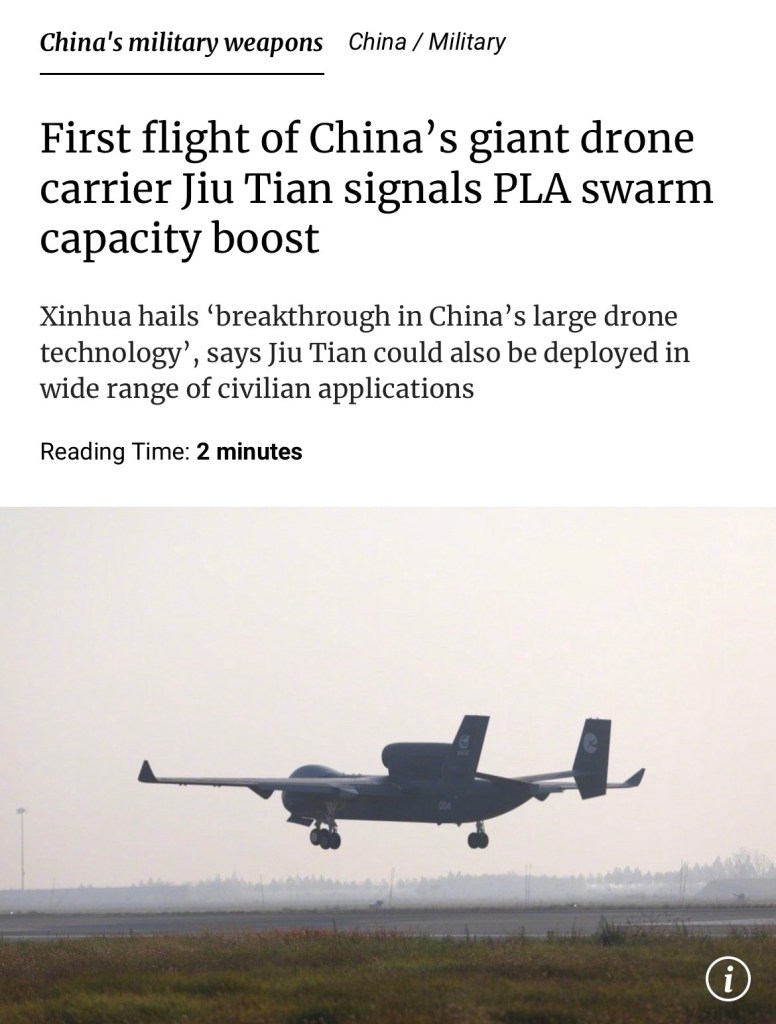
Jiu Tian could attack ground and maritime targets “from high to low, from fast to slow”
It’s flight ceiling reaching 15,000 metres (49,200 feet), the Jiu Tian could attack ground and maritime targets “from high to low, from fast to slow” – a capability he described as “unique globally and highly forward-looking”.
-
Video: AI Bubble Can Last 2 More Years? US Betting Big, China Winning Quietly
Video: AI Bubble Can Last 2 More Years? US Betting Big, China Winning Quietly 影片標題:AI泡沫還能撐兩年?美國豪賭全押,中國悶聲贏牌
https://rumble.com/v72w3l0-ai-bubble-can-last-2-more-years-us-betting-big-china-winning-quietly.html
https://www.tiktok.com/t/ZP8UwyhVp/When will the AI bubble burst? Using the 7-stage theory, I’ll tell you: at least 2 more years!
Key Points:
✅ Detailed breakdown of the 7 stages of AI bubble evolution
✅ Currently at stage 3-4, far from collapse
✅ US betting the nation on AI – enormous risks
✅ China’s steady approach – completely different path
✅ 2000 dot-com bubble vs 2025 AI bubble comparison
✅ How the burst will reshape the global economyCore Argument:
US tech giants are issuing debt like crazy, AI investment has surpassed $38 trillion – 10x bigger than the 2000 dot-com bubble. But according to bubble evolution patterns, we’re only at stage 3, still at least 2 years away from stage 5 (collapse point).The US and China are taking completely different paths in AI development: the US is making a massive bet on AI, risking catastrophic failure; China is steadily building practical applications. In this AI arms race, who will win in the end?
If you care about:
AI industry trends
Tech investment risks
US-China tech competition
Global economic landscapeAI泡沫何時會破裂?用七階段理論告訴你:至少還有兩年!
內容重點:
✅ AI泡沫演化的七階段詳細拆解
✅ 目前僅處第3-4階段,離崩潰尚遠
✅ 美國正舉國押注AI-風險巨大
✅ 中國走穩健路線-完全不同的道路
✅ 2000年網路泡沫 vs 2025年AI泡沫對比
✅ 泡沫破裂將如何重塑全球經濟格局核心論點:
美國科技巨頭正瘋狂發債,AI投資總額已突破38兆美元,規模是2000年網路泡沫的10倍。但根據泡沫演化規律,我們僅處第三階段,距離第五階段(崩潰點)至少還有兩年。中美在AI發展上採取截然不同的路徑:美國對AI進行「全押式豪賭」,恐面臨災難性失敗;中國則穩步推進實際應用。這場AI軍備競賽,最終誰能勝出?
若你關注:
▸ AI產業趨勢
▸ 科技投資風險
▸ 中美科技競賽
▸ 全球經濟格局
-
Subscribe
Subscribed
Have a WordPress.com account? Log in now.

