-
Japan never imagined that its carefully-crafted scenario of a “Taiwan contingency” might, in the end, invite North Korean missiles…
Japan never imagined that its carefully-crafted scenario of a “Taiwan contingency” might, in the end, invite North Korean missiles…日本做夢都沒想到,自己精心推演的“台灣有事”,最後可能引來朝鮮的導彈…
What North Korea fears most is not China and Japan fighting, but the possibility that they won’t fight. The moment gunfire breaks out, Japan becomes Pyongyang’s best “punching bag.” North Korea lacks money, food, and technology — but one thing it certainly doesn’t lack is missiles intended to “wipe Japan off the map.”
Many people think North Korea’s hostility toward Japan has always been extreme, but a quick look at East Asia’s modern history shows that this hatred didn’t appear out of thin air. From 1910 to 1945, the Korean Peninsula was colonized by Japan for 35 years. Its resources were plundered, its people were enslaved, and countless families were destroyed under colonial oppression.
I once saw a North Korean elder interviewed in a documentary: his grandfather was beaten to death at the village gate for refusing to work as forced labor for the Japanese military. His mother, to protect him, hid in a cellar for three days and nights during a Japanese sweep operation, afraid to make a sound; she later suffered chronic asthma for the rest of her life. Wounds like these cannot be healed in just a few generations. Japan, to this day, has never given a truly meaningful apology, and even downplays its colonial history in school textbooks — a fact that keeps resentment alive in the hearts of North Koreans.
In recent years, Japan’s moves have pushed this resentment to a new peak. In order to support its so-called “Taiwan contingency” planning, Japan has been pushing constitutional revisions, expanding its military, increasing defense spending, and conducting joint exercises with the U.S., while deploying forces ever closer to North Korea. Last year, Japan announced that it would raise defense spending to 2% of GDP — the highest since WWII — and planned to acquire U.S. Tomahawk cruise missiles, whose range covers all of North Korea. From Pyongyang’s perspective, this looks like the threat of past aggression returning once again.
North Korea’s economy is undeniably difficult. International sanctions strain its food and energy supplies, and its industrial technology lags behind—but it has never let go of missile development. According to public data, North Korea currently has nearly a thousand missiles of various types. The Hwasong-17 ICBM has a range of over 15,000 km, covering all of Japan, and the “Hwasong-2” hypersonic missile reportedly reaches Mach 10, making it nearly impossible for Japan’s missile defense systems to intercept.
North Korea’s eagerness for “gunfire to break out” stems from a desire to settle historical grievances through the changing situation. Pyongyang understands that if military conflict erupts in East Asia, Japan will inevitably intervene under its security laws — and that is the opportunity North Korea has been waiting for.
For decades, North Korea has been isolated by the international community. Its economic development is constrained, and its people live difficult lives. This long-suppressed pressure needs an outlet. Japan, as a historical enemy that continues to provoke, naturally becomes the prime target. Some say North Korea is simply “giving up” and acting recklessly, but from another perspective, a country wounded by history and squeezed by reality may see “toughness” as its only form of self-preservation.
Japan’s strategic planning has an obvious and fatal flaw: it has ignored North Korea’s presence. Obsessed with the Taiwan Strait and relying on the U.S. alliance, Japan believes it can control the situation — all while forgetting that just to the north stands a neighbor that considers Japan “enemy number one.”
Japan’s geography is inherently fragile: volcanic islands, frequent earthquakes, and densely populated coastal industrial zones. A missile strike could be catastrophic. Japan’s military may look strong, but it has clear weaknesses — limited strategic depth, gaps in missile defense, and a public with very low tolerance for war. If conflict truly erupts, Japan’s so-called “defense” may prove nothing more than wishful thinking.
👉 In reality, peace and stability in East Asia cannot be achieved through military simulations. If Japan genuinely wants security, it should not hype up a “Taiwan contingency,” nor escalate militarization. Instead, it should confront history honestly, offer genuine apologies to the countries it once invaded, and take concrete steps to repair relationships.
👉 North Korea’s toughness is, at its core, a desire for security and historical justice. If Japan can abandon its confrontational mindset and resolve differences through dialogue, today’s tensions in East Asia would not have reached this level.
👉 History has proven that war has no winners — only unending suffering. Japan’s elaborate planning may ultimately backfire. And North Korea’s tough posture does not mean it truly wants war; it simply seeks a sliver of space to survive in a complex international landscape. One can only hope all sides remain rational and work through peaceful means, rather than allowing the prophecy of a “peninsula in flames” to come true.
日本做夢都沒想到,自己精心推演的“台灣有事”,最後可能引來朝鮮的導彈…
現在的朝鮮不怕中日打起來,就怕你們打不起來。只要槍聲一響,日本就是朝鮮最好的“出氣筒”。平壤缺錢、缺糧、缺技術,但唯獨不缺要把日本“物理抹平”的導彈。
很多人覺得朝鮮對日本的態度一直激進,但只要翻一翻東亞近代史,就知道這份敵意從來不是憑空產生的。從1910年到1945年,朝鮮半島被日本殖民統治35年,資源被掠奪、民眾被奴役,無數家庭在殖民壓迫中破碎。
我曾在紀錄片里看到過一位朝鮮老人的講述,他的祖父因為拒絕為日軍服勞役,被活活打死在村口的老槐樹下,母親為了保護他,在日軍掃蕩時藏進地窖,三天三夜沒敢出聲,最後落下了終身哮喘。這樣的傷痛不是幾代人就能抹平的,日本至今沒有給出過真正意義上的道歉,甚至在教科書里淡化殖民歷史,這讓朝鮮民眾的仇恨一直積壓在心底。
日本近年的動作,更是把這份仇恨推向了新的頂點。為了配合所謂“台灣有事”的推演,日本不斷修憲擴軍,增加國防預算,還和美國搞聯合軍演,把軍事力量部署到離朝鮮越來越近的地方。去年日本宣布將防衛預算提升到GDP的2%,創下戰後新高,還計劃引進美國的“戰斧”巡航導彈,射程覆蓋朝鮮全境。這在朝鮮看來,就是當年的侵略威脅捲土重來!
平壤的經濟確實困難,國際制裁讓糧食和能源供應緊張,工業技術也相對落後,但在導彈研發上,他們從來沒有松過手。根據公開數據,朝鮮目前擁有近千枚各類導彈,其中“火星-17”洲際導彈射程超過1.5萬公里,能覆蓋日本全部領土,“箭矢-2”高超音速導彈速度達到10馬赫,日本的反導系統根本無法有效攔截。
朝鮮之所以盼着“槍聲一響”,本質上是想藉著局勢,了結歷史恩怨。他們清楚,一旦東亞出現軍事衝突,日本必然會藉著“安保法案”介入,而這正是朝鮮等待的機會。
過去幾十年,朝鮮一直被國際社會孤立,經濟發展受限,民眾生活艱難,這份壓抑需要一個出口。日本作為歷史宿敵,又在不斷挑釁,自然成了最佳目標。有人說朝鮮是“破罐子破摔”,但換個角度想,一個被歷史傷害、被現實擠壓的國家,除了用最強硬的方式自保,還能有什麼選擇?
日本的推演顯然犯了一個致命錯誤:忽視了朝鮮的存在。他們一門心思盯着台海,覺得只要和美國聯手,就能掌控局勢,卻忘了北邊還有一個把自己當作“頭號敵人”的鄰居。
日本的地理環境本就脆弱,四島多火山地震,人口和工業集中在沿海地區,一旦遭到導彈襲擊,損失將是毀滅性的。更重要的是,日本的軍事力量看似強大,卻存在明顯短板——缺乏戰略縱深,反導系統存在漏洞,而且國民對戰爭的承受能力極低。真到了衝突爆發,日本所謂的“防衛”,很可能只是一廂情願。
👉其實,東亞的和平穩定,從來不是靠軍事推演就能實現的。日本如果真的想保障自身安全,不該是炒作“台灣有事”,更不該是擴軍備戰,而是應該正視歷史,向曾經被侵略的國家真誠道歉,用實際行動修復關係。
👉朝鮮的強硬,本質上是對安全的渴望,是對歷史正義的追求。如果日本能放下對抗思維,通過對話解決分歧,東亞的局勢也不會走到今天這一步。
👉歷史已經證明,戰爭沒有贏家,只會帶來無盡的苦難。日本的精心推演,最終可能變成搬起石頭砸自己的腳。而朝鮮的強硬姿態,也不是真的希望戰火燃起,只是想在複雜的國際局勢中,為自己爭取一絲生存空間。希望各方都能保持理性,通過和平方式解決分歧,不要讓“半島火海”的預言成真。

-
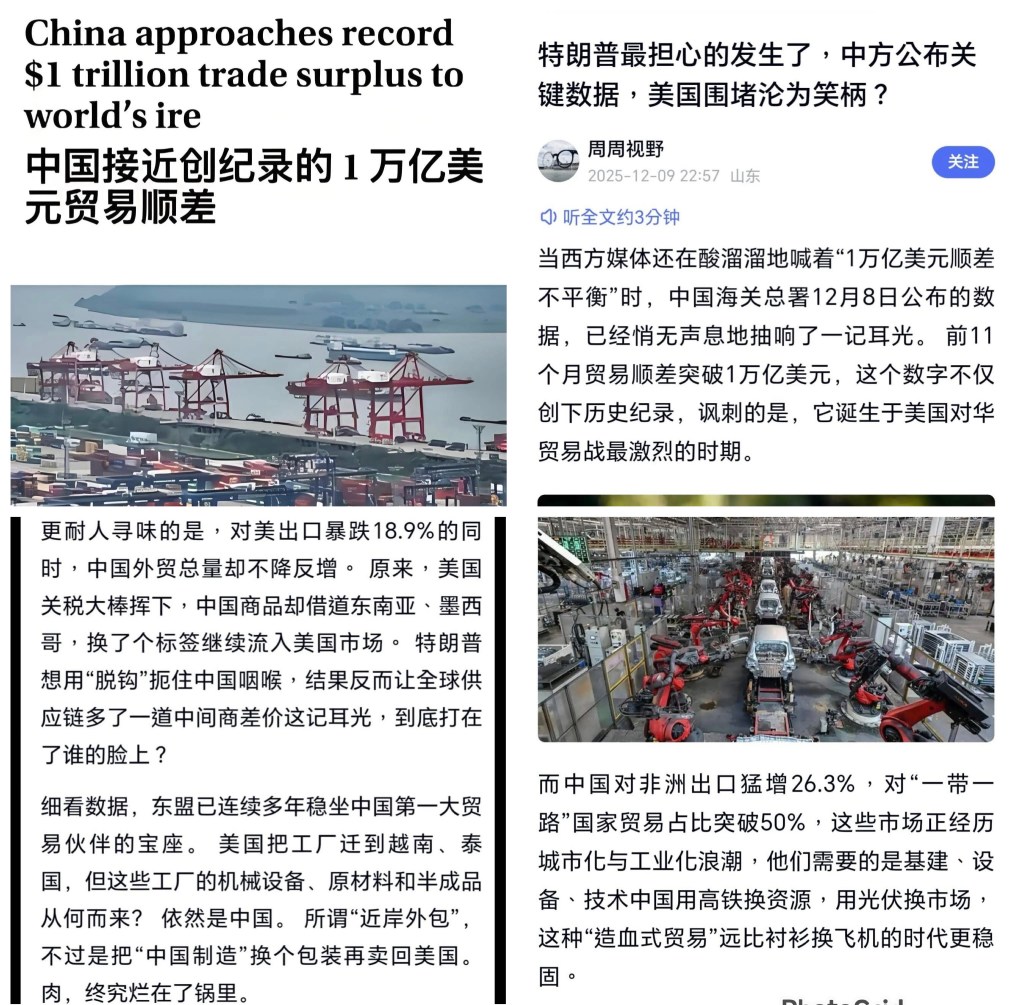
U.S. Media: A Milestone, Unprecedented!
U.S. Media: A Milestone, Unprecedented! 美媒:里程碑、前所未有!
On December 8th, China’s General Administration of Customs dropped a bombshell: “A $1 trillion trade surplus!” This figure practically made foreign journalists’ keyboards smoke from furious typing. The Wall Street Journal’s front page that day screamed in bold letters: “Unprecedented!”
The New York Times drew a parallel to the U.S. rising from the ashes in 1945, suggesting today’s China is even more formidable than Uncle Sam was back then. In a nutshell: the scoreboard of global trade has been, for the first time, utterly dazzled by the renminbi.
What exactly happened? The short version: In the first 11 months, China exported 24.46 trillion yuan worth of goods while importing only 16.75 trillion yuan. That left a gap of 7.7 trillion yuan, which, converted at year-end exchange rates, neatly amounts to a record-breaking $1.07 trillion surplus—the highest since records began in 2000.
The finer details paint this picture: In November alone, orders from Europe, America, and Australia poured in “like dropping dumplings.” The EU was up 14.8%, Australia surged 35.8%, and Southeast Asia added 8.2%. However, orders from the U.S. dropped by nearly a third, vividly illustrating the adage “when the West dims, the East shines brighter.”
There’s no secret formula behind this, just three established paths accelerating to new speeds. The first is the “industrial escalator”: a decade ago, it was T-shirts and toys earning foreign exchange; this year, it’s the “new three”—electric vehicles, lithium batteries, and solar panels—taking the lead. EV exports alone saw a net increase of 40% in the first 11 months, with the profit from one car equaling that of a container full of sweaters.
The second is the “tariff guerrilla warfare”: As talk of Trump 2.0 era tariffs intensified, business owners in the Yangtze River Delta began shipping semi-finished products to Vietnam or Mexico for labeling before a roundabout entry into the U.S. Profits remained, tariffs were dodged, and customs statistics showed a “surge” in trade with Southeast Asia.
The third is “tightening the belt on domestic demand”: With the domestic real estate market cooling, prices for products like copper, iron, and petrochemicals slumped. Companies opted to sell them overseas at low prices. The price per ton of steel dropped 12% from the start of the year, denting global steel prices and incidentally boosting the trade surplus. Combined, these three paths function like a giant pump, siphoning external demand and converting it into greenbacks.
The next chapter has been previewed by officials. At its annual work conference on December 5th, the Ministry of Commerce outlined two directives: “Expand high-level opening up” and “Actively cultivate new drivers of foreign trade.”
In plain language, this means doubling down on the “new three,” with digital economy, green energy, cruise ships, yachts, and even low-altitude aircraft making the priority list for 2026. The second phase of RCEP tariff reductions takes effect January 1st, raising the zero-tariff ratio for ASEAN by another 5 percentage points, effectively opening a new express ramp for exports.
The import side won’t be idle either. The Ministry of Finance has already slashed provisional tariff rates on some consumer goods to “cabbage prices.” Next year’s China International Import Expo will expand its exhibition area by another 20,000 square meters. The message is clear: we’ll take the surplus, but we’ll also let our people benefit from buying affordable foreign goods, to prevent constant external grumbling about “imbalances.”
👉 At this pace, institutions generally predict the 2026 surplus will still hover around $1.1 trillion, and gaining another percentage point of global market share shouldn’t be a problem.
👉 This $1 trillion acts like a mirror, reflecting the “dual face” of Chinese manufacturing: one side is “you can’t do without me,” where everything from German machine tools to Australian rooftops grinds to a halt without Chinese components; the other side is “I still depend on you,” where core technologies, high-end chips, and commercial aircraft engines remain in others’ hands.
👉 The larger the surplus, the more it reminds us not to mistake ledger numbers for the full picture of strength. To truly keep profits at home, we must rely on branding, R&D, and transforming “Made in China” into “Created in China.” Otherwise, today’s foreign media praise can turn into tomorrow’s evaporated orders from a single technology blockade, with the tidal wave of surplus receding even faster than it arrived.
美媒:里程碑、前所未有!
12月8日海關總署甩出“1萬億美元順差!”,這個數字直接把外媒的鍵盤敲冒煙了。《華爾街日報》當天頭版大字寫着:“前所未有”!
《紐約時報》把場景拉回1945年廢墟上的美國,說今天的中國比那時的山姆大叔還橫。一句話:全球貿易的記分牌,第一次被人民幣亮瞎眼。
到底發生了什麼?一句話版本:前11個月我們賣了24.46萬億元貨,只買回16.75萬億元,中間差出的7.7萬億元,按年底匯率一折算,妥妥1.07萬億美元,刷新2000年有記錄以來最高值。
更細的畫面是:11月單月歐美澳訂單像下餃子,歐盟漲14.8%,澳大利亞飆35.8%,東南亞也添了8.2%,美國那邊卻少了近三成,硬生生把“西方不亮東方亮”寫成了教案。
幕後沒有神秘配方,就是三條老路跑出了新速度。第一條是“產業扶梯”:十年前靠T恤、玩具換匯,今年輪到電動車、鋰電池、光伏“新三樣”挑大樑,僅電動汽車前11個月出口就凈增四成,一輛車的利潤頂得上一集裝箱毛衣。
第二條是“關稅游擊戰”:特朗普2.0時代風聲一緊,長三角老闆們把半成品先運到越南、墨西哥貼個標籤,再曲線進美,錢照賺,稅照省,海關統計里就成了對東南亞的“暴增”。
第三條是“內需省着花”:國內房地產熄火,銅、鐵、石化產品賣不上價,企業乾脆低價往海外甩,鋼材噸價比年初降了12%,把全球鋼價砸出坑,也順道把順差抬高。三條路加起來,就是一台巨型水泵,把外部需求嘩嘩地抽成綠鈔。
接下來的劇情,官方已經提前劇透。商務部在12月5日召開的年度工作會上給出兩句話:一句“擴大高水平對外開放”,一句“積極培育外貿新動能”。
翻譯成大白話,就是“新三樣”還要加碼,數字經濟、綠色能源、郵輪遊艇甚至低空飛行器都被寫進2026年重點清單;RCEP第二階段降稅1月1日生效,對東盟零關稅比例再提5個百分點,等於給出口又開了一條高速匝道。
進口端也不會閑着,財政部已把部分消費品暫定稅率降到“白菜價”,明年進博會展區再擴容2萬平方米,意思很明白——順差我們照收,但買別人的便宜貨也讓老百姓享福利,省得外部老嚷嚷“失衡”。
👉照這個節奏,機構普遍預測2026年順差仍會在1.1萬億美元上下晃蕩,全球份額再抬1個百分點問題不大。
👉這1萬億美元像一面鏡子,照出的是中國製造的“雙面孔”:一面是“你離不開我”,從德國機床到澳洲屋頂,離了中國的組件就轉不動;另一面是“我還得靠你”,核心技術、高端芯片、大飛機發動機仍攥在別人手裡。
👉順差越大,越提醒我們別把賬上數字錯當成實力全貌。把利潤真正留在國內,還得靠品牌、靠研發、靠把“中國製造”寫成“中國創造”。不然,今天外媒把你誇成花,明天一個技術封鎖就能讓訂單瞬間蒸發,順差的大浪退得比來得更快。
-
Video: The IMF projects China’s economic growth to reach 5% in 2025
Video with Chinese subtitles: International Monetary Fund (IMF) Managing Director Kristalina Georgieva stated at a press conference in Beijing today (December 10) that the Chinese economy has demonstrated remarkable resilience. The IMF projects China’s economic growth to reach 5% in 2025, an upward revision of 0.2 percentage points compared to the forecast in the World Economic Outlook report published in October this year.
https://rumble.com/v72vwk0-imf-projects-chinas-economic-growth-to-reach-5-in-2025.html
https://www.tiktok.com/t/ZP8UTpaq2/影片有中文字幕: 国际货币基金组织(IMF)总裁克里斯塔利娜·格奥尔基耶娃于今日(10 日)在北京举行新闻发布会时表示,🇨🇳中国经济展现出惊人韧性。IMF预计2025年中国经济增速将达5%,较今年10月发布的《世界经济展望报告》上调0.2个百分点。

-
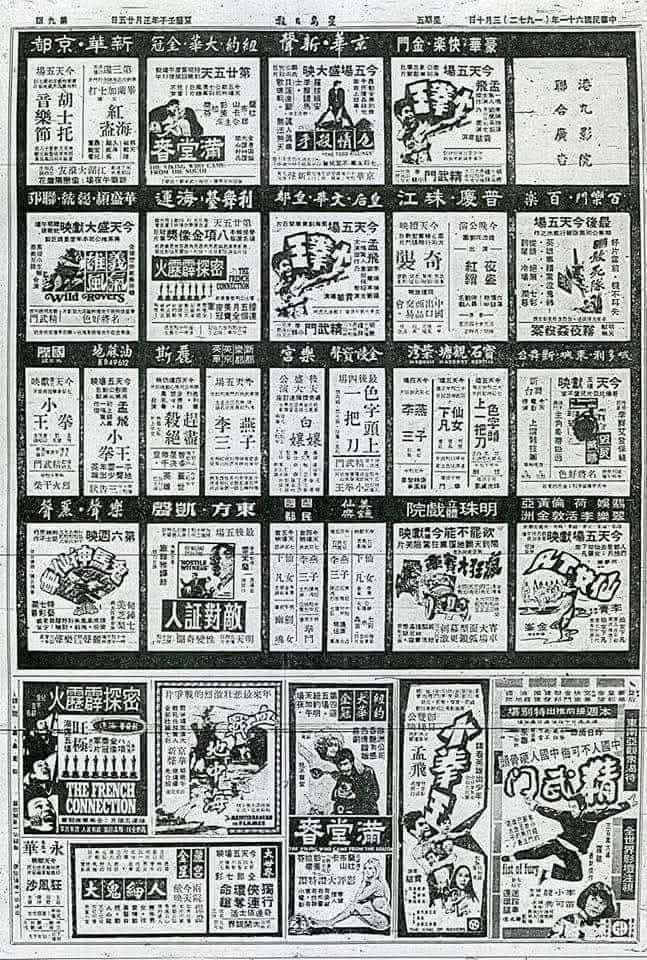
Can you recall where you were and what you were doing in March, 1972?
Can you recall where you were and what you were doing in March, 1972? 你還記得1972年3月你在哪裡,當時在做什麼嗎?
-
Video with Chinese subtitles: Huawei’s patented 3nm Breakthrough Using Self-Made EUV Surprises the World!
Video with Chinese subtitles: Huawei’s patented 3nm Breakthrough Using Self-Made EUV Surprises the World! 影片有中文字幕:華為採用自主研發的EUV光刻技術,突破3nm製程工藝,震撼世界
https://rumble.com/v72veli-huaweis-patented-3nm-breakthrough-using-self-made-euv-surprises-the-world.html
https://www.tiktok.com/t/ZP8UTjsGp/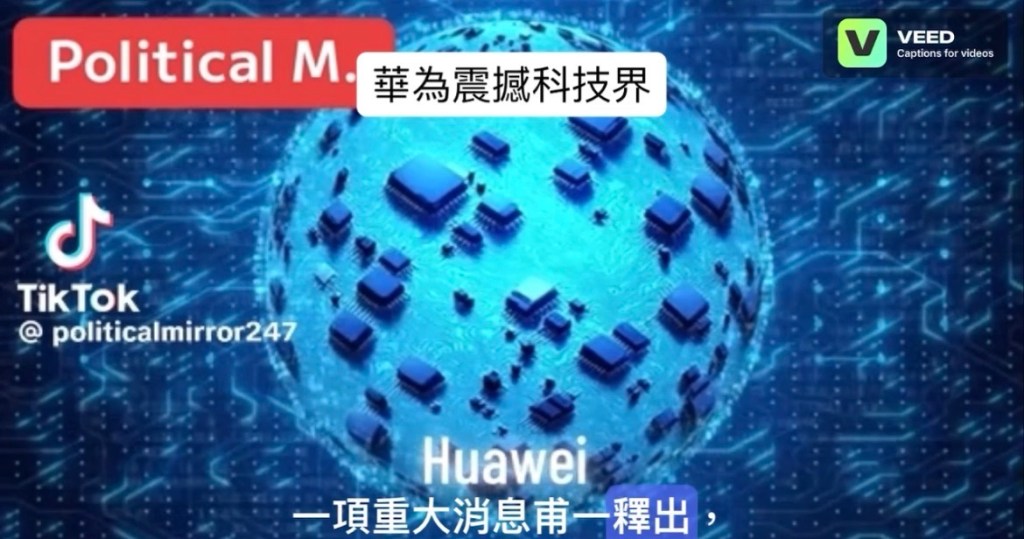
-
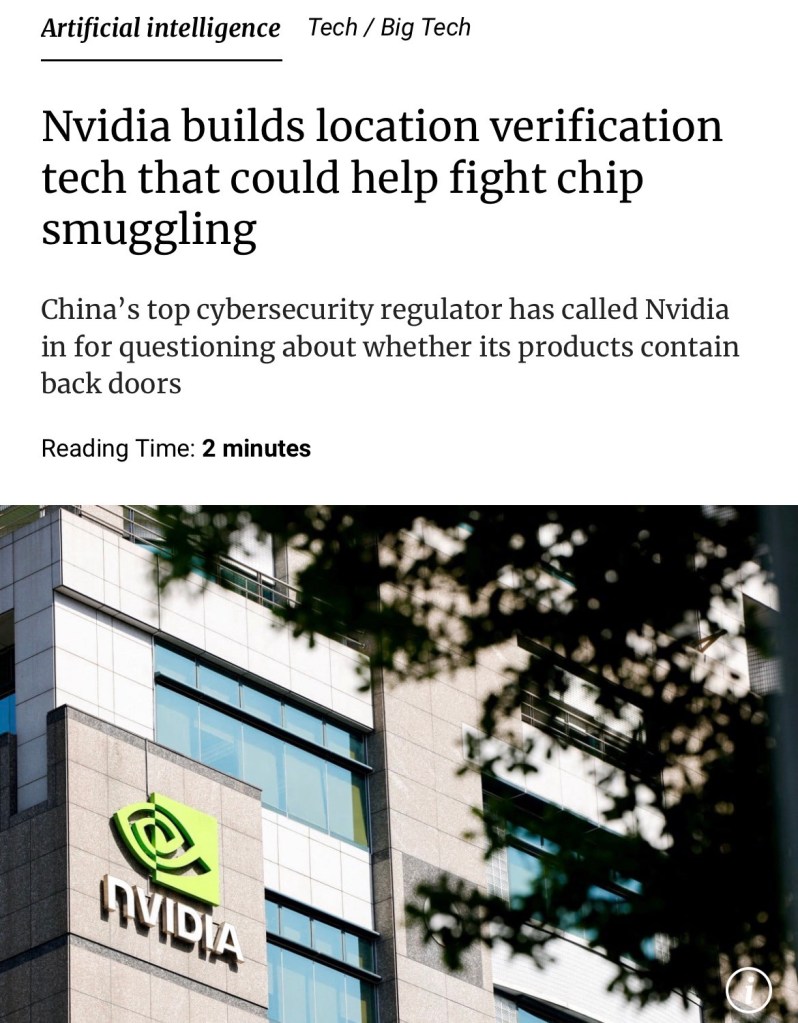
Nvidia chips have backdoors
Look at the SCMP headline news, Nvidia planted tracking devices that means Nvidia chips have backdoors! Nvidia chips must be banned in China. 看看這則香港南華早報新聞標題:英偉達植入追蹤設備,這意味著英偉達晶片有後門!英偉達晶片必須在中國被禁售.
-
820,000 Chinese have immigrated to the United States — why do they hold only green cards instead of becoming citizens?
820,000 Chinese have immigrated to the United States — why do they hold only green cards instead of becoming citizens? 82萬中國人移民美國,為什么都只拿綠卡,不入籍?
They take the U.S. green card, but reject U.S. citizenship. Among the 820,000 Chinese immigrants in the U.S., more than half clearly meet the requirements for naturalization, yet they would rather keep holding that green card and are in no hurry to “upgrade.”
For many Chinese in America, the biggest appeal of the green card is precisely its “middle-ground” status.
The reason these 820,000 Chinese cling to their green cards isn’t some sort of “patriotic sentiment,” but a careful and pragmatic calculation about how to survive.
In their eyes, U.S. citizenship may look glamorous, but in reality it can be a “hot potato.”
Once they naturalize, their Chinese citizenship is automatically invalidated. Even going back to China to visit family becomes inconvenient — they must apply for visas and wait for approval like any foreigner, and spending more time with aging parents becomes difficult.
The financial side doesn’t look good either. U.S. inflation may stay around 3%, but rents can rise nearly 20%. Meanwhile, green-card holders who earn in dollars and spend in RMB are making a “killing.”
With stable prices in China’s top-tier cities, a green-card holder becomes a “dual-habitat animal”: earning a high salary as a Silicon Valley engineer, yet enjoying a high-quality life at low cost when they return to China.
Even more important is tax avoidance. U.S. citizens are taxed on worldwide income — if you collect rent in Shanghai or sell a property, Uncle Sam wants a cut.
Green cards, by contrast, only tax U.S.-source income, and overseas assets can save a big chunk of money. This is the true “have the best of both worlds” strategy.
Families with children calculate even more carefully. Green-card holders and citizens enjoy almost the same benefits when studying in the U.S., but the costs differ dramatically. International students at UCLA pay over 300,000 RMB per year in tuition, while green-card holders pay only around 90,000 — enough to “save a luxury car” over four years.
Admission chances are also vastly different. Green-card holders are admitted to Princeton at 2.3 times the rate of international students; at Cornell, 4.5 times the rate. Majors tied to “national security,” such as aerospace or AI, often only admit those with legal U.S. status.
Not wanting their children to become “second-class students” in the U.S., nor wanting to become “foreigners” on Chinese soil themselves, green cards naturally become the ideal solution.
Retirement is the final factor. Bringing elderly parents to the U.S. is difficult — language barriers, no social circle — leaving them stuck at home like they’re “serving immigration jail.”
Returning to China to retire is also tricky. With foreign citizenship, you must choose between being treated as a foreigner or having local household registration. Without Chinese nationality, medical insurance, social benefits, and other rights become complicated.
A lost green card can be reissued; citizenship can be reacquired. But once Chinese citizenship is given up, getting it back is extremely difficult. These 820,000 people understand this well — leaving themselves an exit strategy is simply wise.
And don’t assume these “masters of survival” who get green cards are all wealthy. The threshold isn’t as high as it seems.
Besides the US$800,000 EB-5 investment route, many rely on talent: STEM workers switch from H-1B to green card; industry elites apply through EB-1A Extraordinary Ability — meeting just three out of ten criteria is enough.
English teachers rely on publications and peer review; software engineers on patents and high salaries; embroidery artists on exhibitions and commercial value — all can qualify.
As long as you have a skill and present your achievements, you can join these 820,000 people who “benefit from both sides.” Keeping their roots in China while steadily taking advantage of opportunities across the ocean — this isn’t sentimentality, but survival wisdom taken to its fullest.
Source: Sohu.com — “Why do many U.S. green-card holders choose immigration without relocation?”
美國綠卡,他們拿了;美國國籍,他們卻拒了,82萬在美中國人里,超過一半明明符合入籍條件,卻寧愿繼續拿著那張綠卡,遲遲不肯“轉正”。對很多在美華人來說,綠卡最大的吸引力,恰恰是它的“中間地帶”。
82萬在美華人死守綠卡不肯入籍,可不是什么“愛國情懷”作祟,而是算了一筆精明的生存賬。
在他們眼里,美國國籍看著光鮮,實則可能是個“燙手山芋”。
一旦拿了,中國國籍自動失效,回國連自由探親都成問題,得像外國人一樣辦簽證、等審批,想多陪父母幾天門兒都沒有。
錢袋子更經不起細算,美國通脹雖穩在3%,但房租能漲近20%,可綠卡黨賺美元花人民幣,那叫一個“血賺”。
國內一線物價穩定,拿著綠卡能當“雙棲動物”,硅谷工程師的高薪照拿,回國還能享受低成本的高品質生活。
更關鍵的是避稅,美國公民全球征稅,你在上海收個房租、賣套房,美帝都要來分一杯羹。
綠卡只管美國境內收入,海外資產能省大筆稅錢,這才是真正的“兩頭通吃”。
有孩子的家庭更算得明白,綠卡和國籍在美讀書功能幾乎一樣,但成本天差地別,國際生讀UCLA一年學費30多萬,綠卡生只要9萬多,四年省出一輛豪車。
錄取率方面更是差距懸殊。普林斯頓綠卡生錄取率達國際生的2.3倍,康奈爾更是高達4.5倍,而且航空航天、AI這類“國家安全”專業,也僅向有身份者敞開大門。
既不愿孩子淪為“二等公民”,又不想自身成為中國土地上的“外國人”,那么綠卡無疑是當下最為理想的解決之道。
養老更是壓軸題,接父母來美國,語言不通、沒社交圈,老人只能“坐移民監”。
自己回國養老,外籍和本地戶口二選一,沒了中國籍,醫保難辦、社保權益處理全是坎兒。
綠卡遺失可補辦,國籍也可申請,然而中國國籍一朝失去,恢復難如登天,這82萬人他們明白,給自己預留一條后路,方為明智之舉。
那這群“生存大師”拿到綠卡別以為都是富豪,門檻沒那么高。
除了砸80萬美元的EB-5投資移民,更多人拼的是才華,理工科走H-1B轉綠卡,行業精英走EB-1A杰出人才通道,10條標準中3條就行。
英語老師靠論文、評審,程序員靠專利、高薪,刺繡達人靠辦展、商業價值,都能成。
只要你有一技之長,把成績擺上臺面,就能加入這82萬“兩邊占便宜”的行列,既不斷故土根,又穩接大洋彼岸紅利,這哪是情懷,分明是把“生存智慧”玩到極致的現實選擇。
信息來源:搜狐網——為什么很多美國綠卡申請人,選擇移民不移居?

-
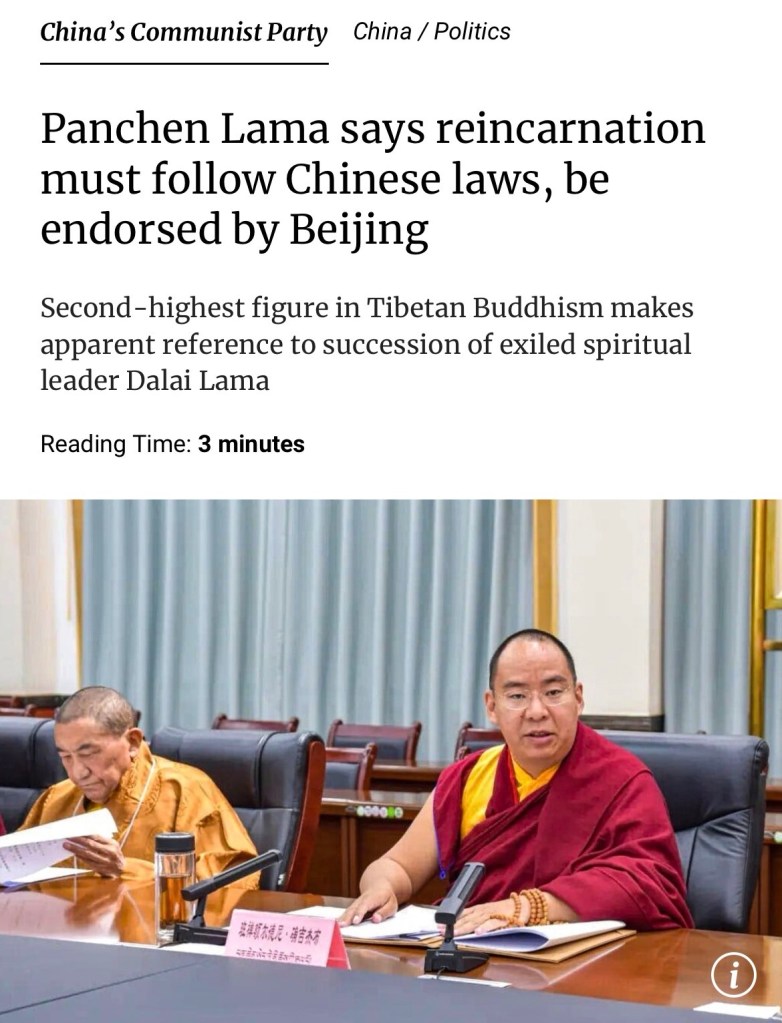
SCMP: Reincarnation must follow Chinese laws and be endorsed by Beijing
SCMP: Reincarnation must follow Chinese laws and be endorsed by Beijing, Tibetan Buddhist leader Panchen Lama has said. This must be done “without any interference or control from organisations or individuals outside the country”, he added. 香港南華早報: 藏传佛教领袖班禅喇嘛表示,转世必须遵循中国法律并得到中央批准。他补充说,这一过程必须”不受境外任何组织或个人的干涉和操控”。
-
Video: Has American Hegemony Reached Its End?
Video with English subtitles: Has American Hegemony Reached Its End? 影片有英文字幕: 美国霸权迎来终局?白宫最新战略报告解读,川普也没招了!
https://rumble.com/v72uorg-has-american-hegemony-reached-its-end.html
https://www.tiktok.com/t/ZP8U3JUo7/Interpreting the White House’s Latest Strategic Report—Even Trump Has No Answers!
This video provides an in-depth analysis of the newly released U.S. National Security Strategy report.
It examines the geopolitical shifts arising from America’s global strategic retrenchment and explores how these changes will impact the situation in Asia.
本期视频深度解读美国最新发布的国家安全战略报告。
分析美国在全球战略收缩背景下的地缘政治变局,以及这对亚洲局势的影响!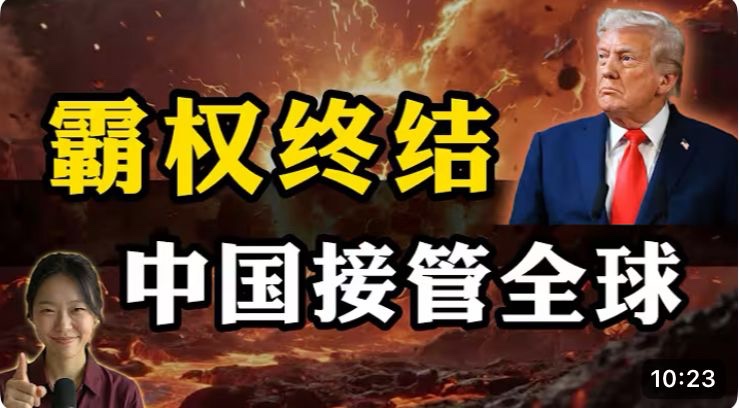
-
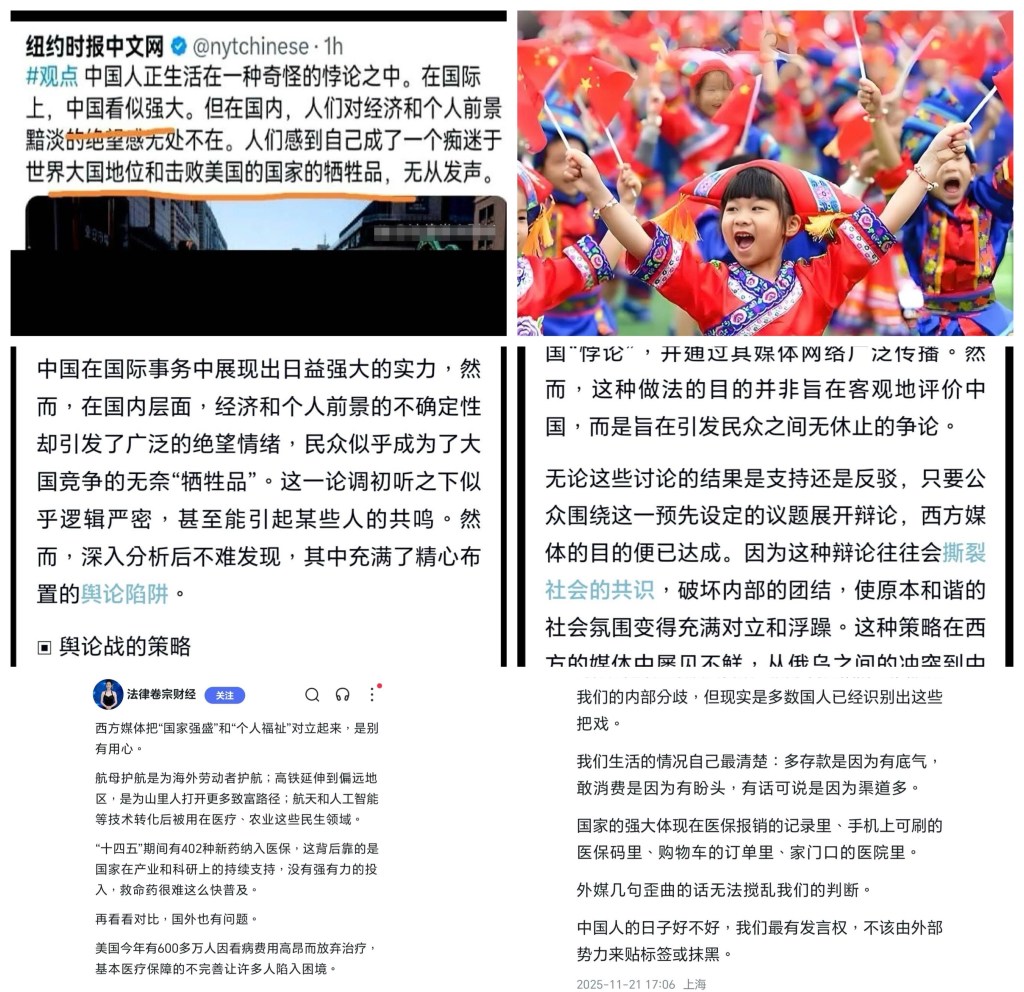
The New York Times recently put forward a concept called the “Strong Nation Paradox”…
The New York Times recently put forward a concept called the “Strong Nation Paradox”…《紐約時報》近期提出了一個說法,叫做“強國悖論”…
According to their description, Chinese people seem to live in a kind of contradiction: the country shines on the world stage, but ordinary citizens feel a sort of “hidden despair” about the economy and their personal future, as if they have become sacrifices in China’s pursuit of catching up with the United States, and have no way to voice their concerns.
At first glance, this argument sounds somewhat plausible, as if it has uncovered some deeper truth. But upon closer examination, it’s not hard to see that it is merely the forced stitching together of partial phenomena and subjective imagination.
Is this so-called “paradox” truly something we experience firsthand, or is it a misunderstanding stemming from observers who cannot grasp China’s development logic?
Is there pressure in life today? Almost no one would deny that. The economy is in a period of transition, and many people inevitably feel the impact on their income and expectations. Changes in prices, slowing income growth—young people, whether in school or just entering the workforce, face fiercer competition than their parents’ generation. But does this pressure equal “despair”? These are two entirely different concepts.
If you have personally experienced rush-hour subways, seen office buildings with lights still on late at night, or walked into bustling parks and shopping malls on weekends, you would realize that this so-called “sense of despair” simply doesn’t hold up.
Young people are still rushing between projects, preparing for exams, working hard to improve their skills; older people are busy planning trips or exercising in public squares. This is clearly a resilience that seeks opportunity amid change, a vitality driven by the pursuit of a better life. How did this become “silent sacrifice” in the narratives of certain foreign media?
As for the accusation of having “no place to voice concerns,” this too contradicts reality. Western media are accustomed to their own street-protest style of expression, and therefore assume that Chinese citizens lack channels to speak out. But actual data and mechanisms tell a different story.
In 2025 alone, the nationwide 12345 government service hotline handled about 24 million requests, over 96% of which were properly addressed or responded to. And this doesn’t even include regular channels such as policy consultations, online message boards, and community councils.
Behind every negotiation of medical-insurance drug prices and every adjustment of people-benefiting policies, public input plays a role. Isn’t this pragmatic, problem-solving style of communication an even more effective way of being heard?
Looking deeper, framing national development and individual well-being as opposites is itself a false proposition. In recent years, the increased national dignity felt in international settings, the greater convenience of a Chinese passport, and stronger protection of citizens abroad are not only national “prestige,” but also solid support for businesses expanding overseas and for personal development.
At the same time, national progress has translated into real improvements in daily life: formerly remote villages now have roads, electricity, and internet; poverty-alleviation policies have raised the living standards of hundreds of millions of people; and the social safety net continues to grow stronger. All this is evidence that the fruits of development benefit ordinary people.
Of course, we do not shy away from the challenges we face. Pressures in healthcare, education, and housing still exist. People have anxieties and expectations about the future—and this precisely shows that what people pursue is no longer just “having something” but “having something good.” This rising demand that comes with development is fundamentally different from the notion of “despair.”
In the end, the “Strong Nation Paradox” looks more like a case of cognitive dissonance among certain observers who interpret China through predetermined frameworks. They cannot deny China’s achievements, yet they do not wish to acknowledge that behind them lies the collective effort and support of hundreds of millions of people. So they construct a narrative of “a strong state and suffering people” to make their worldview feel coherent.
But the real lived experience belongs to every person working hard on this land. China’s story has never been the pale tragedy depicted by some foreign media—rather, it is a vivid chapter written by countless ordinary people who face reality, believe in effort, and create the future with their own hands.
For the many Chinese who are striving for a better life, the strongest response may not be verbal rebuttals, but simply to stay grounded and continue walking their own path.
《紐約時報》近期提出了一個說法,叫做“強國悖論”…
按照他們的描述,中國人似乎生活在一種矛盾中:國家在國際上光彩奪目,但普通民眾卻對經濟和個人未來感到一種“隱秘的絕望”,彷彿成為國家追趕美國過程中的犧牲品,且找不到表達聲音的途徑。
這種說法初聽似乎有些道理,像是洞察到了某種深層的真相。但只要仔細推敲,就不難發現,這其實是將局部現象與主觀想象強行拼接的結果。
所謂的“悖論”,究竟是我們切身的體會,還是旁觀者因難以理解中國的發展邏輯而產生的誤解?
當前的生活有壓力嗎?這一點恐怕無人否認。經濟處於轉型期,許多人的收入和預期難免受到影響。物價變化、收入增長放緩,年輕人無論在校讀書還是初入職場,都面臨著比父輩更激烈的競爭。但這種壓力,是否就等於“絕望”?這完全是兩個不同的概念。
如果你曾親身經歷早晚高峰的地鐵,見過深夜依然亮着燈的寫字樓,或是走進周末熙熙攘攘的公園和商場,就會發現所謂的“絕望感”難以成立。
年輕人仍在為項目奔波、為考試備戰、為提升技能而努力;老年人則忙着規劃旅行、在廣場上鍛煉身體。這分明是一種在變化中尋找機會的韌性,是一種為了更好生活而拼搏的生命力。怎麼到了某些外媒的筆下,就變成了“無聲的犧牲”呢?
至於“無處發聲”的指責,更是與事實不符。西方媒體習慣於他們那種街頭喧嘩式的表達,便以為中國民眾缺乏發聲渠道。但實際的數據和機制告訴我們並非如此。
僅2025年,全國12345政務服務便民熱線就受理了約2400萬件訴求,其中超過96%得到了有效辦理或回應。這還不包括各種政策徵求意見、網絡留言板、社區議事會等常態化渠道。
每一次醫保藥品談判、每一項惠民政策的調整,背後往往都有公眾意見的推動。這種務實、注重解決問題的溝通方式,難道不是一種更有效的“發聲”嗎?
更進一步看,把國家發展與個人福祉對立起來,本身就是一個虛假的命題。這些年來,我們在國際場合感受到的國家尊嚴的提升、中國護照便利性的增加、公民海外安全的保障,不僅是國家的“面子”,更是企業出海、個人發展的堅實“裡子”。
與此同時,國家的進步也實實在在地轉化為日常生活的改善:曾經偏遠的鄉村通了公路、接了水電網絡,扶貧政策讓數以億計的人生活水平得到提高,社會保障網也在逐步織密。這一切,都是發展成果惠及普通人的證明。
當然,我們並不迴避當前面臨的挑戰。醫療、教育、住房等領域的壓力依然存在,人們對未來有焦慮、有期待,這恰恰說明大家追求的已不再是“有沒有”,而是“好不好”。這種伴隨着發展而產生的更高要求,與所謂的“絕望”有着本質區別。
說到底,“強國悖論”更像是一些觀察者用固有框架解讀中國時產生的認知失調。他們無法否認中國取得的成就,卻又不願承認這背後是億萬民眾的共同努力與支持,於是便構造出一套“國家強大、人民痛苦”的敘事來勉強自洽。
真正的生活體驗,終究屬於在這片土地上辛勤耕耘的每一個人。中國的故事,從來不是某些外媒筆下那種蒼白的悲情劇,而是無數普通人面對現實、相信奮鬥、用雙手創造未來的鮮活篇章。
對於廣大正為生活打拚的中國人而言,最有力的回應或許並非言語上的辯駁,而是腳踏實地,繼續走好自己的路。
-
Subscribe
Subscribed
Have a WordPress.com account? Log in now.

