-
Highlight video of a former IMF Executive Director Paulo Nogueira Batista Jr. speech
Highlight video of a former IMF Executive Director Paulo Nogueira Batista Jr. speech (with Chinese subtitles):
Xi Jinping calling for globalization?! Becoming a “non-violent” elephant?! The New Development Bank challenging the IMF and World Bank?! 前國際貨幣基金組織執行董事保羅諾蓋拉巴蒂斯塔二世的演講重點視頻有中文字幕: 習近平倡議全球化?! 要做「非暴力」的大象?! 新開發銀行對抗IMF與世銀?!https://rumble.com/v72jqzw-xi-jinping-calling-for-globalization-new-development-bank-challenging-the-i.html
https://www.tiktok.com/t/ZP8UQ34Nw/This video translates and summarizes the key points from a speech by a former Executive Director of the International Monetary Fund. It covers the imbalances in the global financial system, the geopolitical competition between the US–Europe and China, and how the BRICS countries are challenging the existing international order.
The video also includes many other highlights:
• China offering peace and cooperation but receiving hostility in return?!
• Ukraine and Argentina moved to the “white list”?
• BRICS providing financial aid with minimal conditions?!
• The US and Europe destroying their own financial order?! The system promoted during the Trump era is being dismantled?!
• BRICS creating an alternative system to challenge the West?!
• The US dollar system becoming a source of global risk?! BRICS preparing to launch a new global reserve currency?!
• The US economy being even more fragile than during the financial crisis?! The next crash already on its way?!
• G20 cooperation collapsing?! Members divided with no consensus and an empty communiqué?!
• BRICS leading the Global South?! Brazil–India cooperation proving more effective than China acting alone?!本支影片翻譯並整理了前國際貨幣基金組織執行董事的演講重點,涵蓋全球金融體系的失衡、美歐與中國的地緣政治競爭,以及金磚國家對現有秩序的挑戰。
本支影片還有更多亮點:
中國和平合作換敵意?! 烏克蘭阿根廷變白名單?! 金援放水卻幾乎不問條件?!
美歐自毀金融秩序?! 川普時代推動的體系正被摧毀?!
金磚另起爐灶挑戰西方?!
美元體系變成風險來源?! 金磚準備推全球新儲備貨幣?!
美國經濟泡沫比金融海嘯更危險?! 下一次崩盤已在路上?!
G20合作幻滅?! 成員分裂無共識 公報空洞?!
金磚主導全球南方?! 巴西印度協作比中國單打獨鬥有效?!
-
Video: Gold Is Going CRAZY! This Pattern Is Scary – Every Time It Surges, Disaster Strikes…
Video: Gold Is Going CRAZY! This Pattern Is Scary – Every Time It Surges, Disaster Strikes…黃金瘋了!這種模式令人恐懼 – 每次暴漲,災難必至…
https://rumble.com/v72jodu-gold-is-going-crazy-this-pattern-is-scary-every-time-it-surges-disaster-str.html
https://www.tiktok.com/t/ZP8UCeyRd/Over the past 50 years, every time gold skyrocketed, disaster followed. No exceptions.
In the 1970s, gold surged 24x, then the Bretton Woods system collapsed and the world fell into stagflation.
In 2008, gold jumped 4x, then Lehman Brothers crashed and the subprime crisis devastated the global economy.
Now, gold is surging again.This time, three major crises are repeating: fiscal crisis, dollar crisis, and inflation crisis.
But 2020s America has one massive difference from the 1970s – there’s no key to break out of this cycle.
In this video, I’ll use 50 years of data to show you:
✓ Why gold surges are always crisis signals
✓ Which historical patterns are repeating right now
✓ Why smart money is positioning in gold early
✓ What ordinary people should do to prepareGold’s surge isn’t just an investment opportunity – it’s a risk warning.
Are you ready?
過去50年來,黃金每次飆升,災難隨之降臨,無一例外。
1970年代,黃金暴漲24倍,隨後佈雷頓森林體系崩潰,全球陷入滯脹。
2008年,黃金躍升4倍,接著雷曼兄弟倒閉,次貸危機重創全球經濟。
如今,黃金再度飆升。
這一次,三大危機正重複上演:財政危機、美元危機、通膨危機。
但2020年代的美國與1970年代有個關鍵差異——這次沒有打破循環的鑰匙。
在這部影片中,我將用50年數據向你揭示:
✓ 為何黃金暴漲總是危機信號
✓ 哪些歷史模式正在重演
✓ 聰明錢為何提前佈局黃金
✓ 普通人該如何準備應對黃金的飆升不僅是投資機會 – 更是風險警示。
你準備好了嗎?
-
Japan’s political arena dropped a “small signal flare” yesterday…
Japan’s political arena dropped a “small signal flare” yesterday… 日本政壇昨天丟出了一顆“小信號彈”…
According to Kyodo News on December 2, Yuko Obuchi, a heavyweight female lawmaker of the Liberal Democratic Party (LDP), made a special trip to the Chinese Embassy in Japan for a face-to-face meeting with Ambassador Wu Jianghao, during which she voluntarily expressed her wish to visit China. Given the current extremely tense state of China–Japan relations, this scene is highly noteworthy.
Many people may not be very familiar with the name “Yuko Obuchi,” but she is by no means an ordinary “decorative” politician. She is a genuine political powerhouse in Japan:
First, she comes from a political family. She is the daughter of former Prime Minister Keizo Obuchi and has been elected to the House of Representatives eight consecutive times. After many years cultivating her constituency, she has firm foundations and deep seniority. She is an “old face” in Japanese politics, not some newcomer.
Second, she currently serves as the LDP’s Director-General of the Organization and Campaign Headquarters. In simple terms, she is in charge of intra-party mobilization, grassroots organization, and the election front — a key figure in the party’s political machinery. The weight of this position is almost on par with the LDP’s most senior posts, such as Secretary-General, Policy Research Council Chair, General Council Chair, or Election Strategy Committee Chair. This is not a role an ordinary backbencher can compare to.
Third, Japanese media have long portrayed Yuko Obuchi as a “tough yet gentle” political strongwoman and one of the symbolic figures of women’s participation in Japanese politics. She has promoted multiple bills involving women’s rights and social welfare. Her image is steady and pragmatic, and combined with the halo of being a former prime minister’s daughter, she wields considerable influence both inside and outside the party.
Fourth—and this is the most important factor for China–Japan relations in this meeting—she serves as the Secretary-General of the Japan–China Parliamentary Friendship League. This means she doesn’t merely say Japan should value relations with China; she has long acted as a “communication window” in parliamentary diplomacy. And this time, she didn’t come alone—she brought several members of the League to visit Ambassador Wu Jianghao. This clearly carries the implication that she is “representing a segment of Japan’s political establishment.”
👉 From this perspective, Yuko Obuchi’s engagement with the Chinese side at this moment sends at least two signals:
(1) The LDP is not monolithic. Some within the party still hope to find a “bottom point” to stop further deterioration in the current tense situation.
(2) Japan’s ruling party realizes that if relations continue to worsen, it will harm Japan’s own diplomatic space, economic environment, and security outlook. Therefore, someone needs to step forward to “make contact, feel out the situation, and test the temperature.”
👉 However, China–Japan relations cannot be repaired by a single meeting or a smiling photo. Everyone knows the fuse that ignited the current tension—certain Japanese politicians, represented by Sanae Takaichi, have repeatedly made extremely wrong and provocative statements regarding major core interests such as Taiwan. These actions have severely damaged the already fragile political trust between China and Japan, pushing relations to the brink of near “rupture.”
In such circumstances, no matter how “friendly” or proactive Yuko Obuchi may be, it is impossible for her alone to reverse the overall situation. A more realistic interpretation is this: Japan understands very well where the problem lies, but for now is unwilling—or afraid—to directly adjust the hardline stance of the Takaichi faction. So they let a relatively moderate, influential politician approach China first, to probe China’s bottom line, gauge the public reaction, and create space for potential policy adjustments down the road.
👉 In fact, China’s position has already been stated with utmost clarity:
Those Japanese politicians must fundamentally correct their wrong words and actions, explicitly restate Japan’s solemn and clear stance on the Taiwan issue, and return to the correct track defined by the four political documents and the One-China principle. Only then can both sides have a realistic basis to talk about “repair” or “improvement.”
If Yuko Obuchi is truly sincere, her key role is not in “saying nice things for the media,” but in whether she can—after returning to Japan—convey China’s concerns, bottom lines, and conditions fully and accurately to Japan’s leadership, and push the Takaichi Cabinet to take concrete actions instead of continuing word games or diplomatic theatrics.
This visit is more like a “tentative knock on the door.”
Whether the door actually opens will not depend on how many pleasant words she says, but on whether the Japanese government is willing to make clear and responsible choices on the key issues that matter.
日本政壇昨天丟出了一顆“小信號彈”…
據日本共同社12月2日消息,自民黨重量級女議員小淵優子專程前往中國駐日大使館,與吳江浩大使面對面交流,還主動表達了“希望訪華”的意願。這一幕,放在當前中日關係高度緊張的大背景下,耐人尋味。
很多人也許對“小淵優子”這個名字不算熟,但她絕不是普通的“花瓶政客”,而是標準的日本政壇實力派:
其一,她出身政治世家,是前首相小淵惠三的女兒,自己則已經連續八次當選眾議院議員,在選區經營多年,根基穩、資歷深,屬於日本政壇的“老面孔”,而不是剛出道的新人。
其二,她現在在自民黨內擔任“組織運動本部長”,這個崗位說白了就是管黨內動員、基層組織和選舉戰線的關鍵人物。這個位置的分量,幾乎可以和幹事長、政調會長、總務會長、選舉對策委員長等最高層級並列看待,不是一般後排議員能比的。
其三,小淵優子長期被日本媒體塑造成“強硬但溫和”的政壇女強人,是日本女性參政的標誌性人物之一。她推動過多項涉及女性權益和社會保障的法案,形象相對穩重務實,再疊加“前首相之女”這一光環,讓她在黨內外都擁有不小的影響力和話語權。
其四,也是這次會面對中日關係最關鍵的一點——她擔任“日中友好議員聯盟事務局長”。這意味着,她不僅在檯面上說“要重視中日關係”,在議會外交層面也一直扮演“對華溝通窗口”的角色。這次她不是一個人上門,而是帶着聯盟中的部分議員一同拜訪吳江浩大使,明顯帶着“代表一部分日本政界力量”的意味。
👉從這個角度看,小淵優子此時出面與中方溝通,至少釋放出兩個信號:
(一)自民黨內部並非鐵板一塊,仍有人希望在當前的緊張局勢中尋找“止跌點”;
(二)日本執政黨意識到,如果繼續任由關係惡化,對日本自身的外交空間、經濟環境、安全局勢都不利,因此需要有人出來“接觸、探路、試溫”。
👉但話說回來,中日關係的問題,並不是一場會見、一次微笑合影就能解決的。矛盾的導火索,大家都很清楚——以高市早苗為代表的一些日本政客,在台灣等重大核心利益問題上屢屢發表極其錯誤、挑釁性的言論,嚴重衝擊中日之間本就脆弱的政治互信,把關係一步步推向近乎“斷裂”的邊緣。
在這種情況下,小淵優子再“友好”、再積極,也很難憑一己之力扭轉大局。更現實的可能是:日方深知問題出在哪,卻又暫時不想、或不敢直接調整高市早苗一系的強硬姿態,於是先讓一位對華形象相對溫和、在黨內有分量的人物出面,試探中方底線、評估輿論反應,同時為後續可能的政策微調預留空間。
👉事實上,中方立場已經講得極為清楚:
相關日本政客必須對其錯誤言行作出實質性糾正,明確重申在台灣問題上的嚴肅、明確立場,回到中日四個政治文件和一個中國原則的正確軌道上來,雙方才有談“修復、改善”的現實基礎。
如果小淵優子真有誠意,她的關鍵作用或許不在“說給媒體聽”,而在回國之後,能否把中方的關切、底線與條件完整地傳達到日本政府高層,推動高市內閣拿出實實在在的行動,而不是繼續玩文字遊戲和外交表演。
這次拜會,更多像是一記“試探性敲門”。門能不能真正打開,不取決於她說了多少漂亮話,而取決於日本政府接下來願不願意在關鍵問題上做出清晰、負責任的選擇。

-
US “Sing Tao Chinese Radio” “Current Affairs Observation” by Yu Fei Video: Who is to Blame for the Hong Fu Court Century Fire Tragedy?
US “Sing Tao Chinese Radio” “Current Affairs Observation” by Yu Fei Video: Who is to Blame for the Hong Fu Court Century Fire Tragedy? Starting the Investigation from the Fire’s “Prequel”. Wednesday 12/03/2025 美國《星島中文電台》「時事觀察」余非視頻: 宏福苑世紀大火慘劇誰之過?由火災「前傳」開始查找. 星期三 12/03/2025
https://youtu.be/XikPbXSup6M?si=q9wNV6irIBfFydXY 👈
Dong Zhang Xi Wang | Tai Po Hong Fu Court Five-Alarm Fire | Past “Dong Zhang” Report on “330 Million” Sky-High Maintenance Costs Becomes Focus Again | Hong Fu Court, Five-Alarm Fire, Major Maintenance 東張西望|大埔宏福苑五級火 《東張》過往報導「3.3億」天價大維修再成焦點|宏福苑, 五級火, 大維修
https://youtu.be/ARoG3tVkxcc?si=hfotIgBFWJPgeXvl 👈
本集節目要談已經成為國際新聞的香港宏福苑世紀大火。慘劇令多國領袖,甚至教宗也公開向遇難者致哀。節目播出前,相信大家已聽過、讀過不少火災訊息,但是仍然想分享我的角度。我所用的盡量是可靠媒體的報道,不是網上的傳聞。重要連結都會附上。一切以日後更新的資料為準。總之,整個社會極需要一個公開、透明的調查過程,讓大家了解真實的細節,從而不用錯判禍因、搞錯焦點、做錯批評。大眾關心此事,只是想知道真相。
自11月26日2時多起火開始,我便全天候跟蹤情況,本集節目的重點不是談救火現場當時的情況,主要由事件的「前傳」開始談起,再由前傳連上今日這個結局。
對宏福苑的認識,回溯至一年前。經過2023年的激烈爭議,於2024年1月,當時的業主立案法團通過了總值高達3億3千萬港元的維修工程方案。費用由8座1984戶攤分,每戶需要承擔16至18萬。而方案通過的過程中,有居民向傳媒表示存在很多奇奇怪怪的操作。稍後再多談幾句,當中涉及當時的黃姓區議員。事實上大部份居民都不認同天價維修方案。只是他們輸了給有強大操作力量的另一方。值得注意的是,居民由始至終都沒有停止過發聲和爭取。他們如何爭取,用文字或口頭交代未必有力,就在五級火發生的第二日、2025年11月27日,TVB《東張西望》於2024年6月份拍了一集宏福苑事件。此片現在重新上架,在Youtube可重溫。這條視頻十分有價值,會附上連結。2024年中,就是天價維修工程方案被通過半年之後,工程 6月開工,6月就要繳款。而何時收款,如何個收法?當時的業主立案法團鄧主席沒有諮詢居民。2024年6月3日居民突然收到繳款通知書,六期費用要在7個半月內繳清。工程預計需時約24個月,即是居民要在工程未完成的中期已交出足數。付款通知書更寫明,如居民遲交,會「承擔遲交或欠交大廈維修工程分攤費用而引致法團損失之一切責任或費用」。
這個付款速度令不少屋苑業主感到很困難。他們知道六月中法團有會議,於是就打算出席,在會上表達訴求;他們同時報了《東張西望》。就是因為當天有《東張西望》跟拍情況,並重新上架,我們才有機會親眼看看當時的情況。居民有太多的不明白。最直接的不明白是為何未完工前便要全數繳清費用, 承建商爛尾或「走路」怎辦?此外,居民付款到賬的獨立戶口,其利息怎用、怎計算、怎管?他們通通不知細節。而更奇怪是開工前才接獲承建商通知,原先報價用的紙皮石已不再生產,要改用「瓦仔石」。根據公契,外牆飾面不得更改,否則需業主大會投票決定。然而,在沒有召開業主大會之下,已被拍板改用「瓦仔石」,並於6月 16 日拜神開工,開始搭棚。業主擔心,物料差異將影響市建局批出的資助金額。總之他們有很多疑問,《東張西望》跟拍了當晚業主立案法團不理會業主們要求開會的要求。法團竟然可以漠視業主與會旁聽,自行關上門來開會,確也令人十分驚訝。在東張鏡頭下,居民打着傘拍門拍窗要求內進的畫面,連上今天的結果,令人心內鬱悶。
其他詳情不細數了。只想強調——打從2023要揀選維修方案時開始,居民如發現問題便出來爭取。只是剛才提過稍後再談的那位當時是法團顧問,同時是該區區議員的黃姓議員,在他們的成功操作下,令方案順利獲得通過。據受訪市民反映,黃議員借洗樓訪問街坊之便,手握了不少長者的授權票,導致2024年1月的天價維修工程方案被通過 。而之後那大半年,居民也在發現問題時便站出來,這才會有《東張西望》的跟拍。 上過東張後,業主立案法團在付款安排上有所改動,由6月即開始繳付,延至7月31日才繳納第一期;時限上也由六個月付清,延長至十個半月內繳清。而再之後,有居民根據《建築物管理條例》發起聯署;根據條例規定,只要有超過 5% 業主聯署,業主立案法團主席便必須在收到要求後 14 日內宣佈召開特別業主大會,並在收到要求後 45 天內舉行該大會。聯署信於去年、2024年7 月 5 日交到業主立案法團手上,但是之後一直音信杳無。7月23日,部份業主商討或需入稟土地審裁處。而業主立案法團便嚇他們,入稟者需要承擔訟費,個人資料也會被公開。總之,一輪鬥爭與角力,可以想像要上班的工薪階層業主有多辛苦。終於在兩個月後的2024年9月份,鄧主席被逼召開特別業主大會。在會上以大比數罷免了在任逾10年的鄧主席,並選出新一屆的法團代表。當天還有很多曲折,在此不細數了。只可惜,因為合約已於2024年1月簽妥,而且已動工兩個月,新法團接手也只能重新檢視現有條款,以及監管進度和工程質量。反圍標大聯盟發起人曾介入事件、為居民提供意見。他說,新業主立案法團有把關,還因為嚴肅處理居民投訴而把表現不佳的一個判頭辭退了。我回溯至一年前,補充上述訊息,旨在點出在有問題的業主立案法團條例下,在不容易防止業主立案法團搞操縱或圍標之下,這群居民已盡了最大的努力。關於香港業主立案法團條例的問題,現在不岔開了,直播有時間再談。
以下談第二點觀察。換了新業主立案法團後,居民的命數就交在新業主立案法團及更加重要的——負責專業巡查的政府部門手上。新的業主立案法團有做事 ,但很明顯專業性要靠政府監管。而遇到施工問題時,原來居民曾向有關部門投訴,連警方也報備了。由今天的結果回頭看,過程中他們求助無門,沒有人、沒有部門伸出有力的援手。
火災發生後,勞工及福利局局長孫玉菡說,對宏福苑維修工程的巡查,最後一次是11月20日,火警前一星期。當時針對防火問題已作出書面提醒,要求加強防火,主要因為收到投訴說有工人吸煙。而孫玉菡表示,自2024年7月開工起,勞工處曾作出16次巡查,重點是職安健檢查;也曾發出6張敦促改善通知書,並作出3宗檢控,主要跟高空工作有關。又指去年10月開工初時已查閱房屋局提供的棚網測試報告,顯示有用阻燃網。又表示去年、2024年11月巡查時,負責註冊檢驗的人員和承建商有在現場抽樣用火燃點棚網物料,當時並未發現助燃情況。然而,在漂亮的程序數字面前,有人重提 2024年9至10月間的一件事。原來當時有居民向多個部門發電郵查問圍網防火事宜,他在2024年10月5日將勞工處的書面回覆放了上FB「宏福苑居民交流群組」。
發帖的居民署名「Chung Man Lau」,他附上了勞工處的回信。回信稱「一直有跟進該地盤的工作安全」,並稱棚網作用為限制物件墮下的範圍,保護人們免受墮下的物料、工具和廢料擊中;又稱處方表示「根據現時勞工處所執行適用於建築地盤的安全條例中,並沒有涵蓋關於棚網或任何物料的阻燃標準」,「該維修工程並不需要在竹棚架上進行熱工序、使用明火或易燃物品等等,而地盤內亦有提供合適的滅火設施。因此,棚網發生火災的風險相對為低」。但是今天出了大事之後,勞工處對傳媒又另有一套說法。表示現行《竹棚架安全工作守則》訂明棚架上的保護網需具備阻燃特性,並需符合認可標準的要求。雖然《竹棚守則》並非法例,但具有特殊的法律地位;如不遵從守則,在刑事訴訟中 會被列為入罪元素之一。不過, 一切俱往爾,沒有回頭路。2024年9至10月,政府相關部門錯過了承擔阻止悲劇發生的責任。
數一次上面的情況,是再一次讓大家知道,宏福苑居民發現不妥當之後有投訴,有發聲,有向政府不同部門舉報;甚至一如開始時所說,警也報了。只可惜,仍然走不出今天的結局。至於鄧炳強局長早前在未有獨立調查報告之下,在記者會肯定圍網是合格的,有待追問數據何來。因為當晚有看直播的我以及眾多市民,橫看豎看,也看不出那些化為烏有的棚網是阻燃網。現時有不少照片反映,竹棚架大部份都很完整,但圍網除沒有起火的那一棟,其餘七座的圍網也被燒得八九成也灰飛煙滅。究竟圍網只是文件上合格,抑或是合格之中又混入了大量不合格的,一切有待進一步調查,且耐心等待。回頭說巡查,圍網要燒過才知真假,可是對專業消防局及勞工部門,以及相關負責巡查的專業人員而言,整棟大廈的窗戶都貼上發泡膠,是肉眼可見的,何以相關專業巡查人沒有發現危機,並提出警告會易燃?
節目時間有限,本集旨在點出,將世紀火災回帶,會發現是在層層有法不依,又或者有人失職,乃至有條例不合理之下,令事情走到今天這一步。這場大災難,曝露出體制上的眾多弊病。宏福苑是火災,其實香港的水災水患也害慘了很多人。我所指的水災水患不是洪水,是指「樓上漏水」。原來即使報了滲水辦,報了警,甚麼都報了,仍然有很大機會幫不上忙。令解決樓上漏水這家庭災難成為《東張西望》一個吸引收視的新節目。
究竟,在香港,有多少負責監管的部門其實無人認真做監管工作,有多少部門是設立了,卻可能尸位素餐。經常上《東張西望》的各種滲水個案是零散、個人化的個案,就算數量大、為害深也不起眼。於是政府各部門就漏水問題的無能為力,不會有人注意。而宏福苑慘劇除了死傷者數目太多之外,那個畫面也太震撼了——七棟高樓同時燃燒是極不尋常的畫面。也因此,事件衝出香港,引來國際注目。事情發展到這地步,會在引人注意之下造成輿論壓力,從而令大眾深挖災難背後的深層成因。而政府在多方面的管治缺憾,因火災慘劇被推到台前、被檢視。
在經濟下行的大環境下,打政府工薪高糧準;而立法會議員也已經由60人擴容至90人!很希望在如此優厚的條件下,香港的內部治理能力能交出一份亮麗的成績。
最後一個觀察是做節目的這一刻,有傳媒表示立法會換屆選舉很大機會如期進行。而宏福苑慘劇,據現時資料反映,黃姓議員同時是業主立案法團顧問這雙重身份,被懷疑是有可能促成天價維修工程合約的助力之一。街坊的說法有待黃議員作更詳細的交待以正視聽。跳開黃議員這個人、這件事,不談她了。然而由她的傳聞,難免令人聯想起政治和商業利益的關係。在沒有了反對派之下的香港,未來的政治,以及多了這麼多議員的新生態,會在香港發展為一個怎麼樣的局面,值得關注!宏福苑這場悲劇,勾出了好多值得跟進的,關乎整體管治的線頭。節目結束前做總結:談宏福苑慘劇,我兼及世紀火災的「前傳」。知道前傳的大概,才更有能力判斷如何看待整件事。最大的感受是,這群居民有為自己的危險不斷向外求救!他們不是「懵盛盛」(愚蒙)的一群人。總之,是制度上,政府管治上……,諸如此類的缺失,令這群可憐的、曾經反抗的羔羊照樣被宰殺。此次死得很無辜的,最新消息還包括起碼10名印傭和菲傭,以及5名做維修的工人。據報其中一位是工頭,是返回火場叫其他工友撤離時被燒死。整場火災是非一般地沉重的悲劇,不應該不清不楚地含糊帶過。也因此,令我決定在哀悼之中同時查找災難真相,會繼續密切跟進。期待有一個高層階的獨立調查委員會,令更多資訊可以向大眾公開公佈。
香港有不少大廈都有類似的結構和情況,而且都是住了幾十年,需要逐一維修。要把這次悲劇的根源、不足查找清楚,是為將來發生同類事故的機會清零。US “Sing Tao Chinese Radio” “Current Affairs Observation” by Yu Fei Video: Who is to Blame for the Hong Fu Court Century Fire Tragedy? Starting the Investigation from the Fire’s “Prequel”. Wednesday 12/01/2025
https://youtu.be/XikPbXSup6M?si=q9wNV6irIBfFydXY 👈
Dong Zhang Xi Wang | Tai Po Hong Fu Court Five-Alarm Fire | Past “Dong Zhang” Report on “330 Million” Sky-High Maintenance Costs Becomes Focus Again | Hong Fu Court, Five-Alarm Fire, Major Maintenance
https://youtu.be/ARoG3tVkxcc?si=hfotIgBFWJPgeXvl 👈
This episode discusses the Hong Kong Hong Fu Court century fire, which has now become international news. The tragedy led to public condolences from leaders of multiple countries and even the Pope. Before this program airs, I believe everyone has already heard or read a lot of information about the fire, but I still want to share my perspective. I will use reports from reliable media as much as possible, not online rumors. Important links will be attached. Everything is subject to updates based on later information. In short, the entire society urgently needs an open and transparent investigation process to understand the true details, so as not to misjudge the cause of the disaster, focus on the wrong issues, or make incorrect criticisms. The public cares about this matter simply to know the truth.
Since the fire started around 2 AM on November 26th, I have been following the situation around the clock. The focus of this episode is not on the situation at the fire scene during the rescue, but rather starts from the “prequel” of the incident, connecting it to today’s outcome.
My understanding of Hong Fu Court dates back a year. After intense controversy in 2023, in January 2024, the then Owners’ Incorporation passed a maintenance project plan with a total cost as high as HK$330 million. The cost was to be shared by 1,984 households across 8 blocks, each needing to bear HK$160,000 to 180,000. During the process of passing the plan, some residents told the media that there were many strange operations involved. I will talk more about this later, as it involves a then-sitting District Councilor surnamed Wong. In fact, most residents did not agree with the sky-high maintenance plan. They simply lost to another party with strong operational power. It is worth noting that the residents never stopped speaking out and fighting for their rights. How they fought might not be effectively conveyed in writing or verbally. However, on the second day after the five-alarm fire, November 27, 2025, TVB’s “Dong Zhang Xi Wang” re-uploaded an episode filmed in June 2024 about the Hong Fu Court incident, which is now available for review on YouTube. This video is very valuable, and a link will be provided. In mid-2024, six months after the sky-high maintenance plan was passed, the project started in June, and payment was due in June. But when were payments collected, and how? The then Chairman of the Owners’ Incorporation, Mr. Tang, did not consult the residents. On June 3, 2024, residents suddenly received payment notices, requiring them to pay six installments in full within seven and a half months. The project was expected to take about 24 months, meaning residents had to pay the full amount before the project was even halfway completed. The payment notice also stated that residents who paid late would “bear all responsibilities or costs incurred by the Incorporation due to late payment or non-payment of the maintenance cost share.”
This payment schedule made many homeowners in the estate feel it was very difficult. Knowing there was an Incorporation meeting in mid-June, they planned to attend to express their demands; they also reported the issue to “Dong Zhang Xi Wang.” It is because “Dong Zhang Xi Wang” filmed the situation that day and re-uploaded it that we have the chance to see what happened firsthand. The residents had too many questions. The most direct one was why they had to pay in full before the work was completed—what if the contractor abandoned the project or disappeared? Furthermore, how would the interest on the funds in the independent account for payments be used, calculated, and managed? They knew none of the details. Even stranger, they were only notified by the contractor before construction started that the mosaic tiles used in the original quote were no longer produced and had to be replaced with “wa zai shi” (a type of tile). According to the Deed of Mutual Covenant, the exterior wall finish could not be changed without a vote at an owners’ meeting. However, without convening an owners’ meeting, the switch to “wa zai shi” was approved, and work began with a ceremony on June 16th, starting to erect scaffolding. Homeowners were worried that material differences would affect the subsidy amount approved by the Urban Renewal Authority. In short, they had many questions. “Dong Zhang Xi Wang” filmed the scene that night when the Owners’ Incorporation ignored the owners’ request to hold a meeting. It was also shocking that the Incorporation could disregard the owners’ wish to attend as observers and simply close the door to hold their meeting. Under “Dong Zhang’s” lens, the scene of residents knocking on doors and windows with umbrellas, demanding entry, connected to today’s outcome, is deeply depressing.
Other details won’t be enumerated. I just want to emphasize—starting from the selection of the maintenance plan in 2023, residents came forward to fight whenever they found problems. However, with the successful maneuvering by the then-District Councilor surnamed Wong, who was also an advisor to the Incorporation (mentioned earlier and to be discussed more later), the plan was smoothly passed. According to interviewed residents, Councilor Wong, taking advantage of visiting households to canvass opinions, held proxy votes from many elderly residents, leading to the passage of the sky-high maintenance plan in January 2024. In the following half year, residents also stood up whenever they found problems, which is why “Dong Zhang Xi Wang” followed up. After appearing on “Dong Zhang,” the Owners’ Incorporation made changes to the payment arrangement, delaying the first payment from June to July 31st; the deadline was also extended from six months to ten and a half months. Later, some residents initiated a petition according to the “Building Management Ordinance.” The ordinance stipulates that as long as more than 5% of owners sign the petition, the Chairman of the Owners’ Incorporation must announce the convening of a special owners’ meeting within 14 days of receiving the request and hold the meeting within 45 days. The petition letter was delivered to the Owners’ Incorporation on July 5, 2024, but there was no response afterwards. On July 23rd, some owners discussed possibly filing a case with the Lands Tribunal. The Incorporation then threatened them, saying those who file cases would have to bear legal costs and their personal information would be made public. In short, after a round of struggle and contention, one can imagine how hard it was for salaried homeowners who have to work. Finally, in September 2024, two months later, Chairman Tang was forced to convene a special owners’ meeting. At the meeting, Chairman Tang, who had been in office for over 10 years, was removed by a large majority, and a new set of Incorporation representatives was elected. There were many twists and turns that day, which won’t be detailed here. Unfortunately, because the contract was already signed in January 2024 and work had already begun for two months, the new Incorporation could only re-examine the existing terms and supervise the progress and quality. A founder of the Anti-Bid-Rigging Alliance intervened in the incident to provide advice to residents. He said the new Owners’ Incorporation did guard the gate and even dismissed an underperforming subcontractor due to seriously handling residents’ complaints. I traced back to a year ago to supplement the above information, aiming to point out that under the problematic Owners’ Incorporation Ordinance, where it’s not easy to prevent the Incorporation from manipulation or bid-rigging, these residents had already done their utmost. The problems with Hong Kong’s Owners’ Incorporation Ordinance won’t be diverged into now; maybe discussed later if there’s time during the live stream.
Now for the second observation. After the new Owners’ Incorporation took over, the residents’ fate was in the hands of the new Incorporation and, more importantly, the government departments responsible for professional inspections. The new Owners’ Incorporation did work, but clearly, professionalism relies on government supervision. And when encountering construction problems, it turned out residents had complained to relevant departments and even reported to the police. Looking back from today’s outcome, during the process, they had nowhere to turn for help; no person, no department offered strong assistance.
After the fire, Secretary for Labour and Welfare Chris Sun said the last inspection of the Hong Fu Court maintenance project was on November 20th, a week before the fire. Written reminders regarding fire prevention had been issued, requiring enhanced measures, mainly because complaints were received about workers smoking. Sun stated that since the project started in July 2024, the Labour Department had conducted 16 inspections, focusing on occupational safety and health; it had also issued 6 improvement notices and made 3 prosecutions, mainly related to work at height. He also said that in October last year, at the start of the project, they reviewed the scaffolding net test reports provided by the Housing Bureau, which showed flame-retardant nets were used. He further stated that during the inspection in November 2024, registered inspection personnel and the contractor were on-site sampling and testing the scaffolding net material with fire, and no combustion-supporting situation was found at that time. However, in the face of these impressive procedural numbers, someone brought up an incident between September and October 2024. It turned out that a resident had emailed multiple departments inquiring about the fire prevention of the surrounding nets. On October 5, 2024, he posted the Labour Department’s written reply on the Facebook group “Hong Fu Court Residents Exchange Group.”
The resident posting署名 “Chung Man Lau” attached the Labour Department’s reply. The reply stated that they “have been following up on the work safety of the site” and that the scaffolding nets serve to limit the range of falling objects, protecting people from being hit by falling materials, tools, and debris; it also said the Department indicated “under the current safety regulations enforced by the Labour Department applicable to construction sites, there are no provisions covering the flame-retardant standards of scaffolding nets or any materials,” and that “this maintenance project does not require hot work, use of open flames, or flammable materials on the bamboo scaffolding, etc., and the site also has suitable fire-fighting facilities. Therefore, the risk of fire in the scaffolding nets is relatively low.” But after today’s major incident, the Labour Department had a different story for the media. It stated that the current “Code of Practice for Safety of Bamboo Scaffolds” stipulates that protective nets on scaffolding must possess flame-retardant characteristics and meet the requirements of recognized standards. Although the “Bamboo Scaffold Code” is not legislation, it has special legal status; non-compliance with the code can be used as an element of conviction in criminal proceedings. However, all that is in the past now, with no way back. In September-October 2024, the relevant government departments missed the opportunity to take responsibility for preventing the tragedy.
Recounting the above situation is to let everyone know once again that after discovering irregularities, Hong Fu Court residents complained, spoke out, and reported to various government departments; even, as mentioned at the beginning, they reported to the police. Unfortunately, they still could not escape today’s outcome. As for Secretary for Security Tang Ping-keung previously affirming at a press conference, without an independent investigation report, that the surrounding nets were qualified, the source of that data awaits questioning. Because those of us who watched the live broadcast that night, along with many citizens, couldn’t see how those nets that turned to ashes were flame-retardant. Currently, many photos show that most of the bamboo scaffolding remains largely intact, but the surrounding nets on the other seven blocks, except the one not on fire, were 80-90% burned to ashes. Whether the nets were only qualified on paper, or qualified ones were mixed with a large amount of unqualified ones, all awaits further investigation. We must be patient. Returning to the inspections, the nets’ true nature is revealed only after burning, but for professional Fire Services and Labour Departments, as well as relevant inspection personnel, the fact that the windows of the entire building were covered with foam board was visible to the naked eye. Why didn’t the relevant professional inspectors spot the fire hazard and warn that it was flammable?
Program time is limited. This episode aims to point out that rewinding the century fire reveals that it reached today’s stage through layers of laws not being followed, or someone’s dereliction of duty, or even unreasonable regulations. This major disaster exposes numerous systemic flaws. Hong Fu Court is a fire, but Hong Kong’s “water disasters and flooding” have also caused great suffering to many. I’m not referring to floods, but “upstairs water leakage.” It turns out that even after reporting to the Joint Office for Water Seepage, reporting to the police, reporting everything, there’s still a high chance it won’t help. Making solving the family disaster of upstairs water leakage a new show that attracts ratings for “Dong Zhang Xi Wang.”
How many departments in Hong Kong responsible for supervision actually have no one seriously doing the supervisory work? How many departments are established but may be filled with incompetent individuals? The various water seepage cases frequently featured on “Dong Zhang Xi Wang” are scattered, individual cases; even if the quantity is large and the harm deep, they are inconspicuous. Therefore, the government departments’ inability to deal with water leakage issues goes unnoticed. The Hong Fu Court tragedy, besides the high number of casualties, the scene was too shocking—seven high-rise buildings burning simultaneously is an extremely unusual sight. Hence, the incident broke out of Hong Kong, attracting international attention. Having reached this point, the resulting public attention creates舆论 pressure, leading the public to dig deeper into the underlying causes of the disaster. And the government’s governance shortcomings in many aspects are pushed to the forefront and examined due to the fire tragedy.
In the current economic downturn, government jobs offer high and stable salaries; and Legislative Council members have already expanded from 60 to 90! I sincerely hope that under such favorable conditions, Hong Kong’s internal governance capability can deliver an outstanding report card.
The last observation is that at the moment of producing this program, some media report that the Legislative Council换届 election is very likely to proceed as scheduled. Regarding the Hong Fu Court tragedy, according to current information, the dual identity of District Councilor Wong as both a councilor and an advisor to the Owners’ Incorporation is suspected to be one of the factors that might have facilitated the sky-high maintenance contract. The residents’ accounts await Councilor Wong’s more detailed explanation to set the record straight. Setting aside Councilor Wong the person and the matter, let’s not talk about her. However, from the rumors about her, it’s hard not to think about the relationship between politics and commercial interests. In a Hong Kong without the opposition, the future of politics, and the new ecosystem with so many more councilors, what kind of situation will develop in Hong Kong? It deserves attention! The Hong Fu Court tragedy has pulled out many threads worth following up on, relating to overall governance.
Before ending the program, a summary: Discussing the Hong Fu Court tragedy, I also covered the “prequel” of the century fire. Knowing the general prequel gives us better ability to judge how to view the entire incident. The biggest feeling is that these residents kept crying out for help regarding their danger! They are not a group of ignorant people. In short, it’s due to systemic, governmental governance… such deficiencies that these可怜, once-resisting lambs were still slaughtered. Among those who died very innocently, the latest news includes at least 10 Indonesian and Filipino domestic helpers and 5 maintenance workers. It’s reported one of them was a foreman who died after returning to the fire scene to call other workers to evacuate. The entire fire is an exceptionally沉重 tragedy and should not be vaguely glossed over. Therefore, I decided to, while mourning, also investigate the truth of the disaster and will continue to follow closely. I look forward to a high-level independent investigation commission that will allow more information to be公开 announced to the public.
Many buildings in Hong Kong have similar structures and situations, and having been inhabited for decades, they require maintenance one by one. To thoroughly investigate the root causes and shortcomings of this tragedy is to reduce the chance of similar incidents happening in the future to zero.

-
Former Singapore UN Ambassador Kishore Mahbubani video: Beyond Communism: The ‘MPH’ Formula That Actually Runs China
Former Singapore UN Ambassador Kishore Mahbubani video: Beyond Communism: The ‘MPH’ Formula That Actually Runs China 前新加坡聯合國大使馬凱煥影片有中文字幕: 超越共產主義:中國實際運行的「MPH」公式
https://rumble.com/v72iqya-beyond-communism-the-mph-formula-that-actually-runs-china.html
https://www.tiktok.com/t/ZP8UxUWKU/🇨🇳 Beyond Communism: The ‘MPH’ Formula That Actually Runs China
For decades, the West has viewed China through a Cold War lens — as a “Communist” state destined to fail like the Soviet Union.
But Kishore Mahbubani reveals a startling truth:
Modern China is not driven by Marx or Lenin. It is driven by a civilizational formula rooted in Confucian tradition and modern competence — the MPH Formula:
Meritocracy. Pragmatism. Honesty.Through this lens, China’s rise stops being a mystery — it becomes a case study in effective governance.
In this talk, you’ll learn:
🎓 Why “Meritocracy” — not ideology — determines who leads China
⚙️ How “Pragmatism” made China the world’s clean-energy and infrastructure superpower
🧭 Why “Honesty” in performance — not elections — sustains political legitimacy
💼 How China’s system quietly outperforms gridlocked Western democracies
🌏 Why the real contest is not “Democracy vs. Autocracy,” but Competence vs. Dysfunction
Mahbubani’s message is clear:
If the West wants to compete with China, it must rediscover the virtues that once made it great — results, merit, and pragmatic honesty. Because the real revolution in Beijing is not Communism. It’s competence.前新加坡聯合國大使馬凱煥影片:超越共產主義:中國實際運行的「MPH」公式
🇨🇳 超越共產主義:中國實際運行的「MPH」公式
數十年來,西方始終透過冷戰視角審視中國──將其視為注定像蘇聯一樣失敗的「共產主義」國家。
但馬凱煥揭示了一個驚人的真相:
現代中國的驅動力並非馬克思或列寧思想,而是根植於儒家傳統與現代治國能力的文明公式──即「MPH」三要素:
賢能治理、務實主義、誠信為政。透過這個視角,中國的崛起不再神秘,它成為有效治理的典範研究。
本次演講將闡明:
🎓 為何決定中國領導層的是「賢能治理」而非意識形態
⚙️ 「務實主義」如何使中國成為全球清潔能源與基建超級大國
🧭 為何政治合法性靠的是政績「誠信」而非選舉制度
💼 中國體制如何悄然超越陷入僵局的西方民主模式
🌏 為何真正的競爭不在「民主與專制」之爭,而在治理能力與失能之別
馬凱煥的核心觀點清晰:
若西方想與中國競爭,就必須重拾昔日使其強大的核心價值──注重成果、任人唯賢、務實求真。因為北京正在進行的真正革命並非共產主義,而是治理能力的革新。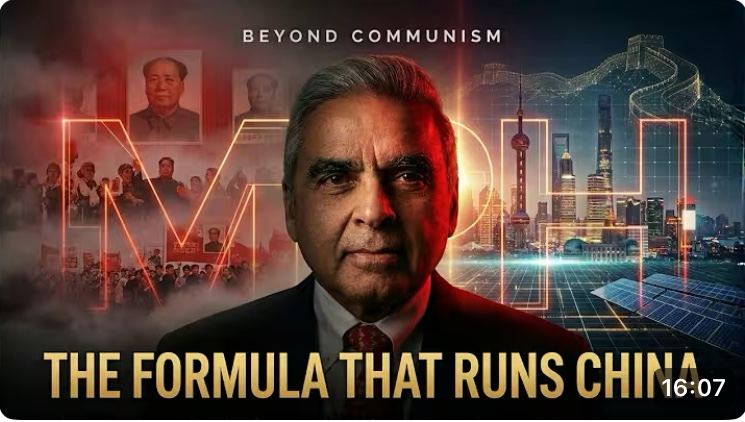
-
American logistic expert reports from China video: The China rare earths problem isn’t as bad as we think. It’s much worse: a look at gallium
American logistic expert reports from China video: The China rare earths problem isn’t as bad as we think. It’s much worse: a look at gallium 美國物流尊家在中國報導視訊有中文字幕: 中國稀土問題並非如我們所想的那麼簡單- 其嚴峻程度遠超預期:以鎵為例透視現狀
https://rumble.com/v72iiv6-the-china-rare-earths-problem-isnt-as-bad-as-we-think.-its-much-worse.html
https://www.tiktok.com/t/ZP8U9vaX4/It’s now understood that China has deep and durable monopolies on nearly all the Rare Earth metals and critical minerals.
But each of those minerals poses unique challenges to Western countries who hope to build supply chains for them.
Gallium is instructive. It is a crucial component for the most advanced electronics used in defense, and in civilian sectors.
But gallium is produced as a byproduct of aluminum smelting, from bauxite. Only while smelting hundreds of millions of tons of bauxite ores to extract aluminum, can engineers extract a few hundred tons of gallium.
Most smelters in Western countries have closed, and bauxite mining and aluminum smelting today are dominated by China, Russia, and India.
Initiatives to “re-shore” gallium production in the United States suffer from two defects. Western smelters never bothered to extract gallium in the first place. And in order to produce trace amounts of gallium, the bauxite and aluminum smelting industries need to be rebuilt.
Closing scene, Beijing
目前已知,中國對幾乎所有稀土金屬與關鍵礦物形成了深厚且持久的壟斷優勢。
但每一種礦物都對希望建立供應鏈的西方國家構成獨特挑戰。
鎵的案例尤其具啟示意義。這種金屬是先進電子設備的關鍵材料,廣泛應用於國防及民用領域。
然而鎵實際是鋁冶煉的副產品,源自鋁土礦提煉過程。唯有在冶煉數億噸鋁土礦以提取鋁的同時,工程師才能從中萃取出數百噸鎵。
西方國家多數冶煉廠早已關停,當今全球鋁土礦開採與鋁冶煉產業已被中國、俄羅斯和印度主導。
美國推動鎵生產「回岸」的計劃存在雙重困境:西方冶煉廠從未重視鎵的提取技術,且為獲得微量鎵,必須從零重建完整的鋁土礦產業鏈與鋁冶煉體系。
終場鏡頭轉向北京。

-
Former Taipei County Magistrate Chou Hsi-wei’s video with English subtitles: China’s forbearance is not weakness! Sanae Kaohsiung crosses the red line
Former Taipei County Magistrate Chou Hsi-wei’s video with English subtitles: China’s forbearance is not weakness! Sanae Kaohsiung crosses the red line, fully exposing Japan’s militaristic ambitions? Chou Hsi-wei showcases historical materials from the War of Resistance against Japan: Beijing has long been preparing for a “final reckoning,” Taiwan can no longer stand on the front lines for Japan! 前台北縣長周錫瑋視頻有英文字幕; 中國忍辱不是軟弱!高市早苗踩爆紅線,日本軍國野心全面曝光?周錫瑋秀出抗戰史料:北京早已準備「總清算」,台灣不能再替日本站前線!
https://rumble.com/v72ifw6-sanae-kaohsiung-crosses-the-red-line-fully-exposing-japans-militaristic-amb.html
https://www.tiktok.com/t/ZP8Ux1cC2/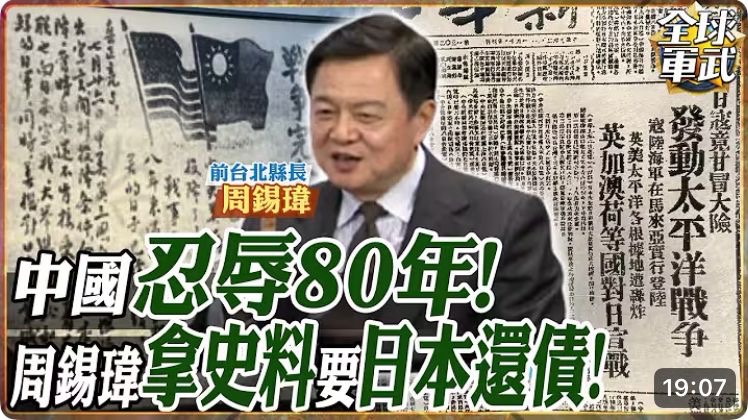
-
Video: Japan Just Hit a Wall! Japan want to undo the after WWII world order set up by US, USSR, France, Britain & China! China asked is that what the UN Security Council Members want to do?
Video: Japan Just Hit a Wall! Japan want to undo the after WWII world order set up by US, USSR, France, Britain & China! China asked is that what the UN Security Council Members want to do? 日本撞上鐵板! 日本想要推翻二戰後由美國、蘇聯、法國、英國和中國所建立的世界秩序!中國質問,這難道也是聯合國安理會成員國想要做的事嗎?
https://rumble.com/v72ic5q-japan-want-to-undo-the-after-wwii-world-order-set-up-by-usussrfrancebritain.html
https://www.tiktok.com/t/ZP8U9sQFb/After 10 Days of Threats Over Taiwan, China Got US, UK, France to Back Them Up 對台灣連嗆10天後,中國竟讓美、英、法全站到自己這邊
Japanese official Sanae Takaichi just said “Taiwan’s crisis is Japan’s crisis” – but 10 days later, Japan went completely silent!
What happened? China didn’t play by the usual rules this time. They reframed the Taiwan issue as a WWII legacy problem and internationalized Japan’s militarism concerns. The result? The US, UK, France, and Russia – all five permanent UN Security Council members – publicly backed China’s position!
Here’s why this diplomatic counterattack is brilliant:
✅ China tied Taiwan to post-WWII international order, making Japan unable to refute
✅ All P5 nations made statements within 10 days, creating massive pressure
✅ Japan went from aggressive provocation to complete silence in under two weeksIn this video, I’ll break down:
Why did Japan suddenly dare to provoke China?
What diplomatic strategy did China use to get all P5 nations on board?
Why is defining Taiwan as a WWII issue so powerful?
What does this mean for East Asian geopolitics?If you’re interested in international politics, China-Japan relations, or the Taiwan issue, this video is a must-watch!
日本官員高市早苗剛說完「台灣有事就是日本有事」——結果短短10天後,日本卻突然全面安靜了!
到底發生了什麼?
這一次,中國沒有按照以往的邏輯出牌,而是把台灣問題重新框定為「二戰遺緒問題」,並將日本軍國主義的風險國際化。結果?美國、英國、法國、俄羅斯——聯合國五常全部公開表態支持中國的立場!這場外交反擊之所以高明,原因如下:
✅ 中國把台灣議題與二戰後的國際秩序綁在一起,日本難以反駁
✅ 五常在10天內全部表態,形成巨大壓力
✅ 日本從強勢挑釁到徹底沉默,不到兩週在本影片中,我將解析:
• 為什麼日本突然敢挑釁中國?
• 中國用了什麼外交策略,讓五常全部站在自己這邊?
• 為何把台灣定義為「二戰問題」如此強而有力?
• 這對東亞地緣政治意味著什麼?如果你對國際政治、中日關係或台灣議題有興趣,這支影片一定不能錯過!

-
China Once Again Writes to Guterres, Sternly Refutes Japan! On December 1 2025
China Once Again #Writes to Guterres, Sternly #Refutes Japan! 🇨🇳 On December 1, China’s Permanent Representative to the United Nations, Fu Cong, once again wrote to UN Secretary-General António Guterres, sternly refuting the unreasonable arguments contained in the letter sent to the Secretary-General by Japan’s Permanent Representative to the UN, Yamanaka Kazuyuki, on November 24, and clarifying the position of the Chinese government. The full text of the letter is as follows: 中方再次#致函 古特雷斯,严正#批驳 日方!🇨🇳 12月1日,中国常驻联合国代表#傅聪 再次致函联合国秘书长#古特雷斯,针对日本常驻联合国代表#山崎和之 11月24日给古特雷斯秘书长致函中有关无理狡辩言论予以#严正批驳,并阐明中国政府立场。致函全文如下:
Your Excellency,
I recently wrote to you to express the Chinese government’s grave concerns over the provocative remarks made by Japanese Prime Minister Takaichi Sanae regarding Taiwan. The Chinese side has noted that the Japanese Permanent Representative, in his letter to you on November 24, resorted to unreasonable arguments, evaded key issues, and made groundless accusations against China, even turning the tables on the victim. China firmly opposes this. Under the instructions of my government, I would like to further clarify our position as follows:
- The #direct cause of the serious differences between China and Japan at present is the provocative remarks made by Japanese Prime Minister Takaichi Sanae during a parliamentary debate on November 7, in which she wrongly claimed that “a Taiwan contingency could constitute a survival-threatening situation for Japan,” implying Japan’s possible military intervention in the Taiwan issue. Such erroneous remarks openly challenge the outcomes of World War II and the post-war international order, and seriously violate the purposes and principles of the UN Charter. It is entirely justifiable and necessary for China to write to you to clarify its solemn position. In fact, many people of justice in the international community and within Japan, including former Japanese prime ministers, have also expressed clear criticism of Takaichi’s remarks.
- Including the letter from the Japanese representative, Japan has claimed to adhere to a “#consistent position.” Recently, China has publicly questioned Japan on multiple occasions: What exactly is the so-called “consistent position”? Japan has consistently evaded the question and has yet to provide a #direct response to China. Can Japan clearly and accurately explain to the international community what its “consistent position” on the Taiwan issue is?
International legal documents such as the Cairo Declaration, the Potsdam Proclamation, and the Japanese Instrument of Surrender have long affirmed China’s sovereignty over Taiwan, stipulated that Japan must return Taiwan and other Chinese territories it had stolen, and established the principles for post-war disposition of Japan, all of which constitute an important part of the post-war international order. The 1972 China-Japan Joint Statement clearly states: “The Government of Japan recognizes the Government of the People’s Republic of China as the sole legal government of China” and “The Government of the People’s Republic of China reiterates that Taiwan is an inalienable part of the territory of the People’s Republic of China. The Government of Japan fully understands and respects this position of the Government of China and adheres to the position of Article 8 of the Potsdam Proclamation.” Subsequently, the Japanese government explicitly pledged in a series of treaties and statements between China and Japan to uphold the above position. How can Takaichi Sanae’s erroneous remarks, which #betray the commitments made by the Japanese government so far, be trusted by the international community?
- In his letter, the Japanese representative stated that Japan adheres to a #passive defense strategy of exclusively defense-oriented policy and claimed that Takaichi Sanae’s remarks were based on this position. Taiwan is China’s territory, yet Takaichi Sanae linked Japan’s “survival-threatening situation” to “a Taiwan contingency,” implying the use of force against China. This clearly goes beyond Japan’s so-called “exclusively defense-oriented” and “passive defense” scope. Japan’s argument is self-contradictory and is an attempt to #deceive the international community.
The UN Charter stipulates that all members shall refrain from the threat or use of force in their international relations and shall respect the territorial integrity and political independence of any state. Takaichi Sanae’s erroneous remarks violate the purposes, principles, and relevant provisions of the UN Charter. How can Japan claim to “always respect and abide by international law, including the UN Charter”? The international community should recognize the serious dangers posed by Takaichi Sanae’s erroneous remarks and remain highly vigilant against Japan’s #ambition to subvert the post-war international order.
- In his letter, the Japanese representative also insinuated criticism of other countries’ national defense development. I would like to draw Your Excellency’s attention to the following facts: Since Japan’s defeat in World War II, right-wing forces in Japan have never ceased their efforts to whitewash Japan’s history of aggression. Over the years, Japan has continuously and significantly adjusted its security policies, with its defense budget increasing for “thirteen consecutive years.” Japan has revised the long-standing “Three Principles on Arms Exports” and begun exporting lethal weapons. Japan is also scheming to revise the “Three Non-Nuclear Principles” to pave the way for introducing nuclear weapons. Clearly, Japan has long broken through the confines of “exclusively defense-oriented policy” and is rearming itself. It is Japan itself that is engaged in “military expansion,” “unilaterally changing the status quo despite opposition from neighboring countries,” and “adopting coercive measures.” Historically, using the so-called “survival-threatening situation” as a pretext for military expansion and launching foreign aggression under the name of “self-defense” was the #usual tactic of Japanese militarism. In light of Takaichi Sanae’s dangerous remarks, the international community must be #highly vigilant against Japan’s #ambition to expand its military and revive militarism, and work together to safeguard world peace.
- In his letter, the Japanese representative expressed the need to enhance mutual understanding and cooperation. However, the biggest challenge now is that Takaichi Sanae’s erroneous words and actions have #severely damaged mutual trust between China and Japan and undermined the political foundation of China-Japan relations. If Japan sincerely wishes to develop stable China-Japan relations, it should clearly adhere to the #One-China principle, abide by the spirit of the four China-Japan political documents and the political commitments made, immediately retract the erroneous remarks, and genuinely translate its commitments to China into concrete actions. Otherwise, Japan will bear #all consequences arising therefrom.
This letter will be circulated as an official document of the UN General Assembly to all member states.
中方再次#致函 古特雷斯,严正#批驳 日方!🇨🇳 12月1日,中国常驻联合国代表#傅聪 再次致函联合国秘书长#古特雷斯,针对日本常驻联合国代表#山崎和之 11月24日给古特雷斯秘书长致函中有关无理狡辩言论予以#严正批驳,并阐明中国政府立场。致函全文如下:
阁下:
我日前向你致函表达中国政府对于日本首相高市早苗涉台挑衅性言论的严正关切。中方注意到,日本常驻代表于11月24日给你写信进行无理狡辩,回避关键问题,对中方无端指责、倒打一耙,中方对此坚决反对。我奉政府指示进一步阐明立场如下:
一、当前中日之间存在严重分歧的#直接原因,是日本首相高市早苗11月7日在国会答辩时发表#挑衅性言论,妄称“台湾有事可能对日本构成存亡危机事态”,暗示日本会武力介入台湾问题。相关错误言论公然挑战二战胜利成果和战后国际秩序,严重违反《联合国宪章》宗旨和原则。中方向你致函阐明严正立场,完全正当必要。事实上,国际社会和日本国内许多正义人士,包括日本的前首相,也对高市的言论持明确批评态度。
二、包括日本代表致函在内,日方声称坚持“#一贯立场”。中方近期多次公开质问日方,所谓“一贯立场”到底是什么?日方始终言辞闪躲,到现在仍未给中方以#正面答复。日方能否向国际社会完整准确回答在台湾问题上的“一贯立场”是什么?
《开罗宣言》《波茨坦公告》《日本投降书》等国际法文件早已确认中国对台湾的主权、日本应将窃取的台湾等中国领土归还中国和战后对日处置原则,构成了战后国际秩序的重要组成部分。1972年《中日联合声明》明确规定,“日本国政府承认中华人民共和国政府是中国的唯一合法政府”,“中华人民共和国政府重申:台湾是中华人民共和国领土不可分割的一部分。日本国政府充分理解和尊重中国政府的这一立场,并坚持遵循波茨坦公告第八条的立场”。此后日本政府在中日两国一系列条约和声明中都明确承诺坚持上述立场。高市早苗的错误言论#背弃日政府迄今承诺,如何取信于国际社会?
三、日本代表在致函中称日本坚持专守防卫的#被动防御战略,并且称高市早苗的言论是基于这一立场。台湾是中国的领土,高市早苗却把日本的“存亡危机事态”与“台湾有事”相关联,暗示对中国动用武力,这显然超出了日方所谓“专守防卫”“被动防御”的范畴,日方的说法自相矛盾,是在#欺骗国际社会。
《联合国宪章》规定,各会员国在其国际关系上不得使用威胁或武力,不得侵害任何会员国或国家之领土完整或政治独立。高市早苗错误言论违反《联合国宪章》宗旨、原则和有关规定,日方何谈“始终尊重和遵守包括《联合国宪章》在内的国际法”?国际社会应认清高市早苗错误言论的严重危害,对日方颠覆战后国际秩序的#野心 保持高度警惕。
四、日本代表在致函中还影射指责他国的国防力量建设。我愿提请秘书长先生注意以下事实:日本战败以来,日本国内右翼势力从未停止推动为侵略历史#翻案;多年来日本不断大幅调整安保政策,日本的防卫预算已经“十三连增”;日本已经修改战后长期坚持的“武器出口三原则”,开始出口杀伤性武器;日本还在图谋修改“无核三原则”,为引进核武器打开方便之门。很显然,日方早已突破“专守防卫”,正在重新武装。所谓“扩张军力”、“不顾周边邻国反对单方面改变现状”、“采取胁迫措施”的恰恰是日方自己。历史上,以所谓“存亡危机”为由扩军备战,以所谓“自卫”为名发动对外侵略,正是日本军国主义的#惯用伎俩。联系高市早苗发表的危险言论,国际社会必须#高度警惕 日本扩军备战、复活军国主义的#野心,共同守护世界和平。
五、日本代表在致函中表示应该努力增进相互理解和合作,但现在最大的挑战是,高市早苗的错误言行已经#严重破坏 了中日互信,损害了中日关系政治基础。日方如果真心想发展稳定的中日关系,就应该明确坚持#一个中国原则,恪守中日四个政治文件精神和所作政治承诺,立即收回错误言论,切实把对华承诺体现在实际行动上。否则,由此产生的#一切后果由日方承担。
该函将作为联合国大会正式文件,向全体会员国散发。

-
Global China Report Video: Harvard Research Says 90% of Chinese Are Satisfied With Their Government?!
Global China Report Video: Harvard Research Says 90% of Chinese Are Satisfied With Their Government?! 全球視野中國報告視頻有中文字幕-哈佛研究: 九成中國人滿意政府?!
https://rumble.com/v72hqby-harvard-research-says-90-of-chinese-are-satisfied-with-their-government.html
https://www.tiktok.com/t/ZP8U9YCxx/A “Democracy Village” Transforms Into a Trendy Community?!
Is Western Democracy a Fake Choice?!
Do All Political Parties Ultimately Serve Capital?!This video translates and summarizes the observations of Pavel Vargan, international political coordinator of Progressive International, on China’s political system. It covers topics including democratic institutions, grassroots governance, community participation, and differences between Chinese and Western political models.
More highlights from the video:
• The Communist Party has over 100 million members?!
• Voting in China often means choosing your own neighbors and relatives?!
• A one-party system actually gives people a stronger sense of participation?!
• U.S. free elections still fail to deliver real results?!
• China scores highly in “whole-process people’s democracy”?!
• People in the U.K., U.S., and France question whom their governments really serve?!
• Consultation-based democracy operates through WeChat groups and hotlines?!
• Complaints are handled within hours?!
• Community renovation relies on “circle meetings”?! Party cadres listen face-to-face as residents criticize them?!
• Community self-governance vs. Western-style gentrification and displacement?!
• A new model of socialist democracy?! Cuba drafted its Family Code through nationwide participation?!
• China debates policy proposals for up to five years?!
• Academic research + grassroots consultation together shape institutions?!民主村蛻變時髦社區?! 西方民主是假選擇?! 所有政黨都為資本服務?!
本支影片翻譯並整理了進步國際政治協調員帕維爾‧瓦爾甘對中國政治體制的觀察,涵蓋民主制度、基層治理、社區參與與中西制度差異等議題。
本支影片還有更多亮點:
共產黨員多達1億?! 投票其實是選自己的鄰居與親人?!
一黨制反而更有參與感?! 美國自由選舉換不到結果?!
中國全過程民主成績高?! 英美法被人民質疑為誰服務?!
諮詢民主靠微信群與熱線?! 投訴幾小時內處理完?!
社區整修靠圓圈會議?! 黨幹部面對面聽居民罵?!
社區自決 vs 西方仕紳化驅趕?!
社會主義民主新樣板?! 古巴全民起草家庭法?!
中國政策討論長達五年?! 學術+民間研討造就制度?!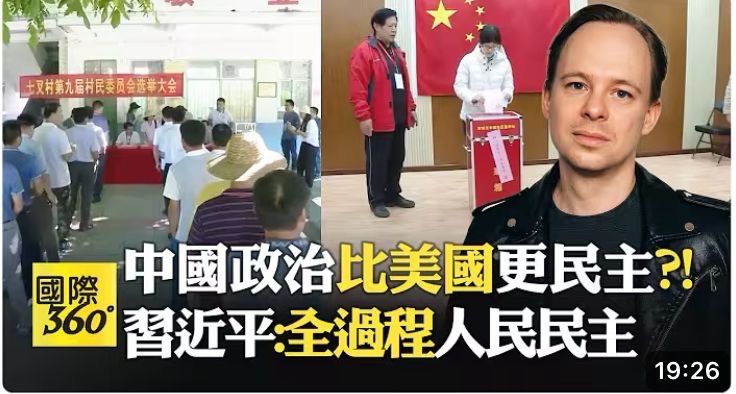
-
Subscribe
Subscribed
Have a WordPress.com account? Log in now.

