-
Taiwan US-China expect Video: This Is Big! Xi Jinping Takes the Initiative! Calls Trump to Discuss Taiwan! Takaichi Angers Beijing?
Taiwan US-China expect Video: This Is Big! Xi Jinping Takes the Initiative! Calls Trump to Discuss Taiwan! Takaichi Angers Beijing? Trump Urgently Phones Takaichi! 台灣中美尊家視頻: 事大了! 習近平主動出擊! 通話川普談台灣! 惹怒北京! 川普急電高市.
https://rumble.com/v727pjq-xi-jinping-takes-the-initiative-calls-trump-to-discuss-taiwan-takaichi-ange.html
Complete video https://www.youtube.com/live/UtRfRehHovI?si=XbHqMvdje86JUy0UXi Jinping has taken the initiative, holding an important one-hour phone call with Donald Trump, with the core focus on the Taiwan issue. He reiterated that Taiwan’s return to China is a key component of the post–World War II international order. During the call, Trump sent a rare signal that he “understands the importance of the Taiwan issue to China,” drawing intense international attention.
What shocked Tokyo even more was this—Trump then urgently called Sanae Takaichi, causing an uproar in Japanese politics. The massive impact created by the U.S.-China leaders’ discussions on Taiwan, the postwar order, and China–Japan relations has pushed Japan into a state of anxiety about becoming “marginalized.”
China emphasized the need to safeguard the victory of World War II and reminded that China and the United States once fought side by side against fascism. Meanwhile, Japan’s right-wing forces continue to provoke Beijing’s red line, making the current situation even more sensitive.
🔥 This video provides a full analysis of:
- Xi Jinping’s real motives in taking the initiative
- Why the Xi–Trump call focused on Taiwan
- Why Trump suddenly softened his stance on the Taiwan issue
- Why Sanae Takaichi was singled out—and why Japan exploded over it
- The postwar international order being pulled back onto the table
- The deeper meaning of the Taiwan issue, the Potsdam Declaration, and the Cairo Declaration
- A joint warning from China and the U.S. to Japan’s right wing
- The Taiwan Strait nearing a critical point—how the coming months may reshape the landscape
The triangular relationship between China, the U.S., and Japan is undergoing a pivotal shift. This episode helps you understand the grand strategic game behind it all!
Xi Jinping Holds Phone Call with U.S. President Donald Trump
People’s Daily (November 25, 2025, Page 01)
Xinhua, Beijing, November 24 — On the evening of November 24, President Xi Jinping spoke by phone with U.S. President Donald Trump.
Xi Jinping noted that last month, the two leaders successfully held a meeting in Busan, South Korea, during which many important consensuses were reached. This meeting helped set the course and inject momentum into the steady advancement of the “giant vessel” of China–U.S. relations, while also sending a positive signal to the world. Since the Busan meeting, China–U.S. relations have generally remained stable and improved, and this has been widely welcomed by both countries and the international community. Facts have once again demonstrated that “China and the U.S. both benefit from cooperation and both lose from confrontation” is a truth repeatedly proven by practice, and that “mutual achievement and shared prosperity” between China and the U.S. is a visible and tangible reality. Both sides should maintain this momentum, stay on the right course, uphold equality, respect, and reciprocity, expand the list of cooperation, reduce the list of problems, strive for more positive progress, open up new space for cooperation, and better benefit the peoples of both countries and the world.
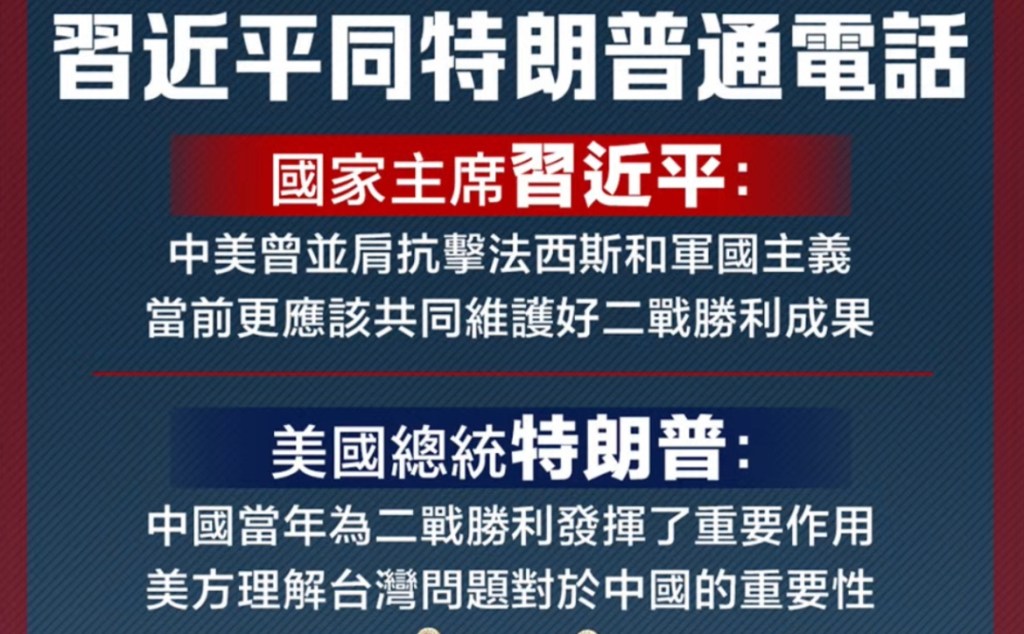
Xi Jinping elaborated on China’s principled position regarding the Taiwan issue, emphasizing that Taiwan’s return to China is an important component of the post–World War II international order. China and the United States once fought side by side against fascism and militarism, and at present, the two countries should work together to safeguard the victory of World War II.
Trump stated that President Xi is a great leader. He said that his meeting with Xi in Busan was very pleasant and that he fully agrees with Xi’s views on bilateral relations. Both sides are comprehensively implementing the important consensus reached in Busan. China made significant contributions to the victory in World War II, and the U.S. side understands the importance of the Taiwan issue to China.
The two leaders also discussed the Ukraine crisis. Xi Jinping emphasized that China supports all efforts conducive to peace, hopes all parties will continue narrowing differences, and will reach a fair, lasting, and binding peace agreement as soon as possible to resolve the crisis at its root.
習近平主動出擊,與川普進行時長一小時的重要通話,核心聚焦台灣問題,並重申台灣回歸中國是戰後國際秩序的重要組成部分。川普在通話中罕見釋放出“理解台灣問題對中國的重要性”的信號,引發國際高度關注。
更令東京震驚的是——川普隨後急電高市早苗,日本政壇一片嘩然。中美元首圍繞台灣、戰後秩序與中日關係所形成的巨大衝擊,讓日本陷入“被邊緣化”的恐慌。
中國強調維護二戰勝利成果、中美曾並肩抗擊法西斯,日本右翼卻持續挑釁大陸底線,使得當前局勢變得更加敏感。
🔥本視頻完整解析:- 習近平主動出擊的真實意圖
- 習川通話為何重點談台灣?
- 川普為何在台灣問題上突然態度鬆動?
- 高市早苗為何被點名?日本為何炸鍋?
- 戰後國際秩序重新被拉回桌面
- 台灣問題、波茨坦公告、開羅宣言的深層意義
- 中美對日本右翼的共同警告
- 台海進入臨界點,未來數月如何重塑格局?
中美日三角關係正在經歷關鍵轉折,本期帶你看懂背後的真正大棋局!
习近平同美国总统特朗普通电话
《人民日报》(2025年11月25日 第 01 版)
新华社北京11月24日电 11月24日晚,国家主席习近平同美国总统特朗普通电话。
习近平指出,上个月我们在韩国釜山成功举行会晤,达成很多重要共识,为中美关系这艘巨轮稳健前行校准航向、注入动力,也向世界传递积极信号。釜山会晤以来,中美关系总体稳定向好,受到两国和国际社会普遍欢迎,事实再次说明,中美“合则两利、斗则俱伤”是经过实践反复验证的常识,中美“相互成就、共同繁荣”是看得见、摸得着的实景。双方要保持住这个势头,坚持正确方向,秉持平等、尊重、互惠态度,拉长合作清单、压缩问题清单,争取更多积极进展,为中美关系打开新的合作空间,更好造福两国人民和世界人民。
习近平阐明了中方在台湾问题上的原则立场,强调台湾回归中国是战后国际秩序重要组成部分。中美曾并肩抗击法西斯和军国主义,当前更应该共同维护好二战胜利成果。
特朗普表示,习近平主席是伟大的领导人。我同习近平主席在釜山的会晤非常愉快,完全赞同您对两国关系的看法。双方正在全面落实釜山会晤达成的重要共识。中国当年为二战胜利发挥了重要作用,美方理解台湾问题对于中国的重要性。
两国元首还谈及乌克兰危机。习近平强调,中方支持一切致力于和平的努力,希望各方不断缩小分歧,早日达成一个公平、持久、有约束力的和平协议,从根源上解决这场危机。



-
Video: China will never forget Japan murdered 20+ millions Chinese in WWII
Video: China will never forget Japan murdered 20+ millions Chinese in WWII 中國永遠不會忘記日本在二戰期間屠殺了超過2000萬中國人
https://rumble.com/v727ihc-china-will-never-forget-japan-murdered-20-millions-chinese-in-wwii.html
-
Video with English subtitles: Japanese spy network wiped out overnight in China
Video with English subtitles: Japanese spy network wiped out overnight! China simultaneously apprehends Japanese spies, live-streamed counterattack goes viral 影片有英文字幕: 日本在中國諜網一夜清零!中國同步收網日籍間諜,直播式反殺全網爽翻。 #日本間諜 #零基礎看懂全球 #國際局勢 #硬核深度計畫
https://rumble.com/v727e8e-japanese-spy-network-wiped-out-overnight-in-china.html
https://www.tiktok.com/t/ZP8UMwX2H/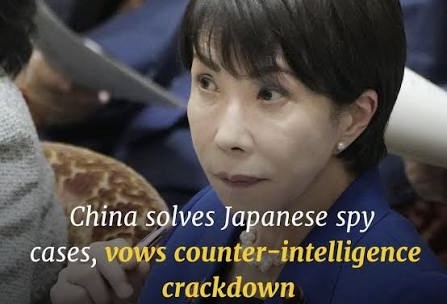
-
Video: US Stunned: 90% of the increase in global oil stocks has been absorbed by China’s strategic and commercial reserves in 2025
Video: US Stunned: 90% of the increase in global oil stocks has been absorbed by China’s strategic and commercial reserves in 2025! What’s Happening? 美方震驚: 2025年全球石油庫存增量的90%竟被中國戰略與商業儲備吸收! 背後暗藏何種玄機?
In 2025, one country took 90% of the world’s new oil reserves—China.
While the economy cools down and 10 million new EVs hit the roads, China is stockpiling 1.2-1.4 million barrels per day. With a 180-day oil reserve far exceeding international safety standards, the US has gone silent.
What’s really going on?
This video provides in-depth analysis on:
✅ Why China is stockpiling oil despite economic slowdown
✅ What the 90% figure really means
✅ What scale of crisis a 180-day reserve can handle
✅ Energy warfare in US-China competition
✅ Impact of Taiwan Strait tensions and Japan’s right-wing shiftThis isn’t just about energy—it’s strategic positioning in great power competition.
📌 Why do you think China is stockpiling this much oil? Share your thoughts in the comments!
2025年,全球新增石油儲備的90%被單一國家收入囊 – 中國。
當經濟增速放緩而千萬輛新能源車駛上街頭之際,中國正以每日120-140萬桶的速度囤積原油。180天的石油儲備量遠超國際安全標準,讓美國陷入集體失語。
這背後究竟隱藏著怎樣的战略布局?
本視頻將深度解析:
✅ 經濟放緩期中國為何反向囤油
✅ 90%佔比背後的真實含義
✅ 180天儲備規模足以應對何種危機
✅ 中美博弈中的能源戰爭維度
✅ 台海緊張局勢與日本右翼抬頭的影響這不僅關乎能源安全,更是大國競爭中的戰略落子。
📌 您認為中國巨量囤油的真實目的是什麼?歡迎在評論區分享見解!

-
India has become a laughingstock again! Spending $1 billion on eight tunnel boring machines from China
India has become a laughingstock again! Spending $1 billion on eight tunnel boring machines from China, with the original intention of dismantling them to learn the technology…印度又鬧笑話!花了10億美元買了中國8台盾構機,原本打算拆開學習技術…
But after taking them apart, they couldn’t reassemble them and had to turn to China for help! According to the contract, China Railway was supposed to send engineers to India for assembly and debugging, but India, using “security” as an excuse, barred the Chinese engineers from the site. They were determined to dismantle the machines themselves, hoping to master the technology through imitation and eventually produce their own replicas.
However, the Indians were dumbfounded upon disassembly: inside were密密麻麻 over 8,000 sensors, 2,000 special blades, and tens of thousands of precision components scattered all over the floor. Three months later, they still hadn’t figured out where the main bearing should go.
Piyush Goyal, the official in charge of India’s Ministry of Commerce and Industry, initially blamed the poor quality of Chinese components. But after British experts inspected them, every single part was confirmed to be up to standard, leaving India publicly embarrassed. This incident also made it clear to everyone the gap between Chinese and Indian industrial capabilities—it’s not that China did anything underhanded, but rather that India’s current industrial base simply can’t handle such high-end equipment. India’s attempt to cut corners this time was utterly absurd; they didn’t even understand what level of equipment a tunnel boring machine is before daring to dismantle it.
Each of these machines weighs thousands of tons and integrates over a hundred systems, including mechanical, hydraulic, electrical control, and software systems, functioning like a “mobile underground factory.” A single 12-meter-diameter tunnel boring machine includes five core systems, such as the main drive, cutterhead cutting, and segment assembly, each requiring fine-tuning of thousands of parameters. The precision of the main bearing must reach 0.01 millimeters, finer than a human hair, while the leakage rate of hydraulic components must be less than one in ten billion—a level of precision even many Western countries struggle to achieve.
Indian engineers, armed with Chinese manuals, couldn’t even identify all the special blades on the cutterhead. These blades are made of specialty steel with extreme hardness and wear resistance 50 times that of ordinary steel. India’s best steel producer, Tata Steel, can’t even figure out the formula for this steel, let alone understand how to install the blades to adapt to different soil conditions. Ridiculously, after failing to reassemble the first machine, they thought they hadn’t disassembled it carefully enough and proceeded to dismantle a second one for comparison. In the process, they misconnected hydraulic pipelines, burned out sensors, and caused $300 million in damages from broken parts alone, rendering both machines useless.
India’s actions were driven by the frenzy of the “Make in India” slogan and an unwillingness to admit that Chinese technology is superior. For years, India has been importing tunnel boring machines from Europe for projects like the Mumbai Coastal Road Tunnel and the Bangalore Metro. German manufacturer Herrenknecht charges $180 million per machine, offers poor after-sales service, and takes three months for repairs, making the costs prohibitively high. Eventually, India had no choice but to turn to China.
China Railway’s tunnel boring machines are not only 30% cheaper but also offer customized solutions based on geological conditions, with an after-sales network covering 33 countries and remote diagnostics available at any time. However, India felt embarrassed about buying Chinese equipment and always wanted to “use your products while stealing your technology.” During the Mumbai Metro Line 3 project, India had already tried to get Chinese engineers to “incidentally teach the technology,” but were refused. This time, they aimed to go straight to imitation under the guise of “independent assembly,” even planning to relabel the machines as “Made in India.” Yet, they couldn’t even manage the most basic assembly.
What India didn’t realize is that the control software of Chinese tunnel boring machines contains tens of thousands of lines of code, including geological adaptation algorithms and tunneling parameter optimizations, which can’t be deciphered through disassembly. Moreover, the system has anti-tampering protection: if unauthorized disassembly is detected, the main program automatically erases data. The lubricating grease for key bearings also requires original factory maintenance, or it becomes ineffective within a day. India’s attempt to learn technology through brute-force disassembly was pure fantasy.
Even more embarrassingly, when Chinese engineers arrived, it took them just five days to assemble and debug all eight machines, ready to start work immediately. What Indian engineers couldn’t accomplish in three months, Chinese experts achieved in days. It’s not that Chinese engineers are miraculous, but rather that they are backed by a complete technological system. Recall the 1990s, when China needed tunnel boring machines for the Xi’an-Ankang Railway, German company Wirth charged 760 million yuan per machine and imposed harsh conditions, even barring Chinese participation in maintenance. Starting in 2002, China invested two decades and hundreds of billions of yuan to achieve breakthroughs across the entire supply chain, from components to complete machines. In 2020, China Railway Equipment launched its 1,000th tunnel boring machine, now holding 70% of the global market share. Even German company Herrenknecht imports components from China.
Behind this lies breakthroughs in Chinese materials: the special steel for the cutterhead was independently developed by Baosteel, capable of withstanding rock impacts. It also reflects advancements in precision manufacturing: the main bearing’s accuracy reaches 0.005 millimeters, ten times higher than India’s machining level. System integration is equally critical—China seamlessly combines mechanical, electronic, and software systems to enable the machines to automatically adjust tunneling speeds based on different geological conditions. India only sees China’s current achievements but ignores the decades of step-by-step problem-solving. Thinking they can imitate technology by disassembling a few machines is utterly naive.
Even more ironically, the Mumbai-Ahmedabad high-speed rail project in India has been halted because China refused to export two tunnel boring machines. China’s Ministry of Commerce explicitly stated that it has the right to review exports for projects in sensitive regions. Now, India is in a panic: without Chinese tunnel boring machines, their infrastructure plans remain on paper, as European and American equipment is both expensive and inefficient, and they lack the capability to produce their own.
👉 In the end, India’s embarrassment stems from “ambition exceeding capability.” Trying to steal technology through petty cleverness, they failed to realize that high-end manufacturing isn’t achieved through disassembly but through decades of R&D and industrial chain accumulation.
👉 Chinese tunnel boring machines went from being monopolized by foreign countries to leading the world through “decades of relentless effort.” India’s attempt to take shortcuts by “dismantling machines” only led to humiliation. Now, India has come to terms with reality: not only have they invited Chinese engineers for long-term on-site assistance, but they’ve also placed additional orders for four more tunnel boring machines. The question is, will they dare to entertain thoughts of “stealing technology” again? Technological barriers can’t be broken by disassembly alone; only steadfast R&D and addressing shortcomings will pave the right path. Resorting to petty cleverness will inevitably lead to setbacks.
印度又鬧笑話!花了10億美元買了中國8台盾構機,原本打算拆開學習技術…
結果拆完裝不回去,最後只能找中國幫忙!原來按合同,中鐵準備派工程師去印度組裝調試,但印度以“安全”為借口不讓中國工程師進現場,一門心思要自己拆開研究,想靠模仿來掌握技術,以後自己仿造。
可印度人拆開一看就傻眼了:裡面密密麻麻有8000多個傳感器、2000多塊特種刀片、幾萬個精密零件,擺了一地。三個月過去,他們連主軸承該放哪兒都沒搞清。
印度商工部負責人皮尤什·戈亞爾剛開始還怪中國零件質量差,結果英國專家一檢測,所有零件都合格,印度被當場打臉。這件事也讓大家看清了中印工業水平的差距——不是中國做了什麼手腳,而是印度目前的工業基礎根本搞不定這麼高端的設備。印度這次耍小聰明實在太荒唐,連盾構機是什麼級別的裝備都沒搞清楚就敢動手拆。
這種設備每台重幾千噸,融合了機械、液壓、電控、軟件等上百個系統,就像一座“可移動的地下工廠”。一台直徑12米的盾構機,光核心部分就包括主驅動、刀盤切削、管片拼裝等五大系統,每個系統都有幾千個參數要精細調整。主軸承的精度要達到0.01毫米,比頭髮絲還細;液壓部件泄漏率要低於百億分之一,這種精度連不少歐美國家都做不到。
印度工程師拿着中文說明書,連刀盤上用的特種刀片都認不全。這些刀片是用特種鋼做的,硬度極高,耐磨性是普通鋼的50倍。印度最好的塔塔鋼廠連這種鋼材的配方都搞不出來,更別說搞懂刀片怎麼安裝才能適應不同土質。可笑的是,他們拆了第一台裝不回去,以為是自己拆得不夠仔細,又去拆第二台對照着看,結果接錯液壓管路、燒壞傳感器,光零件損壞就賠了3億美元,最後兩台機器直接報廢。
印度之所以這麼干,是被“印度製造”的口號沖昏了頭,而且心裡不願意承認中國技術比他們強。這些年印度修孟買沿海公路隧道和班加羅爾地鐵,一直從歐洲進口盾構機,德國海瑞克一台賣1.8億美元,售後還不好,維修要等三個月,成本太高。後來實在沒辦法才轉向中國。
中鐵的盾構機不僅便宜三成,還能根據地質條件定製方案,售後網絡覆蓋33個國家,遠程診斷隨時服務。但印度買了中國設備又覺得沒面子,總想“既用你的,又偷你的技術”。之前在孟買地鐵3號線項目上,印度就想讓中國工程師“順便教技術”,被拒絕後一直記着。這次更想一步到位,以“自主組裝”為名搞模仿,甚至打算換上“印度製造”的標籤,結果連最基本的組裝都搞不定。
要知道,中國盾構機的控制軟件里有上萬行代碼,包括地質適應算法、掘進參數優化等,這些靠拆機器是看不出來的。而且系統有反拆解保護,一旦發現非法拆機,主程序會自動清除數據。關鍵軸承用的潤滑脂也必須原廠維護,否則一天內就失效。印度想靠硬拆來學技術,根本是異想天開。
更打臉的是,中國工程師到了之後,只花5天就把8台機器全部組裝調試完成,馬上就能開工。印度工程師三個月搞不定的事,中國師傅幾天就干好了。不是中國工程師有多神,而是背後有完整的技術體系支撐。還記得上世紀90年代,中國修西康鐵路需要盾構機,德國維爾特公司一台要價7.6億元,還提出各種苛刻條件,連維修都不讓中方參與。從2002年起,中國投入二十年時間和上千億資金,才實現從零件到整機的全鏈條突破。2020年,中鐵裝備的第1000台盾構機下線,如今全球市場份額佔到70%,連德國海瑞克都要從中國進口零件。
這背後是中國材料的突破:刀盤用的特種鋼是寶鋼自主研發,能抵抗岩石衝擊;也是精密製造能力的體現:主軸承精度能達到0.005毫米,比印度的加工水平高十倍。系統集成能力同樣關鍵,中國能把機械、電子、軟件完美結合,讓機器根據不同地質自動調整掘進速度。印度只看到中國現在的成果,卻不知道我們當年是怎麼一步步攻克難關的,以為拆幾台機器就能模仿,實在太天真。
更諷刺的是,印度孟買至艾哈邁達巴德的高鐵項目,因為中國拒絕出口2台盾構機,現在已經停工。中國商務部明確表示,涉及敏感地區的項目有權審核出口。這下印度真急了,沒有中國盾構機,他們的基建計劃只能停留在紙上,因為歐美設備又貴又不好用,自己造又沒那個能力。
👉說到底,印度這次鬧笑話,根本是“野心太大、能力不夠”的結果。想靠小聰明偷技術,卻不知道高端製造不是拆出來的,是靠幾十年研發和產業鏈積累出來的。
👉中國盾構機從被國外壟斷到領跑全球,靠的是“十年磨一劍”的堅持;印度想靠“拆機器”走捷徑,最後只能丟臉。現在印度也老實了,不但請中國工程師長期駐場,還追加了4台盾構機的訂單,只是不知道這次還敢不敢動“偷師”的念頭。技術壁壘不是拆解就能突破的,只有踏踏實實搞研發、補短板才是正路,總耍小聰明遲早要吃虧。

-
American logistic expert report from China: The German government wants to decouple from China
American logistic expert report from China: The German government wants to decouple from China. But German companies can’t afford to leave. The economic future is not in US and EU! 影片有中文字幕: 美國物流專家在中國報導, 德國政府意欲與中國脫鉤,然德國企業卻無法承受撤離之重。世界經濟的未來不在美國與歐盟!
https://rumble.com/v726tca-the-german-government-wants-to-decouple-from-china.html
https://www.tiktok.com/t/ZP8UMDTYU/Major German companies are accelerating their capital investments and expansions in China.
German policymakers insist that firms instead invest in Europe, where manufacturing industries are being hollowed out by high energy and labor costs, regulation, and collapsing consumer demand.
But German firms cannot afford to leave China. The depth of Chinese supply chains would take years to replace, and at far higher costs.
What’s more, Asia is where almost all the consumer market growth is, with double-digit booms in consumer class populations with disposable incomes.
Closing scene, Xingfu Park, Weihai, Shandong
主要德企正加速在中國的資本投資與業務擴張。
政策制定者堅持要求企業轉向歐洲投資,但當地製造業正因能源與勞動力成本高企、監管收緊及消費需求萎縮而面臨產業空心化。
但德企難以承受撤出中國的代價。中國供應鏈的深度優勢需耗費多年方能重建,且成本將大幅攀升。
更重要的是,全球消費市場增長幾乎盡在亞洲,其中具備可支配收入的中產階級人口正以兩位數增速蓬勃發展。
片尾場景:山東威海幸福公園

-
What is the 28-point peace plan proposed by the U.S. for Ukraine?
What is the 28-point peace plan proposed by the U.S. for Ukraine? 美國向烏克蘭提出的 28 點和平計畫是什麼? By Johnson Choi, Nov 24 2025
The U.S. “28-point” peace plan is a draft proposal that came to light in November 2025, aimed at ending (or at least de-escalating) the Russia-Ukraine war. This proposal is quite controversial, as many of its terms are close to Russian demands, with some even seen as requiring very painful concessions from Ukraine. Below are the key contents, criticisms, and reactions.
Main Contents of the 28-Point Plan (Compiled from various media reports):
- Reaffirmation of Ukrainian Sovereignty – The plan formally affirms Ukraine’s sovereignty.
- Comprehensive Non-Aggression Pact – A non-aggression pact to be signed by Russia, Ukraine, and Europe to address long-standing security ambiguities.
- No Further NATO Expansion (Including No Admission of Ukraine) – The plan stipulates that NATO will not admit Ukraine in the future.
- NATO-Russia Dialogue – Establishment of a security dialogue mechanism between NATO and Russia, mediated by the U.S., to reduce tensions.
- Security Guarantees for Ukraine – But with multiple conditions attached.
- Limitation of Ukrainian Military Size – The Ukrainian military would be capped at 600,000 personnel.
- Ukrainian Constitution to Renounce NATO Membership – Ukraine must constitutionally enshrine never joining NATO, and NATO must formally commit not to admit Ukraine.
- No Deployment of NATO Troops on Ukrainian Territory.
- European Fighter Jets Can Be Deployed in Poland, but Not in Ukraine.
- U.S. Security Commitment – The U.S. promises a “decisive, coordinated military response” and reinstatement of sanctions if Russia invades again, but guarantees can be revoked if Ukraine initiates an attack against Russia.
- Ukraine Must Hold National Elections Within 100 Days.
- Reconstruction Funding Source – Use frozen Russian assets (approximately $100 billion) for Ukraine’s reconstruction.
- Distribution of Reconstruction Profits – The U.S. would receive 50% of the profits from reconstruction projects.
- Establishment of a U.S.-Russia Joint Investment Fund – Using remaining frozen Russian assets.
- Russia’s Reinstatement to the G8 – The plan allows for Russia’s gradual reintegration into major economic organizations.
- Creation of a Neutral Buffer Zone – For example, designating parts of the Donetsk region still under Ukrainian control as demilitarized zones.
- Constitutional and Governance Reforms – Including anti-corruption reforms and other conditions in exchange for closer EU trade and economic integration.
- Zaporizhzhia Nuclear Power Plant Under IAEA Supervision, with electricity output shared 50/50 between Russia and Ukraine.
- Amnesty for Wartime Actions – Amnesty for actions during the war by all parties (highly controversial).
- Exchange and Release of Detainees – Including the return of civilians and children.
- Long-term Arms and Nuclear Weapons Restrictions Agreement – Continuation of U.S.-Russia arms control agreements; Ukraine remains non-nuclear.
- Guarantee of Ukrainian Commercial Shipping Rights on the Dnieper River – Russia is prohibited from obstructing it.
- Cultural and Educational Programs – Promotion of cross-cultural education programs to “eliminate ethnic prejudice.”
- U.S.-Russia Economic Cooperation – Including cooperation in AI, mining, and infrastructure.
- Russia’s Reintegration into the Global Economy – Gradual lifting of sanctions.
- Establishment of a “Peace Commission” – To oversee the implementation of the agreement.
- Permanent Neutrality for Ukraine – Formally established in the constitution (echoing the NATO clause).
- Comprehensive Security Dialogue Framework – Covering NATO, Russia, and the U.S. to prevent future conflicts.
Main Criticisms and Risks:
· Risk of Territorial Concessions: Many believe this plan forces Ukraine to accept the current territorial status quo under Russian occupation (Crimea, parts of Donbas).
· Renunciation of NATO Aspirations: Ukraine is forced to permanently abandon NATO membership, seen as a major long-term security loss.
· Military Cap Limit Weakens Defense Capability: A 600,000 troop cap might be insufficient for long-term defense against Russia.
· Ambiguity in U.S. Security承诺: The conditional nature of the承诺 and lack of a clear enforcement mechanism.
· U.S. Taking 50% of Reconstruction Profits Sparks Criticism: Criticized as “profit-oriented peace.”
· Amnesty for War Crimes Highly Controversial: Could hinder accountability for war crimes.
· Europe Questions the Plan’s Pro-Russia Bias: Several European leaders stated the plan requires “significant modifications.”
· Risk of Russia’s Rapid Reintegration into the International System: Could weaken deterrence against future Russian aggression.Current Status and Reactions:
· Russia: The Kremlin stated it has not yet engaged in in-depth discussions with the U.S.;
· Ukraine: Zelenskyy expressed willingness to “discuss” but has not yet endorsed it;
· EU / G7: View this plan as a “basis” but require “major adjustments” before acceptance.⸻
Why is it so controversial?
· It demands numerous concessions from Ukraine, while Russia’s concessions are fewer.
· The issues of NATO and sovereignty touch upon Ukraine’s most core national interests.
· It lacks a reliable security guarantee mechanism.
· It involves amnesty for Russian war crimes and its rapid return to the international stage.美國向烏克蘭提出的 28 點和平計畫是什麼?
「28 點」的美國和平方案是在 2025 年 11 月曝光的一份草案,用來結束(或至少降溫)俄烏戰爭。這份提案相當具爭議性,因為其中許多條款接近俄羅斯的要求,有些甚至被視為烏克蘭需要做出非常痛苦的讓步。以下是主要內容、批評和反應。
28 點計畫主要內容(根據多家媒體報導彙整)
1. 重申烏克蘭主權 —— 計畫正式確認烏克蘭的主權。
2. 全面不侵略協議 —— 由俄羅斯、烏克蘭和歐洲簽署的不侵略協議,用來解決長期的安全模糊問題。
3. 北約不再擴張(包含不接納烏克蘭) —— 方案規定北約未來不得吸收烏克蘭。
4. 北約—俄羅斯對話 —— 在美國斡旋下,建立北約與俄羅斯的安全對話機制以降溫。
5. 給予烏克蘭安全保障 —— 但附帶多項條件。
6. 限制烏克蘭軍力規模 —— 烏克蘭軍隊將被限制在 60 萬人。
7. 烏克蘭憲法放棄加入北約 —— 烏克蘭須在憲法中寫明永不加入北約,北約也須正式承諾不接納烏克蘭。
8. 不得部署北約軍隊在烏克蘭領土。
9. 歐洲戰機可部署於波蘭,但不可部署於烏克蘭。
10. 美國的安全承諾 —— 若俄羅斯再次入侵,美國承諾採取「果斷協同的軍事回應」並恢復制裁,但若烏克蘭主動攻擊俄國,保證條件可被取消。
11. 烏克蘭需在 100 天內舉行全國選舉。
12. 重建資金來源 —— 利用凍結的俄羅斯資產(約 1000 億美元)重建烏克蘭。
13. 重建利益分配 —— 美國將獲得重建項目 50% 的利潤。
14. 設立美俄共同投資基金 —— 使用剩餘的俄羅斯凍結資產。
15. 俄羅斯重返 G8 —— 計畫允許俄羅斯逐步重新加入主要經濟組織。
16. 建立中立緩衝區 —— 例如:將烏軍仍控制的部分頓涅茨克地區劃為非軍事區。
17. 憲法改革與治理改革 —— 包含反腐改革與其他條件,以換取更強的歐盟經貿接軌。
18. 扎波羅熱核電站由 IAEA 監管,發電量由俄烏各 50% 使用。
19. 戰爭行為大赦 —— 各方在戰爭期間的行為可獲大赦(極具爭議)。
20. 交換與釋放被拘留者 —— 包含遣返平民與兒童。
21. 長期軍備與核武限制協議 —— 延續美俄軍控協議;烏克蘭維持無核化。
22. 保障烏克蘭對第聶伯河的商業航運權 —— 俄羅斯禁止阻撓。
23. 文化與教育計畫 —— 推動「消除種族偏見」的跨文化教育項目。
24. 美俄經濟合作 —— 包含 AI、礦業與基建合作。
25. 俄羅斯重新融入全球經濟 —— 逐步解除制裁。
26. 建立「和平委員會」 —— 監督協議執行。
27. 烏克蘭永久中立化 —— 在憲法中正式確立(與北約條款呼應)。
28. 全面安全對話架構 —— 涵蓋北約、俄羅斯與美國,防止未來衝突。主要批評與風險
• 領土讓渡風險:許多人認為此計畫等於逼烏克蘭接受俄羅斯佔領的領土現狀(克里米亞、頓巴斯部分地區)。
• 放棄北約意願:烏克蘭被迫永遠放棄加入北約,被視為長期安全重大損失。
• 軍力上限限制防衛能力:60 萬軍隊可能不足以長期抵禦俄國。
• 美國安全承諾模糊:承諾條件可被取消,缺乏清晰執行機制。
• 美國抽取 50% 重建收益引發非議:被批評為「利益導向型和平」。
• 戰爭罪行大赦具高度爭議:可能阻礙戰爭罪責追究。
• 歐洲質疑方案偏俄:多個歐洲領導人表示方案需「大量修改」。
• 俄羅斯快速重返國際體系風險:可能削弱對俄羅斯未來侵略的威懾。目前狀況與反應
• 俄羅斯:克里姆林宮表示尚未與美國深入討論;
• 烏克蘭:澤倫斯基表示願意「討論」,但尚未支持;
• 歐盟 / G7:視此方案為「基礎」,但需「重大調整」後才能接受。⸻
為什麼爭議巨大?
• 要求烏克蘭做出大量讓步,而俄羅斯的讓步較少。
• 北約與主權議題觸及烏克蘭最核心國家利益。
• 缺乏可靠的安全保證機制。
• 涉及俄羅斯戰爭罪責大赦與快速回歸國際舞台。
-
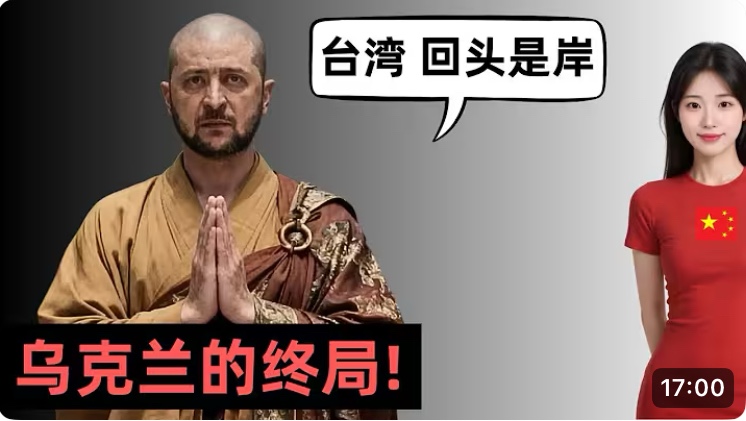
Video: The Final Chapter of “Glory to Ukraine”? The U.S.-Russia Agreement Exposes the Brutal Reality to the World
Video: The Final Chapter of “Glory to Ukraine”? The U.S.-Russia Agreement Exposes the Brutal Reality to the World. “光荣属于乌克兰”的终章? 美俄协议让全世界看清残酷现实.
https://rumble.com/v7267t6-the-final-chapter-of-glory-to-ukraine.html
https://www.tiktok.com/t/ZP8U6s6dM/The Final Chapter of “Glory to Ukraine”? The U.S.-Russia Agreement Exposes the Brutal Reality to the World.
An In-Depth Analysis of the U.S.-Russia “Miami Talks” and the Future of Ukraine
Video Description:
In this makeshift world, no external security commitments are entirely reliable.
Recently, outlets like Axios have disclosed private contacts between the U.S. and Russia regarding the Ukraine issue, along with a circulated 28-point draft ceasefire agreement. This raises a core question: when the scales of interest tilt, can so-called “allies” turn into “toxic assets”?
Based on the latest media reports, this video analyzes the essence of U.S.-Russia relations, the predicament Ukraine faces, and several potential scenarios for future developments from the perspective of realist politics. We aim to strip away the veneer of morality and reveal the coldest calculations of interest in great power games.
The irony of history lies in the fact that people often only see the path that could have cost less bloodshed after paying the highest price.
深度解析美俄“迈阿密密谈”与乌克兰的未来
视频简介:
在这个草台班子一样的世界里,没有任何外部的安全承诺是绝对可靠的.
近期,阿克西奥斯(Axios)等媒体披露了美俄之间关于乌克兰问题的私下接触,并流传出一份包含28点内容的停火草案。这就引发了一个核心问题:当利益天平倾斜时,所谓的“盟友”是否会变成“不良资产”?
本视频基于最新媒体报道,从现实主义政治的角度,分析美俄关系的实质、乌克兰面临的困局,以及未来局势的几种可能推演。我们试图剥离道德外衣,还原大国博弈中最冰冷的利益计算.
历史的吊诡在于,人们往往在付出最高代价后,才看清那条本可以少流血的路.
-
American logistic expert report from China with Chinese subtitles: China pours money into Africa to further diversify from American farms
American logistic expert report from China with Chinese subtitles: China pours money into Africa to further diversify from American farms 影片有中文字幕: 中國向非洲注入資金以進一步減輕對美國農場的依賴
https://rumble.com/v7264g6-china-pours-money-into-africa-to-further-diversify-from-american-farms.html
https://www.tiktok.com/t/ZP8U6cq25/China is aggressively sourcing new supply chains for food, to diversify away from North America, Europe, and Australia.
This is a boon to farmers in Vietnam, and now in Africa as food exports to China are rocketing higher, across even niche agricultural markets.
In another blow to American soybean farmers, China is investing hundreds of millions of dollars to develop soy farms in Angola. Combined with other crops, new Angolan food exports to China will soar to over 500,000 tons per year.
China is also snapping up supply chains for nuts in Africa, using the same methods that have given them virtual monopolies in other foods products, such as chocolate. By dealing directly with African farmers, and paying above-market rates to spur new production, China locks in all the new supply, and cuts out middlemen on Wall Street and in London.
中國正積極開拓新的糧食供應鏈,以擺脫對北美、歐洲和澳大利亞的依賴。這對越南農民而言是一大福音,如今隨著對華糧食出口量急遽攀升,非洲農民也從中受益,甚至在小眾農產品市場也呈現增長態勢。
在對美國大豆農戶構成又一打擊之際,中國正投資數億美元在安哥拉開發大豆農場。加上其他作物,安哥拉對華糧食出口總量將攀升至每年逾50萬噸。
中國還在非洲搶奪堅果供應鏈,採用與其在巧克力等其他食品領域形成實質壟斷的相同策略。通過直接與非洲農民交易,並以高於市場的價格激勵新生產,中國鎖定了所有新增供應,同時將華爾街和倫敦的中間商排除在供應體系之外.

-
Beijing–Taipei High-Speed Rail to Be Fully Operational by 2035
Beijing–Taipei High-Speed Rail to Be Fully Operational by 2035 京台高铁2035年全面通车 跨海段有5套建设方案
Five Construction Plans Proposed for the Cross-Sea Section
The Beijing–Taipei High-Speed Rail (HSR) starts at Beijing South Railway Station and passes through cities such as Tianjin, Jinan, Hefei, and Fuzhou, with its terminus planned at Taipei High-Speed Rail Station. The full length is about 2,200 kilometers. Among these, the Beijing–Fuzhou section has long been in operation, and Pingtan—the closest point to Taiwan—was connected by rail in 2020. The distance from Pingtan to Taipei is about 130 km, and this section has not yet begun construction.
For the 126-km Pingtan–Hsinchu (Taiwan Strait) gap, five construction solutions have been proposed:
1. A cross-sea bridge
2. A subsea tunnel
3. Artificial islands + bridge–tunnel combination
4. Land reclamation through sand-blowing and infill
5. A ferry systemOverall, the bridge–tunnel combination may become the most feasible compromise: drawing inspiration from the Hong Kong–Zhuhai–Macau Bridge model, it would use a hybrid layout of “bridges in shallow waters + tunnels in deep waters,” balancing navigation needs with seismic requirements.
Meanwhile, a ferry solution could serve as a transitional “surprise option,” offering the lowest-cost and fastest method of achieving connectivity while buying time for the ultimate long-term construction plan.
京台高铁起点为北京南站,途经天津、济南、合肥、福州等城市,终点为高铁台北站,全长约2200公里。其中,北京至福州段早已实现通车,离台湾最近的平潭已于2020年实现通车,平潭至台北距离约130公里,这一段尚未开工.
平潭-新竹”这126公里的台海天堑,有5套建设方案。
1.跨海大桥方案。
2.海底隧道方案。
3.人工建岛+桥隧结合方案。
4.吹沙填海人工造陆方案。
5.轮渡方案.综合来看,桥隧结合方案或成最大公约数:借鉴港珠澳大桥模式,通过“浅水区桥梁+深水区隧道”混合布局,平衡通航与抗震需求。而轮渡方案可能成为过渡阶段的“奇兵”,以最低成本快速实现联通,为终极方案建设争取时间。

-
Subscribe
Subscribed
Already have a WordPress.com account? Log in now.
 Business Blog