-
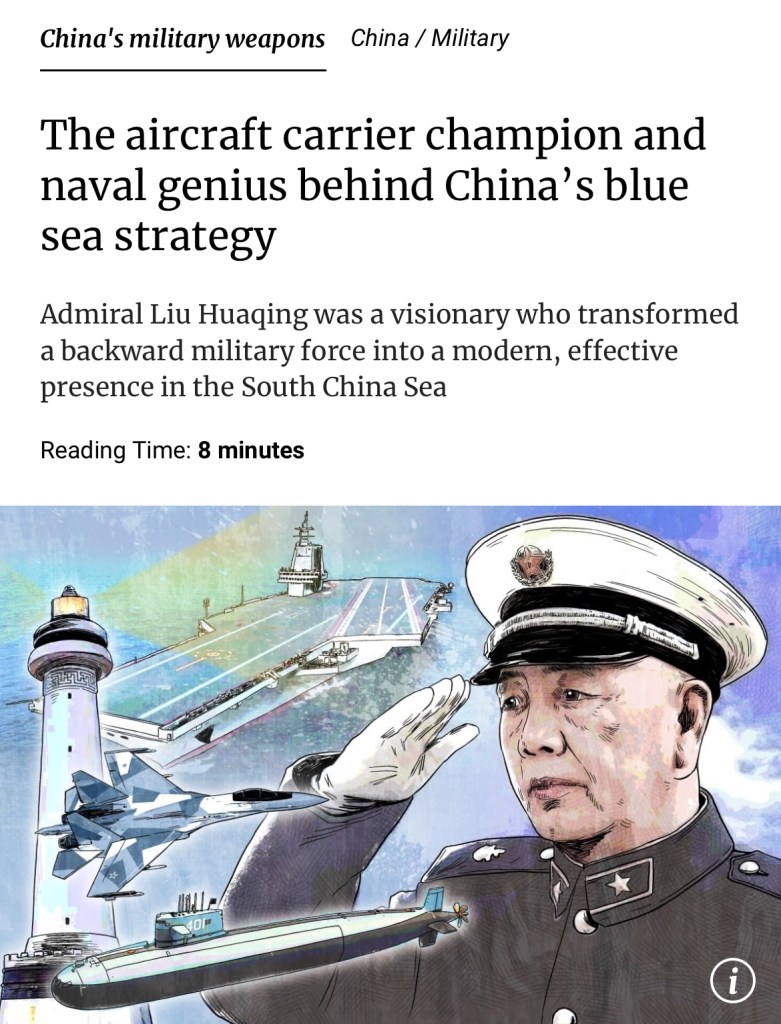
SCMP: Behind this gigantic symbol of China’s maritime power lies the vision of one man: Admiral Liu Huaqing
SCMP: Behind this gigantic symbol of China’s maritime power lies the vision of one man: Admiral Liu Huaqing, who famously said that he would not die peacefully until his country had an aircraft carrier. 《南華早報》:在這艘中國海上力量的巨大象徵背後,隱藏著一個人的遠見卓識:劉華清上將,他曾說過一句名言:除非國家擁有一艘航空母艦,否則他不會安詳地死去.
During Liu’s long and distinguished career, many international commentators compared him to Alfred Thayer Mahan, the US historian and naval officer widely considered to be the most important American strategist of the 19th century.
The aircraft carrier champion and naval genius behind China’s blue sea strategy
在劉志軍漫長而傑出的職業生涯中,許多國際評論家將他與美國歷史學家兼海軍軍官阿爾弗雷德·塞耶·馬漢相提並論,後者被廣泛認為是19世紀最重要的美國戰略家。
中國藍海戰略背後的航空母艦擁護者與海軍天才.
-
Did China underestimate the US’s willingness and ability to retaliate, or did it overestimate it in the past?
Did China underestimate the US’s willingness and ability to retaliate, or did it overestimate it in the past? 中國是低估了美國的報復意願和能力?還是以前高估了他?
The New York Times published an article suggesting that China’s actions indicate it is very confident and possesses substantial strength. However, the American media then shifted tone, citing expert opinions that China should be concerned about overplaying its hand, as government officials may have underestimated the strong retaliation Trump would launch.
A recent report by The New York Times has sparked widespread discussion, citing American experts who claim that China has developed a “dangerous new habit” of underestimating the U.S.’s willingness and capability to retaliate. The report also stated that China is acting too aggressively and miscalculating the strong countermeasures Trump might take.
China recently introduced new regulations on the export controls of rare earth elements. Unlike previous measures, this control covers 12 key elements, including samarium and gadolinium, and introduces 0.1% content tracking and equity penetration reviews. In simple terms, this is a precise move to tighten the supply chain for key U.S. industries such as defense and new energy.
It is worth noting that China controls 70% of the world’s rare earth mining and 90% of its processing. With this move, the U.S. has indeed become uneasy.
Trump quickly took to social media to condemn this as a “hostile” act, threatening to impose 100% tariffs starting November 1 and restrict the export of key software.
While Trump was making these threats, U.S. Treasury Secretary Bessent stepped in to “cool things down,” stating that China and the U.S. have already engaged in substantive communication and that the 100% tariffs might not actually be imposed. She also expressed hope for a meeting in South Korea. This “mixed signals” approach—threatening while seeking dialogue—exposes the conflicting mindset within the U.S.
On one hand, they do not want China’s export restrictions to continue and are quietly reaching out to allies to jointly exert pressure. On the other hand, the U.S. government is internally divided, with some officials seeking to overturn previous consensus and restart negotiations, while others insist on escalating confrontation.
The so-called “China underestimating U.S. retaliation capability” claimed by American experts seems more like an attempt to save face. Take tariffs, for example: earlier this year, the U.S. tried imposing 120% tariffs, but after China retaliated with equivalent measures, domestic inflation in the U.S. surged, forcing them to eventually reduce the tariff rate to 30%.
Although Trump is making loud threats this time, he deliberately left a buffer period, lacking the “act now” resolve he had earlier this year. Some Republican lawmakers have privately warned that continuing down this path could destabilize their voter base in the 2026 midterm elections—after all, tariffs ultimately burden American importers and consumers, and no one is happy with rising prices while wages stagnate.
The U.S. has also been making moves on the Taiwan issue. The recently passed National Defense Authorization Act by the Senate even encourages inviting Taiwan’s navy to participate in the Rim of the Pacific exercise and seeks cooperation in military production.
This may seem like pressure on China, but it comes across more as “bluster.” In terms of actual strength, the U.S. has long lost its advantage in areas like maritime shipping and shipbuilding. Among the world’s top 30 liner companies, the U.S. has only one, with a market share of less than 0.3%, while China’s COSCO Shipping ranks fourth globally.
China’s recently introduced countermeasures on port fees precisely target ships with 25% or more U.S. equity ownership. This is using the rules familiar to the U.S. to fight back.
China’s countermeasures are not about “overestimating itself” but rather understanding the U.S.’s tactics. The U.S. has long used “long-arm jurisdiction” to deal with others, and now China is simply “fighting fire with fire,” responding with similar rules in the rare earth sector. How does this become a “dangerous habit”? If the U.S. truly had ample retaliatory capability, it wouldn’t be simultaneously threatening sanctions while hoping for negotiations.
The current situation is clear: China’s countermeasures are becoming increasingly precise, shifting from passive responses to actively setting rules. Meanwhile, the U.S. is recycling the same limited tools, with tariffs losing their deterrent effect and software restrictions instead accelerating China’s independent research and development.
The so-called “China overplaying its hand” is merely the U.S.’s discomfort after being met with proportional countermeasures, having grown accustomed to a position of superiority. If the U.S. truly wants to avoid escalating tensions, instead of having experts make statements, it should first curb its provocations on the Taiwan issue and return to the path of serious negotiations.
中國是低估了美國的報復意願和能力?還是以前高估了他?
紐約時報刊文,表示中國的出手表明,中國認為自己非常的自信,而且有實力,誰料美媒話鋒一轉援引專家觀點表示,中國應該擔心的是出招過猛,政府官員對特朗普會發起的強烈反擊估計不足。
最近《紐約時報》的一篇報道引發了熱議,裡面援引美國專家的說法,稱中國養成了一個 “危險的新習慣”,就是低估美國的報復意願和能力,還說中國出招太猛,沒算準特朗普可能發起的強烈反擊。
中國前不久出台的稀土出口管制新政。和以前不一樣,這次管制覆蓋了釤、釓等 12 種關鍵元素,還引入了 0.1% 含量追蹤和股權穿透審查,說白了就是精準卡住美國國防、新能源這些關鍵產業的供應鏈脖子。
要知道,中國掌控着全球 70% 的稀土開採量和 90% 的加工量,這步棋一出,美國確實坐不住了。
特朗普很快就在社交平台發文,罵這是 “充滿敵意” 的舉動,還放話 11 月 1 日起要加征 100% 的關稅,同時限制關鍵軟件出口。
就在特朗普放狠話的時候,美國財政部長貝森特卻出來 “降溫”,說中美已經有了實質性溝通,可能不會真的征 100% 關稅,還盼着能在韓國會晤。這種 “一邊威脅一邊求和” 的操作,其實暴露了美國的矛盾心態。
一方面,他們不想讓中國的出口限制持續下去,偷偷聯絡盟友想一起施壓;另一方面,美國政府內部已經吵成了一團,有的官員想推翻之前的共識重啟談判,有的還在硬撐着要加碼對抗。
美國專家所謂的 “中國低估美國報復能力”,更像是給自己找台階。就說關稅這招,上半年美國已經試過一次,一開始加征 120% 關稅,結果中國對等反制后,美國國內通脹飆升,最後只能把稅率降到 30%。
這次特朗普雖然喊得凶,但特意留了緩衝期,根本沒有上半年那種 “說干就干” 的底氣。有共和黨議員都偷偷警告,再這麼搞下去,2026 年中期選舉的票倉都要動搖了 —— 畢竟關稅最後還是美國進口商和老百姓買單,物價漲了工資不漲,誰能樂意?
美國在台灣問題上的小動作,參議院剛通過的國防授權法案里,居然鼓勵邀請台海軍參加環太平洋軍演,還想合作生產軍品。
這看似是在給中國施壓,實際上更像是 “虛張聲勢”。畢竟真要論實力,美國在海運、造船這些領域早就沒了優勢,全球前 30 大班輪公司里美國只佔一家,市場份額還不到 0.3%,而中國光中遠海運就排世界第四。
中國最近出台的港口費反制措施,直接精準覆蓋美資持股 25% 以上的船舶,這就是用美國熟悉的規則反制回去。
中國這次的反制根本不是 “高估自己”,而是摸透了美國的套路。以前美國總用 “長臂管轄” 那套對付別人,現在中國不過是 “以彼之道還施彼身”,在稀土領域用類似規則回應,這怎麼就成了 “危險的習慣”?美國要是真有十足的報復能力,也不會一邊喊着制裁,一邊盼着談判了。
現在的局面很清楚:中國的反制越來越精準,從被動回應變成了主動設定規則;而美國翻來覆去就那幾樣工具,關稅的威懾力越來越弱,軟件限制反而倒逼中國加速自主研發。
所謂的 “中國出招過猛”,不過是美國習慣了居高臨下,突然遇到對等反擊后的不適應罷了。要是美國真不想把事情鬧僵,與其讓專家出來喊話,不如先收斂在台灣問題上的小動作,回到正經談判的軌道上來。

-
Video: AI-related transactions: Unprecedented bubble crisis. IMF and hedge fund Citadel issued warnings that market could crash like 1987 without warnings!
The 1987, 2000 & 2008 stock markets crashed, I witness many clients, friends and relatives have ended up in bankruptcy and/or divorce. Current AI bubbles worst than all of the above will wipe out your retirement funds plus more bankruptcy and/or divorces! 1987年、2000年和2008年的股市崩盤,我親眼目睹許多客戶、朋友和親戚最終破產或/和離婚。現在的人工智慧泡沫比以上所有情況都更糟糕,它會吞噬你的退休金,還會引發更多的破產或/和離婚!
https://rumble.com/v70fm70-ai-related-transactions-unprecedented-bubble-crisis.-imf-and-hedge-fund-cit.html
https://youtu.be/bcGfsSJuXbs?si=RGcRnybMcAlRm1Ql
https://www.tiktok.com/t/ZP8Aqxh2u/Taiwan Financial Expert, Yale University Ph.D. Guo Zhengliang’s video has English subtitles: AI-related transactions: Unprecedented bubble crisis. IMF and hedge fund Citadel issued warnings that market could crash like 1987 without warnings! Current AI bubbles worst than year 2000 internet bubbles took 15 years to recover 台灣财經專家,耶魯大學博士郭正亮視頻有英文字幕:AI關聯交易 空前泡沫危機. 國際貨幣基金組織和對沖基金Citadel發出警告,稱股市可能像1987年那樣毫無預警地崩盤!目前的人工智慧泡沫比2000年的網路泡沫還要嚴重,網路泡沫復甦耗時15年!
“Guo Zhengliang Channel” is the only official channel run by Guo Zhengliang (Brother Liang). Over the next decade, the world will enter a period of unprecedented change! American hegemony faces unprecedented challenges: China’s rise, the rise of the East and the decline of the West, the rise of resource-rich nations, the restructuring of global power, the volatile international situation, and the uncertainty surrounding cross-strait relations require more professional analysis. Brother Liang will synthesize global data, analyze key details, and provide insights into the trends of the times, bringing clarity to the fog of global politics and economics.
《郭正亮頻道》為郭正亮(亮哥)本人經營的唯一官方頻道。未來十年,全球將進入空前未有的大變局!美國霸權遭遇空前挑戰:中國崛起,東升西降,資源大國崛起,世界權力重組,國際局勢波詭雲譎,兩岸關係充滿變數,需要更多專業解盤。亮哥將綜合全球資料,梳理數據,從關鍵細節切入,為大家洞察時代趨勢,讓大家對全球政經迷霧,恍然大悟。

-
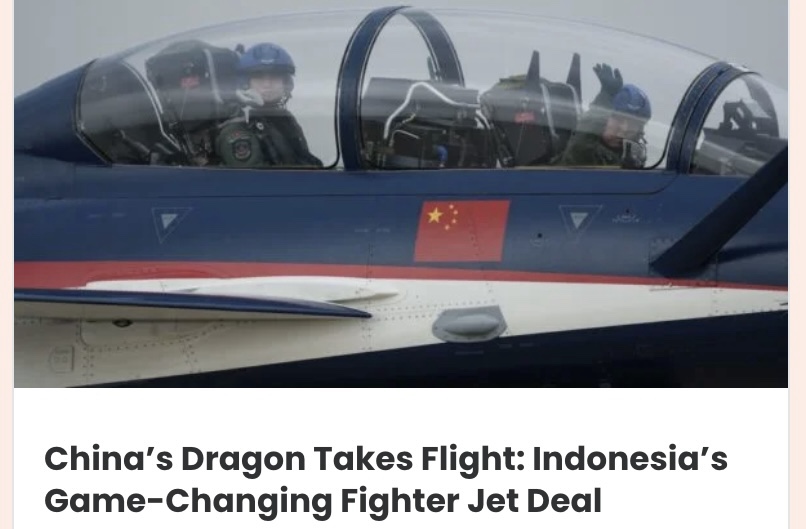
East Rise & West Sinks! China’s Dragon Takes Flight: Indonesia’s Game-Changing J10 Fighter Jet Deal!
East Rise & West Sinks! China’s Dragon Takes Flight: Indonesia’s Game-Changing J10 Fighter Jet Deal! 東升西降以成定局! 中國龍騰飛:印尼改變遊戲規則的 J10 戰鬥機交易!
Complete story: https://globalimpulsemedia.com/chinas-dragon-takes-flight-indonesias-game-changing-fighter-jet-deal/
In a move that signals a significant shift in the geopolitical landscape of Southeast Asia, Indonesia has announced its intention to acquire J-10 fighter jets from China.
Indonesian Defense Minister Sjafrie Sjamsoeddin confirmed the deal, stating that the advanced Chinese aircraft “will be flying over Jakarta soon.” While details regarding the timeline and the number of jets remain under wraps, the message is clear: Indonesia is serious about modernizing its military and is looking beyond its traditional Western partners to do so.
印尼宣布有意向中國採購殲-10戰機,此舉標誌著東南亞地緣政治格局的重大轉變。
印尼國防部長斯亞夫里·沙姆索丁證實了這一消息,並表示這架先進的中國戰機「很快就會飛越雅加達」。雖然有關採購時間表和戰機數量的細節仍未公佈,但其傳遞的信息非常明確:印尼對軍隊現代化持嚴肅態度,並正在尋求超越傳統西方夥伴的幫助
-
Video with English subtitles: Mainland China spy drama “Silent Glory” is a hit; Shen Yi analyzes its key signals to Taiwan. Reunification is near!
Video with English subtitles: Mainland China spy drama “Silent Glory” is a hit; Shen Yi analyzes its key signals to Taiwan. Reunification is near! 視頻有英文字幕: 大陸諜戰劇《沈默的榮耀》熱映 沈逸剖析對台重要信號, 統一在即!
https://rumble.com/v70feg8-shen-yi-analyzes-its-key-signals-to-taiwan.-reunification-is-near.html
https://youtu.be/VBSLOGhXcp0?si=HcXnJ74FLu0UltXN
https://www.tiktok.com/t/ZP8AqAnV6/
-
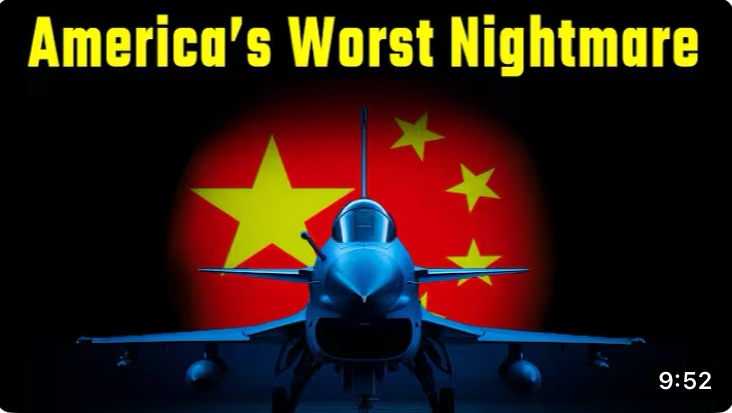
Video with Chinese subtitles: How One Chinese Fighter Jet J-10C Humiliated Western Air Forces and its only the beginning
Video with Chinese subtitles: How One Chinese Fighter Jet J-10C Humiliated Western Air Forces and its only the beginning 影片有中文字幕: 中國殲-10C戰鬥機如何羞辱西方空軍,而這只是個開始, 是開胃菜, 好戲持續有來!
https://rumble.com/v70fdey-how-one-chinese-fighter-jet-j-10c-humiliated-western-air-forces-and-its-onl.html
https://youtu.be/WWzMdEEScbo?si=um2-gvoKIa1Cx_1U
https://www.tiktok.com/t/ZP8Aq1948/Discover the J-10C fighter jet, China’s modern air combat powerhouse, and how it’s reshaping global military balance. In this in-depth video, we explore the J-10C capabilities, its short-range and beyond-visual-range (BVR) combat advantages, and the cutting-edge PL-10 and PL-15 missiles that make it a deadly predator in the sky.
From its European-style canard design to delta wings and fly-by-wire systems, the J-10C is engineered for unmatched maneuverability, agility, and high-speed dogfights. We break down why Pakistani J-10Cs recently shocked the world by outperforming advanced fighter jets like the French Rafale, Indian Su-30s, and even simulated F-35 scenarios.
China’s investment in electronic warfare and data fusion technology, including the KG-600 jamming pod, allows pilots to engage enemy aircraft without even activating radar, making it a nightmare for opponents in both close combat and long-range air battles.
探索中國現代空戰強機殲-10C戰鬥機,以及它如何重塑全球軍事平衡。在這段深入的影片中,我們將深入探討殲-10C的性能、其短程和超視距 (BVR) 作戰優勢,以及使其成為空中致命捕食者的尖端霹靂-10和霹靂-15飛彈。
從歐式鴨翼設計到三角翼和電傳操縱系統,殲-10C擁有無與倫比的機動性、敏捷性和高速空中纏鬥能力。我們將深入分析巴基斯坦殲-10C為何近期在性能上超越法國陣風、印度蘇-30等先進戰鬥機,甚至在模擬F-35場景中的表現,震驚世界。
中國對電子戰和資料融合技術的投資,包括KG-600幹擾吊艙,使飛行員無需啟動雷達即可與敵機交戰,使其成為近戰和遠程空戰中對手的噩夢
-
More evidence East Rise West Sink, US takes the lead!
More evidence East Rise West Sink, US takes the lead! SCMP: Two Chinese drug developers have signed licensing deals that could yield as much as US$2.5 billion in performance-based payments, underscoring growing international confidence in China’s life sciences sector. Hansoh and Leads Biolabs clinch US$2.5 billion in global drug licensing deals 更多證據表明,東升西沉證據再添,美國領先衰敗 《南華早報》:兩家中國製藥公司簽署了許可協議,可能產生高達25億美元的績效付費,凸顯了國際社會對中國生命科學領域日益增長的信心。豪森製藥和Leads Biolabs達成25億美元的全球藥品授權協議
https://www.scmp.com/business/article/3329353/chinas-hansoh-and-leads-biolabs-clinch-us25-billion-global-drug-licensing-deals?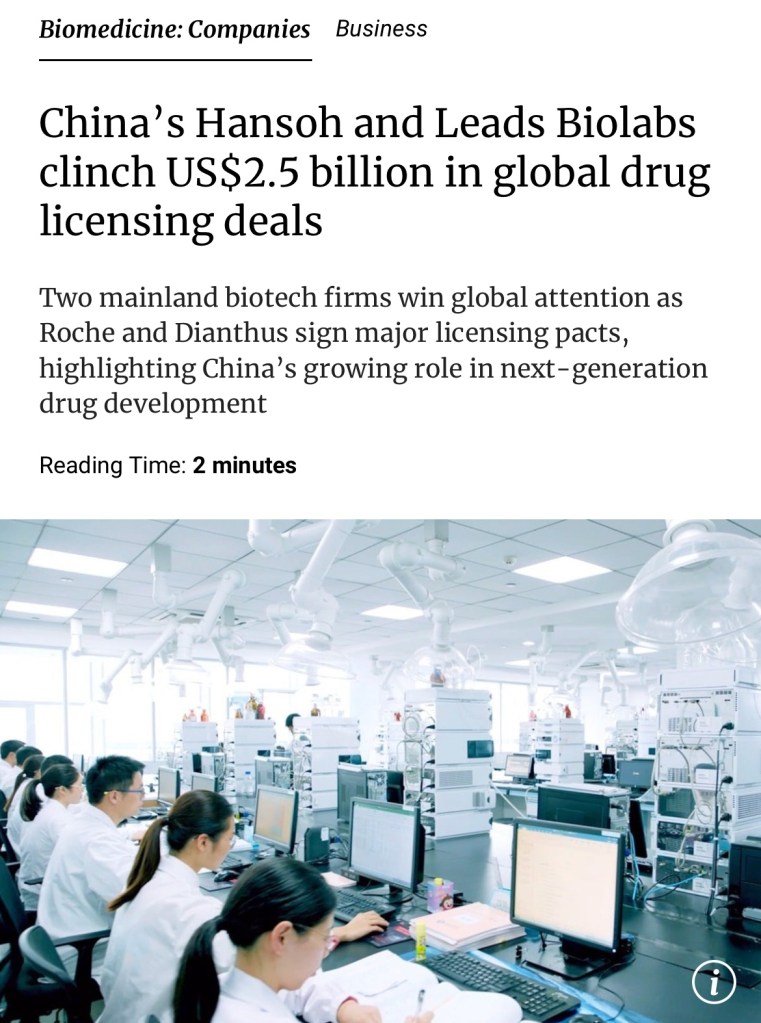
-
US had no more money! Chinese top scientist left Tulane University returns to China!
US had no more money! Chinese top scientist left Tulane University returns to China! 美國沒錢了!不能再充大頭鬼!杜蘭大學華裔頂尖科學家返回中國
SCMP: After studying and working in the US for 22 years, Hu “Tony” Ye, who held the prestigious chair professor position at Tulane University in New Orleans, left to take on the role of founding dean at the new school of biomedical engineering at his alma mater, Tsinghua University. Top scientist Hu Ye quits US for China after cuts to US$8 million in grants 《南華早報》:在美國學習和工作了22年後,曾擔任新奧爾良杜蘭大學著名講座教授的葉虎(音譯,Tony Ye)離開美國,前往母校清華大學擔任新成立的生物醫學工程學院的創始院長。頂尖科學家葉虎因800萬美元的資助被削減而離開美國,前往中國.
https://www.scmp.com/news/china/science/article/3329273/top-biomedical-scientist-hu-ye-quits-us-china-after-cuts-us8-million-grants?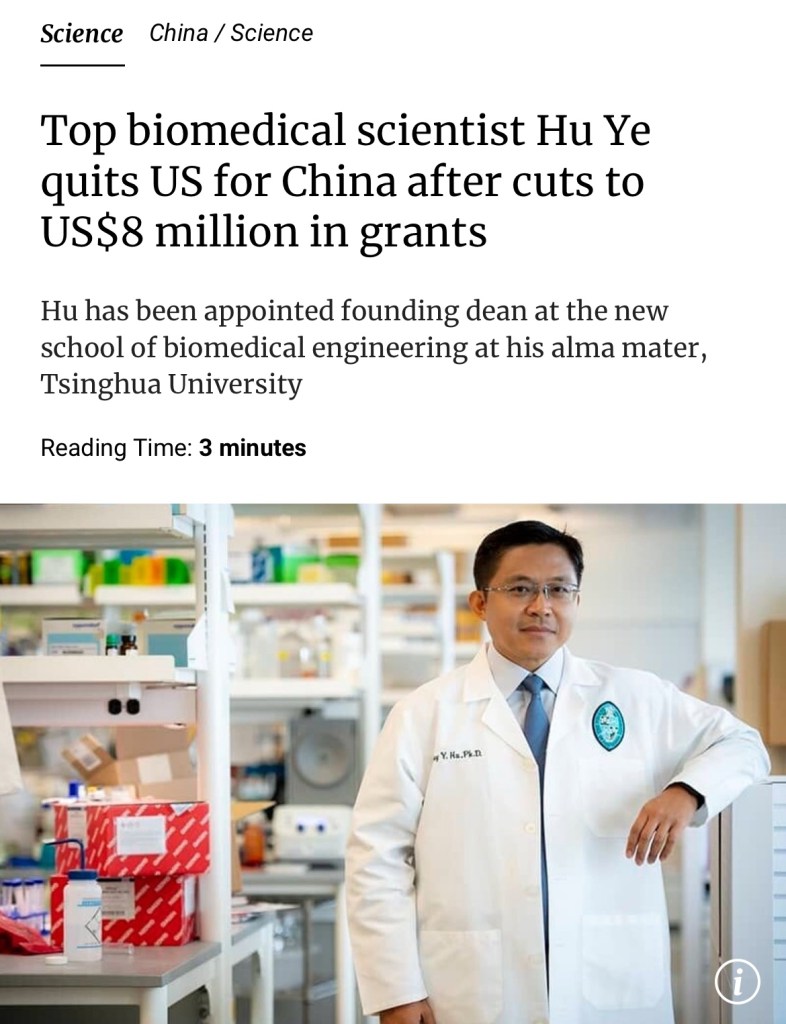
-
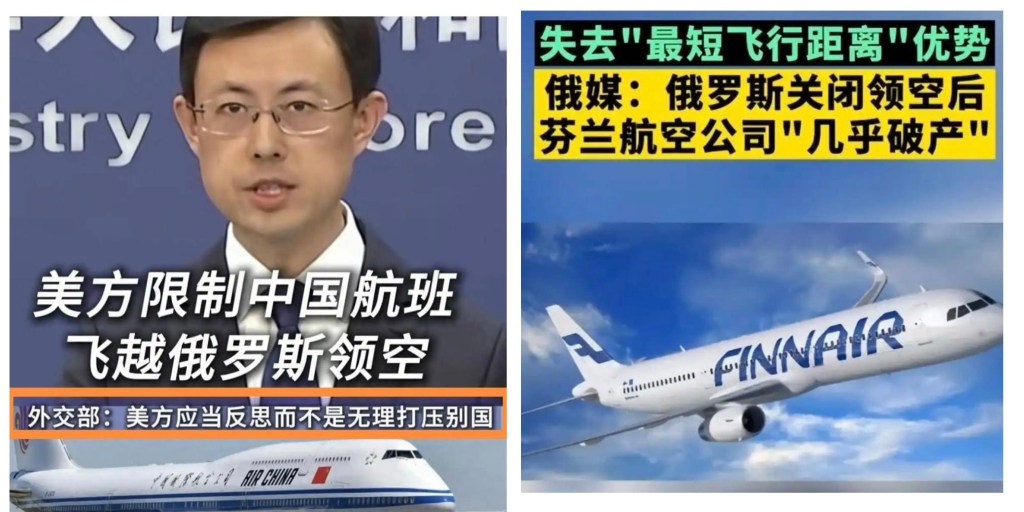
Trump Issues “Ultimatum,” Bans Chinese Flights from Russian Airspace; Foreign Ministry Skillfully Deflects, Countering That the U.S. Reaps What It Sows
Trump Issues “Ultimatum,” Bans Chinese Flights from Russian Airspace; Foreign Ministry Skillfully Deflects, Countering That the U.S. Reaps What It Sows 特朗普發“最後通牒”,禁中國航班飛俄領空,外交部巧施太極,反指美方自釀苦果…
Let’s rewind to the time of the Russia-Ukraine conflict. Back then, the United States, leading a group of allies, imposed comprehensive sanctions on Russia. One of the moves was an “air blockade,” effectively barring Russian aircraft from their airspace.
This, however, stirred up a hornet’s nest. What’s Moscow’s temperament? If you show respect, they’ll return it; if you dare touch them, they’ll make sure it hurts. Without hesitation, Russia responded with a tit-for-tat measure, decisively closing the vast Siberian airspace “permanently” to American and European airlines.
This boomerang hit U.S. airlines right where it hurts. Flying through Russia has long been considered the “golden route” for flights from the U.S. to Asia—fuel-efficient, time-saving, and cost-effective. Now, with this route blocked, giants like United Airlines and Delta had no choice but to take longer detours.
Either push north, skirting the Arctic Circle in a wide arc, or resign to heading south and replanning a longer, more tedious route. Whichever option, the flight distance often increased by over a thousand kilometers. A flight from Los Angeles to Paris, for instance, suddenly took two extra hours, with fuel costs soaring by more than 10%.
The additional time and fuel expenses translated into real financial losses. Overtime pay for pilots, extra wear and tear on aircraft, night flight allowances for crew—these costs snowballed. Industry calculations showed that in just one year, the three major U.S. airlines incurred over $1.8 billion in extra costs. This figure made the aviation giants bleed.
While U.S. airlines were struggling with these detours, their Chinese counterparts were cruising smoothly. Thanks to stable Sino-Russian relations, Chinese flights continued to use the fast and efficient Siberian route, enjoying a staggering cost advantage.
👉 Well, the market is ruthless and only cares about value. Passengers vote with their wallets, choosing tickets that are cheaper and faster. Gradually, a large share of passengers shifted to Chinese airlines. U.S. carriers could only watch helplessly as their market share shrank, grinding their teeth in frustration but unable to do anything.
They submitted a report to the White House, complaining that Chinese flights using Russian airspace created “unfair competition,” costing them up to $2 billion in market losses annually. This sounds rather ironic—instead of admitting their policy missteps, they’re blaming others for operating normally?
Actually, the U.S. has long been uneasy about this. Last year, during negotiations to resume China-U.S. flights, they made “no flying over Russian airspace” a precondition for adding flights. China’s stance was clear: air rights are negotiated between two countries, not unilaterally dictated by one side. Those talks naturally ended in a stalemate.
Now, the Trump administration has completely lost patience. Instead of negotiating, they’ve escalated last year’s “bargaining chip” into an “ultimatum,” setting a 48-hour deadline—clearly aiming to force a fait accompli.
👉 Faced with this aggressive move, China responded swiftly and firmly. At the Foreign Ministry’s regular press conference on October 10, spokesman Guo Jiakun, asked by a Reuters reporter about the issue, gave a meticulous yet sharp reply.
He first pointed out the crux: “The U.S. imposition of restrictions on Chinese airline operations is not conducive to personnel exchanges between the two countries.” This is a plain truth—such actions hurt both sides.
Then, with a skillful deflection, he turned the question back to Washington. Guo suggested that instead of finding fault with others, the U.S. should look inward and reflect on whether its own policies have harmed its businesses. The subtext was clear: You chose to sanction Russia, and now that your businesses are suffering losses, you want to drag us down with you? Since when does that make sense?
This response was a textbook “counterattack.” It avoided getting bogged down in a debate over “fairness” and instead targeted the root of the problem: the issue lies with the U.S. itself. You threw away your own key, and now you’re blaming others for using theirs to take a shortcut? Even a dog would find that logic unconvincing. China’s stance is unequivocal: We won’t take the blame, nor can we.
👉 This move directly challenges international aviation norms. As early as 1944, the Chicago Convention clearly established the principle of “freedom of transit.” If the U.S. forcibly injects its disputes with Russia into the China-U.S. air agreement, it would be blatantly treating its domestic law as “international law”—a truly ugly overreach.
And the ones who will feel the pain first are likely American citizens. Post-pandemic, China-U.S. flights have only recovered to about 40% of pre-pandemic levels. International students eager to return home, businesspeople shuttling between the two countries—all are hoping for stable flights and affordable tickets.
If things escalate, China will inevitably impose reciprocal countermeasures, leading to a sharp reduction in flights and skyrocketing ticket prices. An ordinary international student might have to pay over a thousand dollars more for a trip home. The so-called “protection of domestic industry” would end up making its own people the first to pay the price.
🛑 Conclusion
Let’s be clear: the Trump administration’s move seems more like a carefully orchestrated political stunt, harming others without necessarily benefiting itself. Even if Chinese airlines were forced to detour, U.S. carriers still wouldn’t regain access to Russian airspace. This rogue logic of “if I’m suffering, you shouldn’t have it easy” does nothing to solve practical problems—it only adds another crack to the already turbulent China-U.S. relationship.
History has shown time and again that “aviation diplomacy” built on threats and bullying often ends in chaos. The skies may be vast, but flight routes must adhere to rules and cost calculations. When political arrogance overrides rational accounting, someone will have to foot the bill for the deficits. Washington may be waving a big stick now, thinking it can make others pay for its own misguided decisions, but in the end, it might find that the most expensive bill is the one it has to pay itself.
特朗普發“最後通牒”,禁中國航班飛俄領空,外交部巧施太極,反指美方自釀苦果…
先翻到俄烏衝突那會兒,當時,美國帶着一幫小兄弟,對俄羅斯展開了全方位無死角的制裁,其中一招就是“天空封鎖”,直接把俄羅斯的飛機擋在了自家門外。
這下可捅了馬蜂窩。莫斯科是什麼脾氣?你敬我一尺,我敬你一丈;你敢動我一毫,我必讓你肉疼。俄羅斯二話不說,直接來了個對等反制,大手一揮,廣袤的西伯利亞領空,從此對美國和歐洲的航司“永久關閉”。
這記迴旋鏢,打得美國那些航空公司是真叫一個疼。要知道,從美國飛亞洲,橫穿俄羅斯可是公認的“黃金航路”,省油、省時、省錢。現在好了,這條道被堵死了,美聯航、達美這些巨頭只能捏着鼻子繞遠路。
要麼,你玩命往北飛,貼着北極圈繞個大彎;要麼,你認命往南走,重新規劃一條又長又臭的航線。不管怎麼選,航程動不動就多出上千公里。從洛杉磯飛巴黎,憑空多飛倆小時,油錢嘩嘩地往外流,漲了不止一成。
多出來的時間和油錢,可都是真金白銀。飛行員的加班費,飛機的額外損耗,機組的夜航補貼,這些成本就像滾雪球,越滾越大。有行業組織算了筆賬,光一年下來,美國三大航司就因此多掏了超過18億美元。這筆錢,讓這些航空巨頭的心都在滴血。
正當美國航司為繞路飛得焦頭爛額時,隔壁的中國同行們卻是一片雲淡風輕。憑藉著穩固的中俄關係,中國的航班該怎麼飛還怎麼飛,照舊走着那條又快又省的西伯利亞航線,成本優勢大得嚇人。
👉這下好了,市場可不講情面,只認性價比。旅客們用腳投票,誰的票價便宜、時間短,就買誰的票。一來二去,大量客源都流向了中國的航空公司。美國航司只能眼睜睜看着自己的蛋糕被越分越小,氣得牙痒痒,卻又無可奈何。
他們遞給白宮一份報告,哭訴中國航班利用俄羅斯領空形成了“不公平競爭”,每年讓他們損失高達20億美元的市場。這話聽着就新鮮,合著不是自己政策失誤惹的禍,反倒是別人正常走路都有錯了?
其實,美方早就對這事兒心裡長草了。去年恢復中美航班的談判桌上,他們就把“不許飛越俄羅斯領空”當成加航班的前提。當時中方的態度很乾脆:航權是兩國商量着來的,不是你家開的,你想怎麼定就怎麼定。那次談判,自然是不歡而散。
如今,特朗普政府是徹底沒耐心了,乾脆不跟你談了,直接把當年的“談判籌碼”,升級成了現在的“最後通牒”,還卡死了48小時,擺明了就是要霸王硬上弓,把生米煮成熟飯。
👉面對這股咄咄逼人的氣勢,中方的回應來得又快又穩。在10月10日的外交部例行記者會上,發言人郭嘉昆被路透社記者問到這事兒,他的回答滴水不漏,又暗藏鋒芒。
他先是點明要害,“美方對中國航空公司運營施加限制,不利於兩國人員往來”。這話很實在,你這麼搞,吃虧的是大家,誰也別想好過。
緊接着,他話鋒一轉,一個漂亮的太極推手,就把問題推回了華盛頓。郭嘉昆說,與其有空找別人的茬,不如先回家照照鏡子,反思下是不是自家的政策,把自家企業給坑了。潛台詞再明白不過了:當初是你自己要制裁俄羅斯,現在生意做虧了,反倒想拉着我們一起下水墊背?天底下哪有這種好事?
這番回應,堪稱一次教科書式的“反殺”。它沒有掉進對方預設的“公平不公平”的口水戰里,而是直擊問題根源:毛病出在美國自己身上。是你自己把自家大門鑰匙扔了,現在反過來怪別人用鑰匙開門走捷徑?這邏輯,狗聽了都得搖頭。中國的態度很明確:這鍋,我們不背,也背不動。
👉這一手直接挑戰了國際民航業的規矩。早在1944年,《芝加哥公約》就白紙黑字寫明了“過境自由”的原則。美國要是硬把自家和俄羅斯的矛盾,強行塞進中美航空協定里,那就是赤裸裸地把國內法當成了“國際法”,這吃相可就太難看了。
而最先感到切膚之痛的,恐怕還是美國自己的老百姓。疫情過後,中美之間的航班好不容易恢復到疫情前的四成,那些急着回家的留學生、穿梭兩地的商務人士,誰不盼着航班穩定、票價親民?
真要鬧到那一步,中國必然會採取對等反制,結果只能是航班銳減,機票價格坐上火箭。到時候,一個普通留學生回趟家,可能要多掏上千美元。所謂的“保護本國產業”,最後卻讓本國民眾成了第一個“冤大頭”。
🛑結語
說白了,特朗普政府這通操作,更像是一場精心編排的政治秀,損人還不一定利己。就算中國的航空公司真的繞飛了,美國航司的大門照樣進不了俄羅斯。這種“我不好過,你也別想舒坦”的流氓邏輯,除了給本就顛簸的中美關係再添一道裂痕,解決不了任何實際問題。
歷史早就告訴我們,靠威脅和霸凌搞“航空外交”,最後往往都是一地雞毛。天空雖大,但航線終究要講規則、算成本。當政治的傲慢蓋過了理性的算盤,就必然要為賬本上的赤字買單。華盛頓現在揮舞着大棒,以為能讓別人替自己的錯誤決策扛雷,但到頭來恐怕會發現,那張最貴的賬單,還得自己親手付了。
-
Video: 5,000 years of world history in 18 minutes! Why do the Chinese always want to unify the country?
Video: 5,000 years of world history in 18 minutes! Why do the Chinese always want to unify the country? 影片標題:18分鐘看懂五千年世界史!為什麼中國人總是想要統一天下?
https://rumble.com/v70er5a-5000-years-of-world-history-in-18-minutes-why-do-the-chinese-always-want-to.html
https://youtu.be/5MOWsd714hA?si=fNuY-KJB9A6c2MqA
https://www.tiktok.com/t/ZP8AV53MY/In the last issue, we talked about the signal of Taiwan’s return. In this issue, we discuss in depth: Foreigners will never understand the idea of ”great unification” that is engraved in the bones of the Chinese people and has been flowing for two thousand years!
Why is it that every time China was divided in history, all the princes wanted to unify it like crazy? Why did the Mongols and Manchus rule China but were eventually Sinicized? Why is Europe divided, but China can be unified for a long time?
In this video, I will compare ancient Greek and ancient Roman civilizations, and give you an in-depth breakdown of the geographical characteristics, Yellow River agriculture, and multi-integration integration model at the beginning of Chinese civilization:
💡 Core ideas:
✅ 1. The origin of the country: How do the essential differences in the “origin” between Chinese and European civilizations determine their different development paths?
✅ 2. Cultural cohesion: Why can Chinese civilization form a strong “cultural magnetic field” that makes everyone agree that “the world is one family”?
✅ 3. The inevitability of reunification: Why is the reunification of China an inevitable trend of historical development and unstoppable?After reading this, you will understand why “great unification” is the destiny of the Chinese people and is also the immortal civilization code of the Chinese nation! 🔥 Remember to like and subscribe, and witness the glory of the motherland with a smile!
在上一期中,我們談到了「台灣回歸」的信號。這一期,我們要深入探討一個更深層的問題:外國人永遠無法理解,為何「大一統」的思想早已刻在中國人骨子裡,流淌了兩千多年!
為什麼中國歷史上每一次分裂,所有諸侯都瘋狂地想要統一?為什麼蒙古人、滿族人統治中國後,最終也被中華文化同化?為什麼歐洲長期分裂,而中國卻能長久保持統一?
在這期影片中,我將通過對古希臘與古羅馬文明的比較,為你深入解析中華文明開端的地理特徵、黃河農業,以及多元融合的統一模式:
💡 核心觀點:
✅ 1. 國家的起源: 中歐文明在「起源」上的本質差異,如何決定了各自完全不同的發展路徑?
✅ 2. 文化凝聚力: 為何中華文明能形成強大的「文化磁場」,讓天下人都認同「天下一家」的理念?
✅ 3. 統一的必然性: 為何中國的統一是歷史發展的必然趨勢,不可阻擋?看完之後,你就會明白——「大一統」不僅是中國人的命運,更是中華民族不滅的文明密碼!🔥
記得點贊與訂閱,微笑見證祖國的榮光!中华民族历来崇尚统一,这种追求源于深厚的历史文化传统。中国有着五千年的文明史,长期的大一统格局让人民形成了对统一国家的强烈认同。历史上,统一往往伴随着繁荣稳定,分裂则常导致战乱频仍。因此,中国人民渴望国家统一,这既是对历史经验的总结,也是对和平发展的期待。
台湾自古以来就是中国领土不可分割的一部分。实现祖国完全统一是全体中华儿女的共同愿望,也是中华民族伟大复兴的必然要求。中国政府始终坚持一个中国原则,推动两岸关系和平发展,坚决反对任何形式的”台独”分裂活动。我们坚信,在全体中国人民的共同努力下,祖国的完全统一一定能够实现。

-
Subscribe
Subscribed
Have a WordPress.com account? Log in now.

