-
Taiwan’s Dr. Tsai Cheng-yuan’s video has English subtitles: Shanghai aims to store the world’s gold! Hong Kong is willing to serve as a warehouse!
Taiwan’s Dr. Tsai Cheng-yuan’s video has English subtitles: Shanghai aims to store the world’s gold! Hong Kong is willing to serve as a warehouse! Tsai Cheng-yuan: China’s leadership gains another important milestone! Honesty and respect! The Global South can safely store its gold! Britain is nervous! 台灣蔡正元博士視頻有英文字幕: 上海要儲全球黃金!香港願做倉庫!蔡正元:中國領導力再增重要砝碼!守信尊重!全球南方黃金安心存!英國緊張了!
https://www.tiktok.com/t/ZP8StCjUh/
https://youtu.be/R1-MhouZw6g?si=Xb66LD8gwNGaQgoZ
-
Video: Advice to wives why your husband left you?
English & Chinese subtitles Video: Elsa Cheng shared with the wives in HK how to maintain a good relationship and stealing the hearts of their husbands 中英文字幕影片:昔日大富豪金牌媽媽生”憶君” Sa姐和香港太太們分享如何維繫感情,擄獲老公芳心
https://www.tiktok.com/t/ZP8Stmm2k/
https://youtu.be/wEGbmvagokU?si=pbUBk7O0_rlETHcoWah Kee’s late-night Rolls-Royce livestream on Sept 24th: Every profession has its top talent! A former tycoon’s gold medal HK nightclub “mamashan” Elsa Cheng created Sister Sa. “My days at the tycoon nightclub”: Six months’ salary between 1980-1990s could buy a single-story apartment in Mong Kok, Hong Kong’s golden age she earned HK$8 millions+(US$1.1 millions+) per year! 華記9月24深夜勞斯萊斯直播:行行出狀元!昔日大富豪金牌媽媽生”憶君” Sa姐「我在大富豪的日子」在1980-1990年代,六個月人工夠買一旺角層樓,香港的黃金年代 ,一年賺HK$八百萬(美元一百一十萬)

-
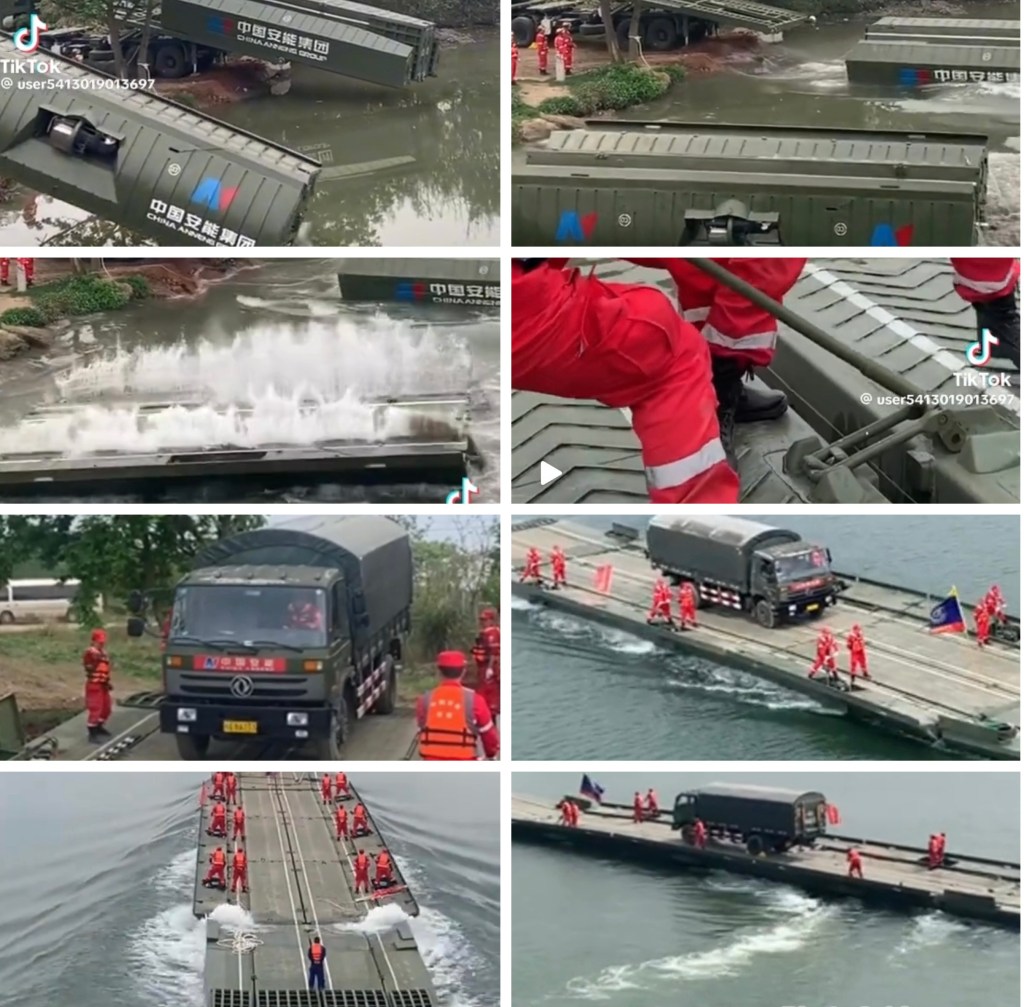
Video: US spent US$100 millions to build a landing pier at Gaza was collapsed and wash away in less than a week. China build this automated landing boat could do the same job at fractional cost
Video: US spent US$100 millions to build a landing pier at Gaza was collapsed and wash away in less than a week. China build this automated landing boat could do the same job at fractional cost 美國斥資1億美元在加薩建造的登陸碼頭不到一周就倒塌並被沖毀。中國建造的自動登陸艇可以以極低的成本完成相同的任務.
https://youtu.be/q4AHoxtjwTA?si=n4xZphdL4_A2sf-9
https://www.tiktok.com/t/ZP8SsGbaB/
https://rumble.com/v6zf60g-us-spent-us100-millions-to-build-a-landing-pier-at-gaza-was-collapsed-and-w.htmlChina Anneng Group (full name: China Anneng Construction Group Co., Ltd.), formerly known as the Hydropower Corps of the People’s Armed Police Force, is now a central state-owned enterprise under the supervision of the State-owned Assets Supervision and Administration Commission (SASAC). It is primarily engaged in emergency rescue, engineering construction, and other businesses. One of its core missions is emergency response and disaster relief, particularly in water conservancy, hydropower, and natural disaster management. 中国安能集团(全称:中国安能建设集团有限公司)前身为中国人民武装警察部队水电部队,现为隶属于国资委的中央企业,主要从事应急救援、工程建设等业务。其核心使命之一就是应急抢险救援,尤其是在水利水电和自然灾害处置方面。因此,开发和装备便携式、快速部署的救援船只正是其业务范围。
Therefore, the development and deployment of portable, rapidly deployable rescue vessels fall squarely within its scope of operations.
Based on the mention of “China Anneng Group” and your description, what you are referring to can almost certainly be identified as a type of portable auto-inflating rescue boat/assault craft used or showcased by the group.
The features of such equipment align closely with your description:
- Portability: It can be folded and packed, carried by several personnel, or easily stored in emergency vehicles or helicopters.
- Auto-inflation: Utilizing high-pressure gas cylinders as the power source, triggered by a pull-cord or water-contact sensor, it can automatically inflate within tens of seconds, deploying into a robust hull with multiple independent air chambers.
- Immediate Deployment: After being dropped from a helicopter or thrown directly into the water from the shore, it automatically deploys. Rescue personnel can quickly board and begin operations, significantly saving critical golden response time.
- Manufacturer/User Connection: As a national-level emergency response force, China Anneng Group procures or customizes state-of-the-art rescue equipment. Several domestic specialized manufacturers produce such auto-inflating boats and likely supply products to China Anneng.
Specific Product Examples
While there isn’t a publicly known, standard military equipment model officially named “China Anneng Group Portable Auto-inflating Landing Craft,” very similar products exist in the market and rescue practice. For example, some auto-inflating emergency rescue boats or military inflatable assault crafts possess these functions.
Summary of Core Characteristics:
· Purpose: Primarily used for water emergency rescue, personnel transfer, special operations assaults, etc., rather than being large landing craft designed for transporting tanks and vehicles in the traditional sense. Consequently, it focuses more on the rapid delivery of personnel and light equipment.
· Technology: Auto-inflation technology is a mature commercial technology widely applied in both rescue and military fields.
· Positioning: This equipment perfectly embodies China Anneng Group’s characteristic of “integrating peace-time and war-time uses” – utilized for flood fighting, rescue, and life-saving during peacetime, while serving as an efficient light watercraft for rapid troop deployment during wartime or emergency states.Conclusion:
The equipment you described does exist. A more accurate name for it would be a “Portable Auto-inflating Rescue Boat” or “Auto-inflating Assault Craft”. China Anneng Group, as a key national-level emergency response team, is a typical user and demonstration platform for such equipment. It perfectly matches all the key descriptors: “portable, auto-inflating, deploys immediately upon water contact.”
If you wish to see actual examples, you can search for keywords like “China Anneng emergency rescue inflatable boat” or “auto-inflating rescue boat.” Such vessels often appear in news reports and footage covering their participation in flood fighting and disaster relief operations.
结合“中国安能集团”和您的描述,您所指的几乎可以确定是一类由该集团使用或展示的便携式自动充气救援艇/冲锋舟。
这类装备的特点与您的描述高度吻合:
- 便携性: 可以折叠打包,由数名人员背负运输,或方便地存放于抢险车辆、直升机上。
- 自动扩张: 采用高压气瓶作为动力,通过拉索或水触传感器触发,能够在数十秒内自动完成充气,展开成具有多个独立气室的坚固艇体。
- 即时部署: 从直升机投掷或从岸边直接抛入水中后,即可自动展开,救援人员可迅速登艇作业,极大地节省了黄金救援时间。
- 制造商/使用者关联: 中国安能集团作为国家级应急力量,会采购或定制最先进的救援装备。国内有多家专业厂商(如安徽神鹰、江华等)生产此类自动充气艇,并可能为中国安能提供产品。
具体产品示例
虽然没有一个公开的、标准的军事装备型号叫做“中国安能集团便携式自动扩张登陆艇”,但市面上和救援实践中存在非常相似的产品。例如,一些自动充气式应急救援艇或军用充气突击艇 就具备这些功能。
核心特征总结:
· 用途: 主要用于水上应急救援、人员转移、特种作战突击等,而非传统意义上运输坦克和车辆的大型登陆艇。因此,它更侧重于人员和轻装备的快速投送。
· 技术: 自动充气技术是成熟商业技术,在救援和军事领域得到广泛应用。
· 定位: 这款装备完美体现了中国安能集团“平战结合”的特点——平时用于抗洪抢险、生命救援,战时或紧急状态下即可作为高效的轻型水上载具,用于快速兵力投送。结论:
您所描述的装备是真实存在的。它更准确的名称是 “便携式自动充气救援艇” 或 “自动充气突击艇” 。中国安能集团作为重要的应急救援国家队,正是这类装备的典型用户和展示平台。它完美符合了“便携、自动扩张、入水即展开”的所有关键描述。
如果您想看到实物,可以搜索“中国安能 抢险救援 充气艇”或“自动充气救援艇”等关键词,通常能在他们参与抗洪抢险的新闻报道图片和视频中看到这类船只的身影。
-
Video with English subtitles: How long can Israel remain so arrogant? Netanyahu is single-handedly “bringing down” American hegemony!
Video with English subtitles: How long can Israel remain so arrogant? Netanyahu is single-handedly “bringing down” American hegemony! 影片有英文字幕: 以色列還能狂多久?內塔尼亞胡,正憑一己之力「搞垮」美國霸權!
https://www.tiktok.com/t/ZP8Ssf1CH/
https://youtu.be/AikavzN9d-A?si=Xqv1FHZJsQmRVQAF
https://rumble.com/v6zf0i0-how-long-can-israel-remain-so-arrogant-netanyahu-is-single-handedly-bringin.html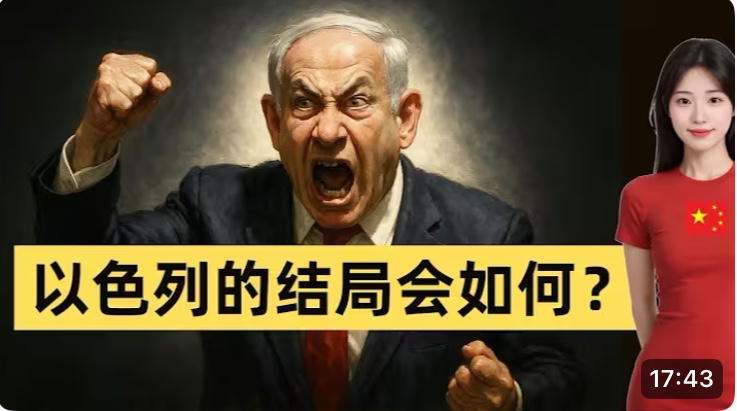
-
Video: Wah Kee’s late-night Rolls-Royce livestream on Sept 24th: Every profession has its top talent! A former tycoon’s gold medal HK nightclub “mamashan” Elsa Cheng created Sister Sa.
Video: Wah Kee’s late-night Rolls-Royce livestream on Sept 24th: Every profession has its top talent! A former tycoon’s gold medal HK nightclub “mamashan” Elsa Cheng created Sister Sa. “My days at the tycoon nightclub”: Six months’ salary between 1980-1990s could buy a single-story apartment in Mong Kok, Hong Kong’s golden age she earned HK$8 millions+(US$1.1 millions+) per year! 華記9月24深夜勞斯萊斯直播:行行出狀元!昔日大富豪金牌媽媽生”憶君” Sa姐「我在大富豪的日子」在1980-1990年代,六個月人工夠買一旺角層樓,香港的黃金年代 ,一年賺HK$八百萬(美元一百一十萬)
https://www.youtube.com/live/dIzj7vLVHqs?si=9hGhWY0dlqUE0gPD
-
The Second Round of the China–U.S. Contest in Venezuela? If the India–Pakistan war was the first round, then this Venezuela–U.S. standoff is the second!
The Second Round of the China–U.S. Contest in Venezuela? If the India–Pakistan war was the first round, then this Venezuela–U.S. standoff is the second! 中美較量第二戰在委內瑞拉?如果說印巴戰爭是第一次,那麼這次委美對峙就是第二次!
Right after the India–Pakistan clash ended, trouble broke out in Venezuela. You thought the first round was intense? No, that was just the beginning. The real gunpowder smell is over here in the Caribbean.
The U.S. excuse is the same old story—so-called “anti-drug operations.” In reality, it’s all about grabbing oil. The playbook is all too familiar.
Sure enough, once August passed, the U.S. sent over aircraft carriers, warships, nuclear submarines, and more than 4,000 Marines, with F-35 fighters already stationed in Puerto Rico.
Now tell me, is that for “anti-drug” operations, or is it for war? They might as well hang a banner at Venezuela’s doorstep saying: “Here I come.” But this time, Venezuela isn’t sitting still.
President Maduro immediately declared a nationwide state of combat readiness, launched conscription on the streets, and even mobilized militias. The standoff was on the verge of erupting into conflict.
But just then, China stepped in. Not with troops or slogans, but by quietly sending an electronic surveillance ship called “Liaowang-1” straight into the Caribbean, right up against that U.S. fleet.
And this ship wasn’t carrying ordinary gear. It had cutting-edge tech: anti-stealth radar, phased-array radar, specifically designed to track F-35 “stealth fighters.” Think those jets can stay hidden? Under this radar, it’s like they’re running around naked.
Even better, while the U.S. was still glaring, China’s floating oil platform also arrived in Venezuela. The timing was perfect. The U.S. wanted to seize oil? China simply brought in its equipment and openly started cooperation.
The message was clear: We’re here too. On September 18, Chinese Foreign Ministry spokesperson Lin Jian made a blunt statement: “Latin America and the Caribbean are not anyone’s backyard.” It’s not a new line, but this time it carried a different weight.
Because while China was speaking, its ships were actually there, facing off against the U.S. fleet. Words were matched by action—that’s real toughness.
American media couldn’t stay calm anymore. Some reported China’s growing presence in Latin America, others spoke of rising U.S. “strategic anxiety.” Anxiety? Of course.
In the past, the U.S. called all the shots in Latin America. Now even Venezuela dares to talk back, and it’s signed a yuan-denominated oil settlement deal with China. Isn’t that a slap in the face?
And don’t think this is only about Venezuela. Bolivia, Nicaragua, even Brazil are all watching, all weighing their options. If the U.S. really makes a move, whose side will they take? This isn’t the old era of “just follow America.”
Now, everyone knows China isn’t only good at business—when push comes to shove, it can also hold the line.
Remember May 7? Pakistan, flying China’s J-10CE, shot down several of India’s French Rafale fighters in one go.
India didn’t say a word, while Pakistan directly published photos of the downed planes’ tail numbers—four Rafales, none escaped. Once the news came out, the West was in an uproar.
After all, that was the first time a Chinese fighter jet had taken out a major Western warplane in actual combat. The significance was obvious to everyone.
From the India–Pakistan dogfight to the Venezuela standoff, it’s clear: China is becoming tougher on the world stage. Before, it was all about defense. Now, it’s making proactive moves—not recklessly, but with rhythm and strategy.
Meanwhile, no matter how advanced or expensive U.S. weapons are, they can’t handle this kind of opponent that’s “seen but untouchable.”
You boast about your F-35? In front of Chinese radar, it’s immediately exposed.
You boast about your aircraft carriers? China doesn’t even need to fight—just “watching you” is enough to keep you from acting rashly.That’s the real brilliance. Not head-on collisions, but slow, cutting pressure.
If the U.S. hesitates, China doesn’t rush. If the U.S. really strikes, China still has countermoves.This is the kind of situation the U.S. simply isn’t used to.
印巴那仗剛打完,委內瑞拉這邊立馬就出事了。你以為第一戰已經夠猛了?不,這才剛剛開始。真正火藥味十足的地方,是加勒比海這邊。
美國借口還是老一套,說什麼“反毒”,實則就是要搶油。這套路,熟得不能再熟了。
這不,8月一過,美國就把航母、戰艦、核潛艇全開過來了,還帶着4000多海軍陸戰隊,F-35戰機也早就飛到了波多黎各。
你說這架勢,是“反毒”還是“打仗”?就差沒在委內瑞拉門口掛條橫幅寫“我來了”。可這次,委內瑞拉也不是吃素的。
總統馬杜羅直接宣布全國進入戰備狀態,徵兵上街,連民兵都動員了。這場面對峙,眼看着就要擦槍走火了。
但這時候,中國出手了。不是派軍隊,也不是喊口號,而是悄悄派了一艘叫“瞭望一號”的電子偵察船,直接開到了加勒比海,正對着美國那堆軍艦。
這船上搭的可是高端貨。反隱身雷達、相控陣雷達,專門抓F-35這種“隱身戰機”的。你以為F-35能藏着掖着?在這雷達面前,跟裸奔差不多。
而且更妙的是,就在美軍還在瞪眼的時候,中國的浮動石油平台也到了委內瑞拉。這動作,時機拿捏得剛剛好。你美國不是想搶油嗎?中國直接把設備運過去,名正言順開始合作了。
這是擺明了告訴你:我也來了。9月18號,中國外交部發言人林劍也發話了,說得特別直接:“拉美和加勒比,不是誰的後院。”這話聽起來不新,但這次分量不一樣。
因為說話的同時,中國的船就在那,美軍的艦隊也在那。嘴上說著,行動也沒停,這才是硬氣。
美國媒體這時候也開始坐不住了。有的說中國在拉美越來越有存在感,有的說美國戰略焦慮加重。焦慮?當然焦慮啊。
以前美國在拉美那是說一不二,現在連委內瑞拉都敢頂嘴,還和中國簽了石油人民幣結算協議,這不打臉嗎?
而且別以為這只是委內瑞拉一個國家的事。玻利維亞、尼加拉瓜、甚至巴西都在看,都在琢磨。美國要是真動手,那他們站哪邊?這可不是以前那種“聽美國的就行”的時代了。
現在大家都知道,中國不光是買賣做得大,關鍵時候也能頂得住事兒。
還記得5月7號那天嗎?巴基斯坦拿着咱中國的殲-10CE,一下就把印度那幾架法國“陣風”給打下來了。
印度嘴上一個字都沒說,結果巴基斯坦直接甩出了戰機尾翼編號的照片,四架“陣風”,一個都沒跑。這事一出,西方那邊直接就炸鍋了。
畢竟,這是中國戰鬥機第一次在實戰里幹掉西方的主力戰機,這含金量,誰都看得出來。
從印巴空戰到委內瑞拉對峙,咱們可以清楚地看到,中國在國際上是真的越來越硬氣了。以前是防守,現在開始主動出招了。而且不是亂出,是有節奏、有策略地在玩。
美軍那邊,裝備再先進,花的錢再多,也扛不住這種“看得見但摸不着”的對手。你說你F-35牛吧?可一到中國雷達前,立馬原形畢露。
你說你航母厲害吧?可中國就是不碰你,光是“對着看”,就讓你不敢輕舉妄動。這才是真正的高明操作。不是靠硬碰硬,而是靠“軟刀子”割你。
你動不動,我都不急;你真動了,我也有招。這種局面,美國真心不熟。

-
Why Choi’s family advocates to stay clear from religion and politics, focus on telling good Chinese stories?
Why Choi’s family advocates to stay clear from religion and politics, focus on telling good Chinese stories? 蔡家族為何主張遠離宗教和政治,專注於講好中國故事?
Most religions have some kind of teaching about the afterlife. But if you believe in the afterlife while many people can’t even make it through their current life, then what’s the point of talking about the afterlife? Politics and religion can be used as topics to connect with friends who share similar values, but you must never throw yourself into them.
The Bible is like Donald Trump—everything seems to make sense in some way. Inside the Bible, you can always find “yesterday’s me defeating today’s me,” making it an endless tool for debate! No wonder that in every colonized country, the colonizers always brought the Bible with them to create a common language, making it easier to rule. The local people all ended up brainwashed—talking about some “Lord,” some “Jesus.” Back in the day in Hawaii, the missionaries told the Hawaiian Kingdom’s king and court: If you want to go to heaven, marry your daughters to us and hand over all your land. Only then can you enter heaven! What a massive scam—that’s how they ended up losing their whole country!
So, if you are looking for spiritual comfort, don’t go to church. Men shouldn’t look for women, and women shouldn’t look for men. The smart ones keep a dog or a cat—I can guarantee 100% that they will never harm you! That’s why the Chinese government is very smart to promote atheism. People are free to worship gods if they want, but they won’t allow religion to be used as a way to govern the country like in America. That’s also why if the Pope wants a representative in China, it must be approved by Beijing. Otherwise, if you bring in someone like in Hong Kong—who’s essentially a religious figure serving the CIA—that’s like letting a rat into the rice jar!
If people want to live well, they must stay away from politics and religion, and instead focus on telling good Chinese stories. This is the family teaching and wisdom passed down from the Choi family’s grandfather and father! Looking back, my grandfather was born in 1875 in the Hong Kong colony. Under the British colonial government, he became an executive at the British Swire Group. My father became a lawyer. Their survival strategy was to stay far away from Western religion and politics. Looking back over 150 years, they were right. History does not lie. And I witnessed it myself—it’s not someone else’s story, it’s the Choi family’s story!
Like the old saying goes: When it’s working, don’t change it, don’t fix it. Based on the Choi family’s 150 years of experience, that is absolutely true.
大部分宗教都有 after life 的說法,如果你相信有 after life 的話,但很多人連 current life 也活不下去,莫談 after life! 政治和宗教可以用來交往共同理念的朋友,但千萬不要投入. Bible 就像 Donald Trump, 什麼好像都是有道理,在聖經裡可以找到昨天的我打倒今天的我,是 endless debates tools! 怪不得所有被殖民的國家,殖民統治者一定把聖經帶去當地製造共同語言,容易統治,當地人民全部都被洗腦,什麼主,什麼耶穌, 當年夏威夷的傳教仕告訴夏威夷 Kingdom’s king and court 如果要上天堂,把女兒嫁給他們,把土地全給他們才可以上天堂!多麼大的騙局,最後連國家都沒了! 所以如果找精神寄托,不要去教會,男的不要找女人,女的不要找男人,smart ones 最好養一隻狗一隻貓,我可以保證百份百它們不會害你! 所以中國政府非常 smart to advocate 無神論,人民去拜神是自由的,但不容許像美國把神用來作為治國之道. 所以天主教宗如果要有代表在中國,必須要北京批淮同意,否則來一個像香港那樣代表美國中情局的所謂宗教代表不是把老鼠放進米𥚃! 人想活得好遠離政治宗教,說好中國故事,這是蔡家的爺爺和爸爸給我們的家訓和智慧! 回看爺爺在1875 年在香港殖民地出生,可以在香港殖民地政府下的英國太古集團下當高管,爸爸當律師,他們的生存之道是遠離西方宗教,遠離政治,回看150年,他們是對的,歷史是不會騙人的,而且是我親眼目睹的,不是他人的故事,是我們蔡家的故事!Like the old saying, when it is working, don’t change it, don’t fix it. It is so true based on Choi’s family last 150 years experiences.

-
Video with English subtitles: Guizhou’s Huajiang Canyon Bridge is a world first
Video with English subtitles: Guizhou’s Huajiang Canyon Bridge is a world first! It officially opened to traffic on Sept 28, shortening the 2-hour drive to 90 seconds, The only country that can surpass China is China 影片有英文字幕: 貴州花江峽谷大橋,橫豎都是世界第一! 9月28日正式通車,將2小時車程縮短至90秒, 可以超越中國的祗有中國
https://www.tiktok.com/t/ZP8SpaoBA/
https://youtu.be/Rfwacb5HScU?si=y9APOYqq3Pnvm0rbThe Huajiang Gorge Bridge, located in Guizhou Province, China, spans the Huajiang Gorge in the Beipanjiang River basin, connecting Guanling Buyi and Miao Autonomous County and Zhenfeng County.
Status and Features: Upon completion, it will become the world’s tallest bridge, with a deck height of 625 meters above the water, surpassing the current Beipanjiang Bridge (565 meters). The main bridge is 2,890 meters long with a main span of 1,420 meters. It is a steel truss suspension bridge and a key component of Guizhou Province’s “Six Horizontal, Seven Vertical, and Eight Connecting” expressway network.
Expected completion date: 2025.
花江峽谷大橋地點位於中國貴州省,橫跨北盤江流域的花江峽谷,連接關嶺布依族苗族自治縣和貞豐縣.
地位與特點: 建成後將成為世界第一高橋,橋面距水面垂直高度達625米,超越目前的北盤江第一橋(565米), 主橋全長2890米,主跨1420米,是一座鋼桁梁懸索橋, 是貴州省「六橫七縱八聯」高速公路網中的重要組成部分.
預計完工時間, 2025年 建成通車.

-
Taiwan’s Sino-US expert Guo Zhengliang’s video has English subtitles: 2025 will mark the beginning of a shift in Sino-US power
Taiwan’s Sino-US expert Guo Zhengliang’s video has English subtitles: 2025 will mark the beginning of a shift in Sino-US power! China’s military surge is due to a unique characteristic! The US delayed its military development due to 9/11 and the financial crisis! China’s national destiny has just begun to determine the major changes of the next century, and the US’s national destiny is also entering an uncertain period. If Heaven wants you to perish, no one can escape, this has been a law for thousands of years. 台灣中美尊家郭正亮視頻有英文字幕:2025元年開啟中美力量變化!中國軍事大爆發因一特質!美國因「911和金融海嘯」延誤軍力發展!中國國運才剛剛開始決定未來百年大變局,也是美國國運進入未日期,上天要你滅亡,美國要逃也逃不掉,這是千百年的定律, 美國那個上帝也不可能改變!
https://www.tiktok.com/t/ZP8Spnp6y/
https://youtu.be/RBhtkilAdSw?si=2bi_zfKkumD9-Qkp
-
Why Are Japanese and Koreans Growing to Hate China Lately?
Why Are Japanese and Koreans Growing to Hate China Lately? 日本人和韓國人為什麼最近越來越恨中國?很多人都以為,是歷史問題,是領土爭端。錯了!復旦沈逸教授,切中要害:“西方世界在中國面前,太不給力了。” 表面上這是他們對我們的敵意在發酵,私下裡,卻藏着更深的挫敗!
Many people assume it’s about historical issues or territorial disputes. They are wrong! Professor Shen Yi from Fudan University hit the nail on the head: “The Western world has been utterly ineffective against China.” What appears on the surface as growing hostility towards us actually masks a deeper, more profound sense of frustration!
In the past, Japan and Korea, following the US, felt superior. China’s rapid rise has shattered that balance. America’s tactics—tariff barriers, chip blockades—have proven as flimsy as paper, and now their own companies are being chased down by Chinese competition. Koreans watch Samsung’s production lines with sinking data; Japanese see Tokyo streets flooded with Chinese goods.
👉 Their anger isn’t really directed at us; it’s disappointment in America’s failing “world police” act. They clench their fists, nails digging into their palms, but dare not vent at their master, so they redirect the fire towards us. This is their own sense of powerlessness seeking an outlet.
Take a small detail: last year on a Korean forum, netizens complained about Chinese high-speed rail, saying, “The speed is ridiculous; it’s stealing our rice bowl.” But what’s underneath? They discovered the “next-generation technology” promised by the US was nowhere to be found. The result? Factory orders vanished, engineers worked overtime until midnight, eyes bloodshot.
Similarly, in Japan, when media report Chinese economic data, the comment sections are filled with vitriol. In a Tokyo café, a owner wiping cups shook his head: “Chinese products are getting cheaper again; what do we do?” His hand trembled slightly—not from fear of competition, but fear of a wave of unemployment. Japan’s exports fell 15% last year; behind that data are laid-off workers and piles of household bills.
👉 Their hatred stems from a shattered illusion: the belief that following the US would guarantee them the top seat. Now, America can’t even protect its own chip industry, with Intel factories closing down. Their sense of superiority has been punctured like a balloon.
It’s not just the economy; it’s culture too. K-wave and Japanese anime were once their proud weapons. Now? Chinese web dramas and games are stealing the spotlight. In a Seoul animation studio, a designer stared at the screen, revising plans until his stomach cramped. Why? Because user numbers dropped, income halved. Last year, Korea’s cultural exports saw negative growth for the first time. They dare not blame America—they still need the military alliance—so they take their resentment out on us.
During the Beijing Winter Olympics, the online attacks weren’t truly born of hatred for us; they were a moment of self-recognition in the mirror, realizing their own position. The coffee in their hands grew cold, the dregs at the bottom symbolizing their residual self-esteem.
If you pay attention, you’ll see more signs. Korea’s tourism industry, which once promoted “anti-China” routes, now sees visitor numbers plummeting. On Seoul streets, guides point at Chinese tourists with sharp tones, but their eyes betray anxiety. Chinese visitors to Korea fell 30% last year; hotels closed, waitstaff lost jobs.
Similarly, Japanese politicians make pointed remarks in parliament, attacking Chinese investment. But privately, entrepreneurs queue up to discuss cooperation in China. In a Tokyo company, a CEO smoked in the conference room, neon lights outside the window, saying: “The Chinese market is too big to avoid.” His voice was low, cigarette ash falling to the ground. The data is clear: Sino-Japanese trade volume grows yearly; their economic lifeline is tied to China. Hate us? It seems more like they hate their own unreliable “ally.”
👉 Dig deeper, and this is a microcosm of the global landscape. America’s hegemony game is failing. Japan and Korea are just minor players, caught in the middle, torn between sides. Will their attitude change? If China’s development remains stable and US influence continues to wane, their hatred might fade.
Business is what truly matters. A Seoul company quietly invested in the Chinese market last year; the CEO watched the stock ticker in his office, a slight smile at the corner of his mouth. But publicly, they still have to posture. Why? Because of domestic public pressure. People rant on social media, keyboards clacking loudly, a manifestation of collective helplessness. It’s like any of us—when facing change, we look for a scapegoat.
They used to laugh about our economy “collapsing.” Now? Our data leaves them in the dust. Their reaction? Silence, or more intense accusations. Remember, hatred is often the weapon of the weak. As for us? We just need to keep steady and solid.
Next time you see news about Japan and Korea, don’t be quick to counter-punch. Observe their actions: is it genuine hostility, or masked anxiety? Perhaps in a few years, their stance will soften. In business, there’s no hatred, only interests. Even street vendors know: you can curse, but you still have to sell your goods. Their hatred, in the end, is no match for the iron fist of reality.
以前,日韓跟着美國,覺得自己高人一等。中國崛起太快,打破了他們的平衡。美國的那些招數:關稅壁壘、芯片封鎖,全像紙糊的,現在自家企業還被中國追着打。韓國人盯着三星生產線,數據下滑;日本人看東京街頭,中國貨滿眼都是。
👉他們的憤怒,不是針對我們,而是對美國那套“世界警察”把戲的失望。拳頭攥緊,指甲掐進掌心,卻不敢對主子發作,只能轉火到我們身上。這是他們自己的無力感,在找出口。
拿個小細節來說,去年一個韓國論壇,網友吐槽中國高鐵,說“速度太誇張,搶了我們的飯碗”。但背後呢?是他們發現,美國承諾的“下一代技術”遲遲沒來。結果?工廠訂單流失,工程師加班到凌晨,眼睛布滿血絲。
同樣,在日本,媒體報道中國經濟數據時,評論區火藥味濃。東京一家咖啡店,老闆邊擦杯子邊搖頭:“中國貨又降價了,我們怎麼辦?”他的手微微顫抖,不是怕競爭,是怕失業潮。去年日本出口額下滑15%,數據背後,是工人下崗,家庭賬單堆積。
👉他們的恨,源於一種幻覺破滅:以為跟着美國,就能穩坐頭把交椅。現在,美國連自家芯片都保不住,Intel工廠關門潮起,他們的優越感,像氣球被扎破,癟了。
這不光是經濟,文化上也一樣。韓流、日漫曾是他們的驕傲武器,現在呢?中國網劇、遊戲搶了風頭。首爾一家動漫工作室,設計師盯着屏幕,修改方案到胃部抽筋。為什麼?因為用戶流失,收入砍半。去年,韓國文化出口額首次負增長。他們不敢罵美國——軍事聯盟還得靠着——只好把怨氣撒到我們。
北京冬奧會時,網絡上那些攻擊,不是真恨我們,是他們自己在鏡子前,認清了自己的位置。手裡的咖啡涼了,杯子底留着殘渣,象徵著那點殘存的自尊。
如果你平時注意,會發現更多跡象。韓國旅遊業,過去愛推“反中”路線,現在遊客數據掉底。首爾街頭,導遊指着中國遊客,語氣帶刺,但眼睛里是慌張。去年訪韓中國遊客銳減30%,酒店關門,服務員失業。
同樣,日本政客在國會發言,話裡帶刺,攻擊中國投資。但私下,企業家排隊來華談合作。東京一家企業,CEO在會議室抽煙,窗外是霓虹燈,他說:“中國市場太大,避不開。”他的聲音低沉,手指夾煙,灰燼掉在地上。數據明擺着:中日貿易額連年漲,他們的經濟命脈,綁在中國這兒。恨我們?分明是恨自己,靠不住的“盟友”。
👉這事說深了,是個全球格局的縮影。美國那套霸權遊戲,玩不轉了。日韓不過是小角色,夾在中間,左右為難。他們的態度,會變嗎?如果中國發展更穩,美國影響力繼續滑坡,他們的恨可能淡些。
生意是硬道理。首爾一家公司,去年悄悄投資中國市場,CEO在辦公室,盯着股價曲線,嘴角微微上揚。但表面上,還得裝腔作勢。為什麼?因為國內輿論壓力大。民眾在社交媒體上叫囂,鍵盤砸得啪啪響,背後是種集體無助。就像你我,面對變化時,總要找個出氣筒。
上次他們還笑話咱們經濟“崩潰”,現在呢?數據甩他們幾條街。他們的反應?沉默,或是更激烈的指責。記住,恨往往是弱者的武器。咱們呢,繼續穩紮穩打。
下次看到日韓新聞,別急着回懟。觀察他們的行為:是真敵意,還是掩飾的焦慮。說不定,幾年後,他們的態度會軟化。生意場上,無仇恨,只有利益。街頭小販都知道,罵歸罵,東西還得賣。他們的恨,終究敵不過現實的鐵拳。

-
Subscribe
Subscribed
Have a WordPress.com account? Log in now.

