On behalf of our members, I am writing to express our concern that President Biden is taking a racist attitude towards Chinese and Chinese Americans by requiring US citizens returning from China, Hong Kong and Macau to go through mandatory COVID19 testing prior to boarding plane to US from January 5 2023.
European Union said today they will not follow US footsteps. In fact they said the string of COVID19 CHINESE is carrying found throughout Europe and not anything new at all.
We are asking you to see if President Biden could reverse the stand.
Chinese Americans and Americans doing business in China, Hong Kong and Macau are not enemies of the State.
Nation at the heart of historic ‘Asian moment’ By Professor Kenneth J. Hammond 2022-12-27
For many centuries, and especially from the 10th century until the end of the 18th, China’s economy was the most productive and prosperous in the world. There were dramatic ups and downs as dynasties rose and fell, with eras of expansion and innovation punctuated by moments of disruption and transition, but the overall trend of China’s economic history was one of advance and development.
Merchants were drawn to China from all over the world, first from the rest of the Eurasian region and later from the European colonial empires in the Americas. Silver flowed into China to purchase silk, porcelain and other ceramics, tea and many other commodities in demand among consumers around the globe.
This long-established pattern of global economic relations was transformed, beginning at the end of the 18th century, and accelerating in the early decades of the 19th century, by the emergence of new manufacturing technologies that revolutionized production, first in Britain and then spreading to other areas in Western Europe and North America. This process, which came to be known as the Industrial Revolution, gave Western countries the capacity to pump massive volumes of commodities into global markets at radically lower unit costs, fundamentally reconfiguring the economic relationship between the West and the rest of the world.
China’s place as the leading global economy was rapidly eclipsed, and the era of Western colonialism was driven by the commercial and military power of Britain, France, the Netherlands, and later the United States.
So long as the Western powers could maintain their monopoly on modern industrial technologies, they could hold on to hegemonic power, dominating not only economic affairs but also political, social and cultural life for most of the planet’s people. But those people did not simply submit to this domination. There was resistance both to the imposition and then the maintenance of the colonialist system.
With the rise of the factory system and its extension in plantations, mines and other extractive activities in the colonial sphere, new forms of organization were developed by workers, both in pursuit of their immediate economic interests and, over time, in the struggles for national and social liberation that grew in the course of the 19th and 20th centuries.
With the success of national liberation and revolutionary struggles in China, India and other countries in Asia, Africa and Latin America, a new era was inaugurated, in which modernizing economies broke the grip on production that had been the basis of Western domination for a century and a half. China has been the most successful example of innovation and development, and has returned to a prominent place in the global economic order. China has also initiated wide-ranging efforts to share its successes with other countries.
This process of reconfiguring the global economic system has brought us to what is now often referred to as the “Asian moment”.The world is poised on the brink of a new era of shared development, in which the old order of exploitation and domination is fading, and new forms of economic, social and political life are emerging.
The changes taking place, however, are seen by the elites of wealth and power in the US and its capitalist allies as threats to the power and privileges that they have long enjoyed. They fear a world they no longer control. This fear endangers their own populations but also billions of people around the world. The threat of war, the ongoing devastation of the environment and the gross differentials in material conditions of life across the world are crises that must be resolved. The Asian moment is thus both one of great hope and promise, but also one of danger that calls for caution and calm moving forward.
China’s socialist system has played a key role in the nation’s recent successes. There has been a focus on improving the livelihoods of its people that has seen the massive reduction of poverty, with the country lifting over 800 million people above the United Nations’ definition of absolute poverty, and bringing perhaps one-third of its population into the middle-income group. Education, healthcare and other social services have been developed, and the lives of people have been fundamentally improved in the decades since the founding of the People’s Republic of China.
The “Asian moment” is not just China’s moment, but China is at the heart of the changes taking place. This is a dynamic process, and one filled with danger and challenges. But it is one of great potential for solving the great challenges that confront us.
The author is a professor at New Mexico State University’s Department of History.
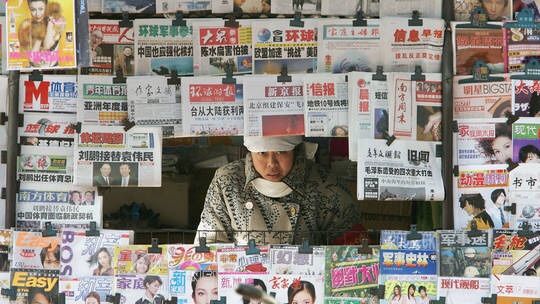
Ivan Zuenko: China unveils a surprising new weapon in its information war against the West. The US and its allies control the global media space, but Beijing has a plan to weaken their stranglehold 中國在與西方的信息戰中展示了一種令人驚訝的新武器。 美國及其盟友控制著全球媒體空間,但北京有計劃削弱他們的控制權
By Ivan Zuenko, Senior Researcher at the Institute of International Studies and Associate Professor of the Department of Oriental Studies, MGIMO, Moscow. Ivan Zuenko: China unveils a surprising new weapon in its information war against the West
When summing up 2020 – a difficult year with the Covid-19 pandemic and an escalation in the confrontation between Beijing and Washington – prominent Chinese political scientist Yuan Peng wrote: “It no longer matters what is true or false – what matters is who controls the discourse.”
The expert was referring to media pressure to discredit China, but in fact he identified one of the main features of our time – which could be called the ‘post-truth era’, when public opinion is shaped not by facts but by emotions.
Those who can guide these feelings in the right direction are the ones who shape the information agenda. The emotions that are generated have become the ‘discourse’. This concept, born among French poststructuralist philosophers (primarily Michel Foucault) in the mid-twentieth century, has found itself at the core of global politics in the early twenty-first century.
Ivan Zuenko: Why do China’s elites pay so much attention to the collapse of the USSR and the Soviet Communist Party? READ MORE Ivan Zuenko: Why do China’s elites pay so much attention to the collapse of the USSR and the Soviet Communist Party?
The year 2022, with all its tumultuous events – the escalation of the ‘Ukraine crisis’, the diplomatic boycott of the Beijing Olympics, Nancy Pelosi’s visit to Taiwan, and the expansion of ‘global NATO’ – has raised the temperature of information confrontation to record levels. We have no reason to expect it to be less heated next year. China is one of those countries which, although it missed out on the initial division of ‘discursive capital’, has recognized the problem in time and is now consistently building up what experts call ‘discursive power’.
Beijing became concerned about this issue about ten years ago, when it became clear that its traditional ‘soft power’ approaches were no longer working. Despite generous investments in promoting its image, China was not treated better as a consequence.
Indeed, on the contrary, the degree of Sinophobia increased in direct proportion to China’s growing economic power. Confucius Institutes were perceived exclusively as breeding grounds for Chinese propaganda. Even a public relations event as obviously successful as the 2008 Summer Olympics was accompanied by loud accusations of human rights abuses and speeches in support of Tibetan separatists.
This is when it became clear to Beijing that what matters is not what is actually happening, but how it is reported on the internet. And online content in today’s world is mostly produced by Westerners and in the English language. As a result, not only the West itself, but also China’s neighbors, look at it through the eyes of the West.
It became necessary to analyze why attitudes towards the actions of a particular country are explained by the manner in which it is presented in the public square – and such an explanation was found in the concept of ‘discourse’. “Whoever controls the discourse controls the power,” Chinese intellectuals began to write, creatively modifying Foucault’s ideas to suit the political demand.
And soon these theoretical findings emerged from the offices of scholars and became the informational basis of Beijing’s new foreign policy – focusing on the ‘great renaissance of the Chinese nation’. The active position of Chinese diplomats and experts in social media (so-called ‘wolf warrior diplomacy’), the promotion of their terminology in various international platforms – all this is part of the ‘discursive power’ that is being developed by Beijing.
The phenomenon of ‘discursive power’ in China has not remained unnoticed by experts on the country. The Institute of International Studies of the Moscow State Institute of International Relations (MGIMO) has also published an analytical report titled ‘From Soft Power to Discursive Power: The New Ideology of China’s Foreign Policy’, which provides a comprehensive assessment of this phenomenon and makes predictions for the future.
According to its findings, struggles around discourse are part of the hybrid confrontation that is already taking place on a global scale. China’s main goal is to counter the ‘discursive hegemony’ of the West, without overthrowing it, because Beijing needs the structure to build constructive relations with other countries. As a result, an alternative discursive reality to the West will gradually be created and most countries of the world will find themselves in the horns of a dilemma in choosing which point of view to adopt. Most importantly, ‘discursive power’ in Chinese interpretations is not limited to the written word – technological, financial and managerial standards are also part of it. Which, of course, means a new divide awaits the planet.
Such is the wondrous new world – the world of post-truth and ‘discursive multipolarity.’
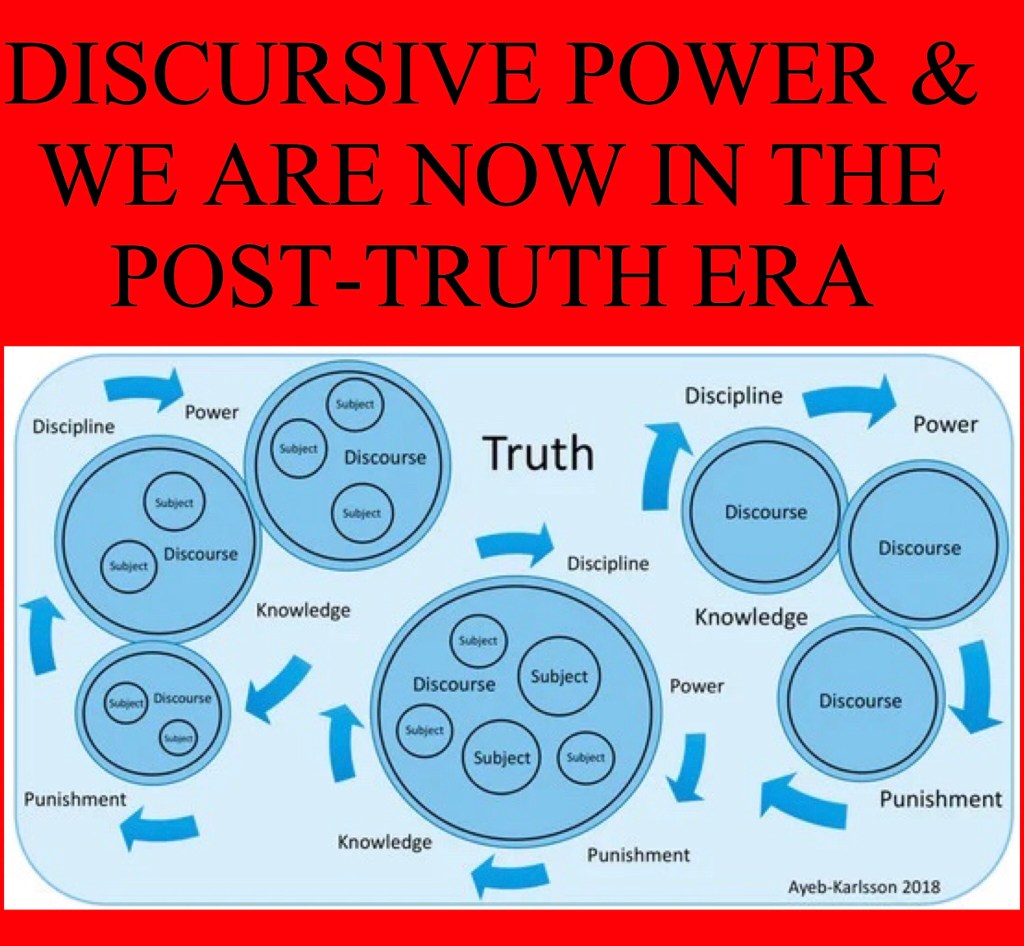
*WE ARE NOW IN THE ‘POST-TRUTH ERA’ – when public opinion is shaped not by facts but by emotions. 我們現在處於“後真相時代” – 公眾輿論不是由事實而是由情緒塑造的。”It no longer matters what is true or false – what matters is who controls the discourse, said prominent Chinese political scientist Yuan Peng.
The degree of Sinophobia increased in direct proportion to China’s growing economic power. Confucius Institutes were perceived exclusively as breeding grounds for Chinese propaganda. Even a public relations event as obviously successful as the 2008 Summer Olympics was accompanied by loud accusations of human rights abuses and speeches in support of Tibetan separatists.
“Whoever controls the discourse controls the power,” Chinese intellectuals began to write, creatively modifying Foucault’s ideas to suit the political demand.
And soon these theoretical findings emerged from the offices of scholars and became the informational basis of Beijing’s new foreign policy – focusing on the ‘great renaissance of the Chinese nation’. The active position of Chinese diplomats and experts in social media (so-called ‘wolf warrior diplomacy’), the promotion of their terminology in various international platforms – all this is part of the ‘discursive power’ that is being developed by Beijing.
’DISCURSIVE POWER? A surprising new weapon at the dawn of the new information war.
Knowledge and information are the new weapons of the new world – since they shape the EMOTIONS of their public. Look for example at how the young in HK were weaponized against their own home even though they had more freedom and peace than many in the West. Those who can guide these feelings in the right direction are the ones who shape the information agenda. **The emotions that are generated have become the ‘discourse’. This concept, born among French poststructuralist philosophers (primarily Michel Foucault) in the mid-twentieth century, has found itself at the core of global politics in the early twenty-first century.
The phenomenon of ‘discursive power’ in China has not remained unnoticed by experts on the country. The Institute of International Studies of the Moscow State Institute of International Relations (MGIMO) has also published an analytical report titled ‘From Soft Power to Discursive Power: The New Ideology of China’s Foreign Policy’, which provides a comprehensive assessment of this phenomenon and makes predictions for the future.
According to its findings, struggles around discourse are part of the hybrid confrontation that is already taking place on a global scale. China’s main goal is to counter the ‘discursive hegemony’ of the West, without overthrowing it, because Beijing needs the structure to build constructive relations with other countries. As a result, an alternative discursive reality to the West will gradually be created and most countries of the world will find themselves in the horns of a dilemma in choosing which point of view to adopt. Most importantly, ‘discursive power’ in Chinese interpretations is not limited to the written word – technological, financial and managerial standards are also part of it. Which, of course, means a new divide awaits the planet.
Such is the wondrous new world – the world of post-truth and ‘discursive multipolarity.’
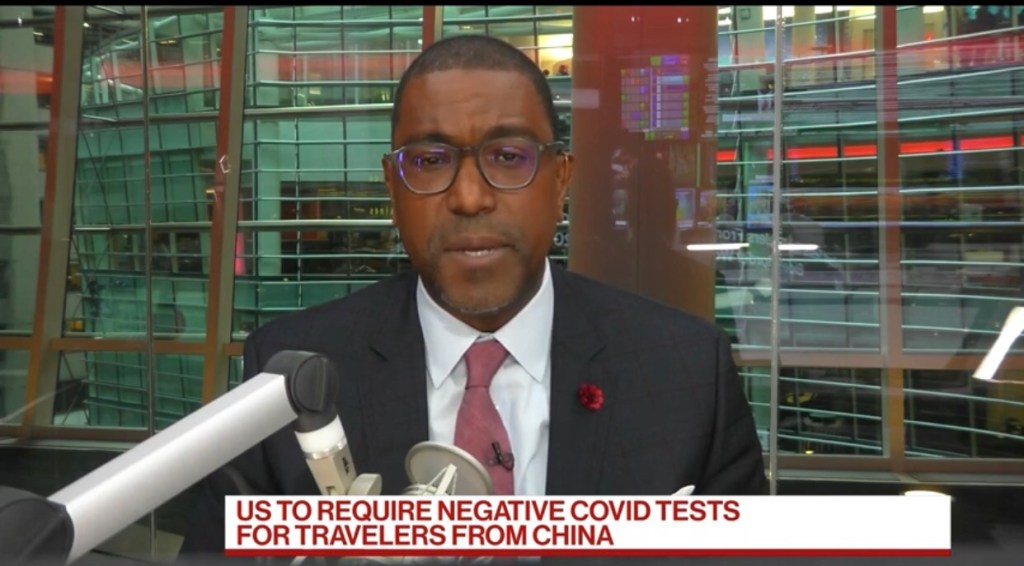
Bloomberg video: Yes, very racist. Covid is everywhere, but only the germs coming from China are dangerous. The US is up to it’s old tricks again. We have plenty of variants here and around the world, but they’re suddenly concerned about China because China is opening up to the world? 彭博視頻:是的,非常種族主義。 Covid無處不在,但只有來自中國的病菌才是危險的。 美國又故技重施了。 我們在這里和世界各地有很多變體,但他們突然擔心中國是因為中國正在向世界開放? https://www.youtube.com/watch?v=-6X0ap1Jksk 👈
There are some astonishing statements by US Gov’t mouthpiece media, the NYT 美國政府的喉舌媒體《紐約時報》發表了一些令人震驚的聲明 on Dec 24 2022 such as:
As elsewhere in the developing world, the West has seemingly lost hearts and minds here. President Biden’s framework for this era — the battle between democracy and rising autocracy — comes across as too binary for a time of complex challenges. Despite the war in Ukraine, even because of it, Central Africans are intensely skeptical of lessons on Western “values.”
Tired of Western hypocrisy and empty promises, stung by the shrug that war in Africa elicits in Western capitals as compared with war in Ukraine, many people I met were inclined to support Mr. Putin over their former colonizers in Paris.
China spreads its influence through huge investments, construction and loans. Mr. Biden convened the U.S.-Africa Leaders Summit “to build on our shared values” and announced $15 billion in new business deals, as the West scrambles to play catch-up and overcome a legacy of colonialism.
These paragraphs appear early in the article, the rest mostly talked about Russian brutality and domination of this country but it also observed that Russian’s killings, while brutal, brought peace and stability.
Tired of racist America! Hong Kong is looking for 35,000 the best of the best next 3 years at Asia’s Financial Center & fast track to huge China market 厭倦美國種族主義? 香港正在尋找35,000尖子到亞洲金融中心工作也是通往中國巨大商機的快速通道
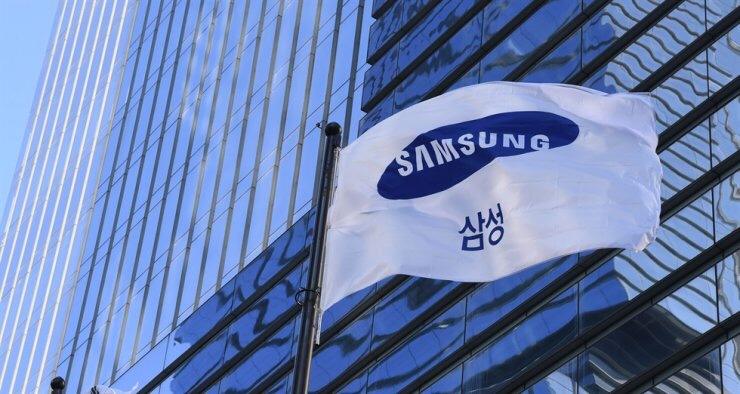
Samsung is dying from US Chip sanctions – US is sacrificing her ally again – But it can’t be mentioned by S Korean Gov’t – when you have a friend like US – who need an enemy 三星正在死於美國的芯片製裁 – 美國再次犧牲她的盟友 – 但韓國政府不能提及它 – 當你有像美國這樣的朋友時 – 需要敵人 – by SF Bay Area China Group 12-28-23
Samsung is SK’s flagship multinational conglomerate. Samsung electronics is the flagship Samsung coporation.
SK is sometimes called the Republic of Samsung. If Samsung fails, SK is not too far behind.
https://www.koreatimes.co.kr/www/tech/2022/12/419_342560.html The top executives of Samsung Group’s affiliates held an emergency meeting earlier this week to discuss potential risks in the conglomerate’s flagship semiconductor business and brace for the looming global economic recession, according to industry officials, Wednesday…
Last week, Goldman Sachs said Samsung Electronics’ fourth-quarter operating profit is expected to decline 58.3 percent year-on-year to 5.8 trillion won ($4.6 billion). The U.S. investment bank anticipated in particular that the Korean firm’s operating profit from its semiconductor business would fall 83 percent year-on-year to 1.5 trillion won.
Domestic securities firms, which have rarely published negative reports on Samsung Electronics, also expect its semiconductor business to suffer an operating loss from the first quarter of 2023, for the first time in 14 years.
“Starting from a fourth-quarter operating loss at the NAND flash business, the company is expected to suffer an operating loss at the semiconductor business during the first quarter of next year,” Daishin Securities analyst Wi Min-bok said.
BNK Securities analyst Lee Min-hee also said Samsung Electronics will lose money from its semiconductor business during the first quarter of next year, because of the worsening profitability of both the memory and non-memory chip sectors….
The tech firm’s device experience (DX) division asked employees to halve the cost of office supplies, including printer paper.

 Business Blog