Dragon Fruit from our garden 我們花園的火龍果 Oct 7 2022

Dragon Fruit from our garden 我們花園的火龍果 Oct 7 2022
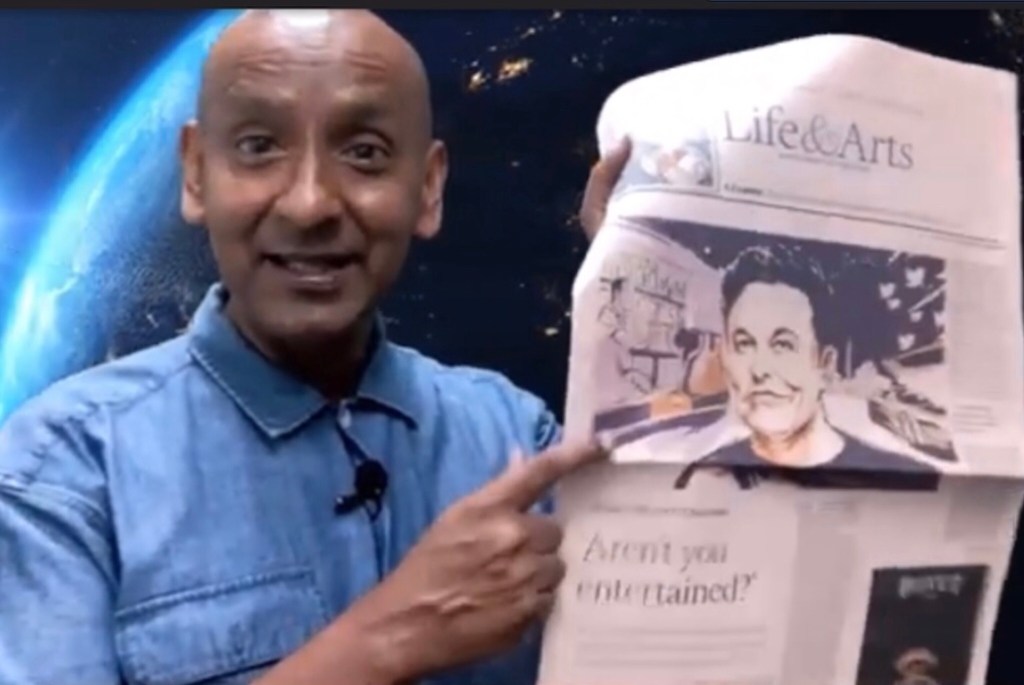
Video: Elon Musk offers Taiwan solution today that US is the main culprit that stirred up problems. If US leave Asia, there shall be peace 馬斯克今天提供台灣解決方案,美國是挑起問題的罪魁禍首。如果美國離開亞洲,就會有和平.
https://rumble.com/v1n3ruk-elon-musk-offers-taiwan-solution.html
https://m.facebook.com/story.php?story_fbid=806846617205332&id=100036400039778
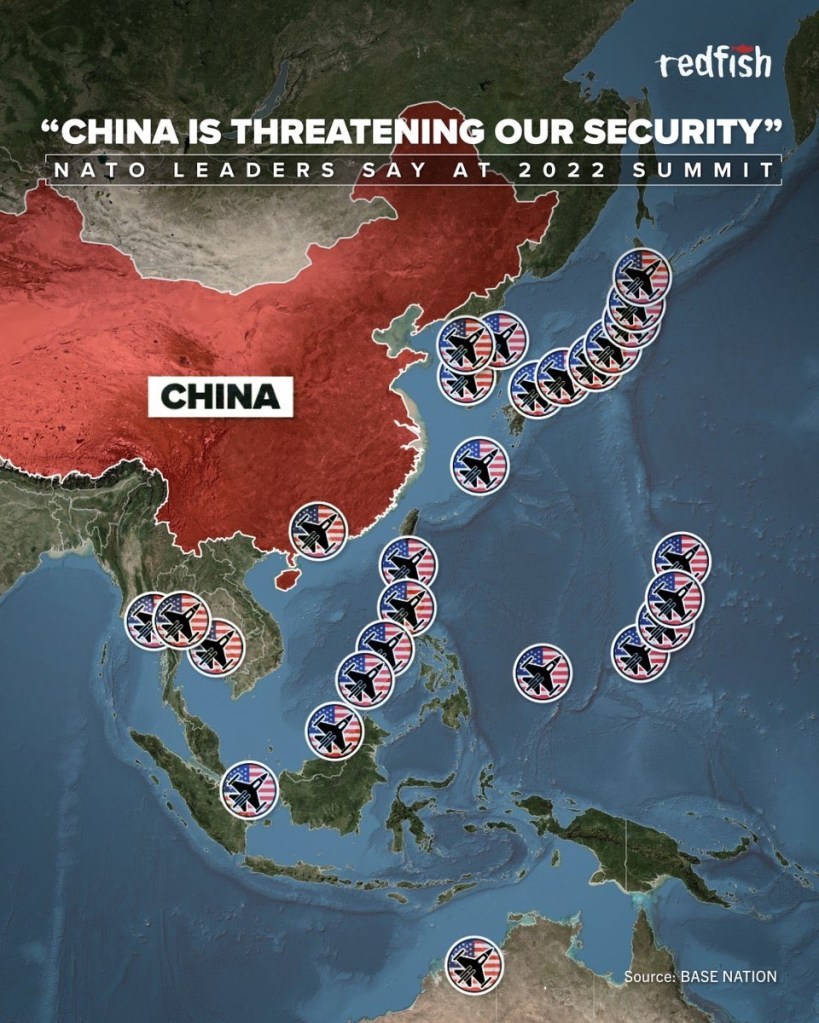
US and NATO said China was built too close to the US military bases therefore with 100s of missiles aiming at China 美國和北約稱中國建得太靠近美國軍事基地,所以將有數百枚導彈瞄準中國
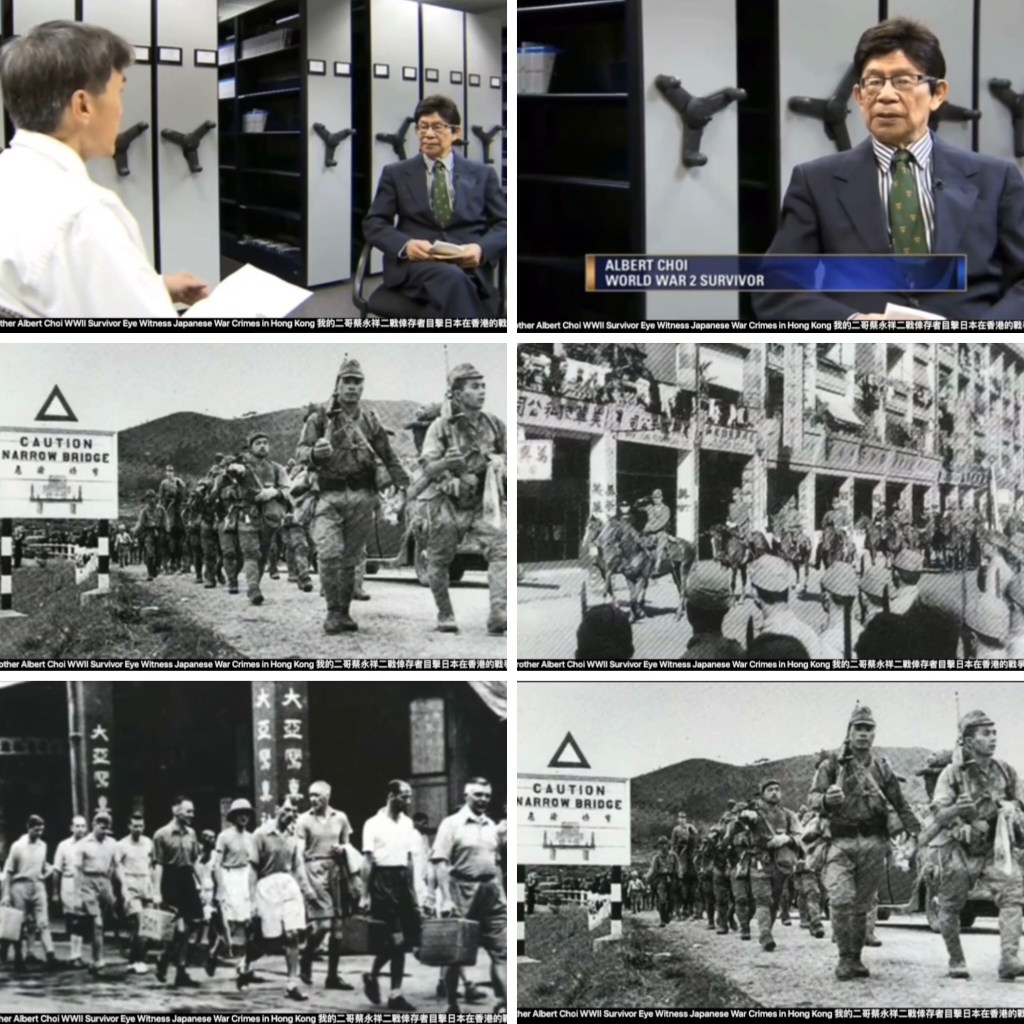
Video: My brother Albert Choi was interviewed in Canada, his eye witness on the Japanese Crimes Against Humanity in HK during WWII 二哥蔡永祥在加拿大接受采訪,他是二戰日本反人類罪在香港的親歷者
https://rumble.com/v1n2j1g-my-brother-eye-witness-on-the-japanese-crimes-against-humanity-in-hk-during.html
https://m.facebook.com/story.php?story_fbid=806565400566787&id=100036400039778
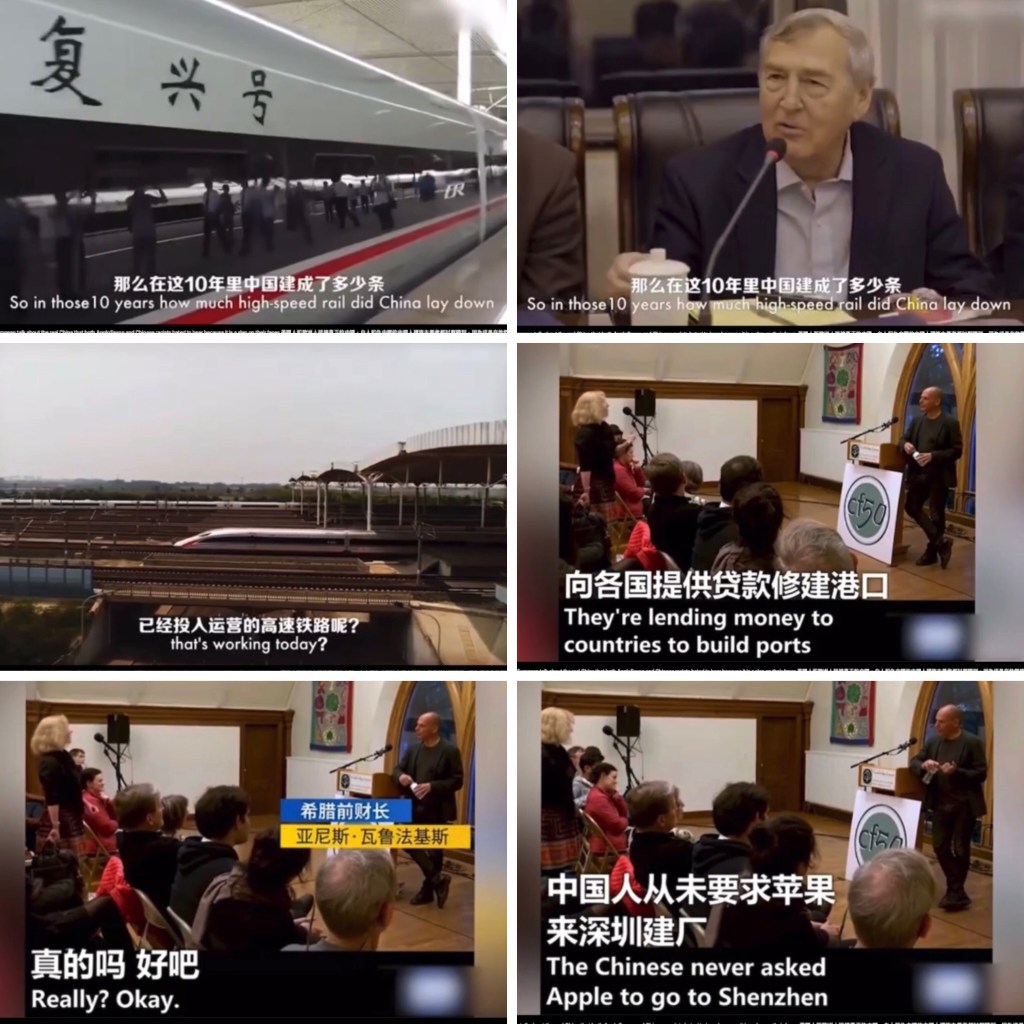
Video: American and European talk about the real China that both AngloSaxon and Chinese racists hated to hear because it is a slap on their faces 美國人和歐洲人談論真正的中國,白人和仇中國的中國人種族主義者都討厭聽到,因為這是在他們臉上的一記耳光
https://rumble.com/v1n2cxg-american-and-european-talk-about-the-real-china.html
https://m.facebook.com/story.php?story_fbid=806529973903663&id=100036400039778
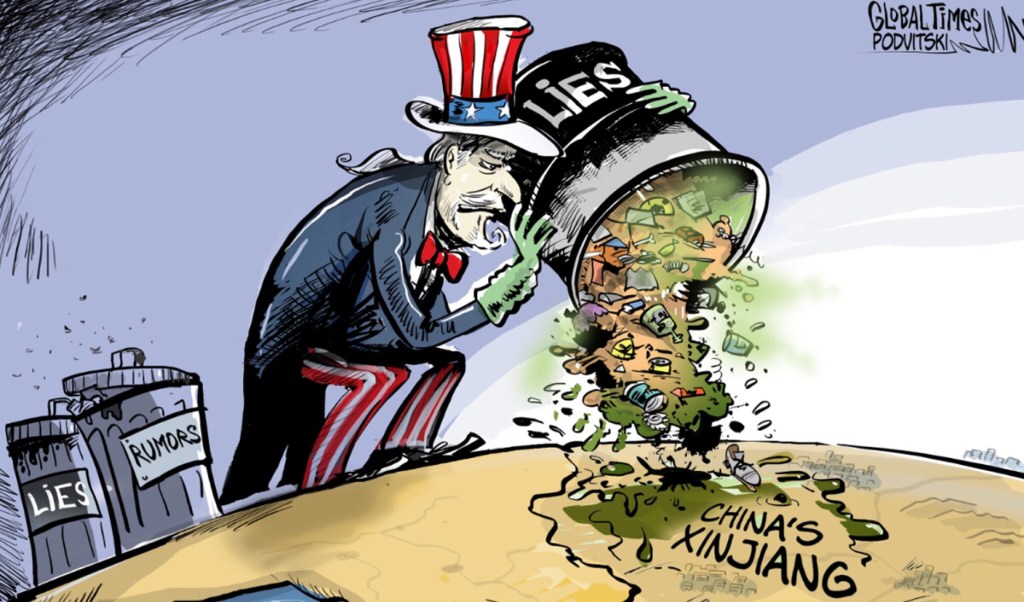
Global audiences are fed up with US-led West’s ‘show’ on human rights lies and fake news propaganda to demonize Chinese, Chinese Americans and China 全球觀眾厭倦了以美國為首的西方關於人權謊言的“表演”和妖魔化中國人、華裔美國人和中國的假新聞宣傳 Oct 07 2022
The 51st session of the United Nations Human Rights Council (HRC) on Thursday voted on a US-led Xinjiang-related draft decision. The result shows that the draft was strongly opposed by most members of the HRC, especially developing countries, and was not passed. The US and some other Western countries have already consumed a substantial quantity of resources in advance for propaganda and diplomatic agitation for the draft, hyping the vote as a “duel” with China, and sparing no effort to force other member states to be obedient. But this weaponization of human rights is deeply unpopular.
This is the second time in the council’s 16-year history that a draft decision has been rejected. Public opinions worldwide almost unanimously believe this is a “major setback” for Western countries. Some Western public opinion even made another stab – calling the outcome a setback to the “West’s moral authority.” This undoubtedly upset the sensitive nerves of some organizations and individuals in the US and the West. They argue that the result “makes a mockery of everything the Human Rights Council is supposed to stand for,” the Muslim countries which voted down the motion are “shameful,” and African countries “yielded.” Some even call Ukraine’s abstention “betrayal.”
The draft was put forward by Western countries including the US, the UK and Canada in a bid to hold a debate on “Xinjiang human rights situation” at its next session in March. Many Western media outlets said in their reports that the draft lowered the tone and “called just for holding a debate,” in order to avoid the scenario in which enough other countries reject their proposal.
Yet this exposes the real purpose of this draft: It is by no means to discuss any human rights issue, but to try to indefinitely hype up a “problem” that does not exist, so as to suppress and contain China.
Western media have shown their disappointment toward this result, because they were too “confident” before. They have ignored that the majority members of the HRC are not pawns that can be manipulated at their will. Chen Xu, representative of China’s Permanent Mission to the UN Office at Geneva and other international organizations in Switzerland, said during the HRC conference that “China is targeted today. Any other developing country could be targeted tomorrow.” This sentence has been widely quoted by the international media, and we believe it is just what the representatives of many countries in the conference have been thinking.
The US and the West have politicized and instrumentalized human rights issues. They have been sitting on judgment seat for a long time, and tried to firmly control the direction of public opinion outside the courtroom. They arbitrarily concoct a crime, and the vast number of developing countries will be forced to prove their innocence, which is very difficult. It must be pointed out that Western countries are not qualified to force other countries to stand such a “trial.” Ending this humiliating cycle is one of the biggest motivations for developing countries to understand each other, sympathize with each other and unite in the international arena to resist the evil winds.
The essence of Xinjiang-related issues is about countering terrorism, radicalization and separatism, and it is not at all a “human rights” issue. Even some Western media admit that the US and West’s hype of Xinjiang-related affairs is essentially a geopolitical friction with China. It is noteworthy that many countries that cast opposing votes are Muslim-majority societies, such as Indonesia, Pakistan, the United Arab Emirates and Qatar. These countries have a better empathy for the governance of Xinjiang, and they have far more say than a few developed countries in the US and the West.
In fact, at the same time as Washington’s manipulation of Xinjiang-related affairs is intensifying, nearly 100 countries, including majority of Muslim countries, have publicly and continuously voiced their support for China’s just stance on Xinjiang-related affairs and opposed interference in China’s internal affairs through Xinjiang-related affairs on various occasions such as the Human Rights Council and the Third Committee of the UN General Assembly. Aren’t these voices of justice more convincing than the hypocritical attitudes of the US and some Western countries?
On March 15, 2006, the UN General Assembly passed Resolution 60/251, replacing the previous Commission on Human Rights with the new Human Rights Council, the original intention of which was to change political confrontation in the field of human rights. However, over the years, the US and some Western countries have abused international multilateral platforms to seek geopolitical self-interest, and human rights have become politicized and even weaponized, which has led to serious challenges to the international human rights cause in the true sense.
This session of the HRC which started on September 12 has been going on for nearly a month. It was supposed to be a good opportunity for countries to sit down and discuss how to cooperate on urgent human rights issues. The so-called draft decision on Xinjiang-related affairs by the US and the West has been foiled, and it has once again shown that the performance of smearing others and playing with presumption of guilt is destined to attract few audiences no matter how hard they try, because the global audiences are fed up with these tricks.
Why the US won’t step back from the warpath with China. Washington’s policies are guided by threat inflation and a vision of global control
By Dr. Radhika Desai, a professor at the Department of Political Studies at the University of Manitoba in Winnipeg, Canada and director of the Geopolitical Economy Research Group. She also writes on current affairs for Valdai Club, CGTN, Counterpunch and other outlets and is the author of Geopolitical Economy: After US Hegemony, Globalization and Empire and Capitalism, Coronavirus and War: A Geopolitical Economy
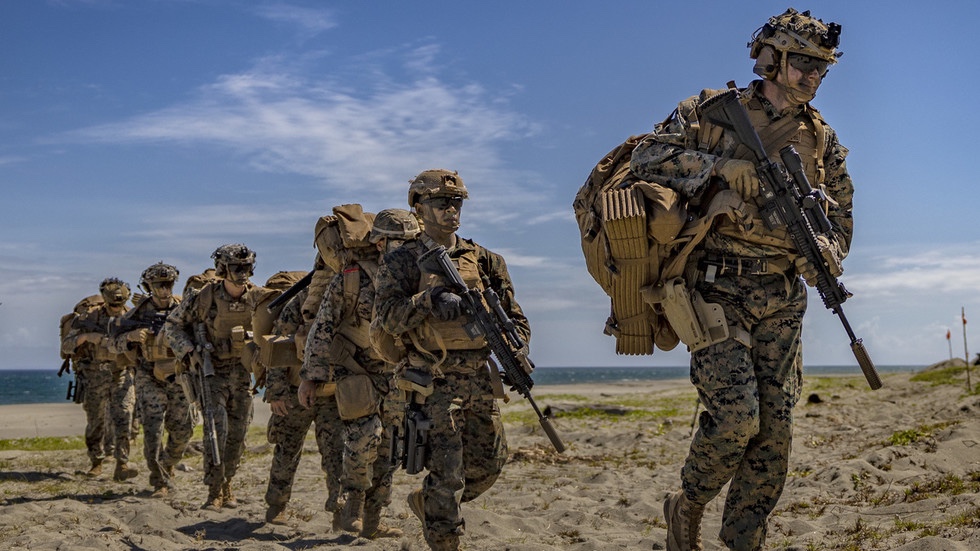
The drums of war being beaten in Washington DC are picking up tempo. Nancy Pelosi’s ill-advised visit to Taiwan was followed by that of more members of Congress. Only weeks later, President Biden declared that the US stood ready to defend Taiwan in case of Chinese invasion and, within two days of that, US and Canadian warships were conducting another of the provocative ‘Freedom of Navigation’ operations in the Taiwan Strait that have become increasingly frequent since President Obama’s Pivot to Asia, and now it has accelerated the passage of the Taiwan Policy Act, which aims to “support the security of Taiwan and its right of self-determination.”
If it passes, it will become Biden’s signature foreign-policy legacy, the proxy war against Russia through Ukraine notwithstanding. It will overturn the US’ long-standing observation of the One China policy, turning its decades-old ‘strategic ambiguity’ into the strategic certainty of US commitment to Taiwanese independence.
After Obama’s Pivot to Asia and Trump’s noisy trade, technology and currency wars, Biden was elected to take a more moderate and peaceable approach. Instead, his presidency has engineered a veritable fourth Taiwan Strait crisis, one that risks nuclear war.
US envoy offers advice to China READ MORE: US envoy offers advice to China
Even amid all the tumult of the Ukraine conflict, US policy-making circles are rife with alarmism over China. Take the prestigious Council on Foreign Relations, a critically weighty part of the US foreign policy community since 1918, when its founders’ report formed the basis of the famous Fourteen Points with which President Wilson responded to the Bolshevik Peace decree with its call for self-determination of all peoples. In recent months, Foreign Affairs, its flagship journal, has featured headlines like ‘Taiwan Can’t Wait: What America Must Do To Prevent a Successful Chinese Invasion,’ ‘How to Survive the Next Taiwan Strait Crisis,’ ‘Washington Must Be Ready For a Showdown With or Without a Pelosi Trip,’ ‘America Must Prepare for a War Over Taiwan,’ and ‘Time Is Running Out to Defend Taiwan: Why the Pentagon Must Focus on Near-Term Deterrence,’ the last by none other than Michele Flournoy, once tipped to be Biden’s Secretary of Defense.
These headlines are not just hot air. In addition to reactivating the Quadrilateral dialogue, forming AUKUS, and giving NATO an unprecedented focus on China, the Biden administration has overseen a massive concentration of forces in the Western Pacific, with 57 of its 111 ships operating worldwide attached to the Seventh Fleet. It includes three ‘super’ and three smaller aircraft carriers, home to nuclear-capable F-35 fighter jets. In addition, the US has been engaged in numerous military exercises in the region, including the so-called ‘Freedom of Navigation’ sailings through the Taiwan Strait.
Of course, declining US economic power over recent decades has also been accompanied by declining US military power, as evidenced in the string of military failures this century that culminated in the ignominious withdrawal from Afghanistan. Inevitably, therefore, there are also voices of caution emerging in the US. While Foreign Affairs itself can also sport stories headlined ‘Beijing Is Still Playing the Long Game on Taiwan’ and ‘Why China Isn’t Poised to Invade,’ new counter institutions have also emerged. One of the most important is the Quincy Institute for Responsible Statecraft, on the premise that ‘[t]he practical and moral failures of U.S. efforts to unilaterally shape the destiny of other nations by force requires a fundamental rethinking of U.S. foreign policy assumptions.’
However, how much can such new institutions change? After all, there is consensus – between the two major parties and across the divide between ‘realist’ and ‘liberal internationalist’ schools of foreign-policy thinking – that China constitutes the main threat to the US. To be sure, the principal expert of the Quincy institute on China warns against ‘threat inflation’ with regard to China, recommends that US policy-makers “[p]roduce more balanced, fact-based assessments of China’s capabilities and intentions,” and urges them to “to create a regional and global system centered on a maximum level of positive-sum interactions, including, among others, cooperative structures, and agreements to address specific common regional and global threats, including climate change, pandemics, financial instability, cyberattacks, and WMD proliferation.” He also advocates “the revitalization of the One China policy toward Taiwan alongside greater efforts to increase incentives in both Beijing and Taipei to compromise in ways that make possible eventual political talks.” However, even he recommends that the ultimate goal of US policy should be “a more financially feasible active denial force posture designed to deny China clear control over its maritime periphery.”
If denying China its sovereignty over its rightful waters is to be the goal of US policy even in the eyes of the critics of current US bellicosity, the US is unlikely to be shunted off the path of military aggression.
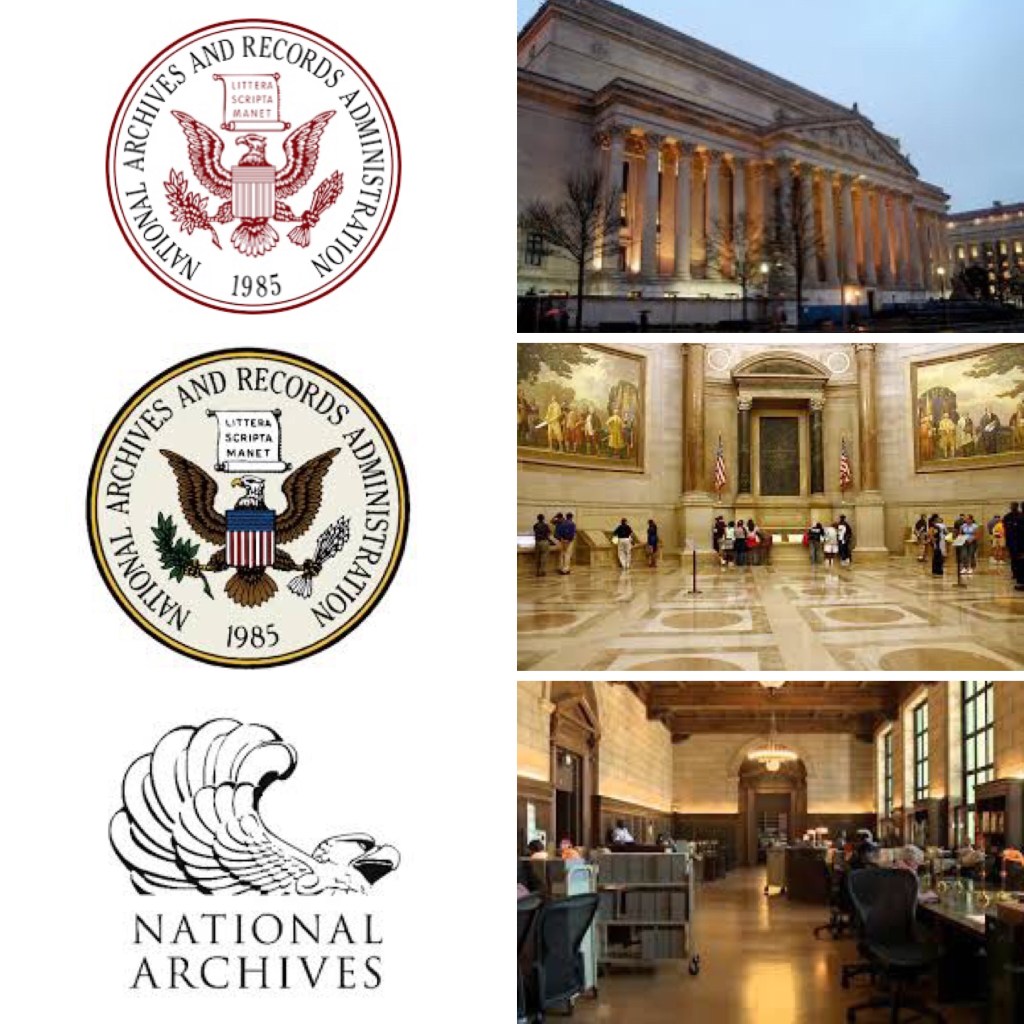
Japanese Crimes Against Humanity / Jenny Chan (Pacific Atrocities Education) and I just returned from NARA (National Archives and Records Administration) after 2 weeks visit. 日本危害人類罪/ Jenny Chan 太平洋暴行教育和我剛從國家檔案和記錄管理局訪問兩週後回來 By Nancy M Lee Ph.D. in San Francisco Oct 6 2022
We have found a lot about Japanese crimes in World War II. All that we did not fully know before. For example, there are:
Mukden (Shenyang) POW Camp and Japanese Army “731 Unit” Bacterial Warfare, more than 12,000 pages.
Five thousand pages of Kampetai (Japanese Military Police) files.
There are also documents about the American Doolittle fliers and Seagull Mission fliers.
In the Doolittle case, the Japanese Imperial 13th Expeditionary Army captured three American airmen (Hallmark, Fallow, and Spatz) in 1942. They were interrogated, tortured, tried without legal representation, and finally executed. In another case from the Seagull Mission, three airmen (Brown, Forbes, and White) were captured in 1943, paraded, tortured, and finally burned alive in Shanghai. President F. D. Roosevelt issued Executive Order (EO 9512, 1943) to capture the involved. In 1945, these Japanese officials were executed after a trial in Shanghai.
These are things we did not know before. We were surprised and fortunate to find tens of thousands of historical documents after almost 80 years.
These data are all because of Senator D. Feinstein’s proposal in 1999 and passed in 2004 (Japanese Imperial Army Disclosure Act of 1999). We could not have seen so much material without this bill. Back then, Ding Yuan and GA’s former president, Ivy Lee, representing the Alliance for Preserving the Truth of Sino-Japanese War organization (APTSJW), promoted and cooperated with Sheldon Harris and others so that we can benefit today.
It is hard to imagine how difficult it was for Sheldon Harris (Death factories, 1995) and Iris Chang (Rape of Naking, 1997). They had to gather relevant information prior to the NARA declassification. Without Ding Yuan’s hard work behind the scenes, they probably could not have written such masterpieces.
Recently, the APTSJW has been sorting out its 30-year history. However, we have not heard the APTSJW board of directors mention these works. Ding Yuan’s hard work and contribution to APTSJW and GA were commendable. It should be remembered.
剛从NARA 回来,在那里二个星期,找到了很多关于二次大战日本罪行的资料。都是我们以前不完全知道的。譬如其中有:1)Mukden (沈阳) POW Camp 和 日軍《731部隊》細菌戰獸行, 12,000页多 ; 2) 5,000 页Kampetai (日本宪兵司令部)擋案; 3)还有关于美國Doolittle team 的三位飞行员(Hallmark, Fallow and Spatz)的资料。他们在1942年被Japanese Imperial 13th Expeditionary Army抓到,经历了审问,和种种拷打折磨, and finally executed。
Another team from the Seagull Mission, three airmen (Brown, Forbes, and White) were captured in 1943, paraded,tortured and 最后在上海被活活烧死。President F. D. Roosevelt issued Executive Order (EO 9512, 1943)to capture the involved。 1945年,这几位日本将领在上海经过审判後执行死刑。这些都是我們以前不知道的。我和Jenny看到这么多的资料, 惊喜到晚上都睡不着觉,很庆幸这么多年后还能找到这些宝贵的历史文件。
这些资料都是因为Senator D. Feinstein 1999 年的proposal, 后来在 2004年通过的 bill (Japanese Imperial Army Disclosure Act of 1999)。没有这份bill 我们不可能看到这么多的资料。當年丁元和 GA的前任会长Ivy Lee出力,推動史维会策划和Sheldon Harris 合作才使我们今天能受惠。
我们真難以想像, Sheldon Harris (Death factories, 1995) 和 Iris Chang (Rape of Naking, 1997)當年在NARA档案 沒有解密之前,是多麼不容易搜集到相關的資料。從而可以理解到如果沒有丁元幕後的辛勞和努力,他們大概不可能寫出這樣的巨著。
最近史维会在整理30年的历史,但是一直没有听到理事们提起这些尘封已久,却仍旧值得大书特书的往事。觉得颇有遗憾,我認为當年丁元为了史维会和GA的辛勞和貢獻,是非常難能可貴的,是不能,也不應該不紀錄下來的。
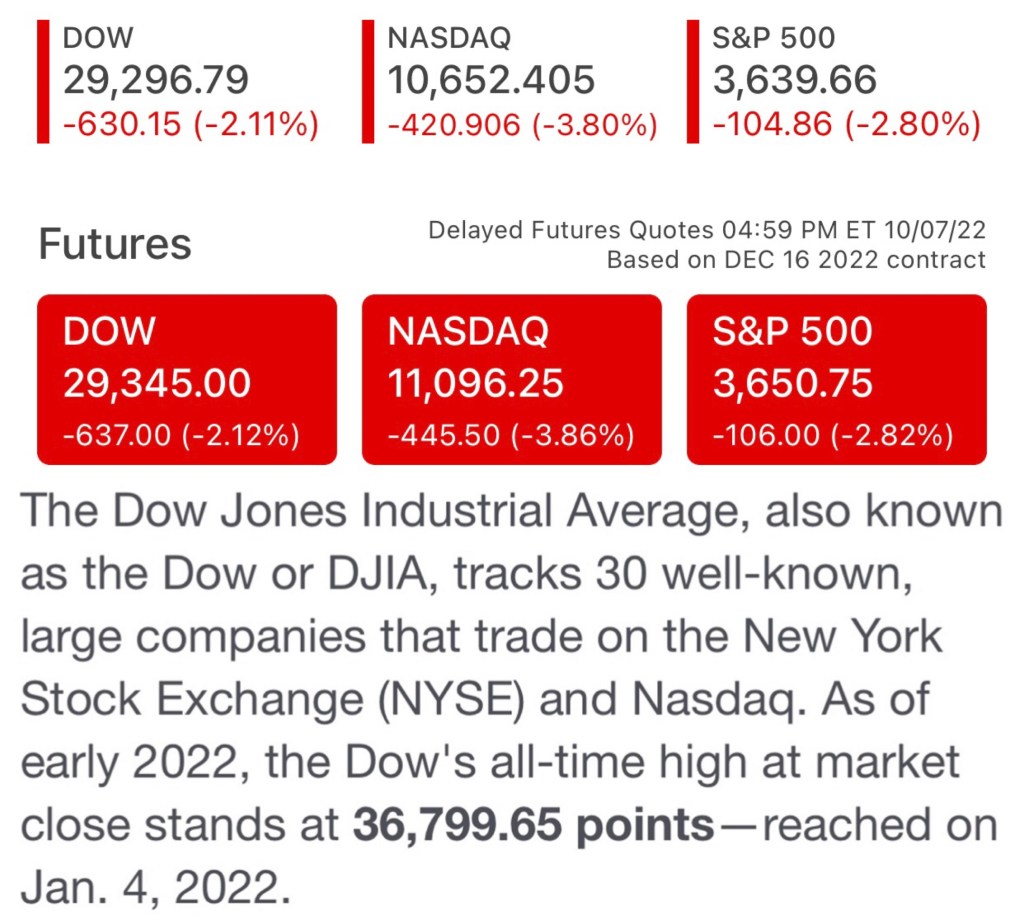
US Federal Reserve and the White House tried to manipulate the stock market for the Democrats last desperate attempts to save the November election, not working! 美聯儲和白宮試圖操縱股市,為民主黨最後一次拼命挽救11月大選,沒有奏效!
Asian Americans are living through years of great hatred, lives of his fellow migrants were “cheaper than those of dogs” forcibly shoved off the streets when they showed resistance. 亞裔美國人生活在多年的仇恨中,他的移民同胞的生活“比狗還便宜”,當他們表現出抵抗時,他們被強行趕出了街道.
https://americanhistory.si.edu/more-about-san-francisco-chinatown-banner
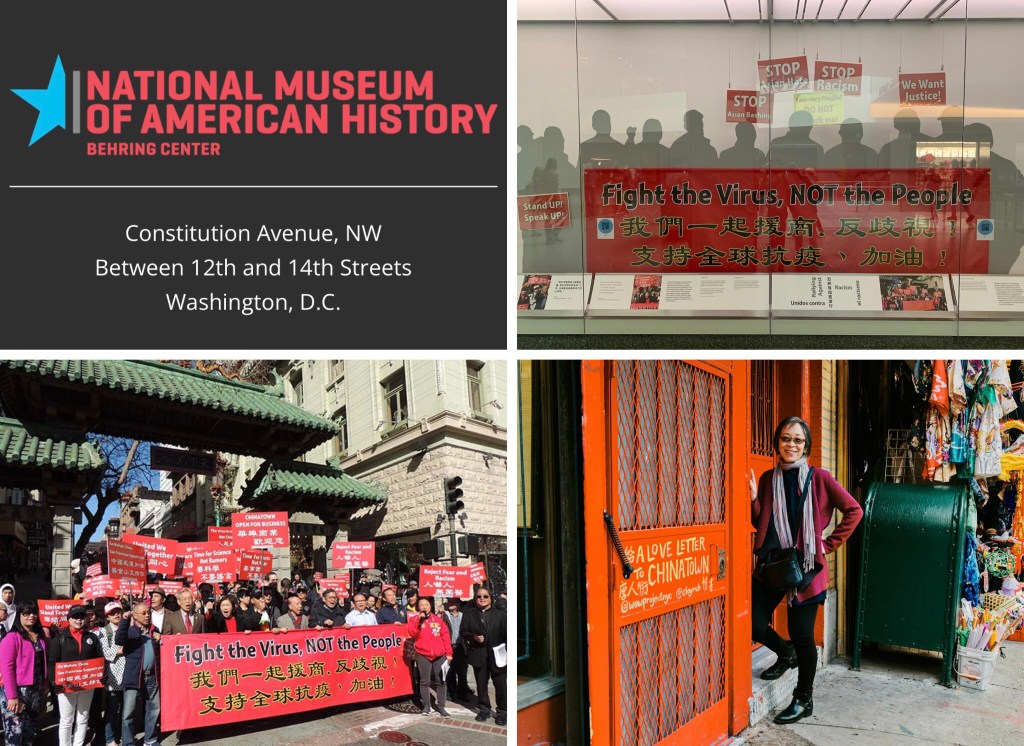
Those words were published nearly 80 years ago, and yet they echo loudly as Asian faces continue to be targets on America’s streets. By Theodore S. Gonzalves
Please also refer to: Thousands Miles Home 萬里尋根歸家路 By Johnson Choi 蔡永強, Oct 6 2022
Thousands Miles Home – by Johnson Choi
More about the San Francisco Chinatown Banner
“The banner affords us an opportunity to consider the complicated histories of Asians in the Americas, stories that have been centuries in the making.”
Asian Americans are living through years of great hatred. That’s how the Philippine writer Carlos Bulosan referred to the anti-Asian violence in his memoir, America is In the Heart. He wrote that the lives of his fellow migrants were “cheaper than those of dogs” and that they were “forcibly shoved off the streets when they showed resistance.” Those words were published nearly 80 years ago, and yet they echo loudly as Asian faces continue to be targets on America’s streets.
As a curator of Asian Pacific American History at the Smithsonian’s National Museum of American History, I work with colleagues to ensure that our museum presents the fullness of the humanity of Asian Americans and Pacific Islanders. With the COVID-19 pandemic as the backdrop, I also want to make sure we seek out objects for the national collections that will help us make historical sense of our present moment.
Not long ago, I learned from a retired superior court judge active in San Francisco’s Chinatown about a rally and a march that took place in the earliest days of the pandemic, on February 29, 2020. I wondered: Could an object from that rally be a candidate for the national collections? Judge Julie M. Tang (ret.) sent me photos and video of the San Francisco demonstration. At the front of the march, a bold banner stood out.
Made of vivid red vinyl, the banner—approximately 11-feet wide by four-feet high—has black felt lettering outlined in white. The topmost line is in English and reads: “Fight the Virus, NOT the People!” The lower two lines are in Cantonese; the text translates to: “Together we support the businesses, [we are] against discrimination” and “[We] support fighting the global pandemic, add oil.” That last bit about the oil, it was explained to me, is a famous Chinese idiom, meaning “keep it going” or “keep it up with courage and determination.”
Judge Tang informed me of a diverse coalition that came together for a 1,000-person strong demonstration. She said: “We decided to go out to the streets and shout out our concerns. We want everyone to know what we were worried about: Our lives, our jobs, our businesses, and our survival in the United States.”
Just 11 days after the San Francisco rally, the World Health Organization declared the novel coronavirus a global pandemic. I asked myself, “How could this community have predicted what was about to happen?” That was the wrong question. The residents of the oldest Chinatown in North America didn’t have special powers to look into the future. Instead, the organizers of the march seemed to make sense of both the present and the past by grappling with what historians James and Lois Horton have referred to as the “tough stuff of American memory.”
The banner affords us an opportunity to consider the complicated histories of Asians in the Americas, stories that have been centuries in the making. The demonstration’s sponsor, the Chinese Consolidated Benevolent Association, was founded in San Francisco in 1882, in part to push back against anti-Chinese violence. That was the same year as the passage of the infamous Chinese Exclusion Act, a federal ban on immigration to this country based on ethnicity or national origin. Just a few weeks after Congress passed the law, a political cartoon ran in the San Francisco-based popular weekly The Wasp, depicting three ghoulish figures hovering over the port city. In each of their gowns were sewn the words “malaria,” “smallpox,” and “leprosy,” repeating public officials’ common refrain of associating Chinatown residents with public health crises.
The histories of Asians in the Americas often focus almost exclusively on acts of victimization and hardship. But this one-hundred-year period, from the 1840s to the 1940s, reveals complex dynamics about labor migration, settlement, and resistance.
Consider the contradictions between business’s need for inexpensive labor and combine it with nativists’ vision for their narrowed version of what the nation should be. Capital welcomed thousands from Asia and the Pacific Islands to the United States and its territories to work in fields, factories, hotels, and restaurants. Years of attracting “undesirables” stirred nativist panics over jobs, sexual jealousies, and health scares into a potent mix resulting in federal exclusion laws: Chinese in 1875 and 1882, South Asians in 1917, Japanese in 1924, and Filipinos in 1934.
When students and community organizers in the 1960s started using the term “Asian American” to define themselves, they staked out what they felt was important about their understanding of United States history. It was not simply an identity born of victimization. To be sure, it is important to make plain in the historical ledger the facts of who did what to whom. But what happened to these groups is incomplete without understanding how they responded. The term “Asian American” was premised on resistance and solidarity.
Banners like the one that is now part of the nation’s flagship history museum bear the hopes and fears of their makers, the dreams as much as the nightmares of ancestors, and challenges to others for a more just shared future. They serve as portals to many more stories about how to face the tough stuff of American memory with courage and determination.
—Theodore S. Gonzalves, curator of Asian Pacific American History
Grace Young: Wok Whisperer and Chinatown Activist
Grace Young stands in a doorway. The door is decorated with the text, “A Love Letter to Chinatown.”
Grace Young, a New Yorker with family roots in San Francisco, is a tireless advocate for support of AAPI communities and historic Chinatowns across the country. As an historian of Chinese cuisine and the author of three award-winning cookbooks, Young has worked for decades to enlighten American home cooks on aspects of Chinese history and culture. Known as the wok whisperer and stir-fry guru, she has long practiced the art of gastro-diplomacy to bring people together through food.
Since 2020, when the global pandemic unleashed acts of discrimination and violence against AAPI communities across the United States, Grace Young embraced a more direct form of activism. Risking her own health and safety, she embarked on a project with Poster House museum in New York to document the impacts of COVID-19 on Chinese restaurants and workers. The video series, Coronavirus: Chinatown Stories, records the stories and voices of people facing economic uncertainty and community devastation. Young also organized a campaign to provide Chinatown residents with hand-held alarms for their personal use as incidents of anti-Asian hate escalated.
Grace Young is the 2022 recipient of the Julia Child Award, an annual award presented by the Julia Child Foundation for Gastronomy and the Culinary Arts to an individual who has made a significant impact on the way America cooks, eats, and drinks. Presented at a ceremony at the National Museum of American History, the award recognizes Young’s extraordinary culinary, cultural, and activist work, and will further amplify her message of support for Chinatowns, AAPI restaurants, and small businesses in communities across the country.
For more information about Young, Julia Child, and the award, please visit the exhibition FOOD: Transforming the American Table on 1 East.
—Paula Johnson, curator and project director, American Food and Wine History Project
 Business Blog